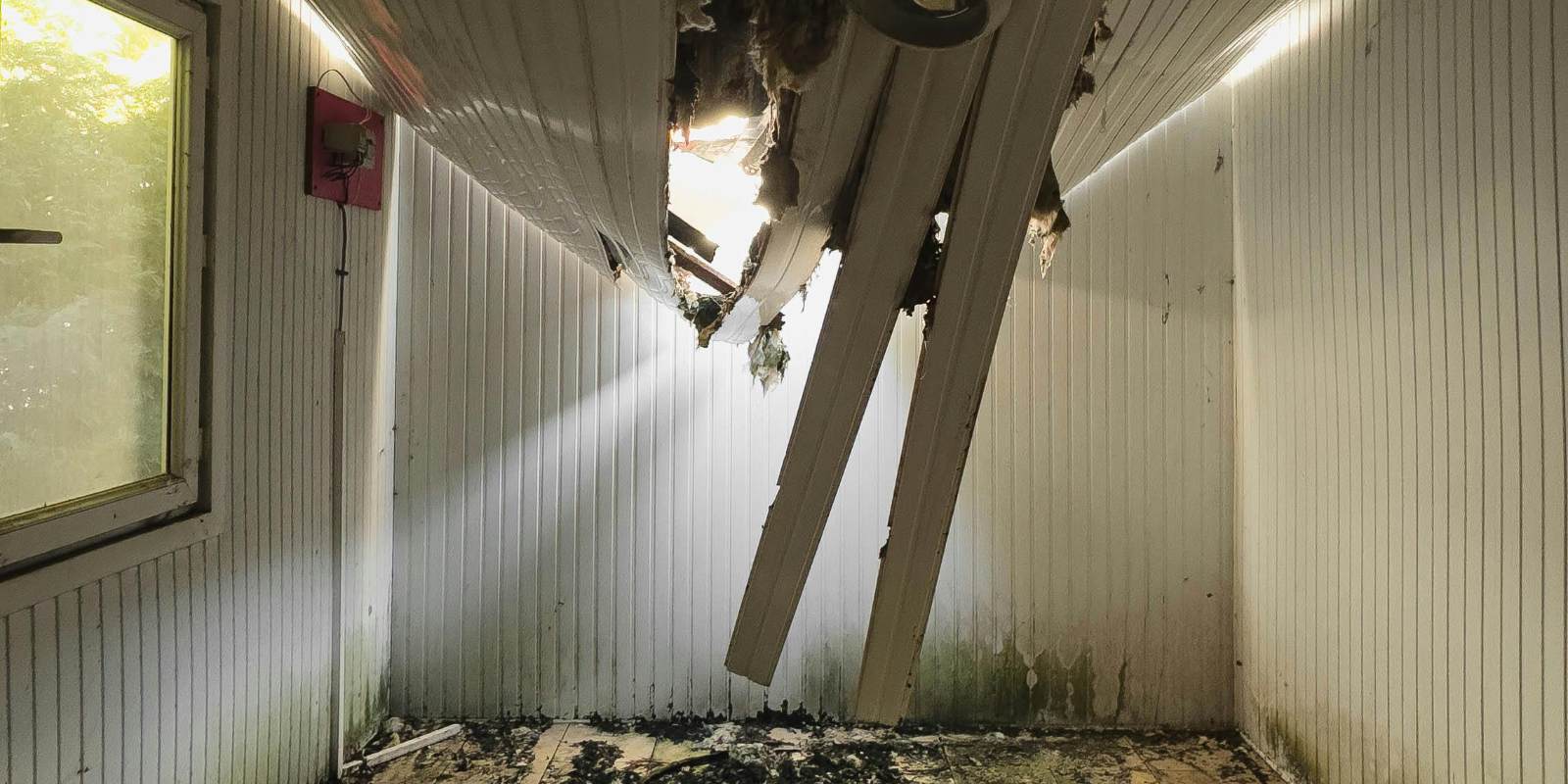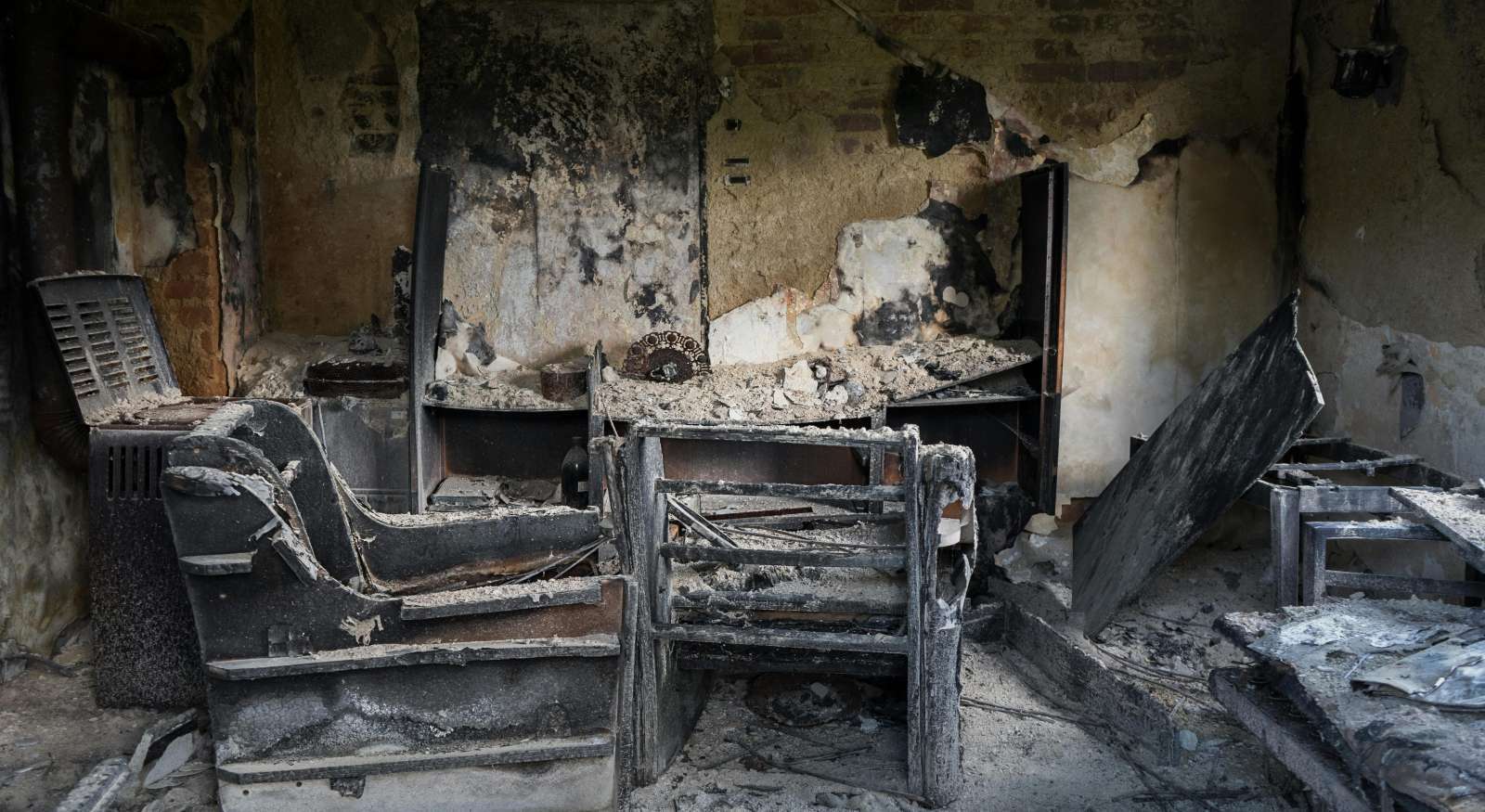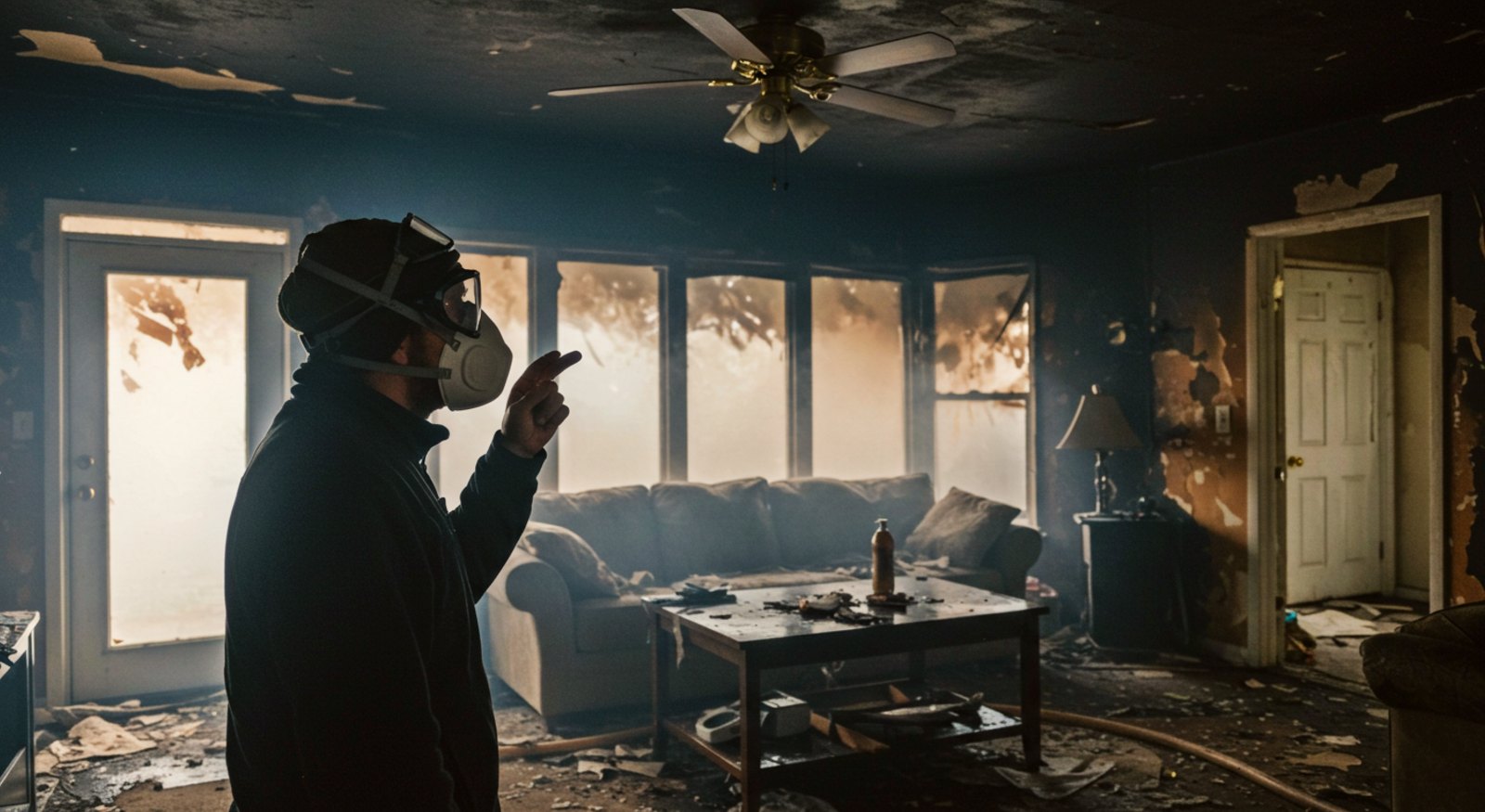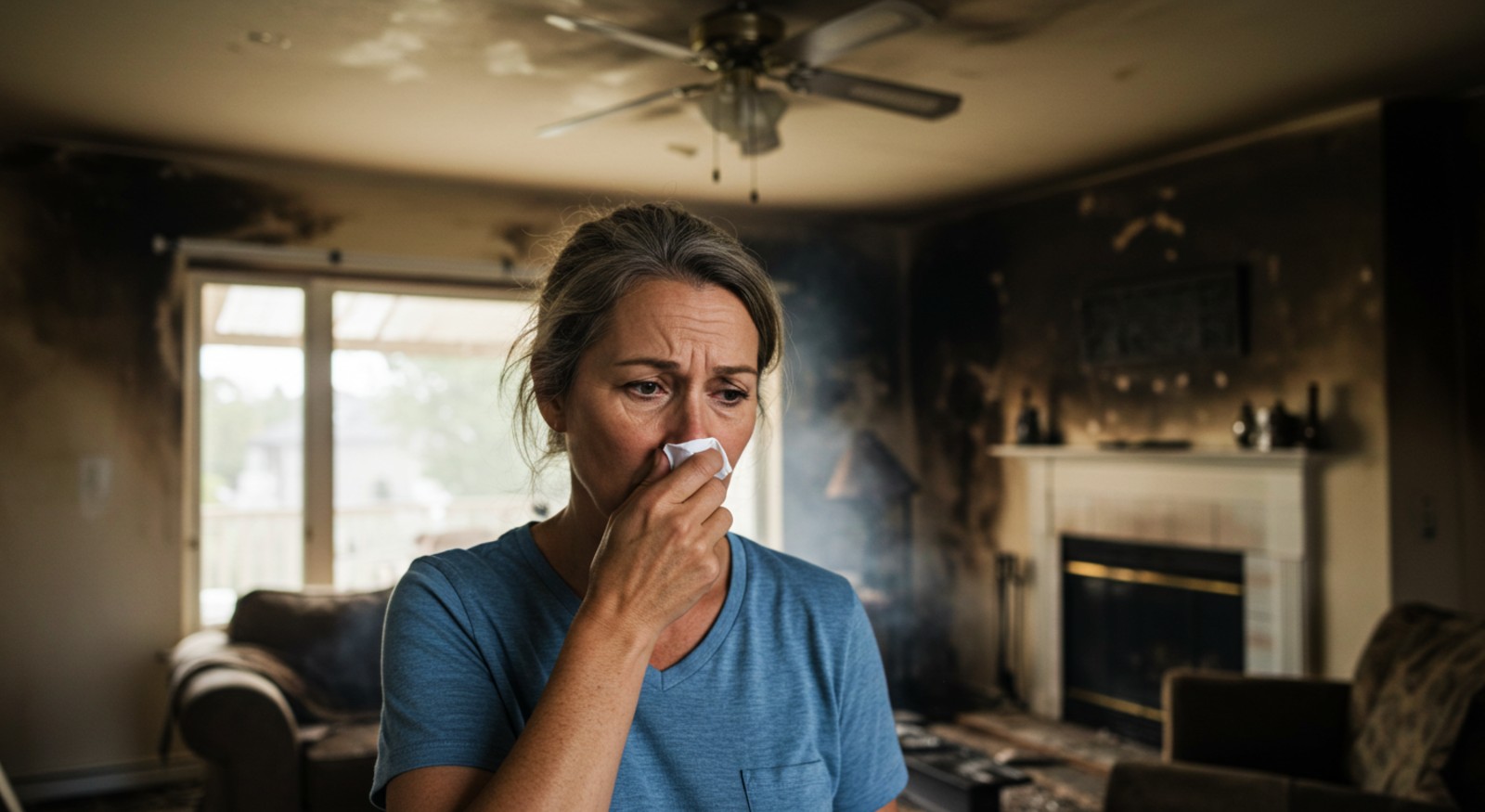


You’ve had a fire in your home. The flames were contained and put out, and your loved ones are safe. Now that the fire department is gone, it's time to call your insurer and a restoration company. While you know some of the structural damage will need to be fixed, you wonder about your electronics. What if they were damaged? If so, can something be done to repair them?
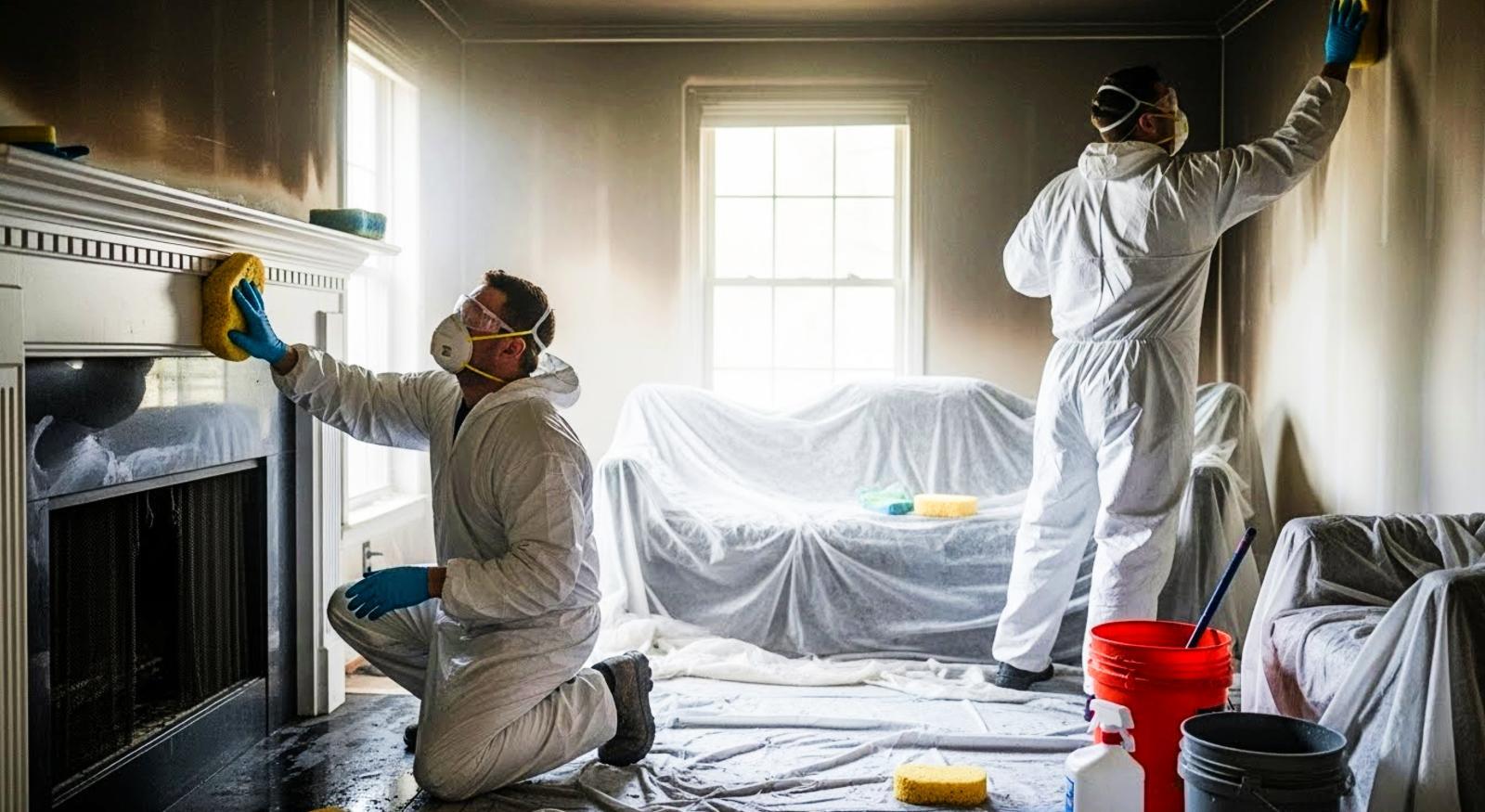
Having handled hundreds of fire restoration projects over the past decade here in South Arkansas, Restore-It has heard these concerns before. Even if your electronics look "fine" on the outside, the reality is that soot and circuit boards don't mix. But this doesn't necessarily mean it's all lost. There might be a chance to save your devices.
Let's discuss why soot is so dangerous to electronics, what can and can't be saved, what to do and what to avoid, and how insurance handles smoke damage. Join us in this educational trip on smoke damage and how it interacts with your electronics.
The Hidden Dangers of Soot on Electronics
Before we get into the relationship between soot and your electronics, let's first understand what makes soot so dangerous and how it gets there in the first place.
The Science Behind Why Soot Kills Electronics
With a fire comes smoke, and with smoke you get soot. This black dust is not just some harmless byproduct. This sticky residue is acidic, often electrically conductive, and it's small enough to get inside any vent of any electronic in your home.
When soot settles on a circuit board, it can corrode the tiny copper and gold contacts. If you plug in your device, that conductive soot may bridge circuits, short out components, or even fry the motherboard. One wrong move, and your device is gone for good.
This is why you should never turn on electronics after a fire. Even if they look fine, internal corrosion may be underway, and you may short-circuit something. Instead, wait for the technicians from the restoration company of your choice to provide indications, and see if they can do something about it (more on that later).
Smoke & Cooling Systems: How Soot Gets Inside Your Devices
Most electronics produce heat, and this heat needs to dissipate; if it doesn't, it will keep getting hotter and hotter, frying the device's internal components. This is where ventilation comes in. Many electronics have active fans aimed at vents to help keep the inside cool. Items such as laptops, game consoles, desktop computers, smart TVs, and sound systems have them.
During a fire, these fans often suck in soot and smoke, pulling them straight to the motherboard and heat sinks. Once coated, your device loses its ability to cool itself. The result? Even if you manage to power the device on, it will overheat quickly and fail, sometimes within days.
What NOT to Do After a Fire
Of course, this doesn’t mean there is nothing you can do to get your favorite laptop or TV back instead of buying a new one. However, before we talk about the real solution, let’s quickly go over what you shouldn’t do to prevent further damage to your devices.
- Don't Clean It Yourself: Wiping with standard cleaners (like Windex or alcohol) can trigger chemical reactions with the acidic soot, accelerating corrosion.
- Don’t Blow Compressed Air or Use a Vacuum: It can push soot deeper into vents or contacts.
- Don’t Power It On: Because of its electrical conductivity, soot can quickly fry your devices.
What You SHOULD Do After a Fire
Concerning the safety of your electronics, there are only two things you can realistically do after a fire:
- Leave It Alone: Yes, you read that right. The best thing you can do is unplug your device (and maybe take some pictures for documentation) and let it be.
- Call a Professional Restoration Company: Many companies have the tools to clean soot from electronics and, hopefully, return them to their previous condition.
Yes, it is a little anti-climactic, but the harsh reality is that when it comes to soot and electronics, it’s always best to leave it to the pros.

How Professionals Restore Your Electronics After a Fire
A reputable restoration company should have both certified technicians and the tools needed to restore your electronics. Let's take a closer look at how this process works:
Step 1: Disassembly
The outer shell is removed. The circuit boards and power supply are isolated and inspected.
Step 2: Ultrasonic Cleaning
The internal boards are placed in a tank filled with a safe solution. Ultrasonic waves create tiny bubbles that dislodge soot particles without damaging components.
Step 3: Deionized Water Rinse
The cleaned boards are rinsed in pure water to ensure no residue remains. This water, unlike the water you are used to drinking, has no minerals and poses no harm to your electronics.
Step 4: Drying Chamber
The components are slowly dried at low temperatures to remove 100% of the moisture.
Step 5: Testing
Each item is reassembled and tested for functionality and safety.
When Electronics CAN'T Be Saved
So, as a professional restoration company, we would love to tell you that we can fix everything. But that would be lying, and we are in the business of telling you the truth. Restoration is not magic, so we need to set some realistic expectations. There might not be much any restoration company can do if the device falls into one of these conditions:
- High Heat Exposure: If the plastic casing is warped or melted, the internal components are likely to have suffered heat damage that cleaning cannot fix.
- Heavy Soot Saturation: If a device was right next to the source of the fire, the acid corrosion may have already eaten through the contacts before we could get to it.
- Old/Outdated Tech: Sometimes, the cost of professional restoration exceeds the item's value. It might cost $300 to restore a TV that is now worth $200. In these cases, we recommend replacement to your insurance adjuster.
Will Insurance Cover Smoke-Damaged Electronics?
In most cases, yes. Most homeowner's insurance policies cover personal property, including electronics. However, they will look at the "cost vs. benefit."
They will rely on a professional restoration assessment to verify if the item is in "restorable" condition. This means there might be some items that would be considered losses, and your insurance would pay for replacements.
For more information about your specific insurance coverage, we suggest you review your policy and speak with your insurance adjuster. You can also visit the National Association of Insurance Commissioners (NAIC) website and check its "Consumer Guide on Homeowners Insurance."
You should also check our article on Replacement Cost (RC) vs. Actual Cash Value (ACV) to know more about how this part of insurance coverage works.

So, Can Smoke-Damaged Electronics Be Saved?
Yes, but only if you act fast and don't make it worse.
Soot is corrosive, conductive, and sneaky. It gets inside your devices, coats the cooling systems, and destroys connections from the inside out. But with professional restoration, many items can be saved.
You've just learned why smoke-damaged electronics are at risk, what goes into the restoration process, and what your insurance might cover. Now it's time to take action.
Your next step? Learn how the smoke damage restoration process works from start to finish so you can make informed decisions about your home and your property.

Your electronics hold your memories, your work, and your entertainment. Don't risk losing them to hidden corrosion. Call Restore-It today for a full assessment of your smoke-damaged property. With our team, we can work swiftly and safely on your fire restoration project and get your home back to its condition before the fire.

Topics: