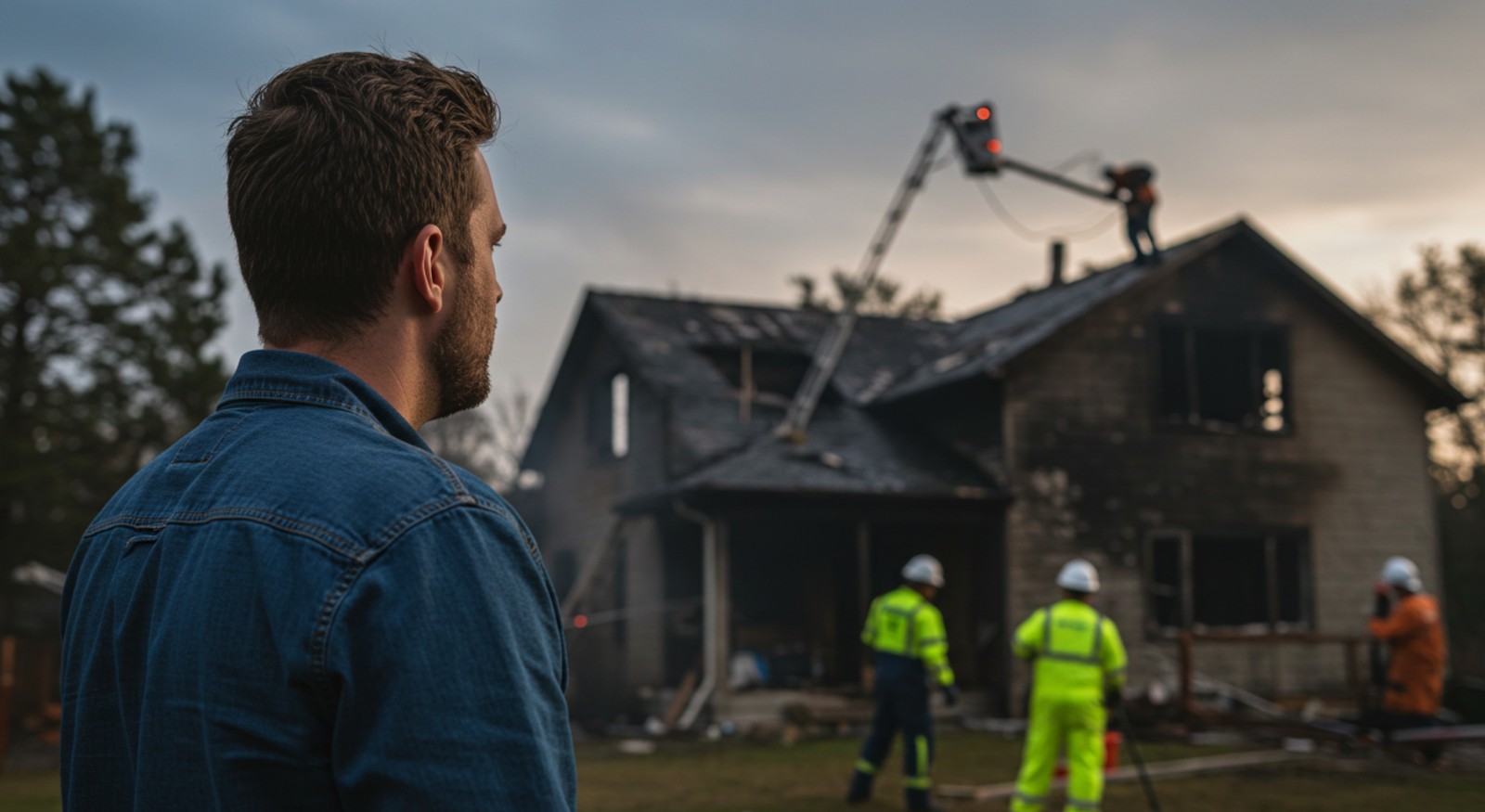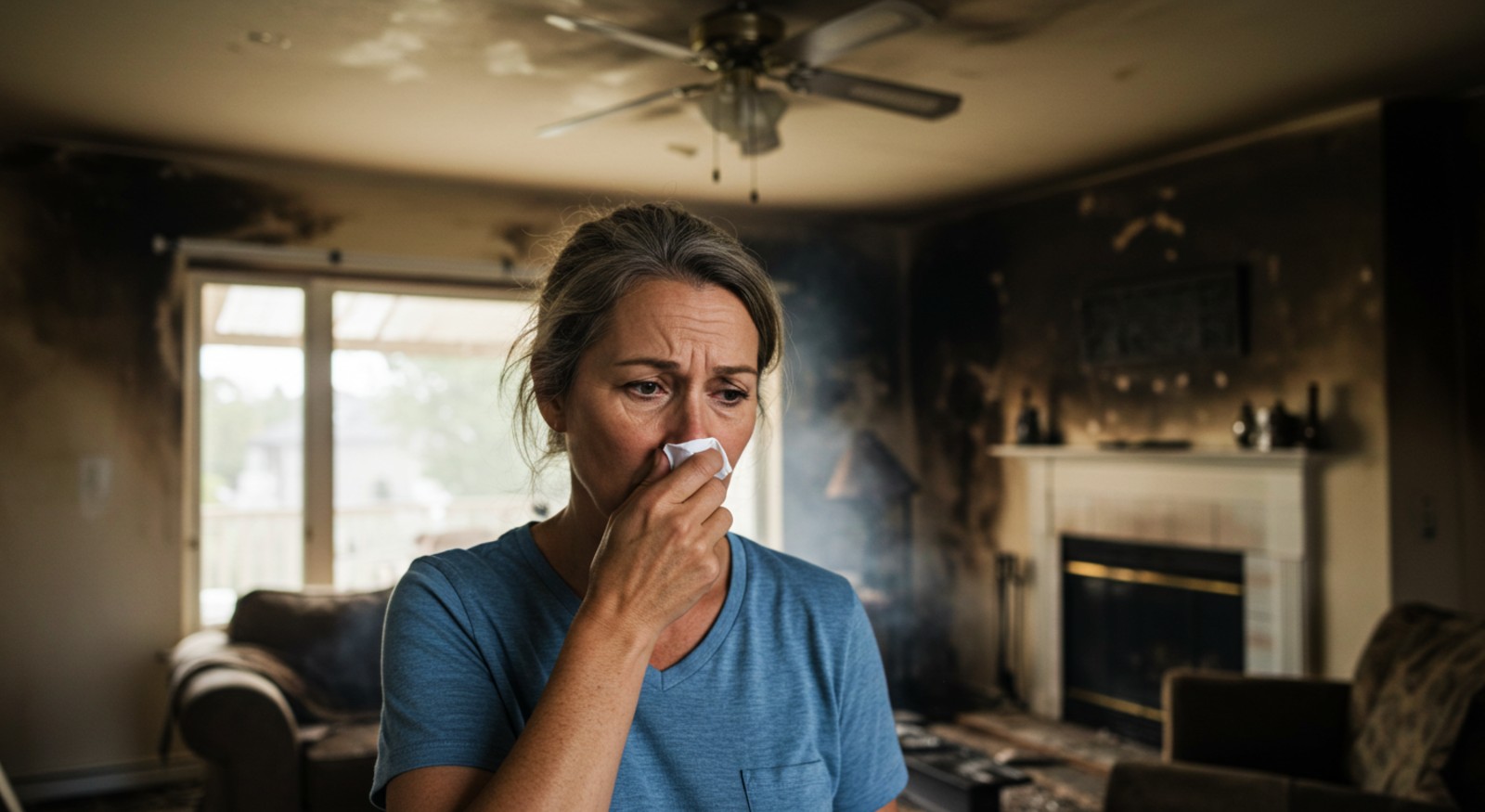

For many of us in South Arkansas, the holidays mean one thing: going back to visit Grandma's place. It's where so many memories live, and now you get to create new ones with other members of the family.
While you are there and everyone else is focused on the festivities, you notice it. There is often a second, quieter emotion sitting right next to the nostalgia. Worry.
You notice things you didn't see when you were younger. You notice the extension cords snaking under rugs. You see the stacks of old newspapers and magazines narrowing the hallway. You feel the draft in the guest room and see the ancient space heater glowing in the corner.
If you have checked our blog before or heard about fire prevention, you know the situation is tense. You don't want to insult your grandparents by suggesting their home isn't safe. But not doing so can put your family at risk.
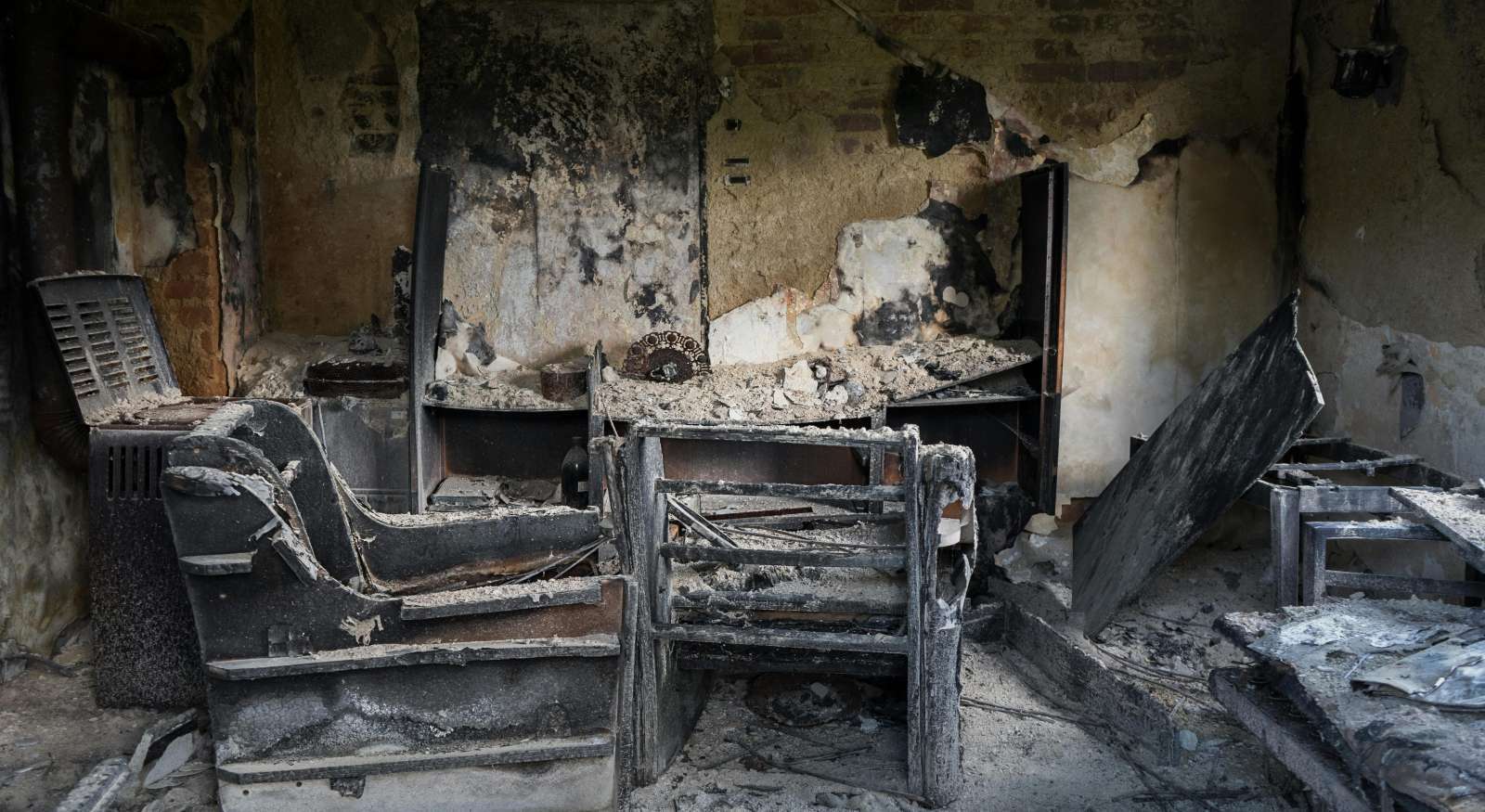
Here at Restore-It, as a fire restoration company, we see home fires every year, especially during the winter season. Here in South Arkansas, we can say that most of the home fires were not necessarily started in older homes, but the risk of fire-related death or injury increases significantly with age.
As a fire restoration company, we at Restore-It observe an increase in home fires every winter season. While older homes in South Arkansas aren't necessarily where most fires start, the risk of fire-related injury or death rises considerably with the age of the homeowners.
This is according to data from the National Fire Protection Association (NFPA). Adults aged 65 and over are twice as likely to be affected compared to the general population. This risk triples for those aged 75 and quadruples for individuals aged 85.
So, this is more than an uncomfortable conversation. This is about the safety and well-being of your loved ones. This year, the best gift you can give your family is peace of mind. That's why we created this guide to navigating the specific risks in an older relative's home, along with a checklist to ensure everyone stays safe this season.
The Danger of Aging Electrical Systems
Your grandmother's house might have been built in the 50s, 60s, or 70s. If so, the electrical system was designed for the needs of that era. There is a high chance it has not been retrofitted to meet its current energy needs.
Just think about today's energy load: high-definition TVs, smartphones, tablets, air fryers, and 500 LED Christmas lights. Now imagine an old system created to handle (at most) a few lamps, a radio, and a refrigerator. A single spark can cause devastation in an old home.
The "Knob and Tube" Risk
In many old Arkansas homes, you might still find "knob and tube" wiring. This old-fashioned system lacks a ground wire (the third prong on a plug). Over time, the rubber insulation on these wires can become brittle and crack, leaving live wires exposed inside the walls.
The Extension Cord Web
Because older homes have fewer outlets, seniors often rely heavily on extension cords. During the holidays, this gets worse. You might see power strips plugged into power strips to accommodate tree lights and village displays.
The thing is that extension cords are for temporary use only. They are often rated for lower wattage than the devices plugged into them. Running them under rugs (a common tripping-hazard fix) can trap heat and ignite the carpet.
Space Heaters and Electric Blankets
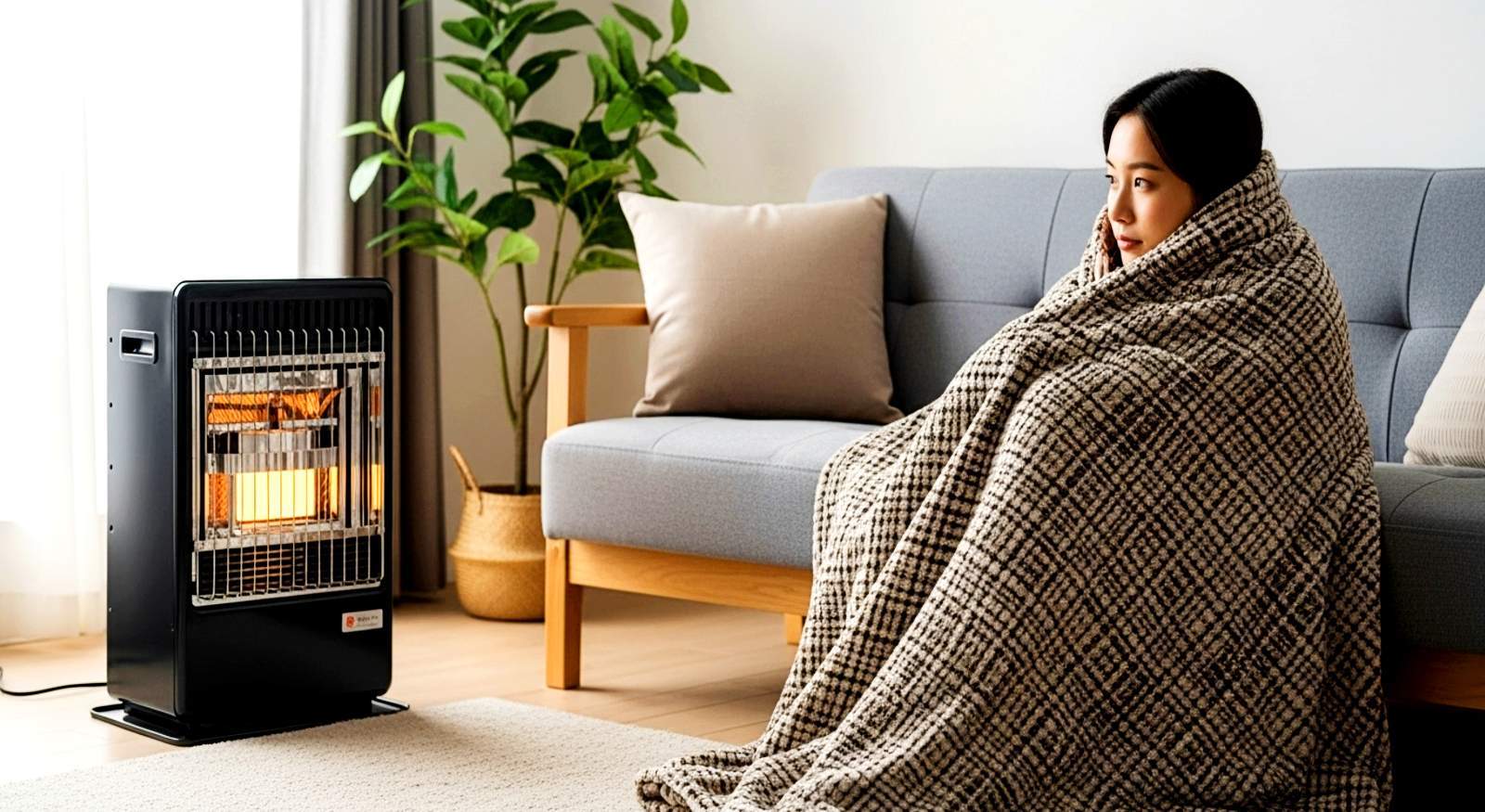
As you probably already know, older people often feel the cold more because they can't regulate their body temperature as well as they did in their younger years. If we add to that the colder winter air, it's no surprise to find space heaters and electric blankets in your grandparents' home. While this keeps them comfortable, it's a massive fire risk.
Heating equipment is the primary cause of home fire deaths, according to the National Fire Protection Association (NFPA). Notably, portable electric space heaters are involved in two out of every five deaths that occur in space heater fires.
The danger is proximity. Seniors often place heaters close to their favorite chair or bed to feel the warmth directly. Same with electric blankets. If they fell asleep, they might not be able to react fast enough to prevent a fire.
Another Risk: Clutter and Hoarding
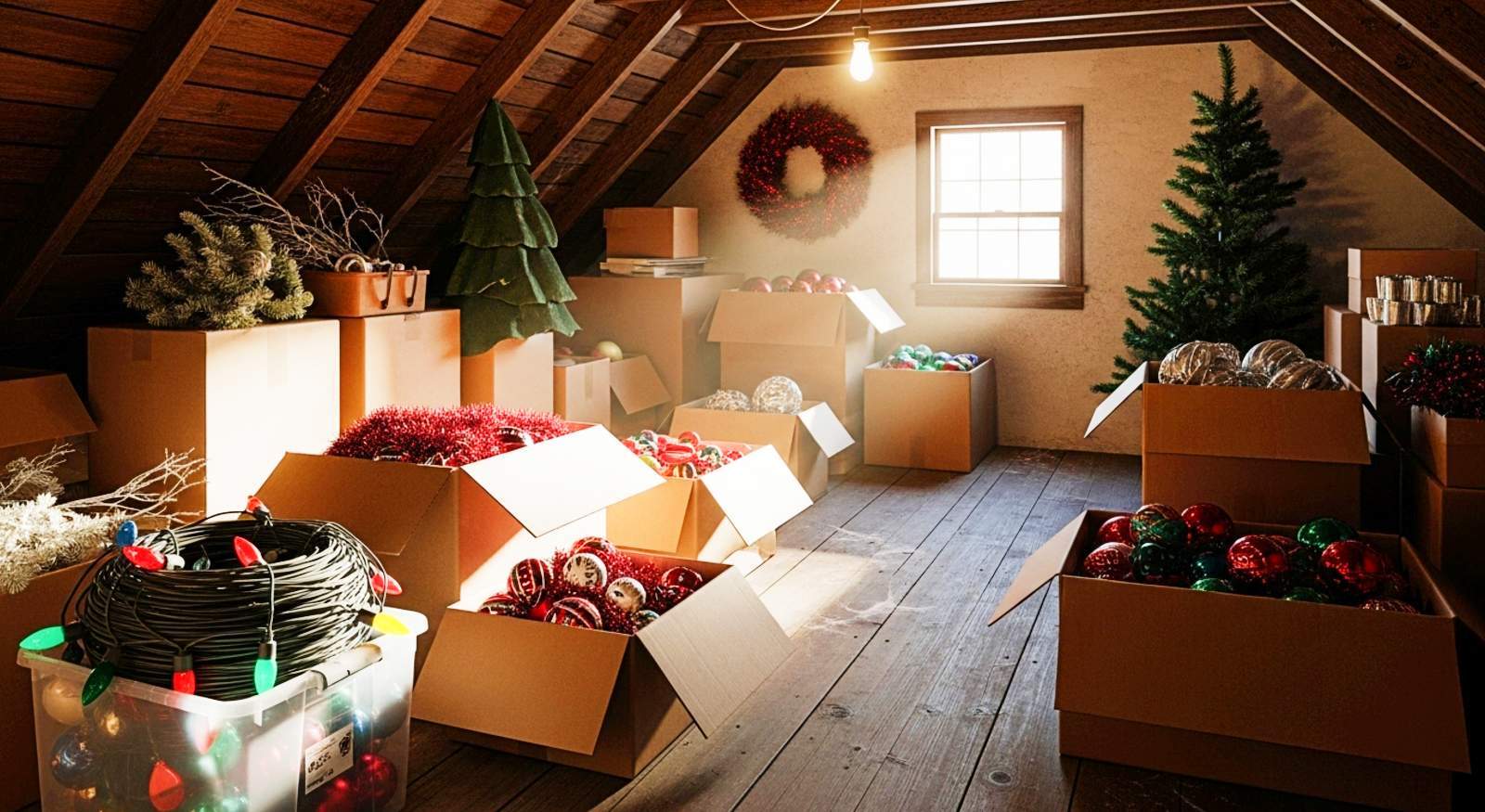
A lifetime of living in one place leads to accumulation. For some, it might just be "clutter." For others, it may lean more towards hoarding. Regardless, from a fire safety perspective, everything is fuel.
- Fire Load: Piles of boxes, clothes, and papers allow a fire to spread faster and burn hotter than it would in a tidy room.
- Escape Routes: If a hallway is lined with boxes, it narrows the path to safety. For a senior with mobility issues who uses a walker or cane, a 24-inch path might be impassable in an emergency.
- First Responder Access: If a fire does happen, firefighters need clear paths to enter and search the home. Excessive clutter can delay them or even make it impossible for them to reach a trapped occupant.
Your Holiday Safety Checklist
You don't need a formal inspection to make the home safer. You can do it quietly, while you are "helping out" around the house. Here is your checklist:
1. The 3-Foot Safe Zone
Walk through the house and check every heat source. Fireplaces, radiators, and especially space heaters. Is there anything flammable within three feet? Move the throw blankets, the stack of mail, and the wrapped gifts away from the heat.
2. Relocate Extension Cords
Look under rugs and behind furniture. If you find extension cords that are frayed, cracked, or feel hot to the touch, unplug them immediately. If a cord is a tripping hazard, tape it down or reroute it. Do not hide it under a carpet.
3. The Smoke Alarm Test
Do not assume they are working. Older sensors wear out. Press the test button on every alarm. If it doesn't beep, replace the battery. If the alarm itself is yellowed and more than 10 years old, go to the hardware store and buy new ones. Install them for her. It takes ten minutes and saves lives.
4. Keep the Christmas Tree Fresh
If there is a real Christmas tree, take over the watering duties. Dry needles catch fire explosively. Make sure the stand is full of water every single day.
5. The Kitchen Watch
Unattended cooking is the leading cause of home fires. During the chaos of holiday meal prep, it is easy to forget a burner. Offer to help in the kitchen so Grandma can sit down and talk with the family.
6. The Nightly Shutdown
Make it your job to do the final rounds before bed. Turn off the tree lights. Unplug the space heaters. Blow out the candles. Ensure the front door is unlocked, or the key is readily available for a quick exit.
How to Have the Conversation
If you find something concerning, like a scorch mark on an outlet or a pile of newspapers next to the stove, don't accuse. Come from a place of love.
- Don't say: "This is a fire trap."
- Do say: "Mom, I want to make sure you are safe when we aren't here. Can we move these boxes to the garage so you have a clearer path to the door?"
- Don't say: "This wiring is ancient and dangerous."
- Do say: "I noticed the lights flickering. That can be hard on your new TV. Why don't we call an electrician to take a look at it as a Christmas gift?"
Stay Informed and Protect Your Family
Having read this article, you know that, to truly ensure that your loved ones are protected this winter season, you must take a few moments to identify hidden hazards and take action. Issues like overloaded circuits, blocked exits, and clutter can turn into a tragedy if you let them be. To keep this educational streak going, we suggest checking our article on “What to Do When a Fire in Your Home Happens”.
At Restore-It, we are dedicated to helping families recover quickly if disaster does strike. If you need damage restoration services, our team is ready to handle fire, smoke, and water damage with the care and respect your family home deserves.

Topics: