
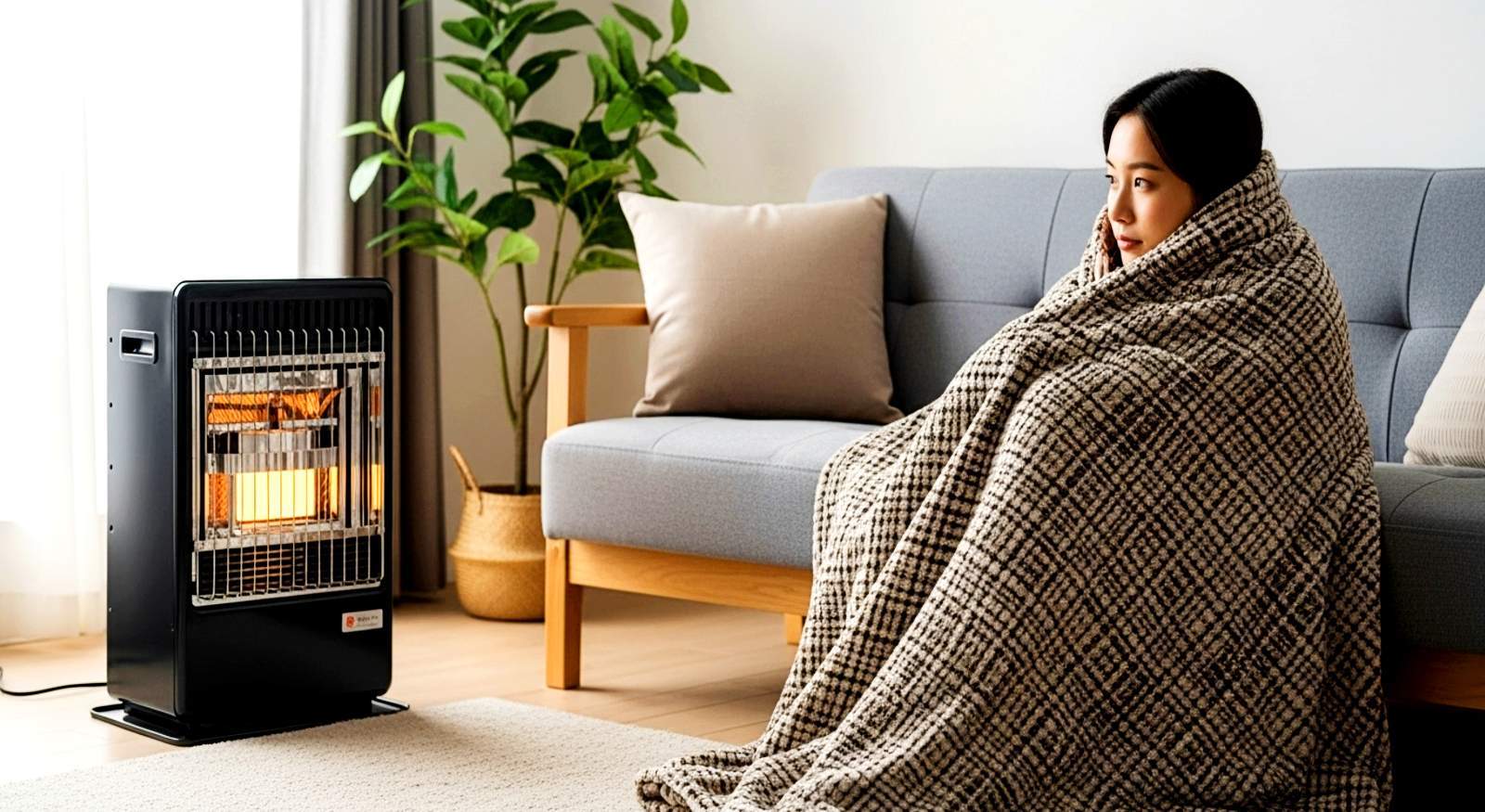
It gets chilly here in South Arkansas in December. You want to relax at home, watch some TV or a movie (maybe finally there is something good on Netflix?), and yet your feet are cold. Your home's central heating is on, but a corner of the living room doesn't get warm enough. That's where people usually go for a portable heater. But what happens if you get too sleepy? An unsupervised electric or gas heater can be a serious risk.
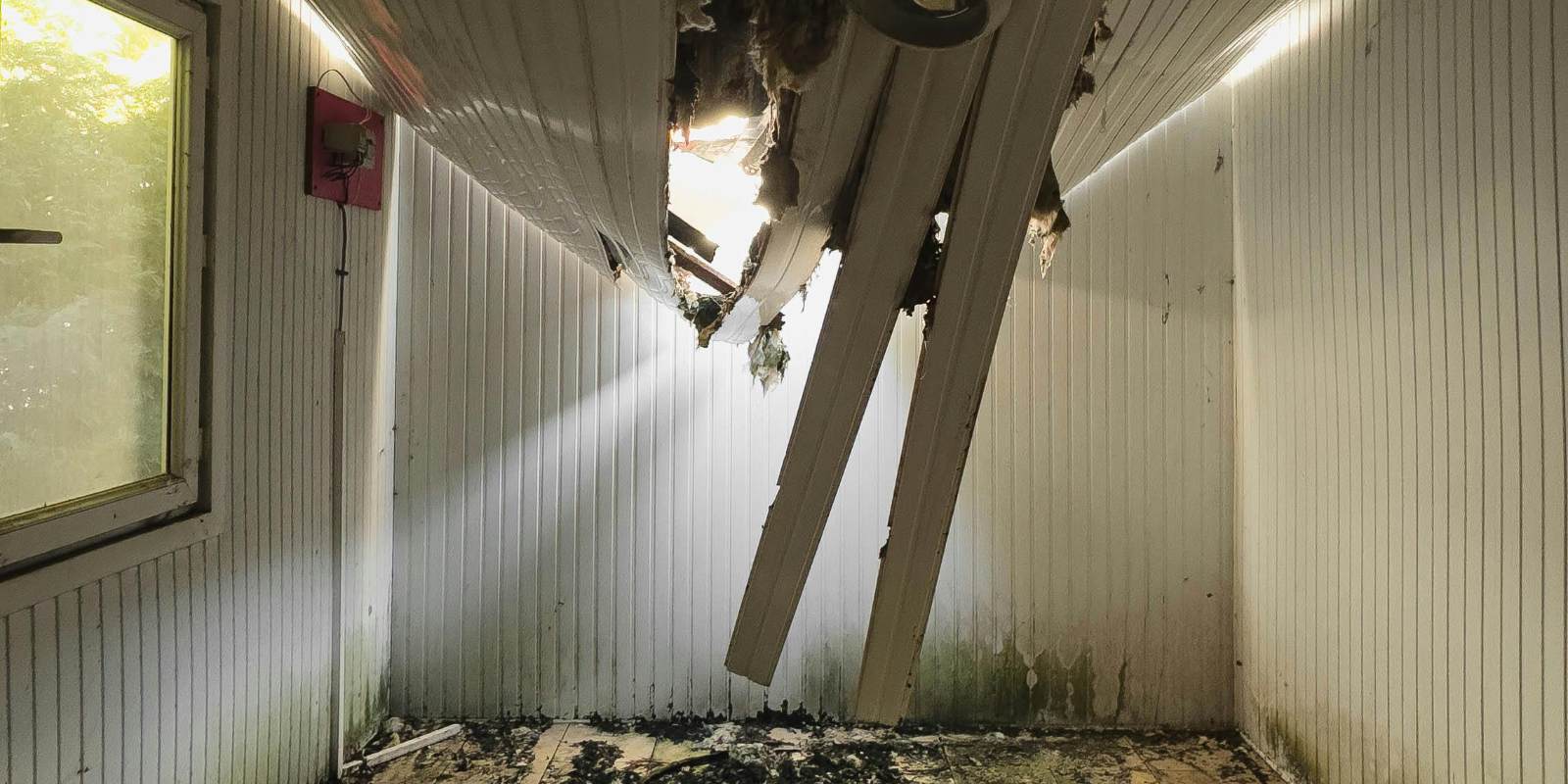
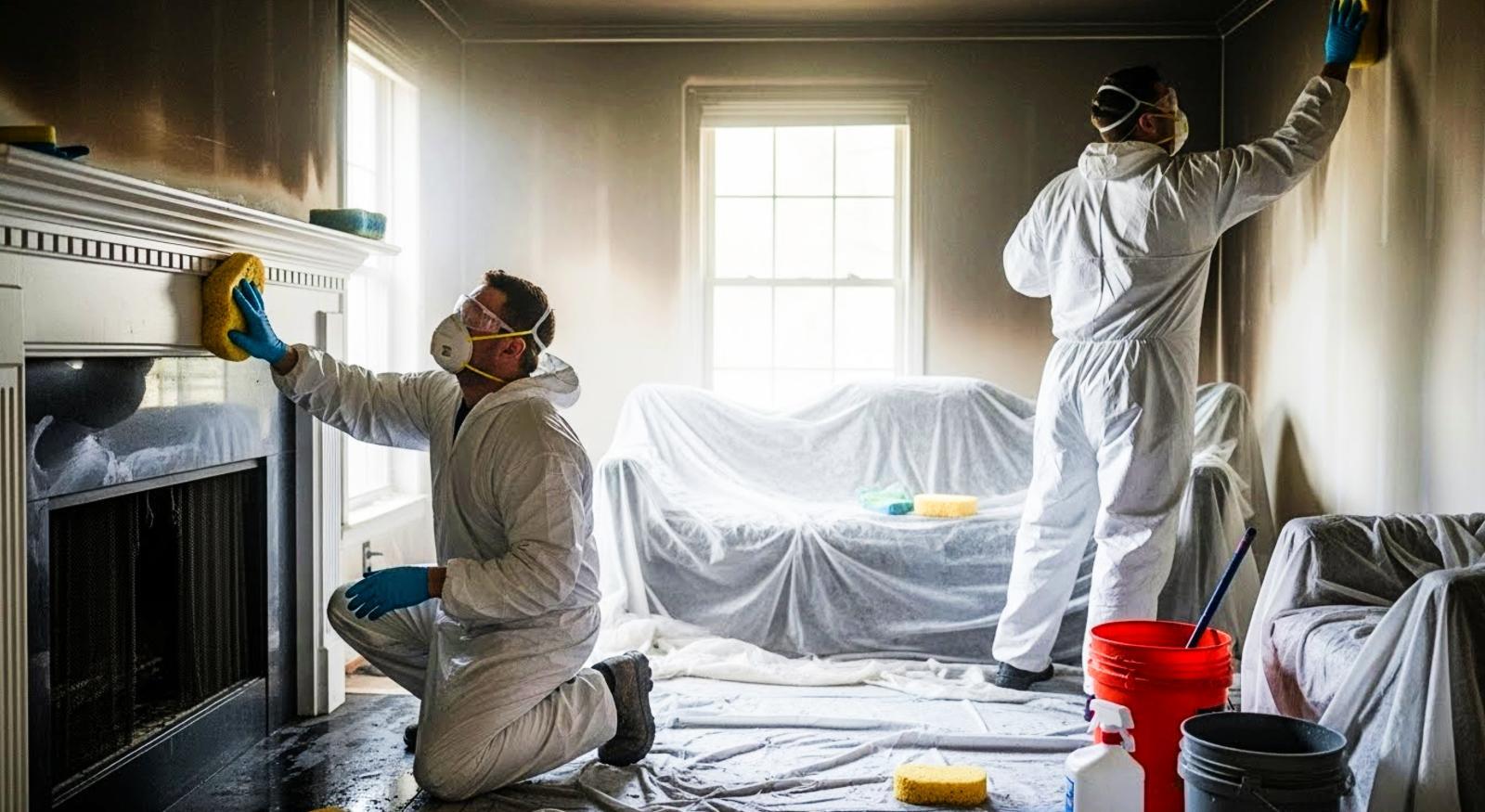
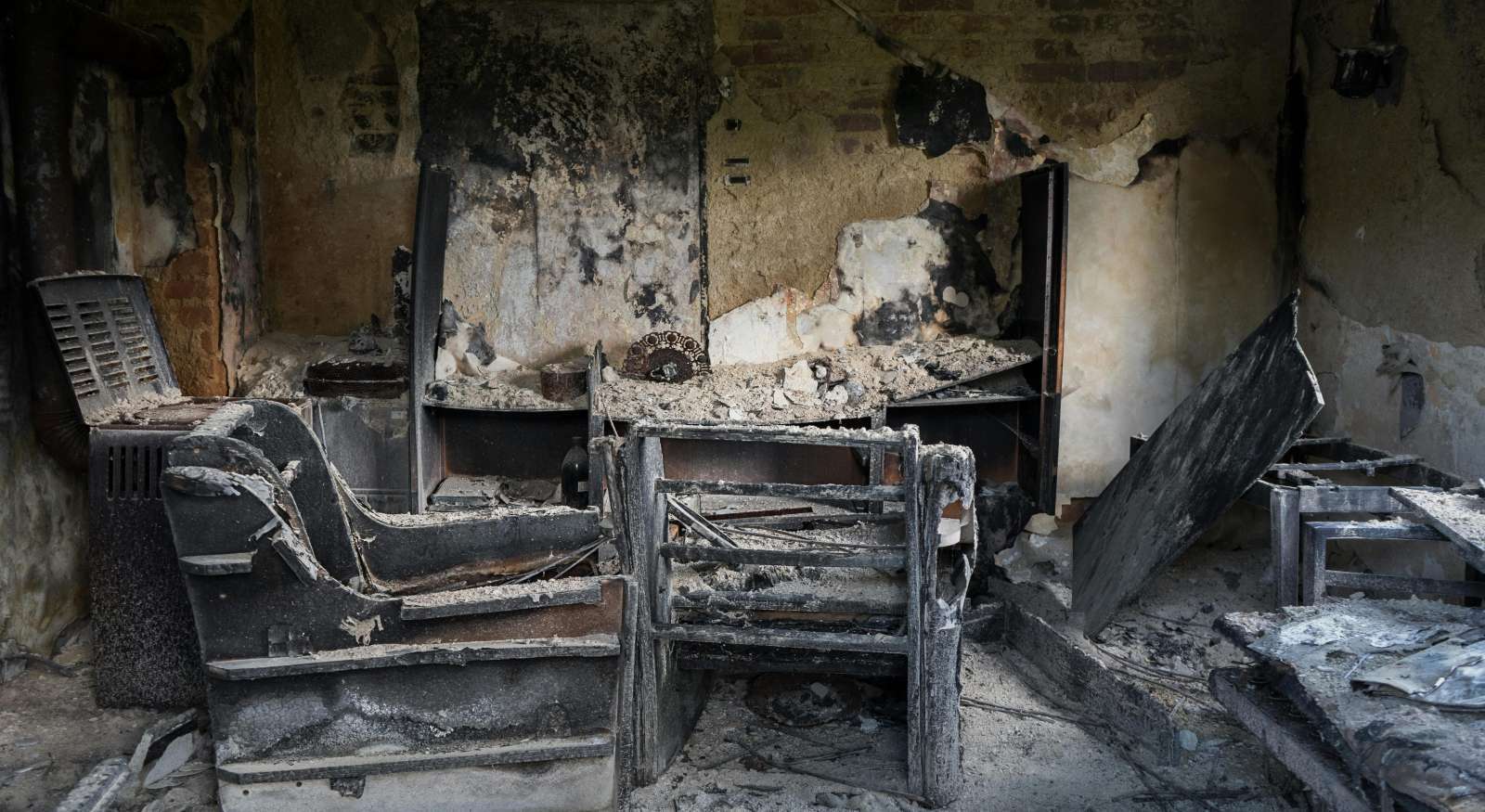
At Restore-It, we see the aftermath of home fires every winter. The devastation they can cause to families and properties is immeasurable. And the statistics tell a very clear, very concerning story about how we heat our homes.
But wait! We aren't here to scare you into throwing away your space heater. Instead, we want to educate you on safe practices to use them. That way, whether you choose a space heater, furnace, or both, you can use both following these guidelines and prevent a fire in your home.
We're not trying to frighten you into ditching your space heater. Instead, our goal is to teach you how to use them safely. By following these guidelines, you can prevent a house fire, whether you decide to use a space heater, a furnace, or both.
Why Heating Equipment Poses a Fire Risk
Most home fires start because of three common heating issues: poor placement, lack of maintenance, and faulty equipment. While temperatures here in Arkansas don't stay freezing for long, cold snaps can send some scrambling for backup heating. And that's when fire risks spike.
According to the U.S. Fire Administration, heating fires were the second leading cause of home fires in 2021. Portable heaters were involved in a relatively small number of all home heating fires (just 3% annually between 2017 and 2019). However, they were responsible for a disproportionately high number of fatalities, causing 41% of fatal home heating fires.
Thankfully, most of these could be prevented through routine safety checks and responsible use, which we will discuss next.

Space Heater Fire Prevention Tactics
Given the risks they pose, let's begin with some tips on using space heaters properly.
1. Keep space heaters at least 3 feet away from anything flammable
This includes curtains, bedding, rugs, and any furniture that could catch fire if too close. Keep a 3-foot safety zone around all sides of the heater.
2. Never leave a space heater unattended
Turn heaters off when leaving a room or going to sleep. It might feel inconvenient, but it could save your home... and your life. If it's getting late and you are feeling extra sleepy, turn off your heater and get a blanket instead.
3. Only plug heaters directly into the wall
Extension cords and power strips can overheat. Always plug space heaters directly into a wall outlet, and never use damaged cords.
4. Use certified heaters with auto shut-off features
Look for labels from testing organizations like UL (Underwriters Laboratories). Heaters with tip-over protection and automatic shut-off add an extra layer of safety.
5. Keep pets and children away
If you've got little ones or pets, make sure your heater is in a place they can't bump or touch.
Central Furnace Fire Safety Tips
On the other hand, while your central furnace may feel safer than a space heater, it still needs regular attention. Here are some ideas to keep it in check:
1. Schedule annual professional inspections
Dirty burners, cracked heat exchangers, or faulty wiring can all spark fires. Schedule a yearly inspection with a licensed HVAC technician before winter hits.
2. Change your air filter every 1–3 months
A clogged air filter can restrict airflow, cause overheating, and become a fire hazard. Check it monthly, especially if you have pets or allergies.
3. Clear clutter from around the furnace
Flammable items like cardboard boxes, paint cans, or laundry should be stored at least 3 feet away from your furnace unit.
4. Check the venting system
Poor ventilation can lead to dangerous heat buildup or carbon monoxide leaks. If you see rust, soot, or disconnected vents, call a professional immediately.
5. Listen for strange sounds or smells
Burning smells, bangs, or rattles can all signal something's wrong. If your furnace sounds off or smells funny, shut it down and get help.
An extra tip is to install carbon monoxide detectors near your furnace and bedrooms. Make sure to test them monthly and replace batteries every 6 months.
How to Spot Signs of Danger Early
Some warning signs that your heating system may be unsafe include:
- Acrid or smoky smells when you turn on the heat
- Visible soot or scorch marks near vents or the furnace
- Frequent circuit breaker trips when running a heater
- Yellow pilot lights instead of blue (on gas systems)
- Unusual noises, like clanging or popping
If you see any of these, stop using the equipment until a technician inspects it.
Do you suspect a Heating Hazard? Follow this Checklist!
So you found one or more of the signs we warned you about, and now you are wondering what to do. Don't worry, follow these tips:
☐ Turn off the equipment immediately
Shut down the space heater or furnace and unplug it if possible.
☐ Ventilate the area
Open windows to allow smoke or gases to escape.
☐ Call a licensed technician
Don't try to fix a furnace or heater yourself. It's best to leave HVAC and electrical systems fixing to expert hands.
☐ Check your smoke and carbon monoxide detectors
Make sure your detectors are working and that their batteries are charged. If you don't have detectors installed, that's your top priority.
When to Use a Furnace or a Space Heater
Space heaters can be dangerous, but this doesn't mean you can't use them. Instead, you should use them with caution and only for their intended purpose.
Stick to your Central Furnace for:
- Primary Heating: It is safer, more efficient for whole-home heating, and doesn't introduce ignition sources into your bedrooms.
- Overnight Heating: Never, ever leave a space heater on while you are sleeping. If you need heat at night, your central furnace is the only safe option.
Use a Space Heater ONLY if:
- You are present: You are in the room and awake to monitor it.
- It is temporary: You need to warm up a drafty bathroom for 20 minutes while you shower, or warm your feet while you work at a desk.
- You follow the 3-Foot Rule: You strictly maintain a 3-foot "kid-free, pet-free, clutter-free" zone around the heater.
Stay Warm (and Safe!) This Winter
Most South Arkansas homes rely on heating equipment in winter, even if just for a few weeks. And that's when fires happen. However, if you are prepared and aware of the risks, they are completely preventable.
After reading this article, you are now prepared to:
- Use space heaters safely
- Use your furnace while reducing fire risk
- Spot the signs of fire hazards before they turn into something serious
- Know about central furnace maintenance
By taking preventive measures, you won't be caught by surprise the next time a cold snap hits Arkansas.
If you do experience smoke or fire damage this winter, know that you have a partner ready to help you! Call Restore-It for our fire restoration services. We are here to help you recover your home and your peace of mind.

Topics: