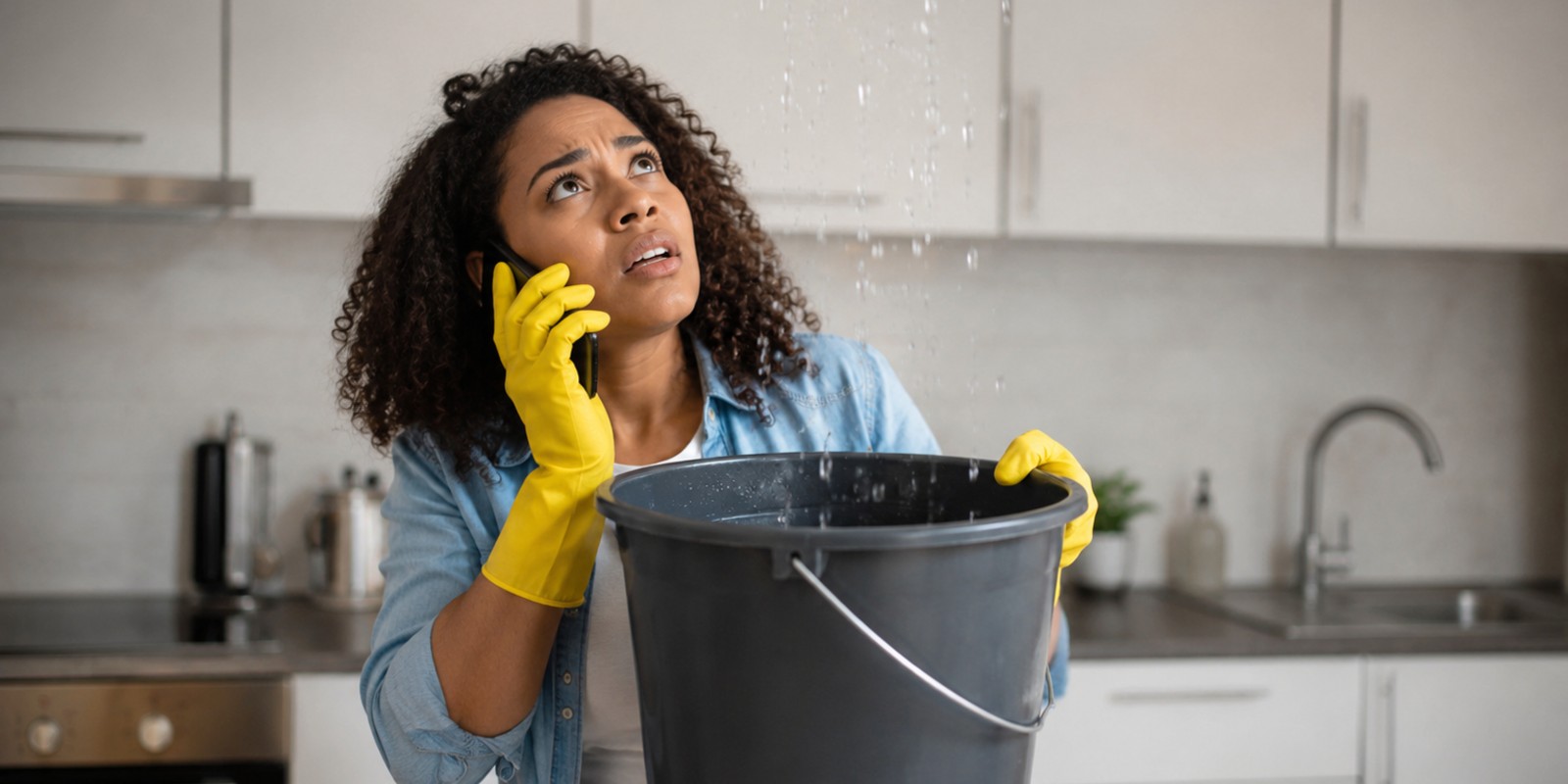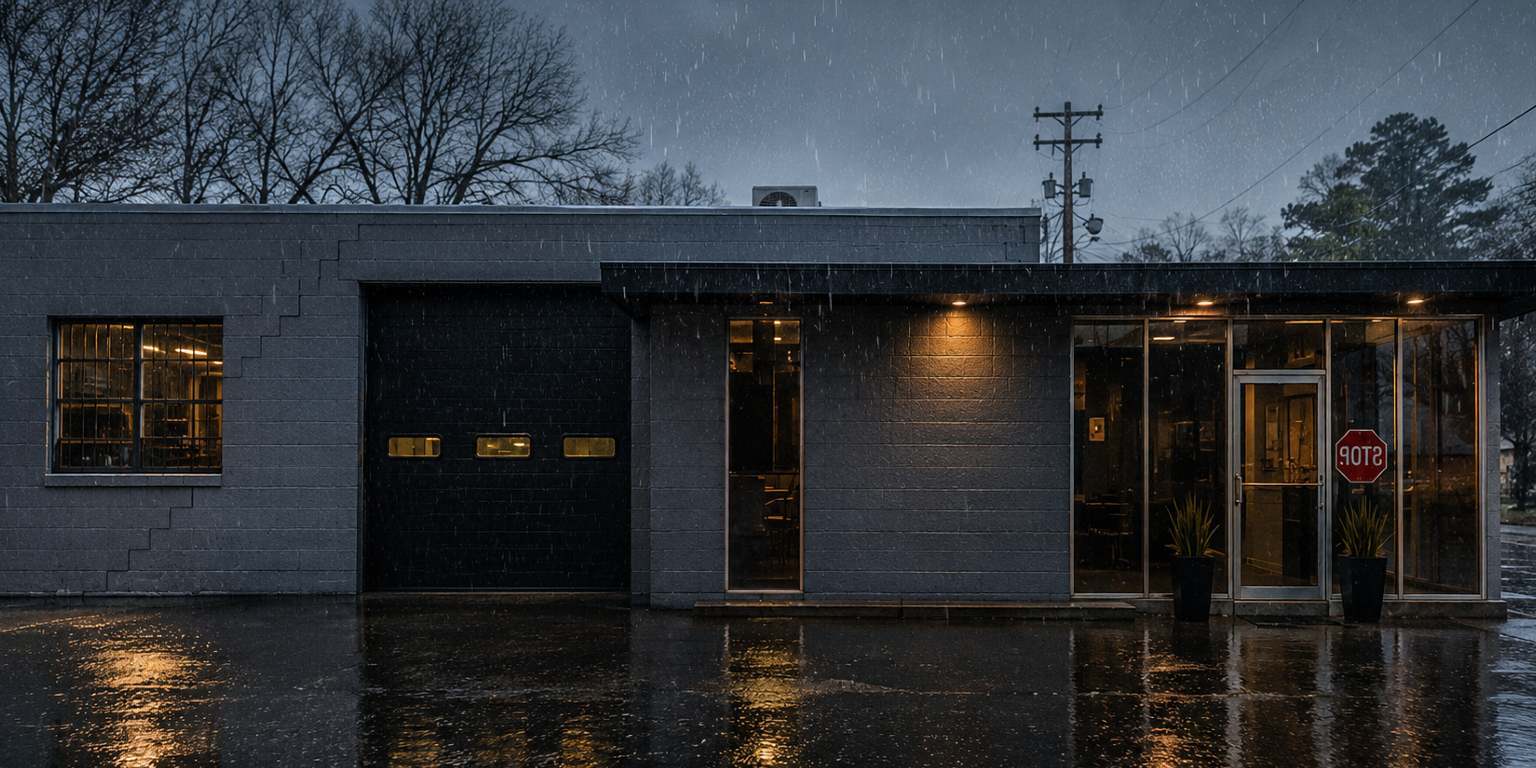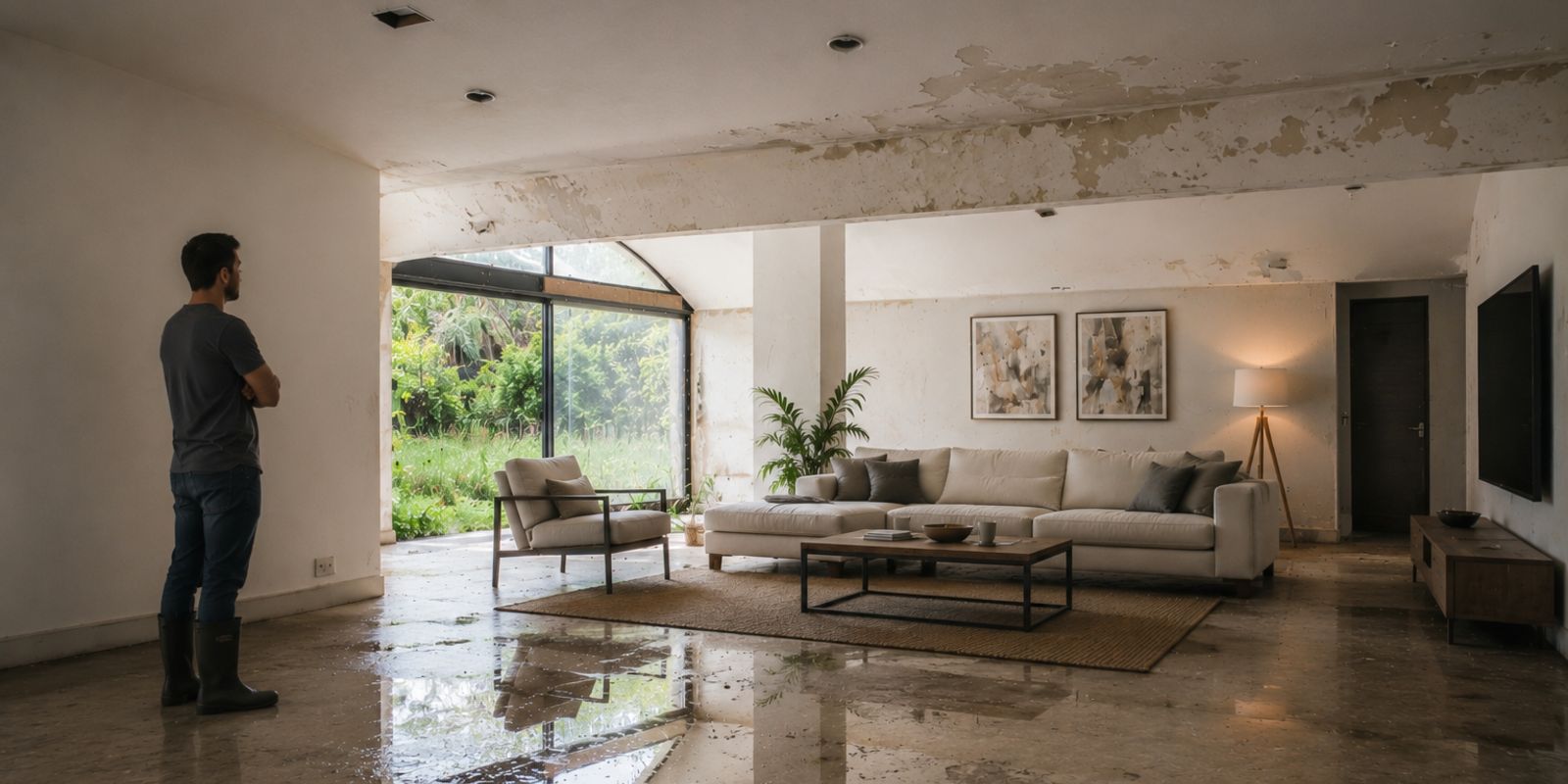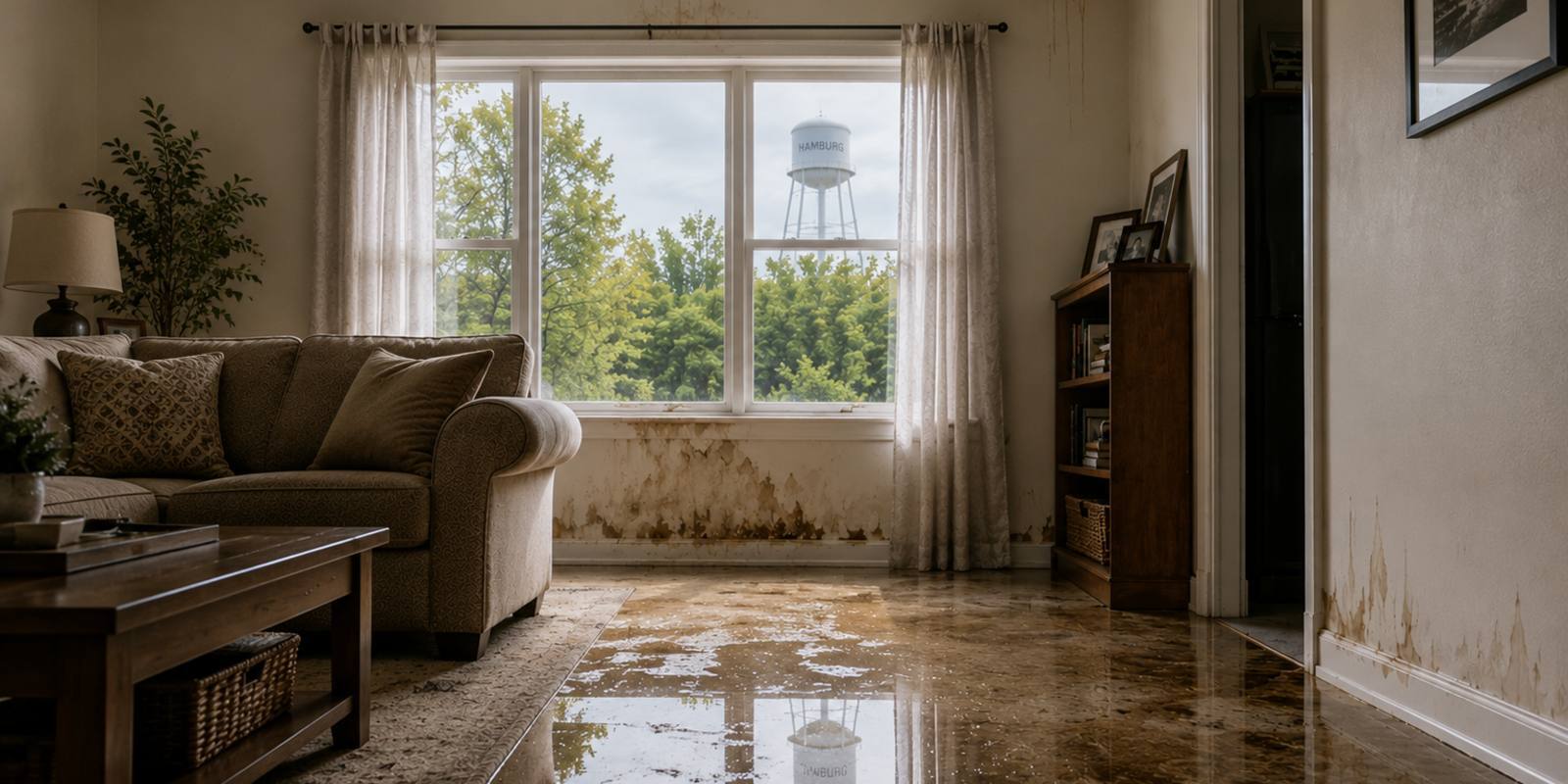

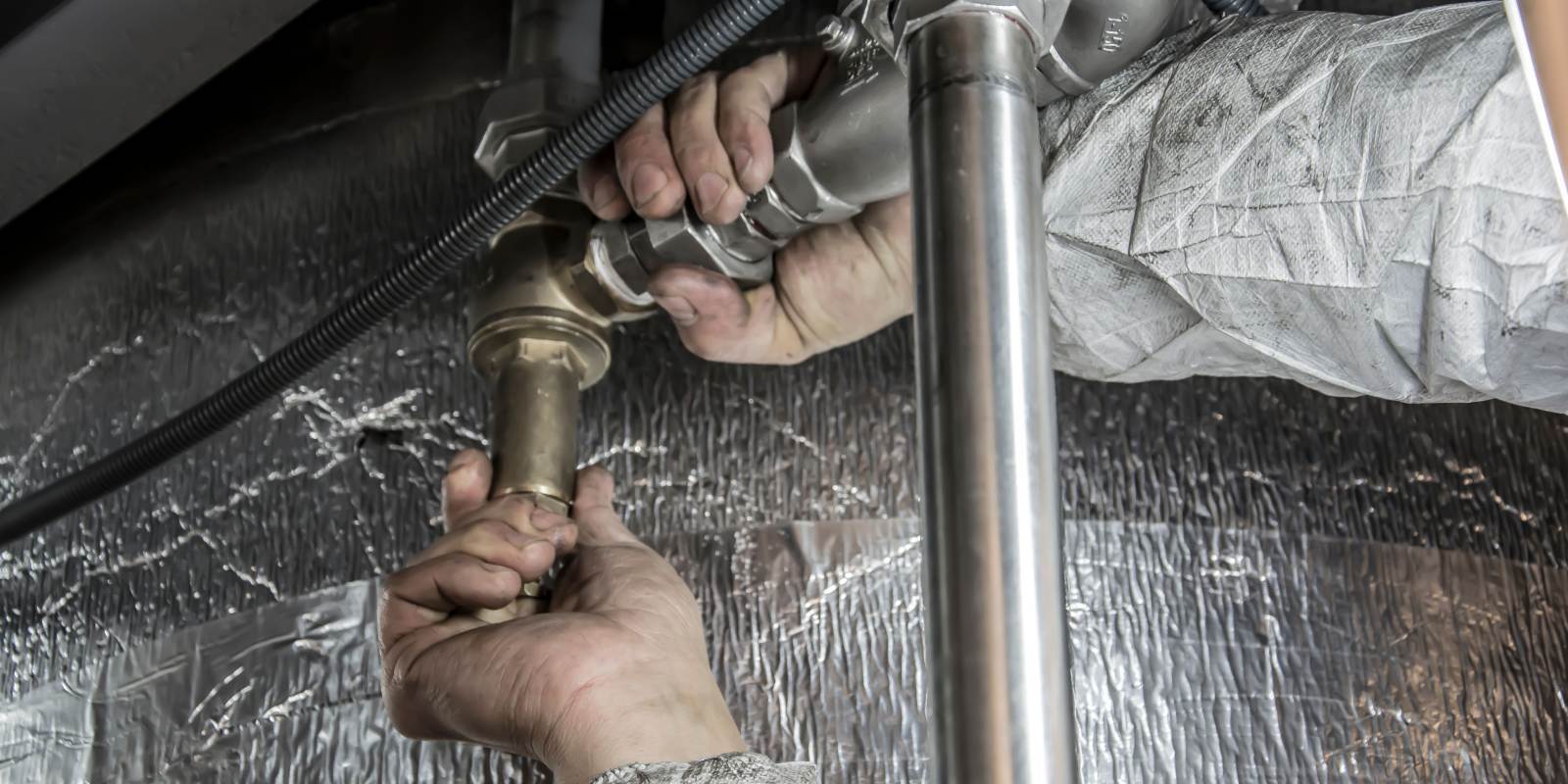
A pipe bursts at your business on a Saturday night. The building is closed, employees are gone, and you may be the person who gets the call. Do you wait until Monday, or should you start responding now? What should you do first if water is already spreading through the building?
When a pipe bursts, the first few decisions can make a difference in how the situation develops. After more than 14 years in the restoration industry, Restore-It understands that business owners and facility managers may be dealing with more than water damage itself. They may also be thinking about employees, equipment, inventory, customers, building operations, and what needs to happen next.
The priority is safety. From there, the goal is to stop or limit the water source when it can be done safely, protect people and property, document what happened, and get the right professionals involved. Even when your business is closed for the weekend, the response to a water loss does not necessarily need to wait until Monday.
1. Make Sure the Building Is Safe to Enter
Before trying to shut off the water or move anything, determine whether it is safe to enter the affected area.
|
If you see... |
What to do |
|
Standing water near outlets or electrical equipment |
Stay out of the area and address the electrical hazard safely. |
|
Water coming through a ceiling |
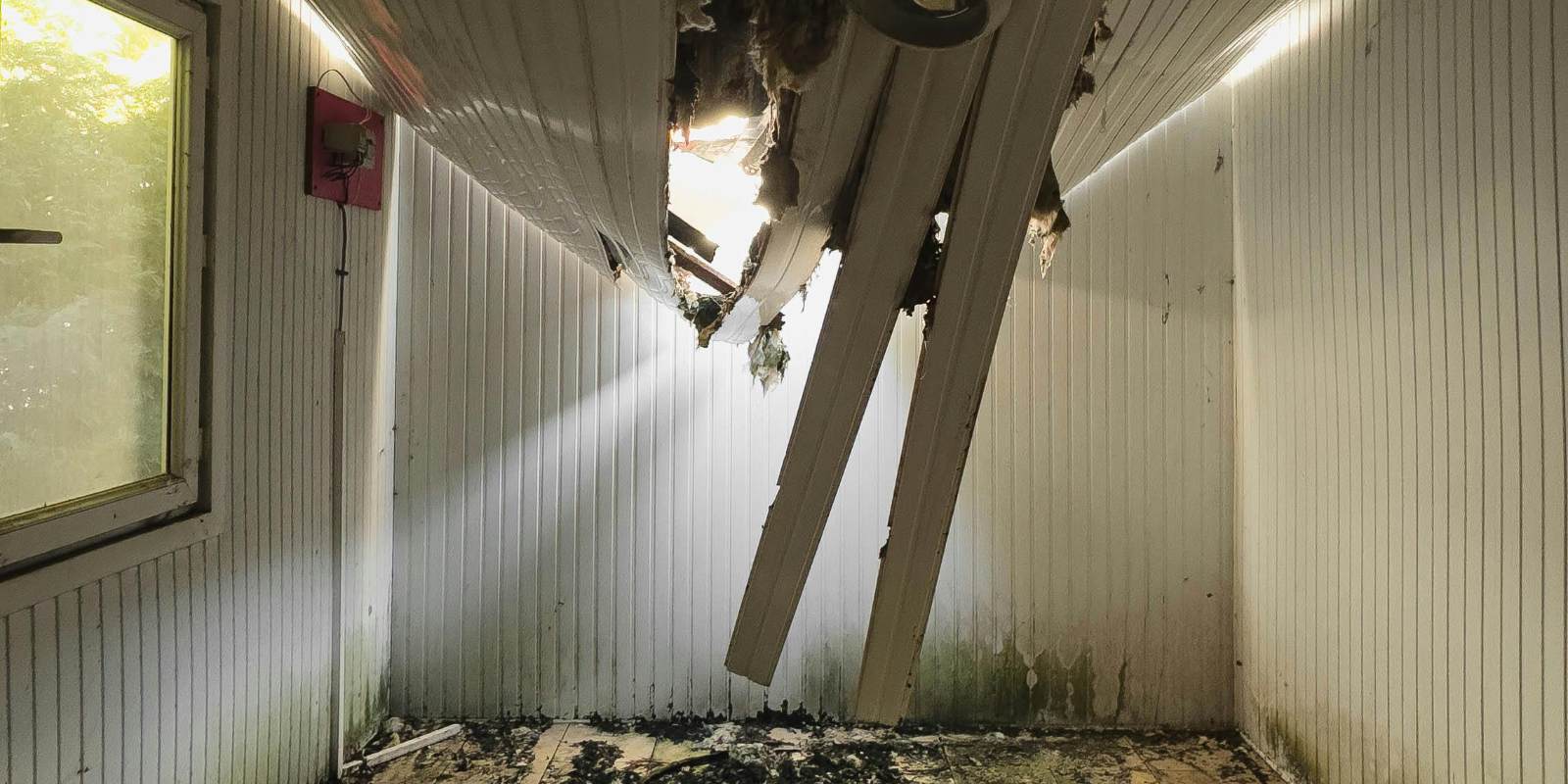
Keep people away from the area in case the ceiling material is compromised. |
|
Unknown or potentially contaminated water |
Avoid contact and wait for professional guidance. |
|
No obvious safety hazards |
Continue with the next steps while keeping the affected area restricted. |
Do not enter an area if doing so could expose you or someone else to an electrical, structural, chemical, or other safety hazard. The Occupational Safety and Health Administration (OSHA) recommends having emergency procedures in place for unexpected workplace emergencies.
2. Stop the Water If It Can Be Done Safely
If the building can be accessed safely and the shutoff is reachable:
- Shut off the water supply.
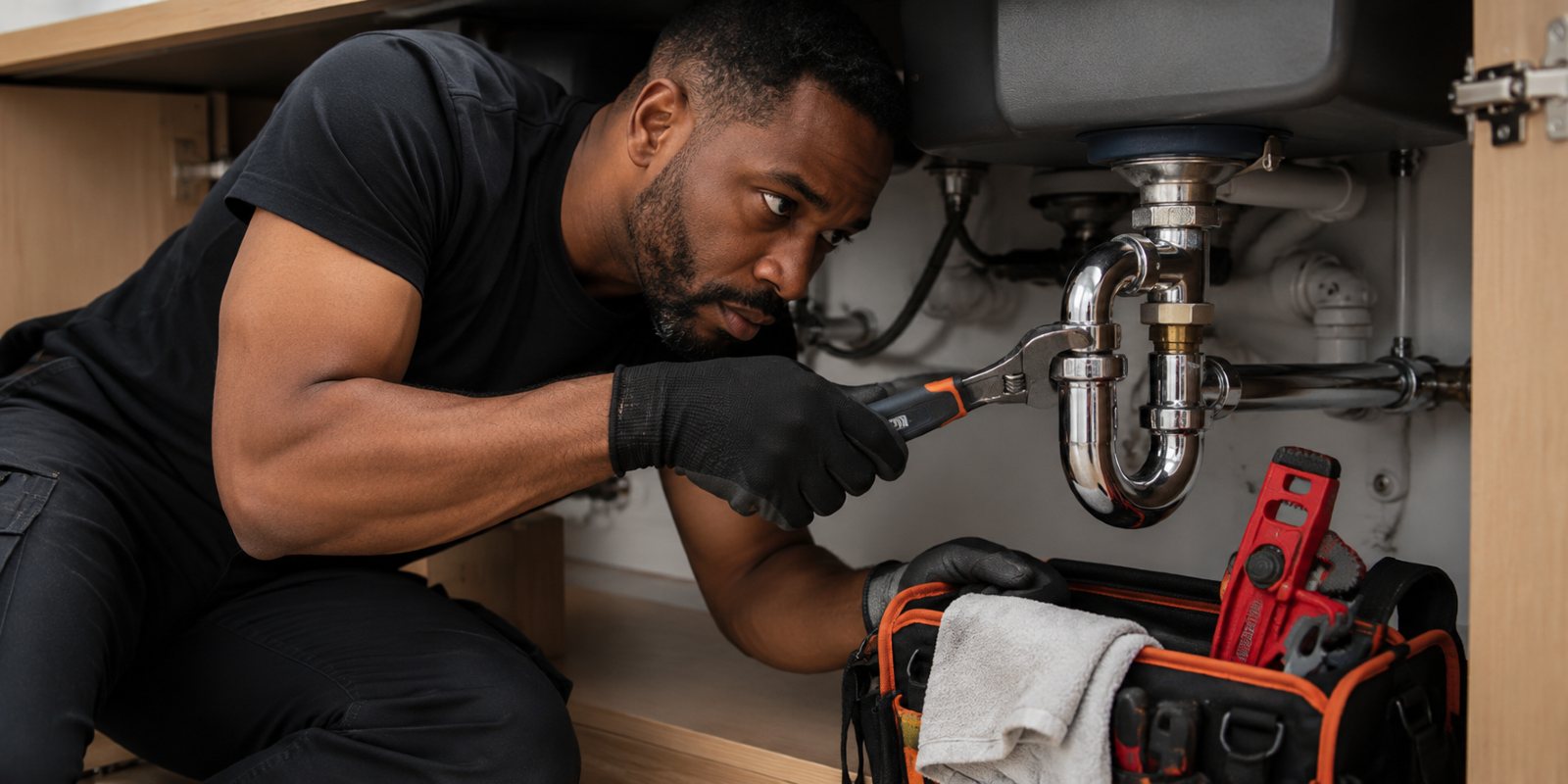
- If the failed pipe or fixture needs repair, contact a plumber.
- If you cannot safely reach or identify the shutoff, don't put yourself at risk trying to do so.
- Note whether water is still flowing when you contact a restoration company.
The plumbing repair and the resulting water damage are two different parts of the response. The IICRC S500 identifies correction of the underlying source of water intrusion as the property owner's responsibility, while restoration addresses the resulting damage.
The plumber addresses the plumbing problem. The restoration company addresses the property damage.
3. Should You Wait Until Monday to Call for Restoration?
If water damage has occurred, it is better to begin the response as soon as practical.
The weekend itself does not make water damage worse. The concern is what happens while wet materials remain wet. Environmental Protection Agency (EPA) guidance for schools and commercial buildings recommends addressing clean-water damage within 24–48 hours to help prevent mold growth.
A professional restoration assessment can help determine where water traveled, which materials were affected, and what needs to be dried or otherwise addressed.
The IICRC S500 guides professional water-damage restoration, including inspection, drying technology, structural restoration, contents, HVAC, and documentation.
If you're dealing with a commercial water loss now, learn what professional mitigation involves before the restoration work begins.

4. Document the Damage Before Cleanup Begins
If it is safe to do so, photograph or record:
- The source of the water, if visible
- Standing water
- Wet walls, ceilings, and flooring
- Equipment and furniture
- Inventory or stored materials
- Other visible property damage
- The condition of the affected area before cleanup
Do not delay necessary safety measures just to take photographs.
Insurance Information Institute (Triple-I) recommends documenting damage with photographs or video and keeping records of expenses, receipts, estimates, and other claim-related information.
5. Should You Contact Your Insurance Company?
If the loss may involve an insurance claim, notify your insurer promptly and review your policy's requirements.
Keep track of:
- Your claim number and insurance contact
- Photos and videos
- Restoration estimates and invoices
- Temporary expenses
- Communication related to the loss
Coverage varies by policy and circumstances, so avoid assuming a particular water loss will be covered.
If you're concerned about how a water loss could affect your business beyond the physical damage, there is another question worth exploring.

6. What Can You Do While Waiting for Help?
Only take steps that can be done safely.
|
Do |
Don't |
|
Keep people away from unsafe areas. |
Don't walk through potentially hazardous standing water. |
|
Move unaffected items away from the affected area when safe. |
Don't operate electrical equipment exposed to water. |
|
Protect property from additional exposure when possible. |
Don't tear out materials simply because they are wet. |
|
Keep records and documentation. |
Don't discard damaged property before documenting it unless safety requires removal. |
Triple-I recommends taking reasonable measures to protect property from further damage when it is safe to do so.
7. What Should You Tell the Restoration Company?
When you call, be ready to explain:
- What happened: Where did the pipe burst or leak?
- When it happened: When was the problem discovered?
- Whether the water is still flowing: Has the source been stopped?
- What areas are affected: Floors, walls, ceilings, offices, storage, equipment, or other spaces?
- What type of business is involved: Different properties may have different contents and operational concerns.
- Whether there are electrical concerns
- Whether the building is accessible
- Who can meet the restoration team
- Whether an insurance claim has been started
Having this information ready can help the restoration team understand the situation before arriving.
If a plumber has already responded, there are also a few questions worth asking before they leave.

8. What Happens When the Restoration Team Arrives?
The response depends on the property and extent of the loss, but a professional restoration team may:
- Inspect affected areas
- Look for moisture beyond what is immediately visible
- Determine which materials and contents were affected
- Extract standing water
- Set up appropriate drying equipment
- Monitor moisture during the drying process
- Document the work and findings
Professional water restoration is more than removing visible water and setting up equipment. The goal is to understand how moisture has affected the building and respond accordingly.
If you haven't needed a restoration company before, knowing what to look for can make that decision easier.

What If the Business Is Closed Until Monday?
Being closed for the weekend does not mean the water damage should sit untreated until Monday.
If the property is safely accessible, the water source has been addressed, and damage has occurred, beginning the response as soon as practical can help limit additional damage.
Weekend Pipe-Burst Checklist
☐ Make sure the building is safe to enter
☐ Keep people away from unsafe areas
☐ Shut off the water if it can be done safely
☐ Contact a plumber if the source needs repair
☐ Contact a water restoration professional
☐ Document the damage when safe
☐ Notify your insurance company as appropriate
☐ Protect unaffected property when possible
☐ Keep records of expenses and communication
Need Help After a Commercial Pipe Burst?
A burst pipe over the weekend does not have to leave you wondering what to do next. Start with safety, limit the water source when possible, document the damage, and bring in the appropriate professionals.
If your business has experienced a water loss, the next step is to get a professional assessment and determine what needs to happen to protect the property and begin drying.
Restore-It helps businesses in El Dorado, Camden, and surrounding areas respond to water and flood damage with professional assessment, extraction, drying, and restoration services.
Call Restore-It to discuss the next steps for your business!