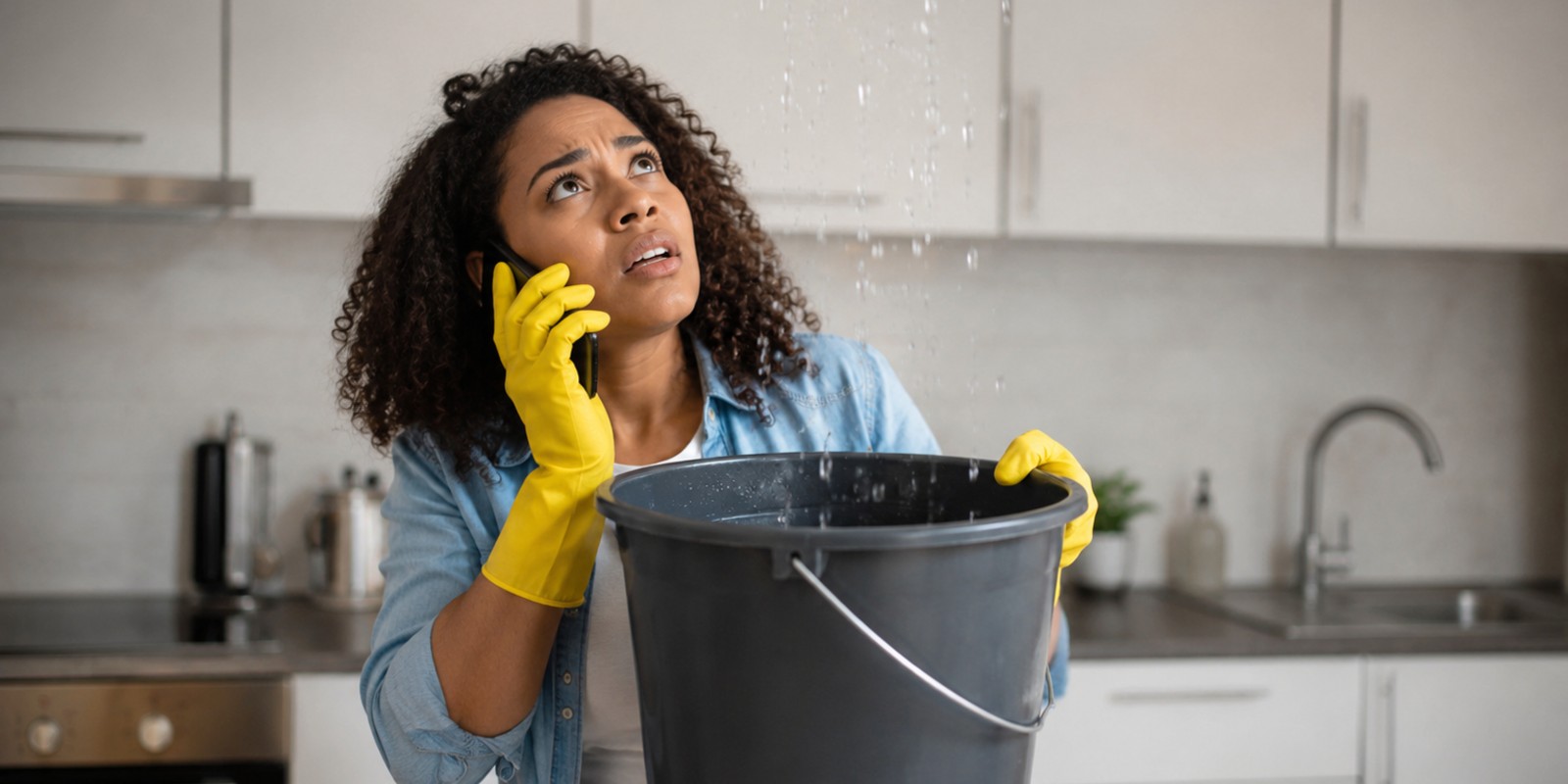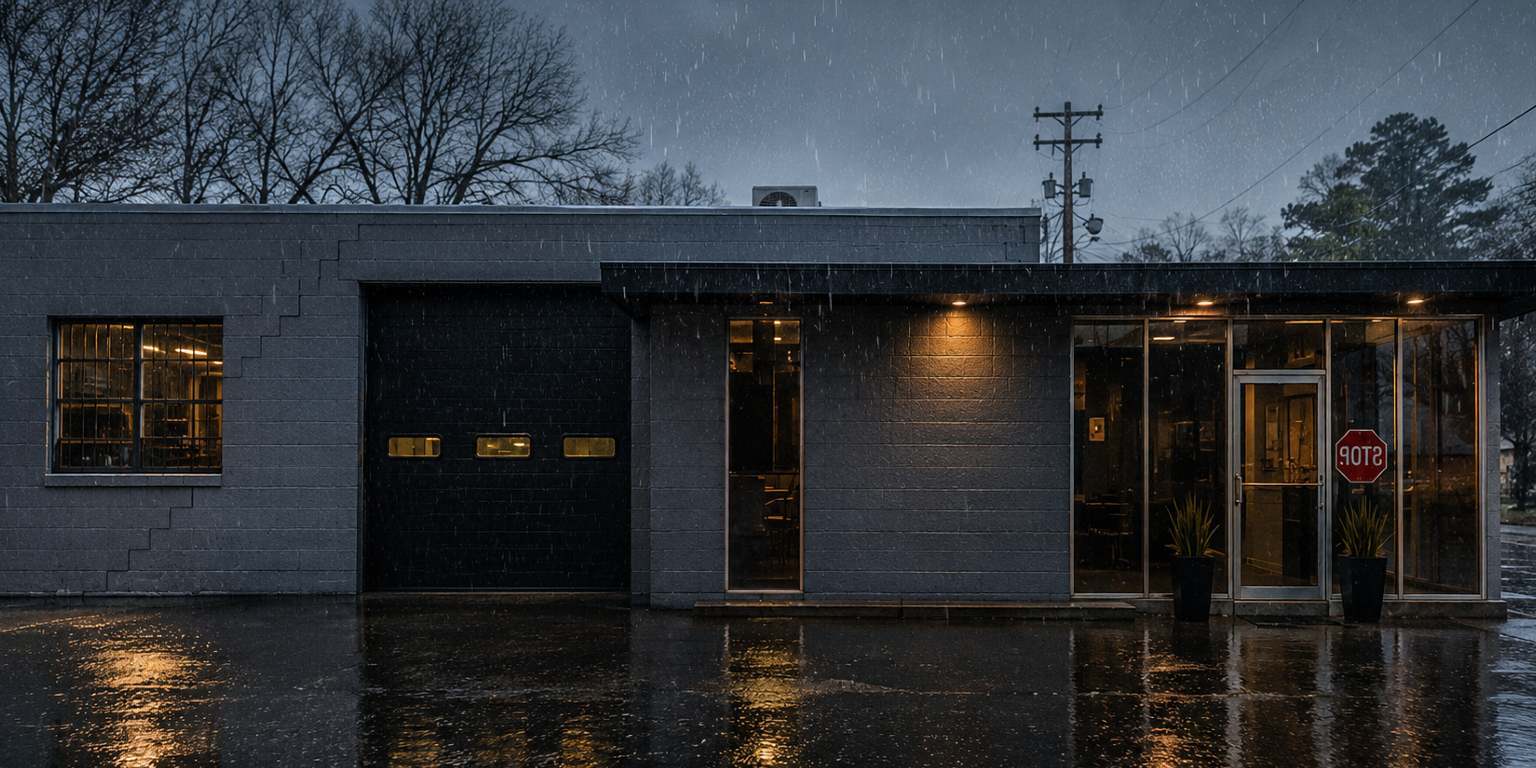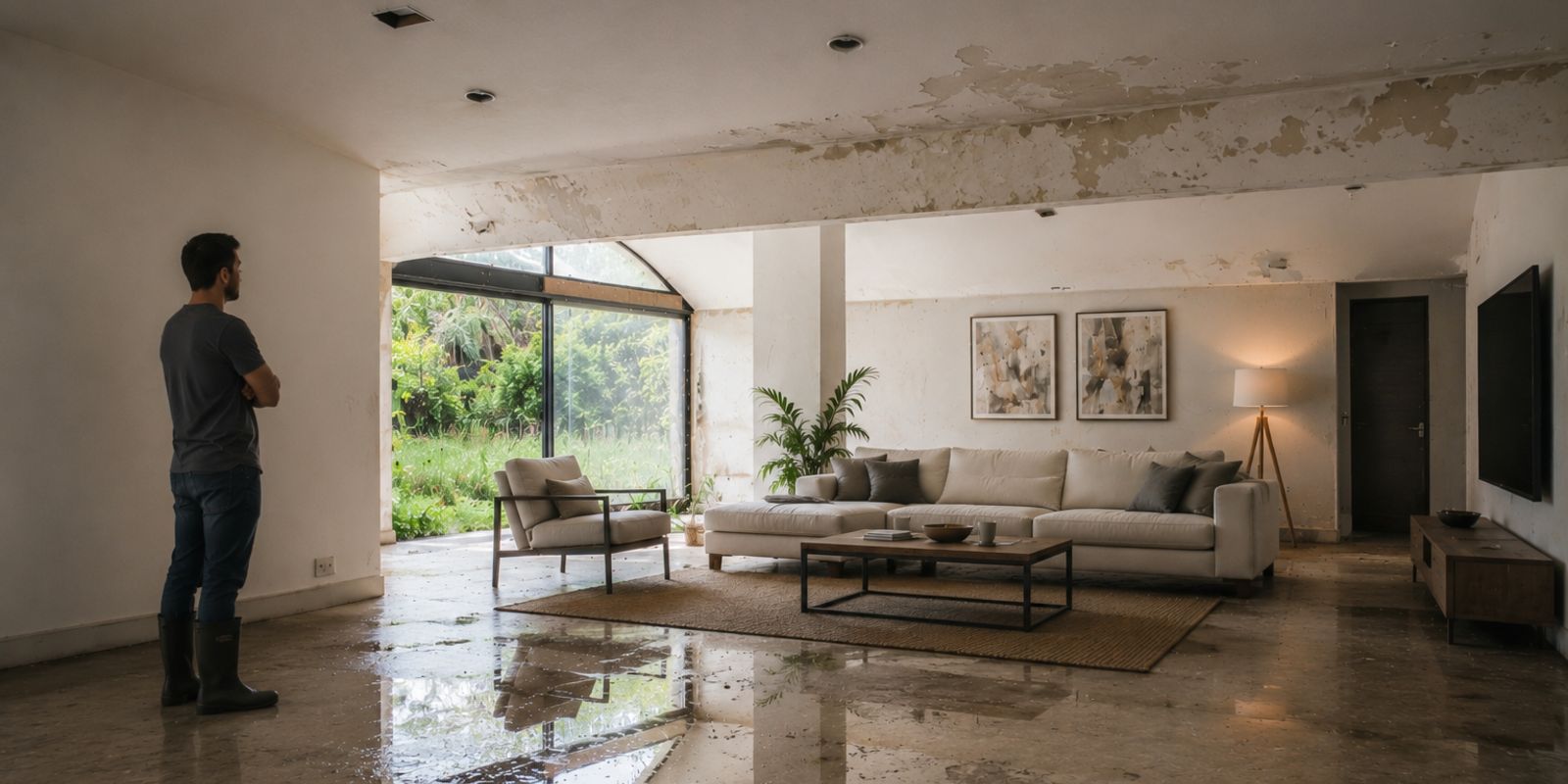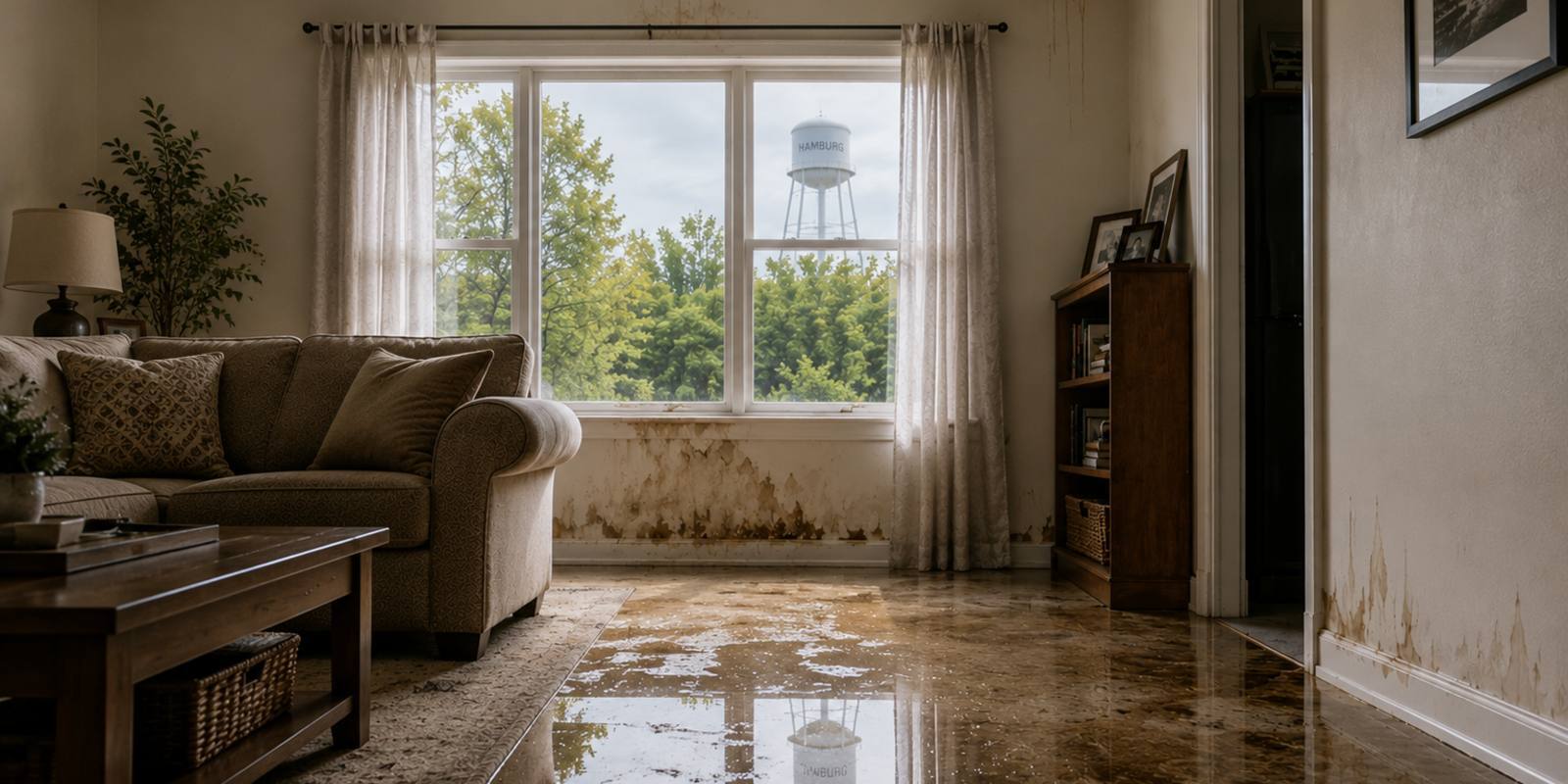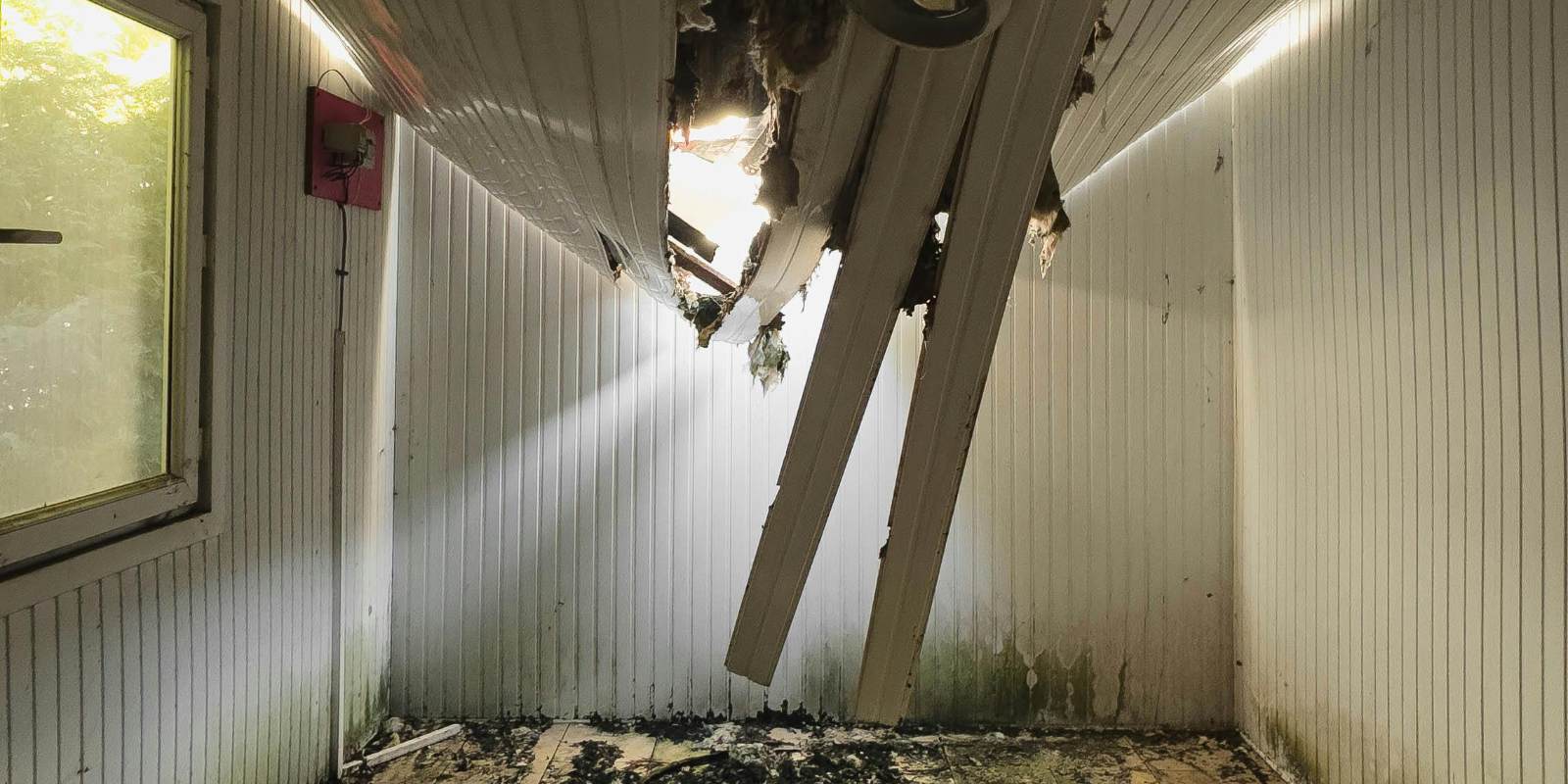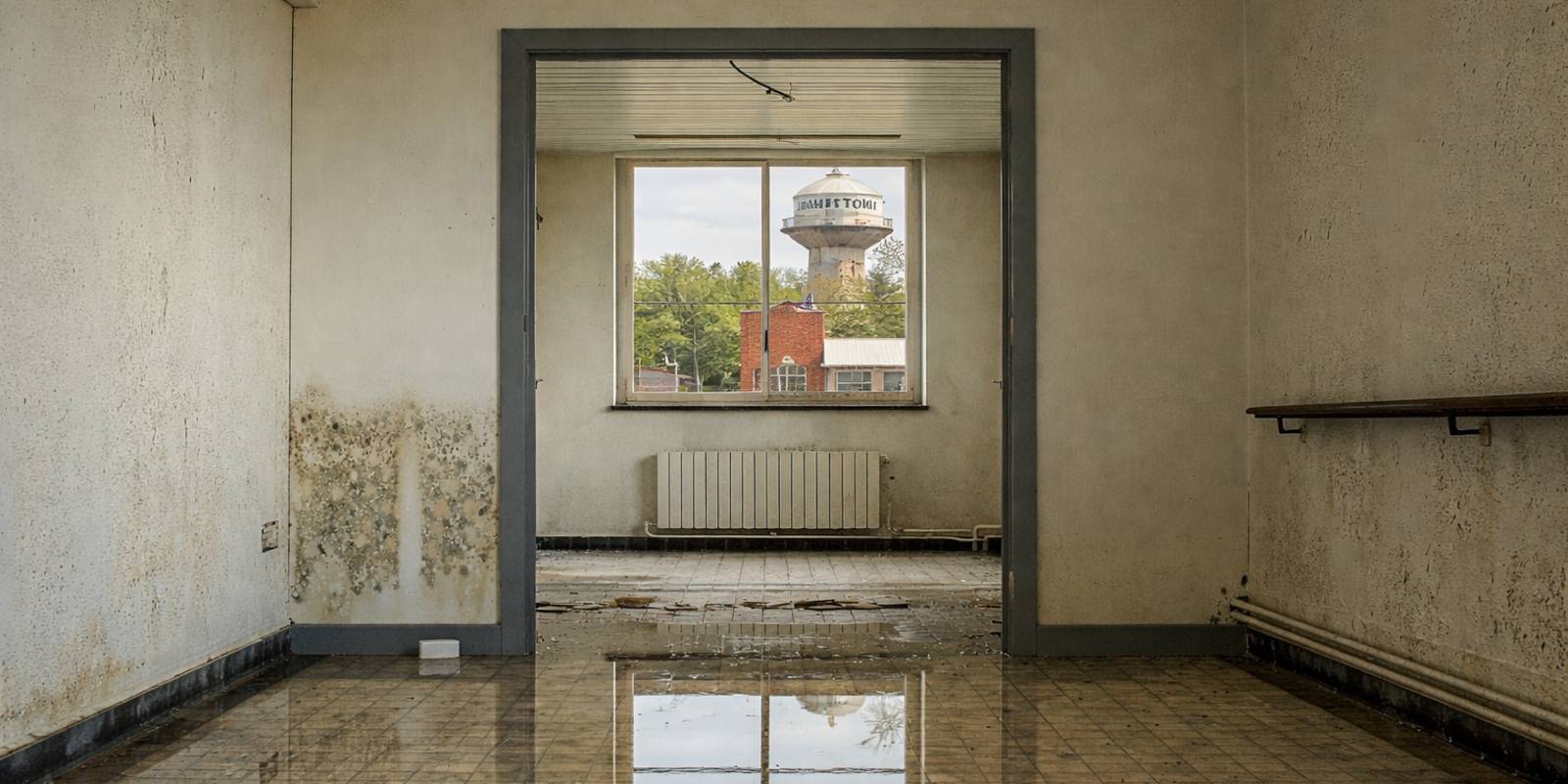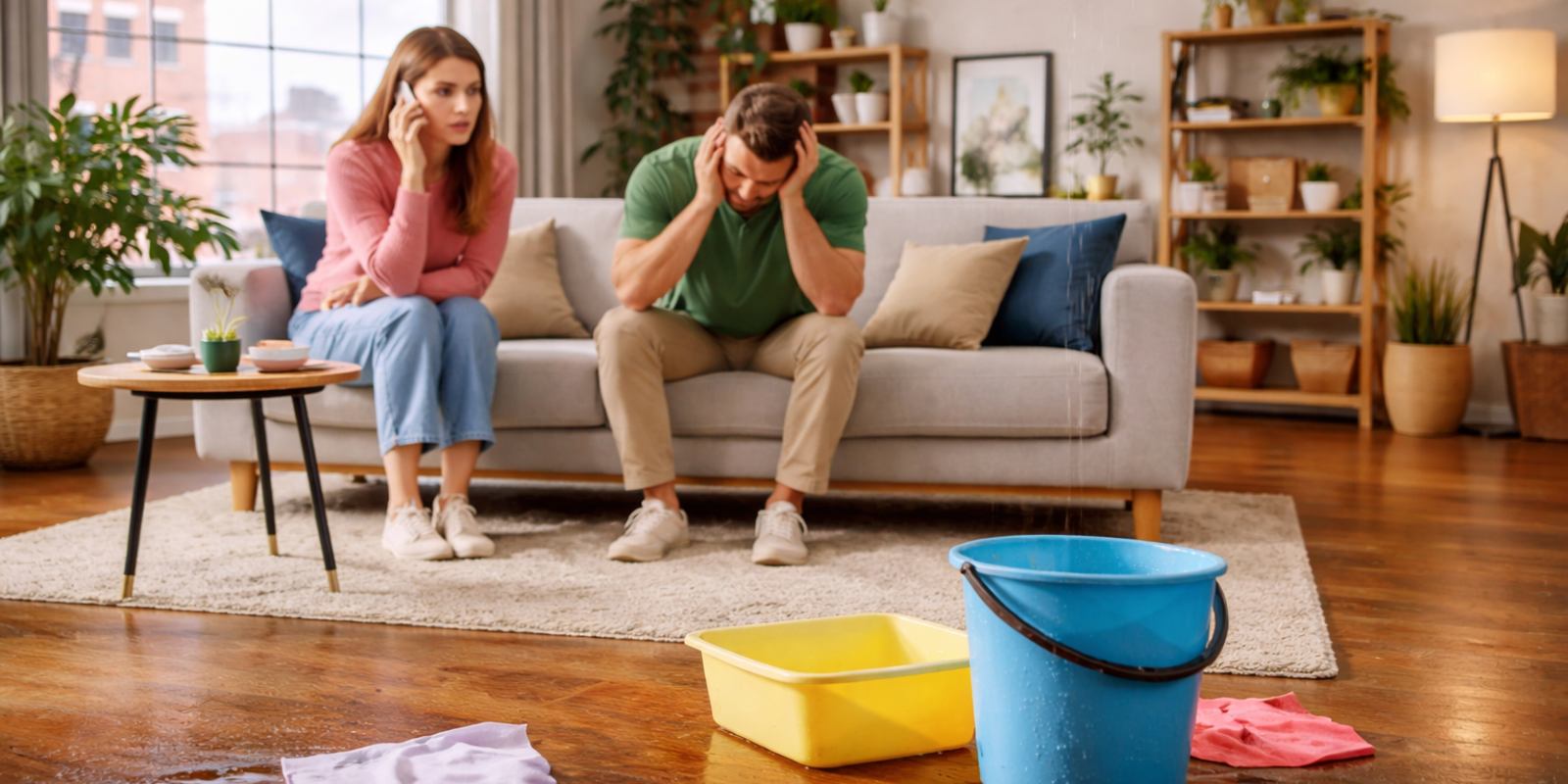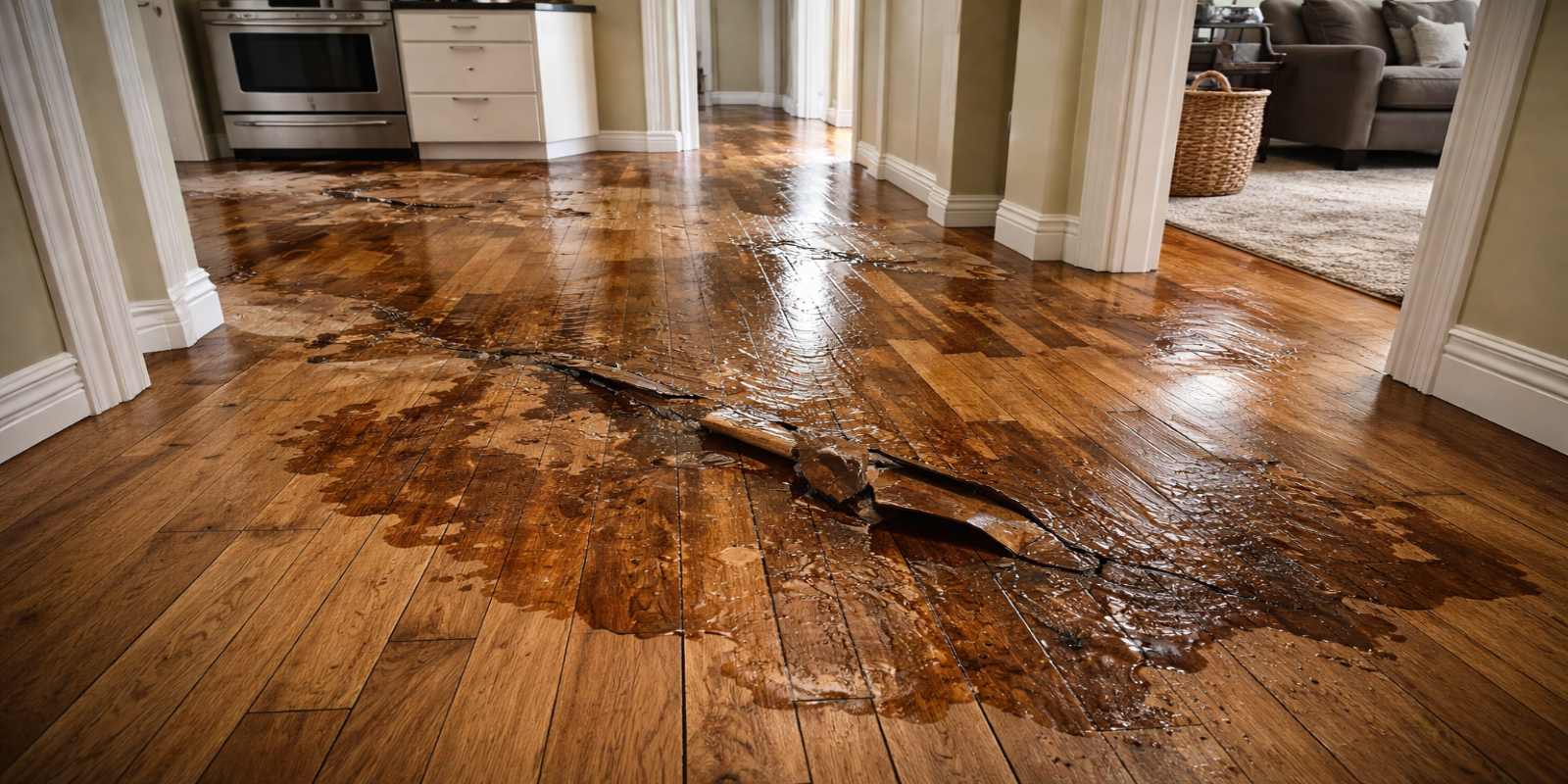

If you work in real estate, few things introduce uncertainty into a transaction faster than suspected water damage.
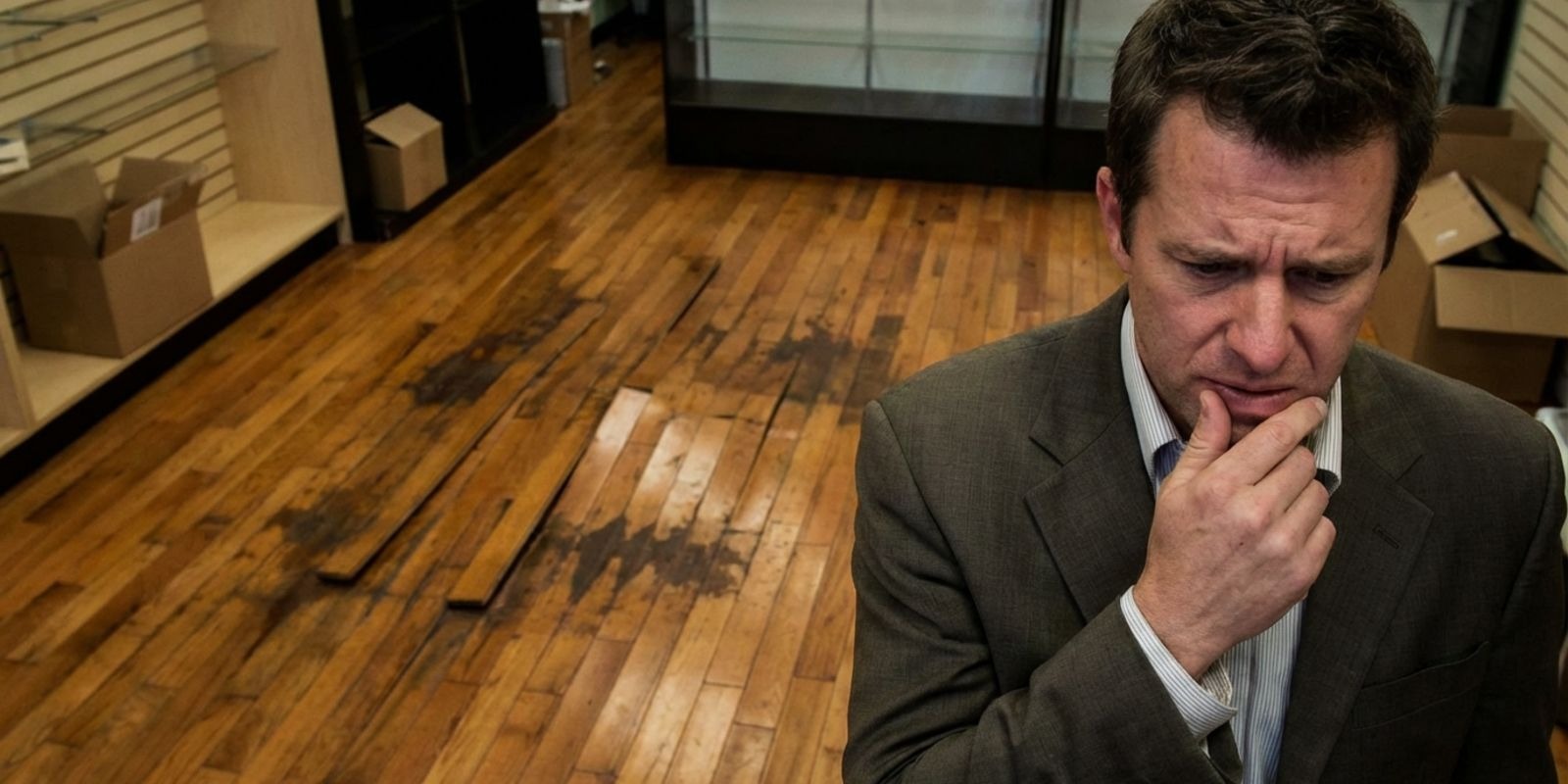
A ceiling stain, a soft dry wall spot, or a faint musty odor can immediately raise concerns about hidden structural issues, mold growth, and expensive repairs. Once that uncertainty enters a deal, buyers hesitate, lenders get cautious, and momentum slows down.
At Restore-It, we’ve seen how quickly deals can shift from “on track” to “at risk” simply because water damage was not assessed quickly and clearly. Even minor moisture issues can trigger renegotiations or cause buyers to walk away entirely.
In this article, you’ll learn:
- Why water damage creates immediate deal risk in real estate
- How delays in assessment can negatively impact closings
- What a fast water damage assessment actually includes
- How realtors can protect deals through faster response and documentation
- The real cost difference between fast action and delay
Why Water Damage Is a Deal Risk
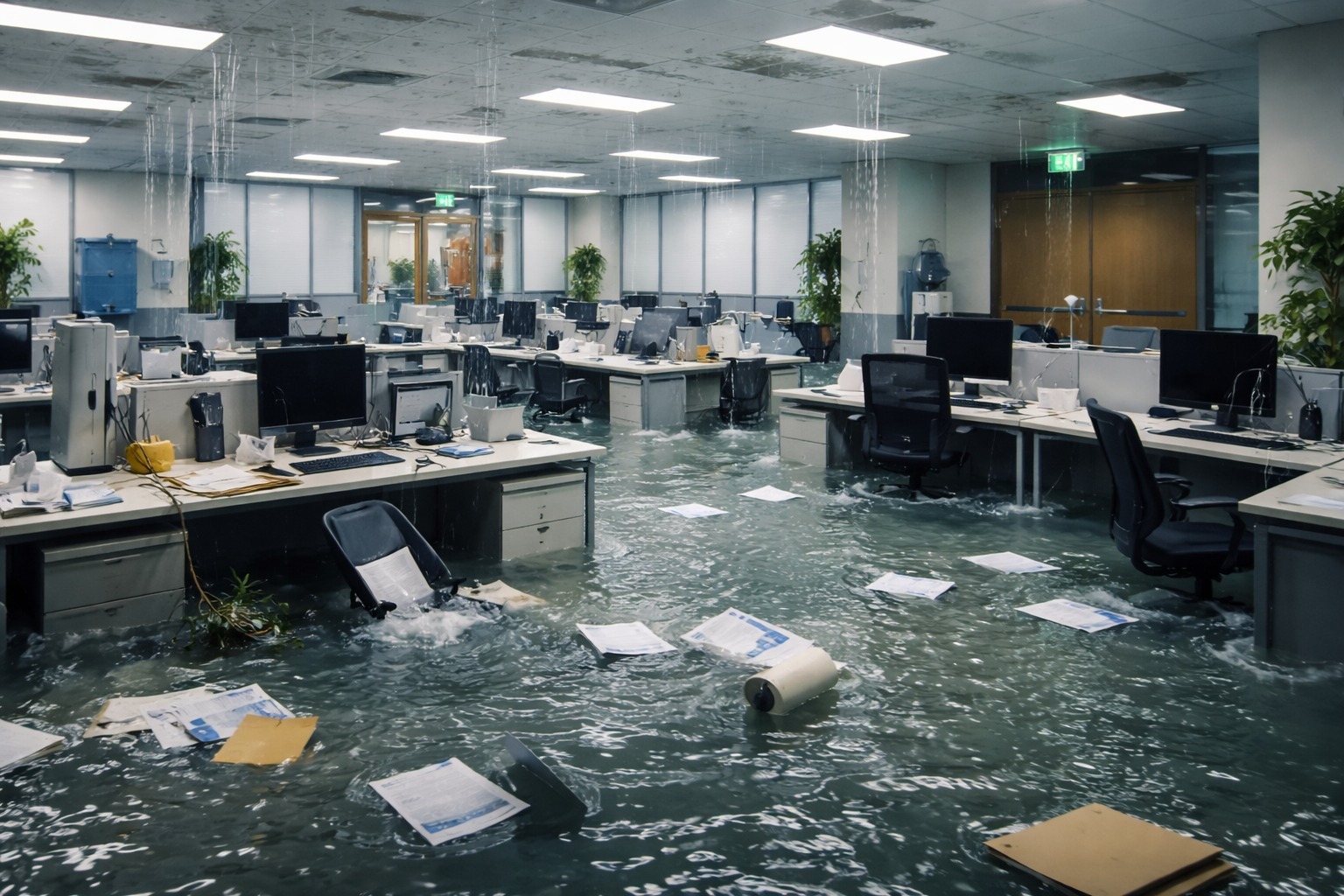
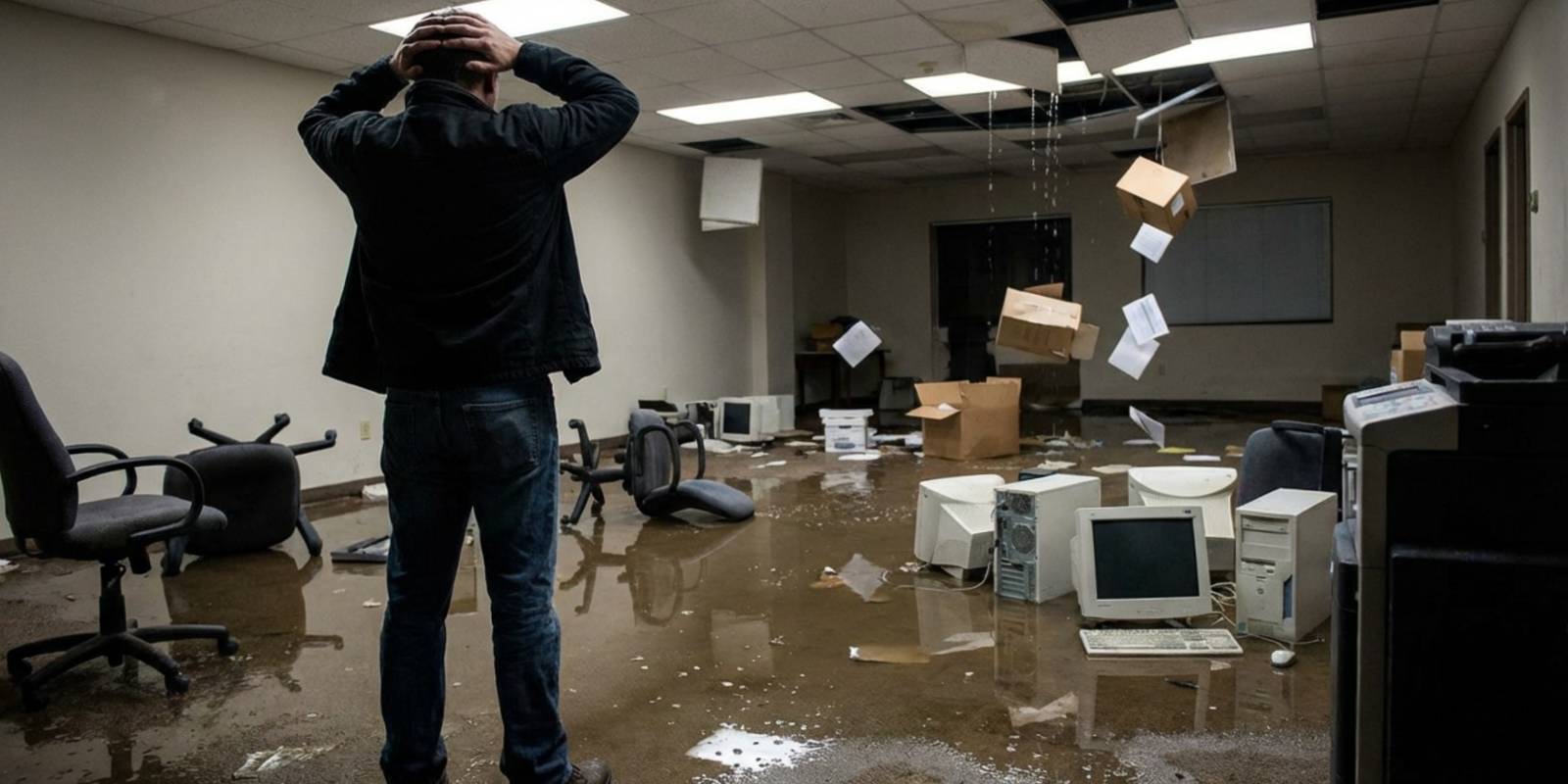
Water damage creates uncertainty, and uncertainty disrupts real estate transactions.
Buyers aren't just reacting to visible damage. They're concerned about what they can't see, including:
- Hidden mold growth
- Structural damage behind walls or ceilings
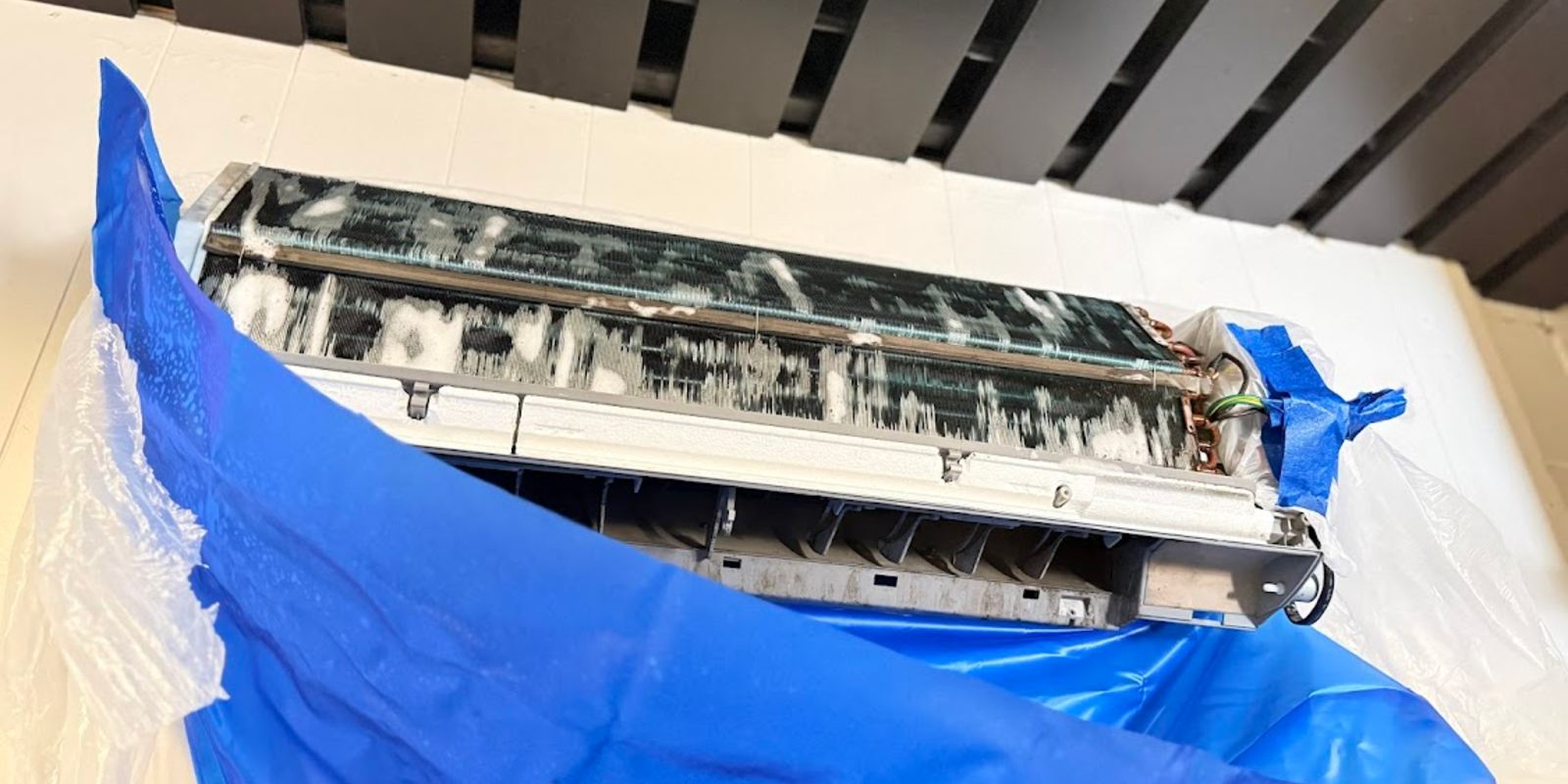
- Electrical or HVAC issues
- Unknown repair costs
As uncertainty grows, buyers gain leverage, sellers lose negotiating power, and lenders may require additional inspections or documentation.
Hidden moisture can also lead to mold if it isn't addressed quickly. According to the Environmental Protection Agency (EPA), mold can begin growing within 24 to 48 hours after water exposure, making early assessment critical.
Common Deal Impacts of Water Damage
|
Issue triggered by water damage |
Typical outcome in a transaction |
|
Visible stains or moisture |
Buyer concern and emotional hesitation |
|
Suspected mold |
Inspection escalation or specialist required |
|
Structural uncertainty |
Price renegotiation or repair credits |
|
Lender concern |
Loan delays or additional underwriting |
|
Insurance questions |
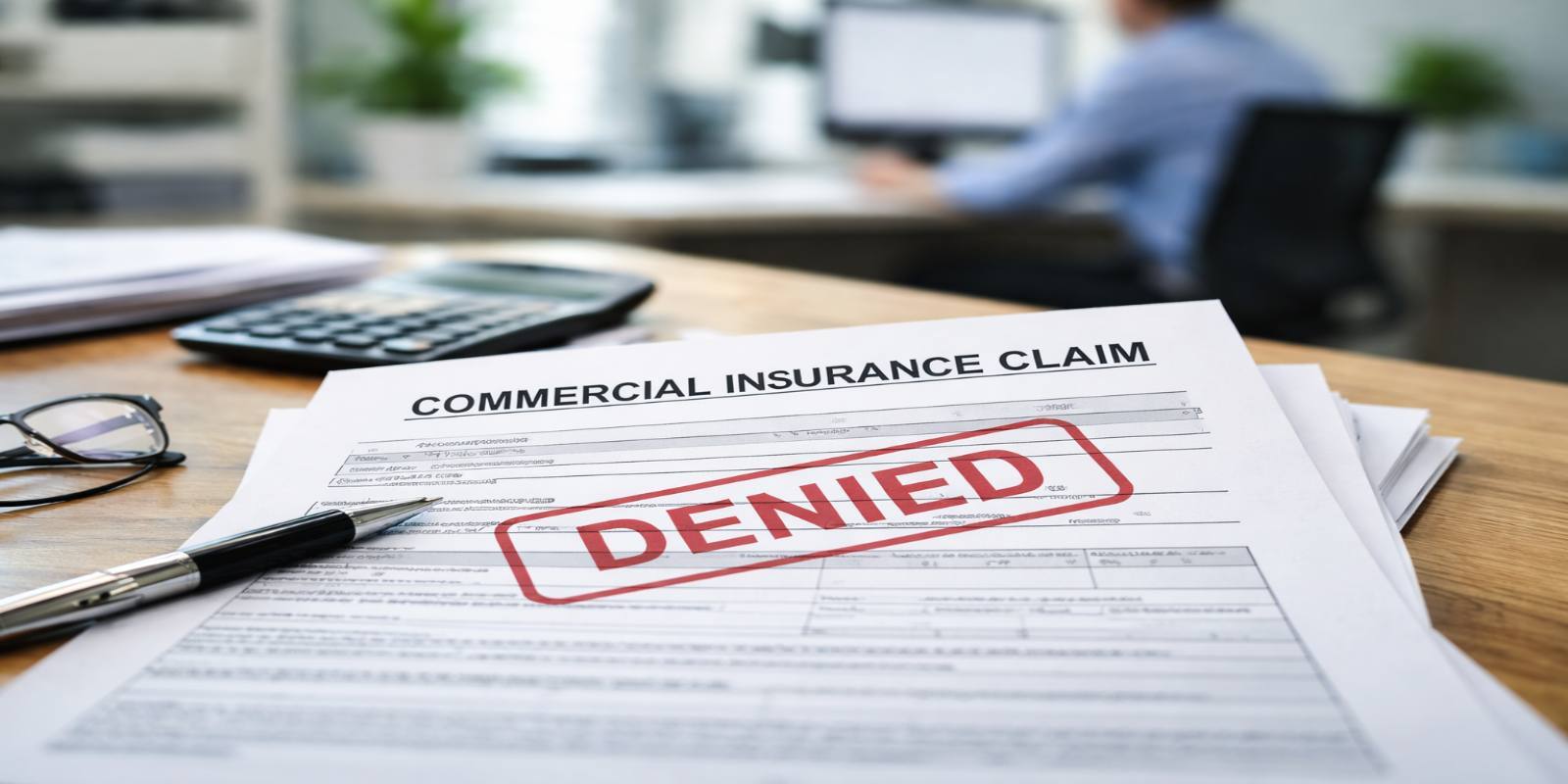
Documentation requests or coverage issues |
Even small signs of water damage can shift a transaction from confident to cautious almost instantly. Once buyers, lenders, or inspectors identify a potential moisture issue, the next factor that determines whether the deal stays on track is how quickly the property is assessed.
How Delays in Assessment Hurt Closings
The time between discovering water damage and getting it properly assessed is often where deals start to fall apart.
When there is no clear information, people fill the gap with assumptions. In real estate, those assumptions almost always increase perceived risk.
What Typically Happens During Delays
- Buyers begin questioning the full condition of the property
- Agents shift into reactive communication instead of controlling the narrative
- Lenders request additional documentation or slow down underwriting
- Repair estimates become inflated due to uncertainty
- Negotiation pressure increases on the seller
Ideally, homeowners and real estate professionals should expect:
|
Service |
Typical Response Time |
|
On-site assessment |
Same day or within 24 hours |
|
Initial findings |
Within hours |
|
Written report |
Within 24–48 hours |
Fast, accurate documentation reduces uncertainty and keeps everyone working from the same information.
What a Fast Water Damage Assessment Actually Includes
A fast water damage assessment is not just about showing up quickly. It is about delivering clarity that supports real estate decision-making.
A proper fast assessment typically includes:
- Moisture mapping to identify affected areas
- Thermal imaging to detect hidden moisture (when applicable)
- Source identification, such as roofing, plumbing, or HVAC issues
- Visual inspection and documentation for buyers, agents, and lenders
- Preliminary risk classification (minor, moderate, severe)
- Immediate reporting to support negotiations or underwriting decisions
What “Fast” Should Actually Mean
|
Service element |
Ideal turnaround |
|
On-site response |
Same day or within 24 hours |
|
Preliminary findings |
Within hours of inspection |
|
Documentation report |
Within 24 to 48 hours |
The goal is not just speed. The goal is fast clarity that reduces uncertainty for all parties involved.
How Fast Assessments Help Protect Real Estate Deals
Fast assessments replace uncertainty with facts when they matter most.
By quickly identifying the scope of the problem, they help:
- Reduce buyer concerns
- Build trust through documented findings
- Keep negotiations focused on facts
- Prevent unnecessary lender or insurance delays
- Maintain closing timelines
In many cases, speed doesn't just solve the immediate issue, it prevents it from becoming a much larger one.
Realtor Best Practices When Water Damage Is Suspected
Realtors play a critical role in how water damage affects a transaction. The response window is where most deal outcomes are decided.
What Realtors Should Do Immediately
- Act quickly and schedule an assessment without delay
- Bring in a qualified water damage professional early
- Document everything with photos and written notes
- Communicate proactively with buyers and lenders
- Use verified findings instead of speculation in discussions
What Realtors Should Avoid
- Guessing the source or severity of damage
- Downplaying visible issues without inspection data
- Delaying communication until “full answers” are available
- Relying on informal opinions instead of documentation
A fast, structured response positions the realtor as a stabilizer in the transaction, not a source of uncertainty.
Realtor Best Practices When Water Damage Is Suspected
When water damage is discovered during a real estate transaction, how you respond can influence whether the deal stays on track. A quick, well-documented response helps reduce uncertainty and keeps buyers, sellers, and lenders informed.
What Realtors Should Do
- Arrange a professional water damage assessment as soon as possible.
- Encourage the seller to address the issue immediately instead of waiting for additional inspections.
- Document visible damage with photos and keep records of all reports and communications.
- Share verified findings with buyers and lenders to maintain transparency.
- Work with an experienced IICRC-certified restoration company that can provide both emergency mitigation and clear documentation.
What Realtors Should Avoid
- Guessing the source or extent of the damage.
- Minimizing visible signs of water damage before a professional assessment.
- Waiting for the issue to "dry out" before taking action.
- Relying on verbal opinions instead of written documentation.
A prompt, professional response demonstrates transparency, builds buyer confidence, and helps keep the transaction moving toward closing.
Cost of Waiting vs Cost of Fast Assessment
The financial impact of timing is often larger than the cost of the assessment itself.
Cost Comparison Overview
|
Factor |
Fast Assessment |
Delayed Assessment |
|
Upfront cost |
Low, predictable |
Lower initially |
|
Negotiation impact |
Minimal disruption |
Increased buyer leverage |
|
Final sale price |
Typically preserved |
Often reduced |
|
Time to close |
Maintained |
Delayed |
|
Buyer confidence |
Strengthened |
Decreased |
|
Deal risk |
Low |
High |
Hidden Costs Of Delay
- Price reductions driven by uncertainty
- Repair credits inflated by worst-case assumptions
- Longer days on market
- Increased likelihood of deal fallout
- Damage to agent's reputation in competitive listings
In real estate, delay does not just cost time. It costs leverage.
Knowing what type of water has affected a property is just as important as knowing how quickly to respond. Clean water, grey water, and black water each carry different health risks, cleanup requirements, and restoration costs.
To understand how water categories influence restoration decisions and real estate transactions, read our article below:

Why Speed Matters In Water Damage Real Estate Decisions
Water damage doesn't automatically derail a real estate transaction but waiting to understand the extent of the damage often does.
At Restore-It, we've helped countless homeowners, buyers, and real estate professionals move forward with confidence by providing fast, documented water damage assessments and 24/7 emergency response. Whether you're preparing a home for sale or trying to keep a closing on schedule, our team can quickly identify the problem and provide the documentation needed to reduce uncertainty.
If you discover signs of water damage, don't wait to see if the problem gets worse. Contact us immediately for 24/7 emergency water damage response. Our team can quickly assess the damage, identify the source, and provide the documentation you need to keep your property and your real estate transaction moving forward.