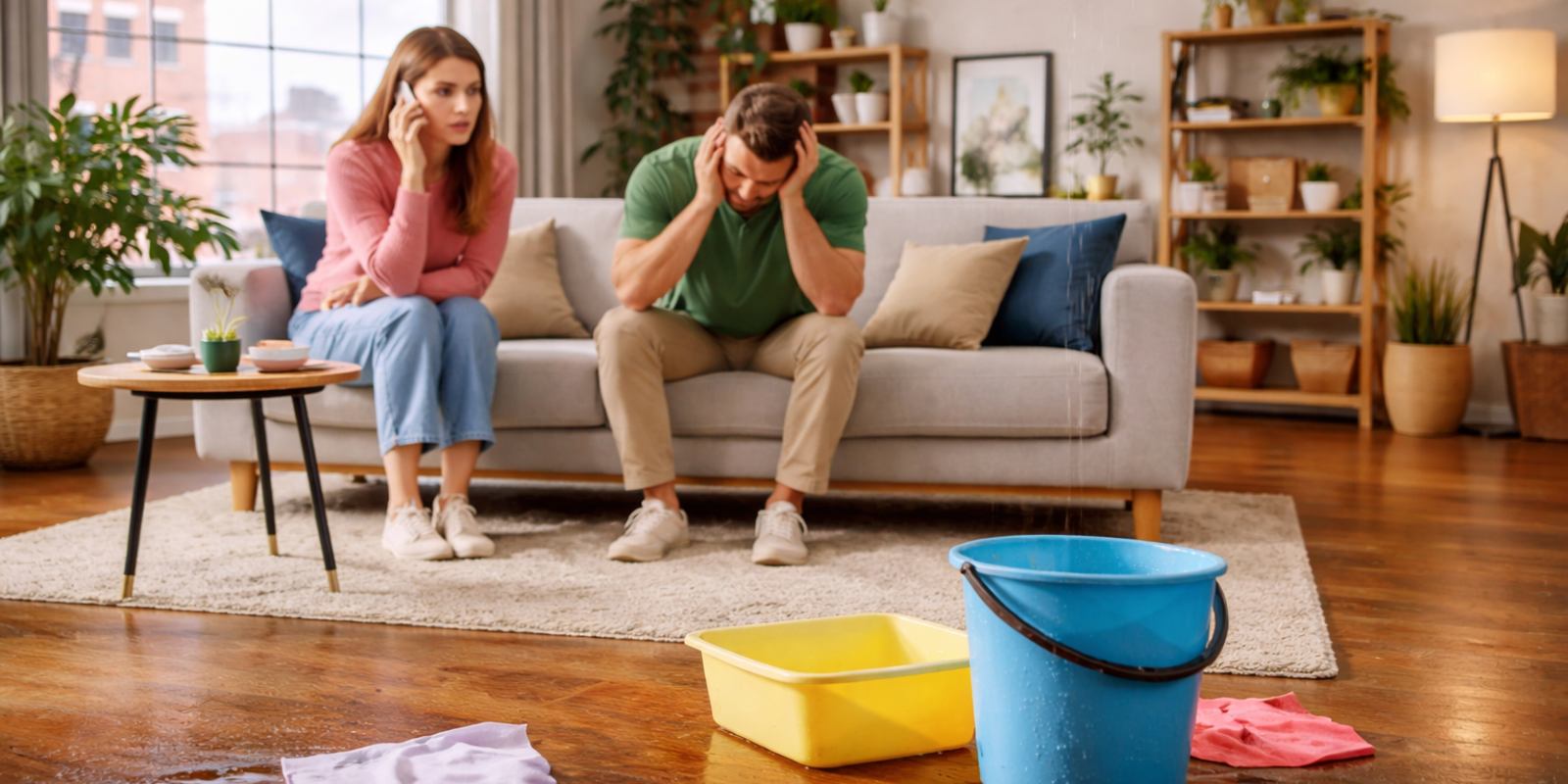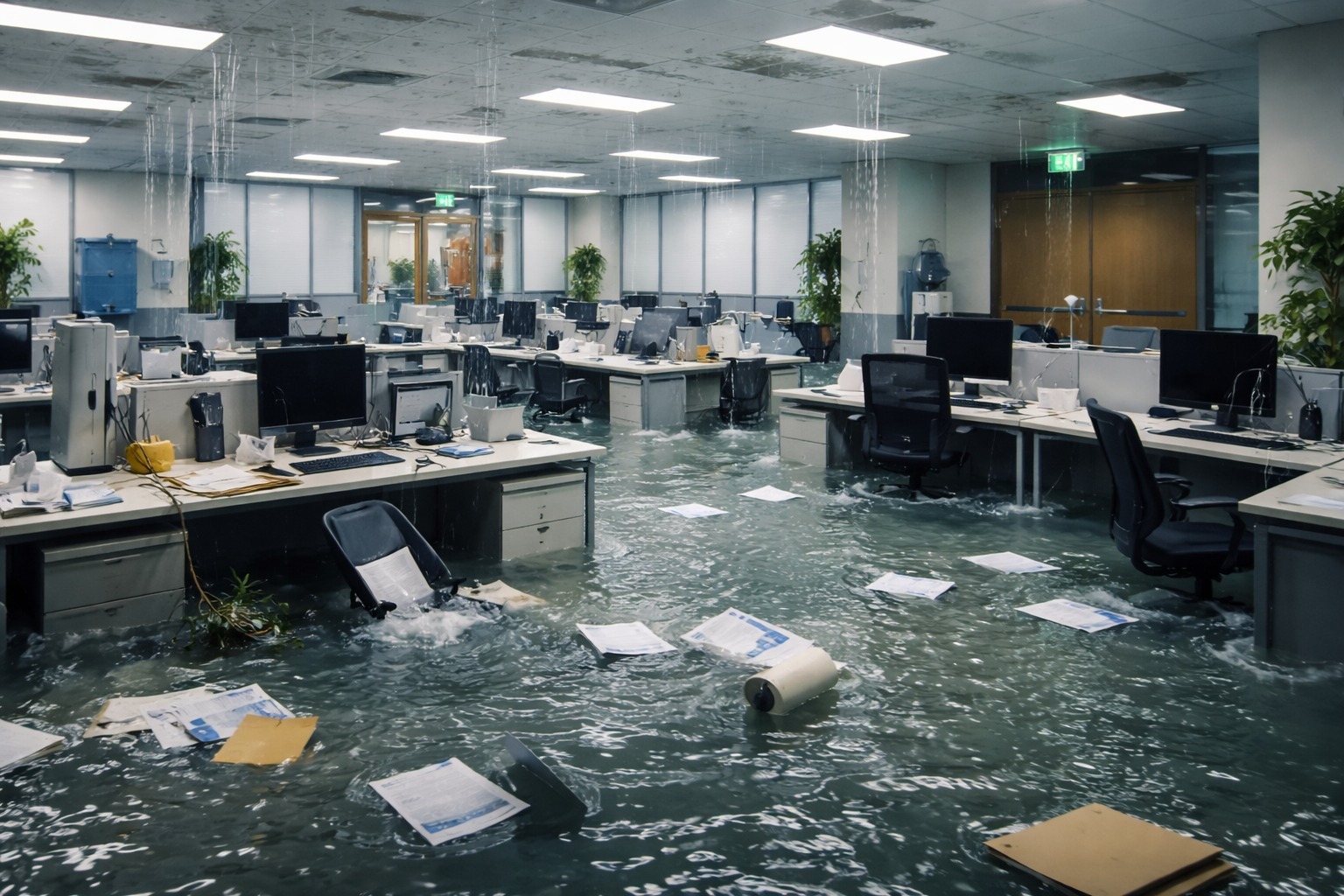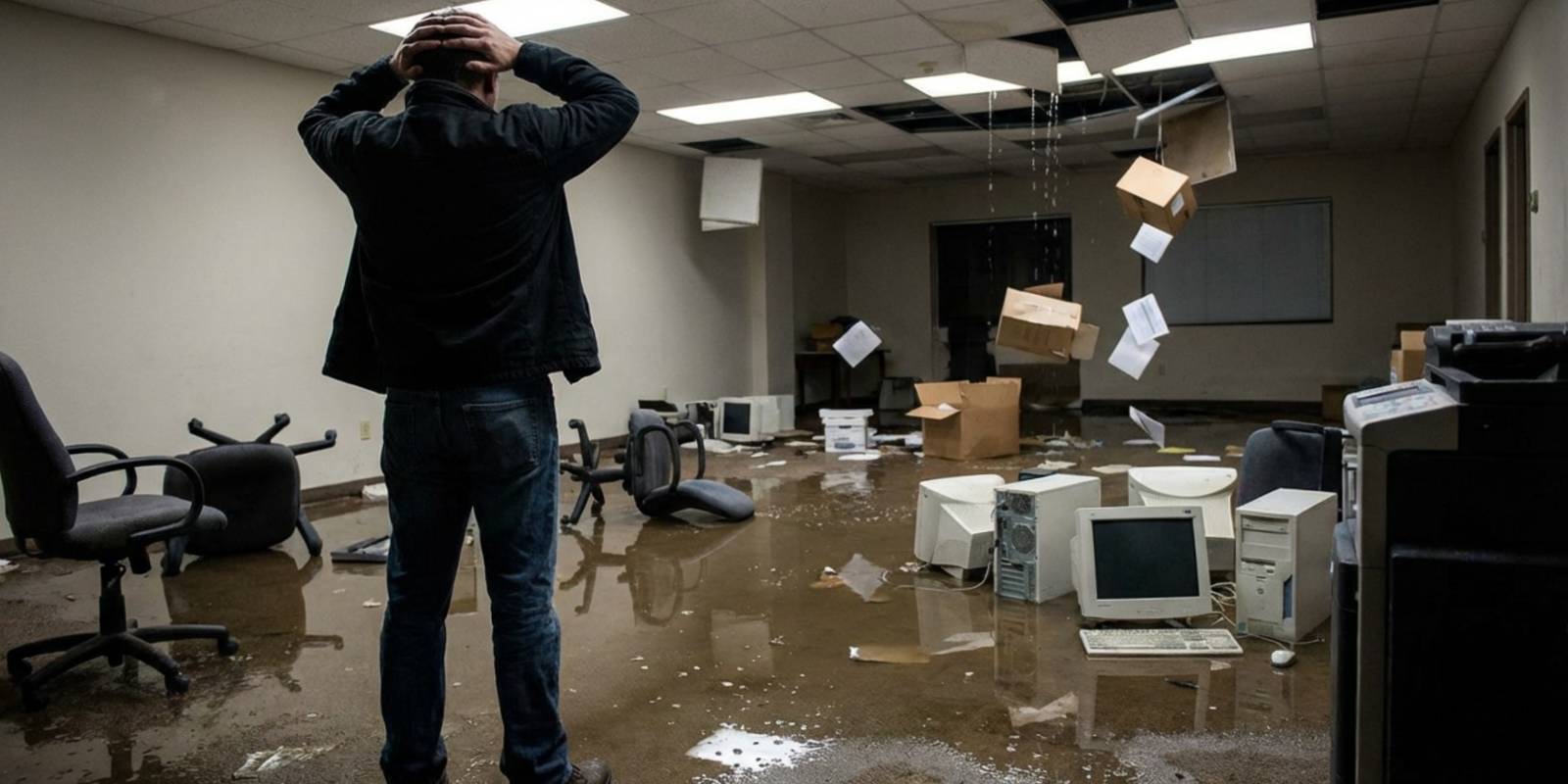

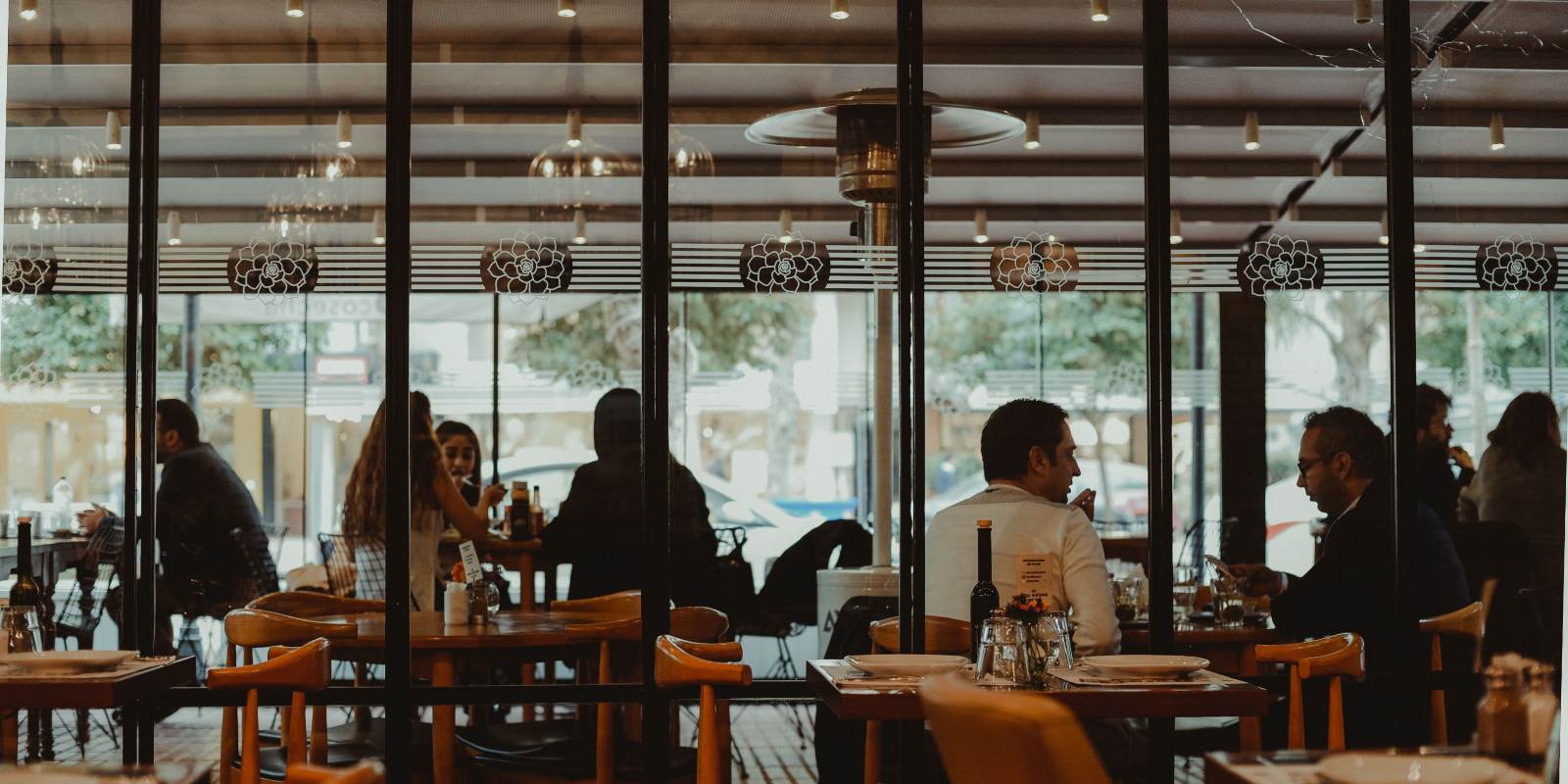
Restaurants rely on water every day for food preparation, cleaning, sanitation, and customer service. Because of this constant demand, even a minor plumbing issue can quickly become a major problem.
During summer events, tourism seasons, and local gatherings, restaurants often experience increased customer traffic. Higher demand means more water usage throughout kitchens, restrooms, beverage stations, and dishwashing areas. In addition to increased water usage, seasonal storms, high humidity, and extended HVAC operation can create conditions that increase the likelihood of water damage throughout a restaurant.
Since 2012, Restore-It has helped commercial property owners respond to water damage and moisture-related issues throughout South Arkansas.
In this article, you'll learn why restaurants face higher water damage risks during summer, the warning signs to watch for, and steps that can help reduce the likelihood of costly disruptions.
Why Summer Creates More Water Damage Risks for Restaurants
Summer can be one of the busiest and most challenging seasons for restaurant owners. Increased customer traffic, severe weather, and prolonged HVAC use all place additional stress on a restaurant's building systems. While these factors may seem unrelated, they can significantly increase the likelihood of water damage if vulnerabilities go unnoticed. The table below highlights some of the most common summer-related risks and how they can affect restaurant operations.
|
Summer Risk |
How It Increases Water Damage Risk |
Potential Impact on Restaurants |
|
Increased demand on plumbing systems |
Higher water usage places additional stress on pipes, supply lines, drains, and fixtures. |
Leaks, burst pipes, clogged drains, operational disruptions, and repair costs. |
|
Heavy rainfall and storms |
Water can enter through damaged roofs, doors, or windows, or through poor drainage. |
Water intrusion, damaged interiors, slip hazards, temporary closures, and mold growth. |
|
HVAC systems working harder |
Increased condensation and clogged condensate lines can cause hidden moisture buildup. |
Ceiling damage, mold growth, damaged insulation, and costly repairs. |
Understanding these risks is the first step toward preventing costly repairs and business interruptions. From overworked plumbing systems to hidden moisture caused by air conditioning equipment, each of these seasonal challenges can create conditions that lead to water damage. Let's take a closer look at how these risks develop and what restaurant owners should watch for during the summer months.
Increased Demand on Plumbing Systems
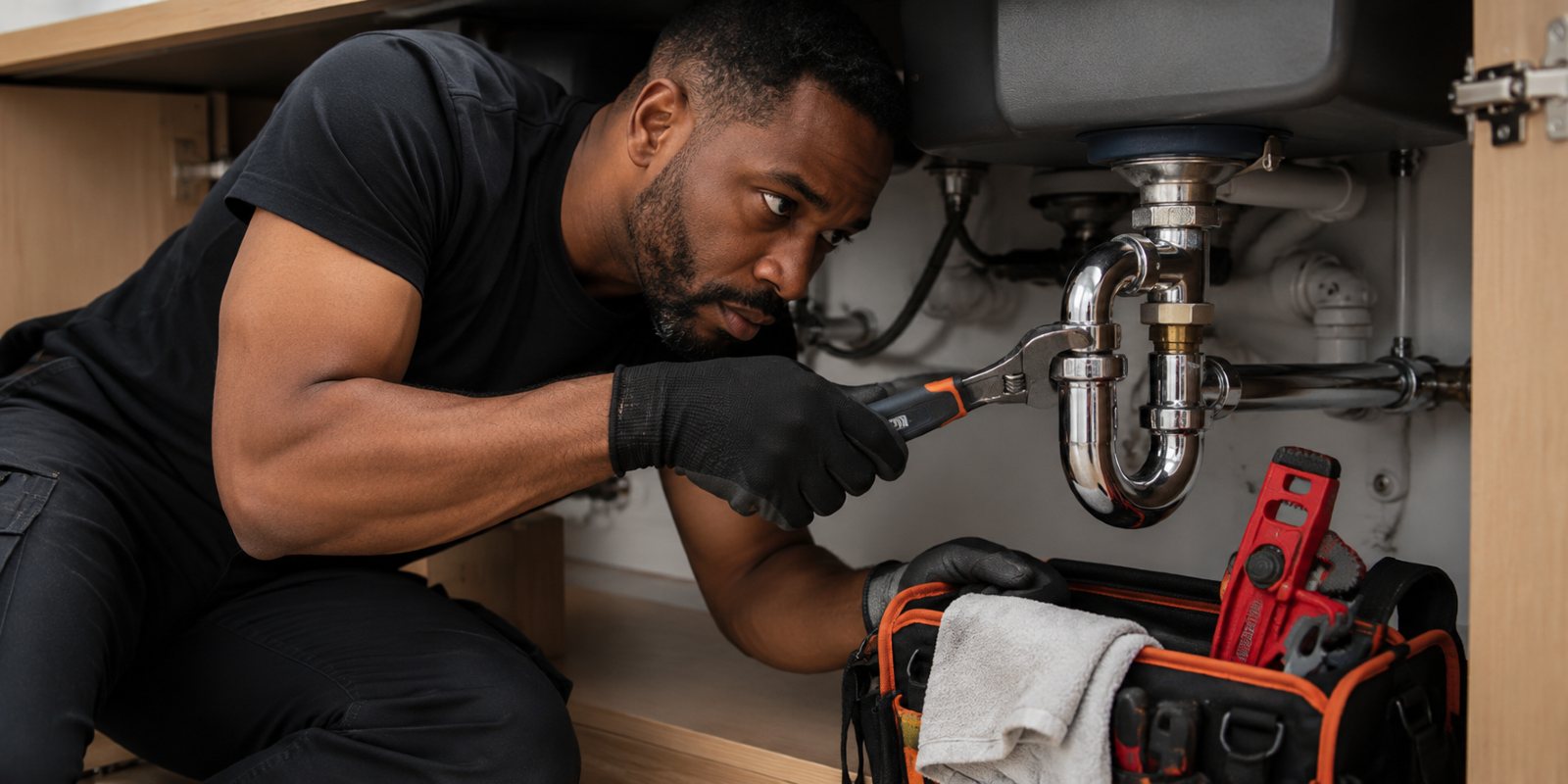
Summer often brings increased customer traffic due to vacations, tourism, and local events. As restaurants serve more guests, water usage increases throughout kitchens, dishwashing stations, beverage areas, and restrooms. This added demand can place extra strain on plumbing systems, increasing the likelihood of leaks, clogged drains, and other water-related issues.
Heavy Rainfall and Storm Activity
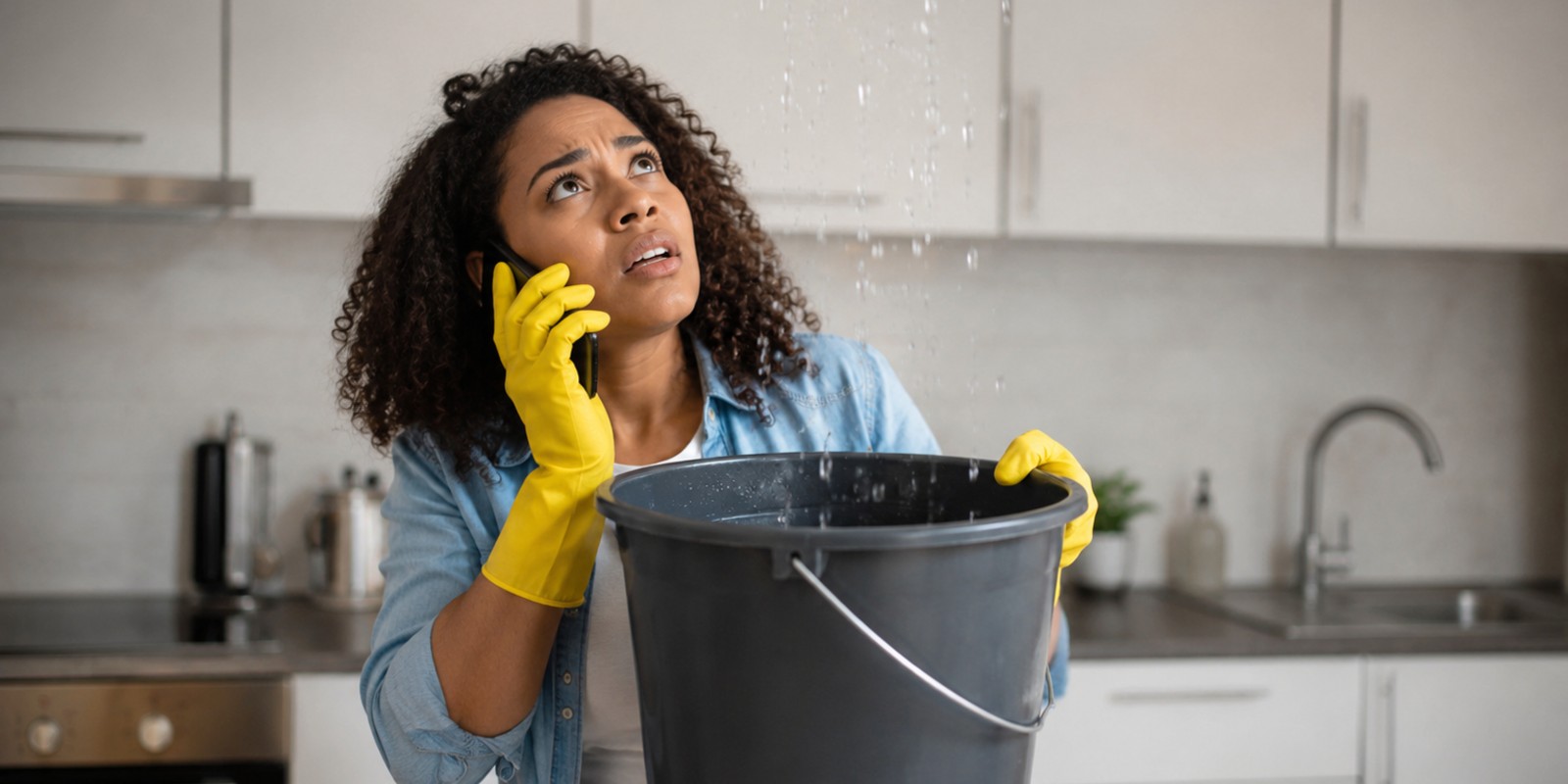
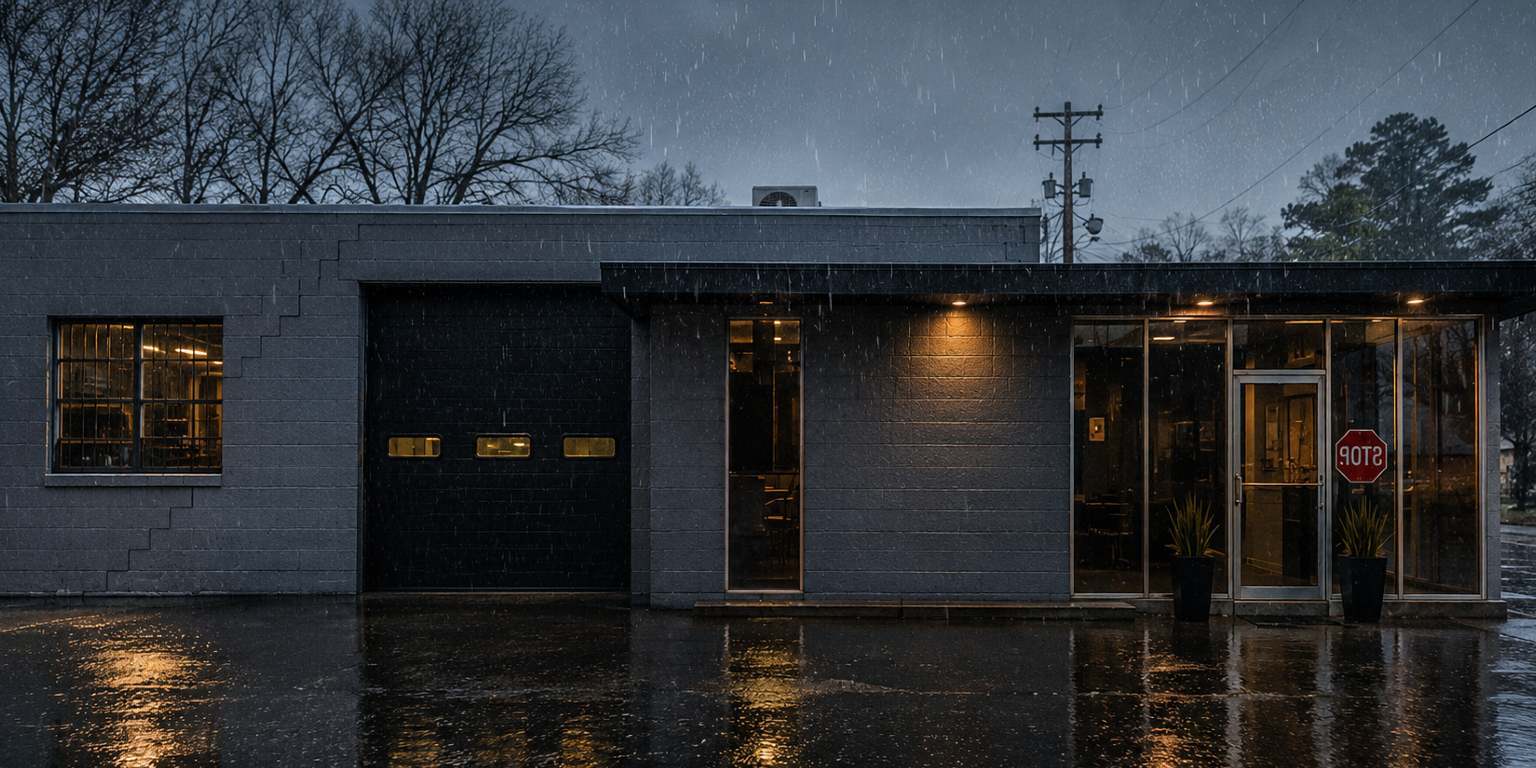
Summer storms can create multiple water intrusion risks for restaurants. Heavy rainfall may expose weaknesses in roofing systems, allowing water to enter through roof leaks, damaged flashing, or deteriorated building materials.
Water can also enter around doors and windows or accumulate around the building if drainage systems become overwhelmed. When moisture is not addressed quickly, it can damage ceilings, walls, flooring, and other areas of the property, potentially disrupting daily operations.
HVAC Systems Working Harder
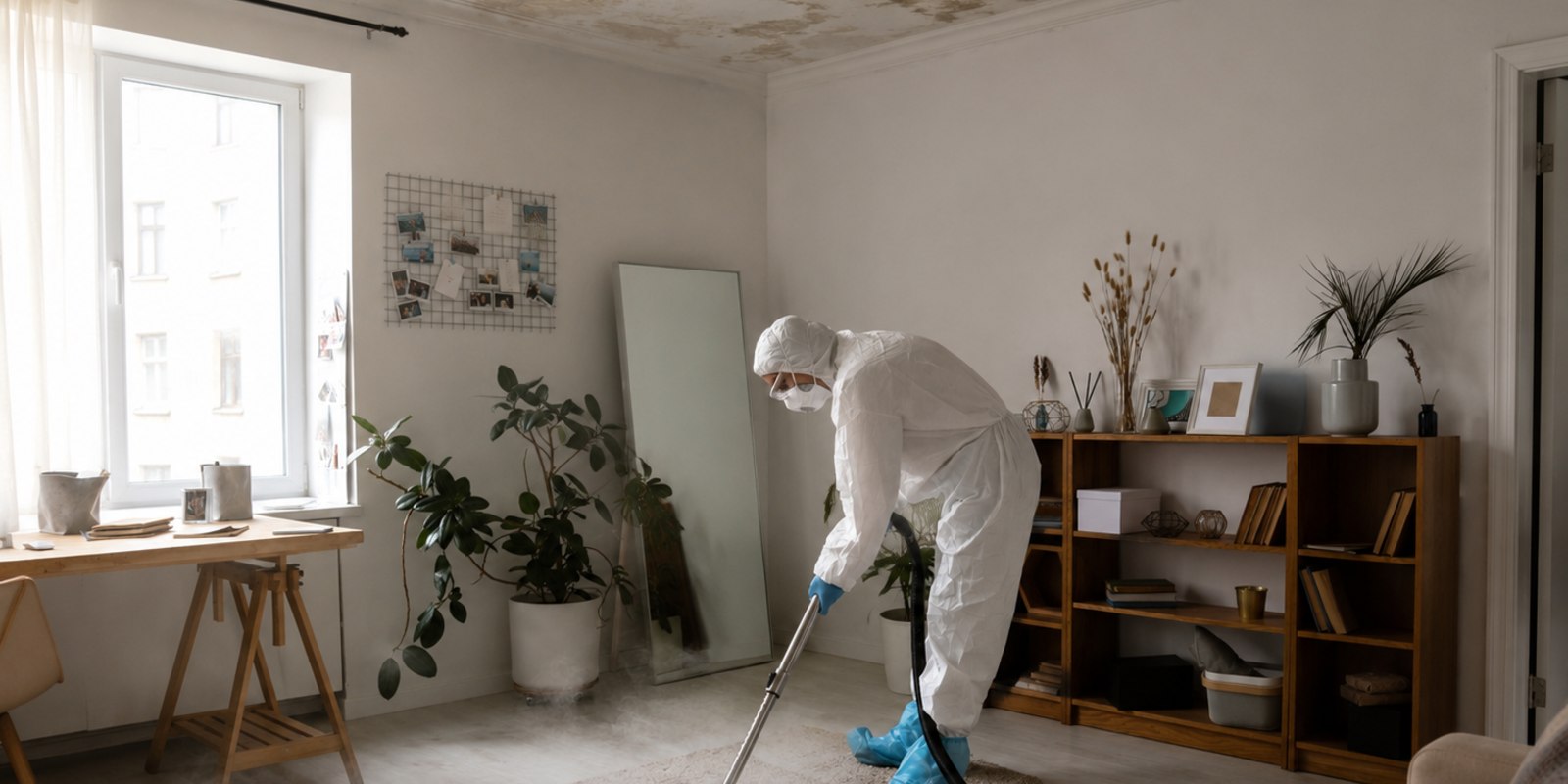
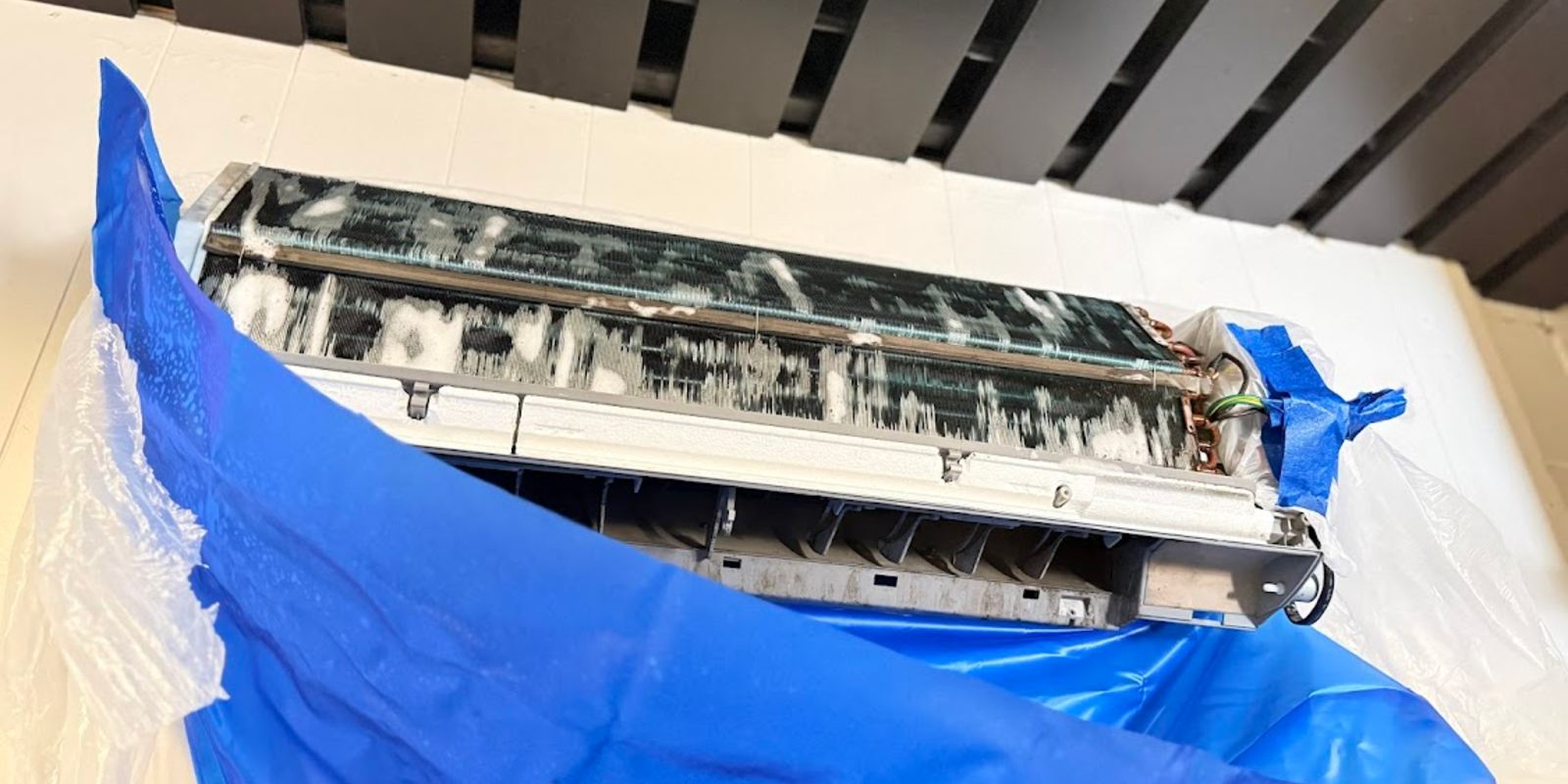
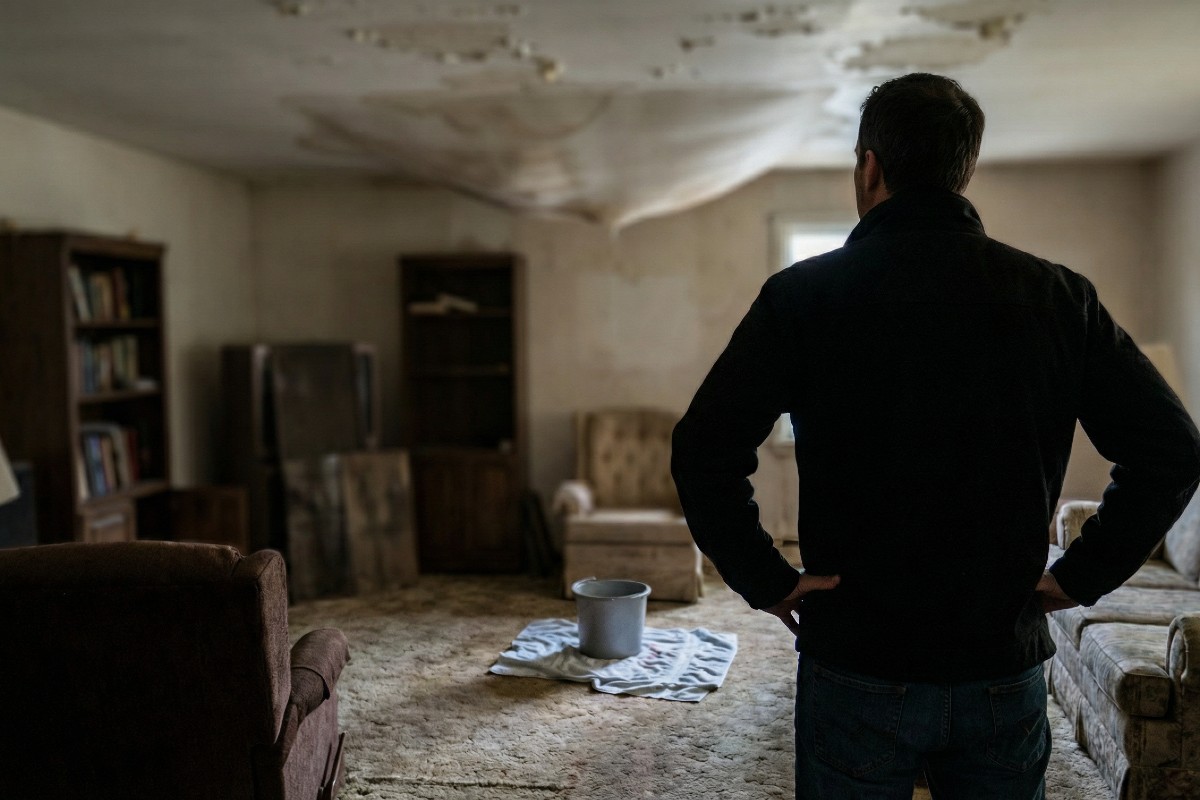
During the summer months, restaurant HVAC systems often run for extended periods to maintain comfortable temperatures for customers and staff. Increased cooling demands can produce more condensation, and clogged condensate lines may cause water to overflow into surrounding areas. Over time, moisture can accumulate behind walls, above ceilings, and around HVAC equipment, creating hidden water damage that may go unnoticed until more significant repairs are needed.
Hidden moisture can cause significant damage before it becomes visible. If you suspect a water issue in your restaurant, our team can help identify moisture problems and develop a restoration plan.

Common Sources of Water Damage in Restaurants During Summer
Restaurants contain numerous water-dependent systems that can become vulnerable during the summer months. Increased usage, equipment wear, and severe weather can all contribute to water damage incidents.
|
Source |
Why It Happens |
Potential Consequences |
|
Supply Line Failures |
Increased demand and aging plumbing components can cause leaks or bursts. |
Water damage to kitchens, storage areas, and dining spaces. |
|
Drain Backups and Clogs |
Grease buildup and heavy kitchen use can restrict water flow. |
Overflowing drains, sanitation concerns, and operational disruptions. |
|
Roof Leaks |
Storm damage, deteriorating roofing materials, and flashing failures allow water intrusion. |
Ceiling damage, mold growth, and damaged interiors. |
|
Refrigeration and Freezer Issues |
Condensation and defrost system malfunctions can create excess moisture. |
Water accumulation around equipment and potential slip hazards. |
While some water damage events occur suddenly, many develop gradually over time. Regular inspections can help identify these common issues before they result in costly repairs or business interruptions.
How Water Damage Can Affect Restaurant Operations
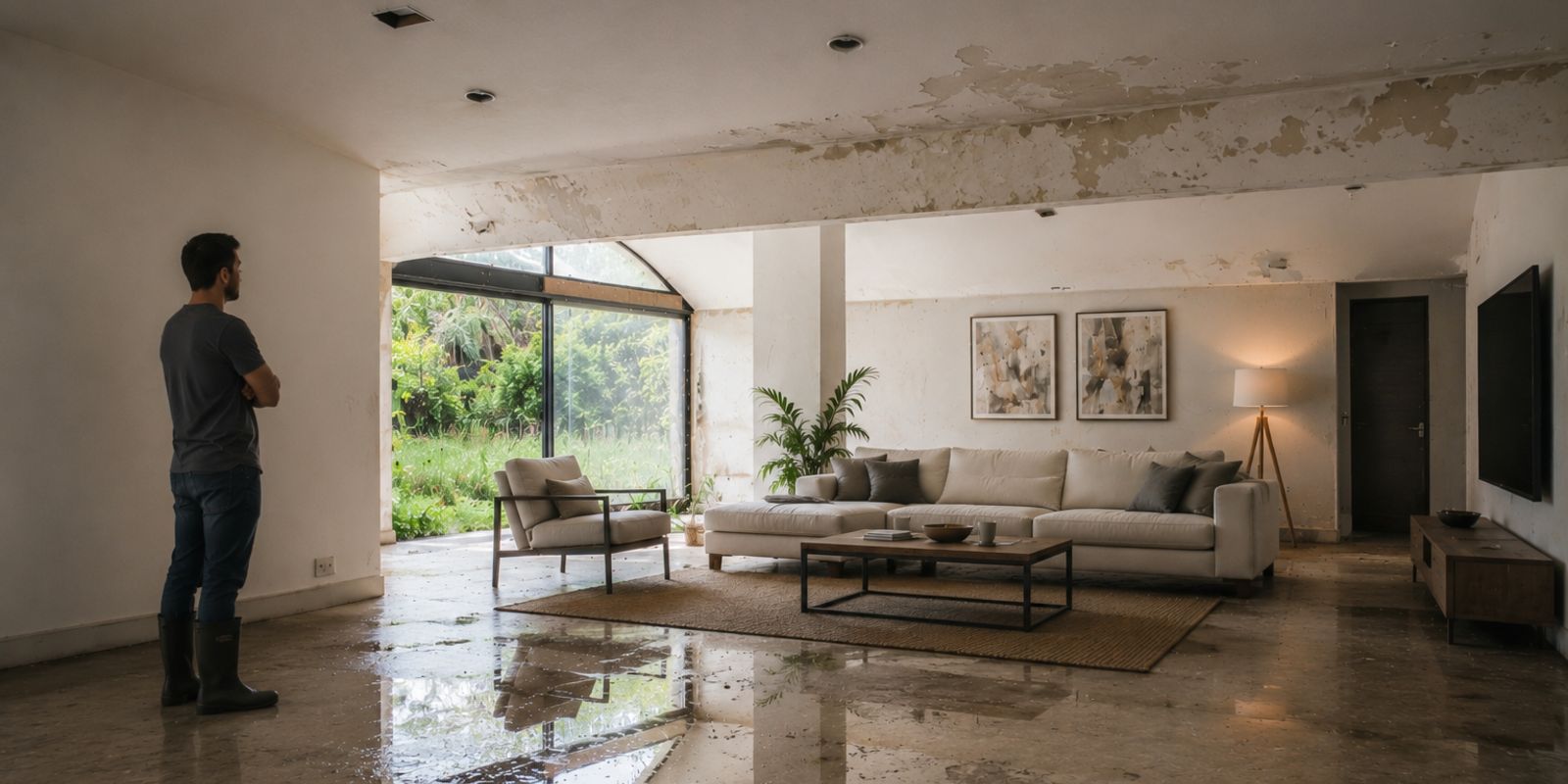
Water damage can affect far more than a building's structure. It can disrupt daily operations, affect customer experiences, and lead to unexpected expenses.
Business Interruptions
Depending on the extent of the damage, restaurants may need to temporarily close certain areas or suspend operations altogether. Water damage can reduce seating capacity, delay service, and disrupt normal business activities.
Damage to Equipment and Inventory
Water can damage cooking equipment, refrigeration systems, food products, and other essential assets. Replacing or repairing damaged equipment can be costly and may impact a restaurant's ability to serve customers efficiently.
Indoor Air Quality Concerns
Moisture that is not properly dried can contribute to mold growth and persistent odors. These issues may affect employee comfort, customer satisfaction, and overall indoor air quality.
Increased Repair Costs
Small leaks can quickly become major restoration projects when moisture is allowed to spread. The longer water damage goes untreated, the greater the likelihood of structural repairs and higher restoration costs.
Concerned about how water damage could affect daily operations? Read Keeping Your Business Open After Water or Fire Damage to learn practical strategies for minimizing downtime and maintaining business continuity during recovery.
Warning Signs Restaurant Owners Should Not Ignore
Watch for these common signs of water damage:
- Water stains on ceilings or walls
- Musty odors
- Standing water near equipment
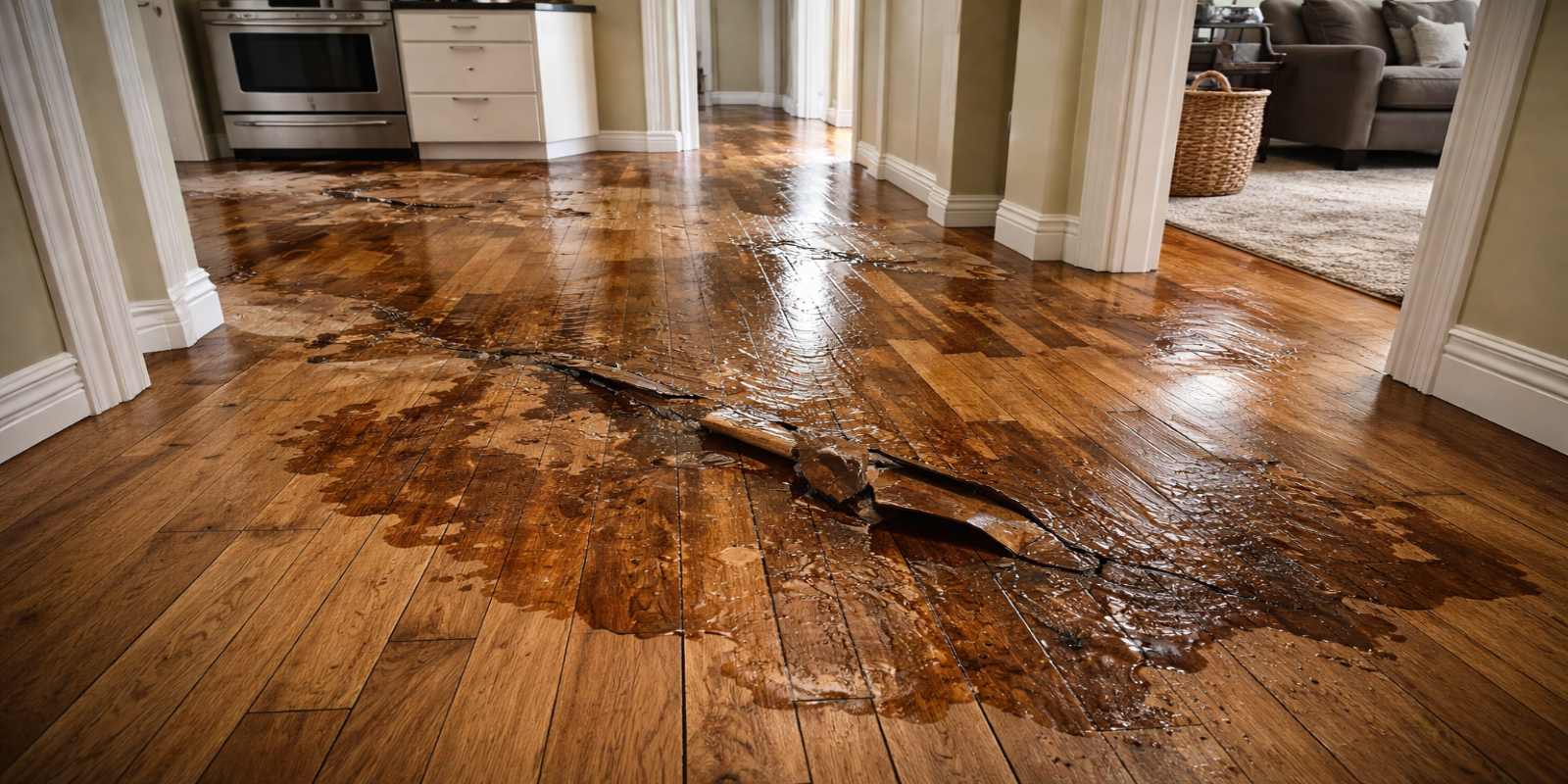
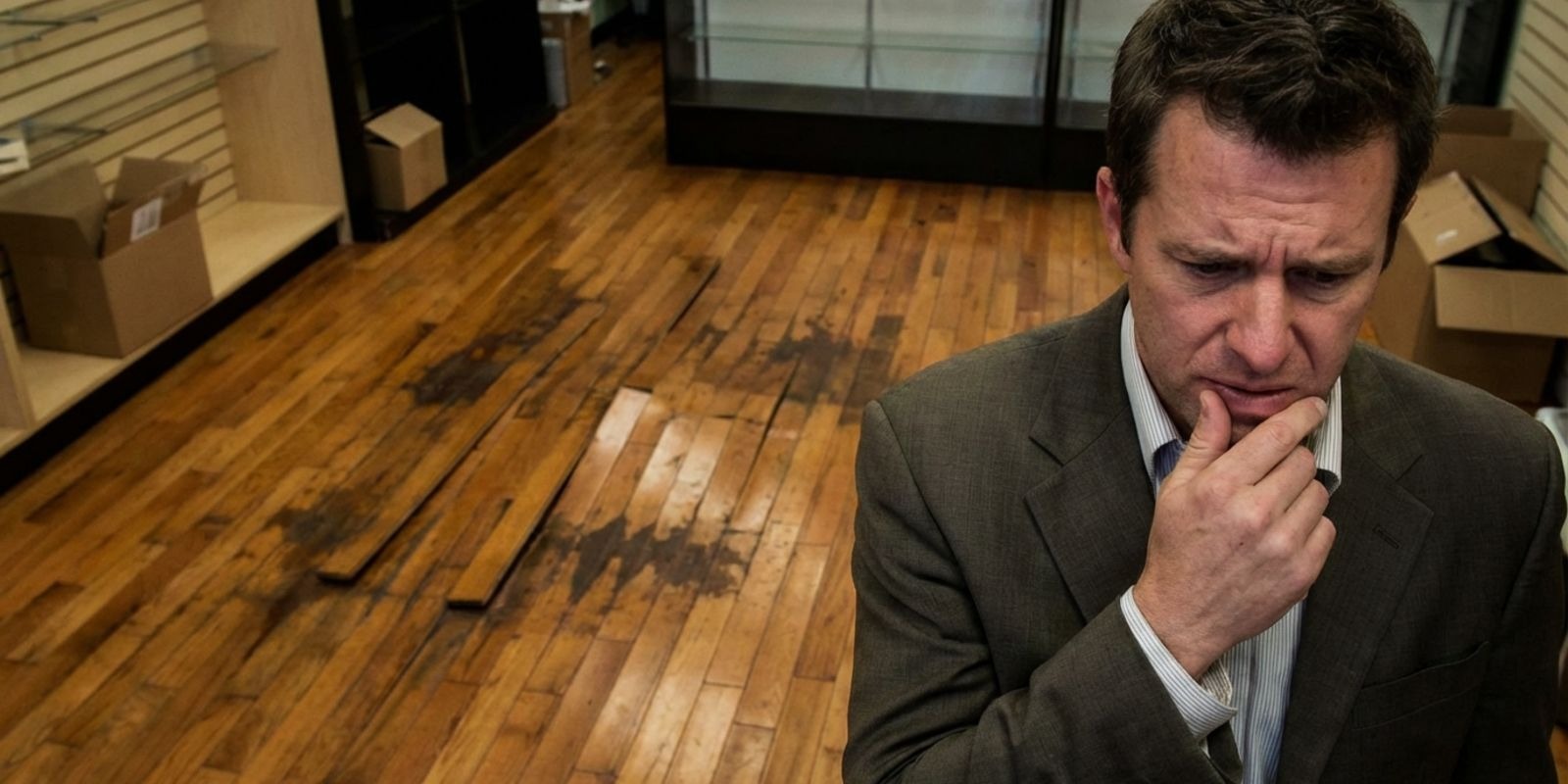
- Soft or damaged flooring
- Unexplained increases in water bills
- Visible mold growth
- Frequent drain backups
Have you discovered signs of water damage in your restaurant? Taking the right steps early can help limit damage and support a smoother restoration process. Read below to learn how to prepare before help arrives.
[What Should Business Owners Do Before a Restoration Crew Arrives?]
How Restaurants Can Reduce Their Summer Water Damage Risk
While some causes of water damage are unpredictable, many incidents can be prevented through routine maintenance and early intervention. Taking a proactive approach can help restaurant owners reduce the risk of costly repairs, business interruptions, and property damage during the busy summer season.
- Schedule Routine Plumbing Inspections
Regular inspections can help identify worn pipes, loose fittings, hidden leaks, and other plumbing issues before they become major problems. - Monitor High-Risk Equipment
Ice makers, dishwashers, beverage stations, and refrigeration units should be inspected regularly for leaks, condensation, or signs of water accumulation. - Maintain Roofs and Gutters
Keeping roofs, gutters, and downspouts in good condition can help prevent water intrusion during heavy summer storms. - Inspect HVAC Systems Regularly
Routine HVAC maintenance can help prevent clogged condensate lines, excess condensation, and hidden moisture buildup behind ceilings and walls. - Address Leaks Immediately
Even minor leaks can lead to significant water damage if left untreated. Prompt repairs can help limit the spread of moisture and reduce restoration costs.
If you discover water damage, acting quickly can help reduce downtime and prevent further damage to your facility.
What to Do If Water Damage Occurs in Your Restaurant
During the summer months, restaurants face unique water damage risks that can affect daily operations, food safety, equipment, and customer experiences. Understanding the common causes, warning signs, and prevention strategies can help you reduce disruptions and protect your business.
If water damage does occur, responding quickly can help minimize repair costs and downtime. Restore-It has helped South Arkansas businesses recover from water damage since 2012, providing professional mitigation and restoration services when they are needed most.
Not all water damage is the same. Your next step is understanding the risks associated with contaminated water. Read to learn when water damage becomes a health and safety concern and why immediate action is critical.