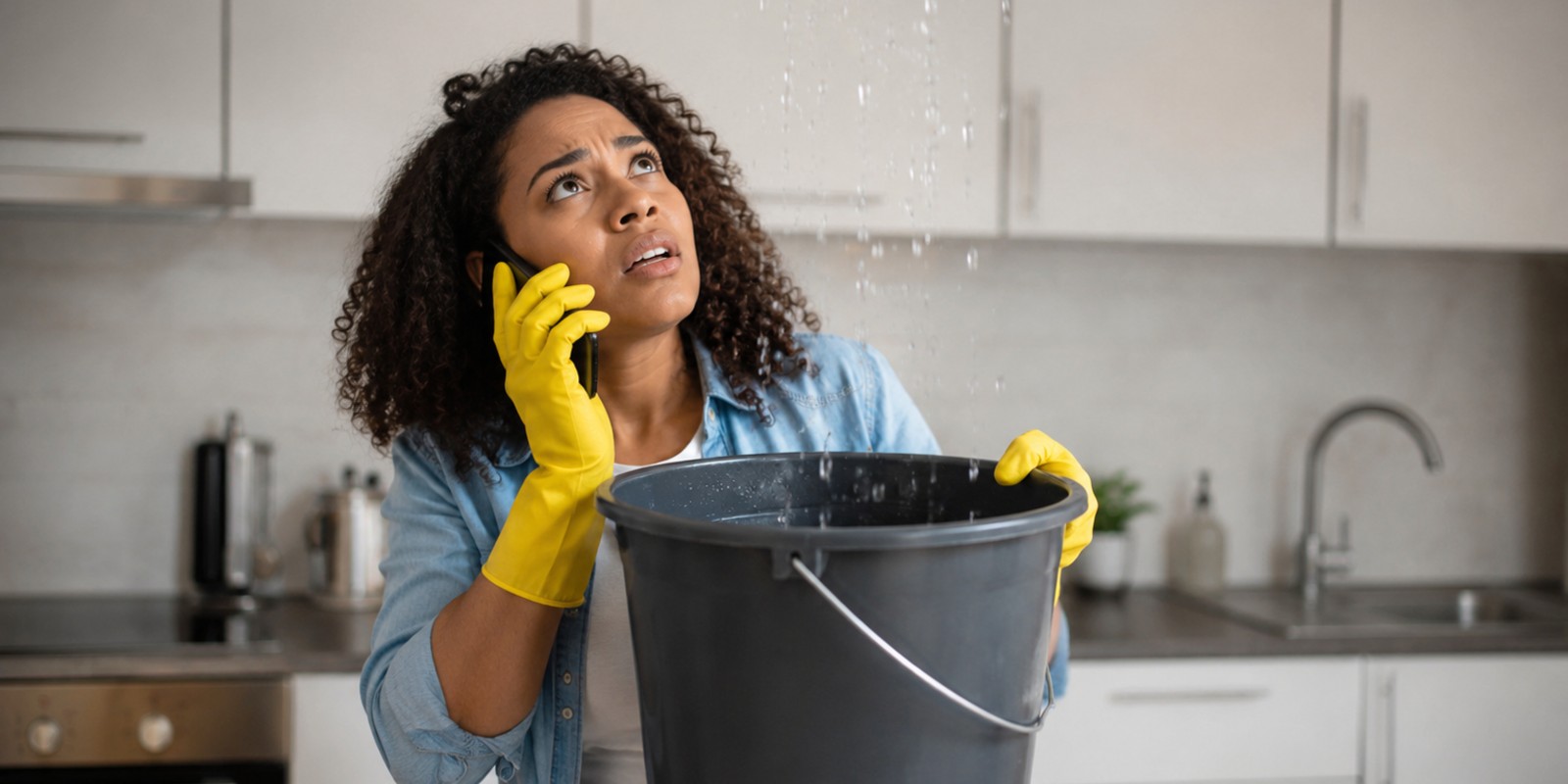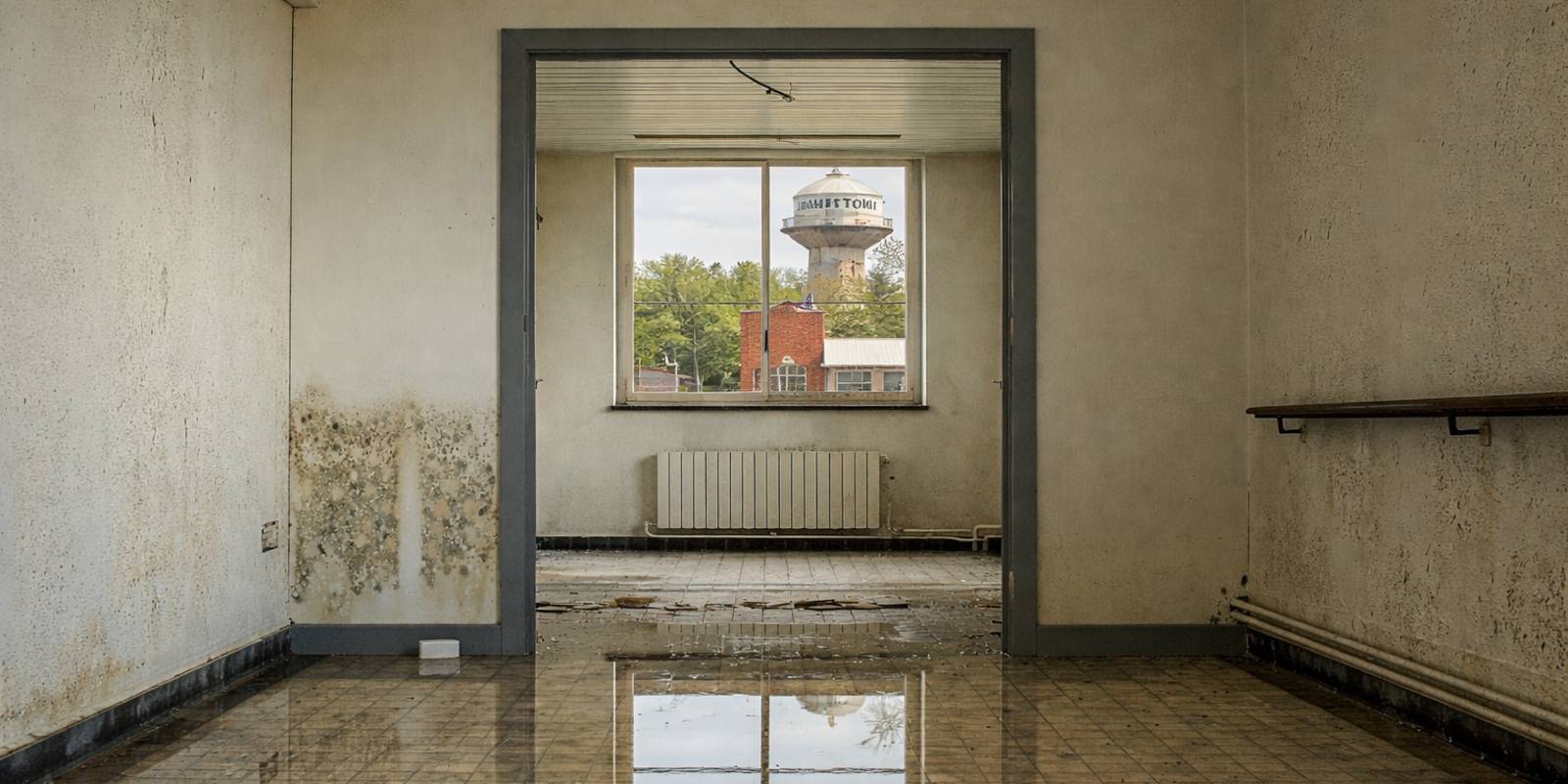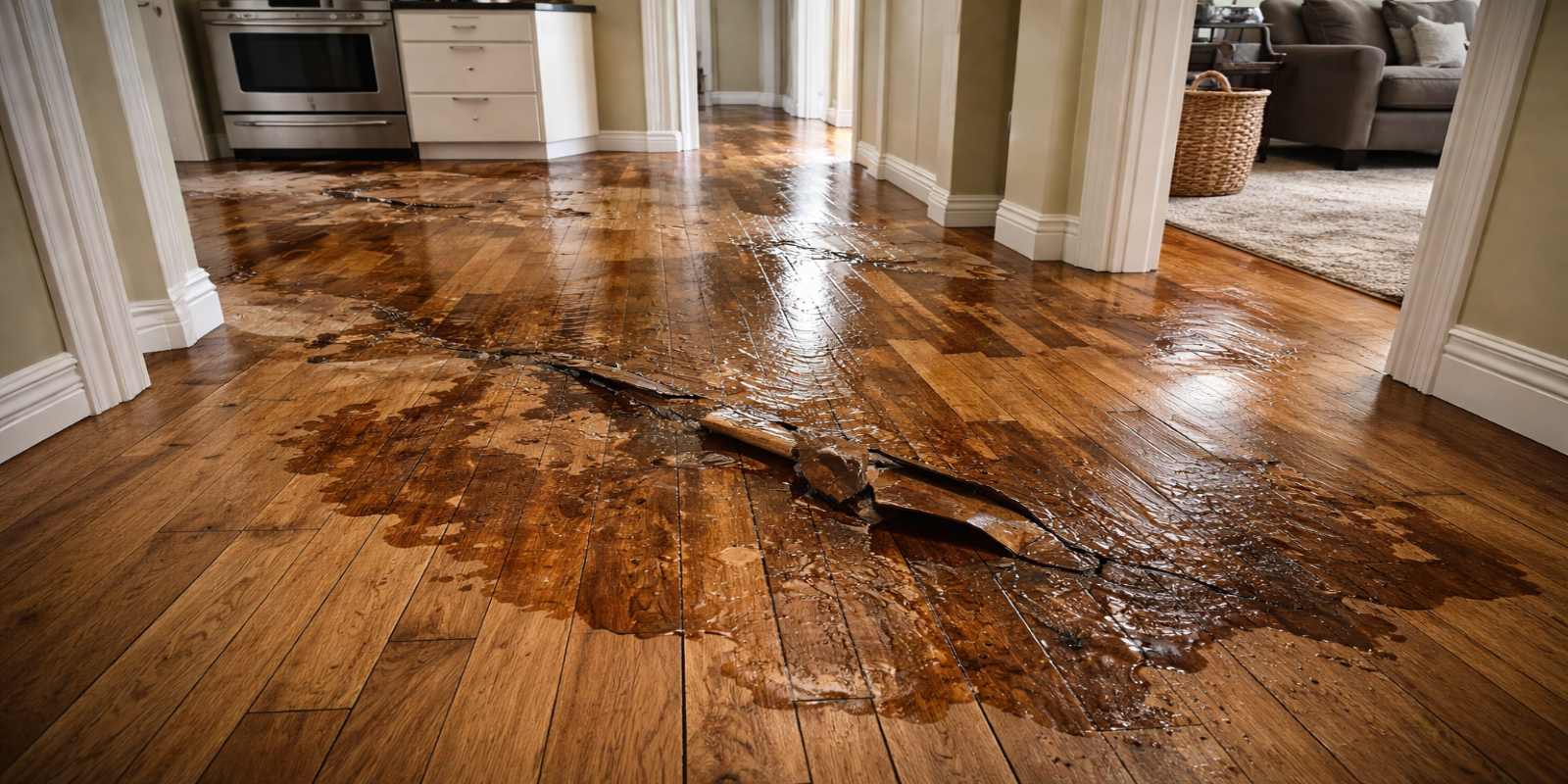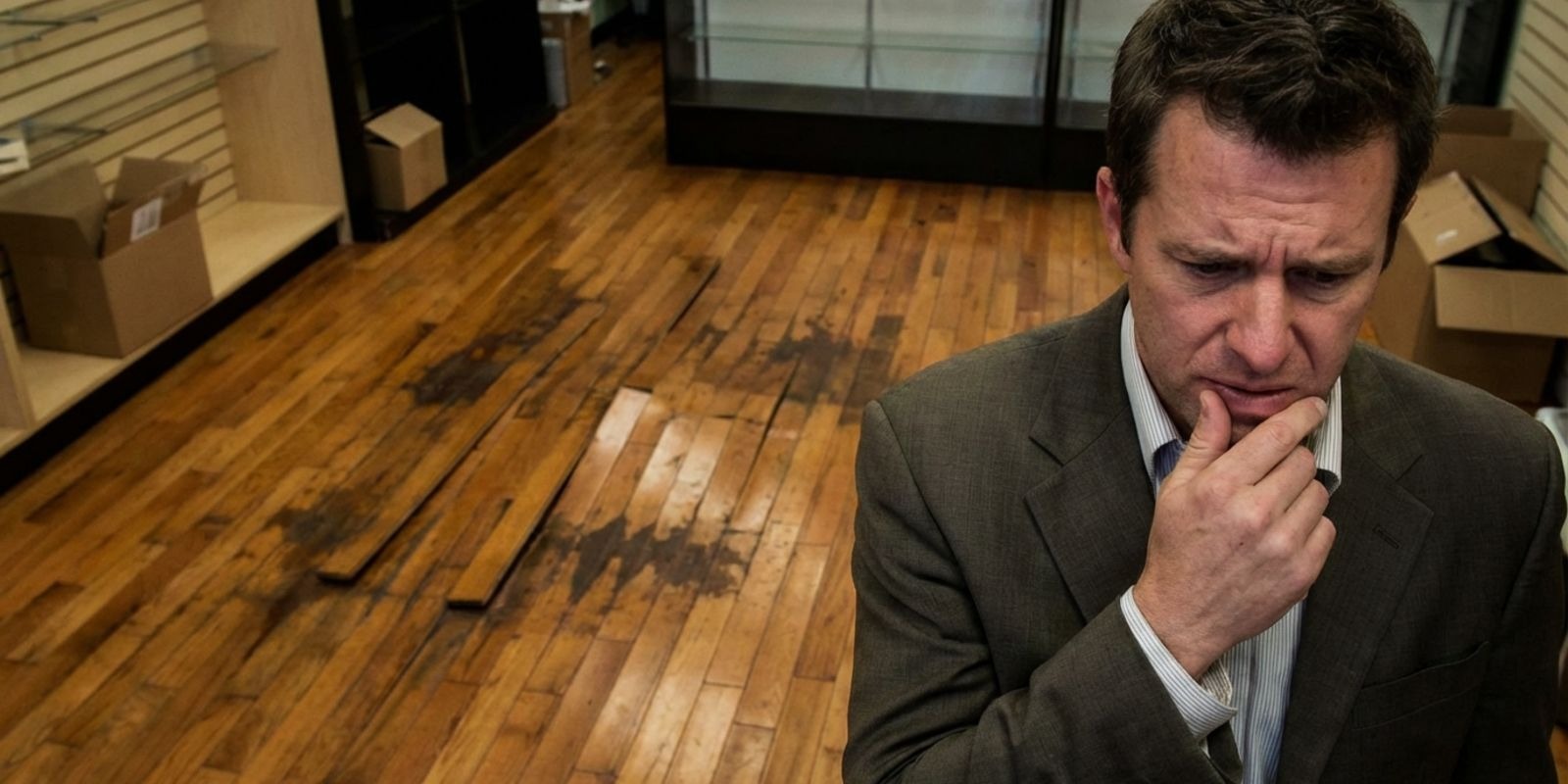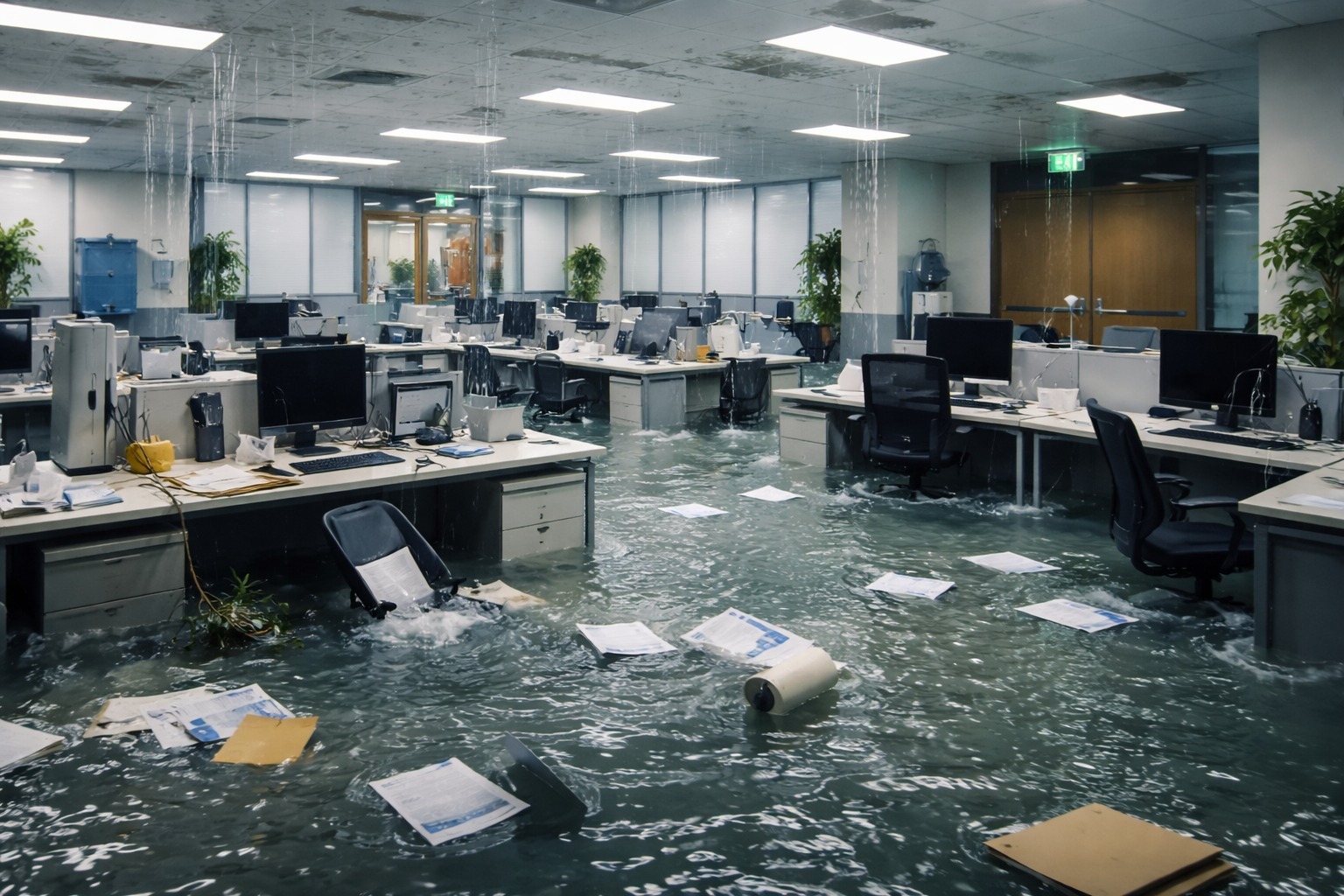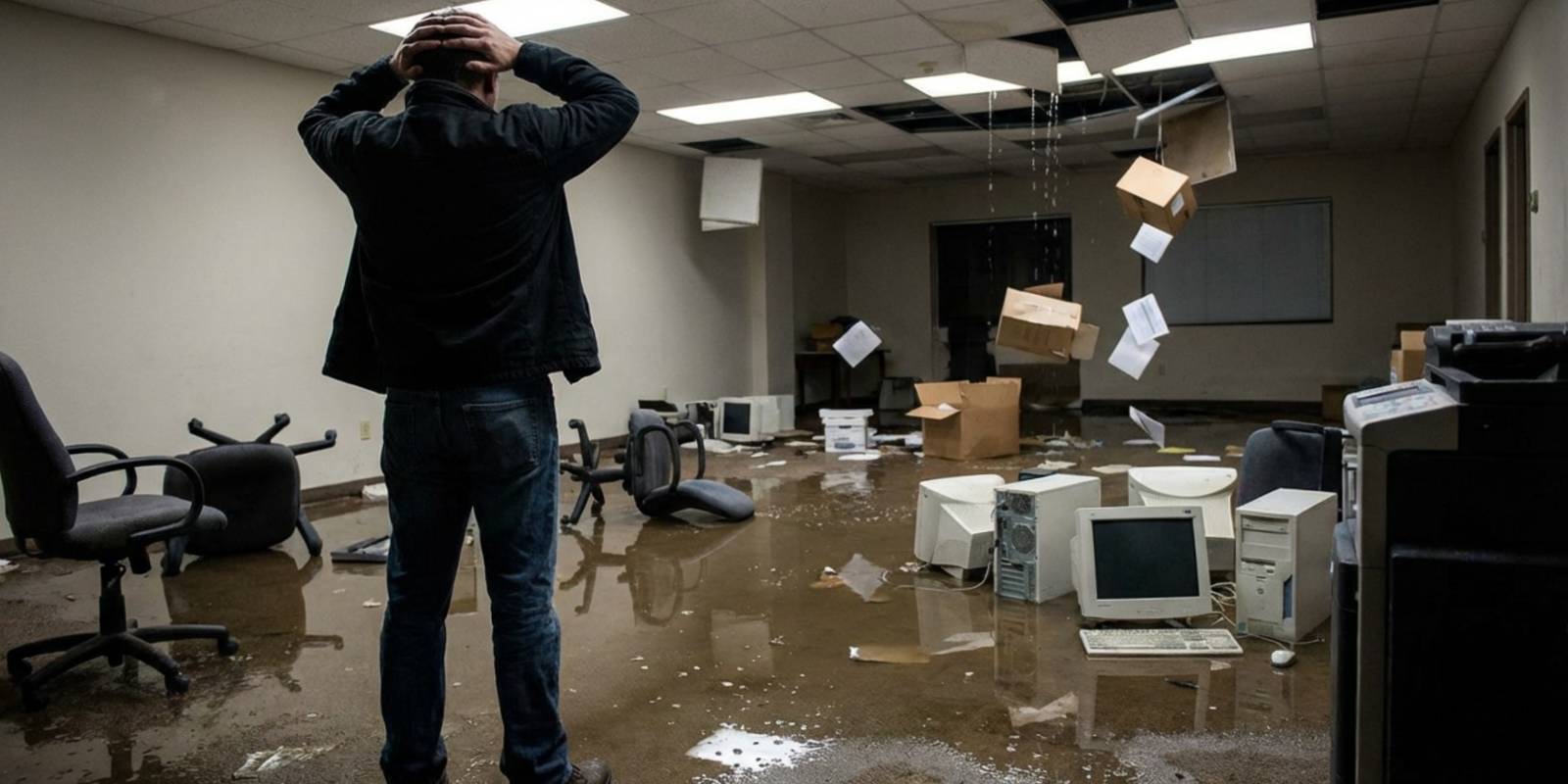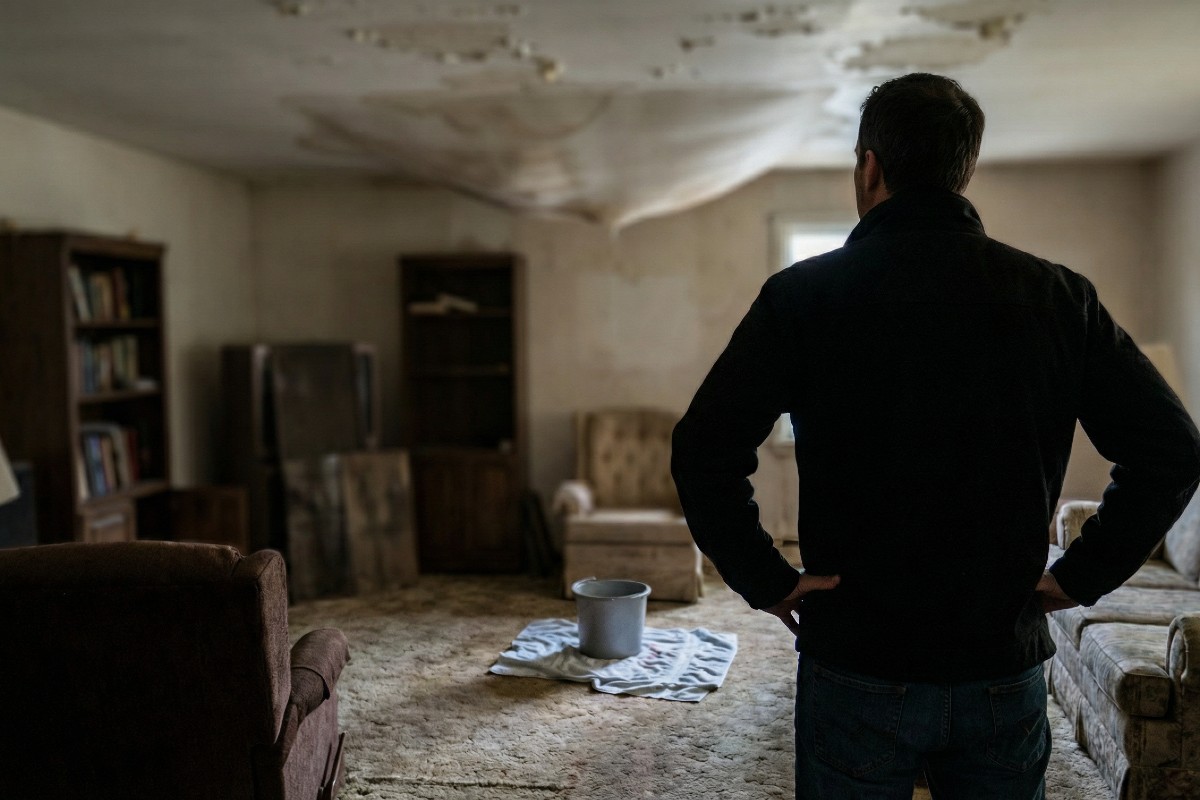

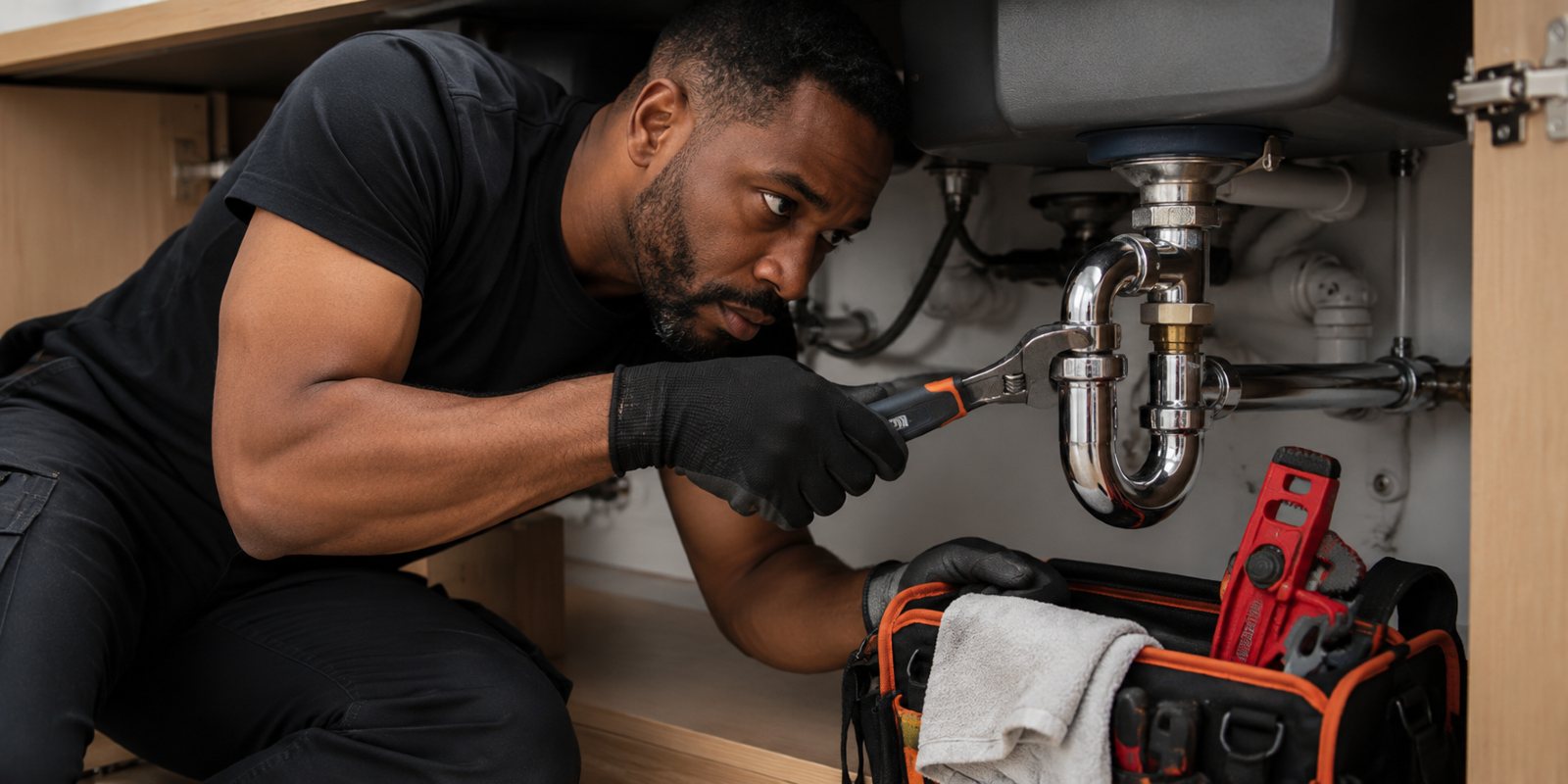
A water supply line break can flood a home in minutes, turning an ordinary day into a stressful emergency. For homeowners across South Arkansas, from El Dorado and Magnolia to Camden and Monticello, a burst supply line can quickly damage flooring, walls, furniture, and personal belongings.
But once the water is shut off and the pipe is repaired, is the problem really over?
Many homeowners assume that fixing the broken line is the final step. In reality, the damage caused by the water can continue long after the leak has stopped.
Moisture can remain trapped beneath flooring, behind walls, and in other hard-to-reach areas, creating conditions that may lead to structural damage, mold growth, and costly repairs if left untreated.
At Restore-It, having worked with property owners dealing with water damage from plumbing failures, we've seen how often homeowners are left with unanswered questions after a supply line break. What should they do next? Should they contact their insurance company? How do they know if hidden moisture is still present? And when does a plumbing repair become a restoration issue?
In this article, we'll cover the key information plumbers should communicate after a supply line break, why those conversations matter, and the steps homeowners can take to protect their property and avoid further damage.
Why Supply Line Breaks Can Cause Serious Damage in South Arkansas
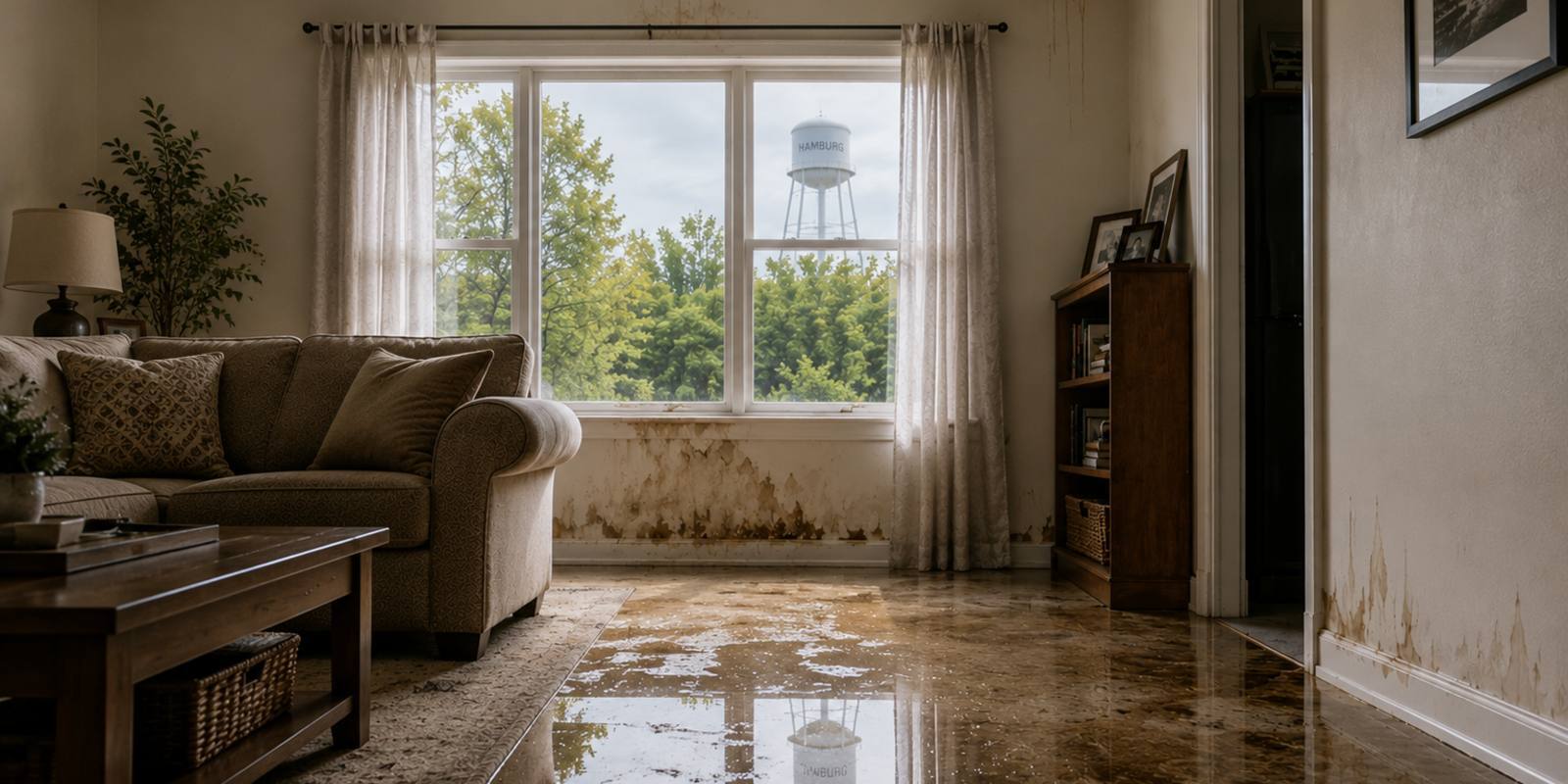
A supply line break doesn't just affect the area around the leak. Water can spread quickly beneath flooring, behind walls, and into hidden areas of a home before anyone realizes there's a problem.
This can be especially concerning in South Arkansas, where many homes have crawl spaces that make water intrusion harder to detect. Older homes may also contain building materials that absorb and retain moisture more easily than newer construction.
The region's warm temperatures and humidity can make drying more challenging, particularly when moisture becomes trapped inside wall cavities, subfloors, or other enclosed spaces.
For these reasons, homeowners should understand that repairing the pipe is only one part of addressing a supply line break.
5 Things Plumbers Should Tell Customers After a Supply Line Break
When a plumber finishes repairing a broken supply line, homeowners should leave with more than a fixed pipe. They should understand what risks may still exist and what steps to take next.
|
What Customers Need to Know |
Why It Matters |
|
The leak source has been repaired |
Stopping the water doesn't eliminate existing damage |
|
Water may be hidden behind walls or under flooring |
Hidden moisture can cause long-term issues |
|
Professional drying may be necessary |
Surface drying is often not enough |
|
Mold can begin developing quickly |
South Arkansas humidity can accelerate growth |
|
Insurance documentation should start immediately |
Early records help support claims |
1. The Leak May Be Fixed, but the Damage May Remain
Stopping the flow of water is the priority, but it doesn't reverse the damage that may have already occurred.
Depending on how long the leak went unnoticed, water may have affected drywall, insulation, cabinetry, flooring, or structural materials.
Not all water damage stays in the room where the leak occurred. Learn how water can travel through a home and why some damage remains hidden for days or even weeks.

2. Hidden Moisture Isn't Always Easy to Spot
One of the biggest challenges after a supply line break is that water doesn't always stay where it started.
It can travel through wall cavities, beneath flooring, and into crawl spaces. A room may appear dry while moisture remains hidden below the surface.
3. Proper Drying Matters
Many homeowners focus on removing standing water, but drying is equally important.
Materials that remain damp can continue to deteriorate over time. Proper drying helps reduce the risk of warped flooring, damaged drywall, and other long-term issues.
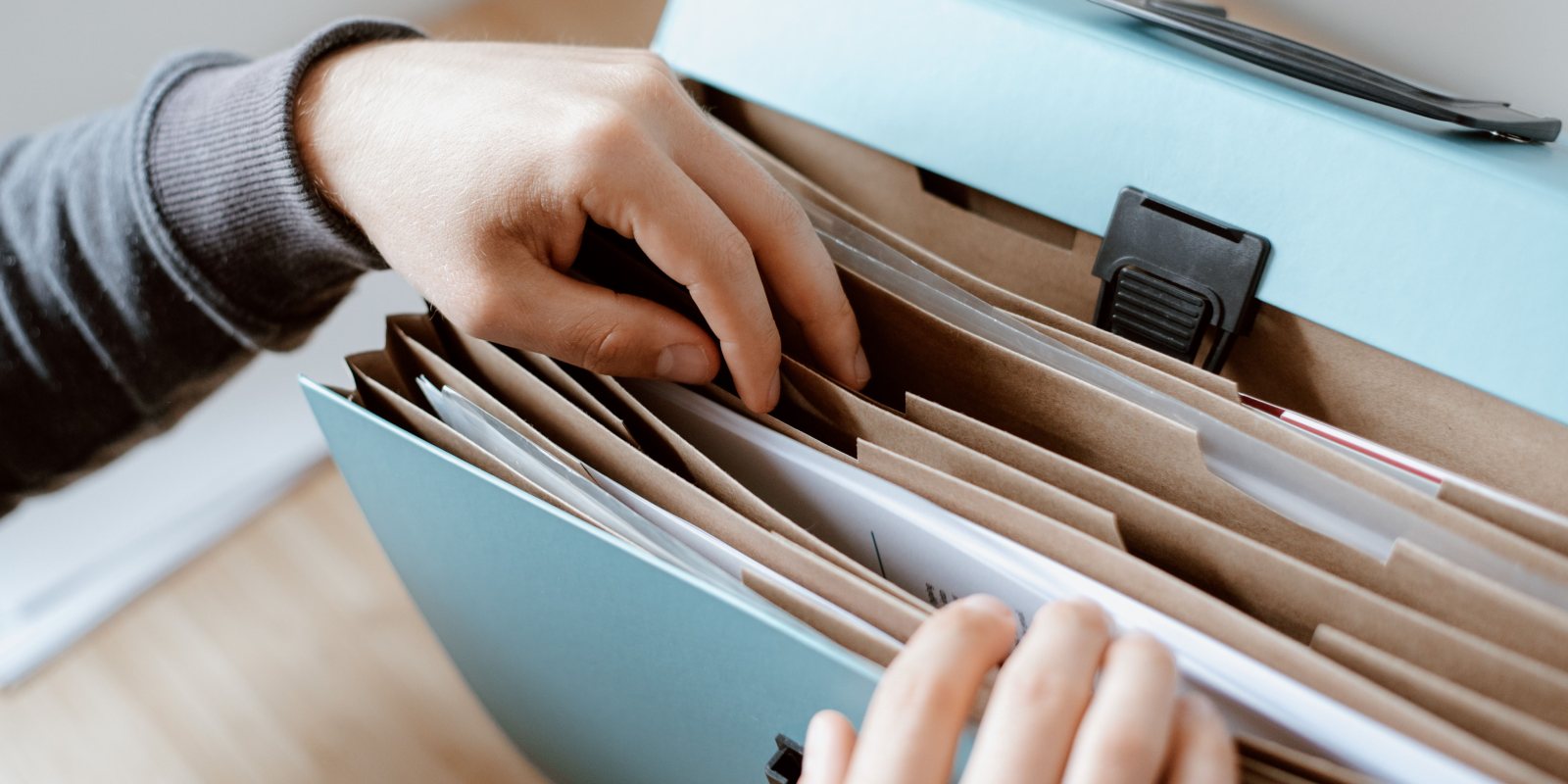
4. Insurance Documentation Should Begin Right Away
Homeowners should document the damage as soon as possible.
Helpful steps include:
- Taking photos and videos of affected areas
- Saving repair invoices and receipts
- Recording when the leak was discovered
- Keeping notes related to insurance conversations
Good documentation can make the claims process smoother and help establish the extent of the damage.
If you're planning to contact your insurance provider, proper documentation can make a significant difference. Here's a guide to gathering the information insurers often request.

5. Additional Evaluation May Be Necessary
A plumber can determine whether the supply line has been repaired successfully.
However, evaluating the impact of the water may require a separate assessment, especially if moisture is suspected behind walls, beneath flooring, or in other concealed areas.
Should Homeowners File an Insurance Claim After a Supply Line Break?
The answer depends on the extent of the damage and the details of the homeowner's insurance policy.
In many cases, homeowners choose to contact their insurance provider when water has affected multiple rooms, damaged building materials, or created significant cleanup and repair costs.
Before filing a claim, homeowners should:
- Document visible damage
- Save repair records
- Review their policy coverage
- Speak with their insurance representative about next steps
Because every policy is different, homeowners should avoid assuming that coverage will be the same from one situation to another.
What Happens After the Plumbing Repair?
Many homeowners are surprised to learn that a plumbing repair and water damage recovery are often two separate processes.
The plumber's role is to stop the leak and restore the plumbing system.
After that, homeowners may need to address:
- Moisture detection
- Structural drying
- Cleaning and sanitation
- Material replacement
- Repairs to damaged areas
The specific steps depend on how much water entered the home and how long it remained there.
Wondering what happens after the leak is repaired? Understanding the inspection process can help you know what to expect if water damage is suspected.

What South Arkansas Homeowners Should Do After a Supply Line Break
After a supply line break, a repair shouldn't be mistaken for the end of the recovery process.
You should make sure any remaining moisture is identified, document damage for insurance purposes, and take steps to prevent future issues such as mold growth or material deterioration.
The sooner these concerns are addressed, the better the chances of limiting additional damage and avoiding more costly repairs later.
Because water can travel behind walls, beneath flooring, and into other hidden areas, some signs of damage may not become obvious right away. Understanding what to watch for can help homeowners catch lingering problems before they become more serious.
If you'd like to understand what happens after water enters a home, your next step is to learn the warning signs that may indicate moisture is still affecting your property by reading this article.

Topics: