

Few things are more frustrating than paying to fix a problem only to watch it come back months later.
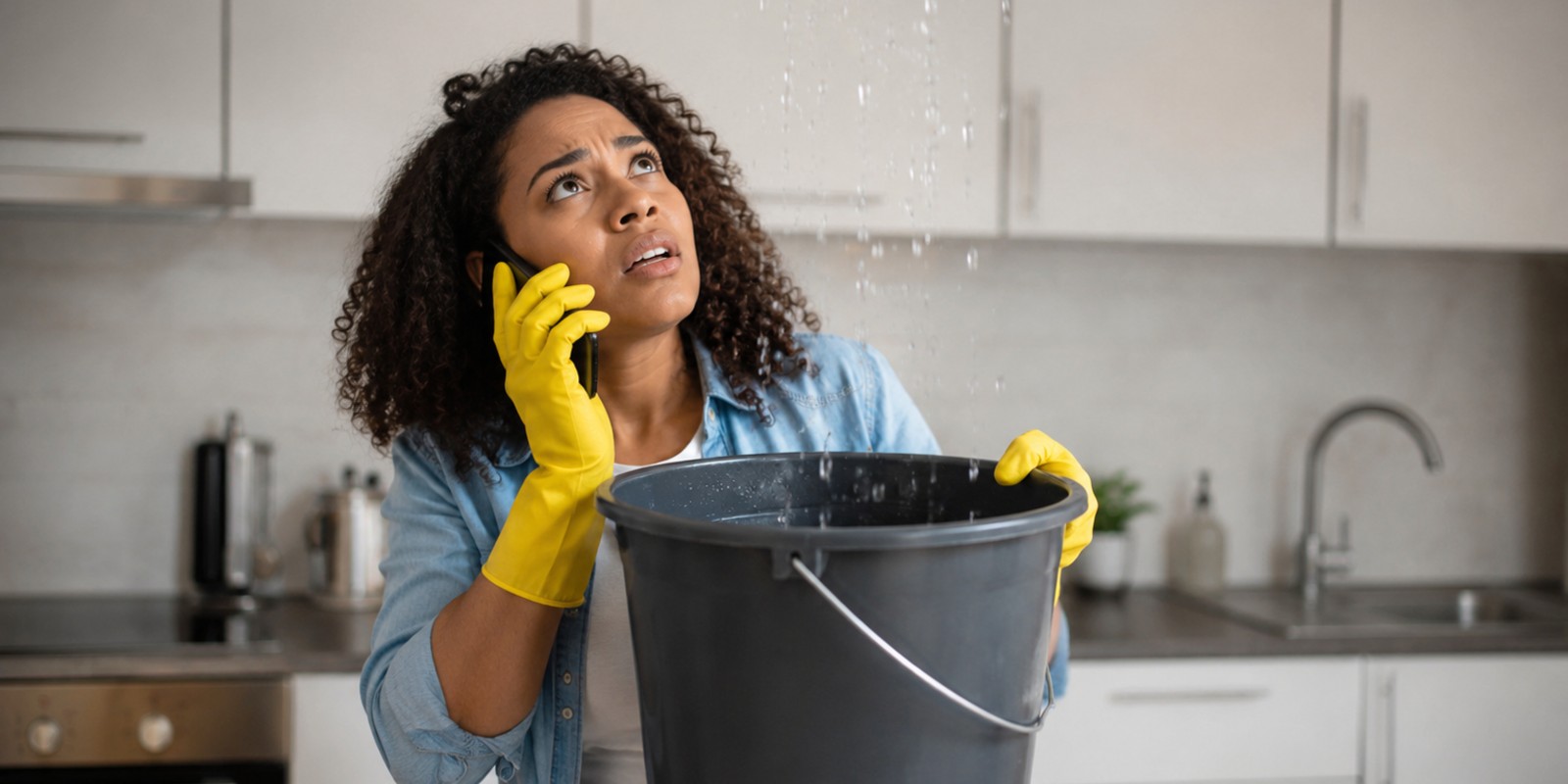
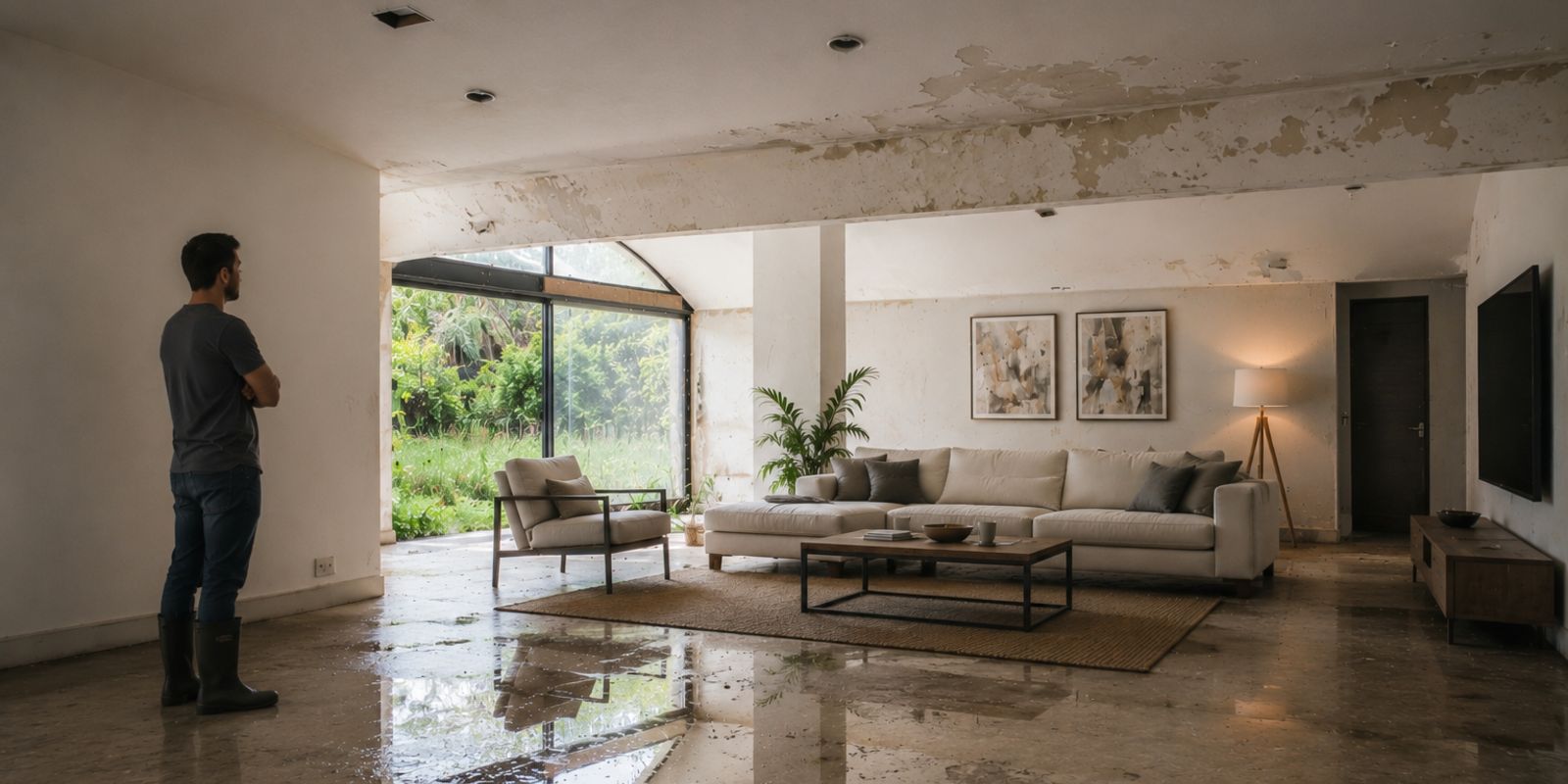
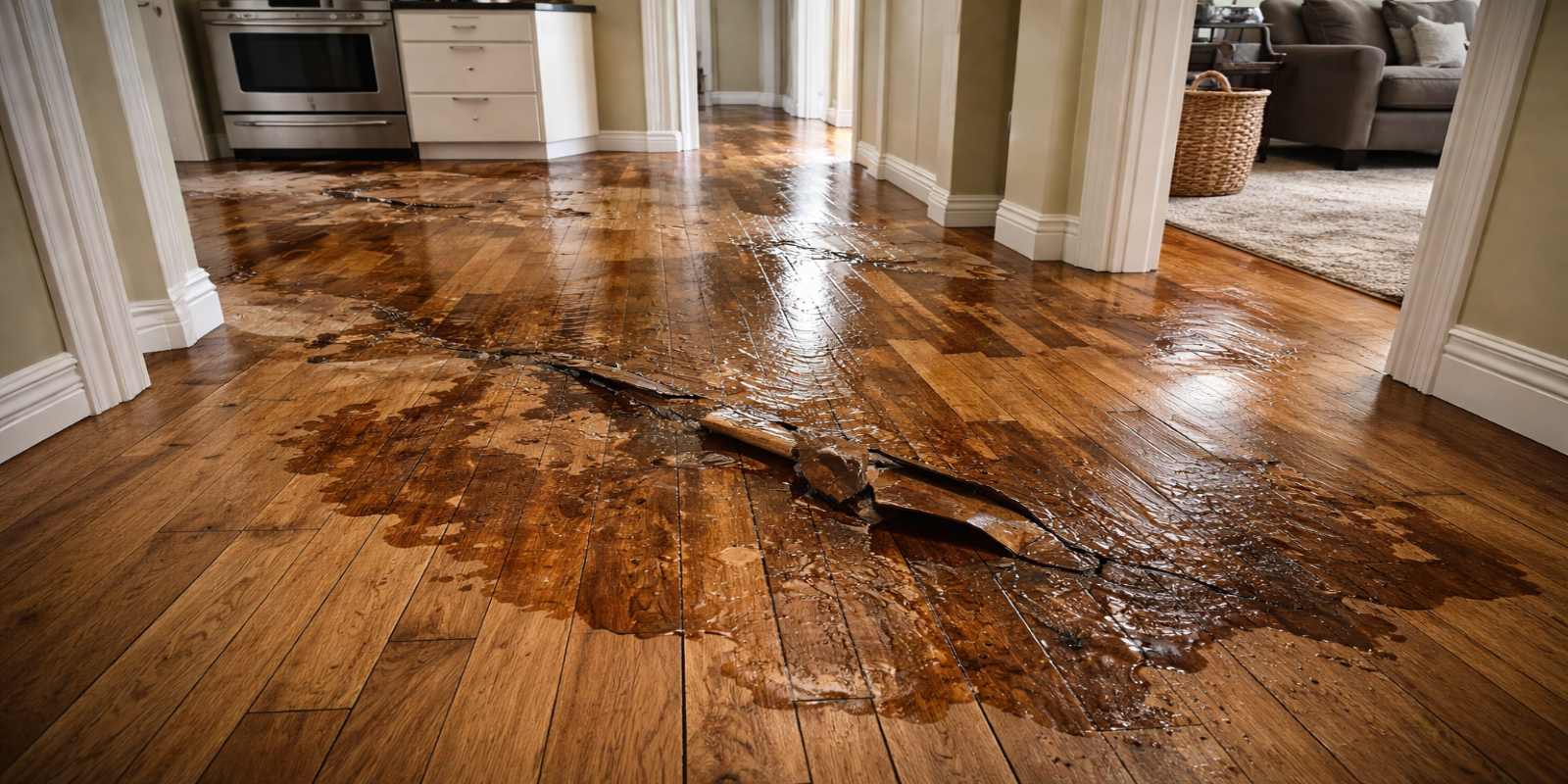
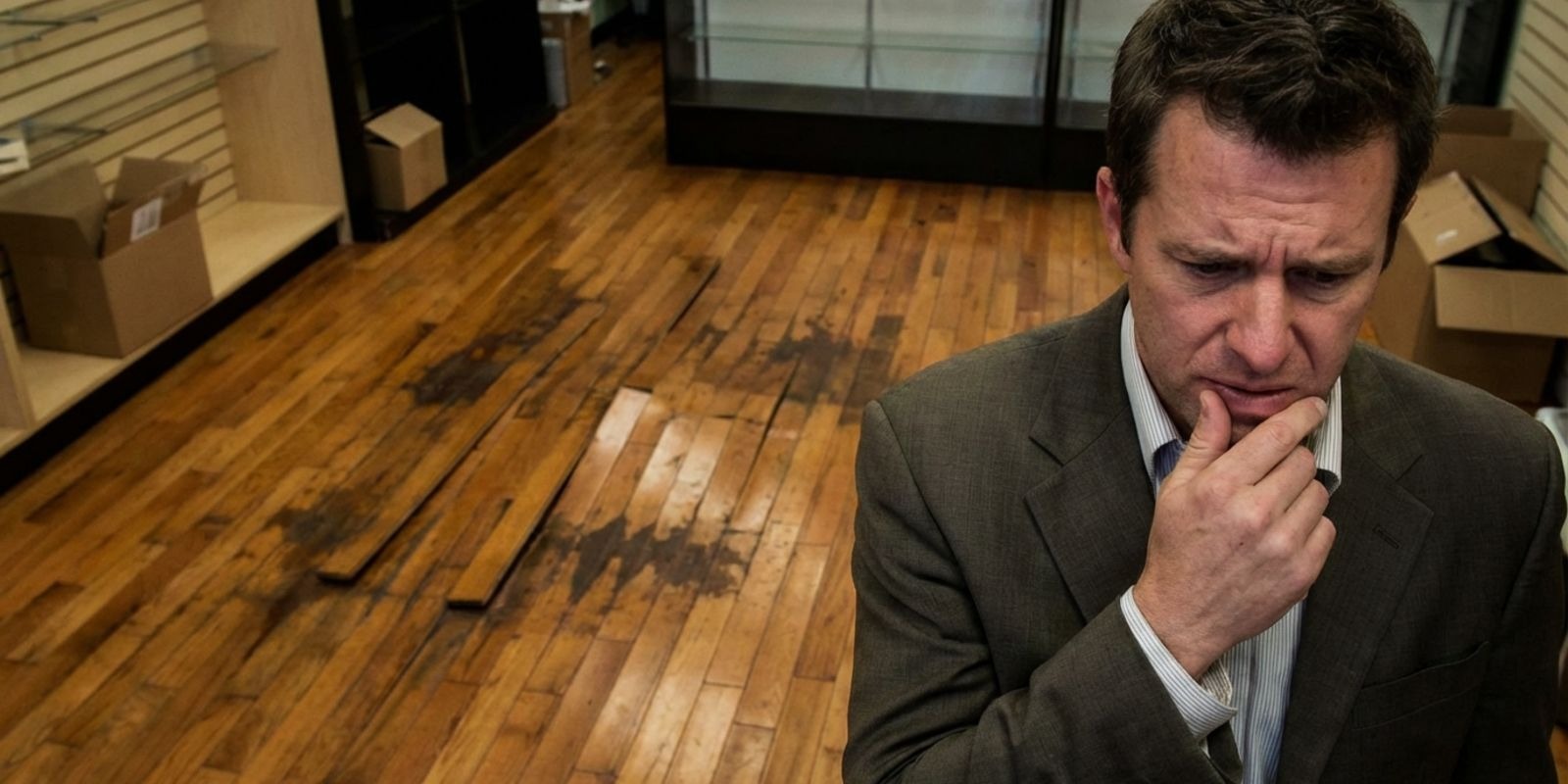
Maybe a water stain slowly reappears on the ceiling. Your hardwood floors begin cupping again. Or the musty smell you thought was gone starts creeping back into your home.
Naturally, you start asking questions… Was the restoration done correctly? Did another leak start? Can water damage really come back?
In many cases, the answer is surprising. The damage didn't actually return. Instead, part of the original moisture was never completely removed.
At Restore-It, we've inspected homes across South Arkansas where the visible damage had been repaired, the insurance claim had been closed, and the drying equipment had already been removed. Yet moisture remained hidden behind walls, beneath flooring, inside cabinets, or within structural materials. Months later, the same homeowner was facing stains, odors, warped flooring, or even mold growth.
The good news is that water damage usually doesn't come back without a reason.
By the end of this article, you'll understand why hidden moisture is the leading cause of recurring water damage, what signs to watch for, and how professional restoration helps prevent homeowners from paying twice for the same problem.
The Real Problem Isn't the Water You Can See
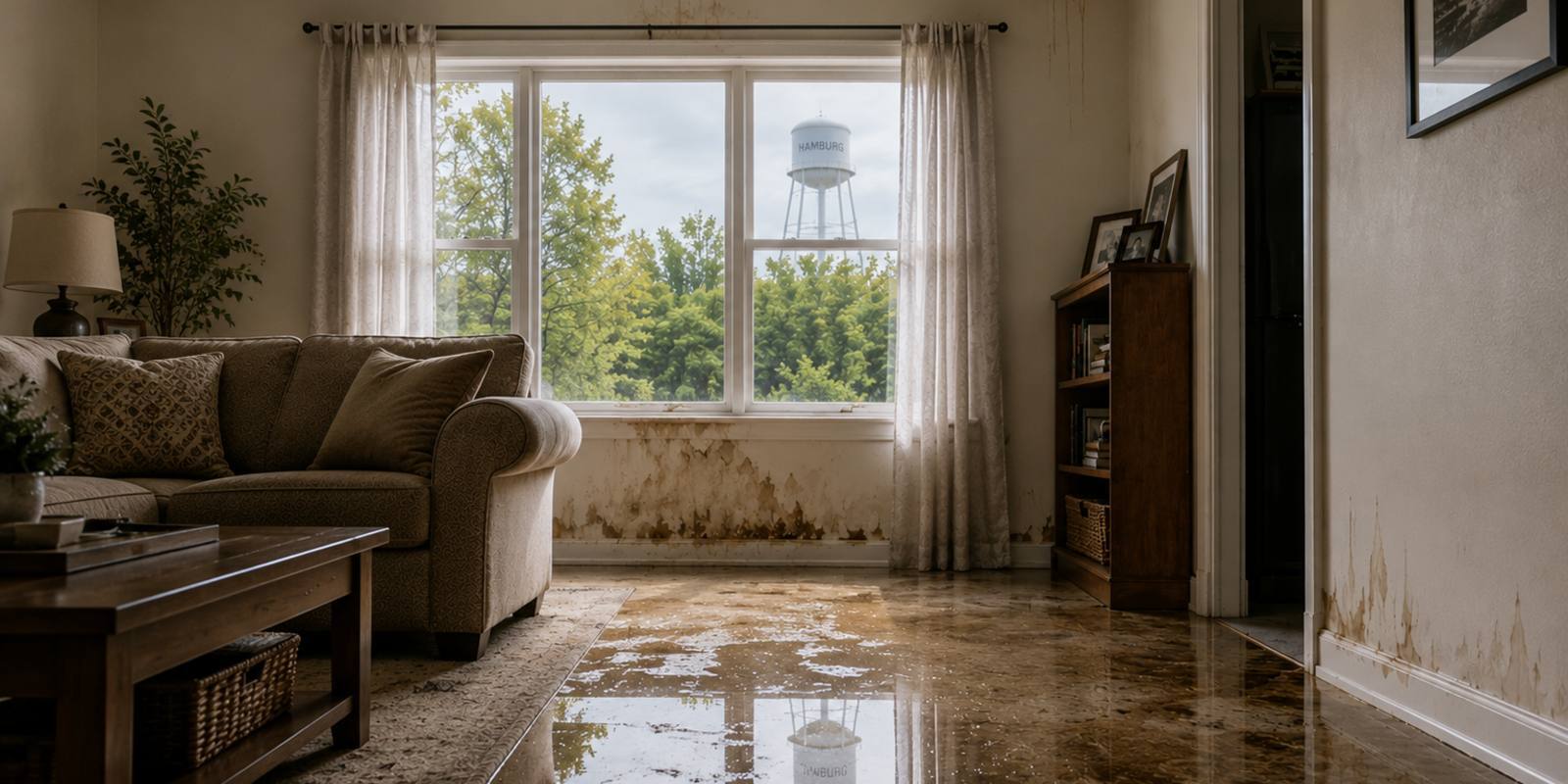
When most people think about water damage, they picture standing water, soaked carpet, or stained drywall.
Those are certainly problems; however, they're often only part of the story.
Think of water damage like an iceberg. The visible water is only a small portion of the damage. The greater concern is often the moisture trapped where you can't see it.
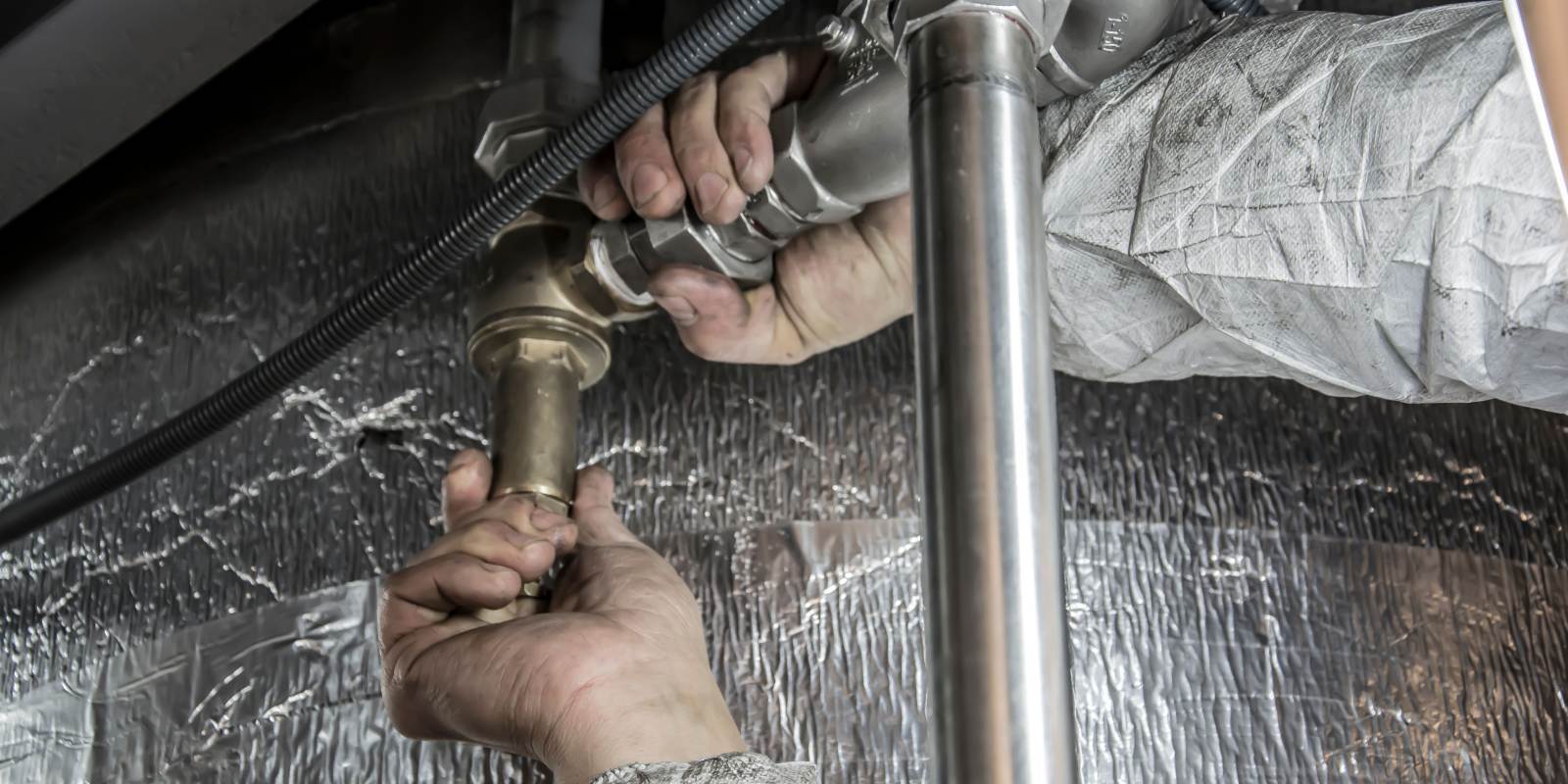
Water rarely stays where the leak begins. It travels through porous building materials, follows gravity, and can spread well beyond the source. Drywall, insulation, framing lumber, hardwood flooring, and subfloors all absorb moisture differently, which means the wettest material isn't always the one that looks damaged.
Hidden moisture is commonly found inside:
- Wall cavities
- Subfloors
- Insulation
- Crawlspaces
- Behind kitchen and bathroom cabinets
- Hardwood flooring
- Structural framing
This is why simply removing standing water or replacing stained drywall isn't always enough. Every affected material must be inspected and dried to an acceptable moisture level before rebuilding begins.
Why Hidden Moisture Causes Water Damage to Return
Hidden moisture doesn't simply disappear because a room looks dry.
Instead, it creates a chain reaction that can continue for weeks or even months after the original water loss.
It often looks like this:
Hidden moisture → Elevated humidity → Material deterioration → Mold growth → Odors → Warped flooring → New stains → Additional repairs
Here's what that means in practical terms.
When moisture remains trapped inside building materials, it slowly evaporates into the surrounding air. That additional humidity makes it harder for nearby materials to dry completely.
As moisture lingers, wood begins to swell, drywall weakens, metal components may corrode, and favorable conditions for mold growth develop. Over time, homeowners may notice flooring movement, bubbling paint, recurring ceiling stains, musty odors, or soft drywall.
Many people assume they're dealing with a brand-new water damage event.
In reality, the original moisture may never have been fully removed.
If you've noticed any of these warning signs, our article explains what to look for before the damage becomes more extensive.

Why This Happens Even After Restoration
Recurring water damage doesn't automatically mean someone did poor work. Every loss is different, and some materials require much longer to dry than others.
However, there are several common reasons why hidden moisture remains behind.
|
Reason |
Why It Matters |
|
Drying equipment was removed too soon |
Carpet may feel dry within a few days, but hardwood flooring, structural lumber, subfloors, and plaster walls often require more time. Restoration should end only after moisture readings confirm affected materials have reached an acceptable dry standard. |
|
Moisture wasn't properly measured |
Looking dry isn't the same as being dry. Professionals use moisture meters throughout the drying process and may use thermal imaging to identify areas that need further inspection. Daily monitoring helps confirm materials are drying as expected before reconstruction begins. |
|
Hidden wet materials weren't opened |
Moisture can remain trapped behind baseboards, inside wall cavities, beneath flooring, under cabinets, or within insulation. In these situations, removing small sections of drywall or other materials may be necessary to expose and dry hidden moisture properly. |
|
The source of the water wasn't fully corrected |
Drying alone won't solve an active leak. Whether the cause is plumbing, roof damage, HVAC condensation, an appliance failure, or foundation intrusion, the source must be repaired first. Otherwise, moisture will continue to return. |
Signs Your Water Damage May Not Be Fully Resolved
Sometimes your home gives subtle warnings that hidden moisture is still present.
Watch for signs like:
- A persistent musty odor
- Ceiling or wall stains returning
- Bubbling or peeling paint
- Hardwood floors cupping or separating
- Laminate flooring lifting
- Cabinets swelling
- Soft drywall
- Baseboards pulling away from the wall
- Mold reappearing after cleanup
- Indoor humidity remaining unusually high
These symptoms don't always mean new water damage. They can also indicate that the original moisture was never eliminated.
How Professional Restoration Companies Help Prevent Water Damage From Returning
A quality restoration project focuses on more than removing visible water.
Professional restoration should include a complete drying strategy from start to finish.
|
Professional Step |
Why It Matters |
|
Inspect affected materials |
Finds hidden damage |
|
Map moisture |
Identifies the full extent |
|
Install drying equipment |
Removes trapped moisture |
|
Monitor moisture daily |
Confirms drying progress |
|
Adjust equipment |
Improves drying efficiency |
|
Document readings |
Verifies the work |
|
Confirm dry standard |
Prevents rebuilding too early |
|
Verify leak repairs |
Prevents repeat losses |
Documentation is an important part of this process because it shows how decisions were made throughout the project.
Curious about what professionals document during mitigation? Check our guide that explains how moisture readings, photos, and drying logs help verify that a structure is ready for repairs.

Questions to Ask Before Your Restoration Project Is Considered Complete
Before signing off on a restoration project, don't be afraid to ask questions!
A reputable restoration company should be comfortable explaining its process.
Consider asking:
- Did every affected material reach its dry standard?
- Were moisture readings documented throughout the project?
- Were hidden areas behind walls or flooring inspected?
- Was the source of the water permanently repaired?
- How do you know hidden moisture isn't still present?
- Can I review the drying logs or moisture readings before reconstruction begins?
These questions help you better understand the work that was completed and give you confidence that your home is ready for repairs.
Water Damage Doesn't Usually Come Back. Hidden Moisture Does.
Water damage doesn't usually return because water is unpredictable. More often, it returns because hidden moisture remained where it couldn't be seen.
At Restore-It, we believe successful restoration isn't measured by how quickly equipment is removed or how good a room looks after repairs. It's measured by whether every affected material has been properly inspected, dried, and verified before reconstruction begins. Taking the time to do the job correctly helps reduce the risk of recurring damage and gives homeowners greater confidence that the problem has truly been resolved.
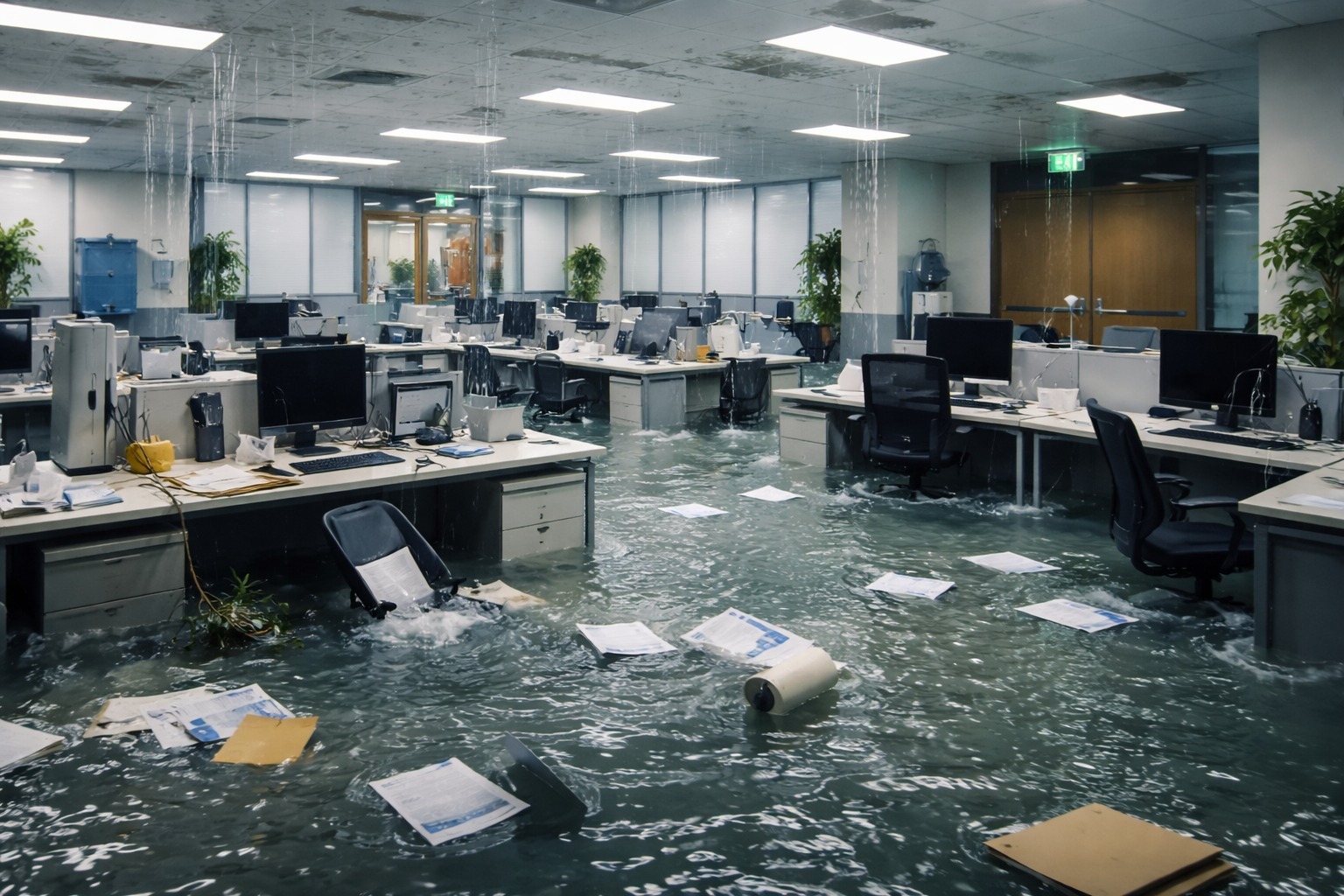
Are you currently dealing with a leak or flood? We recommend reading our article, which walks through the actions homeowners should take immediately after discovering water damage to help protect both their property and their insurance claim.