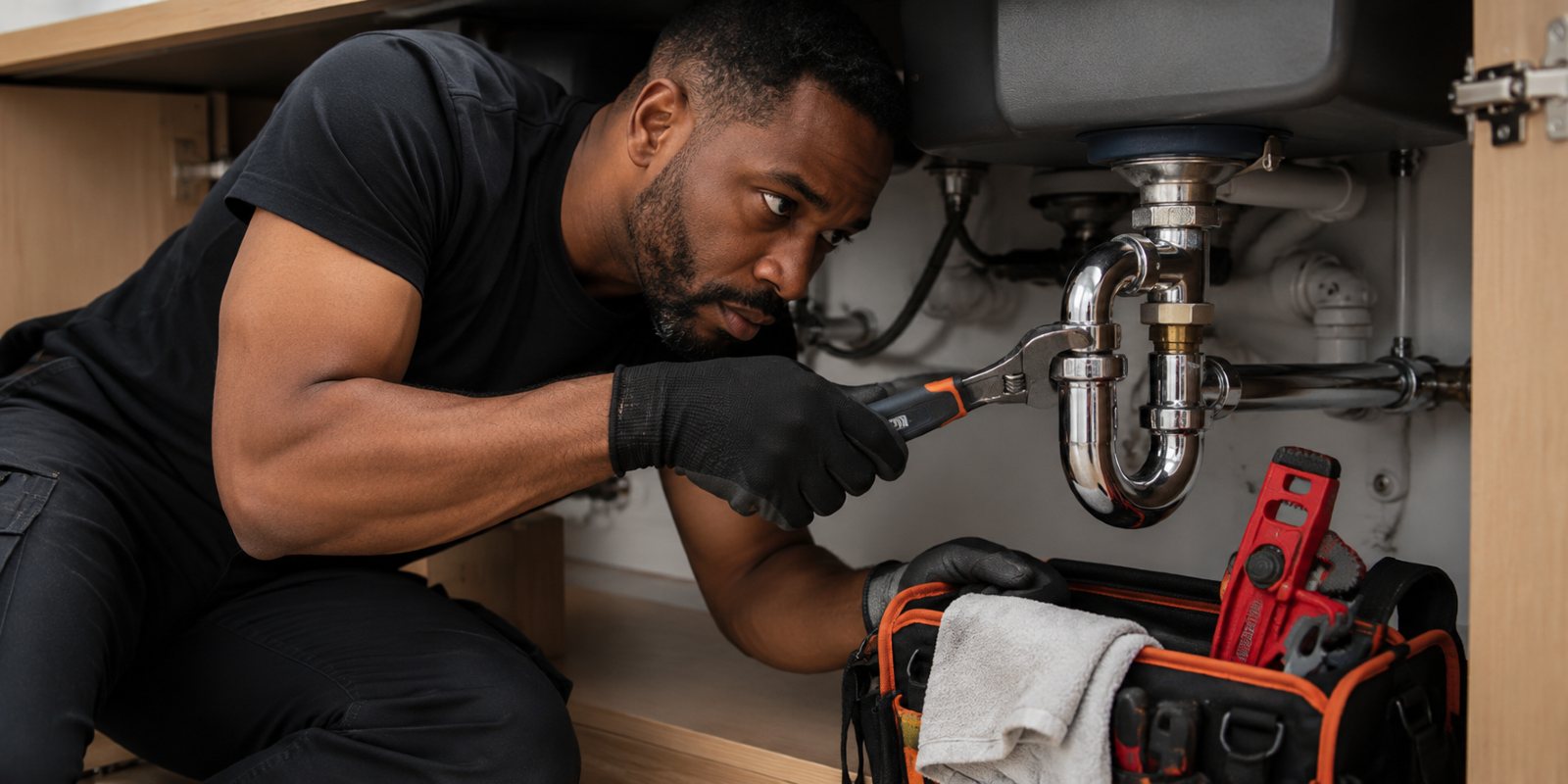

A leaking commercial dishwasher doesn’t automatically mean your restaurant has to shut down. Still, you need to control the leak quickly, assess the affected area, and determine whether it’s safe to continue operating. The longer water remains under or around the equipment, the greater the risk of additional damage and disruption to your business.
If you’re dealing with a dishwasher leak in the middle of a busy lunch or dinner service, you’re probably trying to answer several questions at once: Do we need to stop service? Is the equipment safe to use? How much damage has the water caused? And when should we call a professional?
Restore-It has handled commercial water losses for the past 14 years, and through that experience, we’ve seen how quickly a seemingly small leak can become a larger problem when it isn’t addressed properly. The right response starts with controlling the source, assessing how far the water has spread, and determining what needs drying, cleaning, or restoration.
In this article, you’ll learn what to do when a commercial dishwasher leaks during business hours, how to determine whether your restaurant can continue operating, what signs indicate the water damage is more extensive than it appears, and when professional water restoration may be necessary.
What Should You Do When a Restaurant Dishwasher Leaks?
- Stop the water source if it can be done safely.
- Keep employees and customers away from standing water.
- Protect equipment and belongings from additional water exposure.
- Document the affected areas with photos.
- Remove standing water and begin drying if it is safe to do so.
- Determine whether water has reached areas that are difficult to see or dry.
If water has reached electrical equipment or outlets, do not attempt to handle electrical components while the area is wet. Have the appropriate professional determine when the area is safe before attempting to use or move affected electrical equipment.
The Environmental Protection Agency (EPA)'s guidance for commercial buildings emphasizes identifying the moisture source, assessing affected materials, and drying non-moldy materials promptly.
The goal isn't simply to get the visible water off the floor. You also need to determine whether moisture has reached materials or areas that could continue causing problems after the surface appears dry.
Can a Dishwasher Leak Cause More Damage Than You Can See?
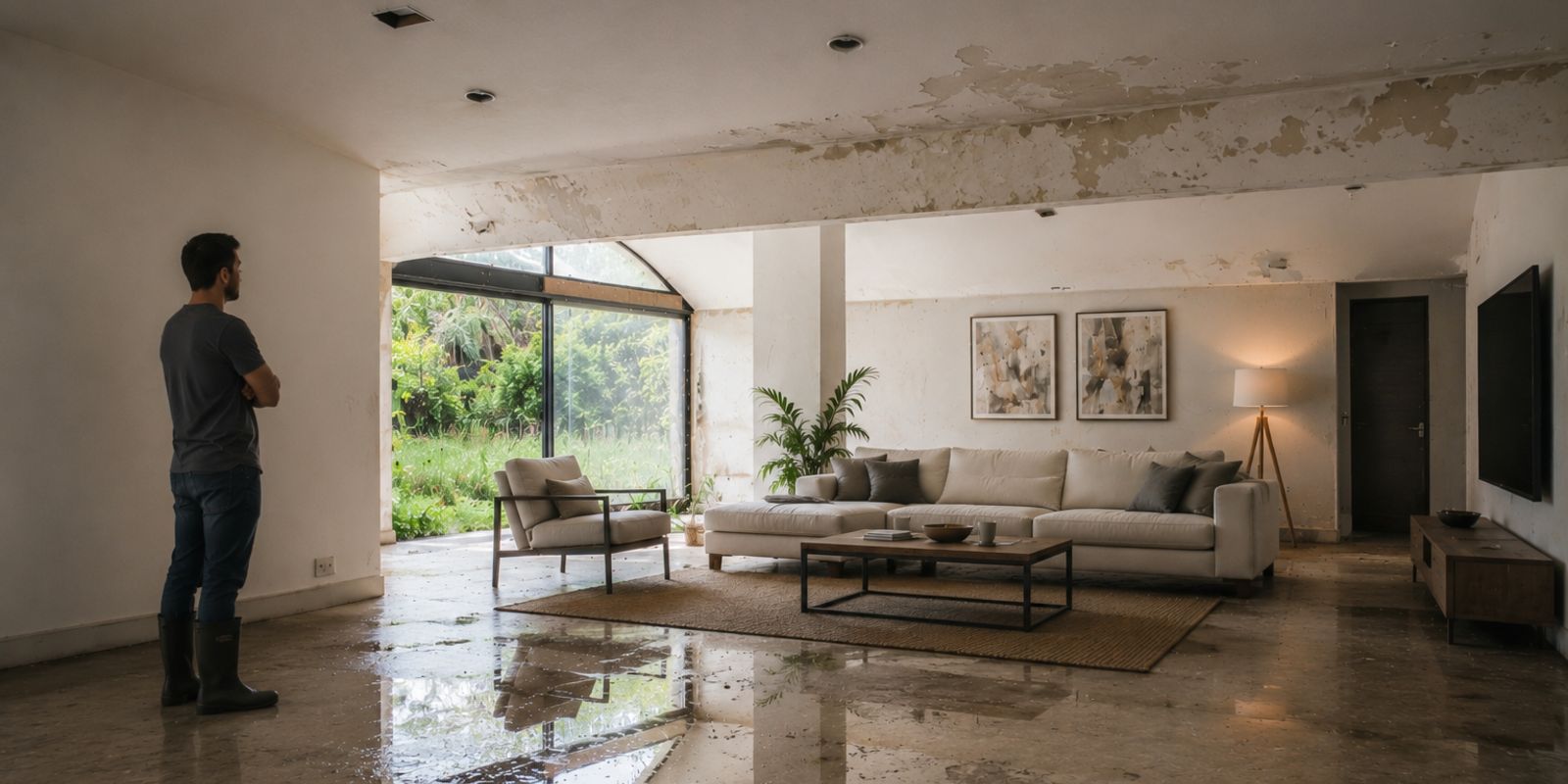
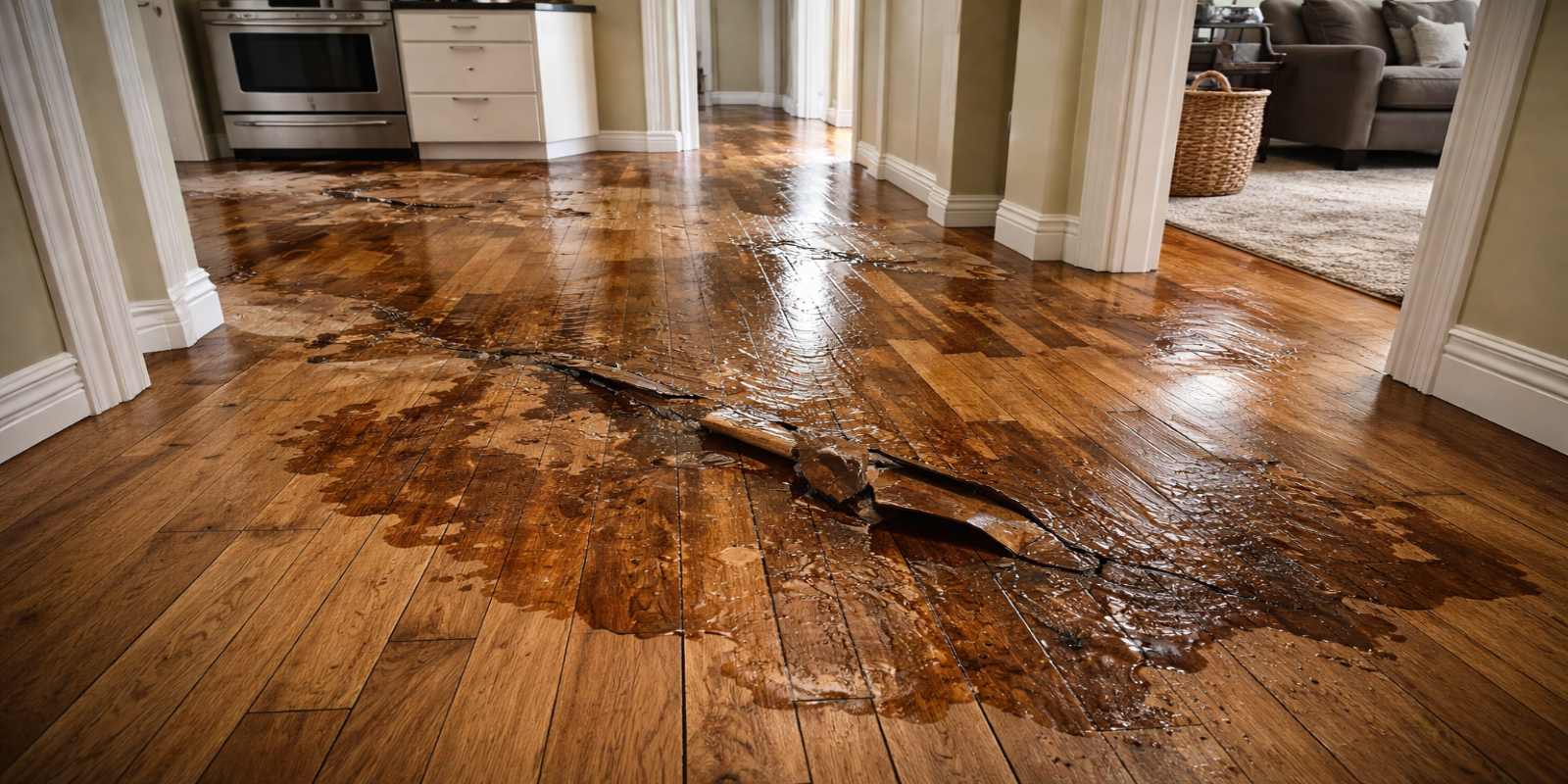
Yes. A commercial dishwasher leak can affect more than the water you see around the equipment. Depending on the kitchen's construction, water can move beneath flooring, behind baseboards and cabinets, around equipment, or into the subfloor and other concealed areas.
That matters in a restaurant because kitchen surfaces regularly deal with water, cleaning chemicals, food debris, and sanitation procedures. The affected area needs to be more than visibly dry; it needs to be properly assessed and thoroughly dried.
What Does Food-Service Flooring Need to Handle?
Stonhard, a manufacturer and installer of high-performance flooring systems for industrial and food-processing environments, published an article in 2025 addressing FDA and USDA requirements for food-processing flooring.
One important distinction Stonhard makes is that the FDA and USDA do not certify individual flooring products as “FDA approved” or “USDA certified.” Instead, they establish requirements and performance expectations for food-processing environments.
Stonhard also identifies several characteristics that matter in these environments, including moisture resistance, cleanability, durability, appropriate slip resistance, and resistance to cleaning chemicals. Some facilities may also need flooring that can withstand significant temperature changes.
For a restaurant recovering from a dishwasher leak, these considerations matter because water can affect not only the visible floor but also materials underneath or around it that still need to be cleaned and dried properly.
What Should You Look for After a Dishwasher Leak?
Look beyond the standing water. Check whether moisture has reached underneath the dishwasher, into flooring or subflooring, behind cabinets or walls, or into other areas that are difficult to access.
If you can't determine where the water traveled or whether affected materials are completely dry, the visible condition of the floor may not tell you the full story.
The EPA recommends identifying the water source, assessing affected materials, and drying non-moldy materials promptly. It also notes that professional assistance may be appropriate when an area cannot be dried quickly and thoroughly.
For a restaurant, that assessment is especially important because the affected area still needs to support the cleaning and sanitation practices required of a food-service environment.
How Quickly Should a Restaurant Address Water Damage?
Water damage should be addressed as quickly as possible. The Centers for Disease Control and Prevention (CDC) recommends cleaning and drying wet areas quickly, generally within 24–48 hours when possible.
For a restaurant, the timeline matters because moisture can affect areas that are difficult to access while the business is still operating. The sooner you identify and dry affected materials, the better positioned you are to limit additional damage and disruption.
Does a Restaurant Have to Close After a Dishwasher Leak?
Not necessarily. Whether you can continue operating depends on where the water went, what it affected, and whether the area can be kept safe and properly cleaned.
Before deciding to remain open, consider:
- Where the water traveled
- Whether food-preparation areas were affected
- Whether flooring or other materials are compromised
- Whether electrical or other safety hazards are present
- Whether the affected area can be safely isolated
- Whether the area has been properly cleaned and dried
If you're concerned about more than the immediate cleanup and want to know how water damage could affect your ability to keep operating, our guide to keeping your business open after water or fire damage explains what to do in the first 24 hours, how to prepare for disruptions, and how to plan for recovery.

When Should a Restaurant Call a Water Damage Restoration Company?
Professional help may make sense when:
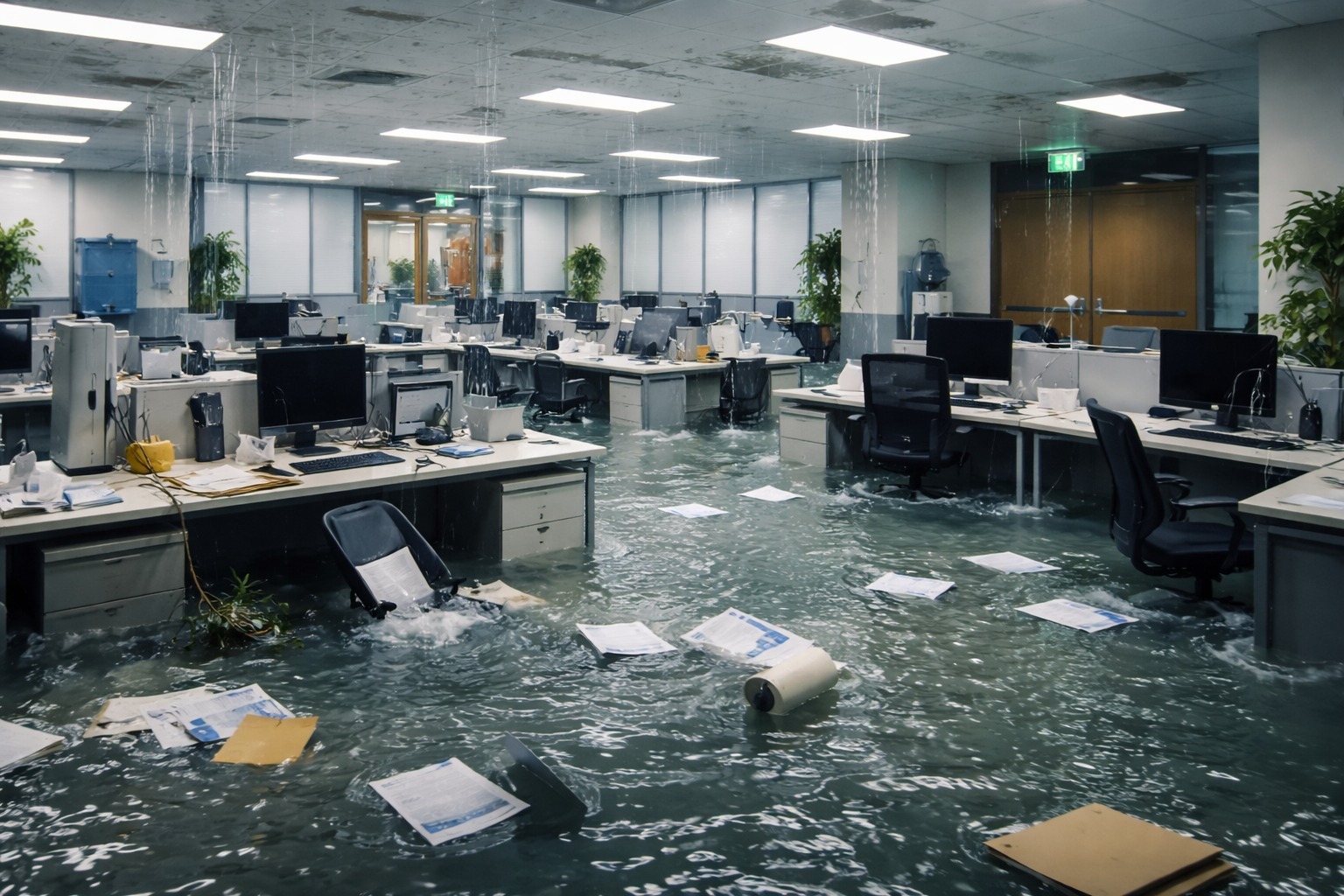
- There is significant standing water.
- Water has traveled beneath flooring or equipment.
- The source of the leak isn't clear.
- Water reached walls, cabinets, or other porous materials.
- The affected area can't be thoroughly dried.
- The leak has disrupted normal restaurant operations.
- You're concerned moisture may remain in areas you cannot see.
A restoration professional can help identify the affected areas, determine what needs to be dried or restored, and give you a clearer picture of what needs to happen next.
A Dishwasher Leak Doesn't Have to Become a Major Business Disruption
A leaking dishwasher doesn't automatically mean your restaurant has to close. The priority is to control the source, protect people and property, and determine whether the affected area can be safely cleaned and dried.
Leaks that spread beyond the immediate area can leave moisture behind in places you can't see. A professional assessment can clarify the extent of the damage and help prevent a small leak from creating a larger disruption.
For help assessing commercial water damage, contact Restore-It to discuss your situation. Restaurant owners comparing restoration companies can also read our guide to what to look for in a commercial water damage restoration company before choosing who to call.