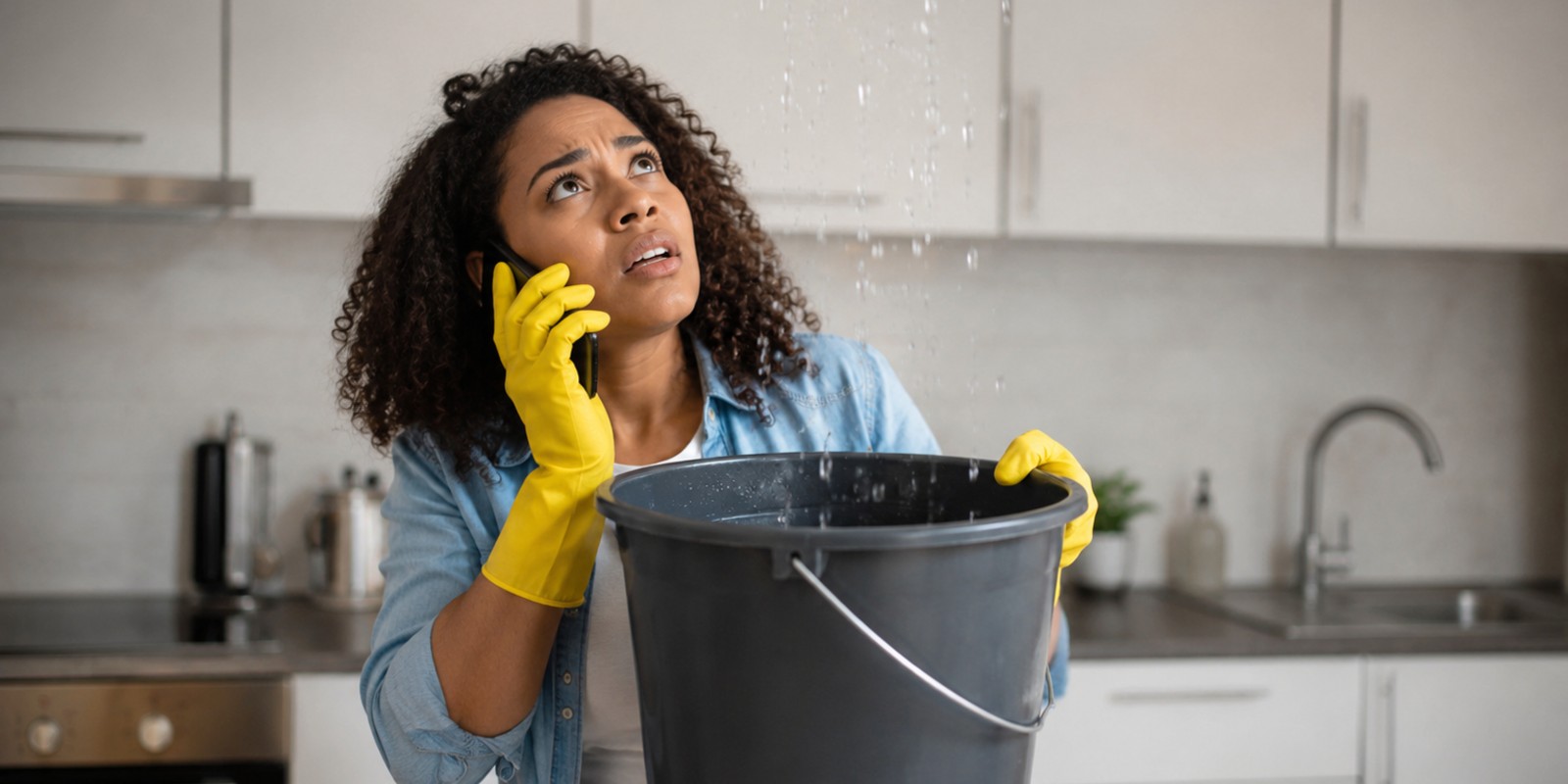

A water loss can happen without warning, whether it's caused by a burst pipe, leaking supply line, failed water heater, or another plumbing issue. While your plumber's priority is to stop the leak and restore your plumbing system, there are a few important questions you should ask before they leave.
The answers can help you understand what caused the problem, whether your home's plumbing is at risk for future leaks, and if additional steps are needed to protect your property. Asking these questions can also help you make informed decisions about repairs, maintenance, and whether your home should be evaluated for hidden water damage.
At Restore-It, we've worked with homeowners across South Arkansas who believed the problem was over once the leak was repaired, only to discover lingering moisture or damage later. In this article, we'll walk through seven questions to ask your plumber after a water loss so you can better protect your home and reduce the risk of future issues.
Is The Leak Completely Repaired?
The U.S. Environmental Protection Agency (EPA) recommends this as a simple way for homeowners to identify hidden leaks.
- Turn off all faucets and water-using appliances.
- Avoid using any water for about two hours.
- Record your water meter reading before and after the waiting period.
If the meter reading changes even though no water was used, there may still be a leak somewhere in your plumbing system. If you're unsure about the results, contact your plumber for further evaluation.
Confirming that the leak has stopped is an important first step. However, repairing the source of the leak is only one step in recovering from a water loss. Learn how water damage mitigation and restoration help protect your home after the plumbing issue has been resolved.

What Caused The Leak?
Understanding what caused the leak can help you determine whether it was an isolated incident or a sign of a larger plumbing issue. Before your plumber leaves, ask what failed and whether any underlying problems should be addressed.
Common causes of residential water leaks include:
- Corroded or aging pipes that weaken over time.
- Worn supply lines connected to sinks, toilets, washing machines, or refrigerators.
- High water pressure, which can put excessive stress on your plumbing system.
- Loose fittings or faulty connections that develop leaks over time.
- Frozen pipes that expand and crack during cold weather.
- Damaged appliances or water heaters with failing hoses, valves, or connections.
Knowing the cause can help you decide whether to inspect or replace additional plumbing components before another leak occurs.
Some plumbing leaks are unavoidable, but many can be prevented with routine inspections and maintenance. Learn how to reduce the risk of future water damage before your next trip below!

Could Another Pipe Fail Soon?
A single plumbing leak doesn't always mean another one is about to happen, but it can be a sign that other parts of your plumbing system are reaching the end of their service life. Before your plumber leaves, ask whether they noticed any pipes, fittings, valves, or supply lines that show signs of wear or deterioration.
Your plumber may recommend additional repairs or replacements if they find:
- Corroded or rusted pipes
- Aging or brittle supply lines
- Worn shut-off valves
- Loose fittings or connections
- Signs of previous leaks or water damage
Addressing these issues before they fail can help reduce the risk of another unexpected water loss and may save you from more extensive repairs later.
Was This An Emergency Repair Or A Permanent Repair?
Not every plumbing repair is intended to be a long-term solution. In some situations, especially during an emergency, your plumber may perform a temporary repair to stop the water and prevent additional damage until replacement parts or more extensive work can be completed.
Before your plumber leaves, ask whether the repair is permanent or if a follow-up appointment is recommended. If additional work is needed, find out:
- What repairs or replacements are still outstanding.
- When the permanent repair should be completed.
- Whether it's safe to continue using the affected plumbing fixture or appliance in the meantime.
Knowing whether the repair is temporary or permanent can help you avoid another unexpected leak and plan for any future plumbing work.
Should My Water Pressure Be Tested?
High water pressure can put unnecessary stress on your home's plumbing system. Over time, that extra pressure may contribute to leaking pipes, damaged fittings, worn appliance supply lines, and premature plumbing failures.
If the cause of your water loss isn't immediately obvious, ask your plumber whether high water pressure could have contributed to the leak and if your home's water pressure should be tested. They can determine whether the pressure falls within a safe operating range and recommend solutions if it's too high, such as installing or adjusting a pressure-reducing valve (PRV).
Addressing high water pressure may help reduce wear on your plumbing system and lower the risk of future leaks.
What Plumbing Should I Replace Proactively?
After a plumbing leak, it's worth asking whether any other components are nearing the end of their service life. While replacing additional plumbing may not always be necessary, doing so before a failure occurs can help reduce the risk of another unexpected water loss.
Depending on your home's age and the condition of your plumbing system, your plumber may recommend replacing:
- Flexible supply lines for sinks, toilets, and appliances
- Washing machine hoses
- Shut-off valves
- Corroded or aging pipes
- Worn fittings or connectors
- Water heater supply lines
Not every component needs to be replaced after a leak. However, if similar materials or fixtures throughout your home show signs of wear, replacing them proactively may help prevent future plumbing failures.
Should I Have My Home Checked For Hidden Water Damage?
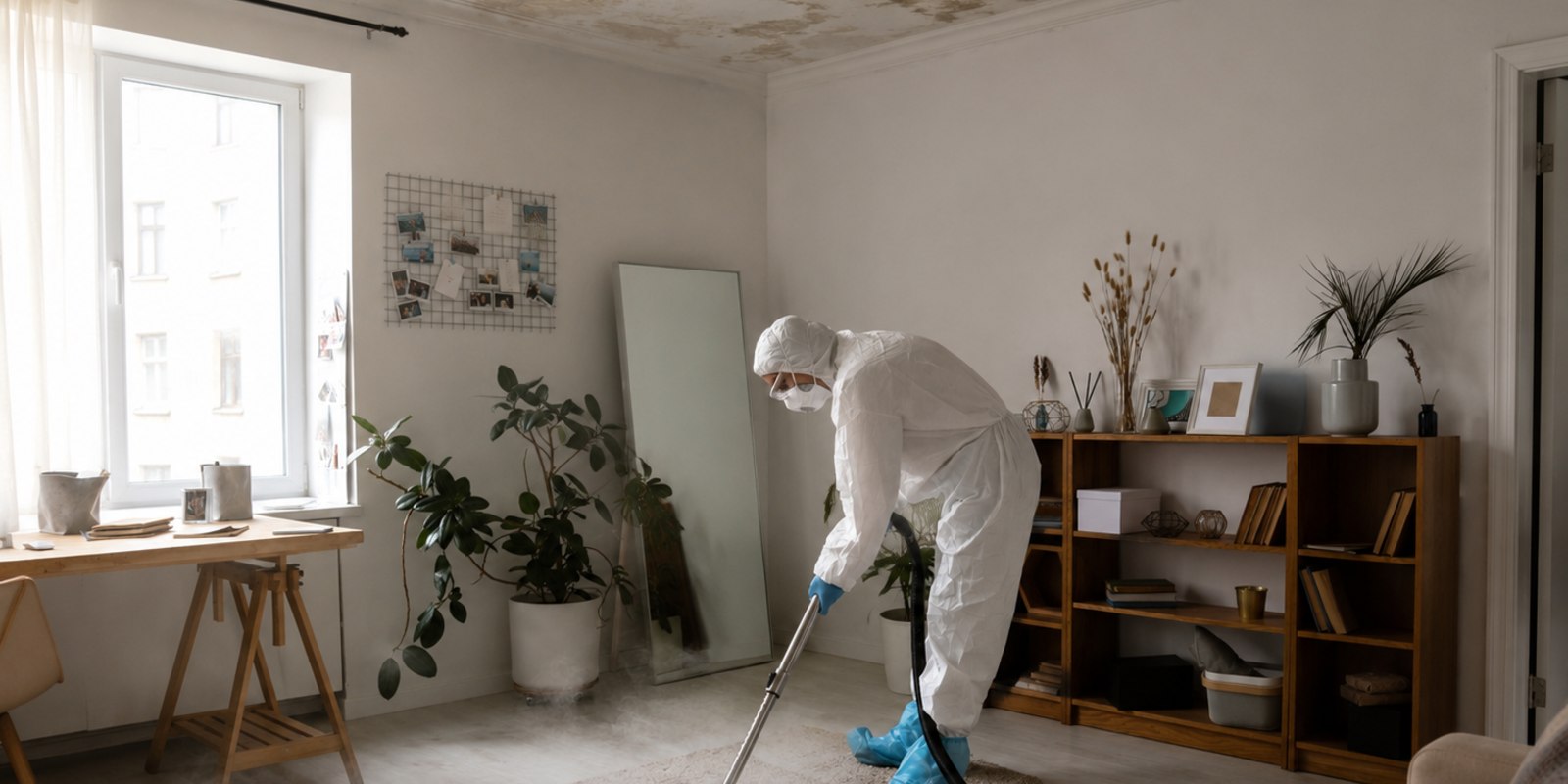
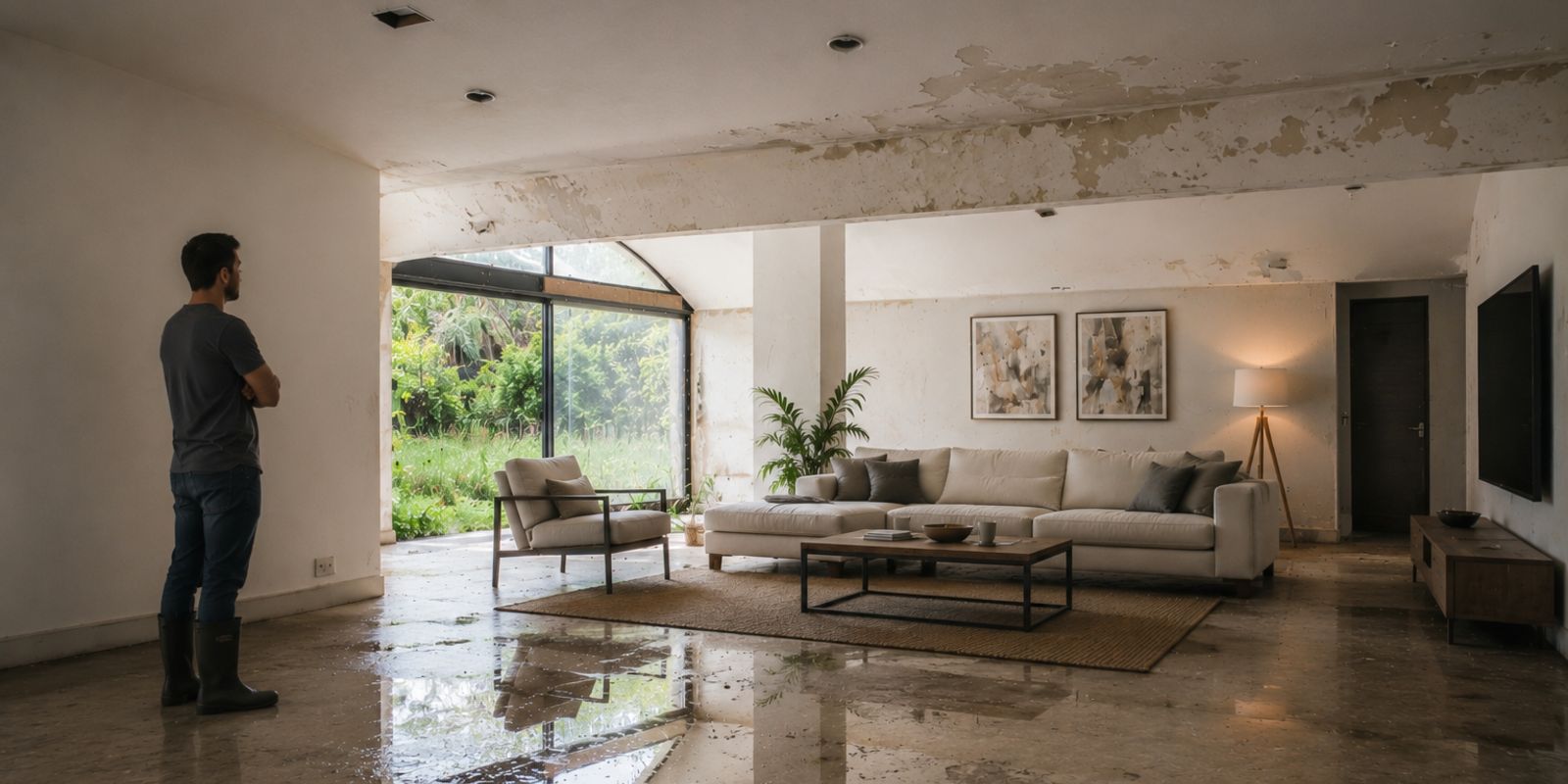
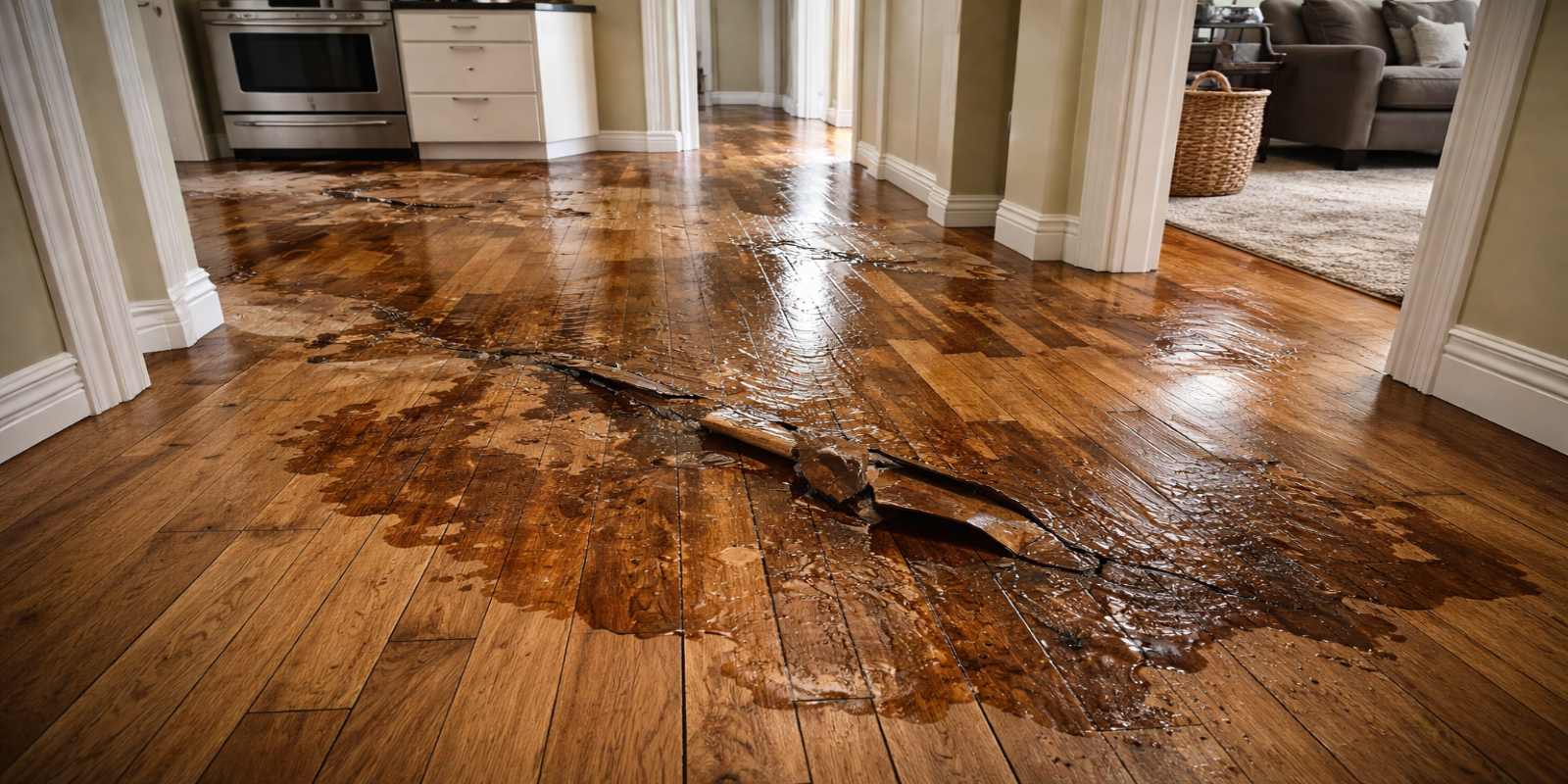
Even after your plumber repairs the leak, water may have already spread beyond the visible area. It can seep behind drywall, beneath flooring, into cabinets, or inside crawl spaces, where it isn't always easy to detect.
Ask your plumber whether they observed signs that water may have affected surrounding building materials. While plumbers repair the source of the leak, evaluating hidden moisture often requires specialized equipment, such as moisture meters and thermal imaging, to determine whether additional drying or restoration is needed.
Wondering if water is still hiding behind your walls or beneath your floors? Learn why water damage can return even after a leak seems resolved in our article.

What to Do After Your Plumber Repairs a Water Leak
Asking the right questions before your plumber leaves can give you peace of mind that the immediate problem has been addressed and help you identify any steps needed to reduce the risk of future water losses. Understanding what caused the leak, whether additional plumbing components should be replaced, and if your home's water pressure needs attention can help you make informed decisions about protecting your property.
If your plumber confirms the leak has been repaired but you're concerned that water may have spread behind walls, beneath flooring, or into other hidden areas, it may be worth having your home evaluated for water damage. A professional moisture inspection can help determine whether additional drying or restoration is needed before hidden moisture leads to more extensive damage.
Do you suspect your home may have been affected beyond the plumbing repair? Restore-It can inspect for hidden moisture and recommend the next steps to help protect your home after a water loss.