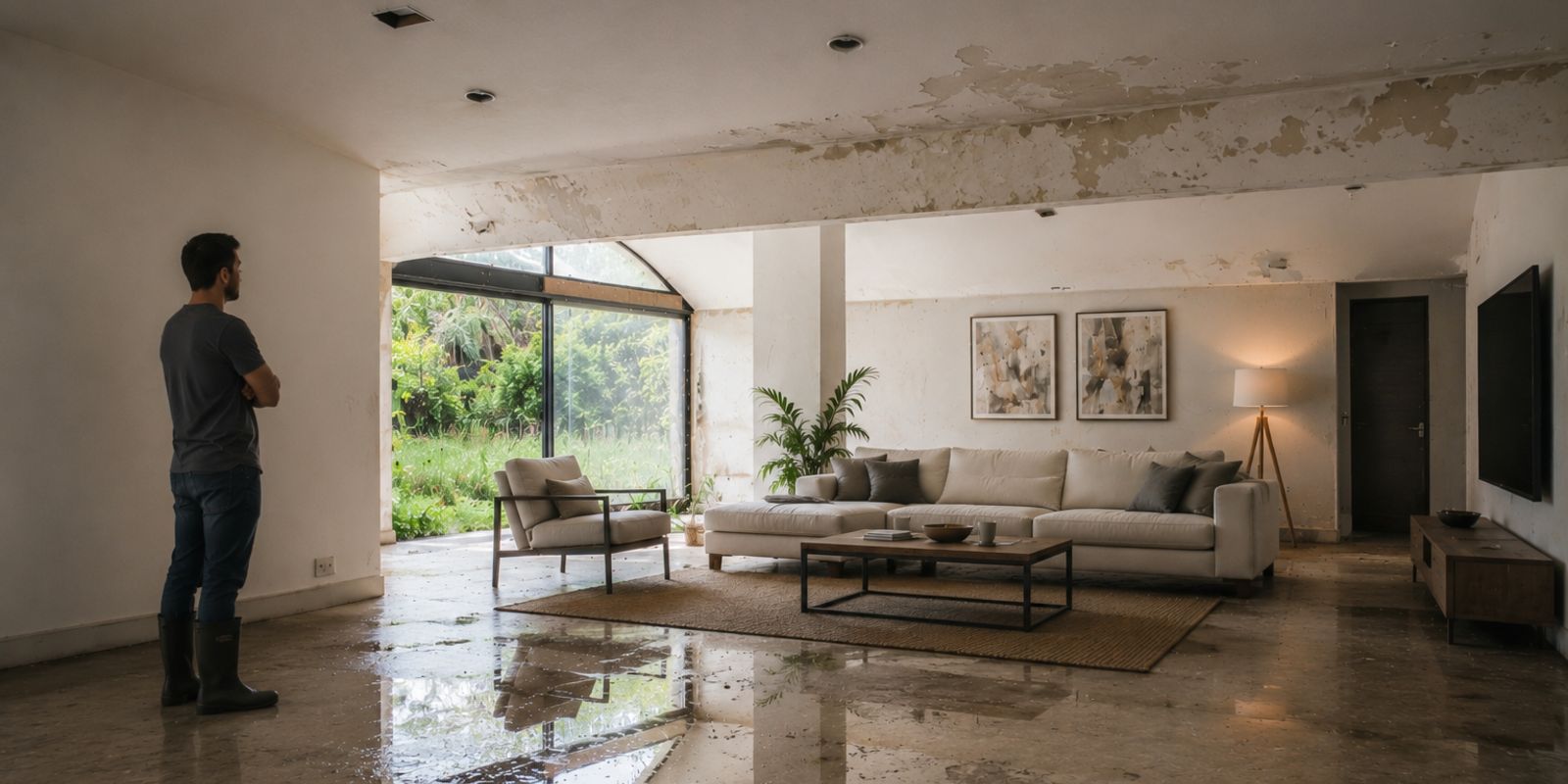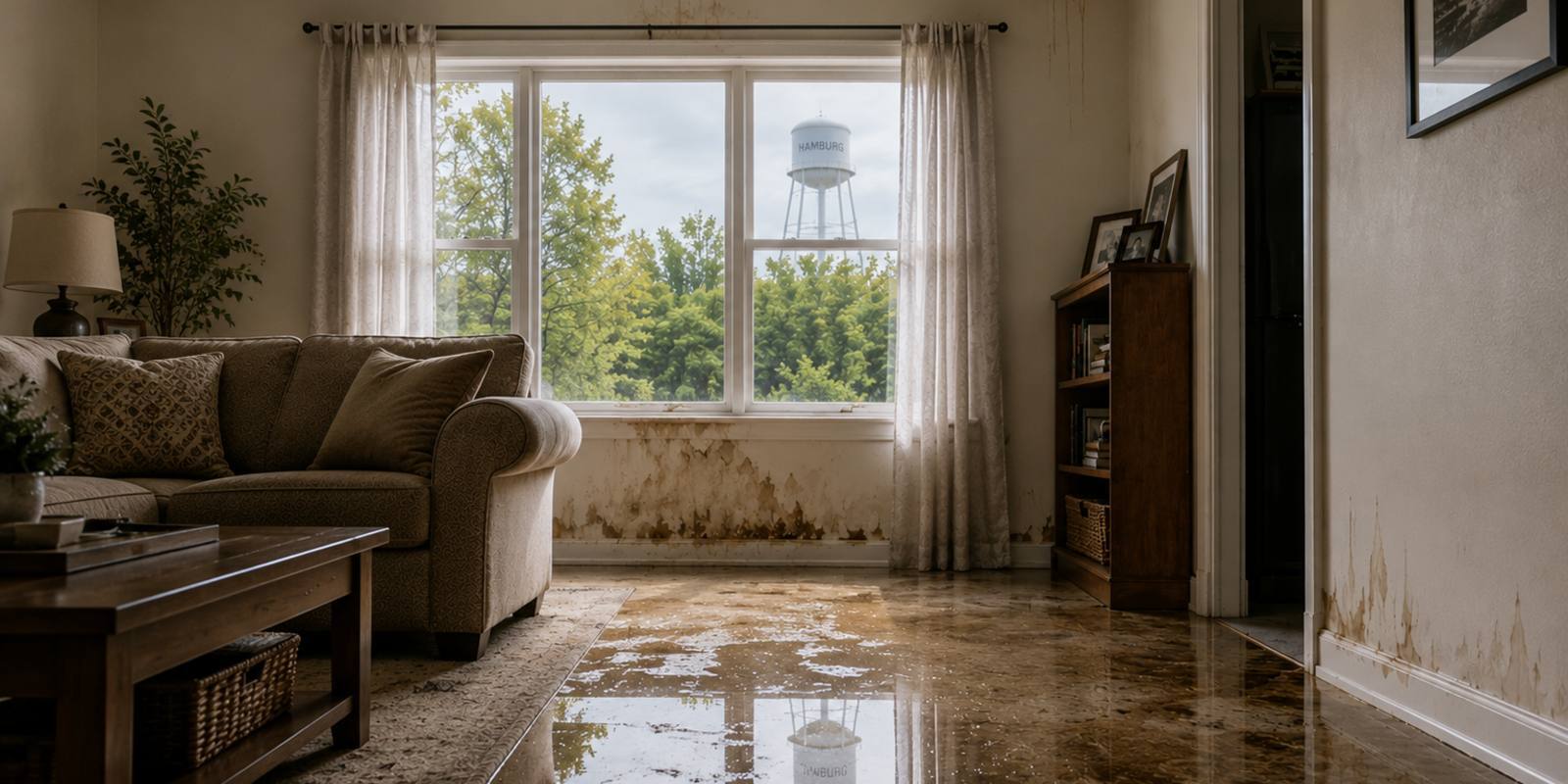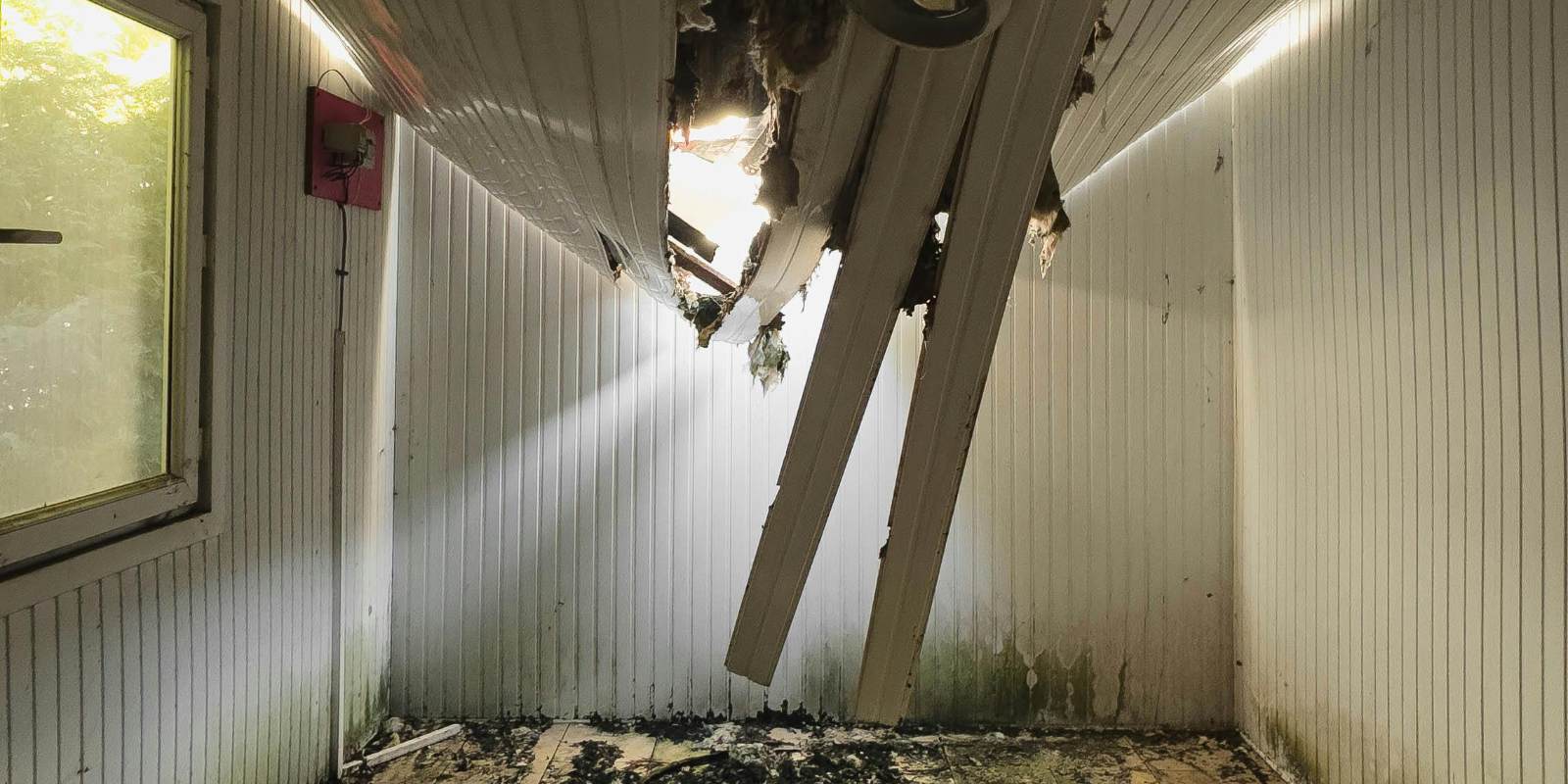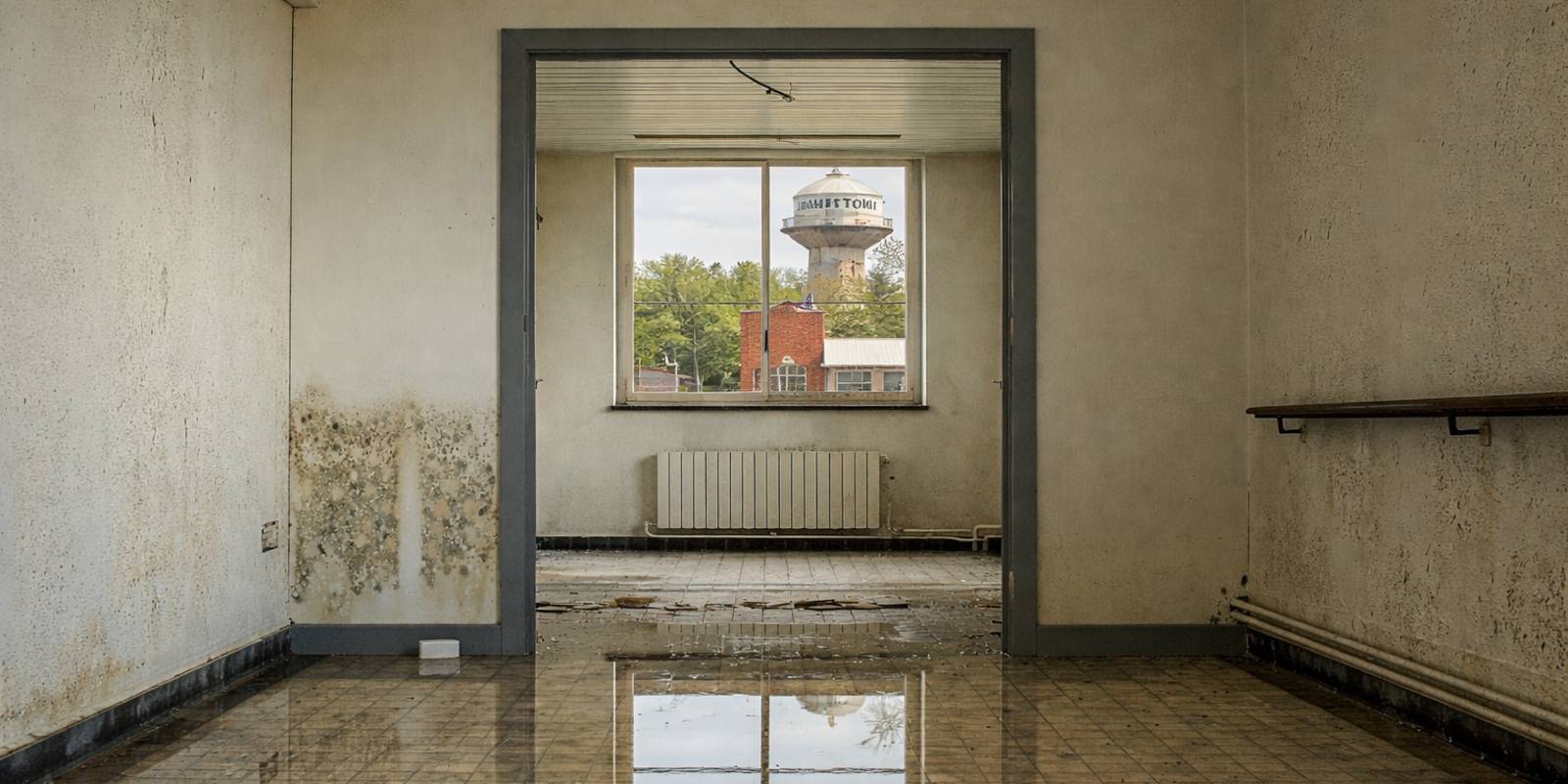

Have you ever wondered what thunderstorms leave behind once the noise and rain are gone?
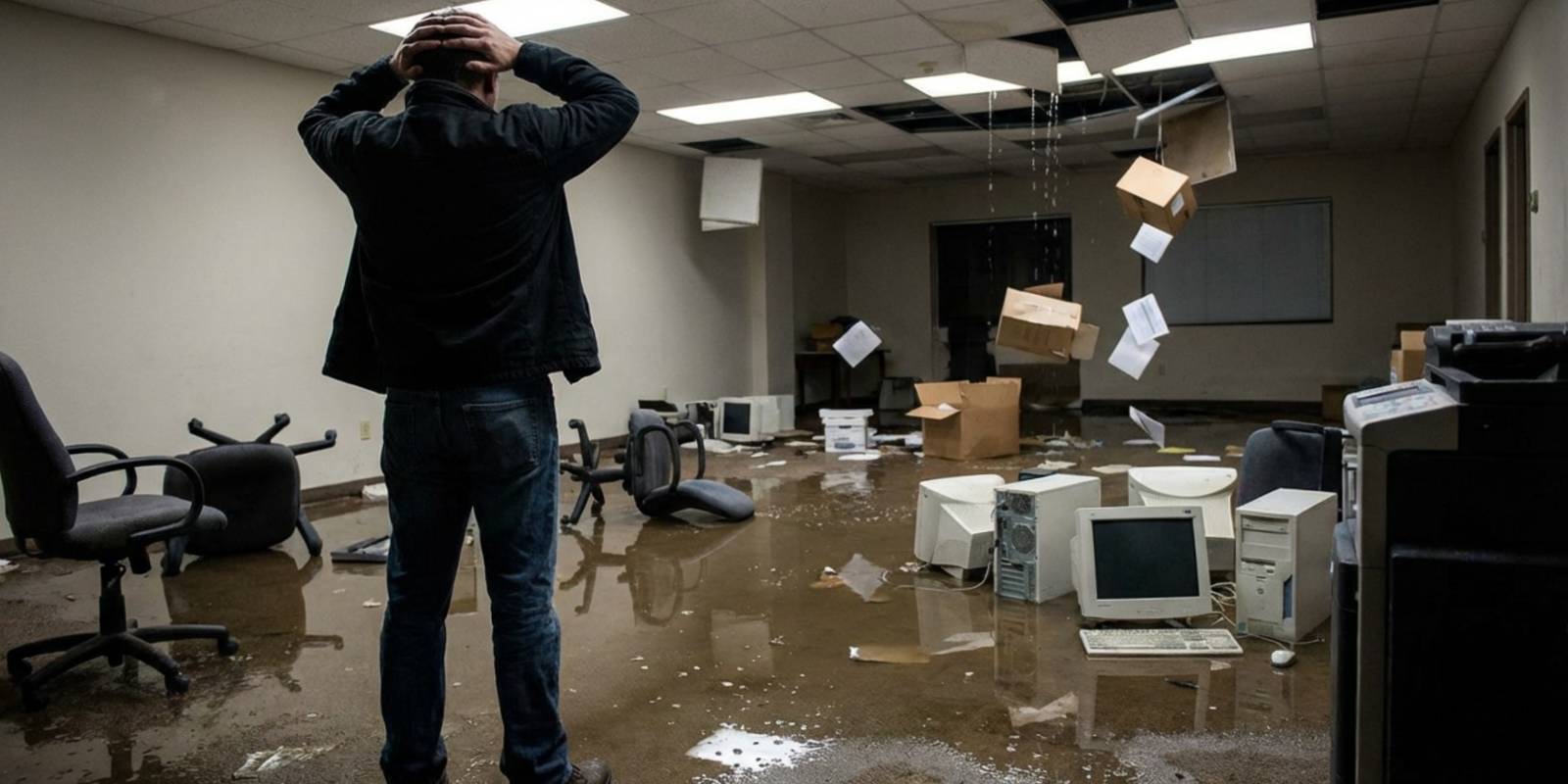
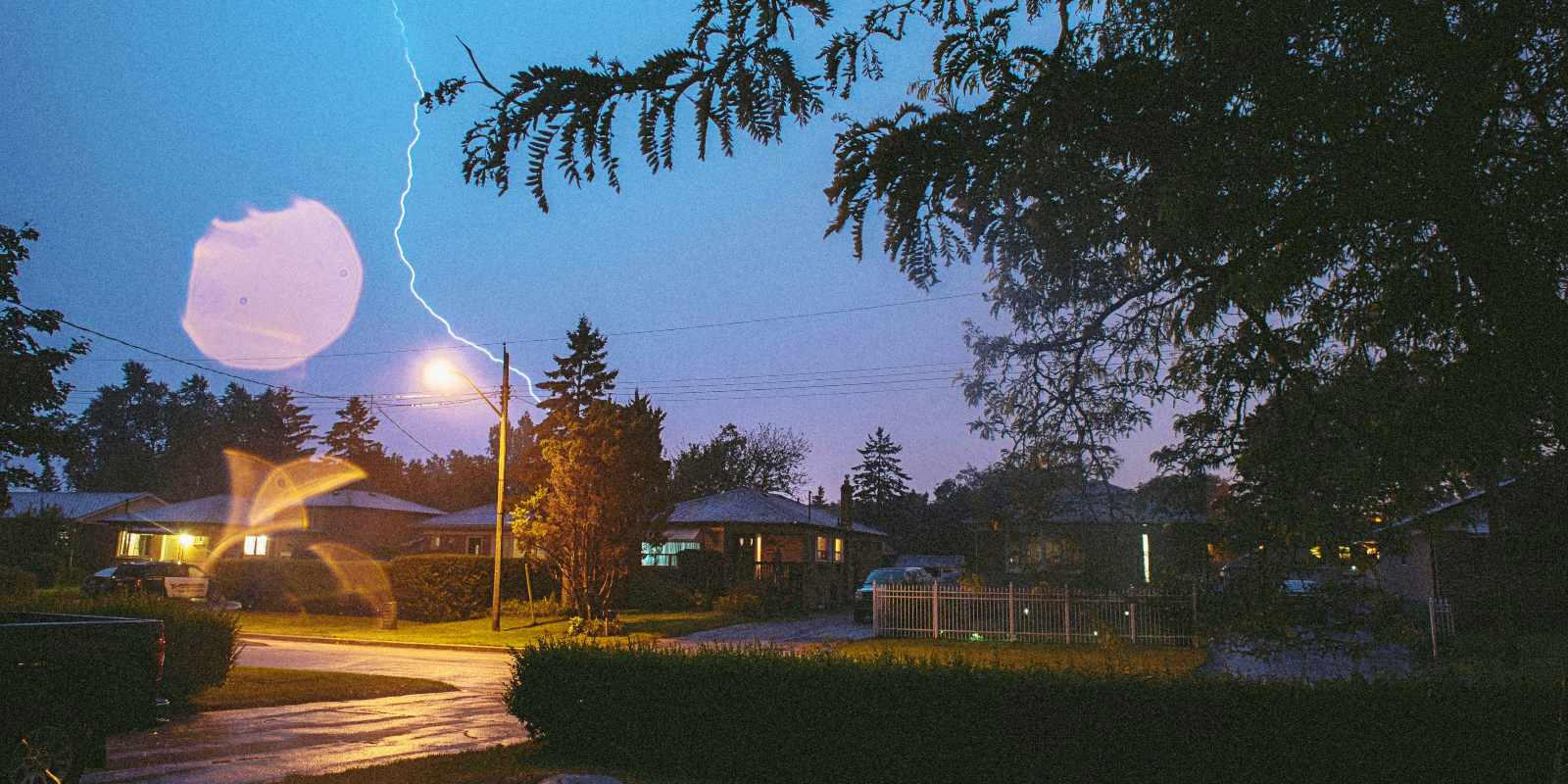
In Arkansas, summer thunderstorms do more than shake windows and roll in heavy rain. Even after the skies clear, moisture can linger in your home and slowly affect walls, flooring, and indoor air quality.
Many homeowners assume everything is fine once the surface dries. But hidden dampness in walls, attics, crawl spaces, and insulation can slowly lead to mold growth and structural damage if it is not addressed early.
Restore-It has helped hundreds of homeowners across South Arkansas find and resolve moisture issues before they become costly repairs or health concerns. However, you don't have to wait for the damage to become severe.
In this article, you'll learn 7 warning signs that your home may have hidden moisture problems after a summer thunderstorm, plus when it makes sense to call a professional for help.
Why Summer Storms in Arkansas Create Moisture Issues Fast
After a storm, moisture doesn’t just disappear; it gets absorbed into porous materials throughout the home.
High humidity, warm temperatures, and heavy rain allow moisture to seep into:
- Drywall
- Wood framing
- Carpet and flooring
- Insulation
- Crawl spaces and attics
The Environmental Protection Agency (EPA) notes that mold can begin growing when moisture is present on building materials combined with organic surfaces and limited airflow.
This risk is even higher in homes with:
- Poor ventilation
- Tight insulation with limited airflow
- Crawl spaces or attics with humidity buildup
Even if your home “feels dry,” hidden moisture may still be active behind surfaces. Indoor humidity above 60% can further increase the risk of mold growth and condensation throughout the home.
Did you experience a thunderstorm and suspect you may have mold growing in your home? Find out more about it here:
 7 Signs Your Home Has Moisture Problems After a Summer Thunderstorm
1. Musty Odors That Appear After Rain
A damp, earthy smell after a storm is often one of the earliest signs of hidden moisture.
It usually comes from microbial growth in damp areas such as behind walls, under flooring, or in crawl spaces.
CDC notes that mold is commonly present indoors and outdoors, but it only becomes a problem when moisture allows it to grow on materials like wood, drywall, insulation, or fabric.
What the smell may indicate:
- Moisture trapped behind walls or floors
- Damp crawl spaces or attic areas
- Early microbial growth in hidden spaces
- Odors spreading through HVAC circulation
If the smell lingers after surfaces dry, moisture is likely still present deeper inside the home rather than on the surface.
2. Water Stains on Ceilings or Walls
Water stains are a common sign of moisture issues, often showing up as yellow or brown discoloration on ceilings or walls. Think of them as clues pointing to where water is entering your home.
Watch for:
- Yellow or brown ceiling or wall stains
- Stains that spread or darken over time
- New marks appearing after storms
It’s important to monitor these areas closely. Expanding stains indicate that the moisture problem is ongoing and unresolved.
Tracking where stains appear and how they change is key to identifying the source early.
3. Peeling Paint or Bubbling Drywall
Bubbling paint or drywall after a storm often indicates trapped moisture exerting pressure behind surfaces. Because drywall absorbs water quickly, it can deteriorate and foster hidden mold growth, which the CDC links to respiratory and allergy symptoms.
Ongoing damage may result in:
- Airborne particles from breaking materials
- Internal wall microbial growth
- Increased asthma or sinus irritation
If these signs expand, the moisture issue likely extends far beyond visible surface damage.
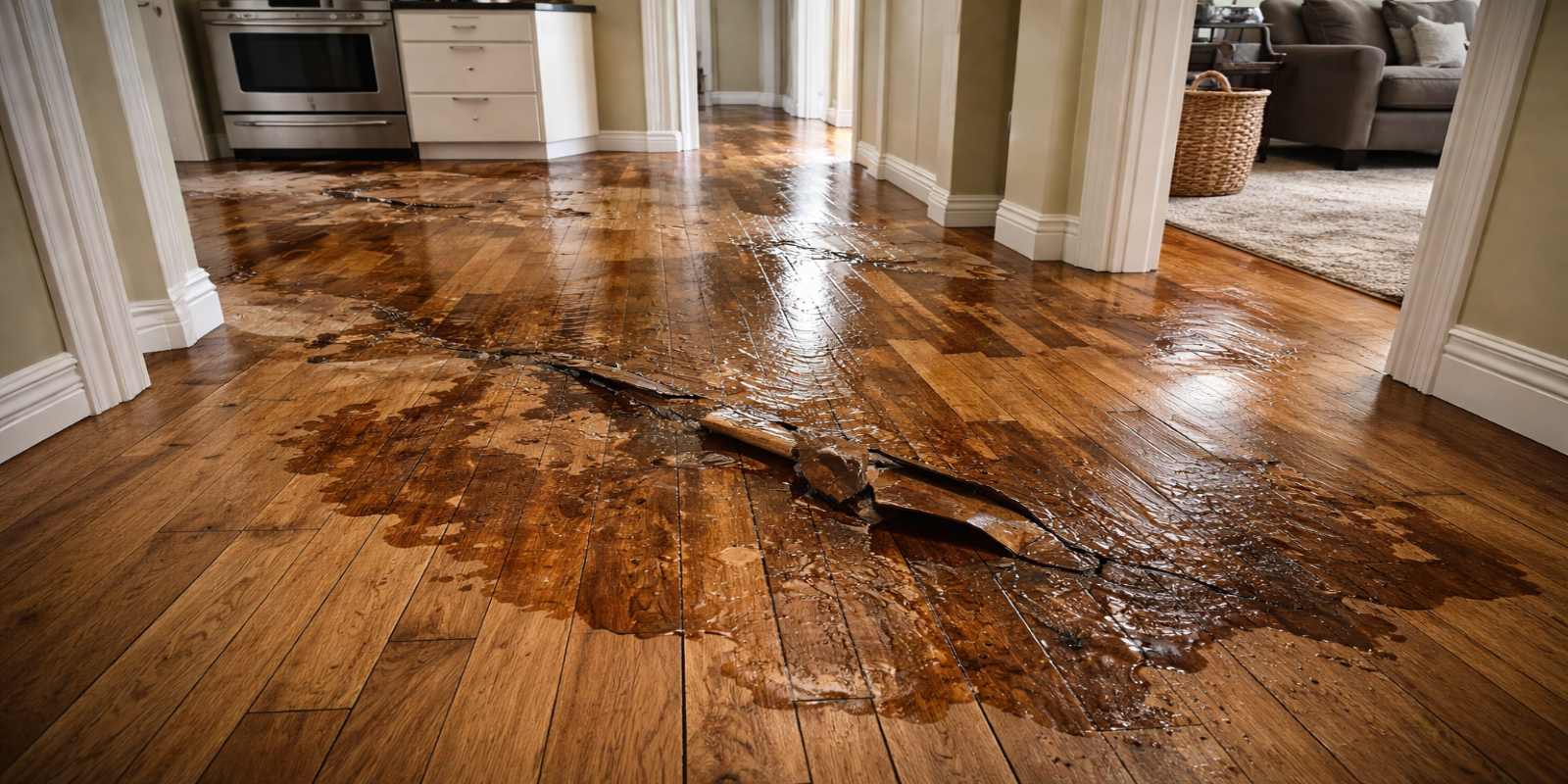
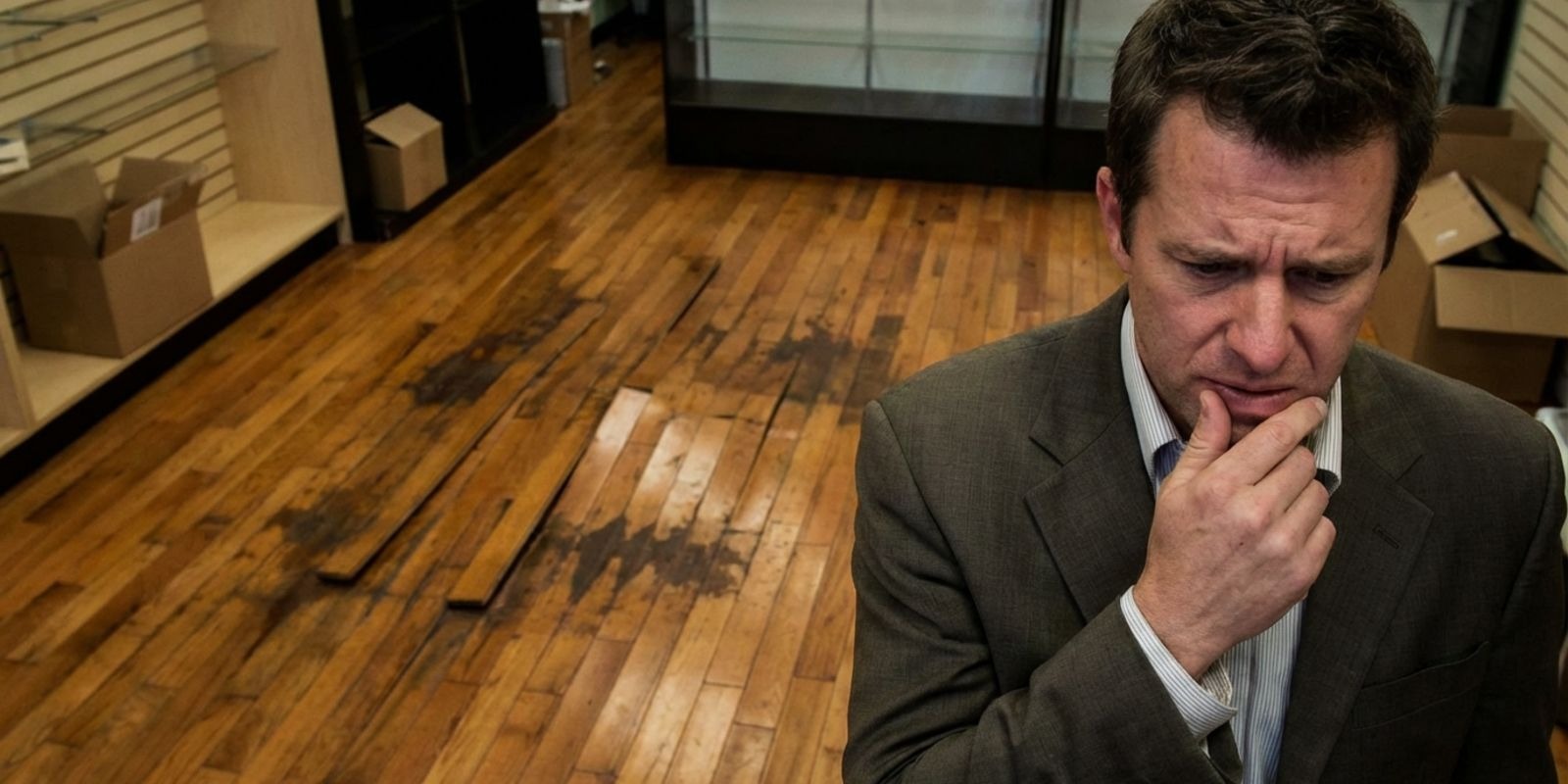
4. Warped Floors or Soft Spots
|
Flooring Type |
Signs of Moisture Damage |
Long-Term Impact |
|
Wood Flooring |
Cupping (edges rise higher than the center) and uneven expansion. |
Visible distortion and uneven surfaces. |
|
Laminate Flooring |
Swelling or separating at the seams. |
Permanent damage and lifting of the material. |
|
Subflooring |
Soft spots underfoot. |
Weakened structural integrity and hidden mold growth beneath surfaces. |
The longer moisture remains trapped behind surfaces, the higher the risk of both structural damage and indoor air quality issues.
5. Condensation That Won’t Go Away
A little condensation after a storm is normal, but if it keeps coming back, it can signal excess indoor moisture or poor ventilation.
Signs of Condensation May Indicate a Larger Moisture Problem
|
Warning Sign |
What It May Mean |
|
Fogging on multiple windows |
High indoor humidity levels |
|
Dampness near vents |
Poor airflow or trapped moisture |
|
Moisture returning daily |
Ongoing humidity imbalance |
|
Condensation after every storm |
Moisture intrusion inside the home |
|
Musty odors near windows |
Possible mold or mildew growth |
If fogging continues long after the weather clears, your home may not be drying properly. That can allow hidden moisture to persist in walls, floors, or other poorly ventilated areas.
6. Increased Allergy Symptoms Indoors
If you notice more sneezing, coughing, or headaches inside your home after a summer thunderstorm, hidden moisture may be affecting your air quality.
According to the Mayo Clinic, mold exposure may trigger symptoms similar to hay fever, including:
- Sneezing and congestion
- Itchy eyes or throat irritation
- Coughing or sinus discomfort
- Asthma flare-ups or wheezing
One of the biggest warning signs is the pattern of symptoms. Moisture-related air quality problems are commonly linked to:
- Damp drywall or insulation
- Wet carpeting
- Humid crawl spaces
- Mold inside HVAC systems
If symptoms consistently return after storms or humid weather, your home may have hidden moisture that needs professional attention.
7. Visible Mold Growth in Corners or Hidden Areas
This can be a sign that moisture has been trapped in your home longer than expected. Mold commonly develops in areas with poor airflow, high humidity, or lingering dampness.
Common problem areas include:
- Closets
- Baseboards
- Behind furniture
- Crawl spaces
- Under sinks
|
Area |
Why Moisture Builds Up |
|
Closets |
Limited airflow traps humid air |
|
Baseboards |
Moisture settles near flooring |
|
Behind Furniture |
Airflow restriction slows drying |
|
Crawl Spaces |
Humidity and ground moisture collect |
According to the CDC, mold can grow on wood, drywall, carpet, and insulation when moisture remains present long enough.
If mold continues spreading after storms, the moisture problem is likely deeper than what’s visible on the surface.
What Happens If You Ignore Moisture Problems?
If moisture problems are ignored, they will continue to spread, leading to mold growth on organic materials like wood, drywall, and fabric.
Over time, this can weaken structural components of your home, causing deterioration in walls, floors, and insulation.
It can also reduce indoor air quality by releasing mold spores and other airborne contaminants throughout the home. In more advanced cases, prolonged moisture exposure can lead to costly repairs, persistent odors, and ongoing respiratory issues such as allergies, asthma flare-ups, and sinus irritation.
What starts as a small moisture issue can quickly become a larger, hidden damage problem.

When Should You Call a Professional?
Some moisture issues dry out naturally after a storm. Others continue spreading long after visible water disappears.
You should consider a professional inspection if you notice:
- Musty odors that persist after rain
- Expanding or recurring water stains
- Soft or uneven flooring
- Visible mold growth
- Repeated condensation issues
- Worsening allergy symptoms indoors
- Damp areas lasting more than 24–48 hours
The earlier moisture problems are identified, the easier and less expensive they usually are to correct.

After a summer thunderstorm, moisture damage is not always visible right away. A home may look dry on the surface while hidden moisture remains inside walls, flooring, insulation, or crawl spaces.
Restore-It helps homeowners across South Arkansas identify hidden moisture and dry affected areas before long-term damage develops.

Topics: