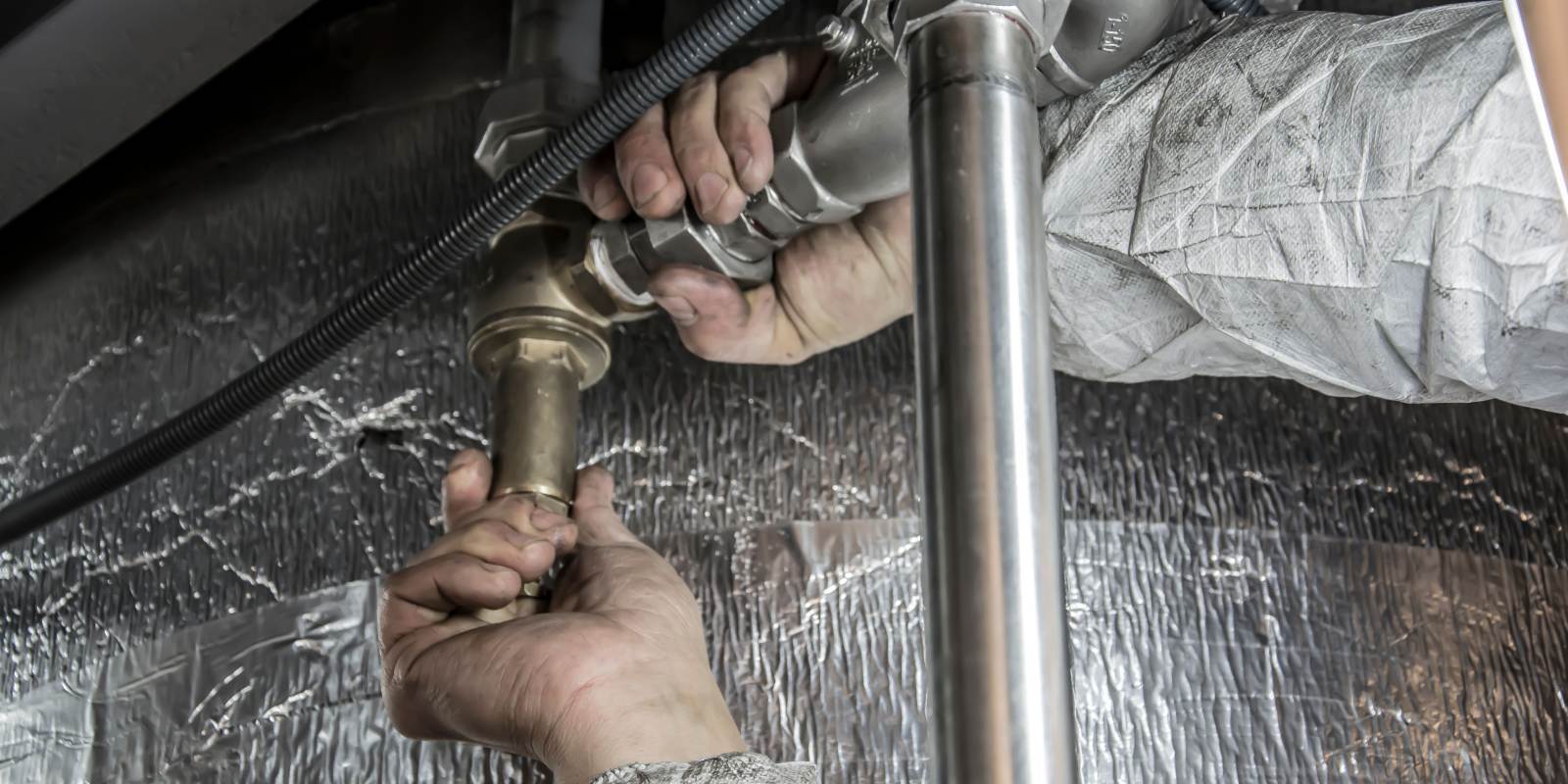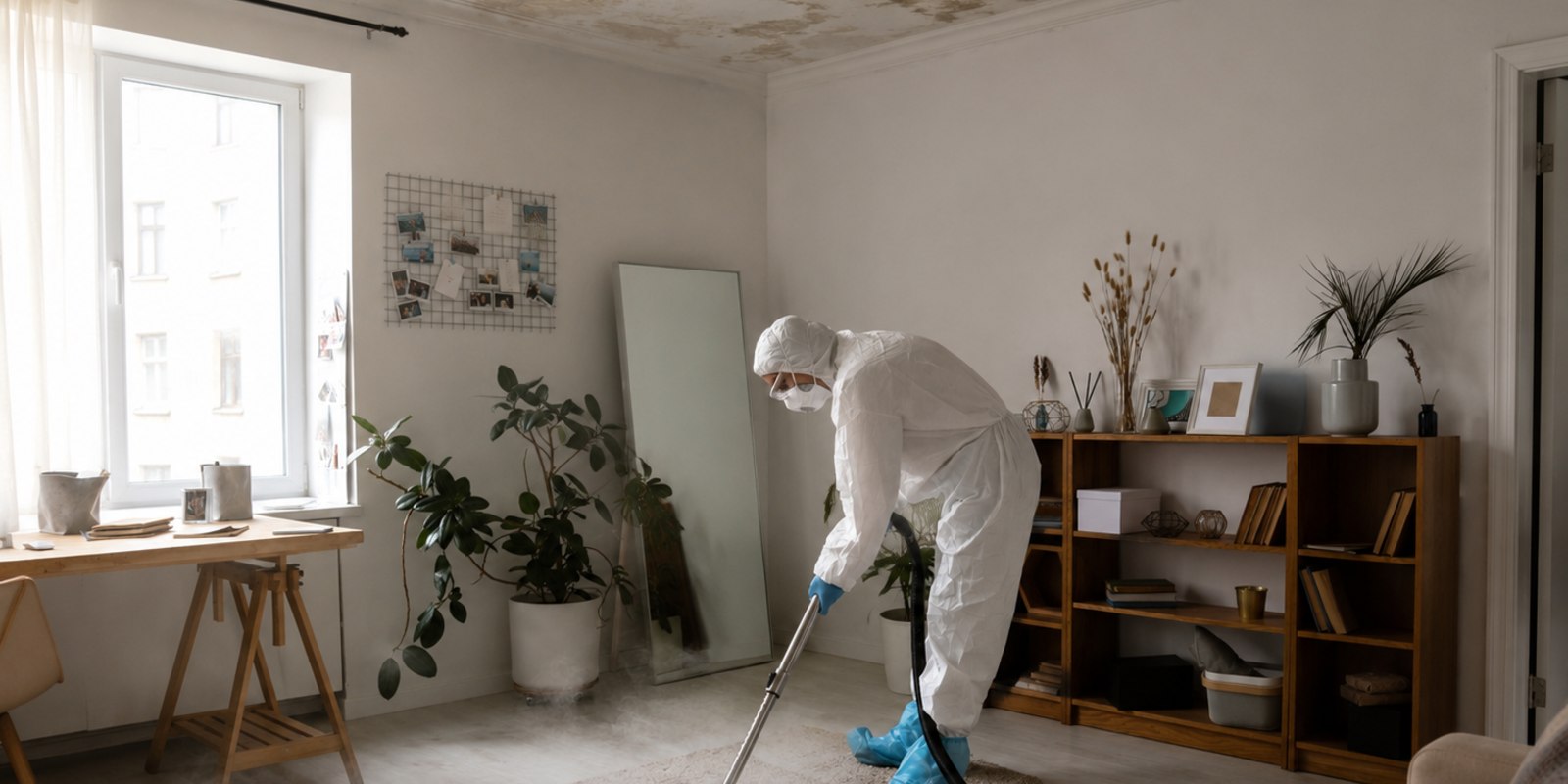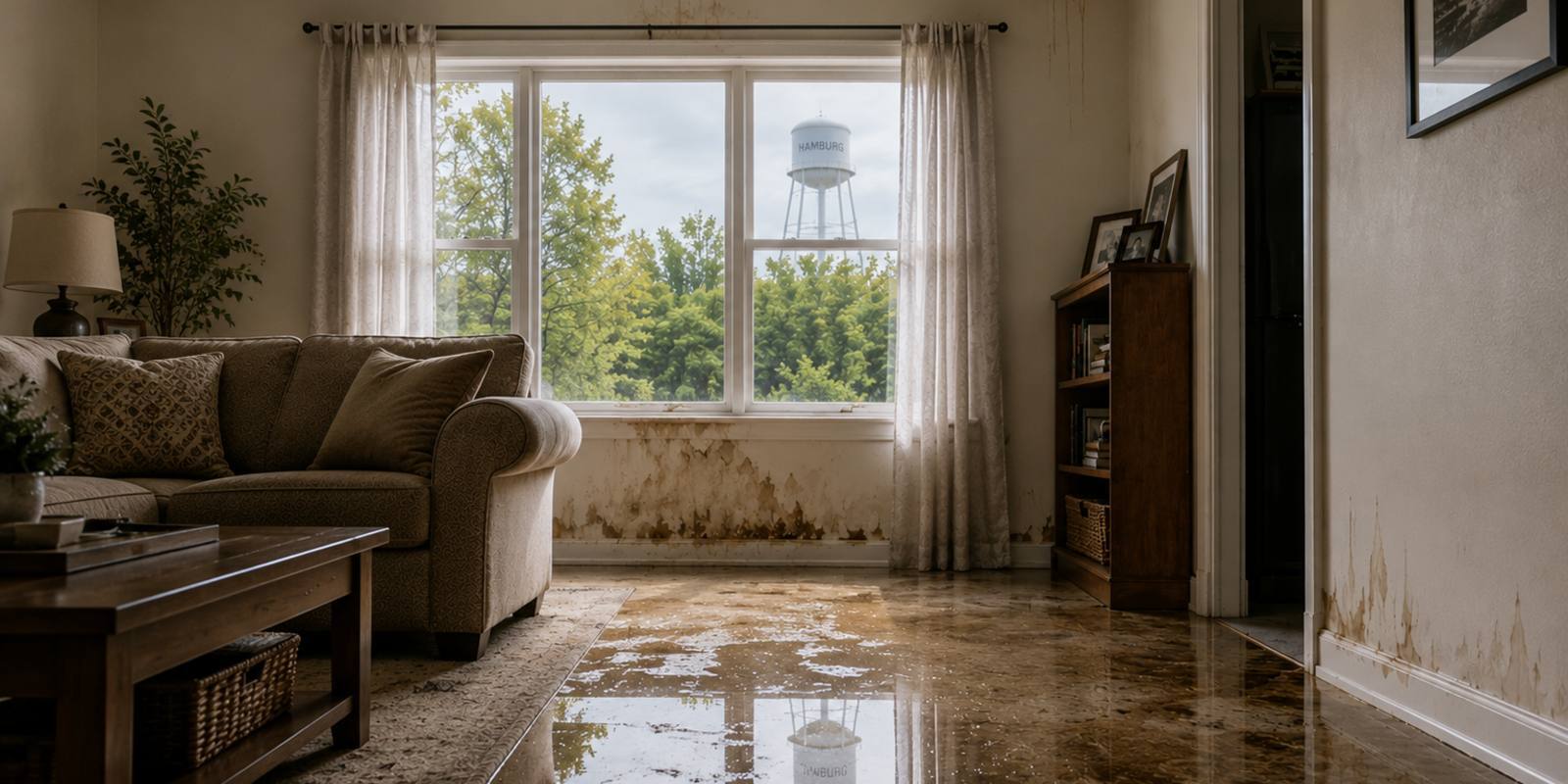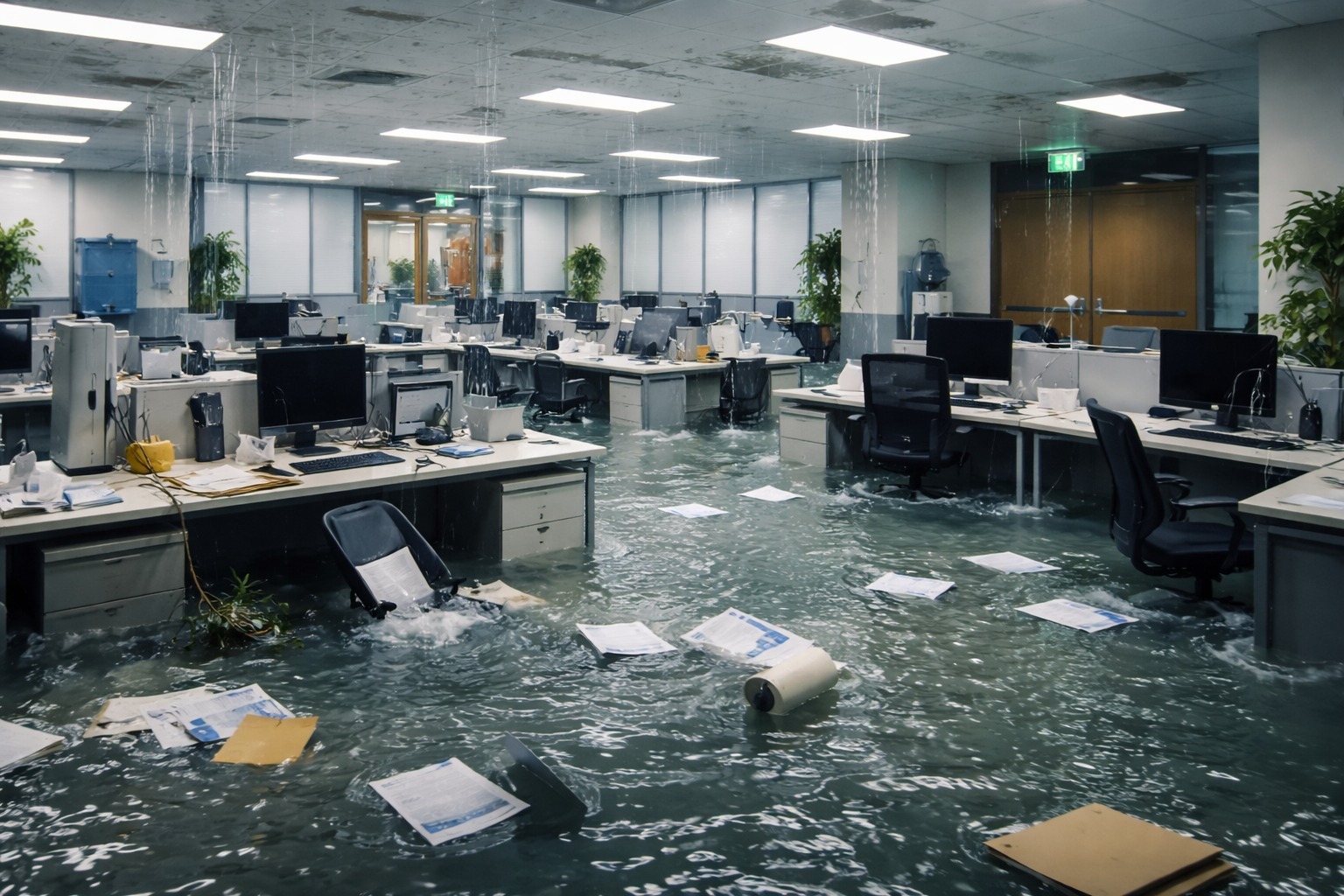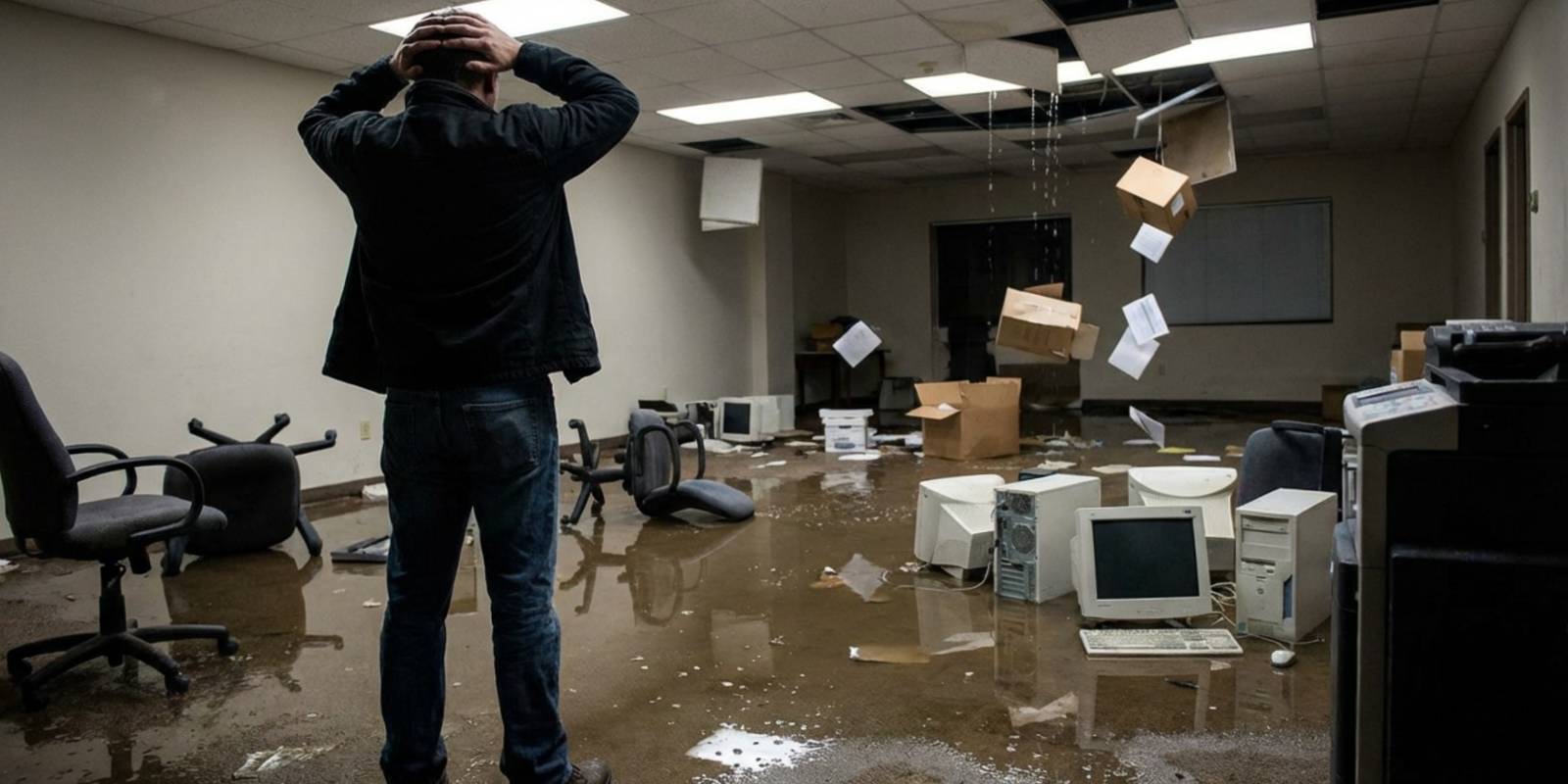

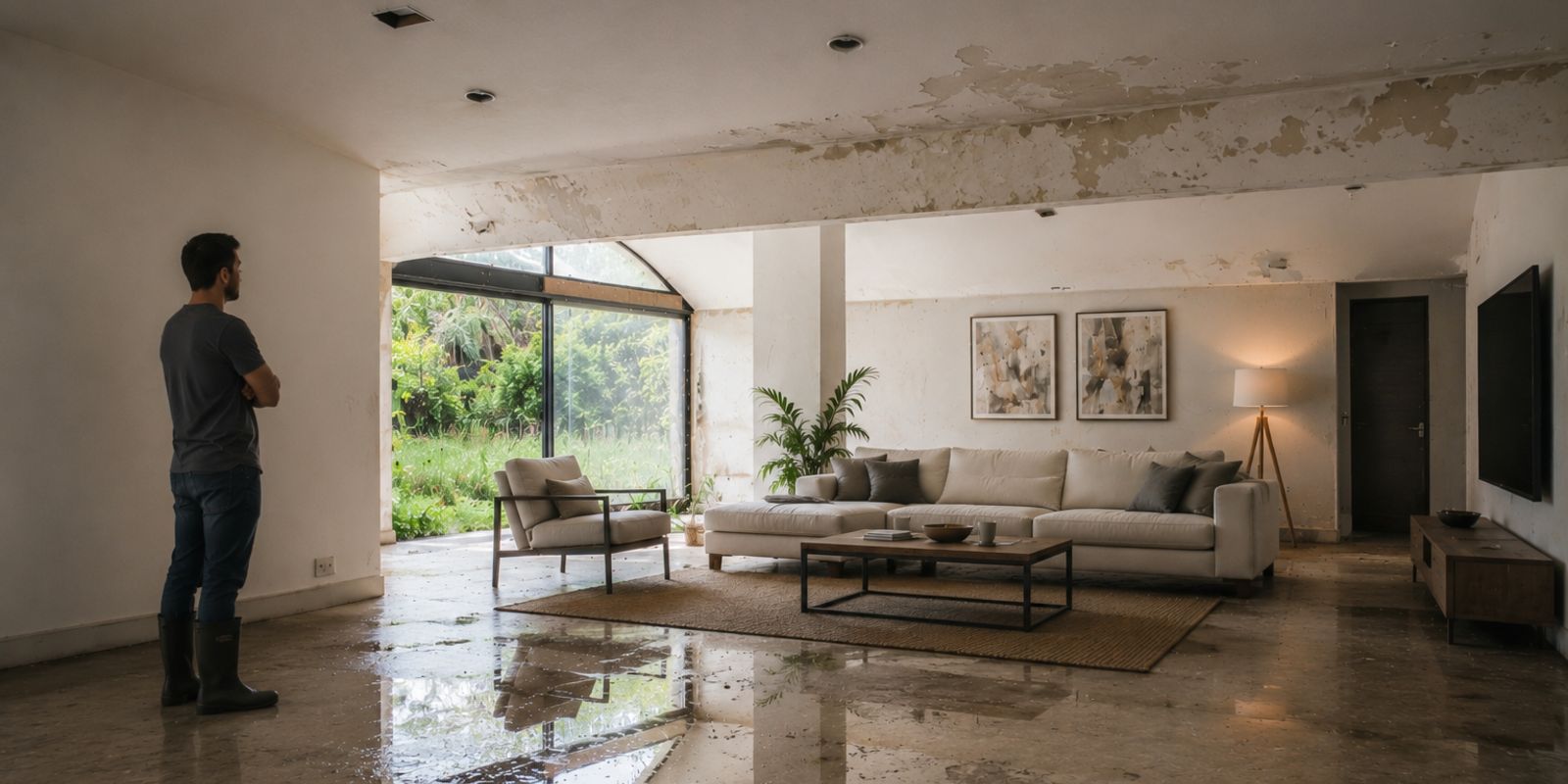
After a leak or flood, your home may look dry within a few days.
The carpet no longer feels wet, the walls look normal again, and the smell may disappear. Because of that, many homeowners assume the problem solved itself.
However, moisture often remains trapped behind drywall, beneath flooring, inside insulation, and within structural materials long after visible water disappears. Over time, that hidden moisture can lead to mold growth, warped materials, musty odors, and expensive structural damage.
At Restore-It, we have helped homeowners and business owners recover from water damage for more than 14 years. As an IICRC-certified firm, we follow industry-approved drying and restoration standards to properly remove hidden moisture.
In this article, you’ll learn how water damage behaves when left to dry, why hidden moisture is such a serious concern, and when professional intervention becomes necessary.
What Happens When Water Damage Is Left to Dry?
In some cases, water damage can dry naturally. Minor spills or very small leaks may dry naturally with enough airflow and quick cleanup.
However, there’s a difference between something looking dry and being fully dried.
Porous materials like drywall, wood, insulation, carpet padding, and subflooring can trap moisture beneath the surface even after visible water disappears. For example, carpet may feel dry while the padding underneath still contains moisture.
The type of water also plays a role. Clean water from a supply line behaves very differently from stormwater or sewage backups, which introduce contaminants that accelerate deterioration and increase health risks.
In many cases, the first 24–48 hours after water exposure determine how far the damage will progress. That early window is when materials absorb moisture most aggressively and when drying intervention is most effective.
To better understand the different categories of water damage and why they matter, read our guide below!

Why Water Damage That Looks Dry Can Still Cause Problems
Just because surfaces feel dry doesn’t mean the risk is gone. Hidden moisture can continue damaging a home long after visible water has disappeared.
Water can spread into drywall, flooring, cabinetry, insulation, and structural framing. If it isn’t fully dried, it can lead to:
- Mold growth
- Wood rot
- Warped floors
- Peeling paint
- Musty odors
- Bacterial contamination
- Reduced air quality
Many of these issues don’t show up right away. They can appear weeks or even months later as stains, odors, or structural changes.
That’s why quick action matters. The first 24–48 hours after a leak or flood are critical, as moisture causes rapid hidden damage.
To learn how water damage develops during the critical early stages, check our article below…

Where Hidden Moisture Commonly Stays After Water Damage
One of the biggest challenges with water damage is that moisture often spreads into hidden areas that homeowners cannot easily inspect.
One of the biggest challenges with water damage is that moisture often spreads into areas homeowners cannot easily inspect.
Even when visible surfaces seem dry, water may remain trapped in hidden spaces throughout the property.
Here are some areas where hidden moisture lingers:
|
Hidden Areas |
What To Expect |
|
Behind Drywall |
|
|
Under Flooring |
|
|
Inside Insulation |
|
|
Beneath Cabinets/Appliances |
|
|
Inside Crawlspaces/Basements |
|
Because hidden moisture is difficult to detect visually, professional restoration companies use moisture meters, infrared cameras, and drying equipment to locate and remove trapped water properly.
Signs Water Damage Was Not Properly Resolved
Even after cleanup, your home may still show signs that moisture remains trapped inside. Here are some you should watch for:
- Persistent Musty Odors: A damp or earthy smell is often one of the first indicators that hidden moisture or mold is still present.
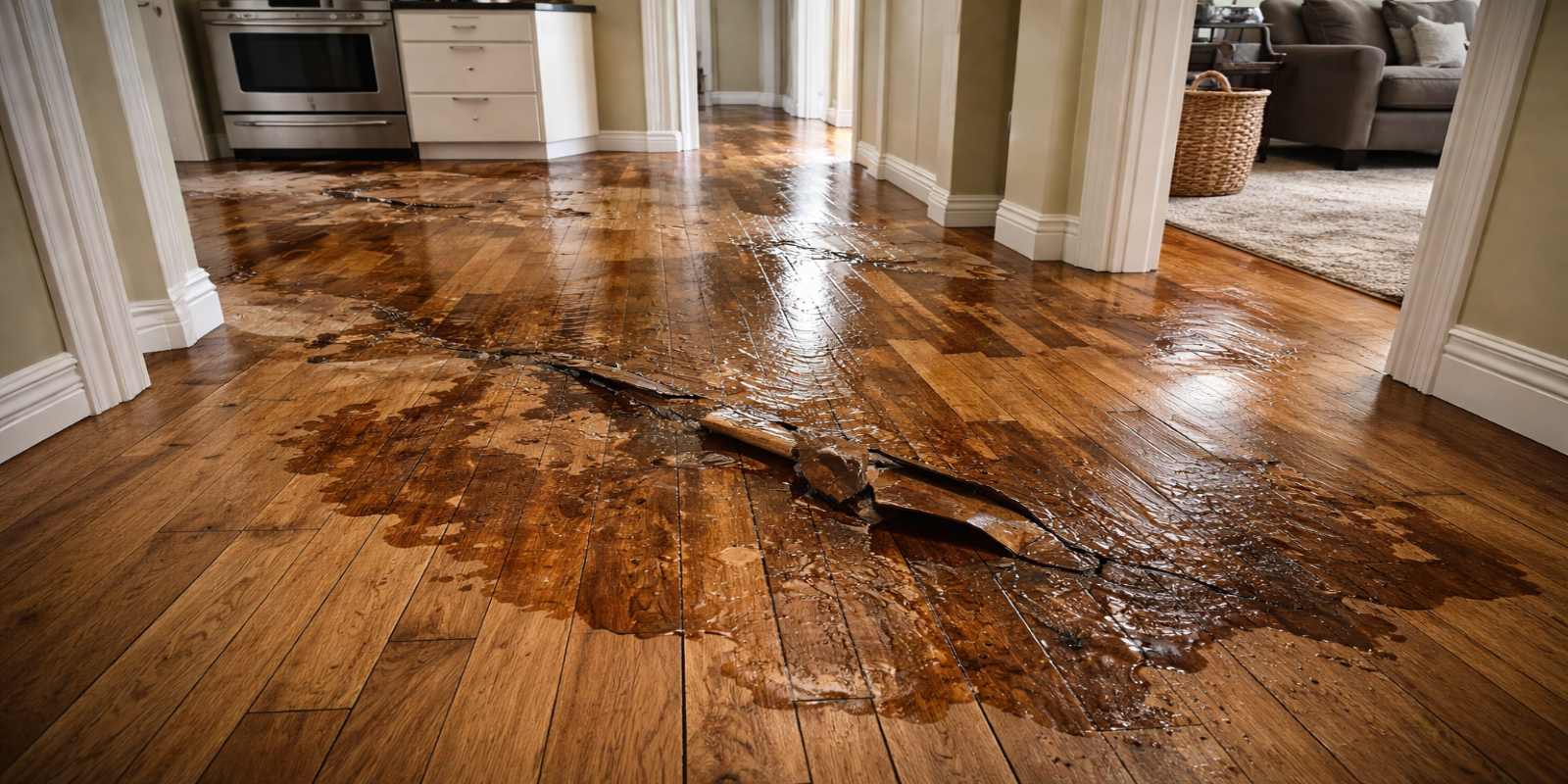
- Warped or Buckling Floors: Wood and laminate flooring can swell, lift, or separate when moisture remains underneath the surface.
- Peeling Paint or Bubbling Walls: Excess moisture inside drywall can cause paint to bubble, crack, or peel over time.
- Soft or Crumbling Drywall: Drywall weakened by water may feel soft, fragile, or unstable when touched.
- Stains or decolorations: Brown or yellow discoloration that continues spreading may indicate ongoing moisture problems behind the wall or ceiling.
Flooring issues are especially common after water damage because moisture often becomes trapped underneath the surface materials.
Want to understand why restoration companies sometimes recommend removing flooring? Learn more on this guide:

When You Should Call a Water Damage Professional
Some very minor water incidents may dry safely with proper ventilation and quick cleanup. However, many situations require professional drying and moisture detection to prevent larger problems later.
You should strongly consider contacting a restoration professional if:
- Water affected drywall, flooring, or insulation
- Moisture sat for longer than 24 hours
- The water involved contamination or sewage
- You notice musty odors or visible staining
- Floors begin warping or buckling
- The affected area is large
- You suspect hidden moisture behind walls
Professional restoration companies use specialized equipment designed to detect moisture that homeowners cannot see. More importantly, they can help prevent mold growth and long-term structural damage before it becomes worse.
Can Mold Grow After Water Appears Dry?
Yes, mold can continue growing even after water damage appears dry.
The Environmental Protection Agency (EPA) notes that mold can begin growing within 24 to 48 hours when hidden moisture remains inside materials like drywall, wood, or insulation.
Even if surfaces dry naturally, hidden moisture behind walls or beneath flooring can still create enough humidity for mold to thrive.
One of the biggest concerns with mold growth is that it often develops out of sight. Homeowners may not realize there is a problem until they notice:
- Musty odors
- Increased allergy symptoms
- Dark staining
- Peeling materials
- Worsening indoor air quality
A professional moisture inspection can help determine whether materials are truly dry or if hidden moisture remains inside the property.
What Happens If Water Damage Is Ignored Long-Term?
When water damage is left unaddressed, the effects typically escalate rather than resolve on their own.
Over time, untreated moisture can lead to:
- Structural wood rot
- Extensive mold colonies
- Compromised insulation efficiency
- Weakened drywall integrity
- Electrical system hazards
- Foundation or framing issues
- Loss of personal belongings and finishes
- Significantly higher restoration costs
The EPA also warns that prolonged moisture exposure can create long-term indoor air quality concerns, especially when contaminated materials are involved.
The longer moisture remains inside a property, the more likely restoration efforts will involve demolition, reconstruction, or mold remediation rather than simple drying services.
What Do I Do After a Water Loss?
Water damage often goes beyond what is visible. Even when surfaces look dry, moisture can remain trapped inside walls, floors, and structural materials, leading to mold, odors, and long-term deterioration.
Because drying is often incomplete without proper equipment, hidden damage can continue after the initial event. Acting quickly and addressing moisture thoroughly is key to preventing costly repairs later.
Restore-It focuses on identifying and removing hidden moisture before it becomes a larger problem. When in doubt, a professional inspection can confirm whether your property is truly dry. Are you experiencing a water emergency? We're available 24/7, you're just one call away!

Next, it is important to understand whether the loss was sudden or gradual, as this can affect how it is handled.
Wondering whether your insurance policy would cover damage caused by hidden leaks or long-term moisture problems? For related guidance on insurance implications: