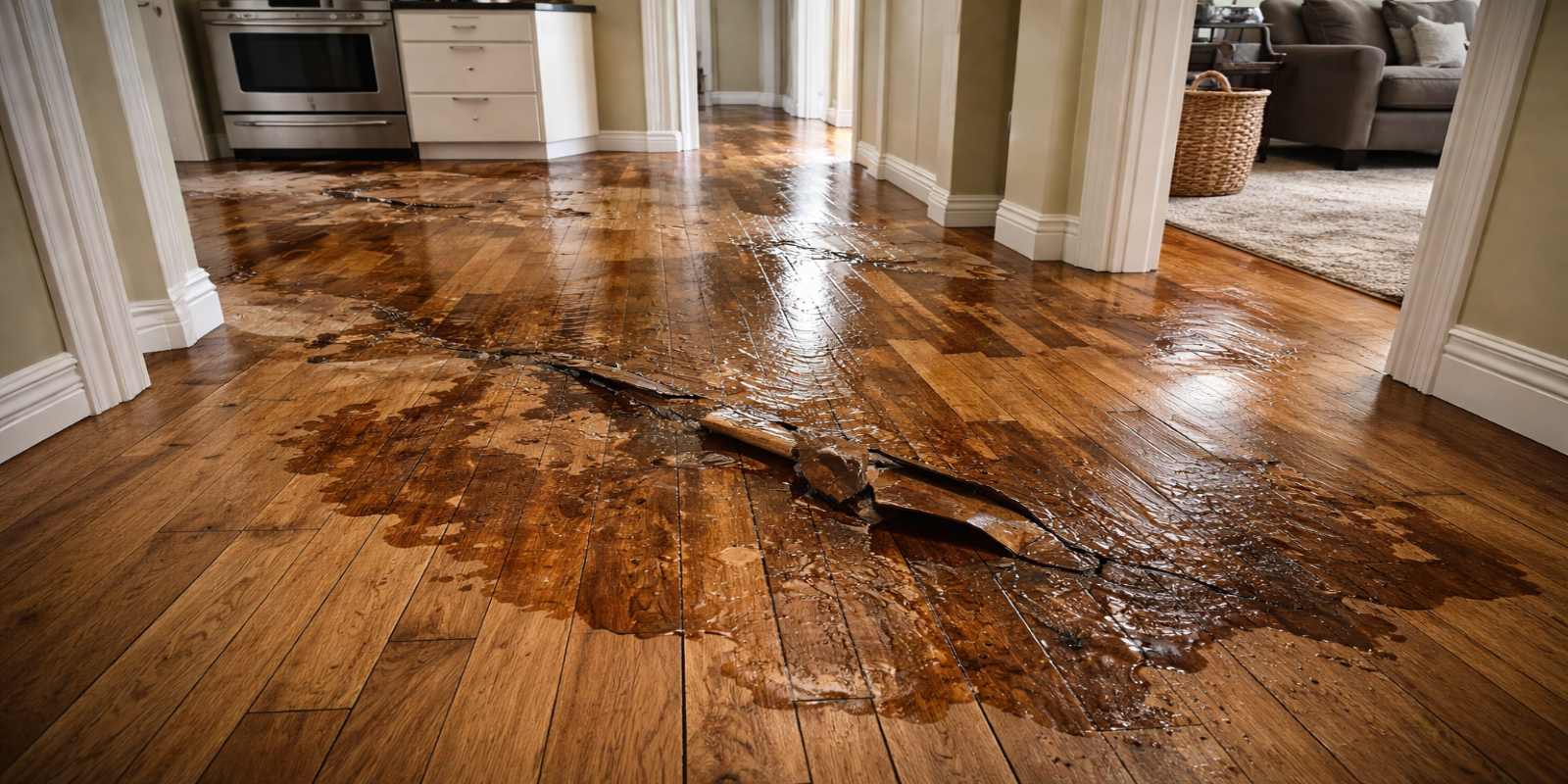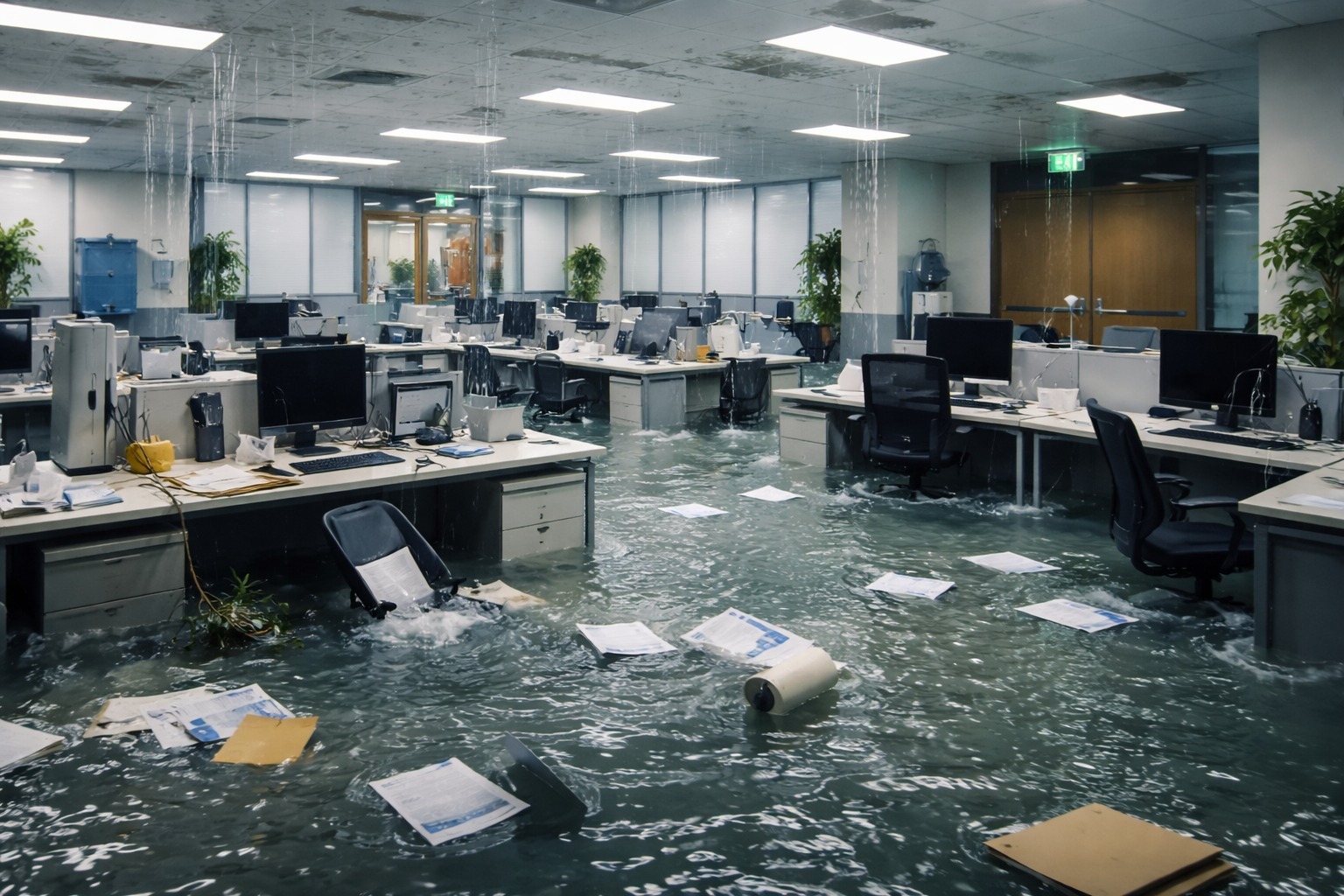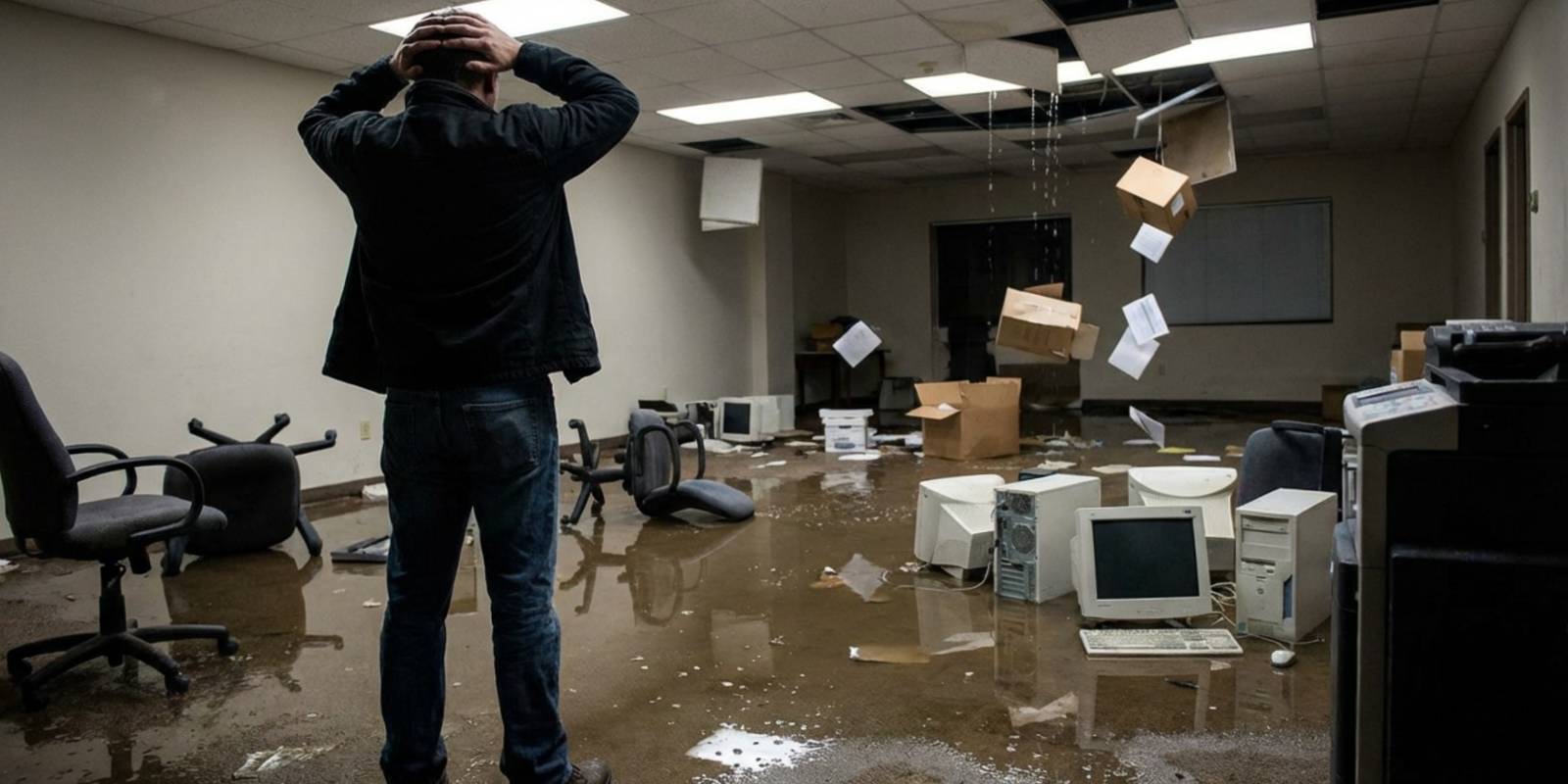

Have you ever submitted a water mitigation claim only to have it delayed because something small was missing, like moisture readings, photo documentation, or daily logs?
When that happens, what should be a straightforward claim review can turn into days or even weeks of back-and-forth clarification between carriers, contractors, and property owners.
Incomplete documentation doesn’t just slow things down; it can create uncertainty around scope, costs, and even whether mitigation work will be fully approved.
At Restore-It, we work closely with adjusters, property owners, and tenants throughout the water mitigation process. We understand the information carriers need to evaluate a claim, so we provide thorough documentation from start to finish. Our goal is to create a clear record of the mitigation process that supports efficient claim review and reduces unnecessary delays.
In this article, you’ll learn:
- What documentation Restore-It provides during each phase of mitigation
- How adjusters use that documentation to evaluate claims
- What insurance carriers typically expect in claim files
- How our reporting process reduces delays and improves clarity
By the end, you’ll understand exactly how structured documentation supports faster, more accurate claim decisions.
Why Documentation Matters in Water Mitigation Claims
According to the Institute of Inspection, Cleaning, and Restoration Certification (IICRC S500 Standard), proper documentation is a key component of water damage restoration best practices, particularly for moisture monitoring and drying verification.
Documentation plays a critical role in the water mitigation claims process. Adjusters rely on accurate records to understand the extent of the damage, evaluate the work performed, and support informed claim decisions.
Without clear documentation, claim reviews can take longer, communication gaps may arise, and additional information may be needed before a claim can move forward. Thorough records help establish transparency between contractors, carriers, property owners, and tenants throughout the mitigation process.
Proper documentation supports:
- Claim validation
- Damage assessment
- Compliance with carrier requirements
- Clear communication among all parties
- More efficient claim resolution
When documentation is complete, organized, and readily available, adjusters can review claims with greater confidence and fewer delays.
What Insurance Carriers Expect in Water Mitigation Documentation
Insurance carriers generally expect documentation to be consistent, time-stamped, and verifiable throughout the entire mitigation process.
If you've ever reviewed a claim where key information was missing, you know how quickly the process can slow down.
Insurance carriers aren't simply looking for proof that work was completed; they're looking for documentation that tells the complete story of the loss from start to finish. Understanding what carriers typically expect can help explain why thorough reporting matters so much during mitigation.
Typical Carrier Expectations
|
Category |
What Carriers Expect |
Why It Matters |
|
Initial Documentation |
Photos, loss description, affected areas |
Establishes baseline condition |
|
Moisture Tracking |
Meter readings, moisture maps |
Confirms drying progress |
|
Equipment Logs |
Type, quantity, placement, duration |
Validates mitigation effort |
|
Daily Reporting |
Progress notes, updates, changes |
Ensures continuity of work |
|
Final Verification |
Dry standards met, clearance readings |
Confirms job completion |
When any of these components are missing, carriers often request supplemental documentation, which can delay claim resolution.
Documentation Restore-It Provides on Water Mitigation Claims
To help adjusters review claims efficiently, Restore-It provides documentation throughout the mitigation process that answers key questions about the loss, the work performed, and the property's drying progress.
|
Mitigation Phase |
Documentation Provided |
|
Initial Response |
Photos, assessments, emergency service notes |
|
Active Drying |
Moisture readings, moisture maps, daily reports |
|
Equipment Monitoring |
Equipment logs and adjustments |
|
Project Completion |
Final readings, drying verification, completion reports |
What Was the Initial Condition of the Property?
Restore-It documents the initial condition of the loss through:
- Initial damage assessments
- Cause-of-loss observations
- Affected area documentation
- Emergency service notes
- Before-mitigation photographs
These records establish the starting point of the claim and help verify the extent of the documented damage.
How Was the Damage Monitored Throughout Mitigation?
Throughout the drying process, Restore-It provides:
- Moisture readings
- Moisture maps
- Daily progress reports
- Updated job-site photographs
This documentation tracks drying progress and records any changes observed during mitigation.
What Equipment Was Used?
Equipment logs document:
- Air movers
- Dehumidifiers
- Specialty drying equipment
- Equipment adjustments throughout the project
These records help verify the mitigation methods used during the drying process.
How Was Drying Confirmed?
At project completion, Restore-It provides:
- Final moisture readings
- Drying verification reports
- Completion documentation
These records demonstrate that drying goals were achieved before mitigation services concluded.
How Are Costs and Scope Supported?
When applicable, Restore-It may also provide:
- Xactimate estimates
- Scope documentation
- Supporting line-item information
This documentation helps support claim review and mitigation-related billing.
How Restore-It's Documentation Process Supports Adjusters
Comprehensive documentation helps adjusters review water mitigation claims with greater efficiency and confidence. Throughout the mitigation process, Restore-It provides consistent, organized reporting designed to support claim review and reduce unnecessary delays.
We understand that adjusters often manage multiple claims simultaneously while working within carrier guidelines and policy requirements. When documentation is organized and readily available, it becomes easier to verify conditions, understand the scope of work, and keep claims moving forward without unnecessary follow-up requests.
This documentation helps adjusters:
- Verify the scope of damage using documented observations, photos, and moisture data.
- Confirm mitigation was necessary based on the property's documented condition and drying requirements.
- Track drying progress through ongoing moisture monitoring and project updates.
- Reduce claim delays by minimizing requests for additional information.
- Improve communication among contractors, carriers, property owners, and tenants through clear reporting.
What sets Restore-It's documentation process apart is its focus on consistency and accessibility. Adjusters receive organized claim files, ongoing project updates, and documentation that is maintained throughout the mitigation process rather than assembled after the fact. This approach helps streamline communication, supports faster claim reviews, and provides a clear record of the work performed from start to finish.
Comprehensive documentation gives adjusters a clear record of what happened, what was done, and why the work was necessary.
Water Mitigation Claim Documentation: What Adjusters Need to Know
Accurate documentation helps adjusters evaluate claims more efficiently, make informed decisions, and reduce unnecessary delays.
Throughout the mitigation process, Restore-It provides the documentation needed to create a clear record of the loss, the work performed, and the property's drying progress. From moisture readings and equipment logs to daily reports and final drying verification, these records help create transparency and support informed claim decisions.
If you'd like a better understanding of mitigation documentation when reviewing claims, it helps to understand how mitigation and restoration differ in scope and timing. These phases directly impact how work is categorized, billed, and ultimately documented for insurance purposes.
Your next step is to read our article below to better understand how each phase connects to the documentation you'll see in a claim file and how those distinctions affect the claims process.

Whether you're reviewing a current claim or preparing for future losses, having access to organized documentation can help make the claims process smoother for everyone involved.
If you have questions about documentation on an active mitigation project or need additional information regarding a claim, our team is here to help.