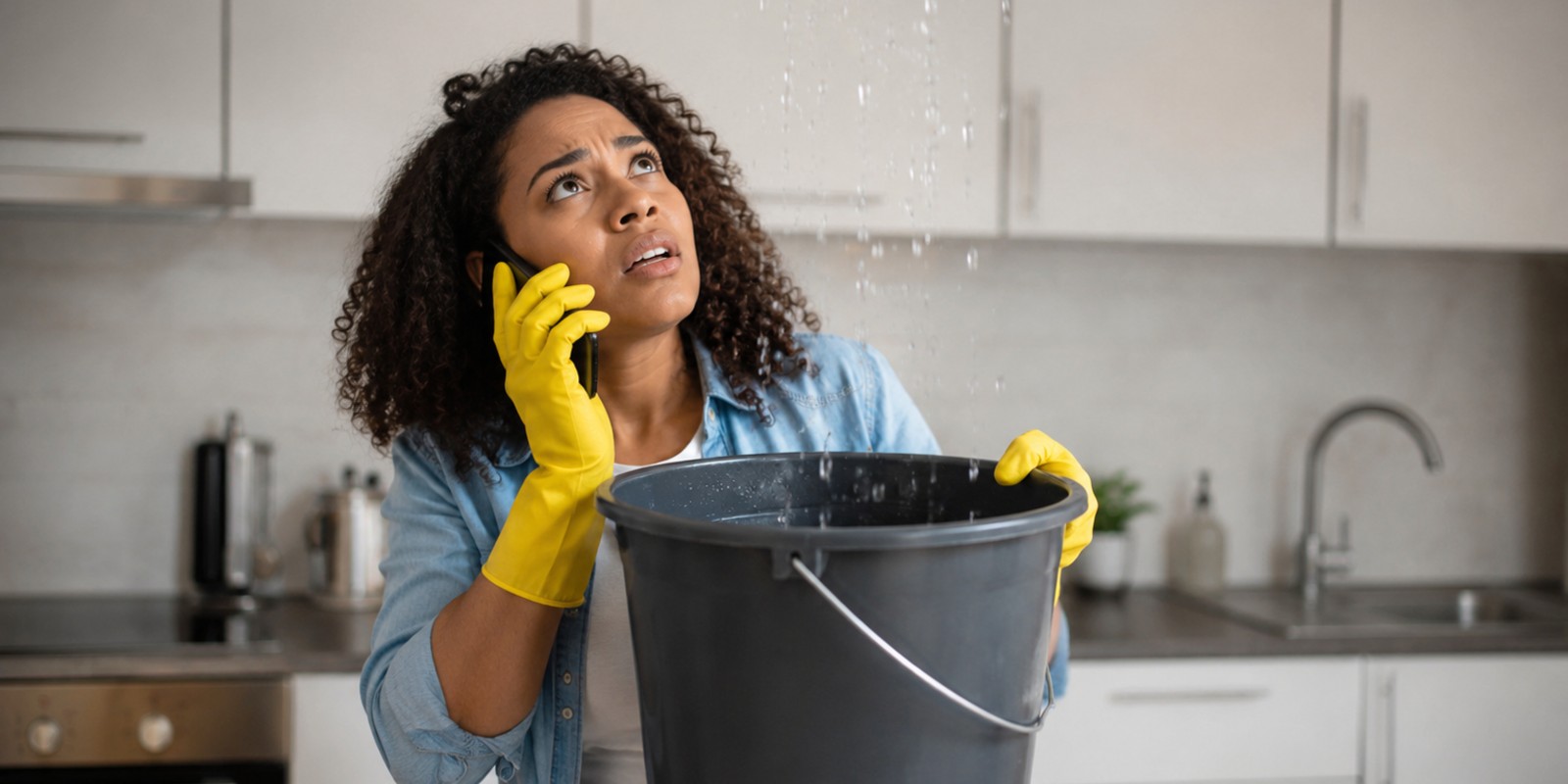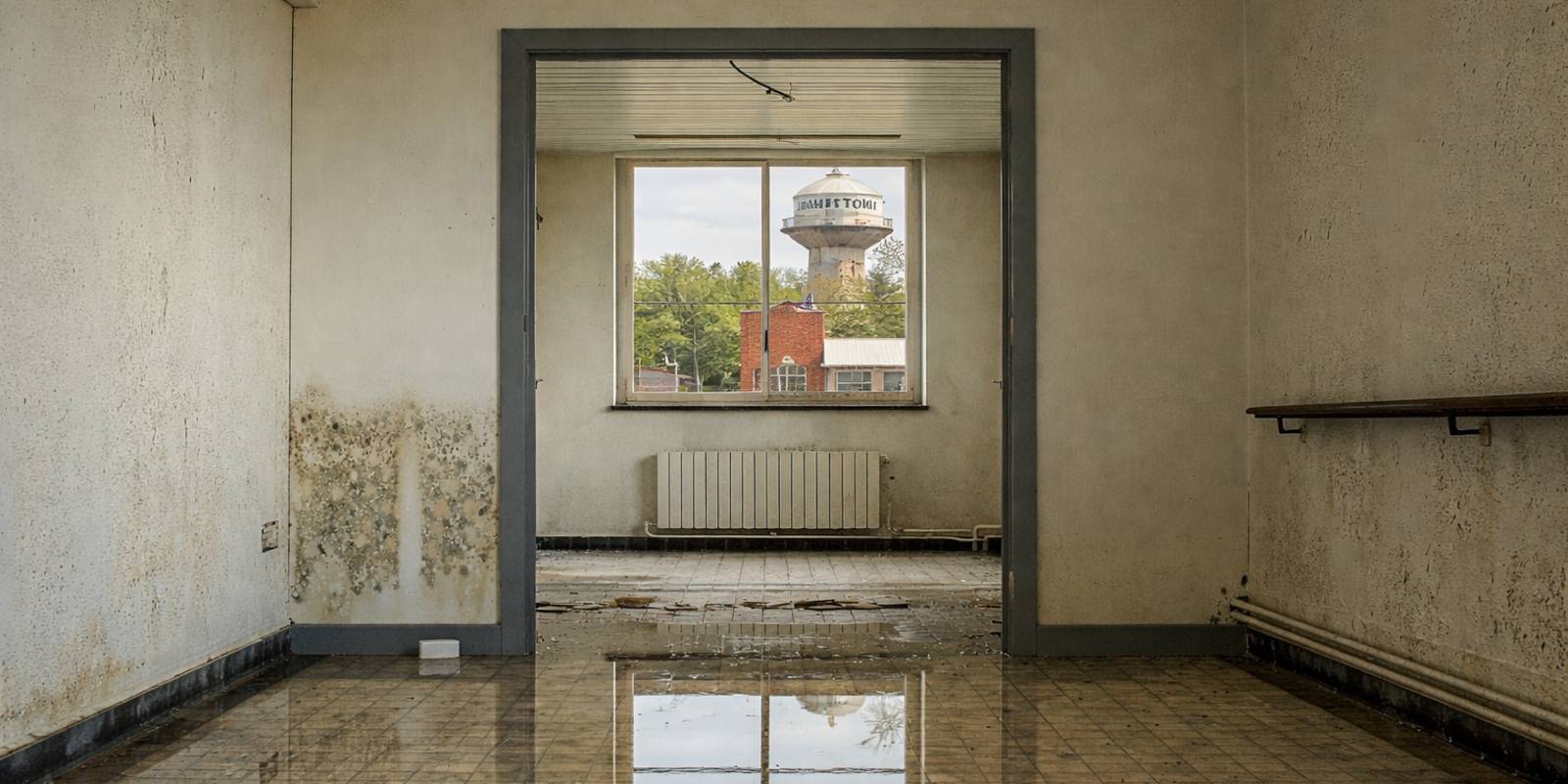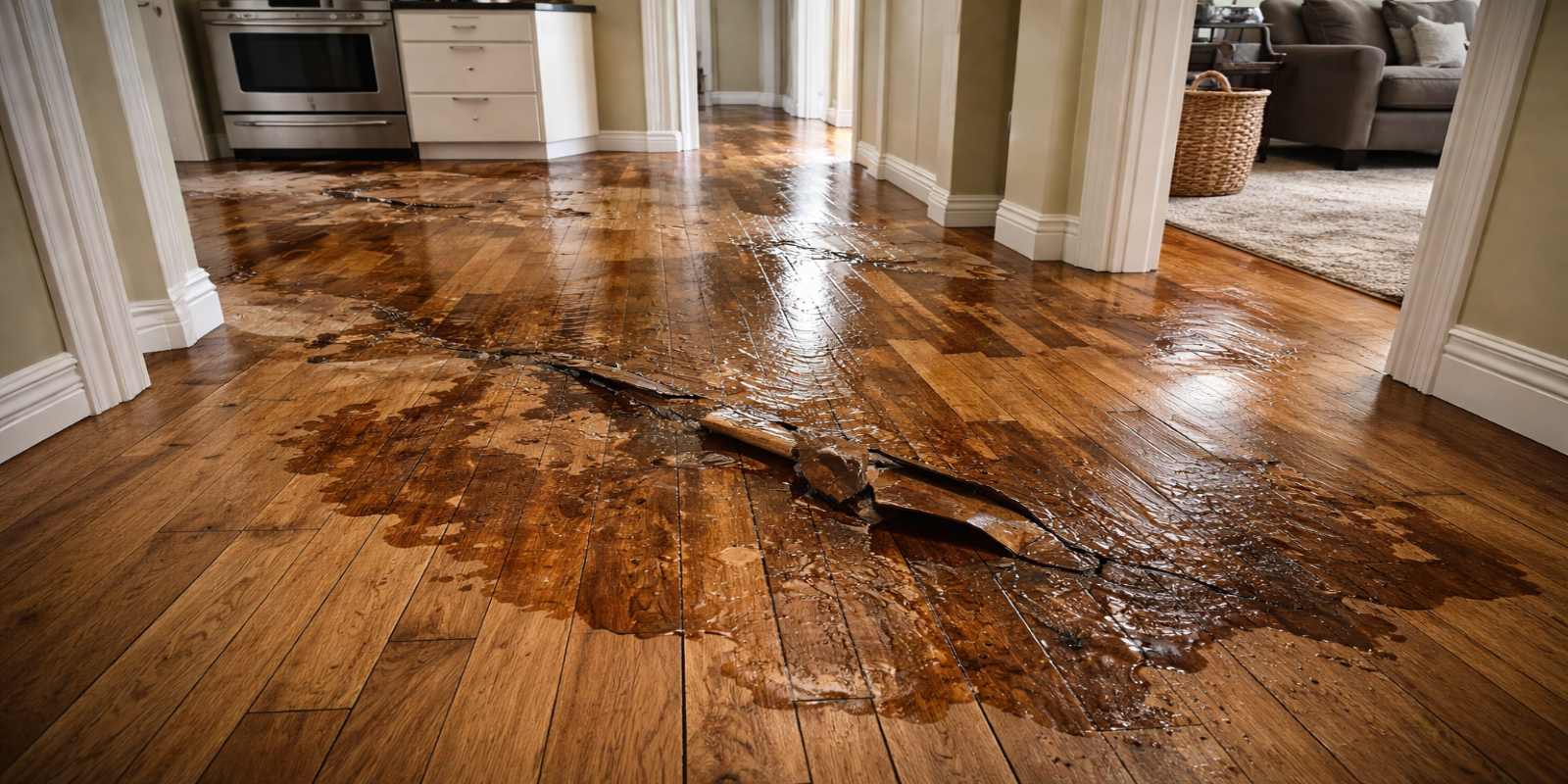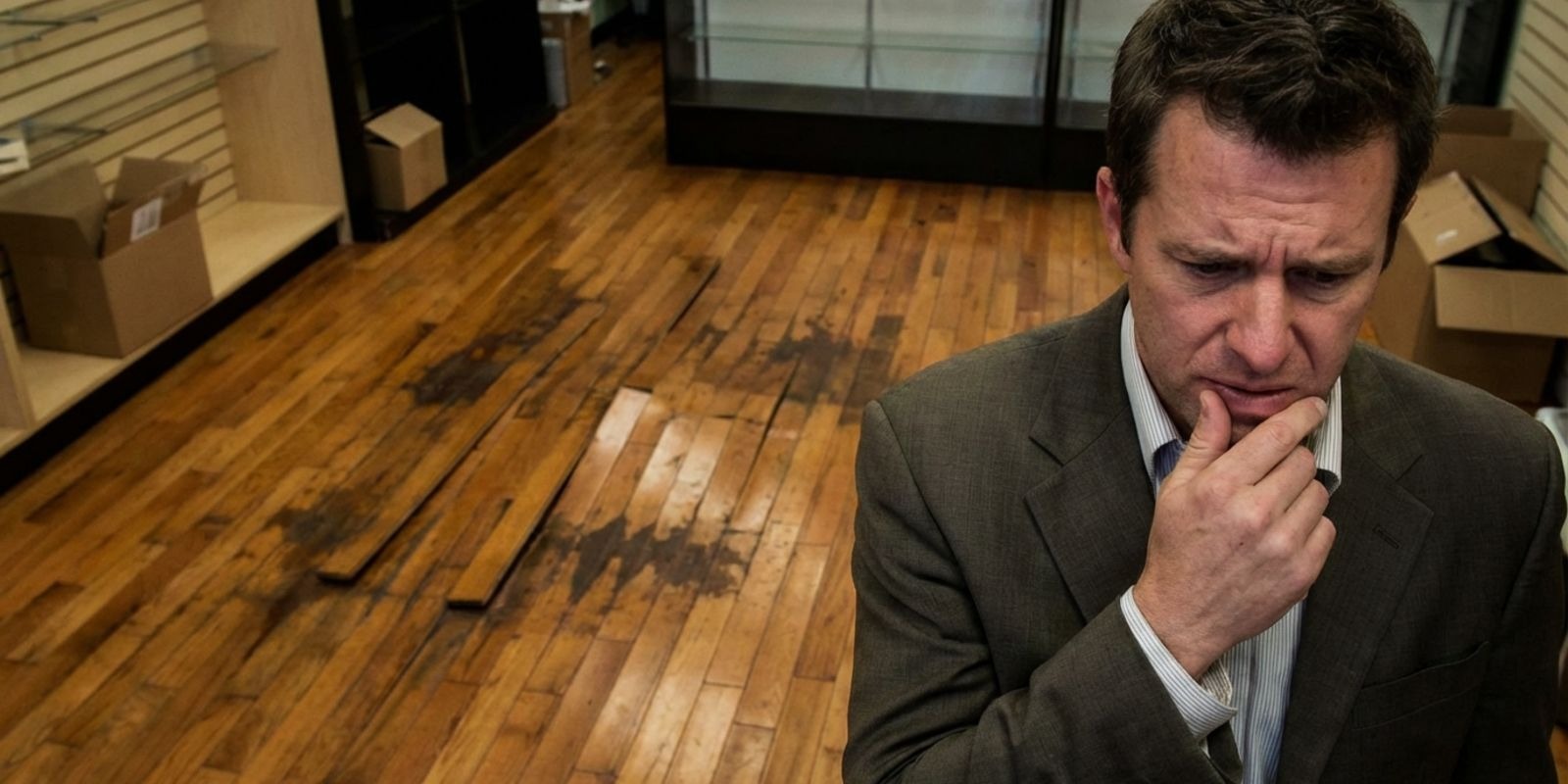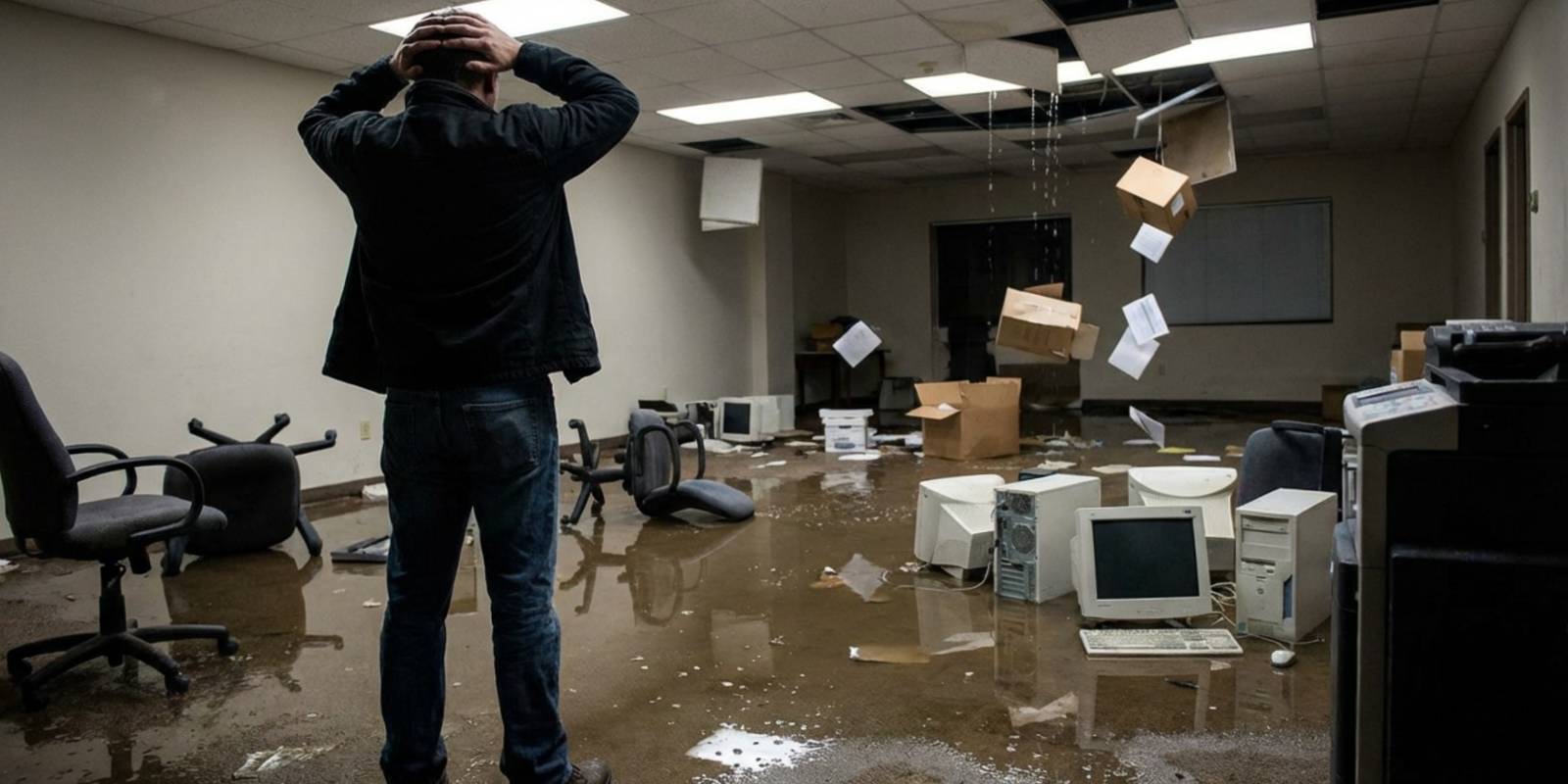

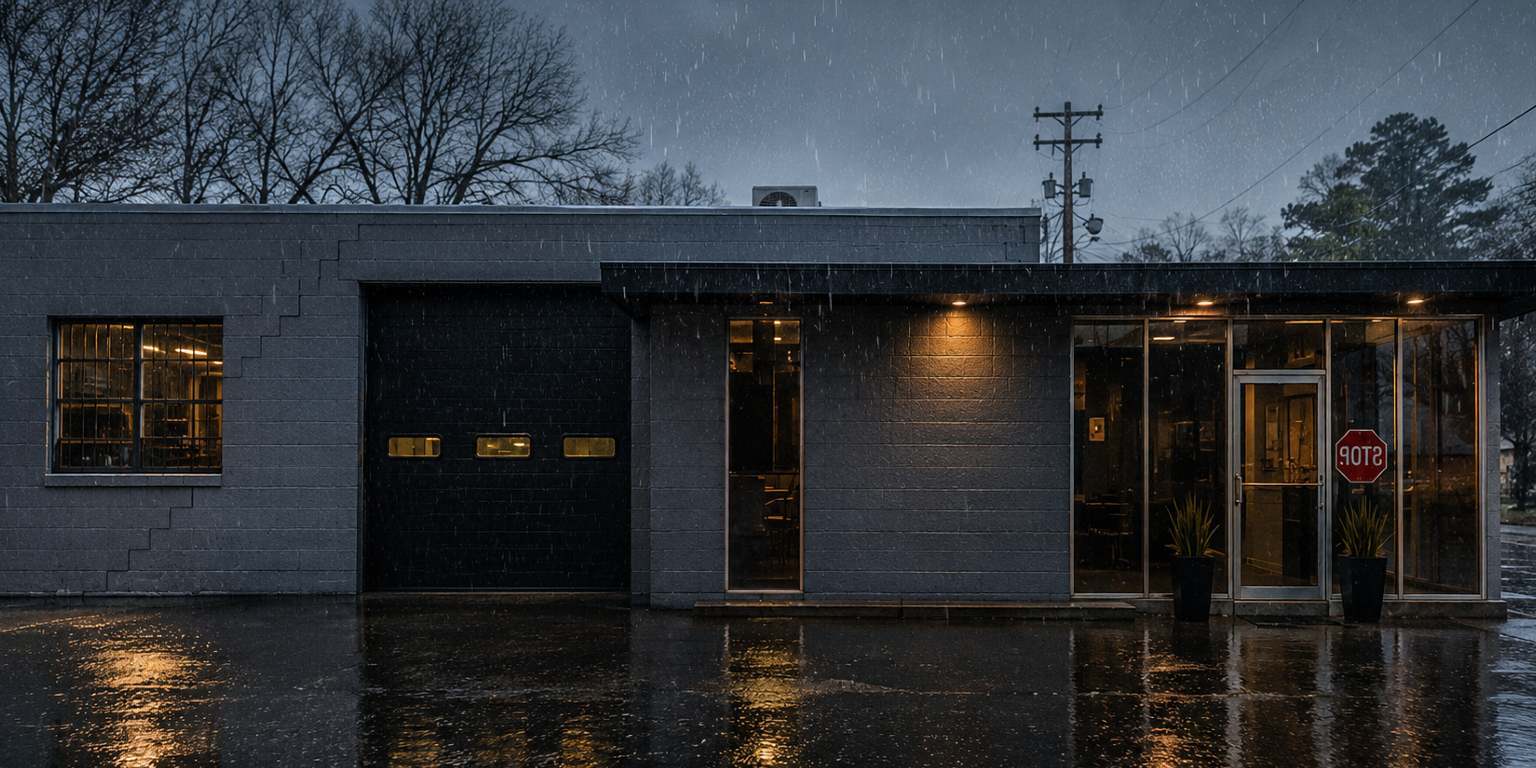
After a heavy storm rolls through South Arkansas, the last thing you expect when you open your front door is that damp, musty smell sitting in the air.
Whether you are in El Dorado, Magnolia, or nearby areas like Camden, homes in the South face a common challenge: heavy rain combined with humidity and aging home structures creates the perfect setup for hidden moisture problems.
At first, that smell might not seem like a big deal. Many homeowners assume it will fade on its own once things dry out.
But in reality, a musty odor after rain is often one of the earliest warning signs that moisture has entered your home and is trapped somewhere it should not be.
At Restore-It, with over 14 years of experience, we have seen this pattern repeatedly. Homeowners notice the smell first, then later discover issues like hidden leaks, damp crawl spaces, wet insulation, or early mold growth that had been developing out of sight.
If you are noticing this after a storm, your home is likely trying to tell you something…
Today, we’ll talk about what that smell usually means, where it comes from, and what you should pay attention to next.
Why Does Your House Smell Musty After Heavy Rain?
A musty smell after heavy rain usually means moisture has entered your home and is being absorbed or trapped inside building materials. In humid climates like South Arkansas, rain quickly increases indoor moisture levels, especially in older or crawl-space homes.
Common causes include:
- Air leaks & poor sealing allow humid air inside
- Condensation forms on cooler surfaces after storms
- Moisture retention in drywall, carpet padding, and insulation
- Hidden damp zones (crawl spaces, attics, HVAC systems)
|
Source |
What Happens |
|
Crawl space |
Ground moisture rises into the flooring |
|
Attic |
Humid air condenses on insulation |
|
Walls |
Moisture absorbed behind the drywall |
Even after the surfaces look dry, trapped moisture can continue to produce that “musty” odor.
7 Common Causes of Musty Smells After Rain in Arkansas Homes
1. Crawl Space Moisture (Very Common in South Arkansas)
Crawl spaces in El Dorado and the surrounding areas often trap humidity after storms.
This can lead to:
- Musty odors rising into living spaces
- Damp insulation
- Standing water or soggy soil
- Higher indoor humidity levels
In some cases, a wet crawlspace can even attract pests. According to the International Association of Certified Home Inspectors, damp crawl spaces are highly vulnerable to moisture intrusion, microbial growth, and long-term structural issues.
If moisture problems continue after storms, you may want to explore crawl space solutions like:

2. Roof Leaks After Heavy Rain
Storms in Arkansas often reveal weak spots in the roofing.
Common signs include:
- Ceiling stains
- Wet attic insulation
- Peeling paint
- Odor stronger upstairs
In many cases, the water dries before visible damage appears, leaving only a lingering musty smell behind. Over time, hidden moisture can contribute to mold growth, wood deterioration, and indoor air quality issues if left untreated.
3. Hidden Mold Growth
The Environmental Protection Agency (EPA) notes that mold can begin forming within 24 to 48 hours when moisture is present.
It commonly grows on:
- Drywall
- Wood framing
- Carpet padding
- HVAC ducts
If the musty smell keeps returning after every rainstorm, hidden mold becomes much more likely.
Mold problems often start in areas with poor airflow or lingering moisture, such as crawl spaces, attics, and basements. Over time, spores can spread through the air, affecting indoor air quality throughout the home.
4. Wet Carpet or Flooring Padding
Rainwater can quietly enter the home through small openings that are easy to overlook, especially during strong storms, including:
- Door thresholds
- Window leaks
- Foundation cracks
Visible surfaces may dry, but underlying padding can remain wet for days. According to NC State Extension, saturated padding is difficult to dry and often requires replacement if moisture persists. They also warn that mold and fungi can develop within 24 hours on untreated wet carpeting.
This often leads to:
- Musty odors after storms
- Discoloration over time
- Carpet that never fully dries
6. Poor Ventilation in The Home
After storms, closed windows and heavy humidity trap air inside.
Problem areas include:
- Bathrooms without exhaust fans
- Laundry rooms
- Closed bedrooms
- Older HVAC systems
When humid air cannot circulate properly, musty smells may settle into furniture, carpets, and vents throughout the home.
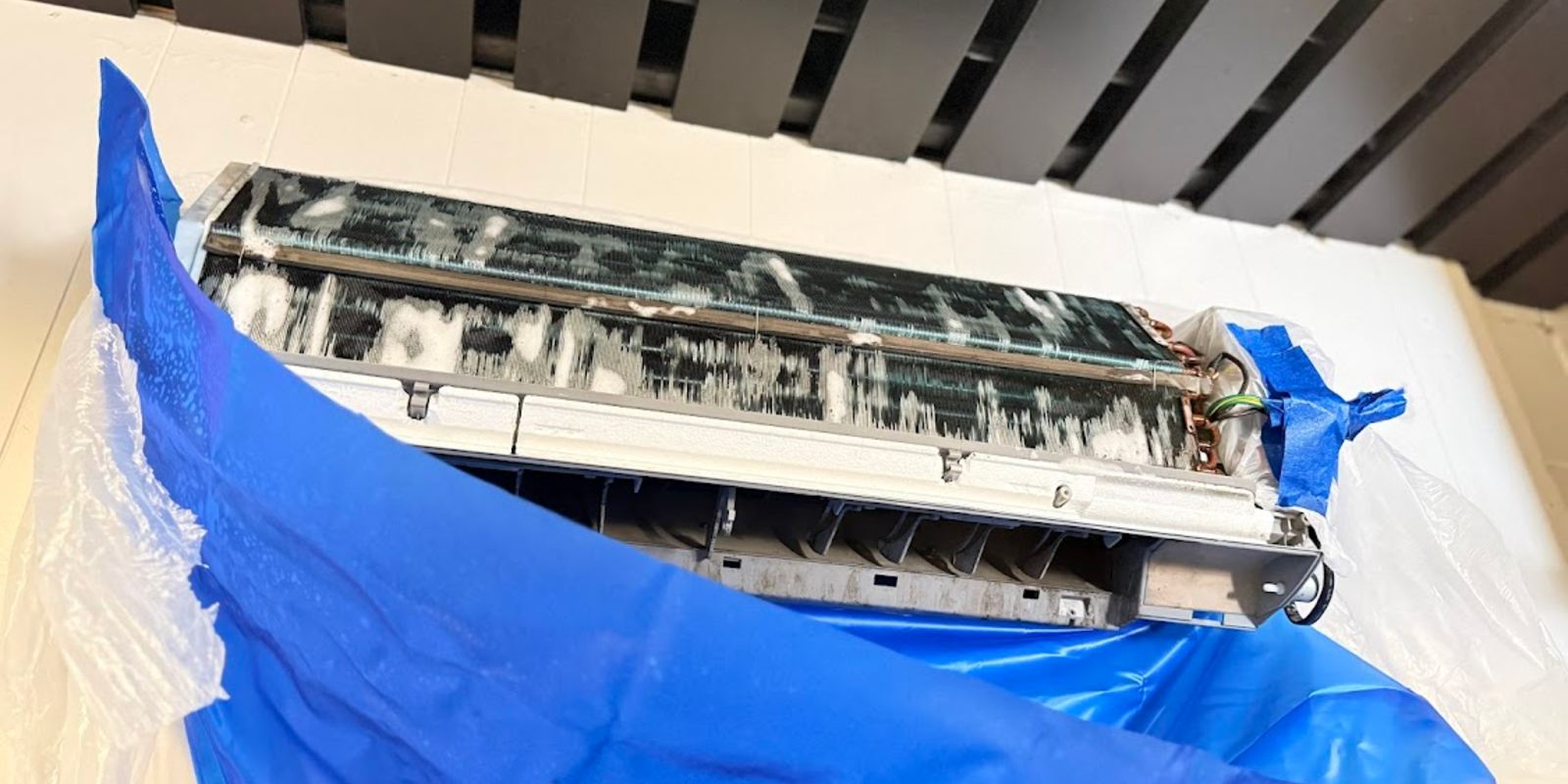
6. HVAC or Air Duct Moisture
If your HVAC system has moisture buildup, it can spread odors throughout your home.
You may notice:
- Smell when the AC turns on
- Odor near vents
- Worse smell during humid weather
Condensation, clogged drain lines, and dirty ductwork can all trap moisture inside the system. Over time, this can allow mold and mildew to grow around HVAC components or inside air ducts.
7. Window and Door Leaks
Heavy rain and strong winds can push water through small gaps around windows and doors.
Look for:
- Warped trim
- Bubbling paint
- Soft drywall near windows
- Musty smells in one area of the home
Even small leaks can trap moisture behind walls and lead to lingering odors or water damage over time.
When Musty Smells Become a Serious Warning
Not every smell means major damage, but recurring odors should not be ignored.
Warning Signs Table
|
Sign |
What It May Indicate |
|
Smell returns after rain |
Ongoing moisture intrusion |
|
Odor lasts multiple days |
Materials staying wet |
|
Visible stains or spots |
Possible mold growth |
|
Allergy flare-ups indoors |
Air quality issues |
|
Soft drywall or flooring |
Hidden water damage |
If you notice several of these warning signs together, it may be time to schedule a professional moisture or mold inspection before the problem spreads further through the home.

How Do I Find the Source of the Smell?
Start by checking the areas where moisture tends to collect after heavy rain.
Check These Areas First
- Crawl space
- Attic
- Around windows and doors
- Under sinks
- Near the HVAC system
- Baseboards and corners of rooms
Simple Checks You Can Do
- Look for discoloration or stains
- Feel for soft or damp materials
- Check humidity levels (ideal is 30 to 50 percent)
- Identify where smell is strongest
Have you noticed signs of moisture or water damage? Learn more about what to do next in this guide:
 Can a Musty Smell Mean Mold?
Yes, but not always.
A musty smell simply means moisture is present. If it stays trapped, mold becomes more likely.
Mold odors are often described as:
- Earthy
- Damp
- “Stale basement” smell
According to the EPA, mold growth should be addressed quickly because prolonged exposure may impact indoor air quality and health.
If you think mold’s already growing in your home, check this guide to safeguard your property and health from further risks:

What to Do If Your House Smells Musty After Rain
Taking quick action can prevent bigger restoration problems.
Recommended Steps
- Run dehumidifiers to reduce moisture
- Improve airflow throughout the home
- Inspect the roof, windows, and doors after storms
- Clean gutters and downspouts
- Dry wet materials within 24 to 48 hours
- Schedule a professional inspection if the smell returns
When to Call a Restoration Professional in Arkansas
If a musty smell keeps returning after storms, it may indicate hidden water damage rather than a surface issue. In these cases, professional moisture detection can help locate problems behind walls, under flooring, or in crawl spaces where moisture often goes unnoticed.
A musty odor after heavy rain is more than an inconvenience. It is often an early warning sign of moisture intrusion that can lead to mold growth, structural damage, and costly repairs if ignored.
At Restore-It, we help South Arkansas homeowners identify the source of hidden moisture and prevent further damage through timely restoration.
The most important step is acting quickly, finding the source, and fully drying affected areas before the problem spreads.
If you are noticing recurring odors after storms and cannot identify the cause, the next step is choosing the right help. Learn what to look for in a qualified provider in our guide: