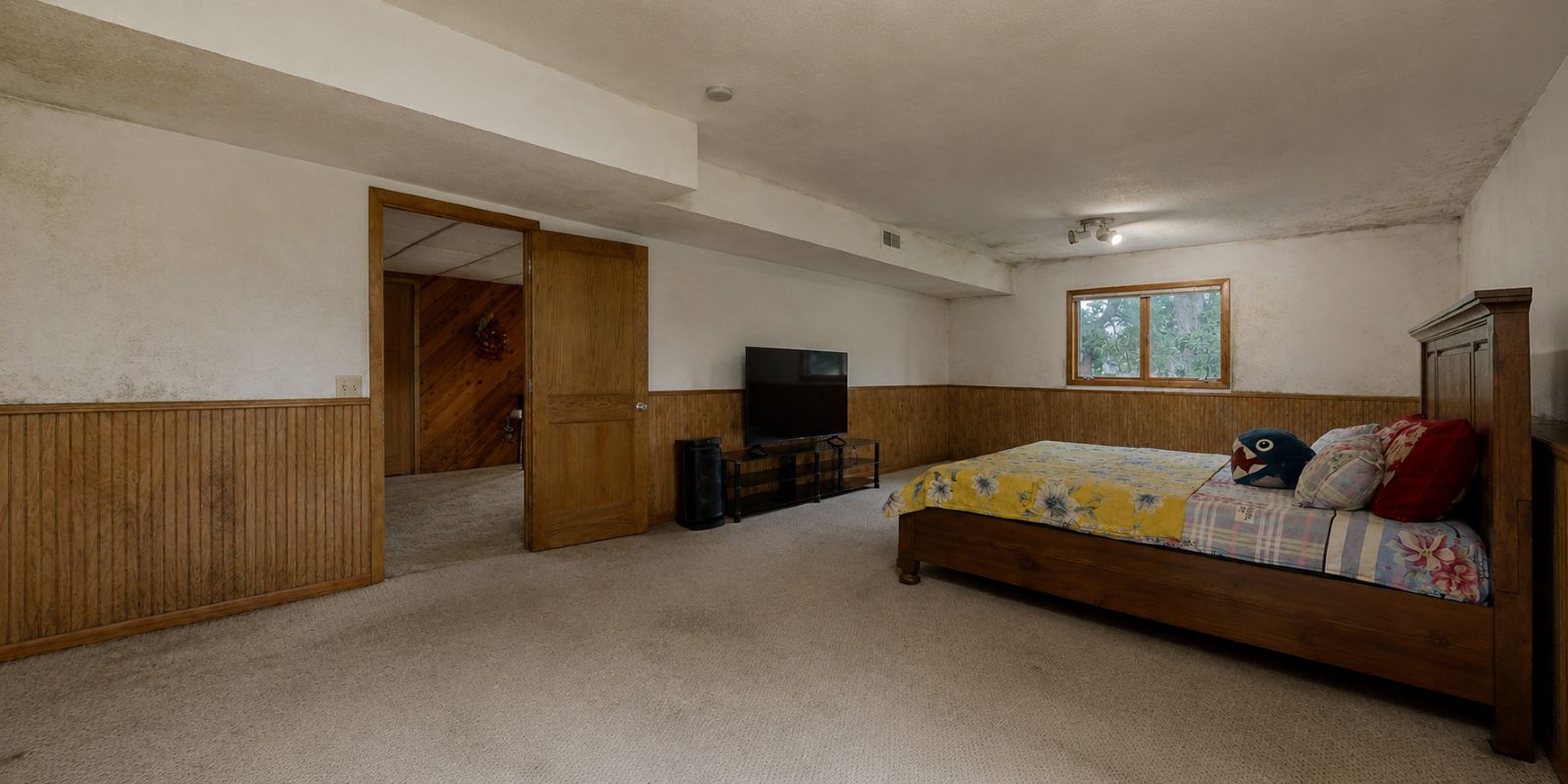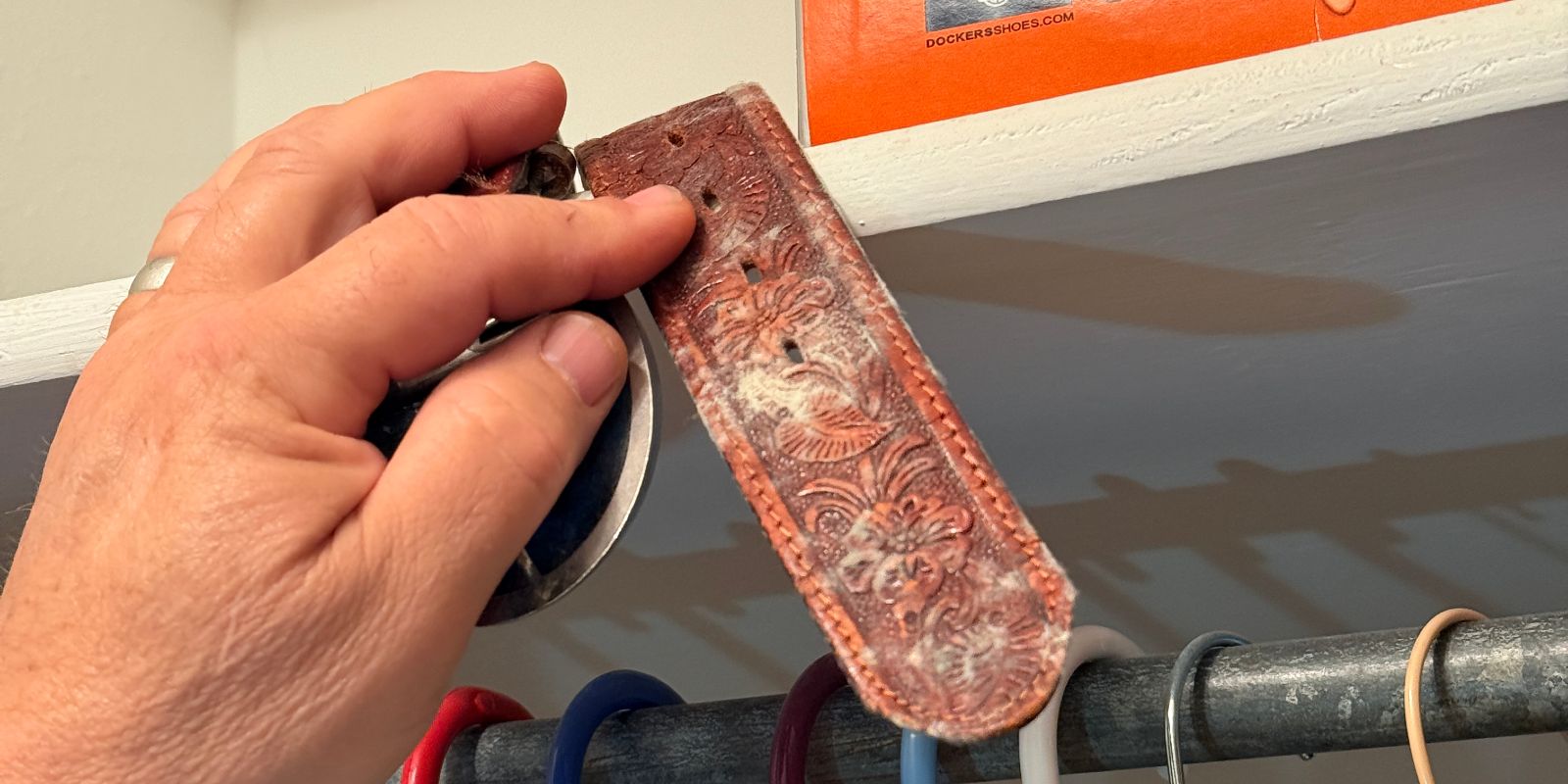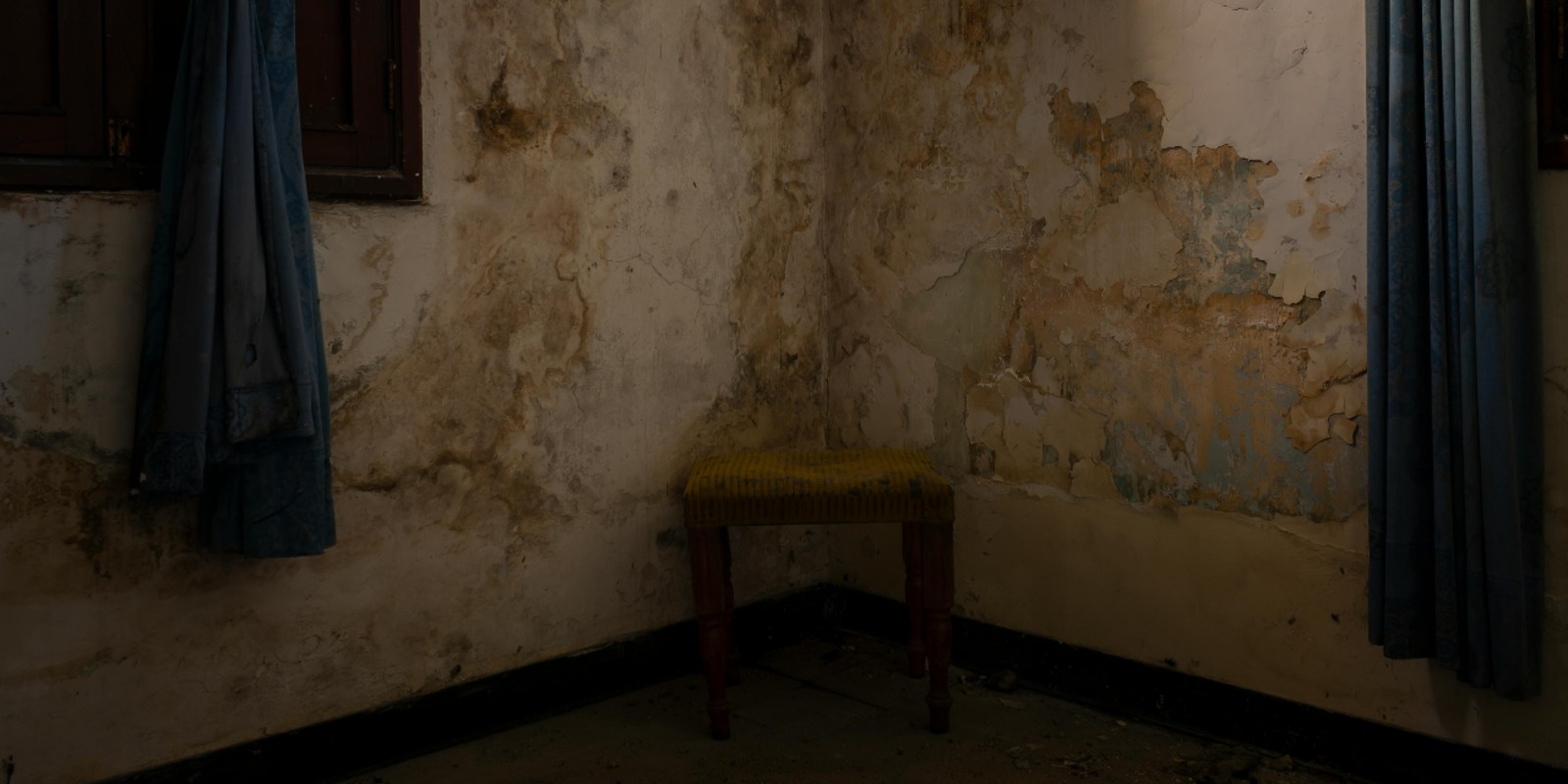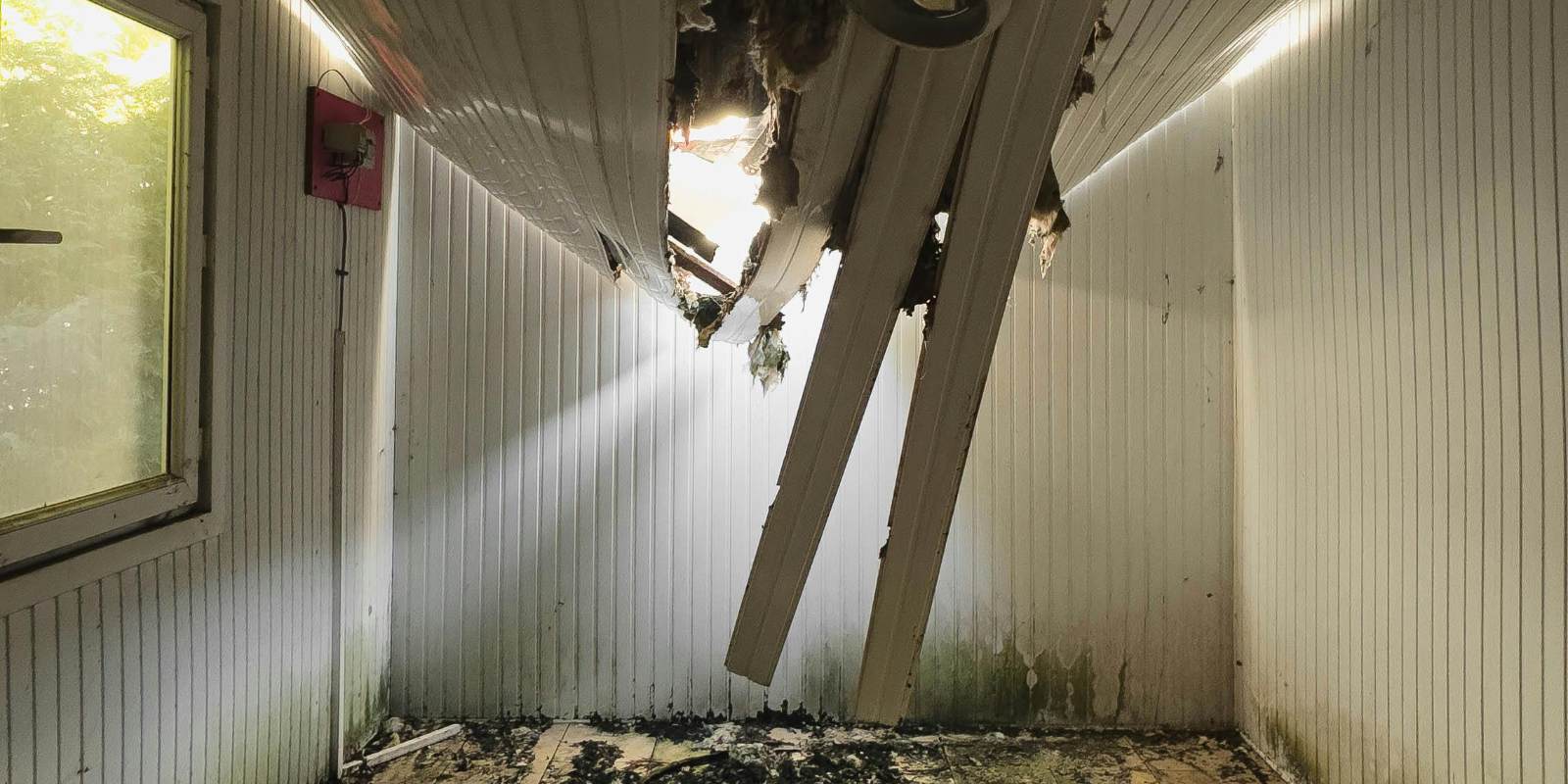

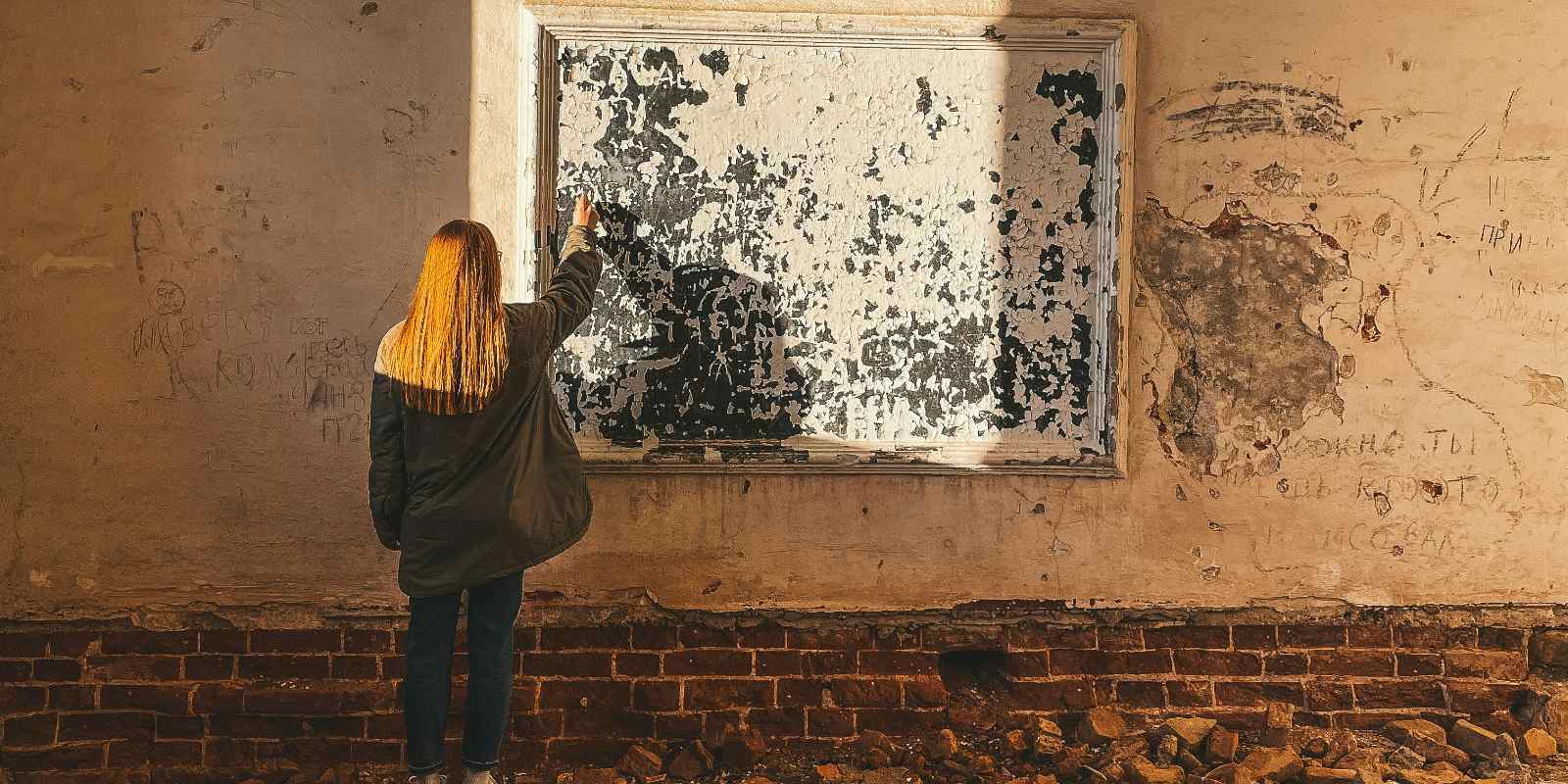
You notice a few dark spots on your ceiling.
At first, you ignore them.
But then your brain kicks in:
- “Is that mold?”
- “Is this dangerous?”
- “Is it spreading behind the walls?”
- “How much is this going to cost me?”
As an IICRC-certified firm specializing in microbial growth, we see this exact situation all the time with homeowners in El Dorado.
And here’s the truth most people don’t realize:
- Not all black spots are mold.
Some are harmless. Some are early warning signs. And a few? Yeah… those need attention fast. The key is knowing the difference!
In this guide, we’ll walk you through:
- What these black spots actually are
- How to tell if it’s mold (or not)
- When it’s serious
- And what you should do next
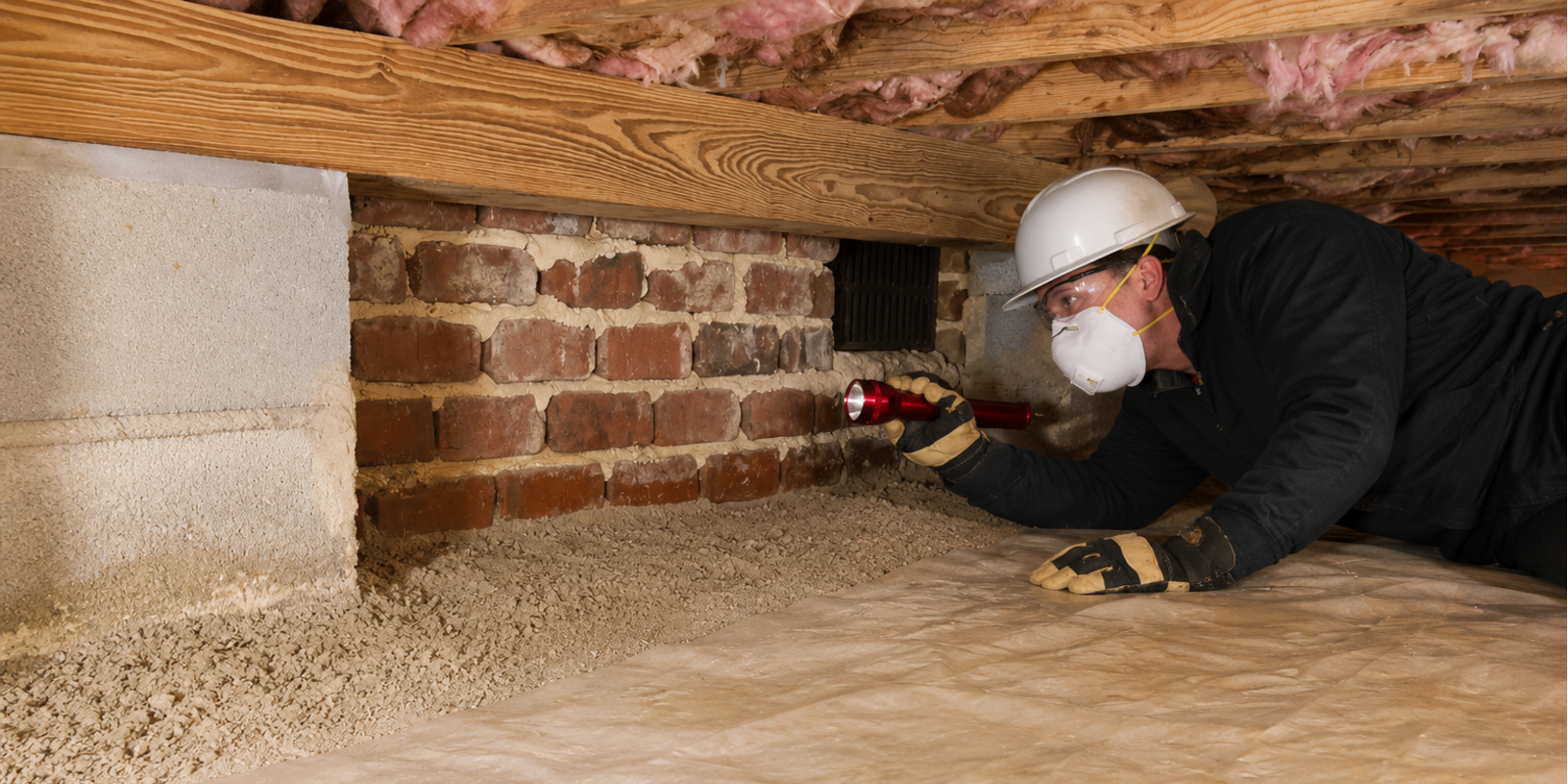
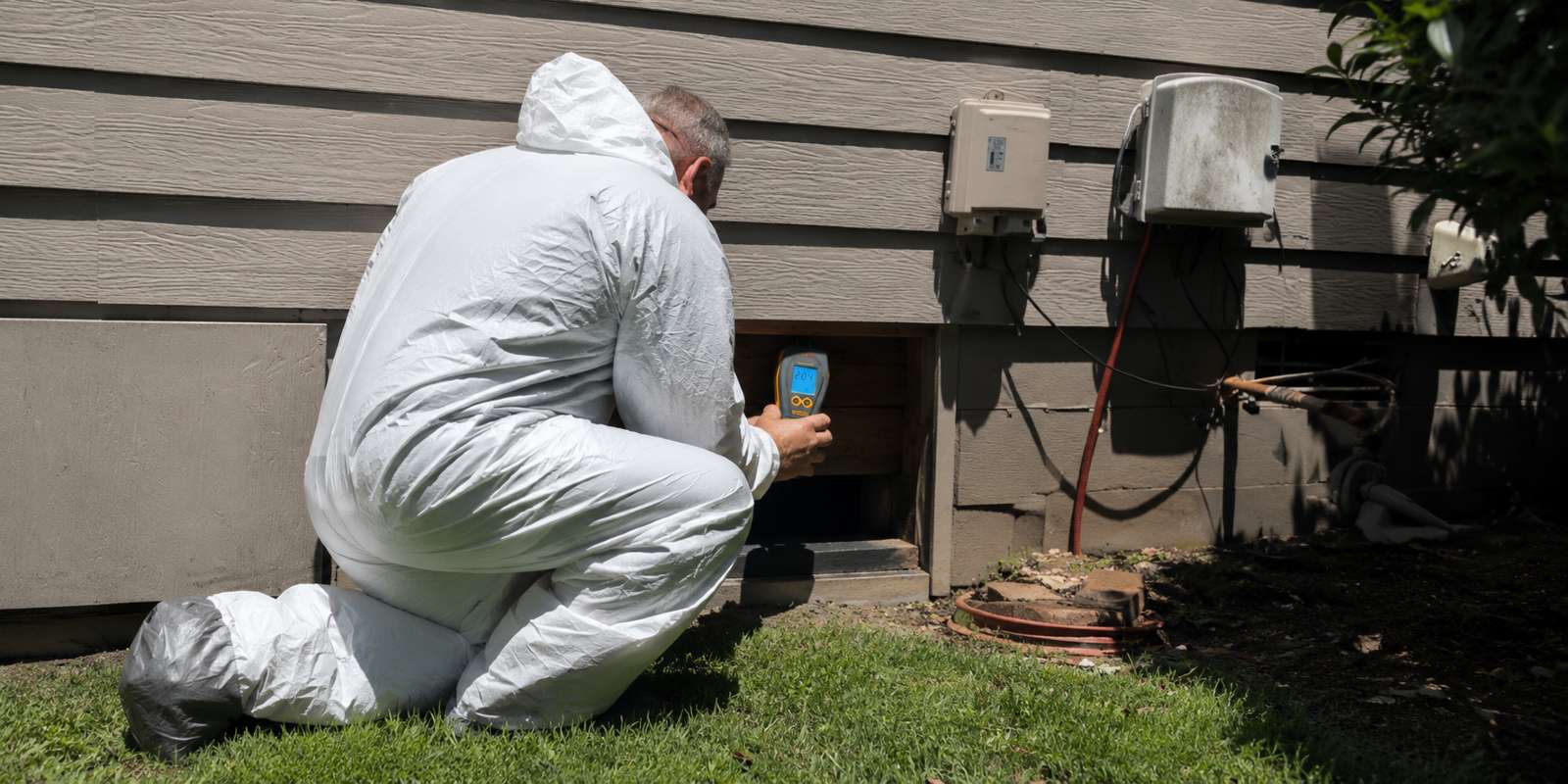
Still not sure what you’re looking at? The fastest way to get a clear answer is a professional inspection, before the problem spreads. Call Restore-It Today!
What Causes Black Spots on Walls and Ceilings?
When people see black spots, they often assume the worst.
But in South Arkansas homes, most are caused by dust or moisture, not mold.
Here’s a breakdown from most to least common:
|
Cause |
How It Looks |
Where It’s Common |
Key Traits |
Risk Level |
|
Dirt & Dust Buildup (Most Common) |
Dark, dry patches |
Around vents, ceiling fans, and corners |
Easy to wipe away, powdery |
Low |
|
Water Stains from Leaks |
Blotchy, irregular dark stains |
Ceilings, around plumbing, near roofs |
Follows water paths, may include peeling paint or warped drywall |
Moderate (can lead to mold) |
|
Mold (Most Concerning Cause) |
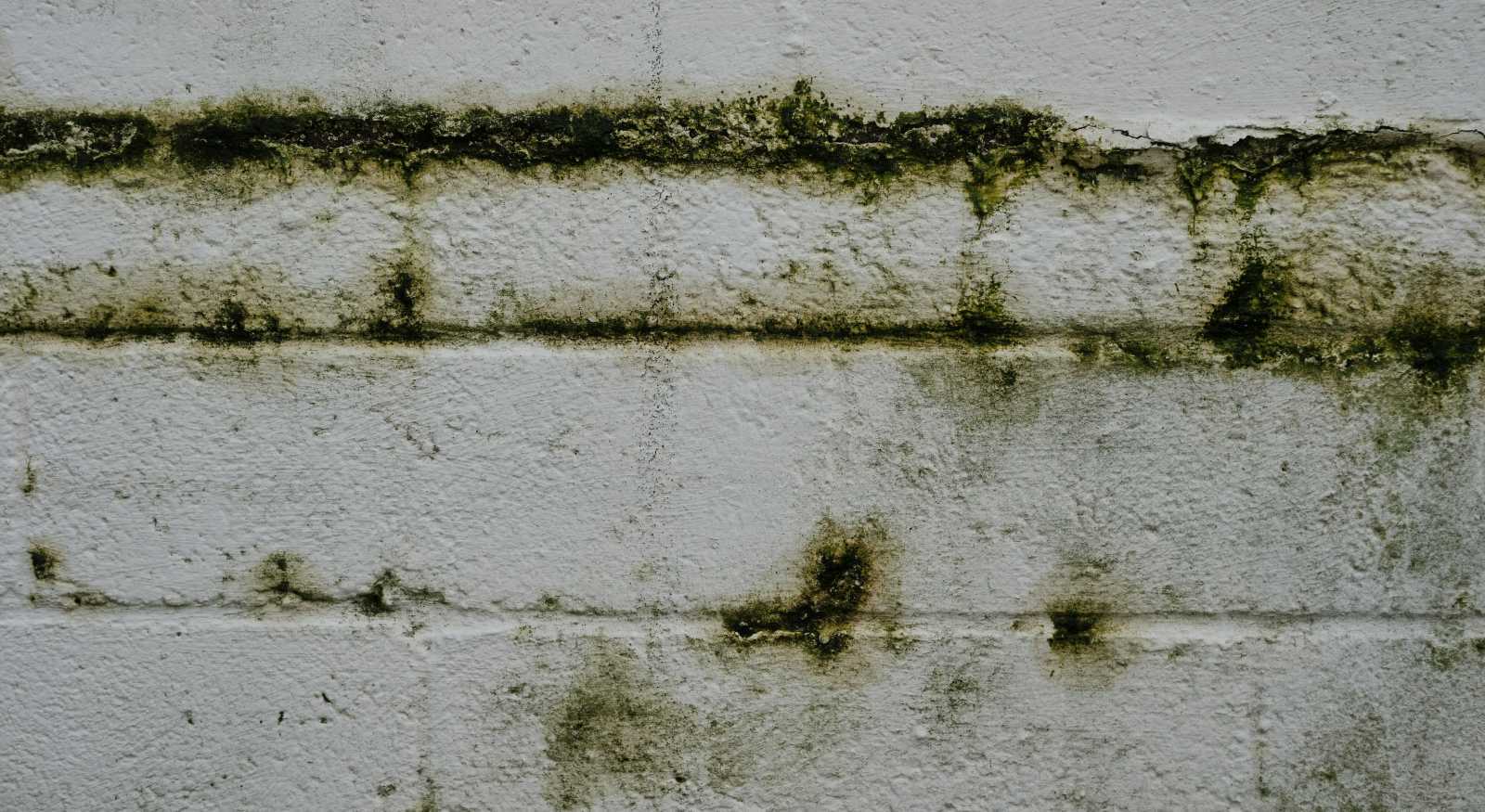
Black, green, or gray patches; fuzzy or slimy |
Bathrooms, kitchens, basements, near leaks |
Musty smell spreads over time |
High |
|
Smoke or Soot Residue |
Smudged or streak-like marks |
Above fireplaces, candles, vents |
Looks smeared, often in patterns |
Low |
|
Insect Droppings |
Small black specks or dots |
Ceilings, corners, near light fixtures |
Scattered, pinpoint-sized spots |
Low |
|
Nail Pops & Surface Imperfections (Least Common) |
Small, raised dark spots |
Drywall seams or ceilings |
Slight bumps that collect dust |
Low |
What this means for you:
- The spot is dry and wipes away easily → it's probably dust, not mold
- You’re seeing water stains or moisture → mold may develop
Water issues are one of the biggest causes of mold problems. See what happens in the first 24 hours after water damage, and how mold can follow:

How to Tell If Black Spots Are Mold
Correct identification matters because each issue needs a very different response.
|
Factor |
Mold |
Other Causes (Dust, Dirt, Water Stains) |
|
Appearance |
Fuzzy, slimy, or textured |
Flat, powdery, or blotchy |
|
Smell |
Musty, earthy odor |
Typically no noticeable smell |
|
Time |
Spreads or worsens over time |
Usually stays the same |
|
Location |
Damp, humid areas |
Dust: near vents/fans, Water: near leaks |
Ask yourself this:
- Is the spot growing?
- Does it smell musty?
- Does it come back after cleaning?
If the answer is yes, there’s a strong chance it’s mold.
At this point, guessing can cost you. The fastest way to know for sure is to call for a professional inspection.

Are Black Spots Always Dangerous?
Not necessarily, but some can signal a bigger issue.
Here’s how to think about risk:
- Low concern: dust, soot, minor stains
- Moderate concern: small, isolated mold patches
- High concern: spreading mold, strong odors, or hidden moisture
Many people assume “black mold” is always toxic, but:
- Not all black-colored mold is harmful
- Not all harmful mold is black
However… If mold is present, it can:
- Affect indoor air quality
- Trigger allergies or respiratory issues
- Lead to costly damage over time
Minor issues may cost very little to fix, but if mold spreads behind walls, repairs can quickly reach $2,000 to $10,000+, depending on the damage. Find out what this actually costs:

Understanding Mold Colors
Different types of mold thrive in damp environments, and the same home can have multiple species at once. Here’s what you should know:
|
Mold Color |
Where It’s Common |
What It Looks Like |
What It Means |
Risk Level |
|
Black (Stachybotrys chartarum) |
Wet drywall, ceiling tiles, wood |
Dark greenish-black, often slimy |
Grows in consistently damp areas; may produce mycotoxins (but not always toxic) |
Moderate–High |
|
Green |
Food, painted surfaces, humid areas |
Green patches, can be fuzzy |
Common indoor mold; often linked to humidity and poor ventilation |
Moderate |
|
White |
Wood, fabrics, crawl spaces |
Powdery or chalky white growth |
Early-stage mold or hidden moisture problem |
Moderate |
|
Brown / Orange |
Damp wood, paper, insulation |
Rust-colored or orange spots |
Indicates long-term moisture exposure |
Moderate |
|
Pink / Red |
Bathrooms, shower curtains, tiles |
Pink or reddish film or spots |
Often bacteria (not true mold), but still caused by excess moisture |
Low–Moderate |
Color alone doesn’t determine how dangerous mold is.

Even light-colored mold can irritate or signal a deeper moisture problem.
Mold spores can cause health issues, but some molds can produce a harmful toxin far more dangerous. Learn the difference between mold spores and mycotoxins, and why it matters:

Mold vs. Mildew: What’s the Difference?
This is one of the most common points of confusion.
Mildew:
- Flat and powdery
- Usually light-colored
- Grows on surfaces (like shower walls)
- Easier to clean
Mold:
- Fuzzy or slimy
- Can grow beneath surfaces
- Spreads more aggressively
- More likely to impact air quality
What this means:
- It’s surface-level and easy to clean → mildew
- It’s spreading or embedded → mold
When Black Spots Become a Serious Problem
Not every spot requires professional help, but some do.
Watch for:
- Areas larger than ~10 sq ft
- Spots that keep coming back
- Musty odors
- Known leaks or water damage
- Health symptoms
If you’re seeing these signs, don’t wait. Mold problems rarely stay small. Schedule an inspection before the problem spreads.
What Should You Do If You Find Black Spots?
Your next step depends on what you’re dealing with.
You may be able to handle it yourself if:
- The area is small (under ~10 sq ft)
- There’s no strong odor
- It doesn’t return after cleaning
But here’s the part most homeowners miss:
Cleaning visible mold without fixing the moisture problem often makes it come back, sometimes worse. See the pros and cons of DIY vs professional mold removal:

Call a Professional for Mold Remediation If:
- The area is large or spreading
- It keeps returning
- You smell mold, but can’t find it
- It’s tied to water damage
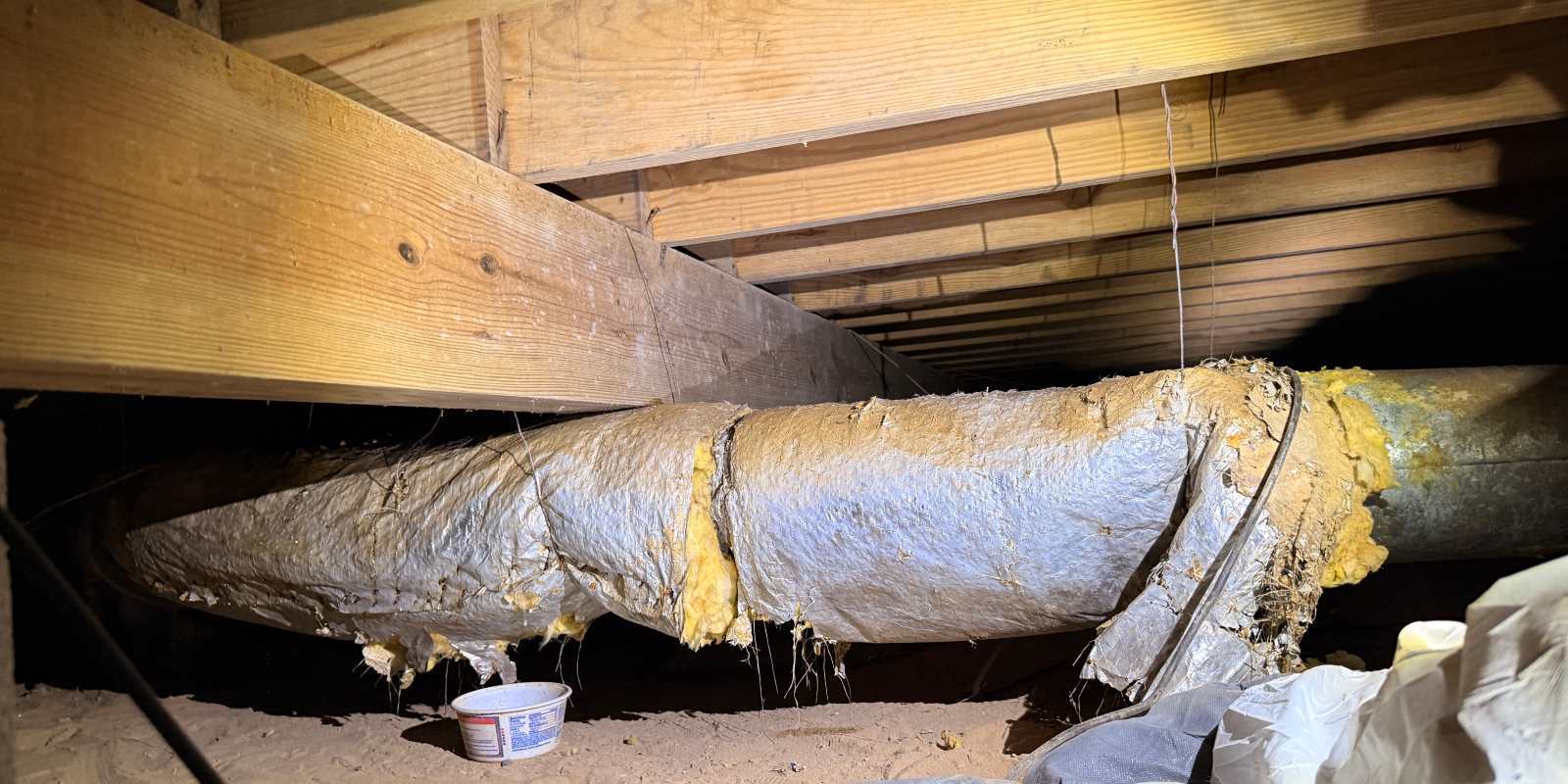
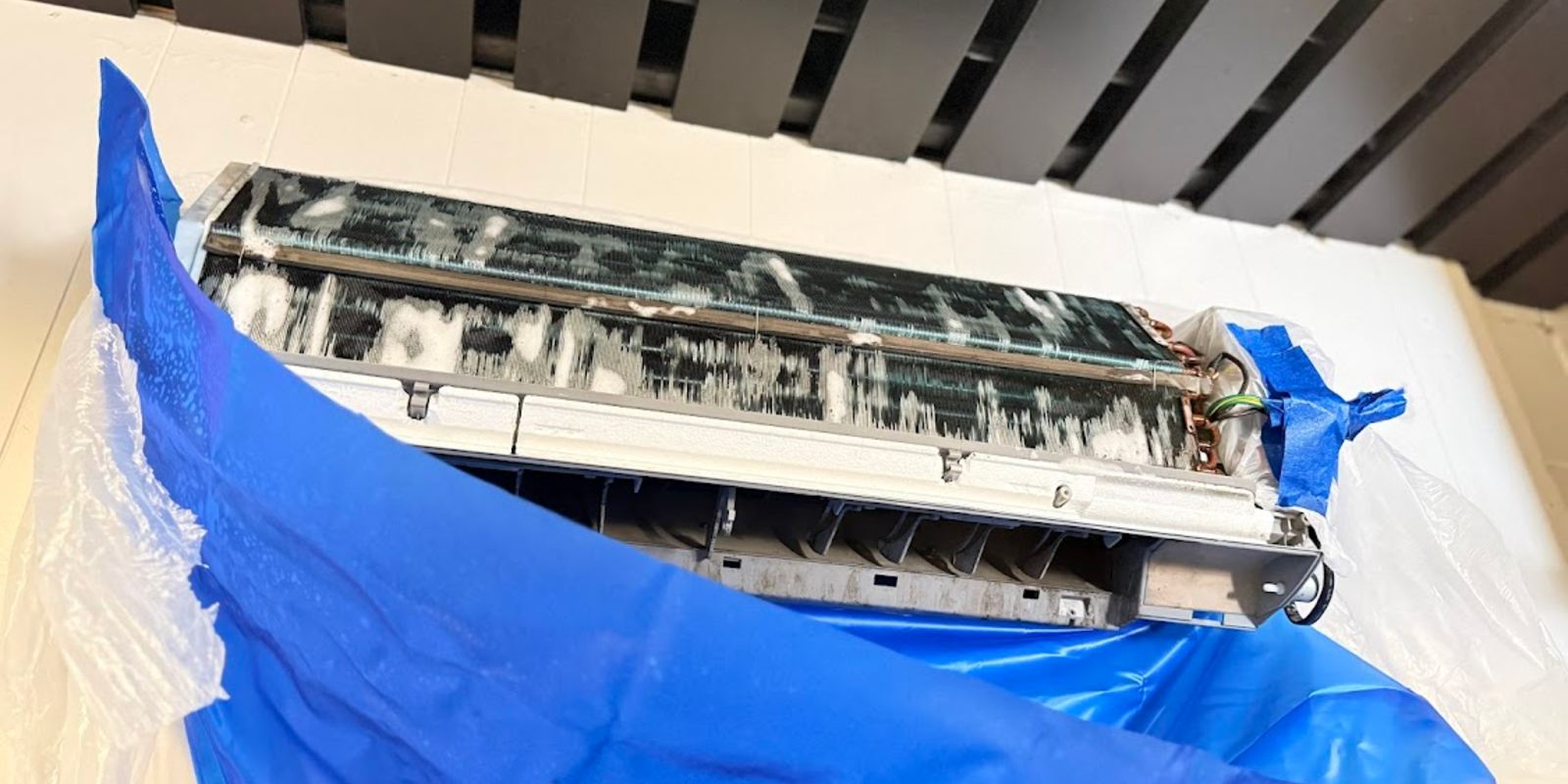
Mold often grows in places you can’t see: behind walls, under floors, or inside HVAC systems. Treating the surface alone won’t solve the problem.
Still on the fence? The bigger risk is waiting. Mold spreads, leading to:
- Hidden structural damage
- Health concerns
- Higher repair costs
Learn how professional remediation can help you avoid expensive bills (and headaches!):

How to Prevent Black Spots from Coming Back
Prevention comes down to one thing: controlling moisture.
- Keep humidity below 50%
- Fix leaks immediately
- Ventilate bathrooms and kitchens
- Regularly inspect HVAC systems
If moisture isn’t addressed, the problem will come back, no matter how well you clean it.
Thinking about using bleach? That’s one of the most common mistakes homeowners make. See why bleach doesn’t actually kill mold (and what to do instead):
 Final Thoughts: Don’t Guess, Call the Pros!
Black spots can be alarming, but now you know that:
- Not all of them are mold
- Some point to deeper problems
The real question isn’t what it looks like, but how it behaves. If it’s:
- Growing
- Returning
- Smelling musty
…it’s time to take it seriously.
So what’s next? Well, if you are still not sure what you are looking at, then you need to get in touch with the professionals. Find out more about why professional remediation goes beyond simple, temporary DIY “fixes”.

How to Handle Mold the Right Way (And Keep It from Coming Back)
If you’re dealing with black spots and want real answers, these resources will help you take the next step:
Topics: