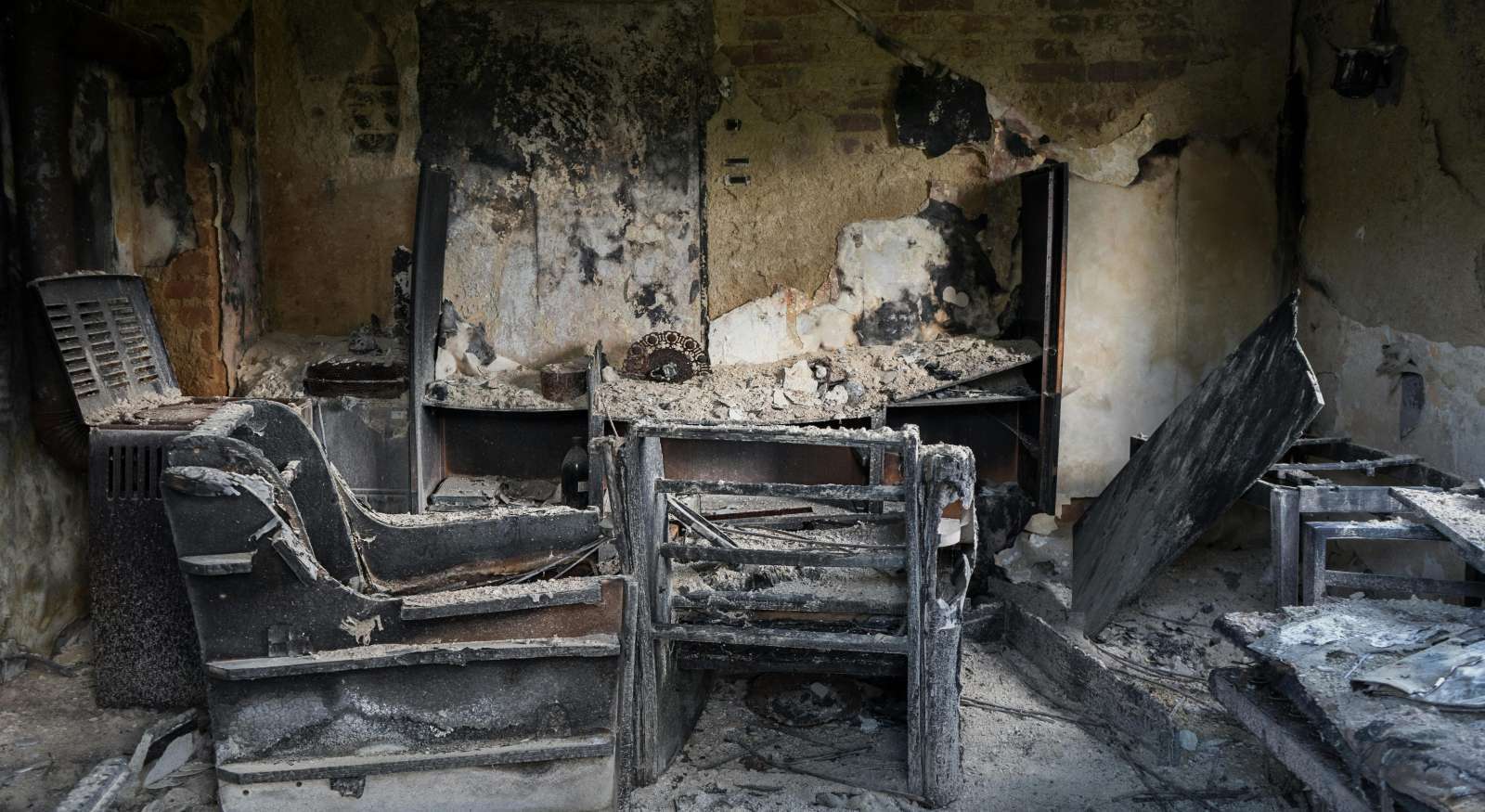
A fire can leave you facing difficult decisions about belongings that matter to you. You may see soot covering a favorite chair, water stains on family photographs, or clothing that smells like smoke even though it was stored in another room. You want to know what can be saved, what needs special care, and what you may have to replace.
At Restore-It, we understand that restoring a property means more than repairing walls and floors. It also means helping people understand their options for the belongings they want to keep. Our fire restoration team considers the type and extent of damage, the materials involved, and each item's condition when evaluating what may be salvageable.
So, how do restoration professionals decide which belongings can be cleaned after a fire? The answer depends on more than appearance.
Understanding what professionals look for can help you make informed decisions, avoid causing further damage, and identify items that may still be worth restoring. Let’s start!
What Do Restoration Professionals Look for When Assessing Fire-Damaged Belongings?
Professionals consider several factors to determine whether an item can be restored and what treatment it may need.
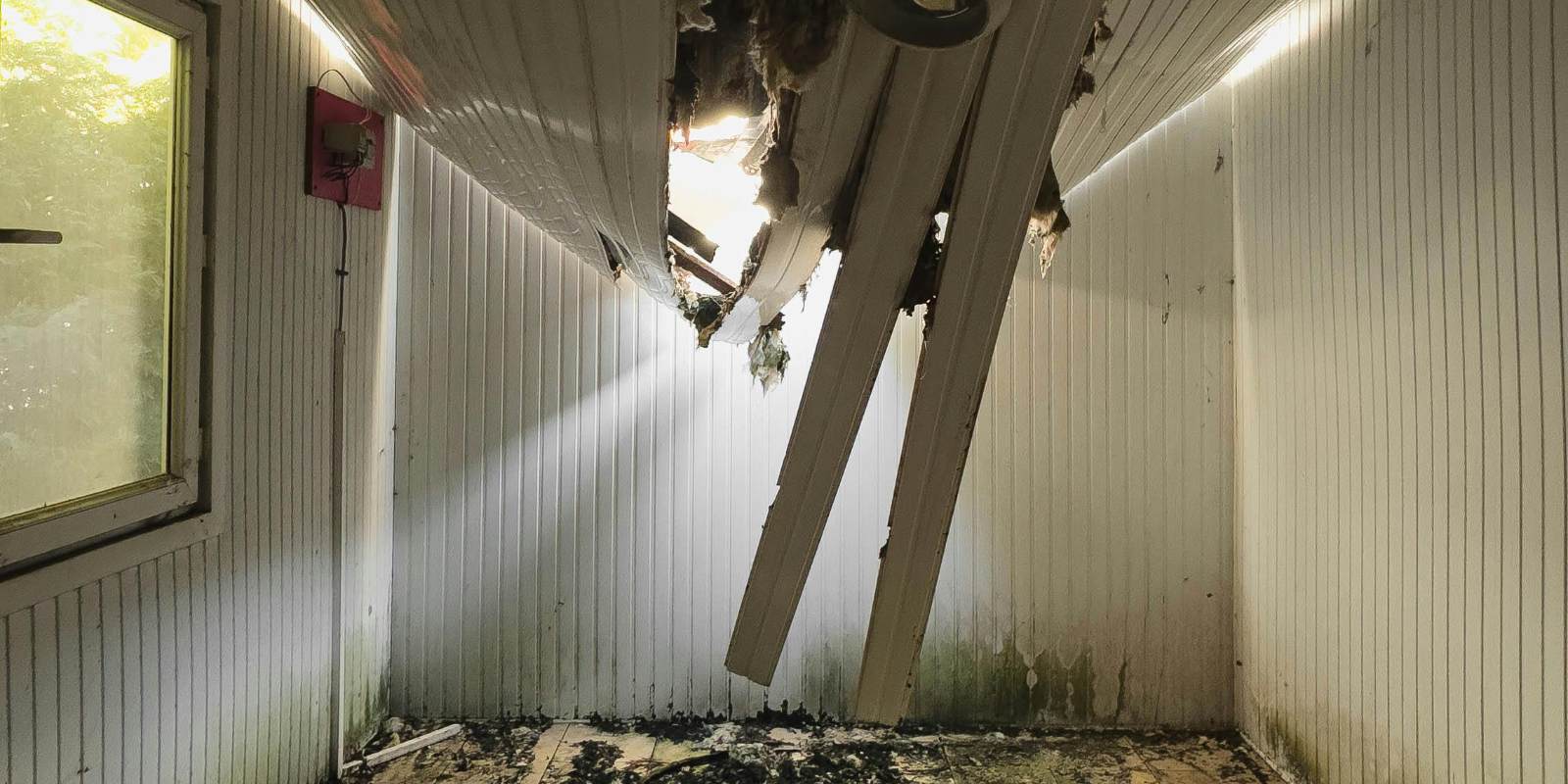
- Heat and flame damage: Flames can char wood, damage finishes, and weaken materials. Heat may also warp furniture or cause veneer to peel.
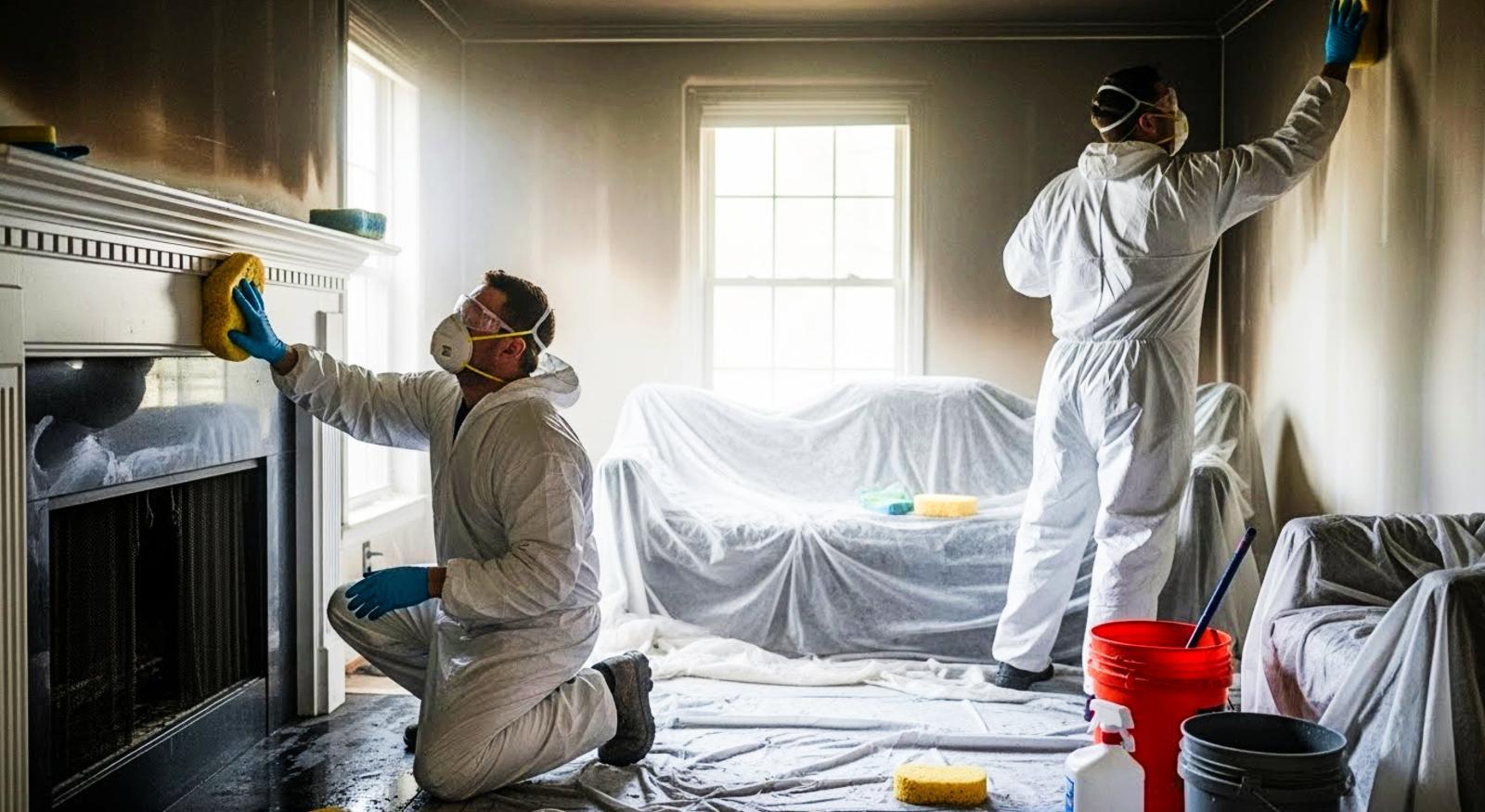
- Smoke and soot exposure: Smoke can leave residue and persistent odors on surfaces and inside porous materials. Some soot deposits can stain or damage finishes if handled incorrectly.
- Water damage: Firefighting water can cause wood to swell, fabrics to stain, and paper items to deteriorate.
- Material and construction: Glass, metal, solid wood, upholstery, and paper respond differently to heat, moisture, and cleaning.
- Condition and value: Existing wear, structural stability, replacement cost, and sentimental importance help guide decisions.
Professionals also consider the type of residue because different deposits may need different cleaning methods. No single sign determines the outcome. The goal is to identify what can realistically be restored and what treatment each item requires.
Which Belongings Can Often Be Cleaned After a Fire?
Some belongings may be suitable for restoration when the damage is limited, and the materials remain in sound condition. The outcome depends on an individual assessment.
|
Belonging |
What professionals assess |
|
Glass, metal, and other hard-surface items |
Soot residue, cracks, heat damage, and corrosion |
|
Wood furniture |
Charring, warping, finish damage, and smoke penetration |
|
Upholstery, rugs, and clothing |
Fabric condition, soot, absorbed odors, and water exposure |
|
Photographs, books, and keepsakes |
Fragility, moisture, residue, and the risk of damage during handling |
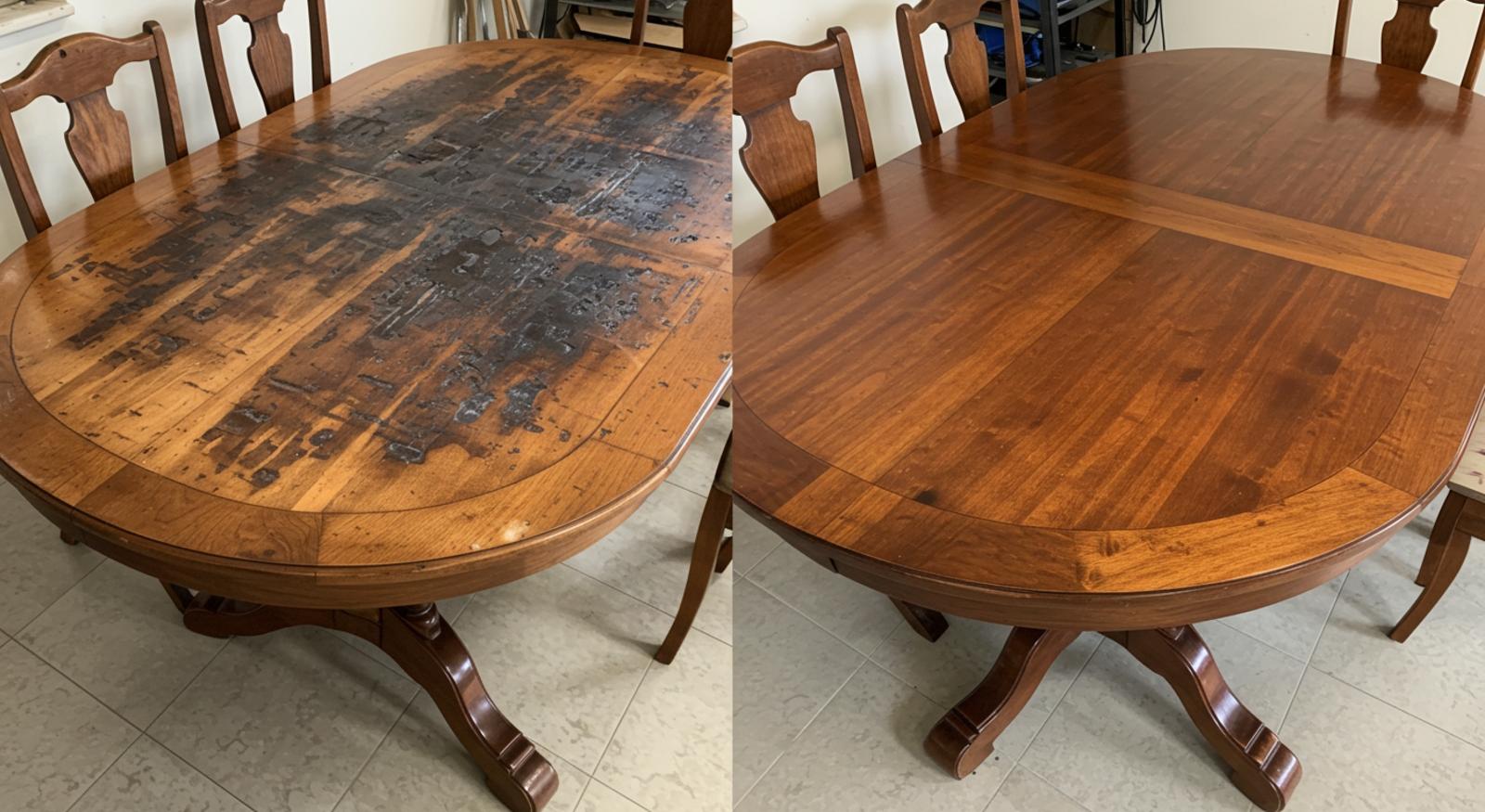
Furniture: A smoke-stained table may be restorable if its structure remains sound. Deep charring, warped joints, or damaged veneer can make restoration more difficult. Upholstered furniture may need a separate assessment of its fabric, padding, and frame.
For more detail, read Restore-It's guide to whether fire-damaged furniture can be saved.

Photographs, books, and keepsakes: Moisture and handling can cause further damage to these items. Valuable photographs, artwork, and delicate heirlooms may need a specialist in document or object conservation.
Glass, metal, and decorative items: Hard surfaces may be easier to clean when damage is limited to removable residue. However, heat can crack glass, distort some metals, or damage decorative finishes.
These examples are general guidelines, not guarantees. The material and severity of the damage affect the likely outcome.
The IICRC's professional restoration standards include guidance for fire and smoke damage restoration, as well as assessing, cleaning, and restoring contents.
When Is an Item Too Damaged to Restore?
Cleaning cannot reverse every type of fire damage. Replacement may be more practical when:
- Heat has compromised the structure. Deeply charred wood, weakened supports, or damaged joints may make furniture unsafe to use.
- Materials have melted or deteriorated. Warped surfaces, separating layers, and weakened materials may not return to their original condition.
- Water has caused severe damage. Swollen particleboard, peeling veneer, and badly damaged paper may be difficult or impossible to restore.
- Contamination cannot be adequately addressed. Some materials may retain stains or odors despite treatment.
- Restoration is not practical. Specialized treatment, repair costs, and replacement options can affect the decision.
Appearance alone does not tell the whole story. A discolored surface may be treatable, while an item with serious underlying damage may not be suitable for restoration.
If an heirloom or family keepsake has been damaged, tell the restoration professional before making a decision. Its sentimental value may warrant further evaluation or specialized treatment.
Why Should You Avoid Cleaning Fire-Damaged Belongings Yourself?
Wiping soot with an ordinary cloth can spread residue or make stains harder to remove. Household cleaners may also damage certain finishes and materials.
Smoke and soot can contain harmful particles and other combustion byproducts. Avoid disturbing residue unnecessarily, and wait until authorities confirm the property is safe to enter. Seek professional guidance before applying cleaning products or attempting to remove soot.
Wait until authorities confirm that your property is safe to enter. Avoid unnecessary handling of affected belongings, and seek professional guidance before applying cleaning products or attempting to remove soot.
For more information about exposure risks and precautions after a fire, read Restore-It's guide to the health risks of smoke and soot.

How Do Professionals Document and Sort Belongings After a Fire?
Once belongings can be safely assessed, an inventory helps track their condition and supports restoration decisions.
Documentation may include photographs, item descriptions, locations, and notes about visible damage. Professionals can then sort belongings into groups for cleaning, further evaluation, or replacement.
Tell the restoration team about sentimental items, valuables, and everyday essentials that need priority attention. The team may also coordinate documentation with you and your insurance adjuster. Coverage and replacement decisions depend on your policy and the circumstances of the loss.
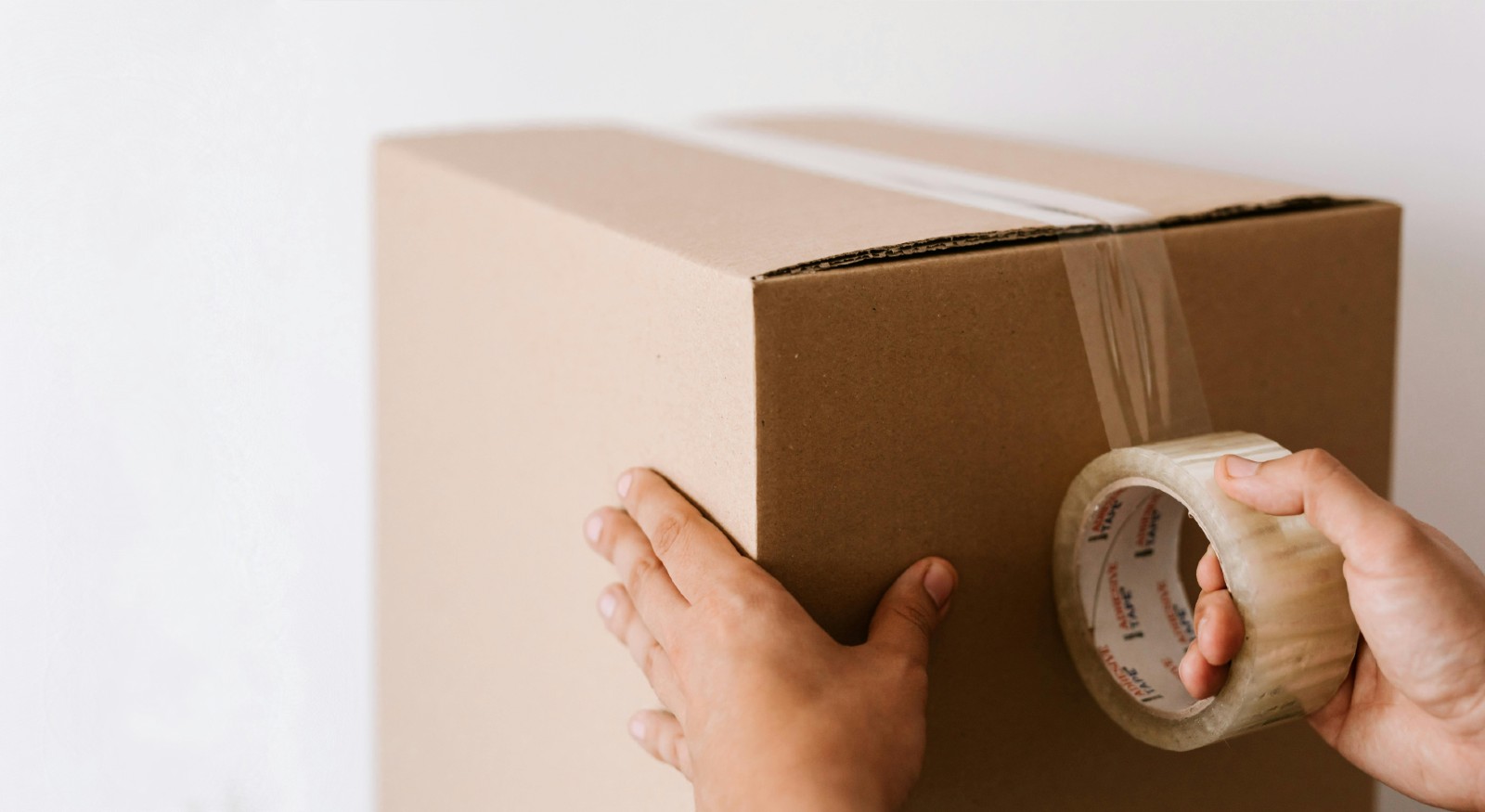
Sometimes, belongings are moved elsewhere for cleaning and storage while work takes place at the property. This process, called a pack-out, can protect items from further damage and provide room for restoration work.
Learn more about how professionals pack out and protect belongings after fire or water damage.

An inventory does not guarantee that every item can be restored, but it provides a clearer record of what was affected and which decisions remain.
What Should You Do if You're Unsure Whether Something Can Be Saved?
You do not have to decide what to keep or discard right away. These steps can help protect your options:
- Confirm the property is safe to enter. Follow instructions from fire officials and other authorities.
- Avoid DIY cleaning. Do not rub soot or apply untested products to damaged belongings.
- Identify important items. Point out sentimental keepsakes, fragile belongings, and essentials that need priority attention.
- Document the damage. Take photographs and make an item list if you can do so safely.
- Ask before discarding items. Some damage may need a closer assessment, and delicate belongings may require a specialist.
These steps can help you make informed decisions before discarding items that may still be recoverable.
Get Help Evaluating Fire-Damaged Belongings
Deciding what to clean, repair, or replace can be difficult when belongings hold personal memories. A professional assessment can help you understand possible treatment options and their limitations.
Restore-It helps homeowners and businesses in El Dorado, Camden, and surrounding South Arkansas communities navigate fire and smoke damage. If your belongings have been affected, contact Restore-It to discuss your restoration needs. Our goal is to restore your peace of mind!