
Magnolia homeowners know that living in South Arkansas means dealing with plenty of rain and humidity throughout the year. When that moisture finds its way beneath your home, your crawl space often becomes the first place where problems begin.
If you've started noticing musty odors, higher indoor humidity, soft floors, or signs of mold, you may be looking into crawl space encapsulation and asking one important question: How much does crawl space encapsulation cost in Magnolia, Arkansas?
The answer depends on much more than square footage. The condition of your crawl space, existing moisture damage, drainage concerns, and the type of moisture-control system your home needs all influence the final investment.
At Restore-It, we've inspected crawl spaces across Magnolia and the surrounding Columbia County communities, where excess moisture is one of the most common issues homeowners face. In this guide, we'll break down average pricing, what's included in a complete encapsulation system, and the factors that affect your final cost.
How Much Does Crawlspace Encapsulation Cost in Magnolia?
Since crawlspaces are different, costs can differ significantly from one home to the next. Nevertheless, after inspecting hundreds of crawlspaces throughout South Arkansas, we've found most encapsulation projects fall within a predictable range.
For most homeowners in Magnolia, a professionally installed crawl space encapsulation system falls between $10,500 and $24,000, depending on the crawlspace’s size and condition.
|
Crawlspace Size |
Typical Cost Range |
|
1,500 sq. ft. |
$10,500-$18,000 |
|
2,000 sq. ft. |
$14,000-$24,000 |
Usually, the majority of homeowners fall somewhere within that range, depending on condition and equipment needs.
Does the Crawlspace Inspection Cost Anything?
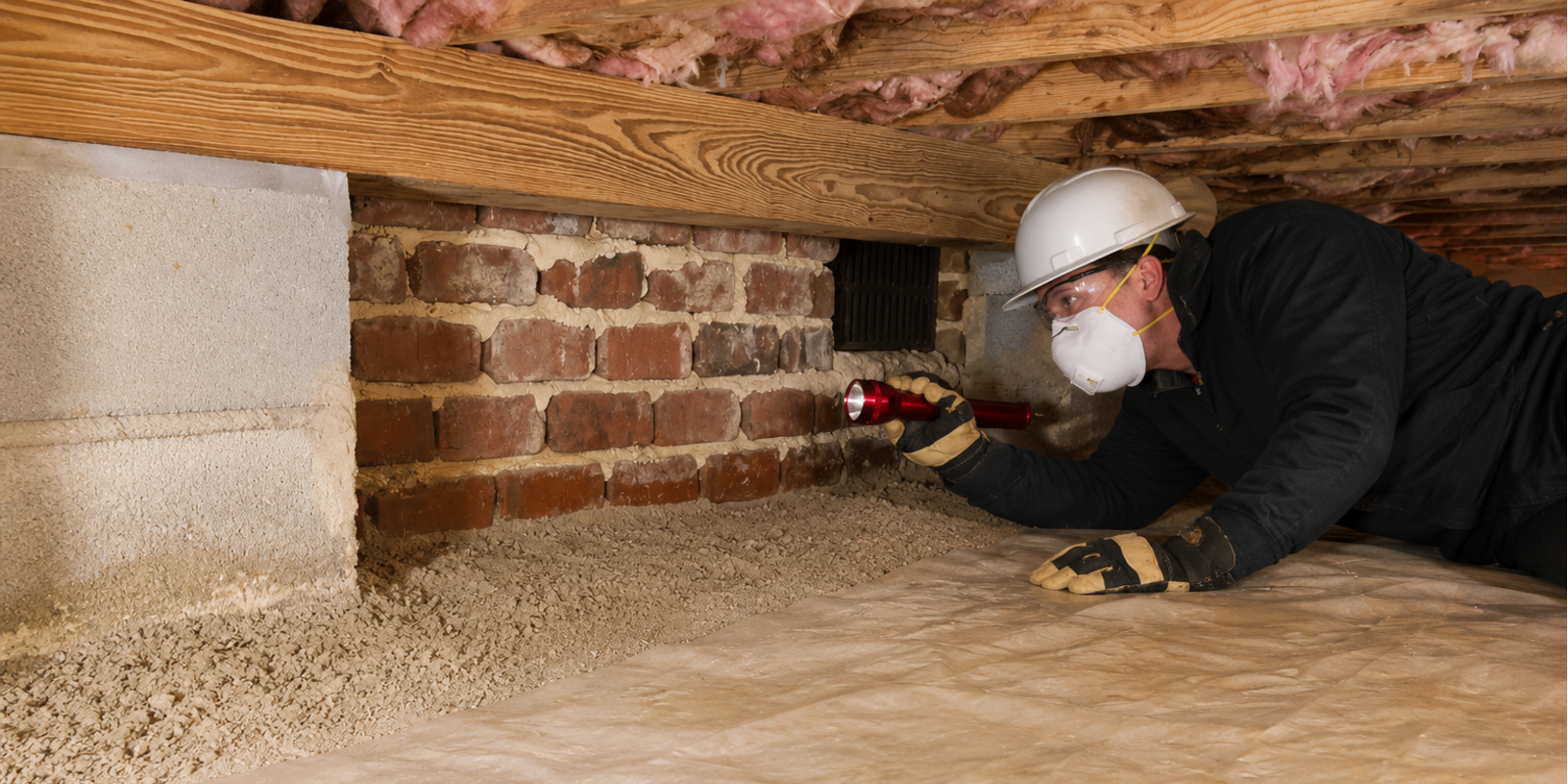
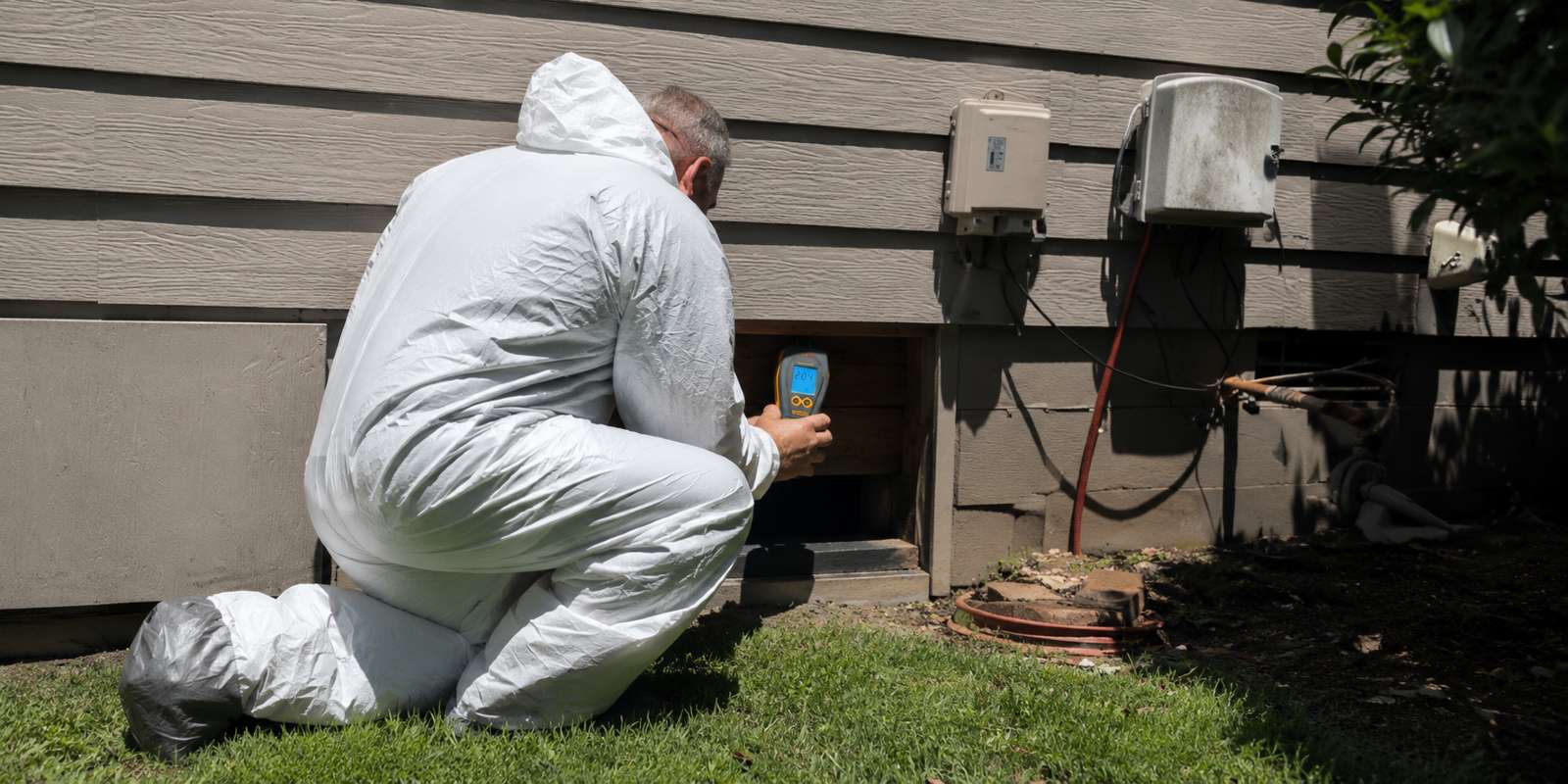
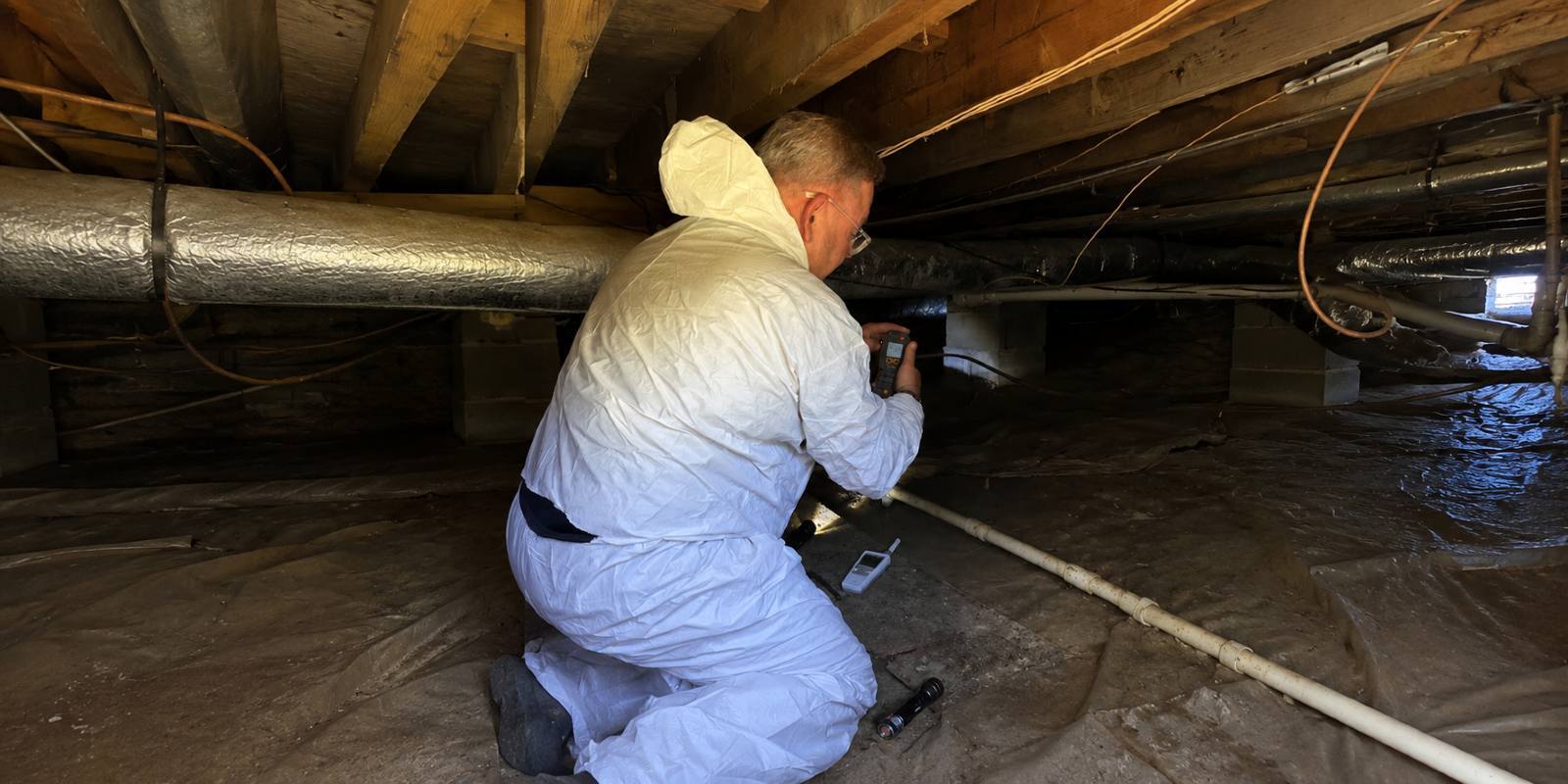
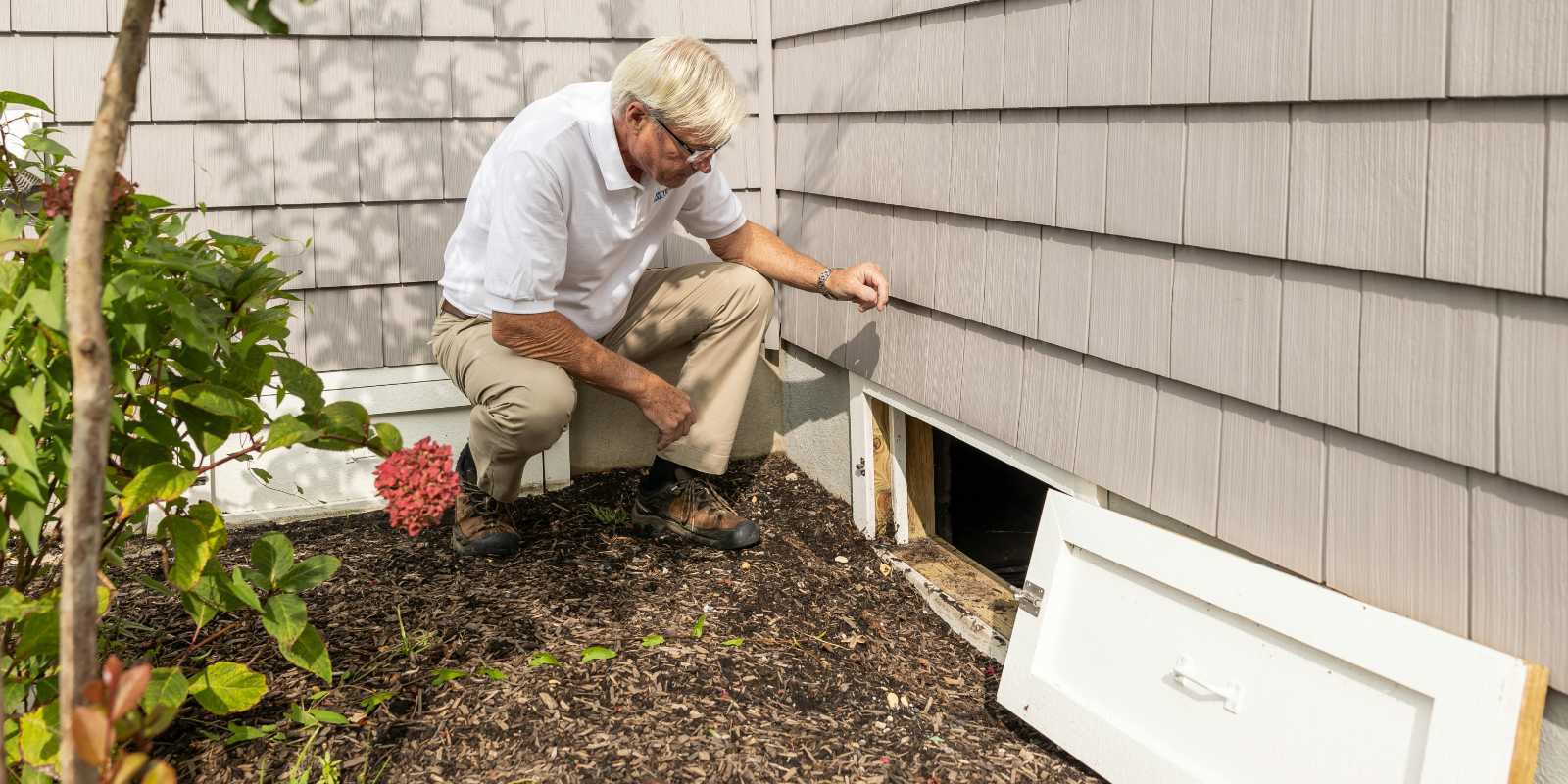
No, the crawlspace inspection is included at no upfront cost. Before your project begins, we perform a detailed inspection to understand the condition of your crawlspace and determine the best strategy to work on what you actually need.
Your inspection includes:
- A full interior and exterior inspection
- Moisture evaluation
- Photos and documentation
- Measurements
- Equipment recommendations
This detailed inspection helps us provide a more accurate estimate based on your crawlspace, not a guess based on limited information.
What Does The Crawlspace Encapsulation Pricing Include?
When you're comparing crawlspace encapsulation costs, it’s important to understand what you’re actually paying for.
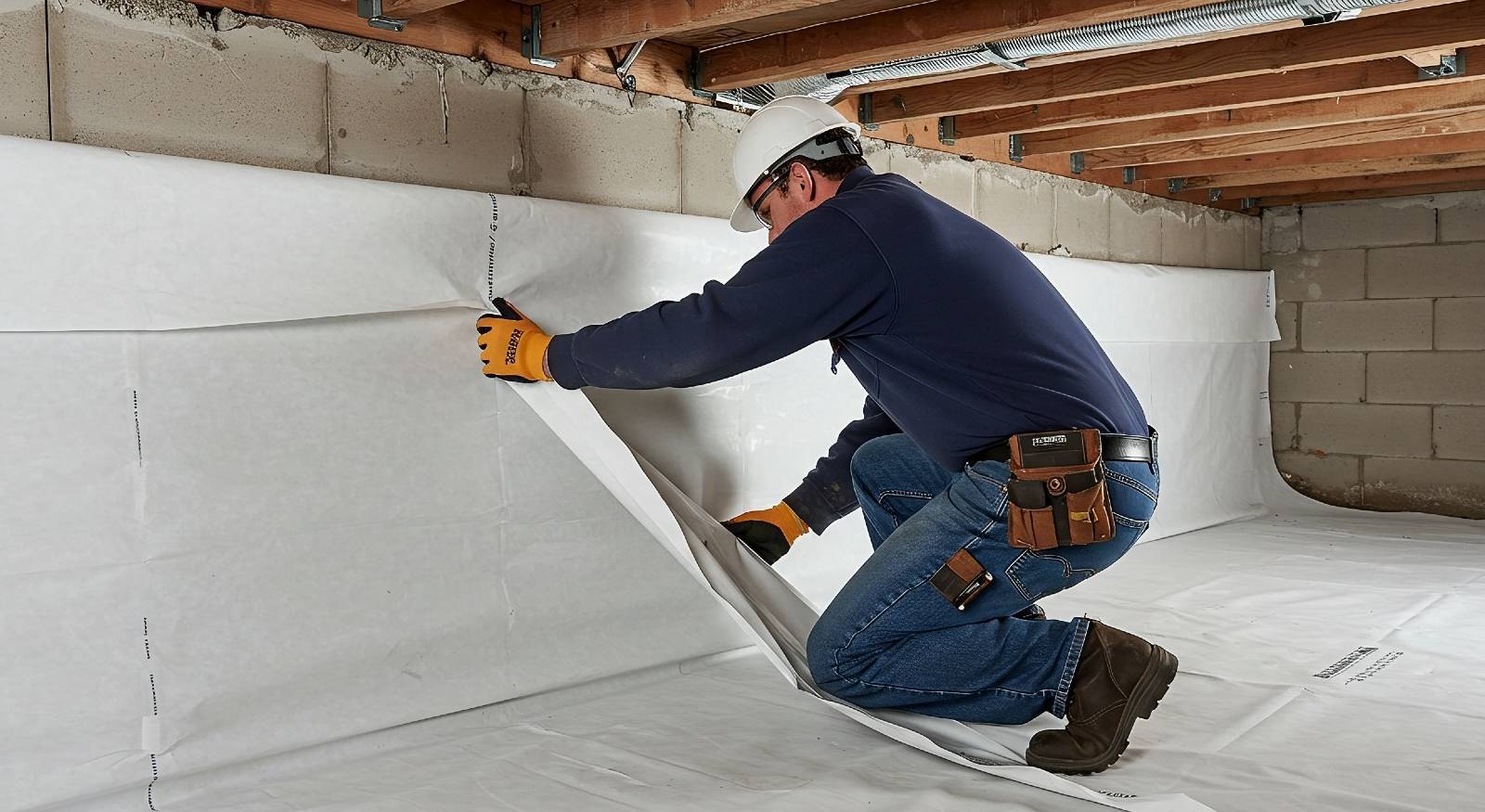
Depending on the condition of your crawlspace, a full encapsulation may include:
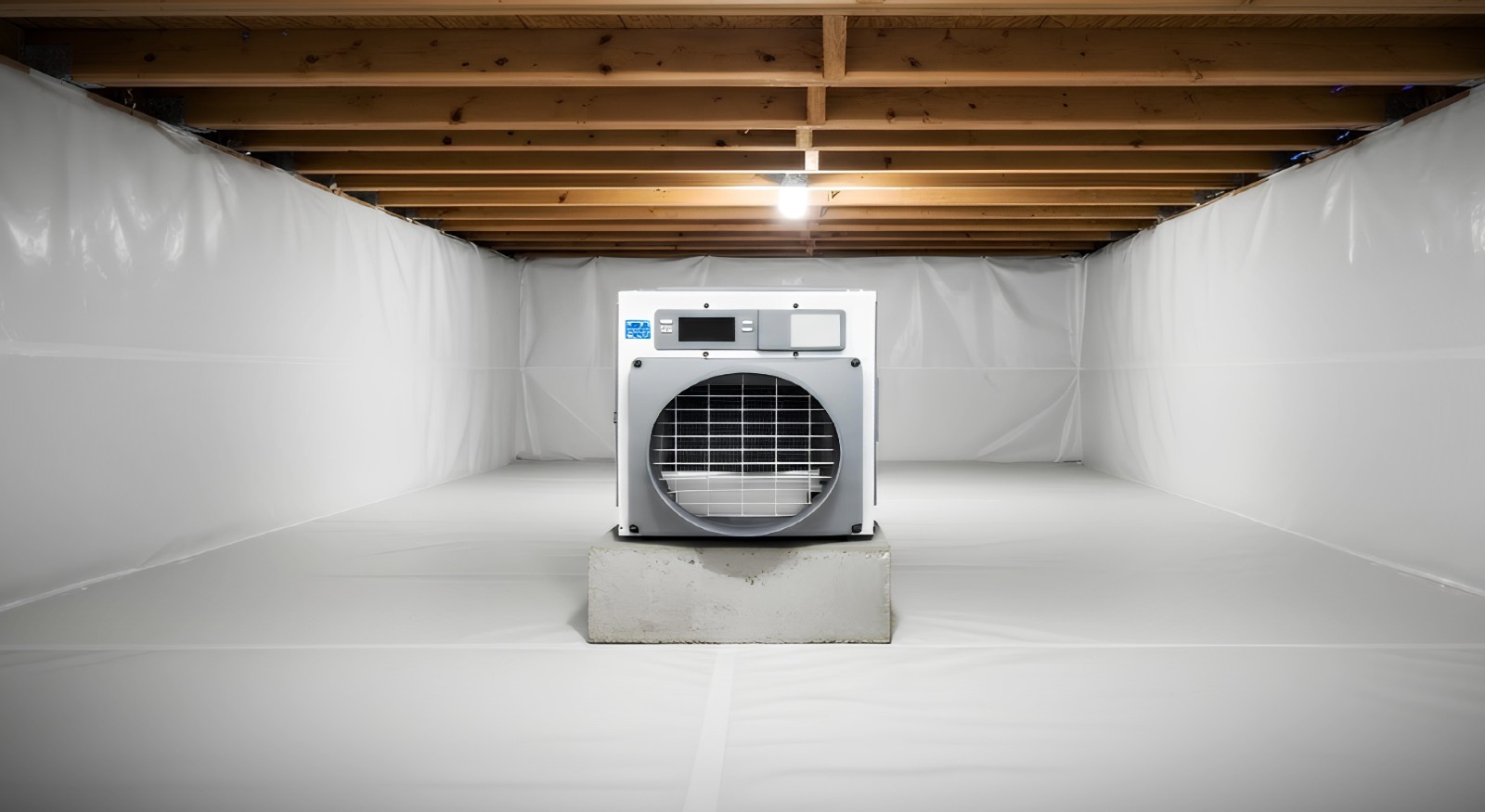
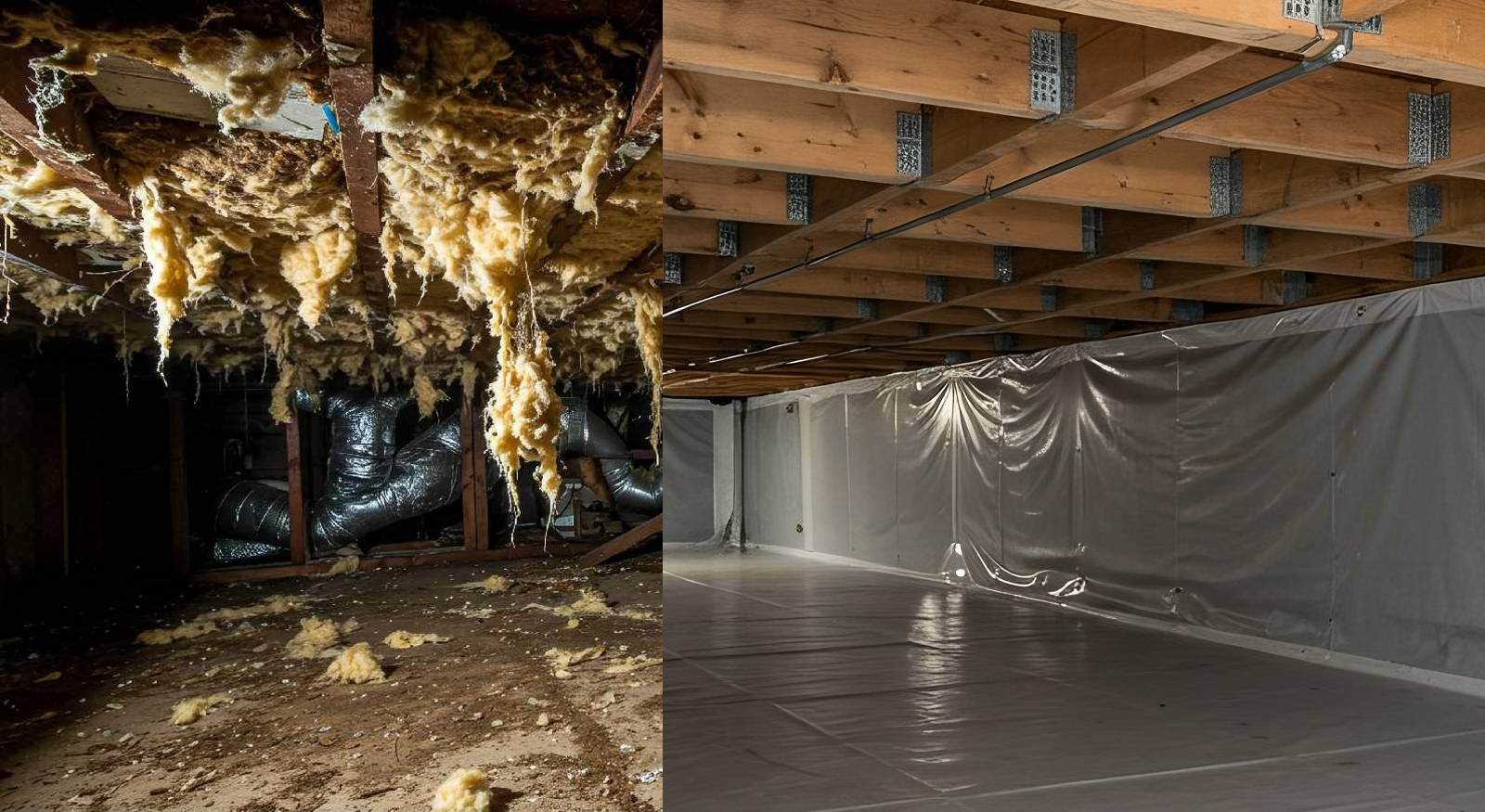
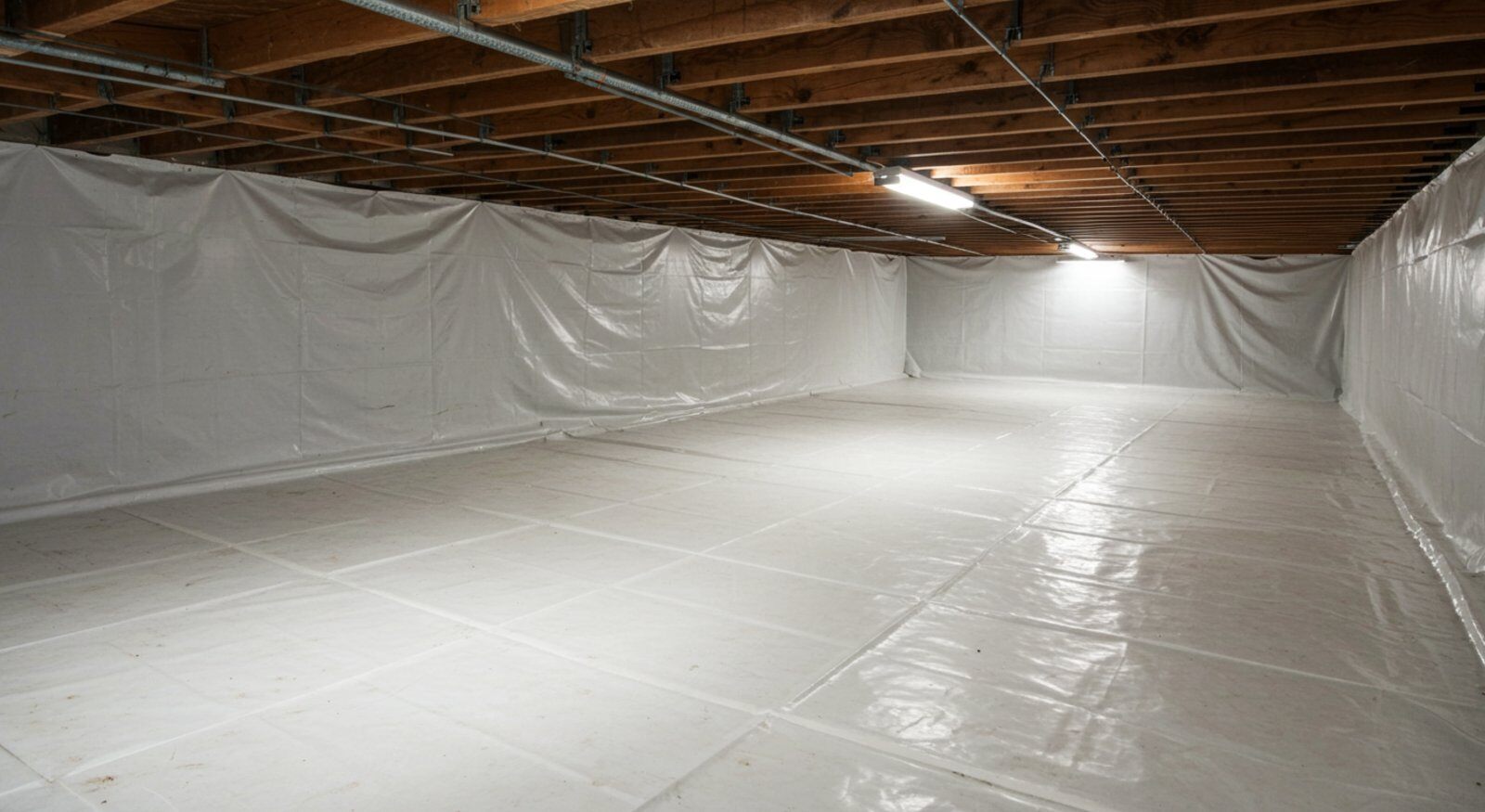
- Wall-to-wall vapor barrier installed across the floor, walls, and piers
- Sealed vents and air gaps using spray foam insulation to help prevent Magnolia’s humid outdoor air from entering
- Sealed crawlspace access door to maintain the encapsulated environment
- Permanent dehumidifier to control moisture and humidity levels year-round in South Arkansas’s long humid seasons
- Condensation pump and exterior drainage connection to manage water produced by the dehumidifier, especially during heavy rain events common in the Magnolia area
- Hygrometer and thermostat system with exterior monitoring to track and control crawlspace conditions
- Permanent lighting to make future inspections and maintenance easier
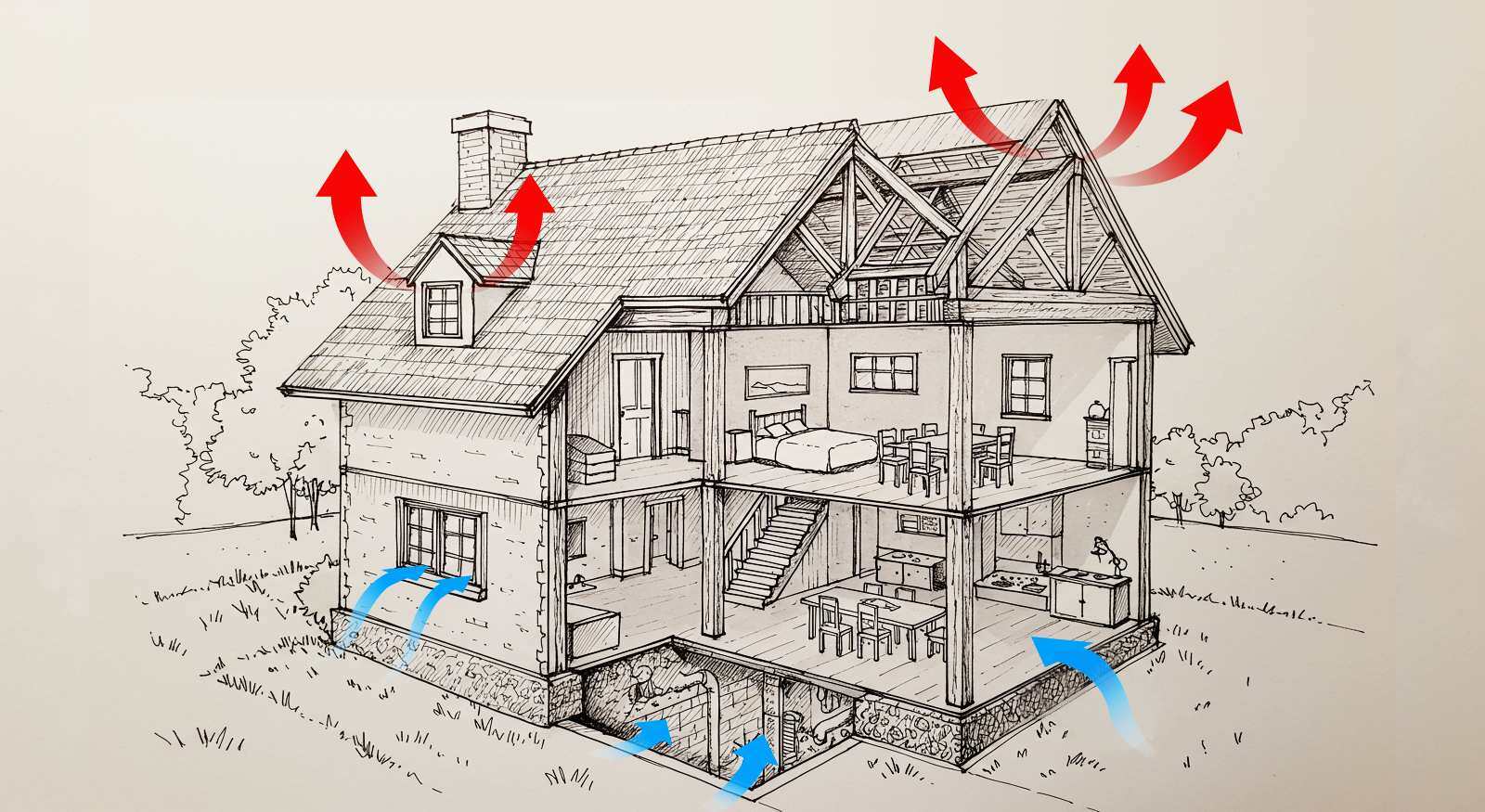
In Magnolia and nearby communities, high humidity, long cooling seasons, and periods of heavy rainfall can all contribute to elevated crawlspace moisture levels. The goal of encapsulation is straightforward: keep outside moisture out, control humidity inside the crawlspace, and help protect the structure and indoor environment over the long term.
What Affects the Final Bill in a Crawlspace Encapsulation Service?
While $7 to $12 per square foot is the typical range, many factors can increase your total cost for crawl space encapsulation.
Here are the four biggest factors.
How Does Crawlspace Size Affect Encapsulation Cost?
Because larger crawlspaces require more labor, additional materials, and more comprehensive sealing, size remains one of the most significant factors in overall project pricing. It also dictates the equipment needed. For instance, smaller areas can often be serviced by a 70-pint dehumidifier (around $2,000 installed), whereas larger or especially humid spaces might necessitate a 130-pint unit, costing closer to $3,000 installed.
However, size isn't the only consideration. The final dehumidifier selection should be based on the size and moisture conditions of your crawlspace, which are evaluated during the inspection.
2. Current Condition of the Crawl Space
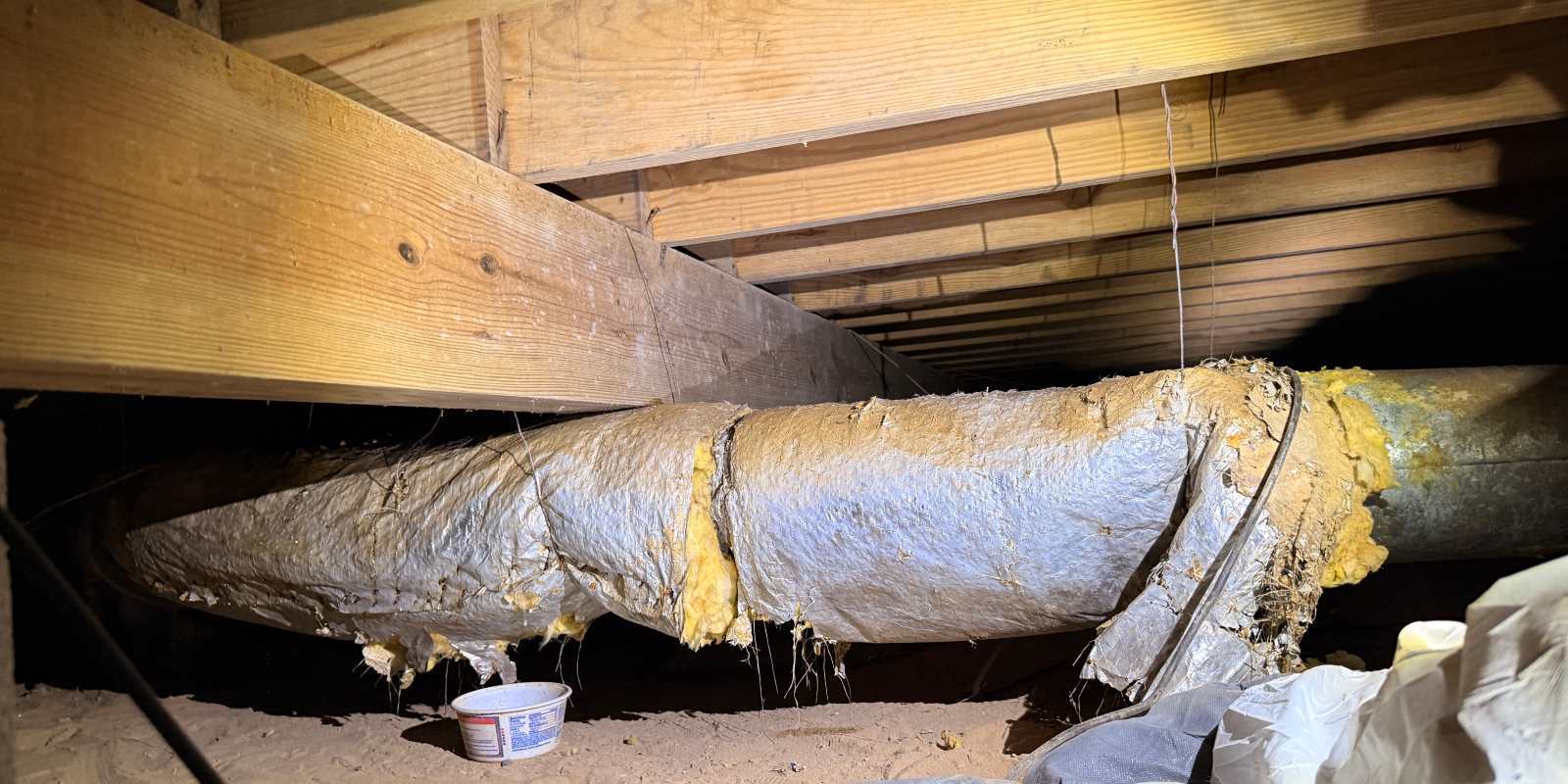
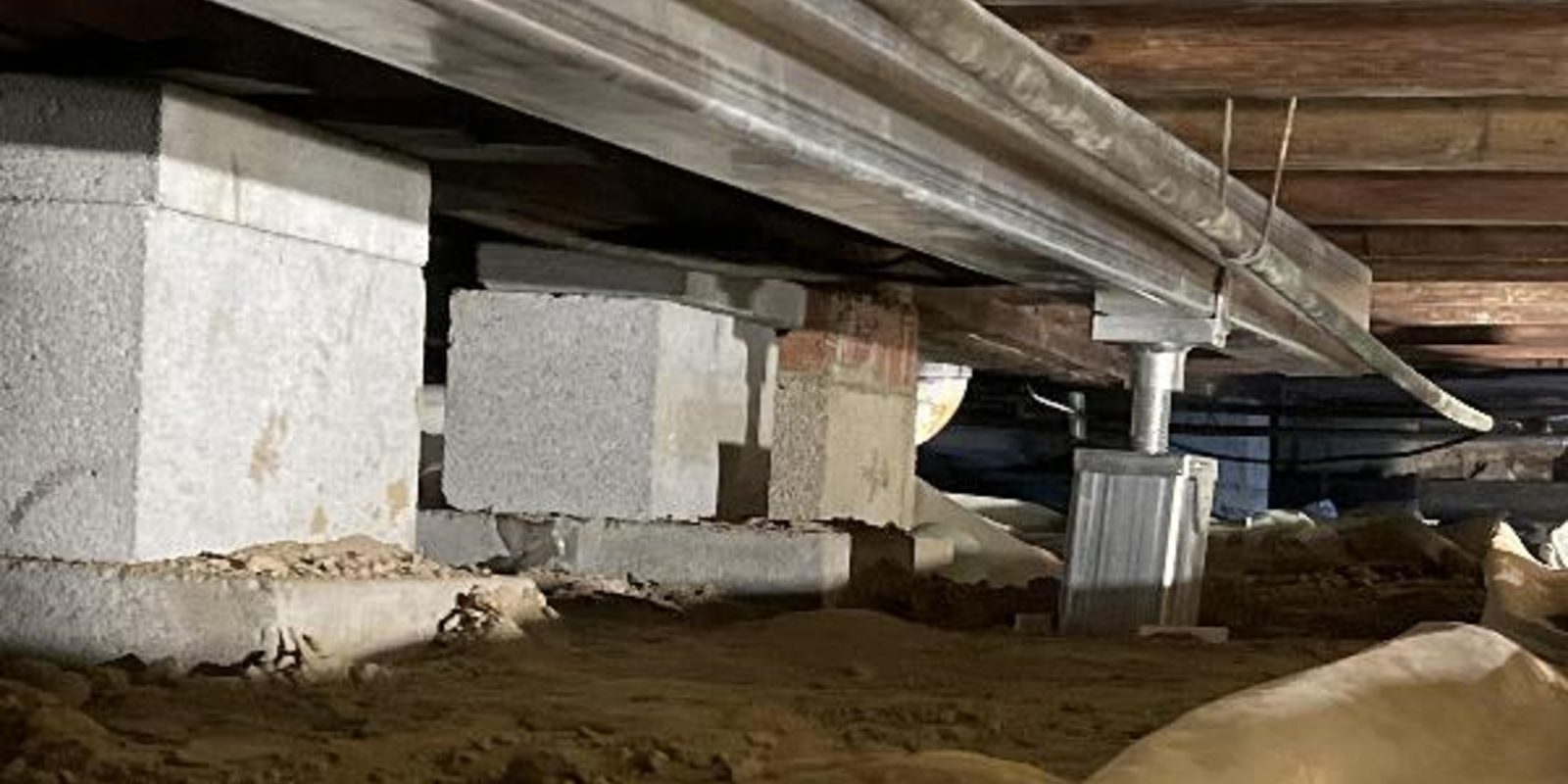
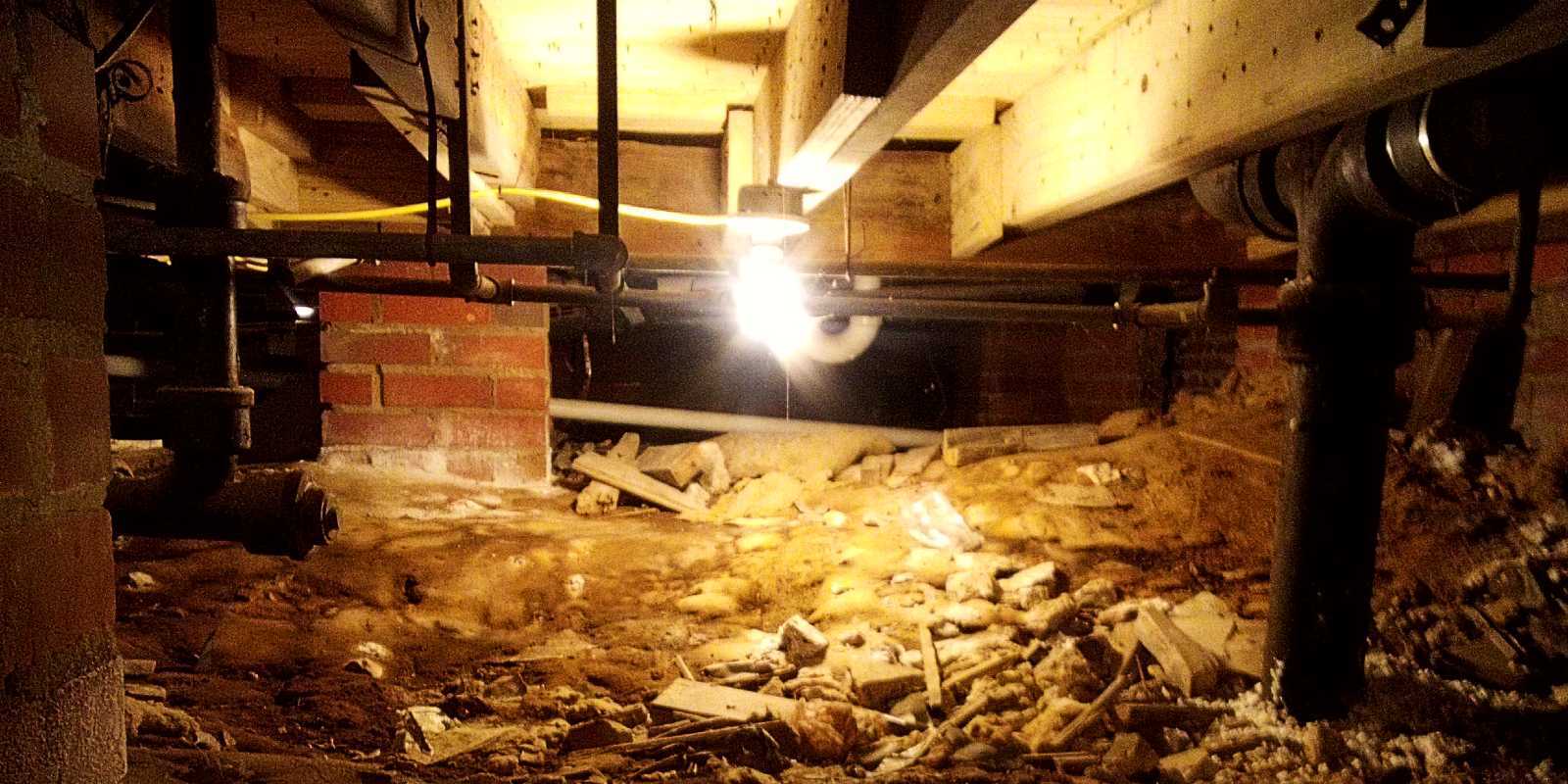
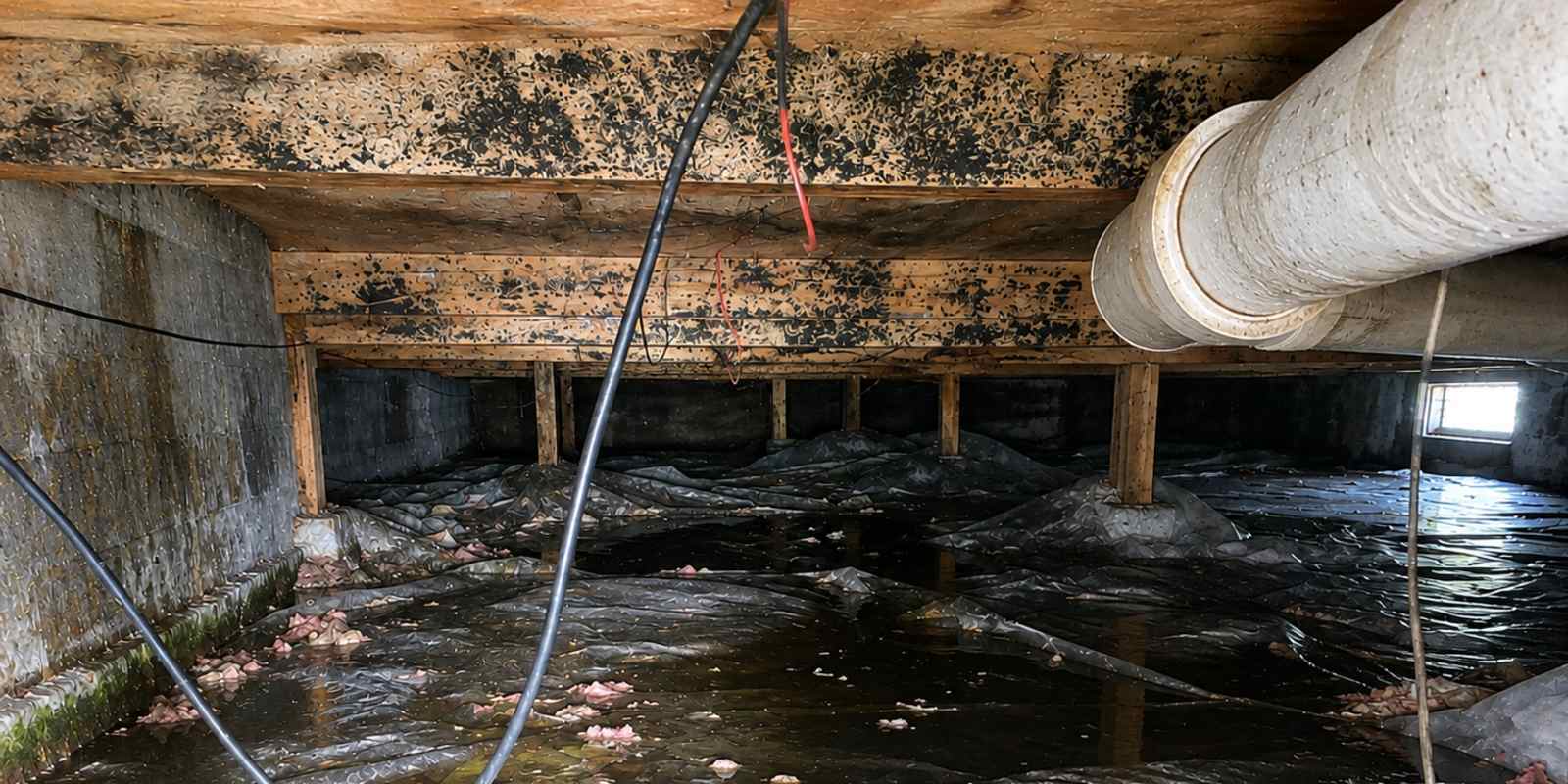
Your crawlspace’s condition directly impacts cost because existing issues must be corrected before encapsulation can be installed.
Common conditions that increase scope include:
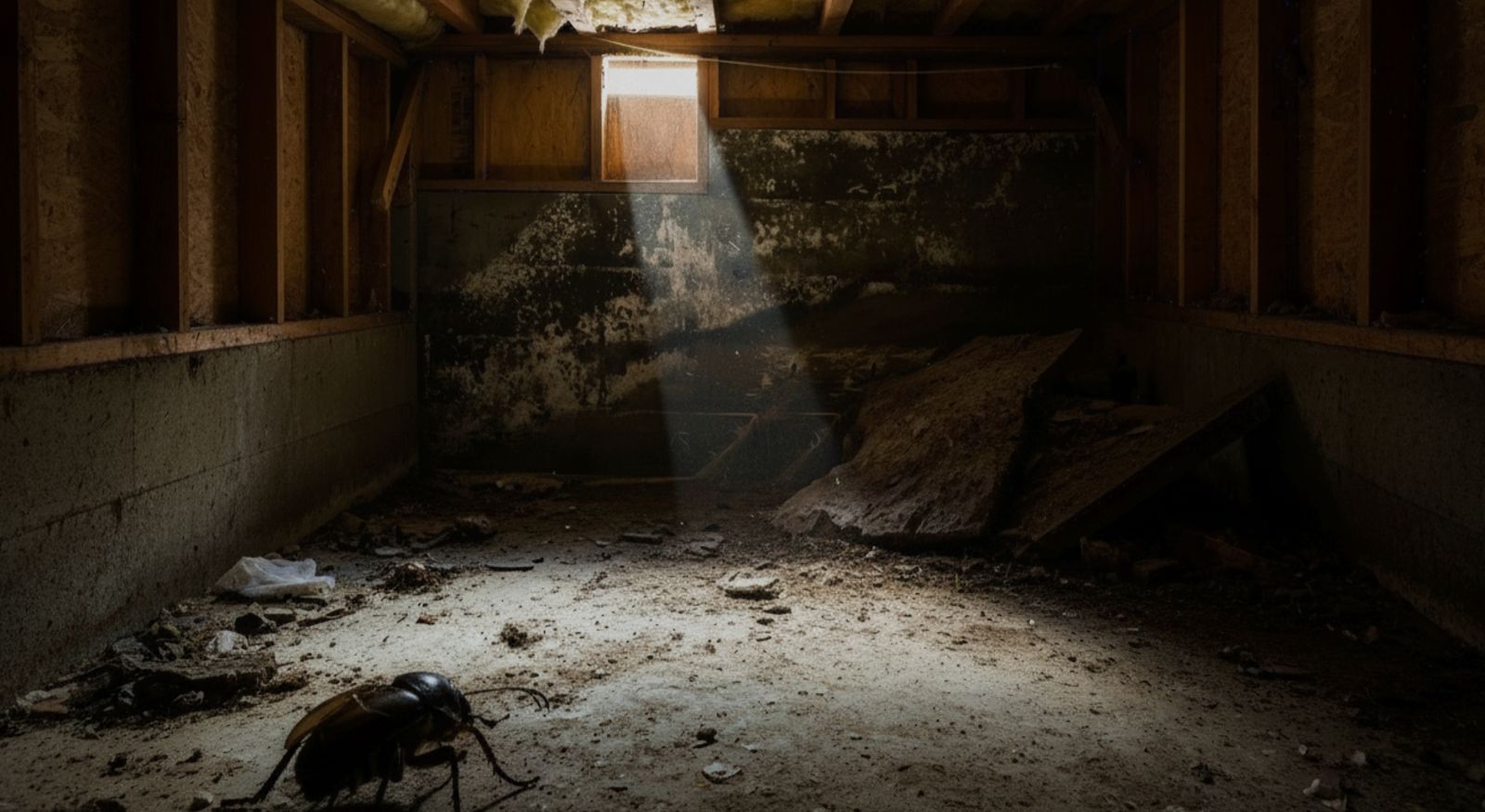
- Mold or moisture damage
- Wood rot
- Pest activity
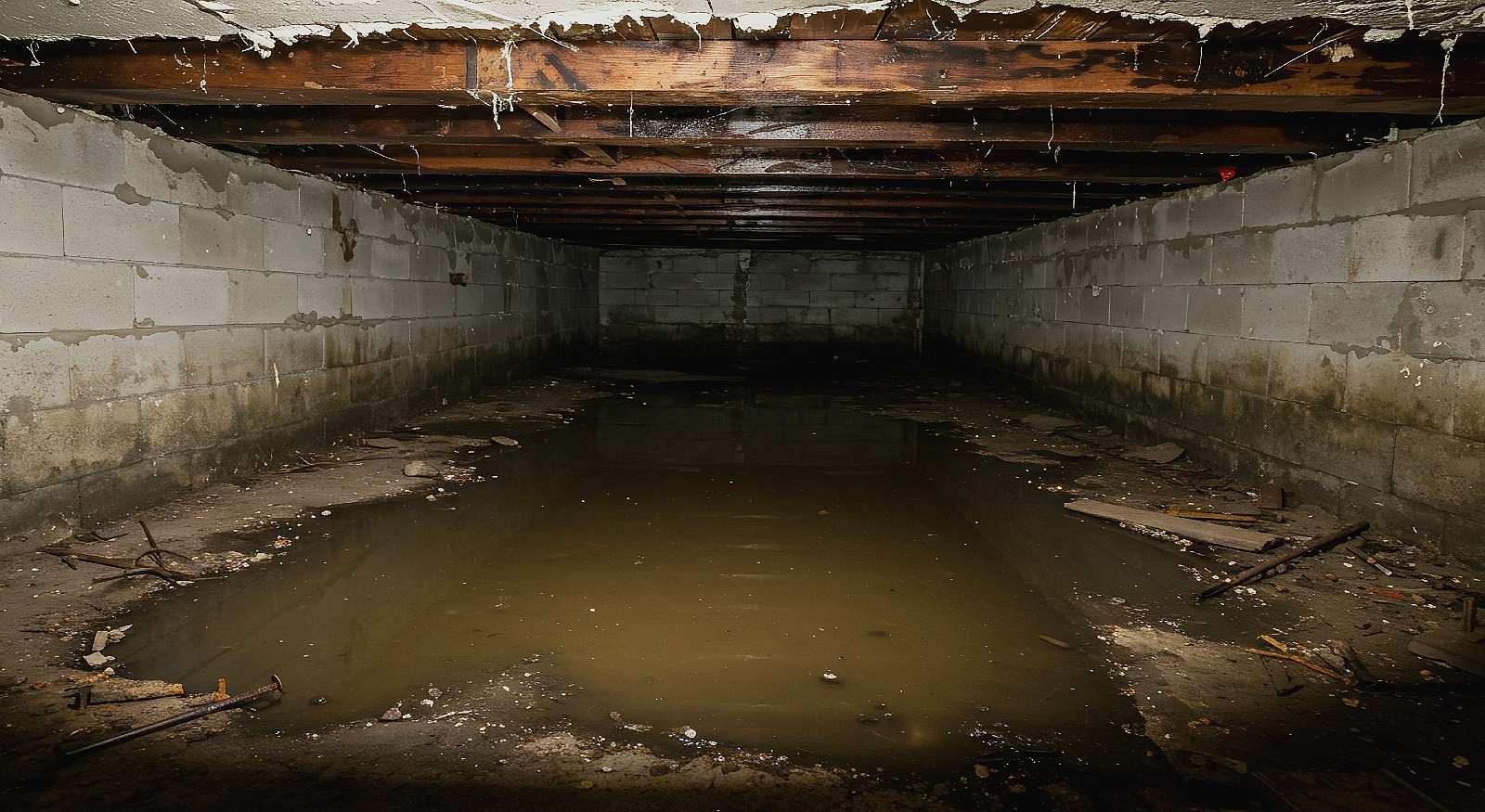
- Standing water
- Plumbing leaks
The Building Science Corporation (BSC) emphasizes that crawlspaces must remain dry to perform safely and effectively. When conditions fall short of that standard, remediation becomes a required first step, adding to total project cost.
Access is another major cost driver. Low-clearance or confined crawlspaces often require additional work to create safe working conditions, which may include excavation to:
- Increase vertical clearance
- Accommodate equipment installation
- Ensure long-term service access
In general, the more difficult the crawlspace is to repair or access, the more labor the project requires and the higher the cost.
3. Additional Drainage Systems (Sump Pumps and French Drains)
If groundwater is entering your crawlspace, encapsulation alone may not solve the problem. Additional drainage systems may be needed to remove or redirect water before or as part of the encapsulation process.
Common drainage options include:
- Sump pump: A sump pump unit typically costs around $600, but the total installation cost will be higher because the project also requires excavating a sump pit and completing the necessary labor and connections.
- French drain: French drains redirect groundwater away from the crawlspace. Pricing is typically $42 to $60 per linear foot, depending on the site conditions and amount of drainage work required.
- Interior perimeter drain: Installed around the inside perimeter of the crawlspace, these drains collect groundwater and direct it toward the sump pump system.
Not every crawlspace needs additional drainage, but when groundwater intrusion is present, these systems can add significantly to the total encapsulation cost.
4. Labor Costs in Magnolia, Arkansas
Labor typically accounts for 35% to 45% of the total crawlspace encapsulation cost, although the percentage varies based on the project's size, condition, accessibility, and equipment requirements.
Here’s how labor typically breaks down by project type:
The more preparation and hands-on work a crawlspace requires, the greater the labor portion of the overall project can become.
- Basic vapor barrier with light sealing: 22% to 30%. This is not a full encapsulation and does not completely seal the crawlspace from outside air.
- Full crawlspace encapsulation: 28% to 38% Includes floor and wall liners, sealed seams, closed vents, and humidity control.
- Tight, low-clearance, or heavily damaged crawlspaces: 35% to 45%. These projects require more preparation, detailed handwork, and additional labor hours.
However, labor isn't always the highest cost. Some projects are more material-intensive, particularly when they require thicker liners, rigid foam insulation, sump pumps, or larger dehumidifiers. In those cases, materials and equipment can represent a larger share of the total investment.
Project size and complexity can also affect crew requirements. Depending on the scope of work, a project may require two to four technicians on-site.
Because our crews are based in El Dorado and Camden, projects outside these service areas may include a small travel adjustment to account for additional travel time and logistics.
Is Crawl Space Encapsulation Worth the Cost?
For homeowners dealing with moisture, odors, or an unhealthy crawlspace environment, encapsulation can be worth the cost because it addresses the conditions that allow those problems to persist. Some benefits include:
- Improves indoor air quality
- Reduces musty odors that often come from below the home
- Helps protect structural components like floor joists and subflooring
- Prevents long-term moisture damage from spreading
- Can improve overall energy efficiency
Encapsulation is not a cosmetic upgrade. It’s a preventative system designed to control moisture before it turns into costly structural or air quality issues. The Environmental Protection Agency (EPA) notes that mold exposure can pose health risks, especially in damp indoor environments, so if you notice symptoms or concerns, it’s important to consult a healthcare professional.
Ultimately, cost is only part of the decision. The real question is what kind of protection your home needs long-term, and whether a sealed system is the right fit compared to a basic vapor barrier.
If you’re still weighing it, the next step is simply understanding the difference in systems so you can make a confident decision for your home. Learn below!

Understand What Your Crawl Space Really Needs Before You Decide
There isn't one price that makes crawl space encapsulation “worth it” for every home. The right investment depends on what's happening beneath your house and whether a basic vapor barrier can actually address the problem.
If you're dealing with excess moisture, groundwater, poor ventilation, standing water, or a crawl space that's difficult to access, those conditions can change both the scope of work and the price. In some homes, a basic moisture barrier may be enough. In others, controlling the entire crawl space environment requires sealing, drainage, dehumidification, or additional repairs.
That's why the lowest estimate isn't necessarily the best value and the most extensive system isn't necessarily the right solution either.
The first step is finding out what you're actually dealing with. Restore-It can inspect your crawl space, identify the conditions affecting your home, and explain which improvements are necessary and which aren't.
Once you know what's happening under your home, you can make the decision based on facts, not fear, guesswork, or a one-size-fits-all package.