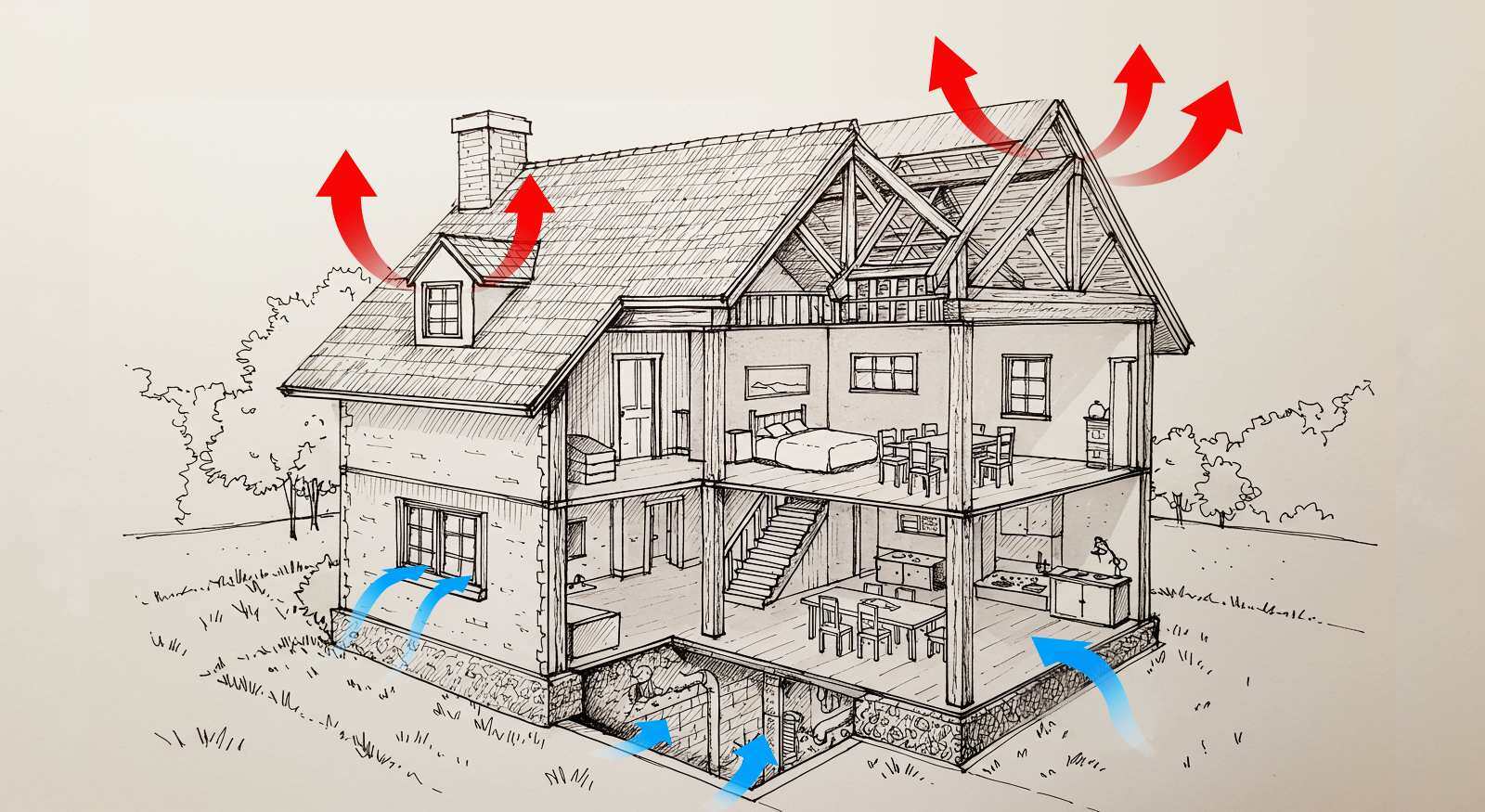
A crawl space encapsulation quote can be difficult to evaluate when one contractor recommends a vapor barrier while another proposes wall liners, a dehumidifier, and drainage equipment. Both estimates may sound reasonable, but are they addressing the same moisture problems beneath your home?
In South Arkansas, where humid weather and heavy rain can contribute to crawl space moisture, understanding the proposed work matters before you commit to a price.
With over 14 years of restoration experience, Restore-It understands why a crawl space's condition, the materials selected, and the moisture-control strategy all matter when planning a project.
Your next step is to look beyond the bottom line. A detailed quote should explain what your crawl space needs, which materials and services are included, and what might cost extra. Here's what to review before choosing a contractor!
1. Inspection Findings and Scope of Work
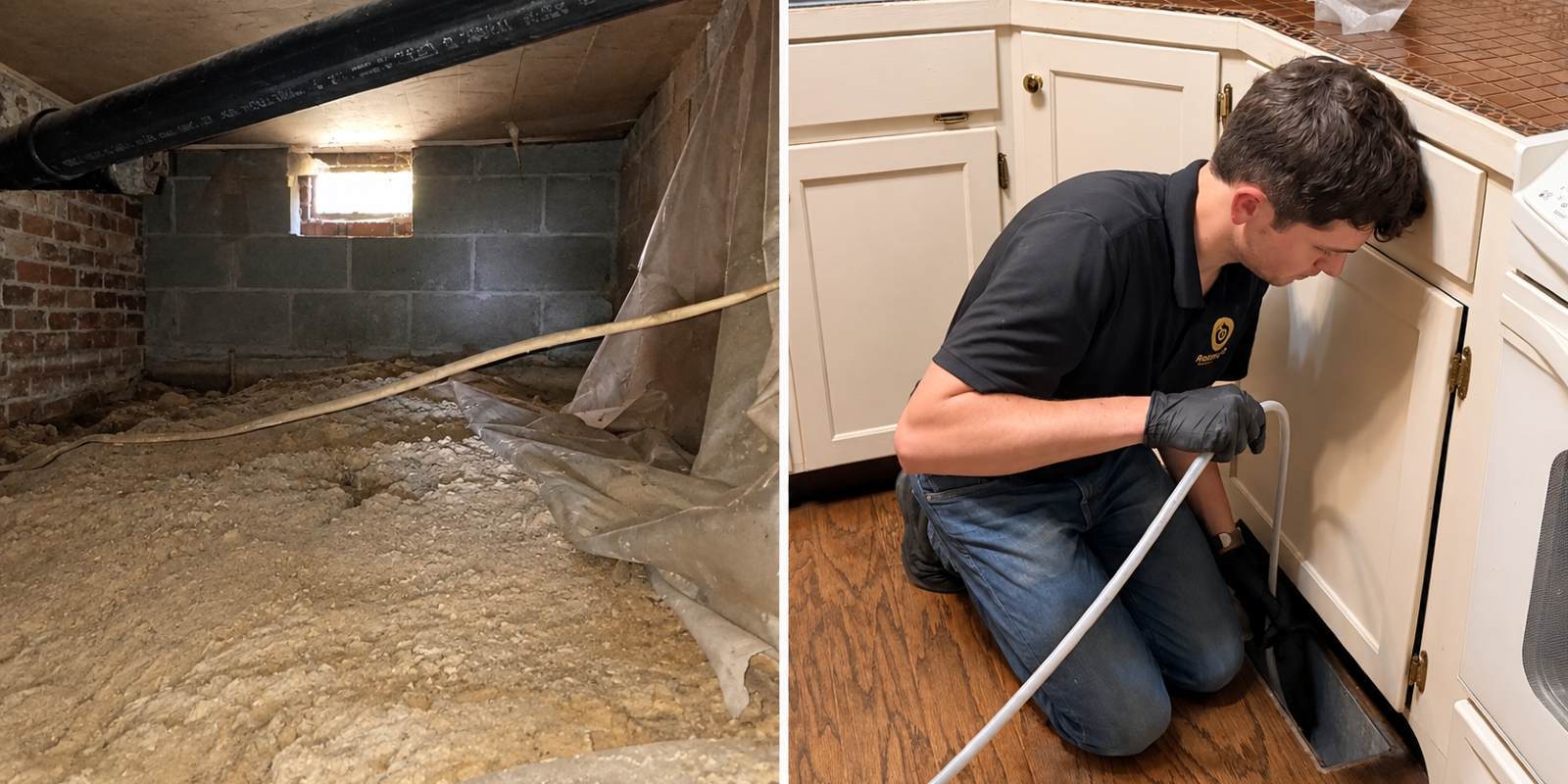
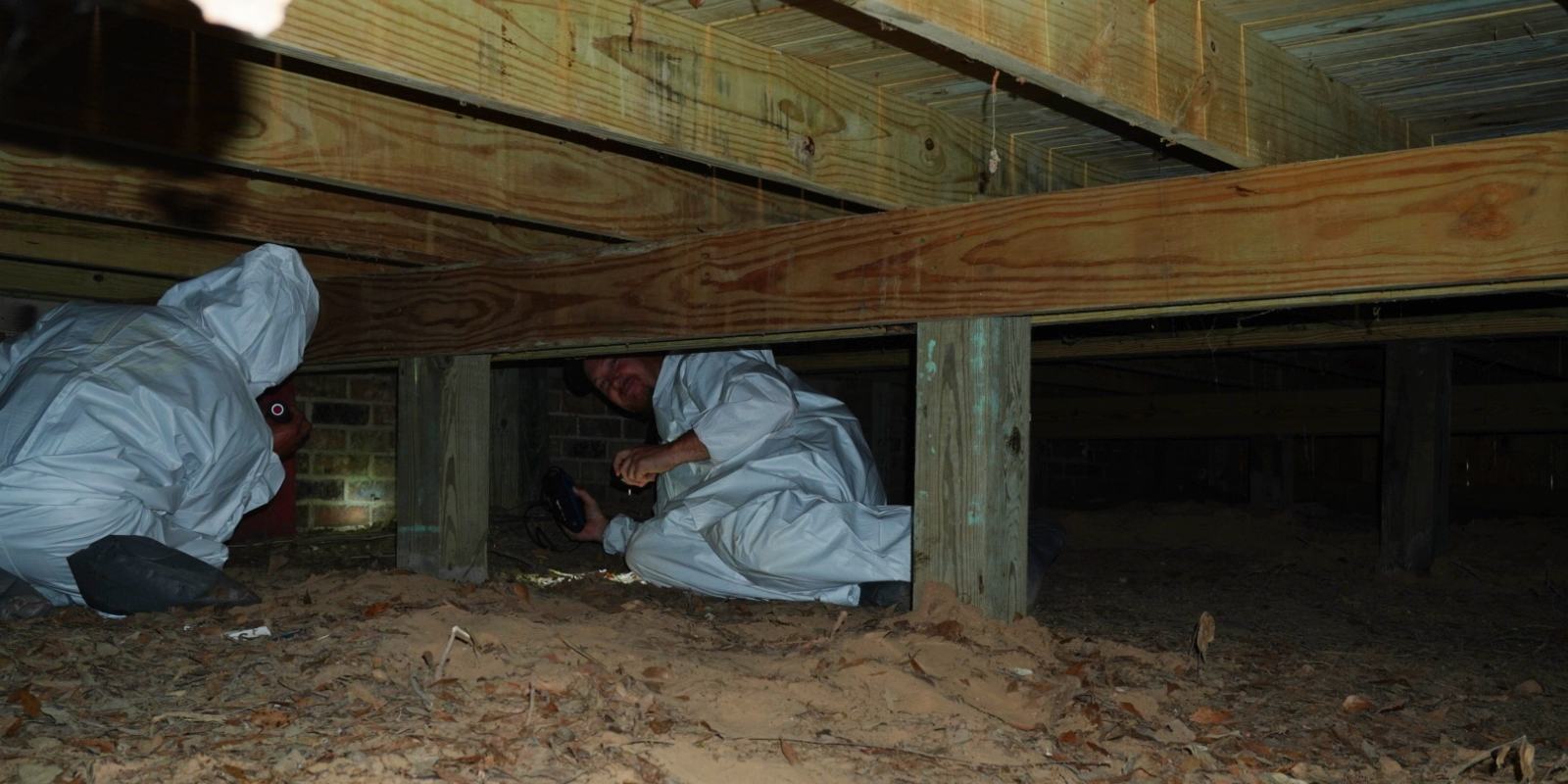
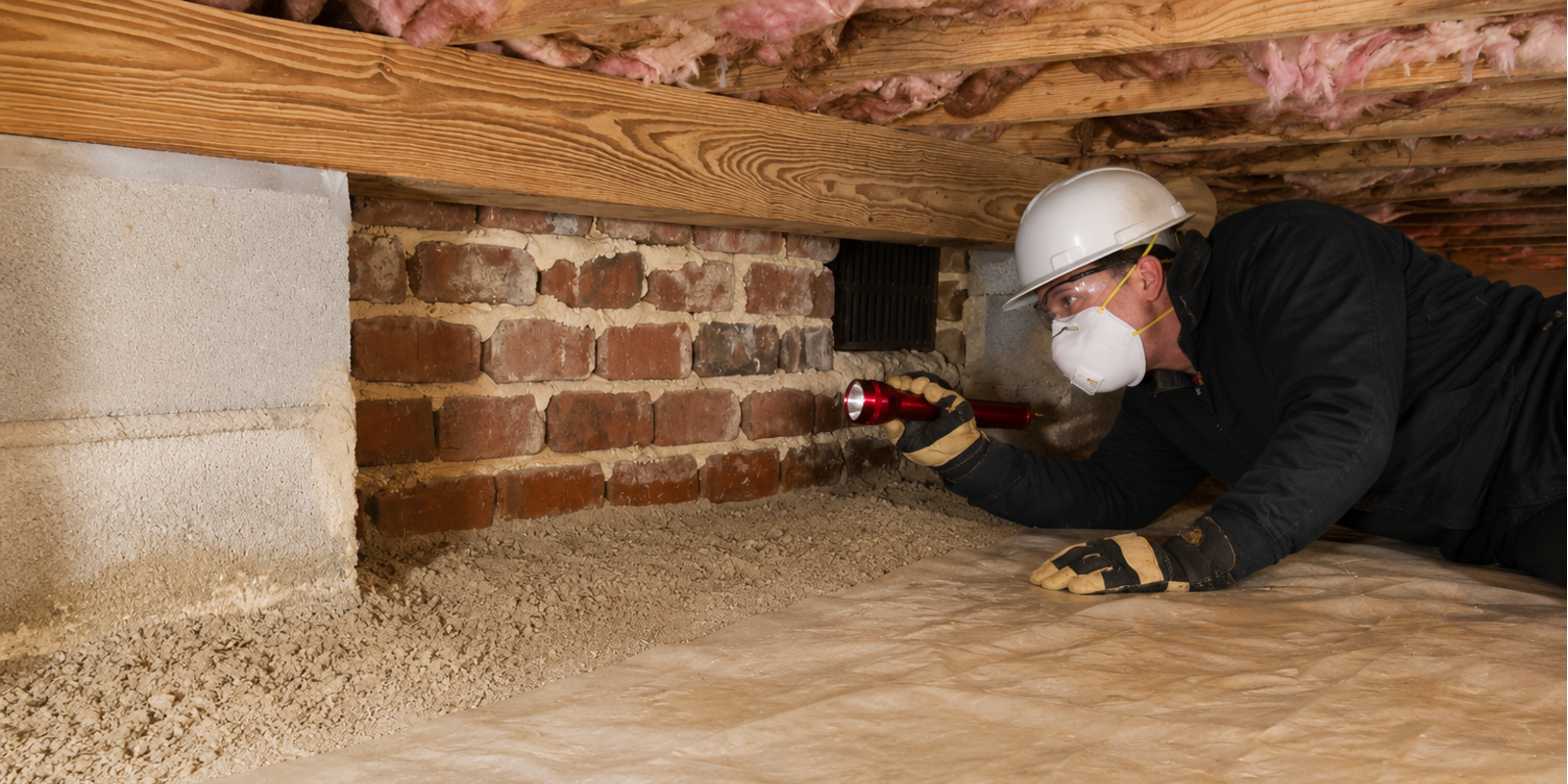
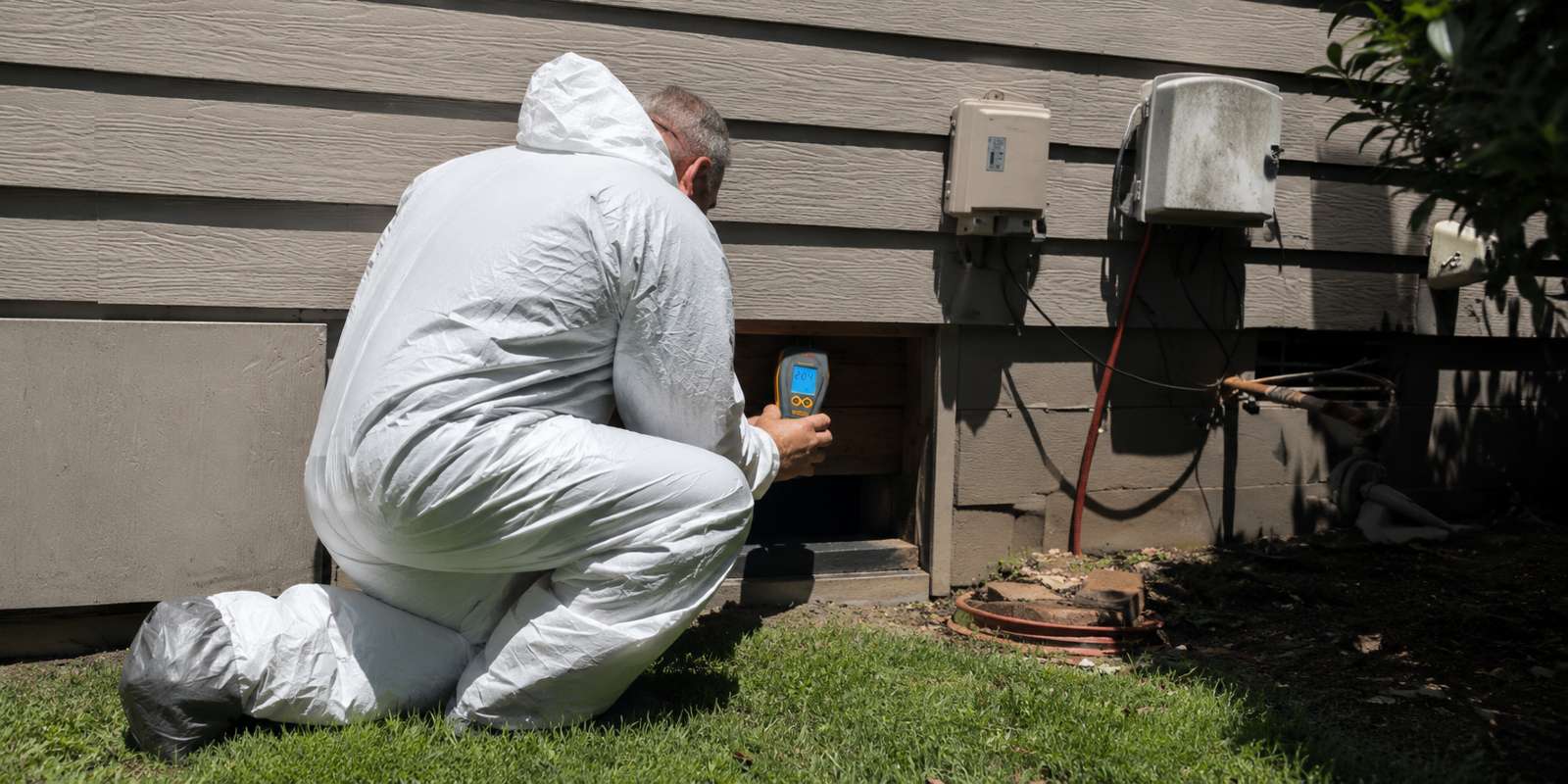
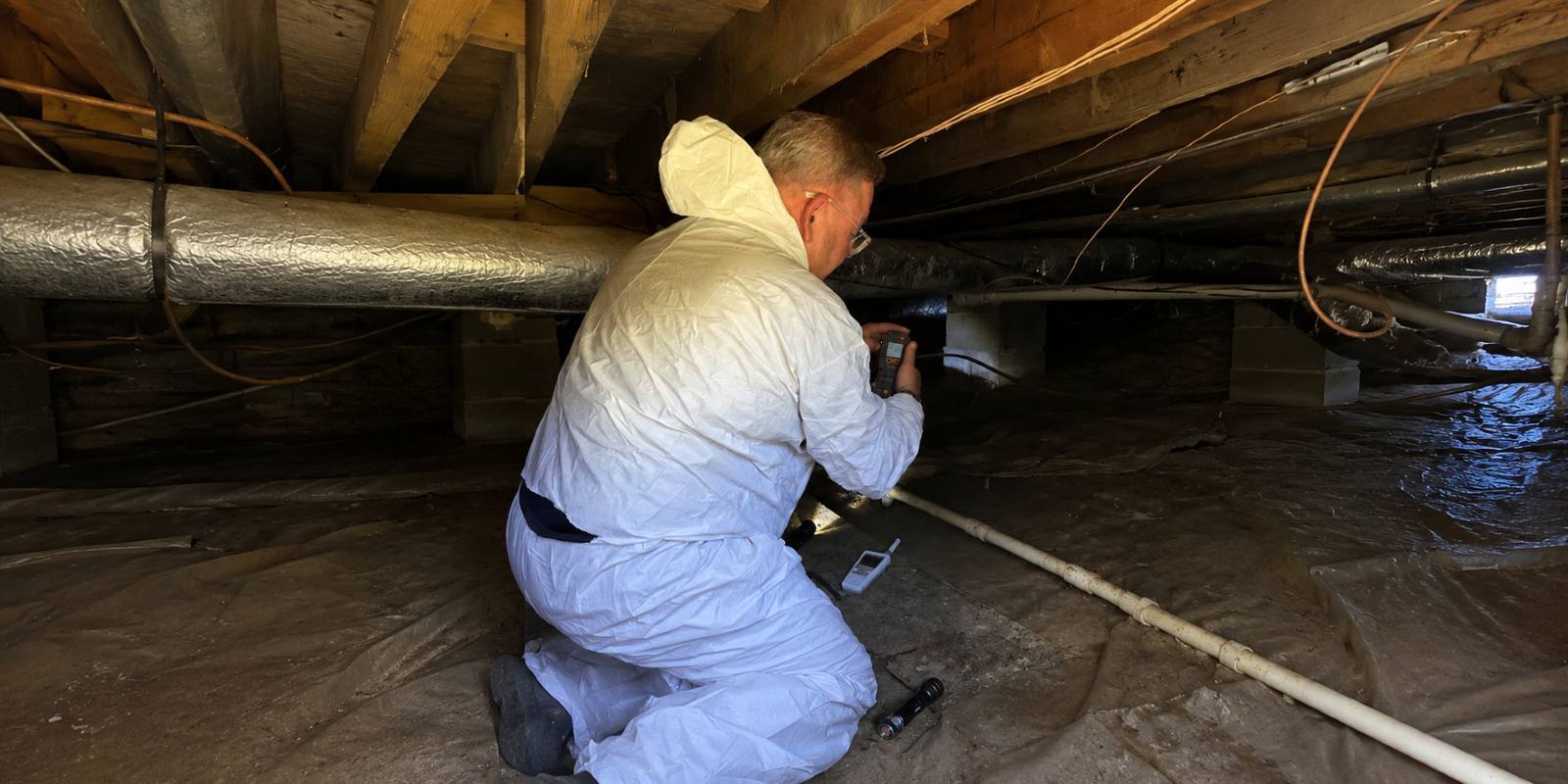
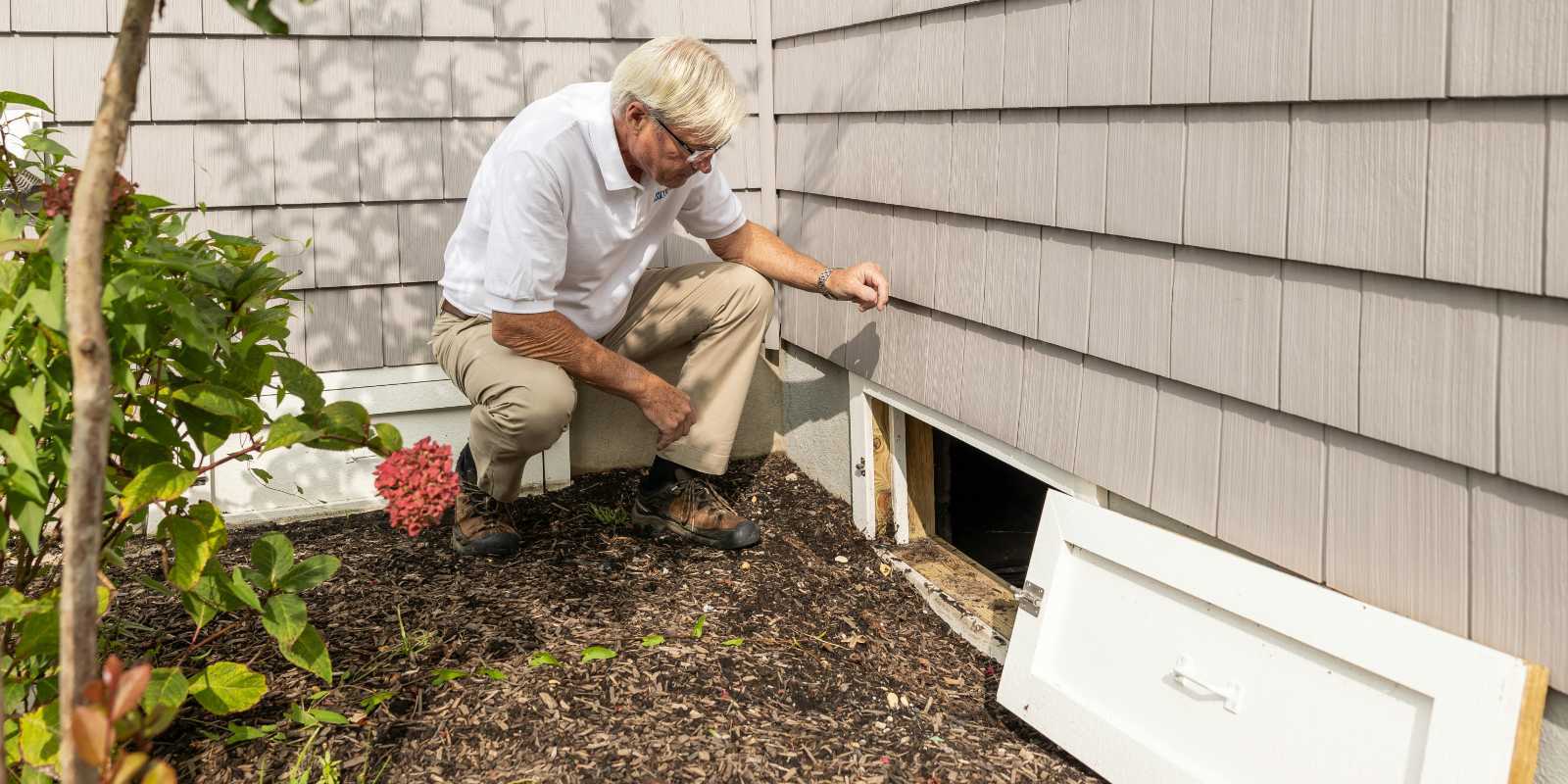
A reliable quote starts with an assessment of your crawl space, not just your home's square footage. The contractor should document:
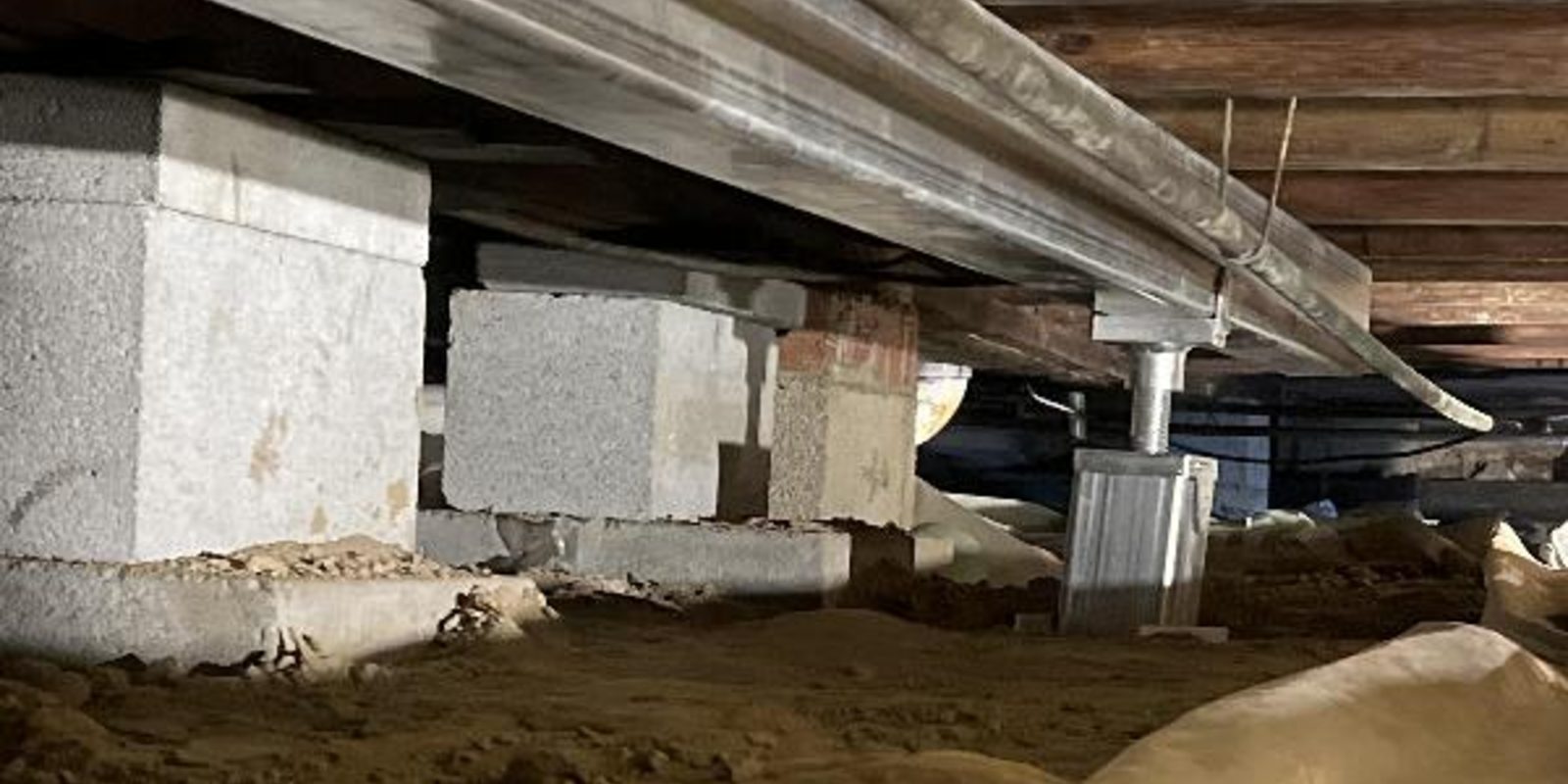
- Dimensions and access: Crawl space area, perimeter, clearance, entry points, and obstacles such as plumbing and support piers.
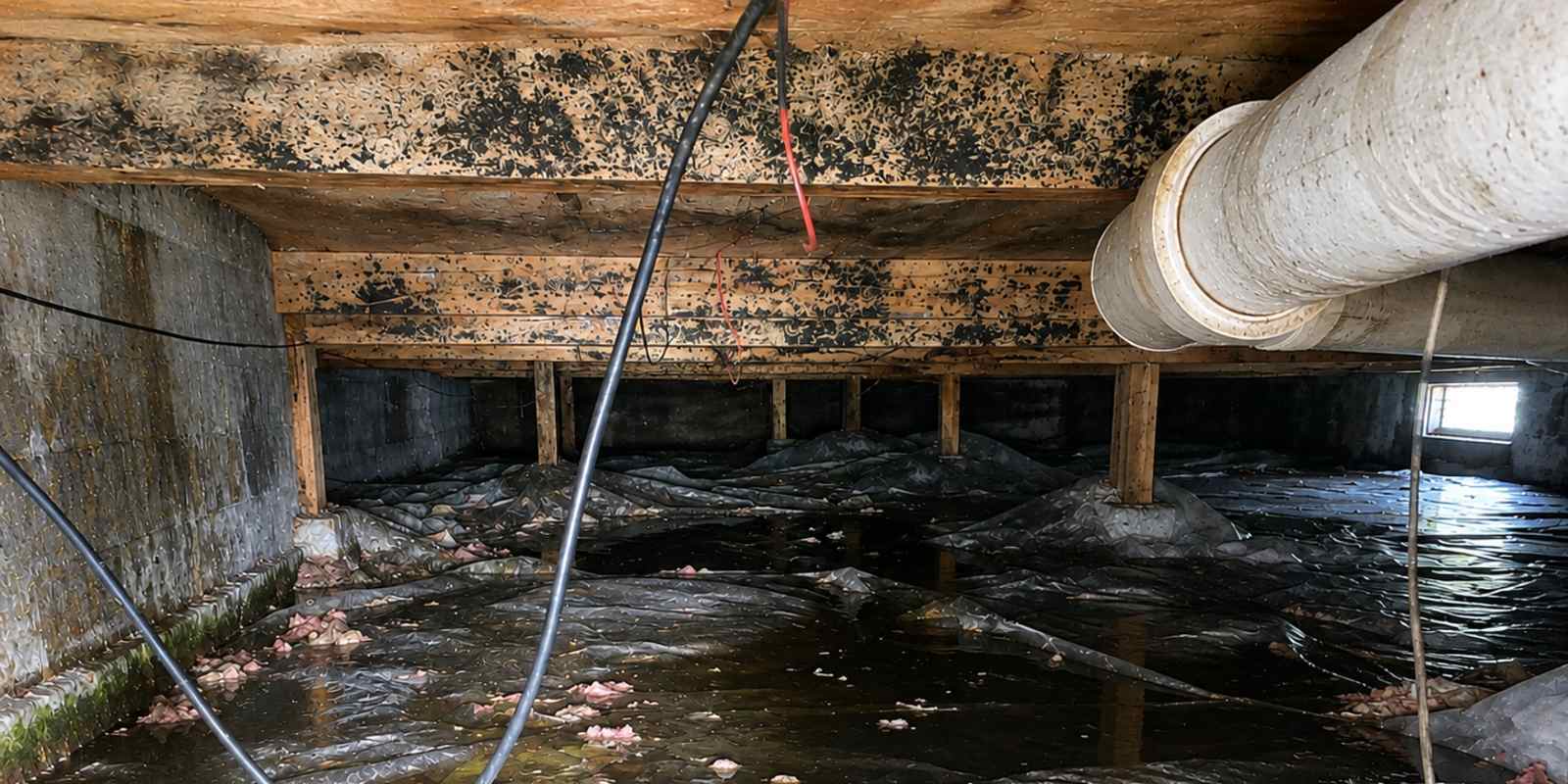
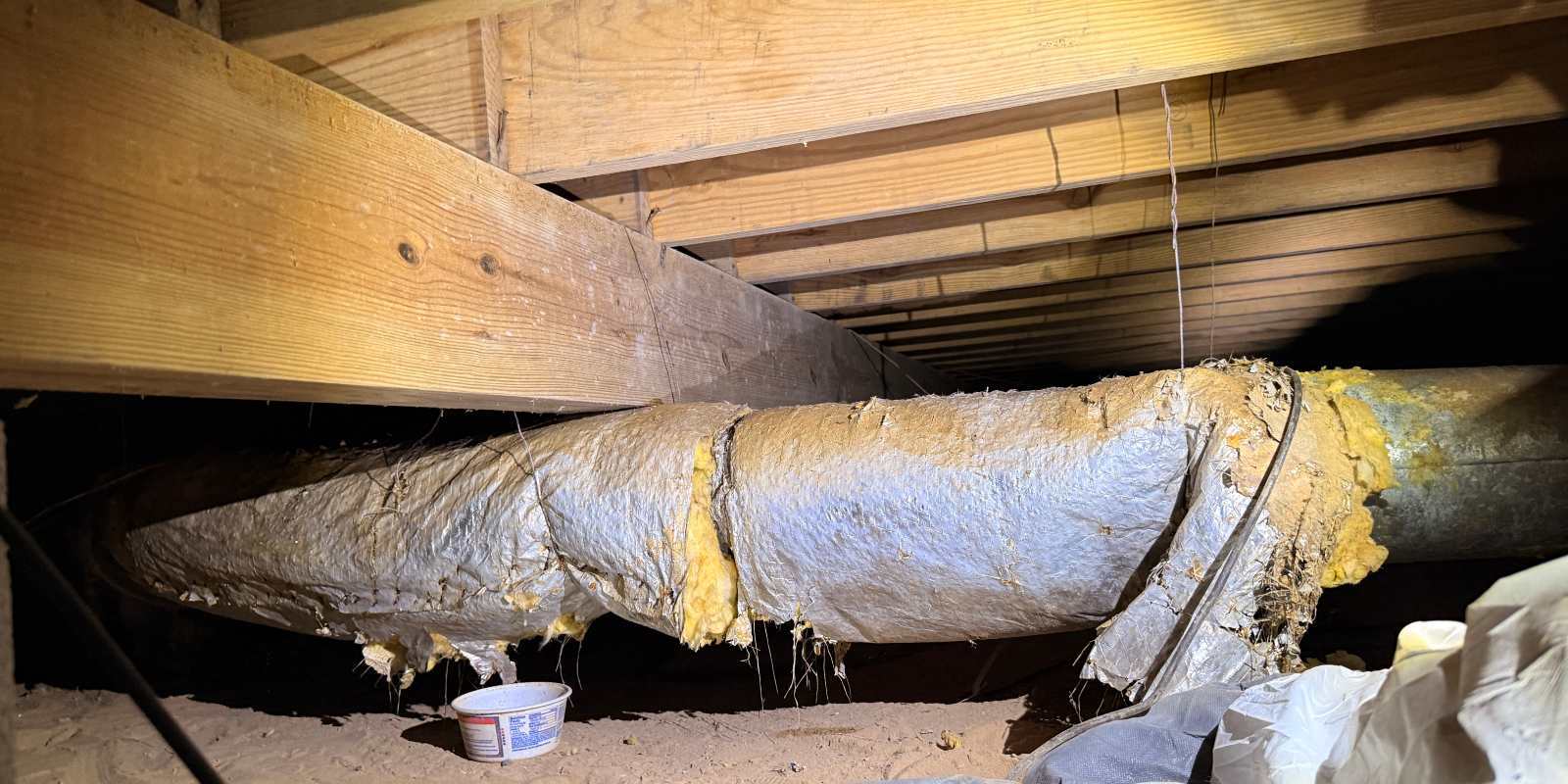
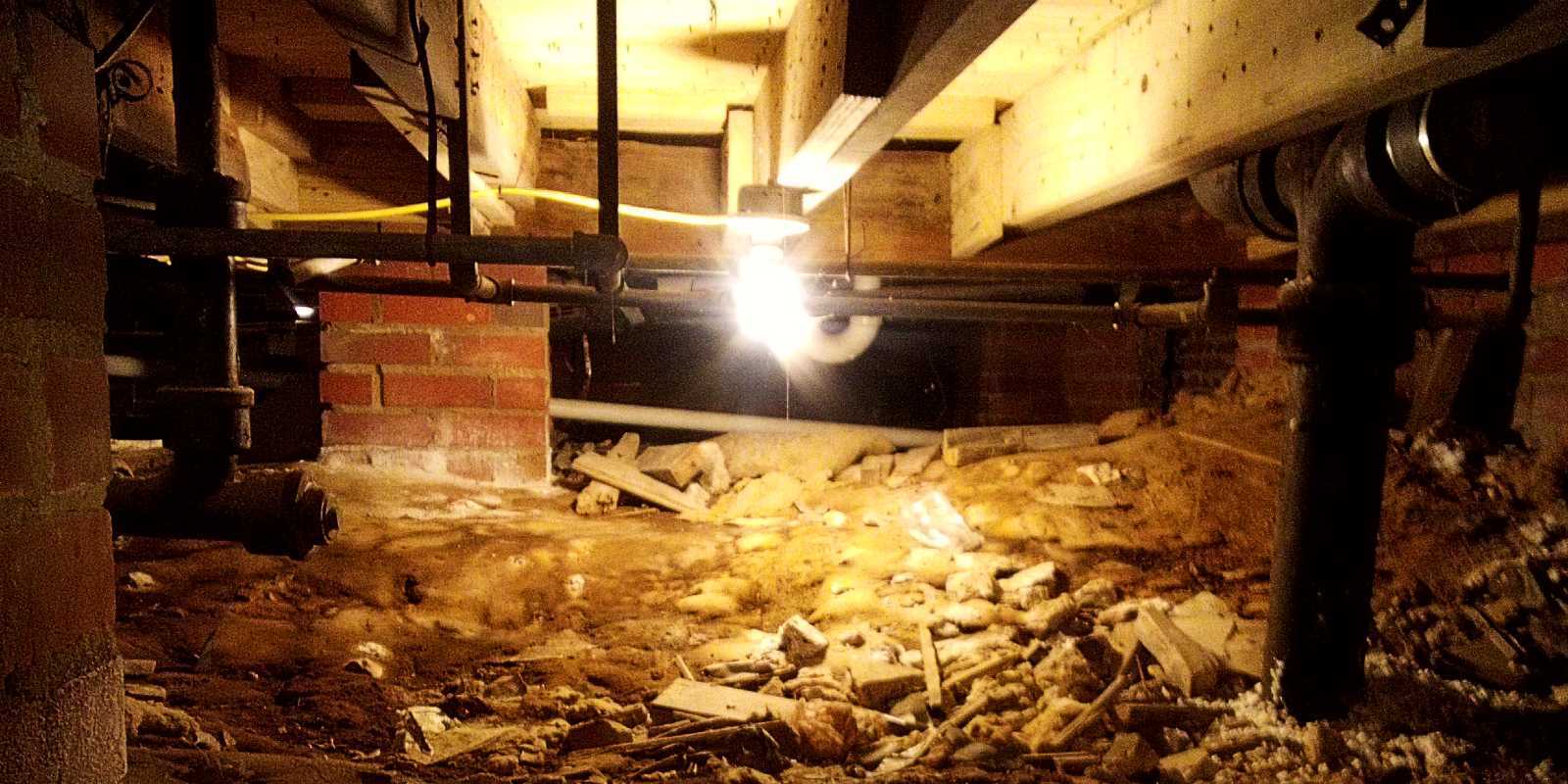
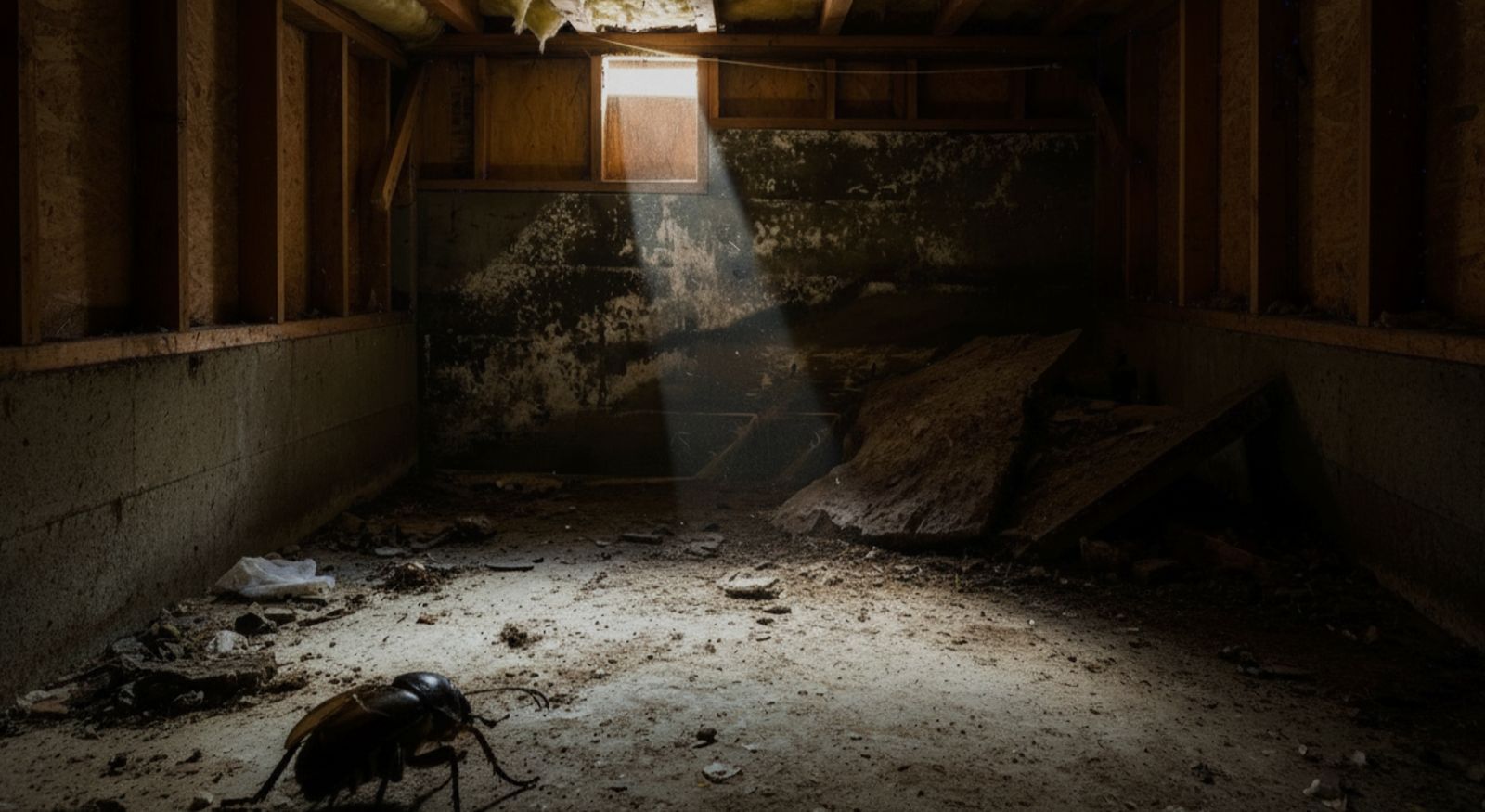
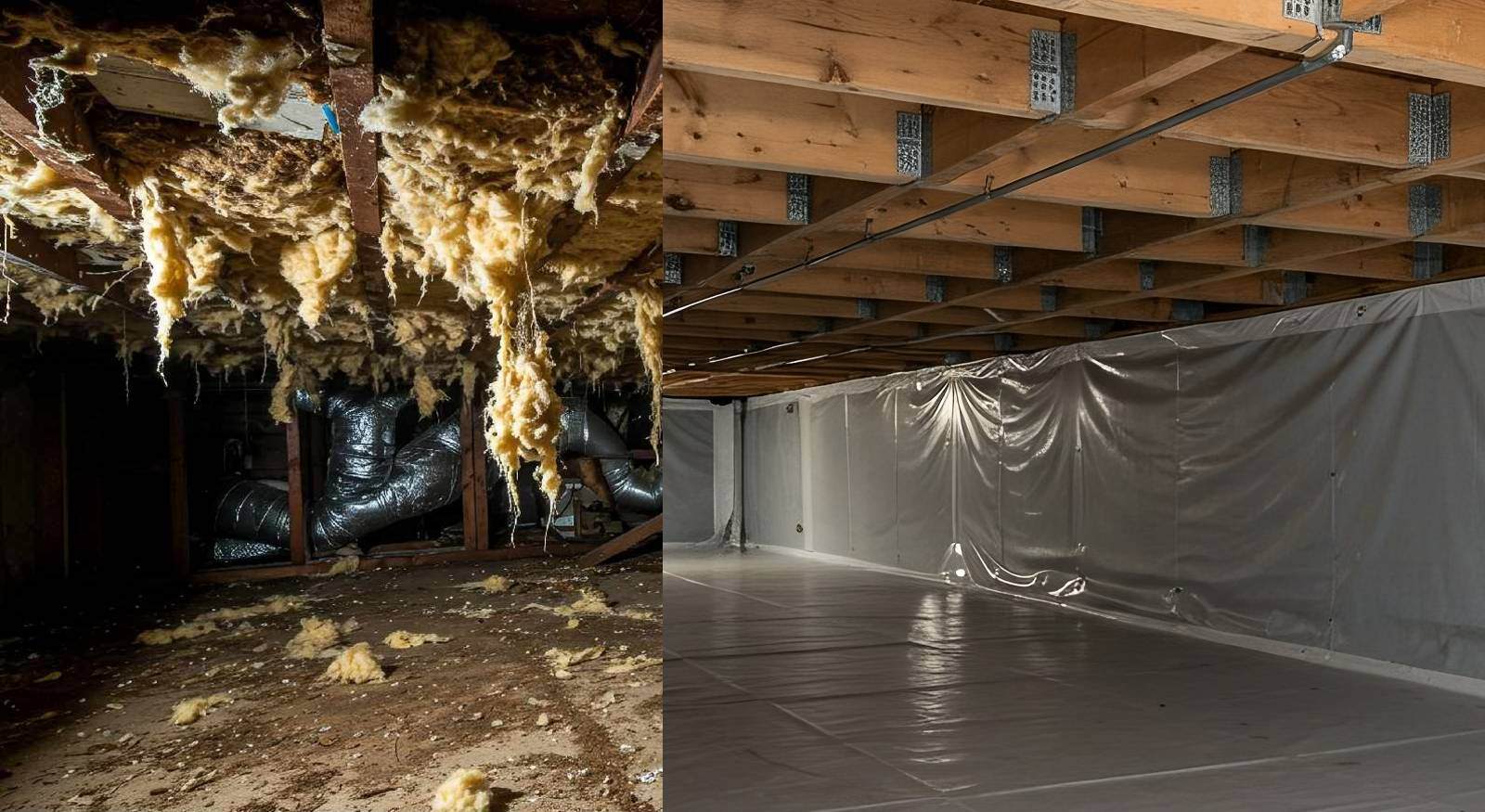
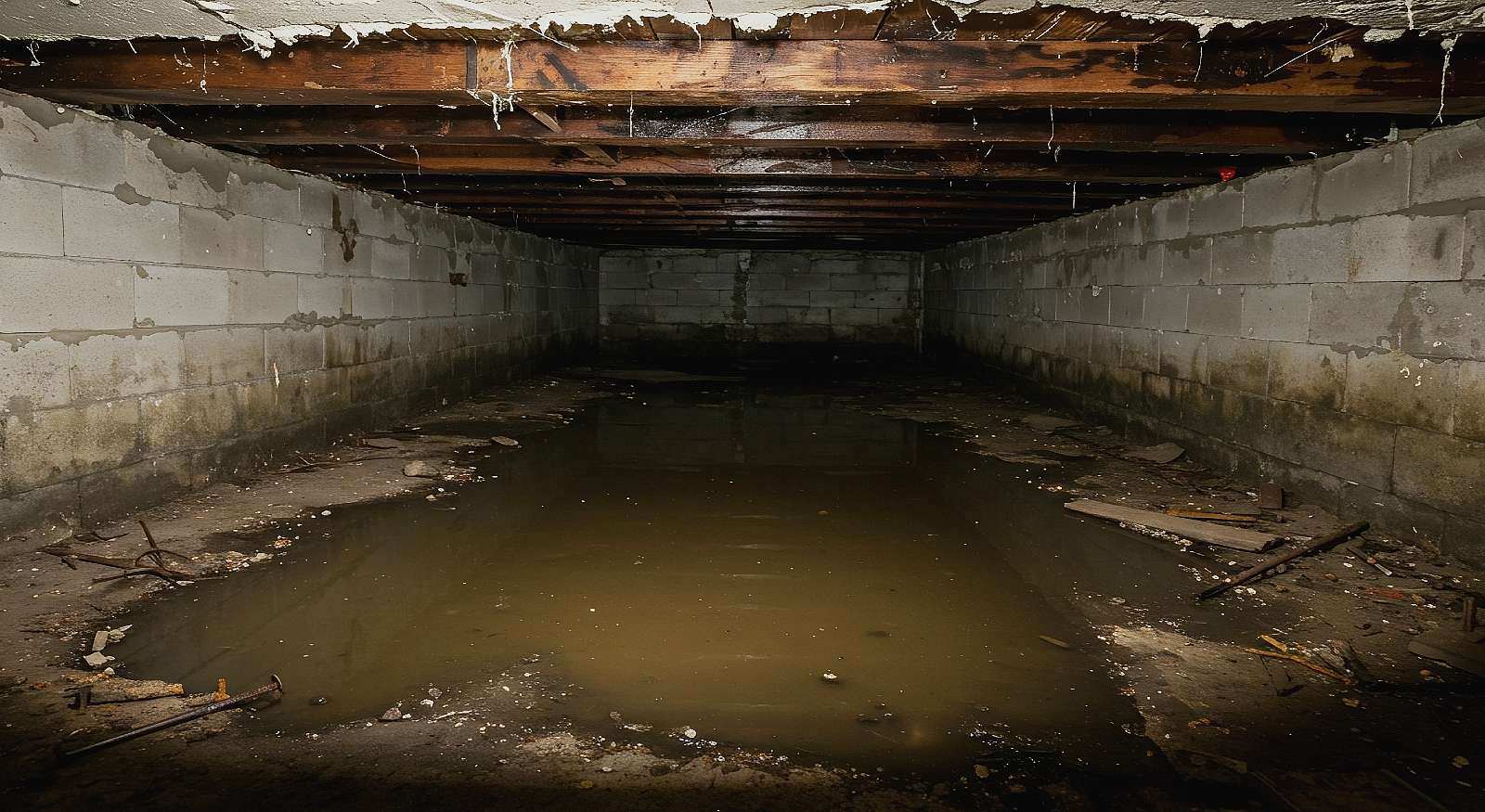
- Existing conditions: Standing water, damaged wood, deteriorating insulation, visible mold growth, or other concerns.
- Current materials: Condition of existing vapor barriers, insulation, and drainage components.
These findings help explain why one home may need a basic vapor barrier while another requires additional moisture control or repairs. Ask which measurements have been verified and which remain estimates.
2. Vapor Barrier Materials and Installation
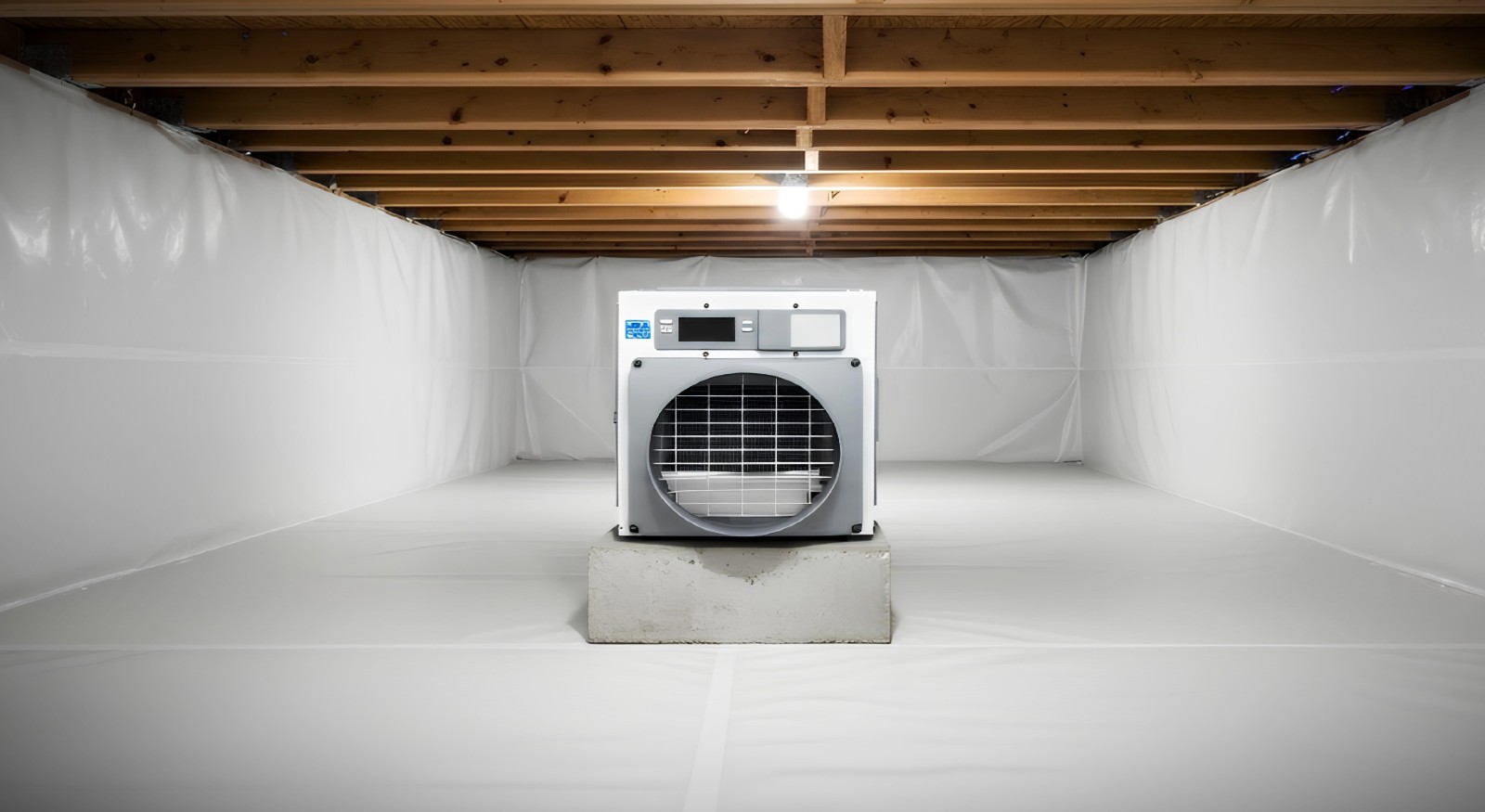
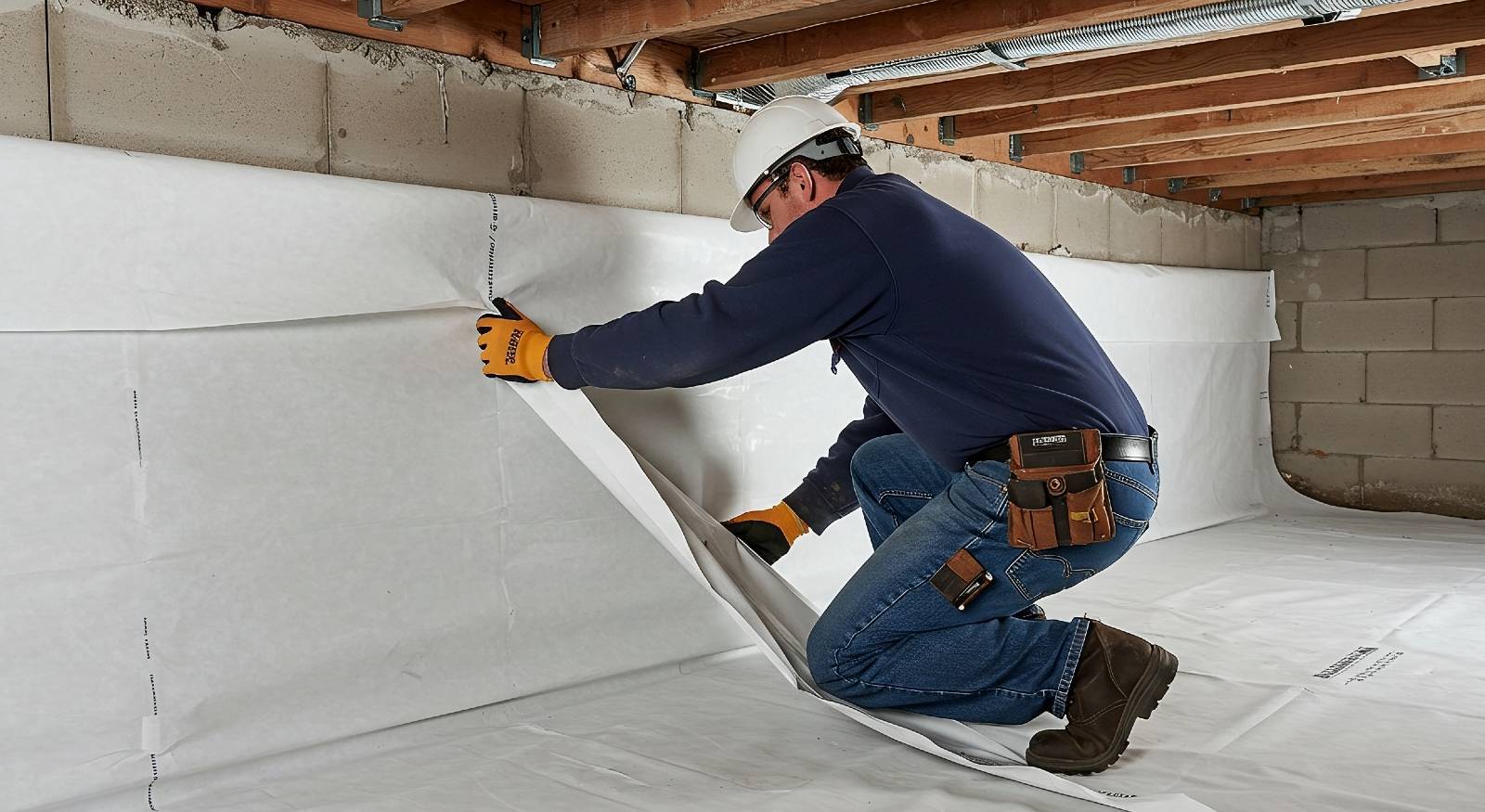
A vapor barrier helps limit moisture vapor moving from the soil into your crawl space. Its specifications and installation method can affect the system's performance.
|
What to check |
What your quote should explain |
|
Liner thickness |
Specified thickness in mils |
|
Floor and wall coverage |
Areas covered by the liner |
|
Seams and edges |
How sections are joined and sealed |
|
Attachments |
How the liner is secured to walls and piers |
|
Penetrations |
How pipes and other obstacles are sealed |
The U.S. Department of Energy's Building Science Education resource recommends continuous ground coverage, sealed seams, and properly secured edges and penetrations.
Do not assume every liner provides the same specifications. Ask for the actual material thickness and installation details rather than relying on descriptions such as "heavy-duty plastic."
3. Humidity Control and Other Components
Depending on the inspection findings and proposed system, an estimate may include wall liners, sealed foundation vents, a new access door, or a dehumidifier.
If these components are recommended, confirm what's included:
- Wall liners: Coverage area, material specifications, and attachment method.
- Vent covers: Number, type, and installation details.
- Dehumidifier: Model or capacity, warranty, and maintenance requirements.
- Condensate handling: How collected water will be removed.
- Electrical work: Whether a suitable outlet or other electrical work is included.
Sealing a crawl space doesn’t automatically resolve every moisture problem. The plan should account for humidity and any water entering the space.
Read Restore-It's guide to crawl space humidity and dehumidification to understand why equipment and encapsulation serve different purposes.

4. Drainage, Cleanup, and Additional Repairs
A vapor barrier cannot correct every source of water intrusion. If water collects beneath your home, drainage improvements or a sump pump may be necessary.
The Building Science Corporation's crawl space guidance discusses sealed ground covers and the importance of appropriate drainage.
Check whether your estimate includes:
- Drainage mats or a sump pump.
- Removal of old vapor barriers and debris.
- Insulation removal or replacement.
- Mold remediation, if needed.
- Repairs to damaged wood or structural components.
- Plumbing repairs or other water-source corrections.
These services are not automatically included in encapsulation. Ask for separate pricing where needed and require approval before additional work begins.
5. What Do Different Crawl Space Encapsulation Packages Cost?
The materials, equipment, and labor included in a package affect its price. The following examples come from a Restore-It proposal for an estimated 2,474-square-foot crawl space with a 215-linear-foot perimeter.
|
Package |
Estimated price |
Main difference |
|
Bronze |
$11,500 |
Basic ground vapor barrier |
|
Silver |
$19,500 |
Wall liner and active humidity control |
|
Gold |
$23,500 |
Thicker liner and humidity control |
|
Platinum |
$33,500 |
Drainage system and encapsulation |
These are project-specific estimates, not flat rates. Actual pricing may vary with your home's layout, verified measurements, accessibility, existing conditions, and installation complexity. Final quantities and pricing are subject to field verification.
What's Included in Each Package?
|
Package |
Main materials and equipment |
Not included in the listed scope |
|
Bronze: $11,500 |
14-mil reinforced ground barrier, taped seams, adhesive allowance, hard brick vent covers, new access door, basic cleanup |
Wall liners, dehumidifier, drainage mat, or sump system |
|
Silver: $19,500 |
16-mil reinforced ground liner, wall liners, attachment tape, vent covers, access door, AprilAire dehumidifier rated at least 90 pints, condensate-handling allowance |
Drainage mat and sump system |
|
Gold: $23,500 |
20-mil reinforced ground liner, premium seam tape, wall liners, vent covers, access door, minimum 90-pint AprilAire dehumidifier, condensate-handling allowance |
Drainage mat and sump system |
|
Platinum: $33,500 |
Wall liners, premium seam tape, vent covers, access door, minimum 90-pint AprilAire dehumidifier, condensate handling, 36-mil GeoPro drain mat system, Dimple drainage mat, and sump pump or drainage allowance |
Confirm any additional repairs or services separately |
The example proposal recommends Gold for most homes covered by that assessment, while Platinum addresses additional drainage concerns. Neither recommendation should be treated as universal; the right scope depends on your home's conditions.
When comparing packages, ask yourself:
- Does the system address the moisture problems identified during inspection?
- Are the liner thickness and coverage appropriate for the proposed design?
- Is active humidity control included?
- Does the space need drainage improvements?
- Which repairs, services, or materials are excluded?
A less expensive package may be appropriate for one crawl space but insufficient for another. Compare the work included, not just the total price.
Important: Final quantities and pricing are subject to field verification. If hidden damage or unexpected moisture concerns emerge, additional labor, materials, and costs may be necessary. Your contractor should explain the findings, provide revised pricing, and obtain your approval before proceeding with extra work.
6. Labor, Warranties, and Written Terms
Before signing, make sure the estimate identifies the total price, labor, materials, equipment, disposal fees, payment terms, and expected timeline.
Also clarify these details:
|
Question |
Why it matters |
|
What does the workmanship warranty cover? |
Helps you understand the contractor's responsibility for installation. |
|
What manufacturer warranties apply? |
Identifies coverage for the liner, dehumidifier, and other equipment. |
|
What maintenance is required? |
Clarifies ongoing upkeep and any warranty conditions. |
|
How are unexpected issues handled? |
Establishes how changes to the scope and price will be communicated. |
|
Who handles equipment service? |
Gives you a clear contact if the dehumidifier or another component needs attention. |
A lump-sum quote can make comparisons difficult when the included work is unclear. Keep copies of the final estimate, warranty documents, and approved changes.
A good contractor should keep you informed, not leave you guessing. Clear communication helps you understand why a change is necessary and how it affects your budget.
7. Questions to Ask Before Signing
Use this checklist when comparing estimates:
- What moisture concerns did the inspection identify?
- What liner thickness, coverage, and installation methods are included?
- Are wall liners, vent covers, and a dehumidifier included?
- Does the price cover drainage, cleanup, or remediation?
- Which services are excluded or priced separately?
- Could field measurements or unexpected conditions change the price?
- What warranties and maintenance requirements apply?
- Will I approve changes to the scope and cost before extra work begins?
The lowest quote is not necessarily the best value if it excludes work your crawl space needs.
Get a Clear Plan for Your Crawl Space!
A good encapsulation quote should explain the problem, the proposed solution, and the costs involved. Comparing materials, equipment, and exclusions helps you evaluate estimates based on the work rather than price alone.
Restore-It helps homeowners throughout Southern Arkansas understand their crawl space concerns and available options. Before committing to a project, read our guide to crawl space vapor barriers vs. encapsulation to understand how these approaches differ.

Restoring what matters starts with understanding the work your home needs!