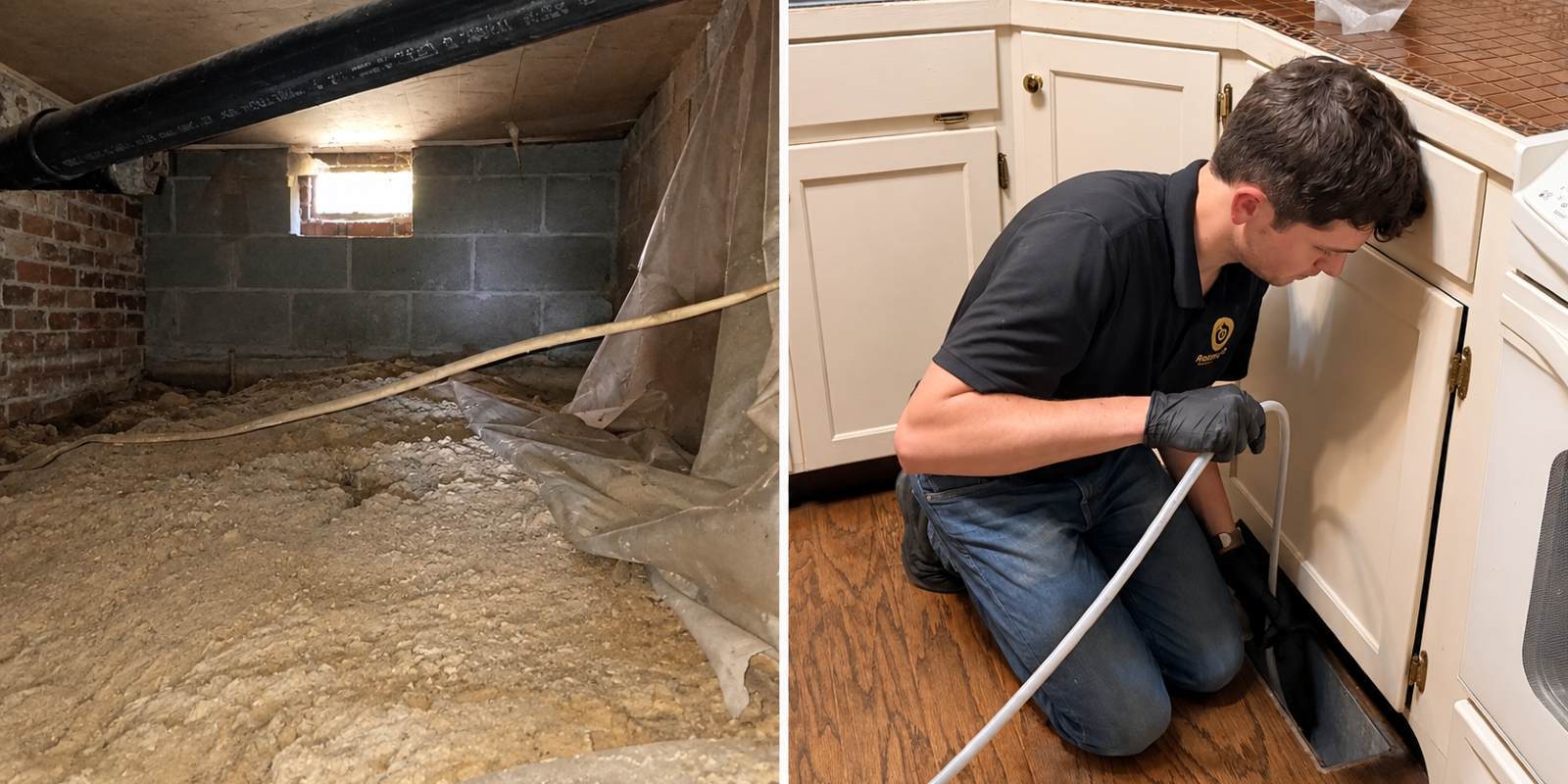
You’ve cleaned the floors, aired out the rooms, and checked the obvious places, but something in your home still doesn’t smell right. In South Arkansas, humid weather and periods of heavy rain can make moisture harder to manage, and the source of a lingering odor may be somewhere you rarely look, such as your crawl space, or somewhere you use every day, like your HVAC system.
At Restore-It, we understand the importance of identifying moisture concerns before they contribute to more extensive property problems. An odor alone cannot confirm mold or pinpoint its source, but certain signs can help you narrow down where to look.
In this guide, you’ll learn how to recognize clues that may point to your HVAC system or crawl space, what other sources to consider, and when to seek professional help.
What Can a Musty Odor Tell You About Your Home?
A persistent musty odor can indicate that moisture is affecting materials somewhere in your home. Damp wood, insulation, carpeting, and other porous materials can develop unpleasant smells when they remain wet or humid for extended periods. Mold may also be present, but smell alone cannot confirm mold growth or identify the source of the moisture.
As the Arkansas Department of Health explains in its mold guidance, managing moisture is an important part of addressing mold concerns. Finding the source can be challenging for a few reasons:
- Moisture may be hidden. A small leak, damp insulation, or moisture beneath the house may not be visible from your living space.
- Air can carry odors away from their source. A smell in a bedroom or hallway may originate elsewhere in the home.
- The odor may linger. Materials that have absorbed moisture can continue to smell even when the area no longer appears wet.
Air fresheners, sprays, and candles may temporarily mask the smell, but they won't resolve an underlying moisture problem.
A useful starting point is to notice when the odor becomes strongest. If it appears when your heating or cooling system runs, that offers a different clue than a smell that becomes more noticeable after heavy rain. Neither pattern proves the source, but both can help you decide what to investigate next.
Could Your HVAC System Be Causing the Musty Odor?
Your heating and cooling system circulates air throughout your home. Moisture around certain components may contribute to odors, while airflow can carry smells from other areas.
The Odor Appears When the AC or Heat Turns On
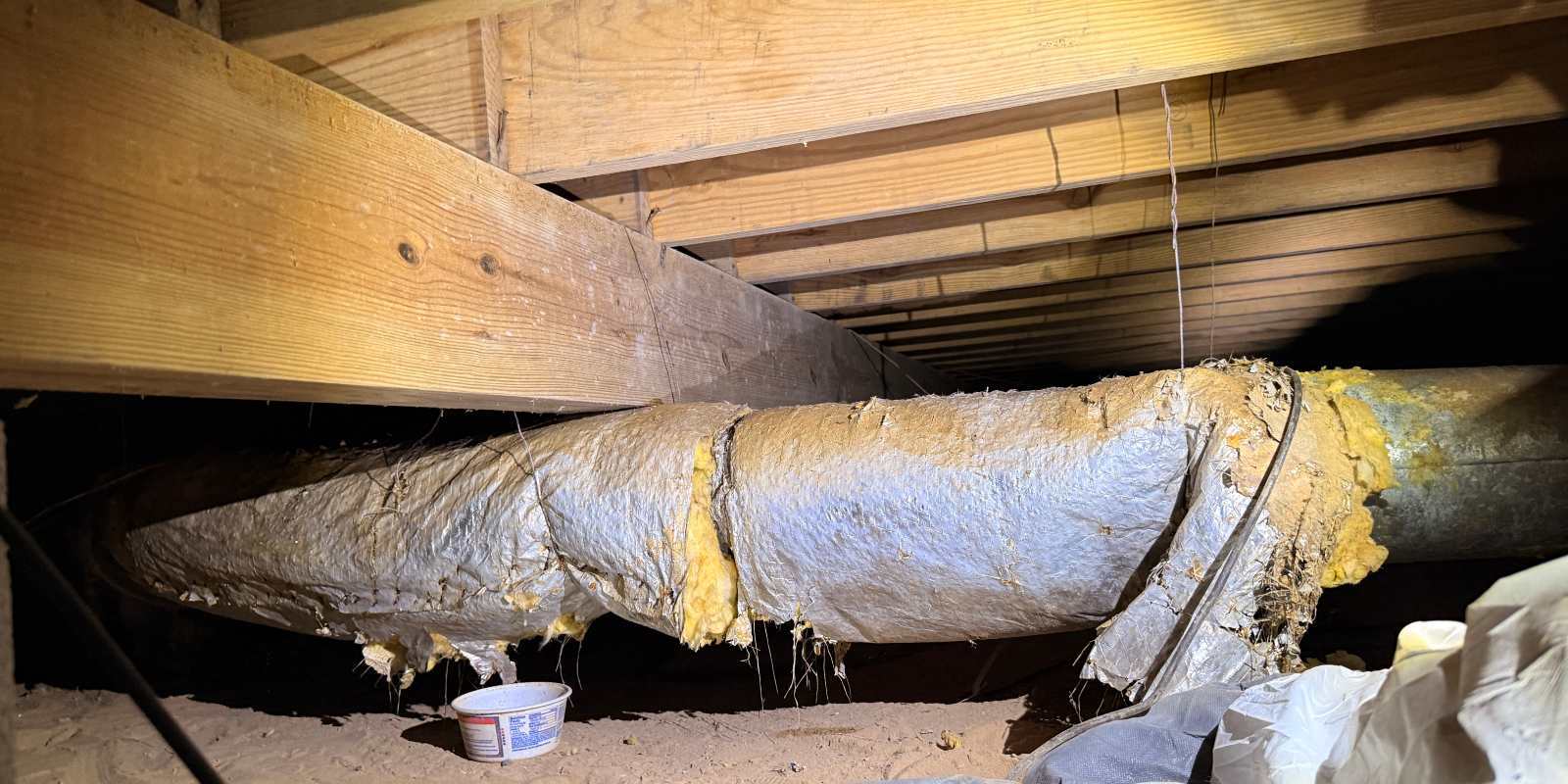
If the smell repeatedly appears when the system starts, possible areas to investigate include the condensate drain, drain pan, indoor unit, and nearby damp materials.
A dirty filter may also need attention, but replacing it won't resolve a leak or other underlying moisture problem.
The Smell Is Strongest Near Vents
An odor near a supply vent may justify further investigation, especially if it returns when the system runs. However, air can carry odors from elsewhere, so a single affected vent doesn't prove that the ductwork is responsible.
What HVAC Warning Signs Should You Look For?
Without opening equipment or dismantling ductwork, look for:
- Water around the indoor unit or condensate drain.
- A filter that needs replacement.
- Persistent condensation around accessible components.
- An odor that repeatedly returns during system operation.
Follow the manufacturer's filter maintenance recommendations. If you find standing water or recurring moisture, contact an HVAC professional.
The EPA's guidance on residential air duct cleaning explains why moisture and contamination concerns should be assessed rather than assuming duct cleaning is always necessary.
Replace the filter according to the manufacturer's recommendations. If you notice standing water, recurring condensation, or an odor that continues despite routine maintenance, contact an HVAC professional.
For more guidance, read below!

Could Your Crawl Space Be the Source?
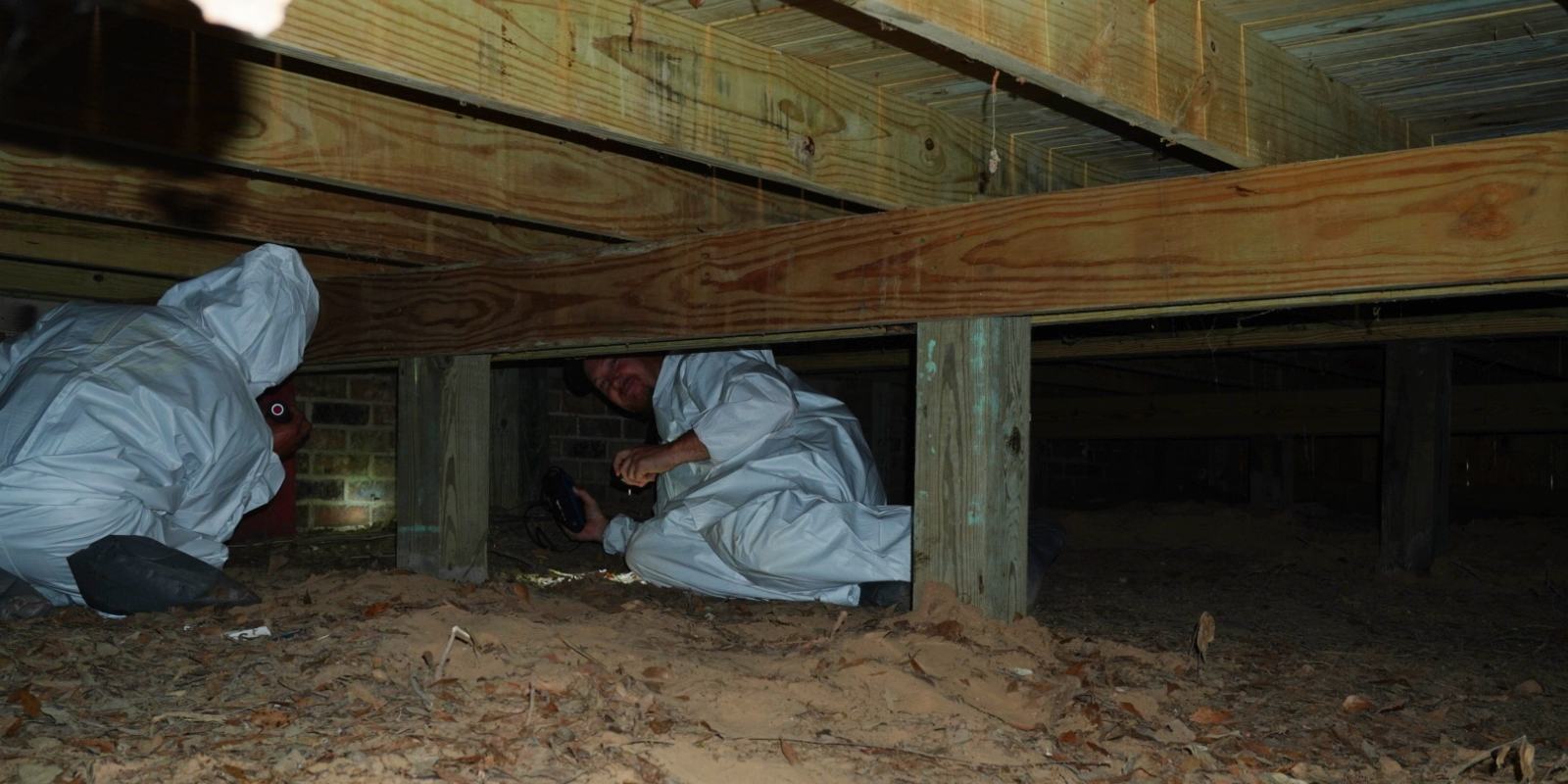
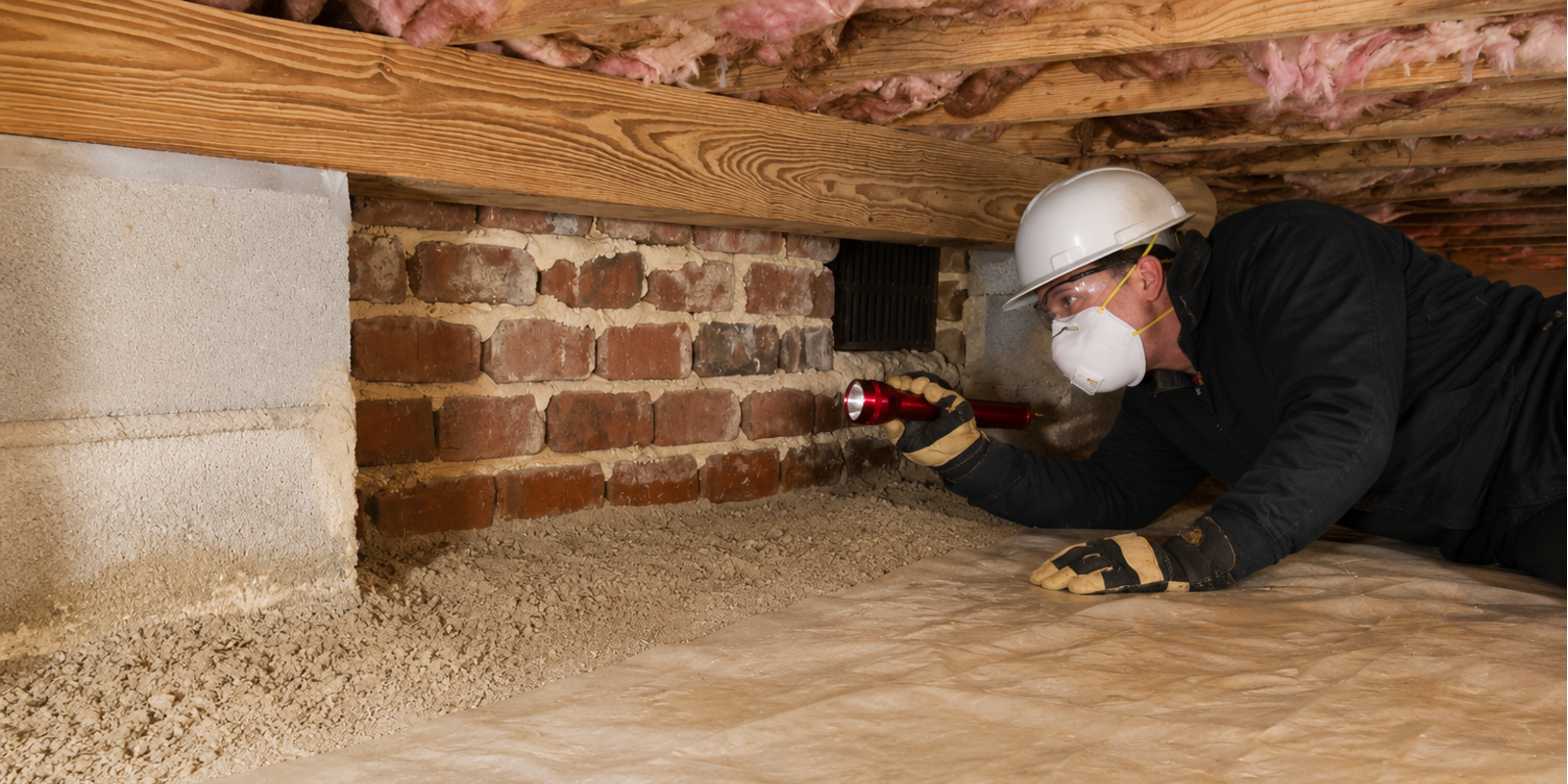
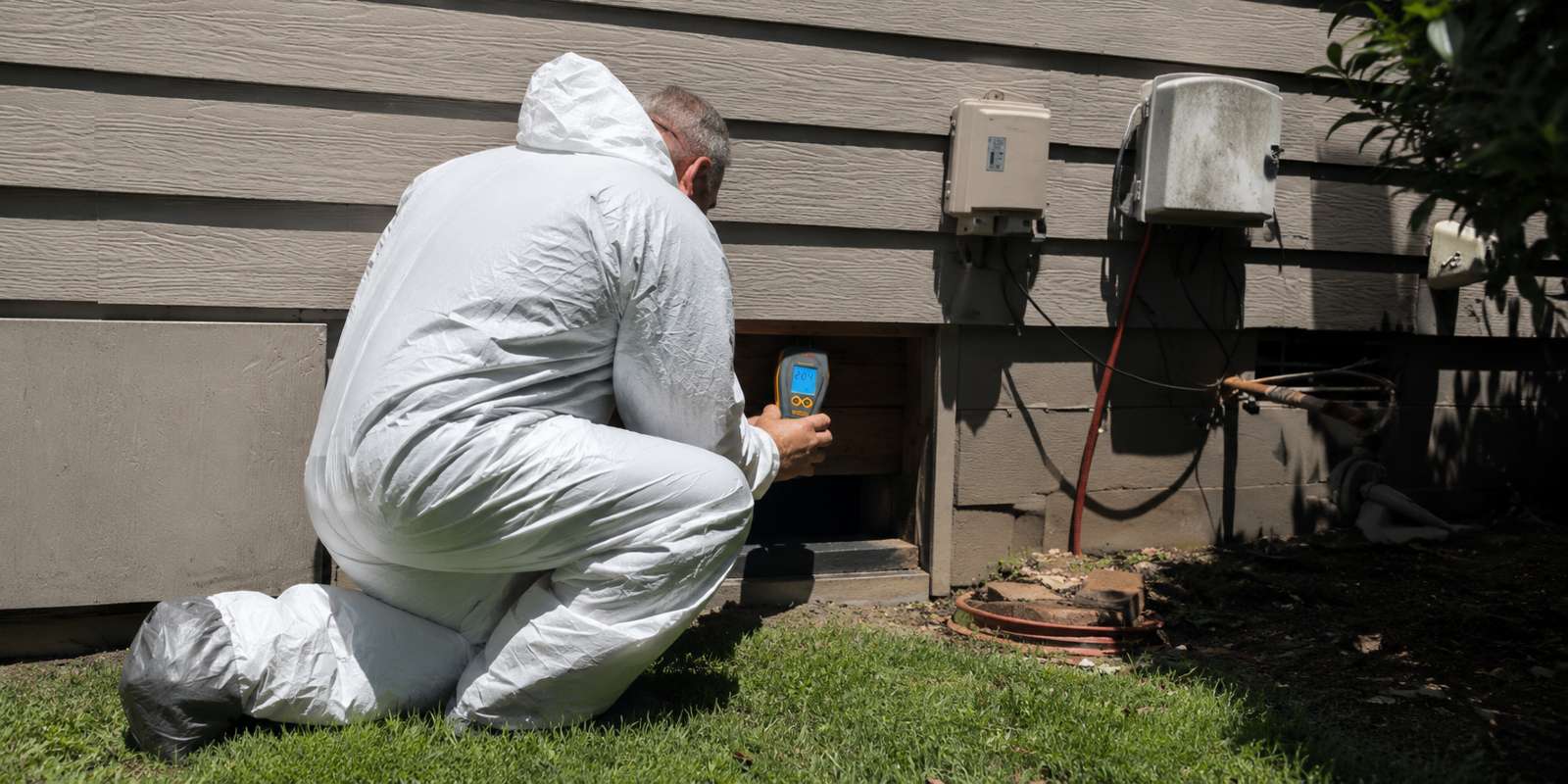
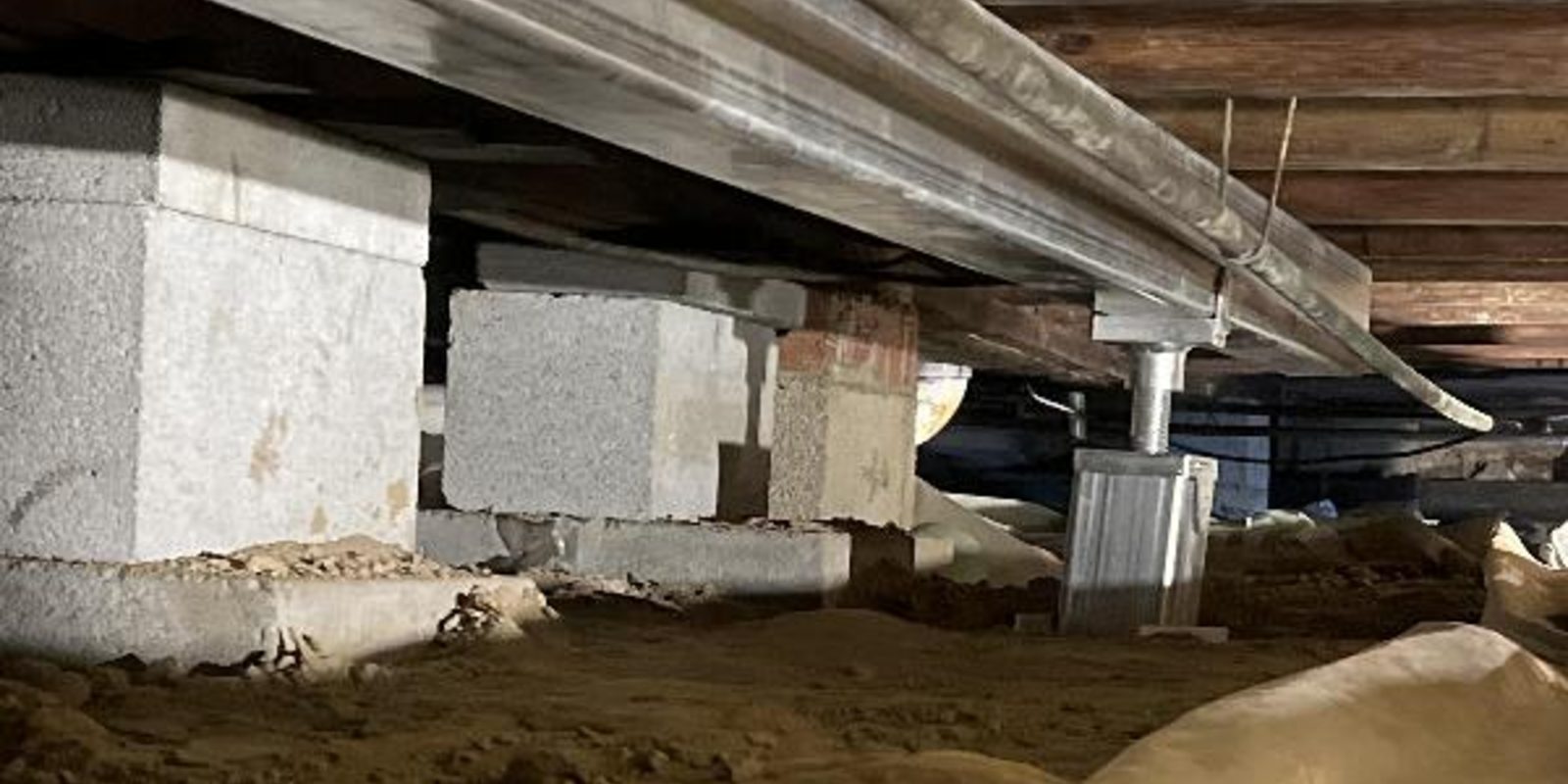
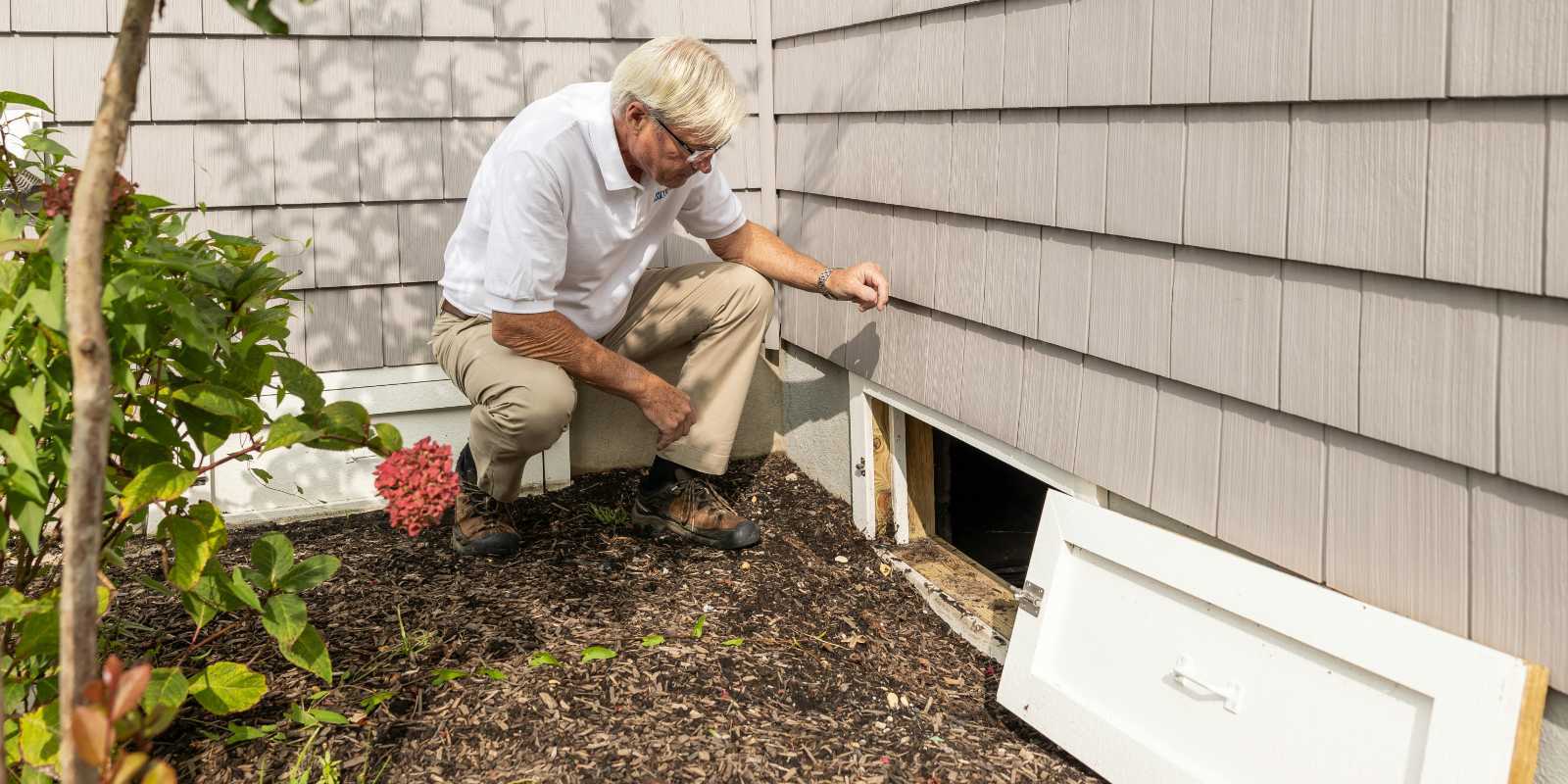
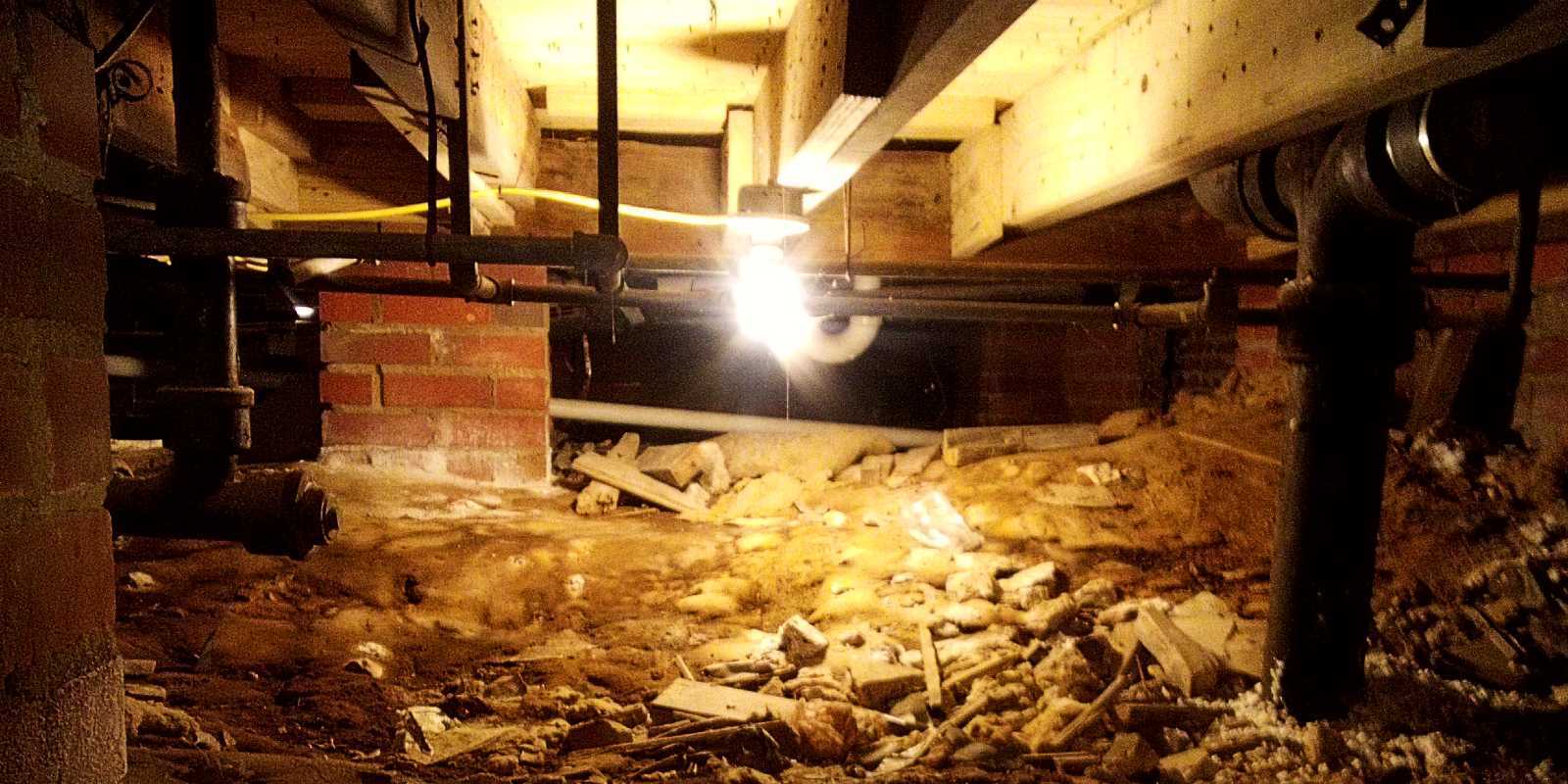
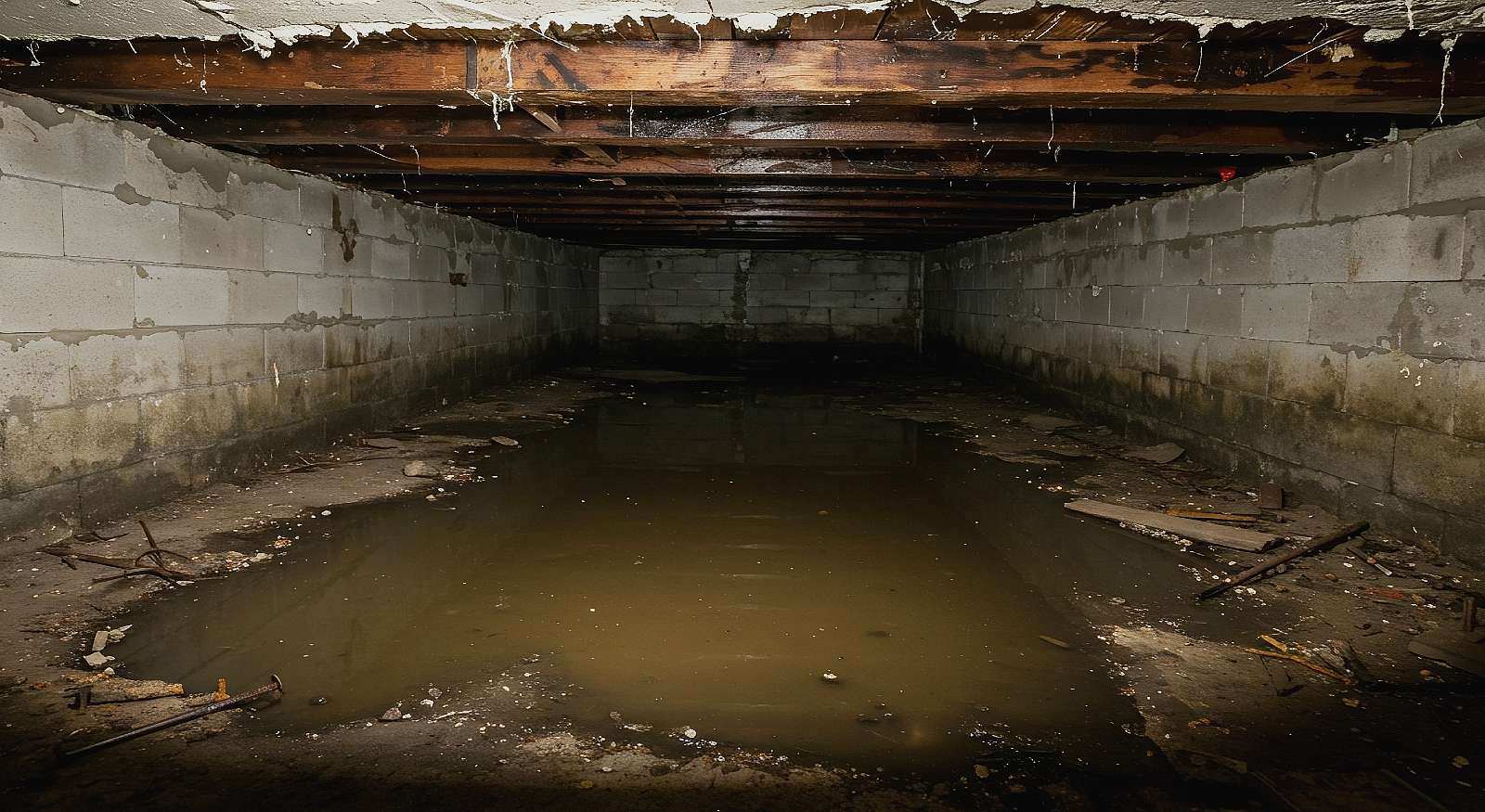
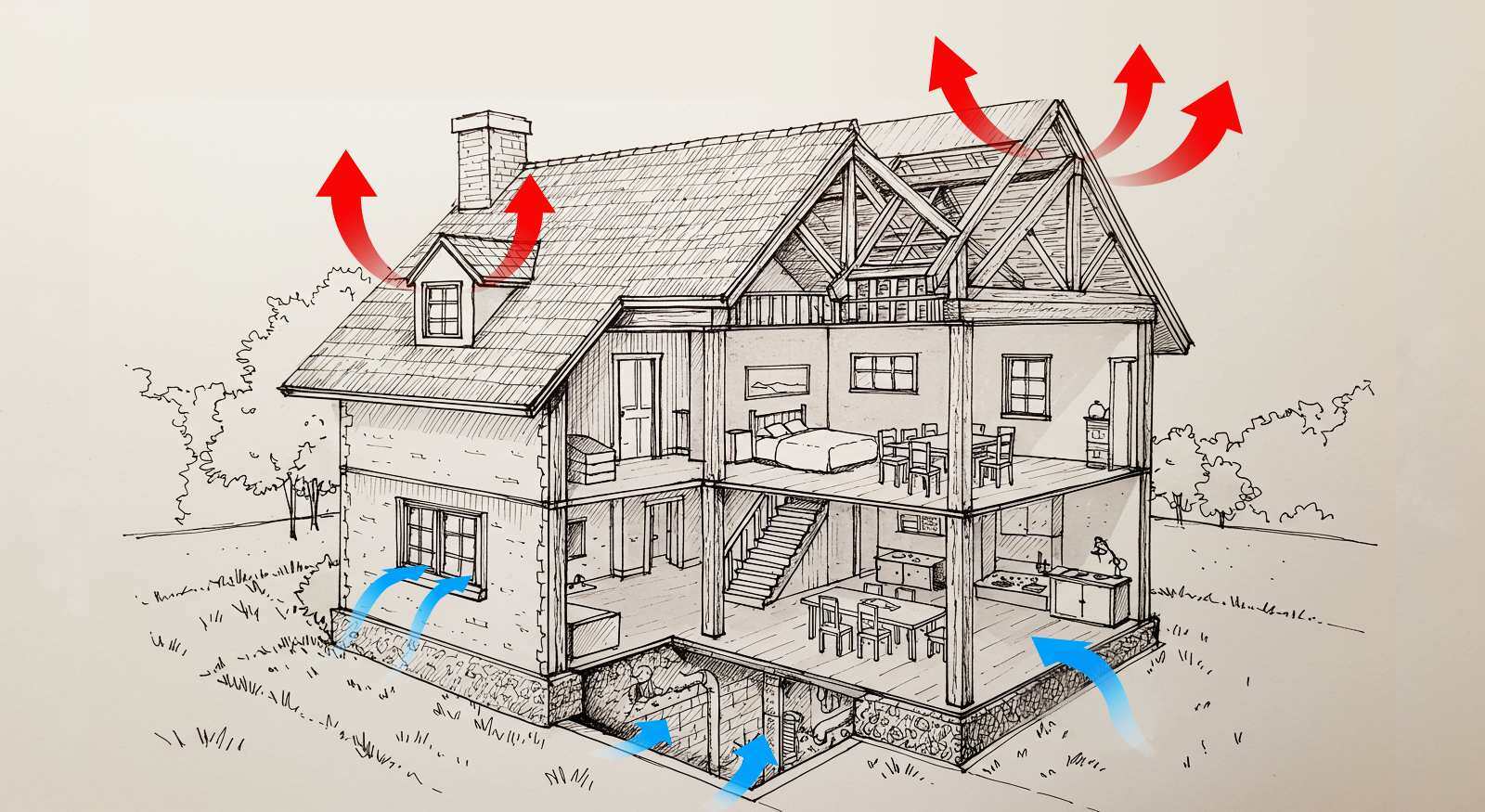
Moisture beneath your home may contribute to odors indoors. Gaps around pipes, floor openings, and other connections can allow air to move between a crawl space and the living areas above it.
The Odor Seems Stronger Near Floors or Lower Rooms
If the smell is noticeable near floor openings or rooms above a crawl space, the area beneath your home may deserve attention. Damp carpet, plumbing leaks, and other nearby sources can create similar clues, so location alone isn't conclusive.
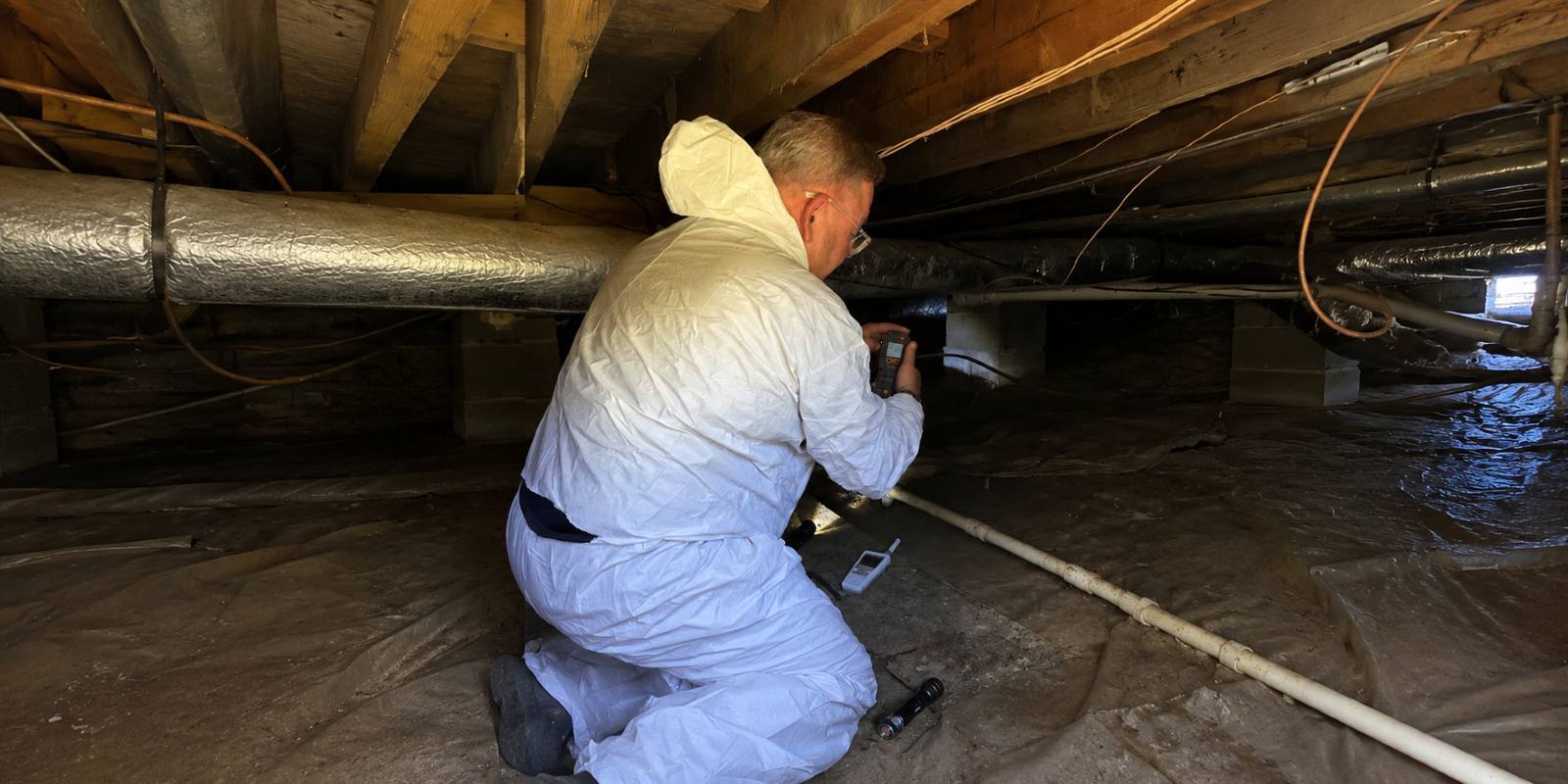
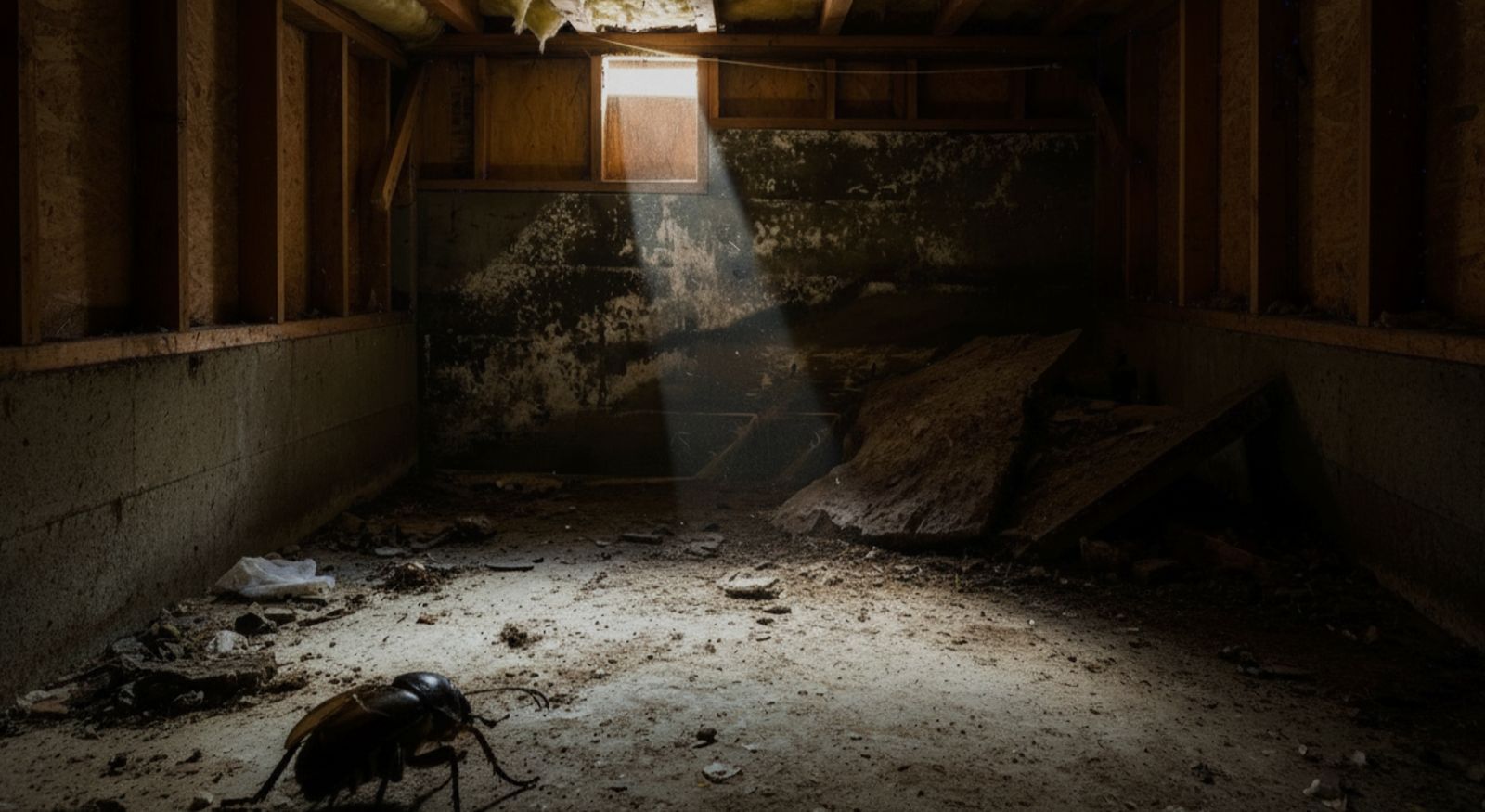
Signs of Moisture Beneath the House
Potential warning signs include:
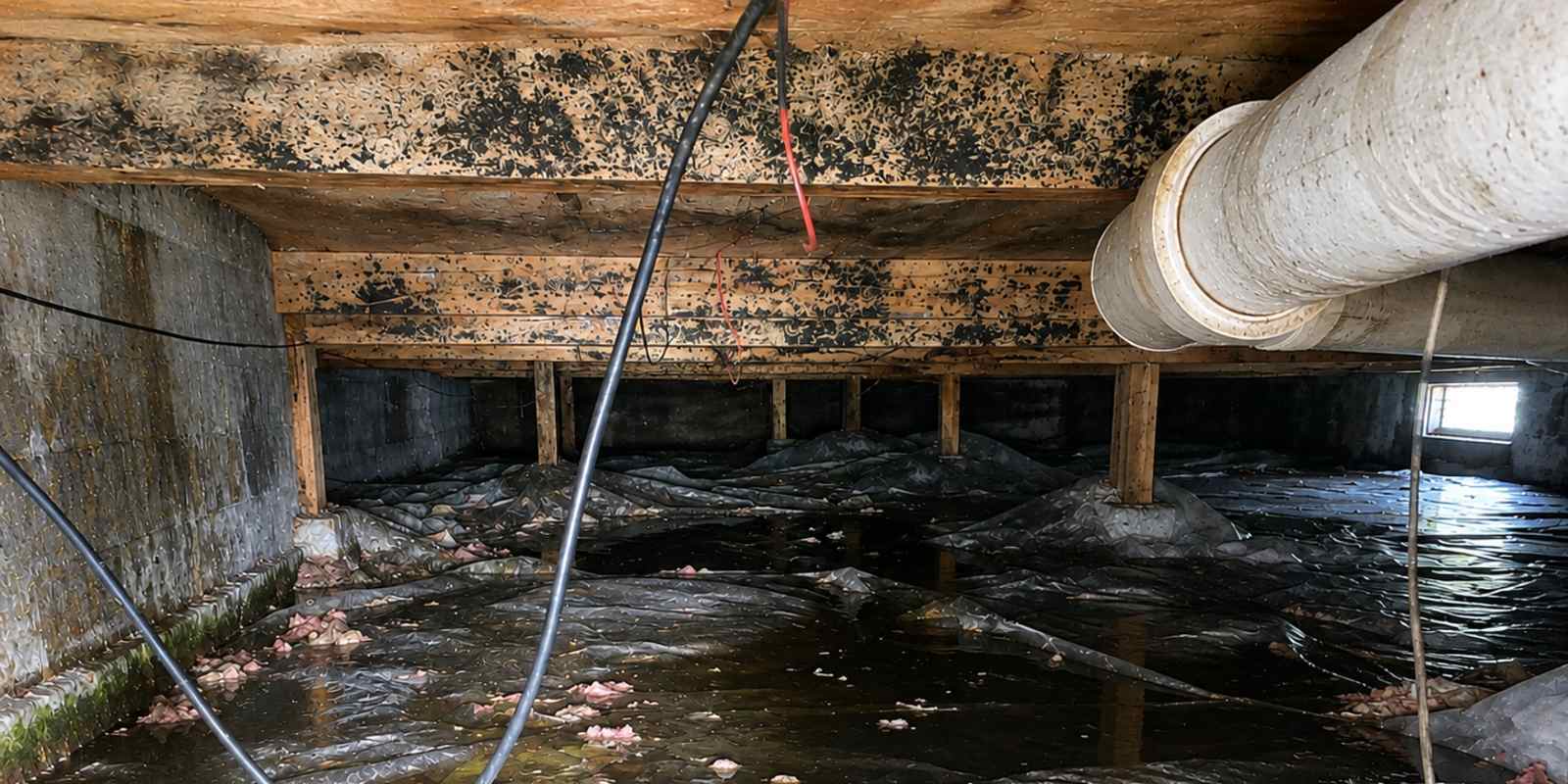
- Standing water or persistently damp ground.
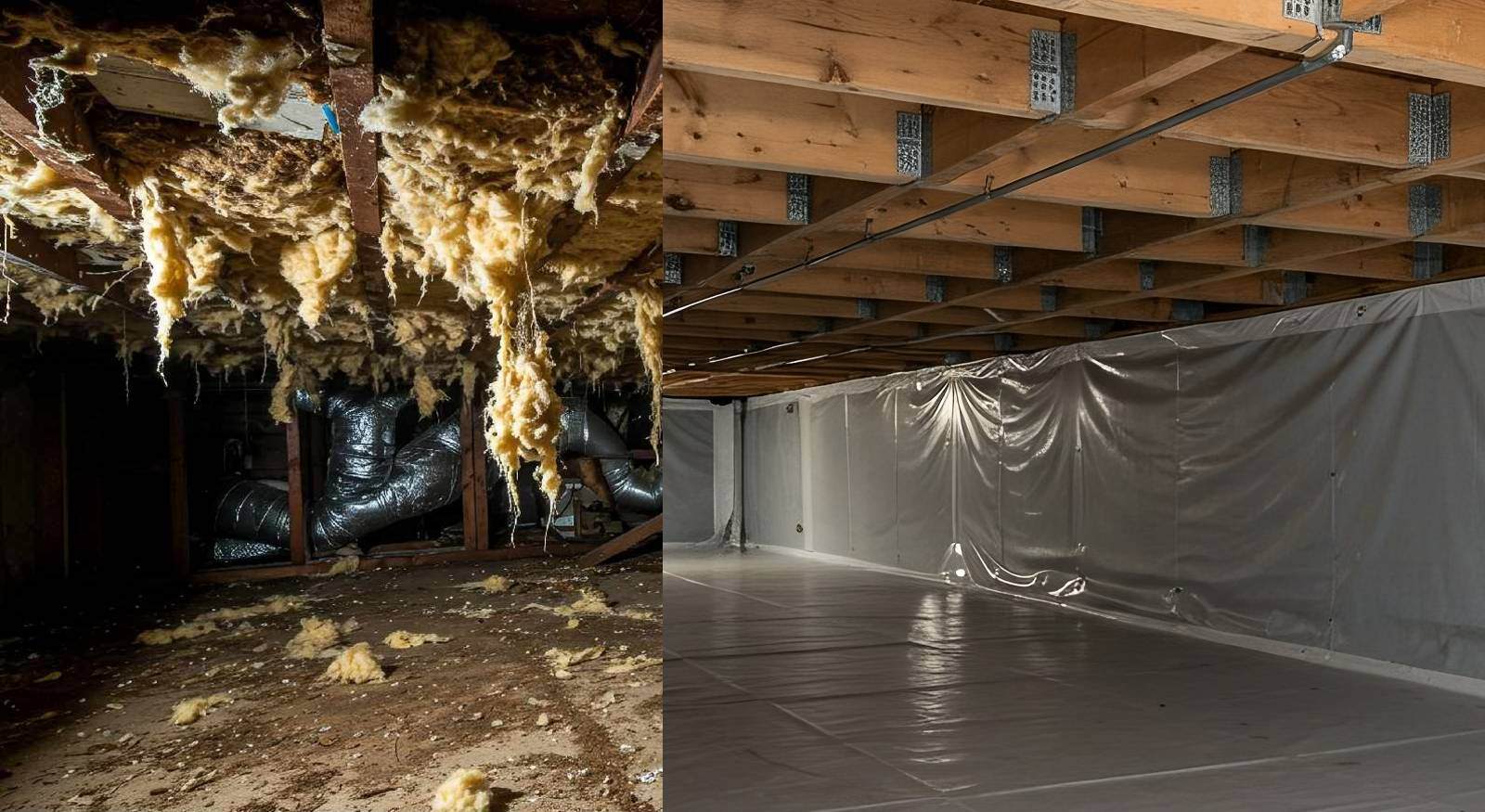
- Wet or sagging insulation.
- Condensation on pipes or other surfaces.
- Discoloration or suspected mold growth on building materials.
South Arkansas' humid conditions and periods of heavy rainfall make moisture management an important consideration, although the risks in any particular home depend on drainage, ground moisture, ventilation, and construction.
Do not enter a confined, wet, or potentially unsafe crawl space to investigate. If you suspect a problem beneath your home, have a qualified professional assess the area.
Learn more in Restore-It's guide:

HVAC System vs. Crawl Space: Which Clues Matter Most?
The timing and location of a musty odor can help you decide what to investigate first.
|
What you notice |
What it may suggest |
|
Odor appears when the HVAC system starts |
Check the equipment, drainage, and nearby materials for moisture or maintenance issues. |
|
Smell is strongest near floor openings |
Investigate possible air pathways from beneath the home. |
|
Odor becomes more noticeable after heavy rain |
Check for drainage concerns or moisture intrusion. |
|
Smell persists regardless of HVAC use |
Consider the crawl space, plumbing, flooring, and other potential sources. |
These patterns are clues, not a diagnostic test. More than one moisture source may be present, and the location of the odor does not necessarily identify its origin.
What Else Could Cause a Musty Smell Indoors?
If neither the HVAC system nor the crawl space appears to explain the odor, consider other areas where moisture may be present.
- Plumbing: Slow leaks beneath sinks, around water heaters, or behind appliances can dampen nearby materials.
- Carpet and upholstery: Spills, leaks, or incomplete drying can leave moisture trapped in fibers or underlying materials.
- Bathrooms and laundry areas: Poor drying, persistent condensation, and plumbing issues may contribute to lingering odors.
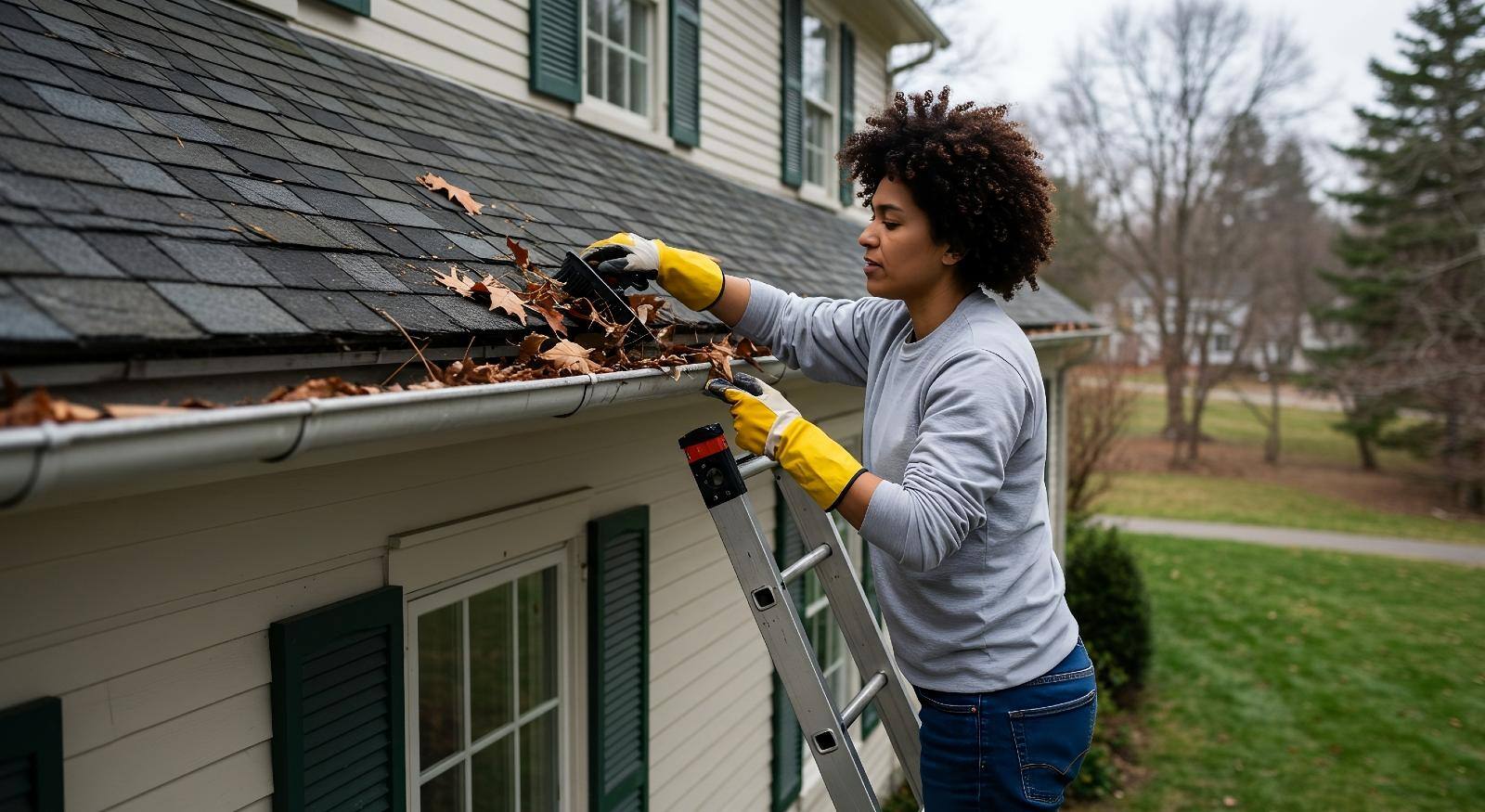
- Roofs, walls, and ceilings: Roof leaks or water intrusion around windows can affect insulation, drywall, and wood framing.
Check accessible areas for visible leaks, water stains, peeling paint, or damp materials. If you find signs of water damage, addressing the moisture source is more useful than trying to cover the smell.
How Can You Narrow Down the Source Safely?
Use these simple steps to gather information before calling a professional:
- Track the timing. Note whether the odor appears during HVAC operation or after rainfall.
- Identify affected areas. Record where the smell is strongest without assuming that location is the source.
- Check accessible spaces. Look for visible leaks, water stains, or damp materials around plumbing and appliances.
- Review routine HVAC maintenance. Replace an overdue filter according to the manufacturer's instructions.
- Record recent events. Note plumbing leaks, storms, spills, or water damage that occurred before the smell appeared.
Avoid applying cleaning products to suspected mold without understanding the underlying conditions. Cleaning alone may not prevent the problem from returning if moisture remains.
When Should You Call a Professional?
The right professional depends on the evidence you've found.
|
Concern |
Who to contact |
|
Odor linked to HVAC operation or equipment moisture |
An HVAC professional |
|
Suspected plumbing leak |
A plumber |
|
Standing water or persistent dampness in the crawl space |
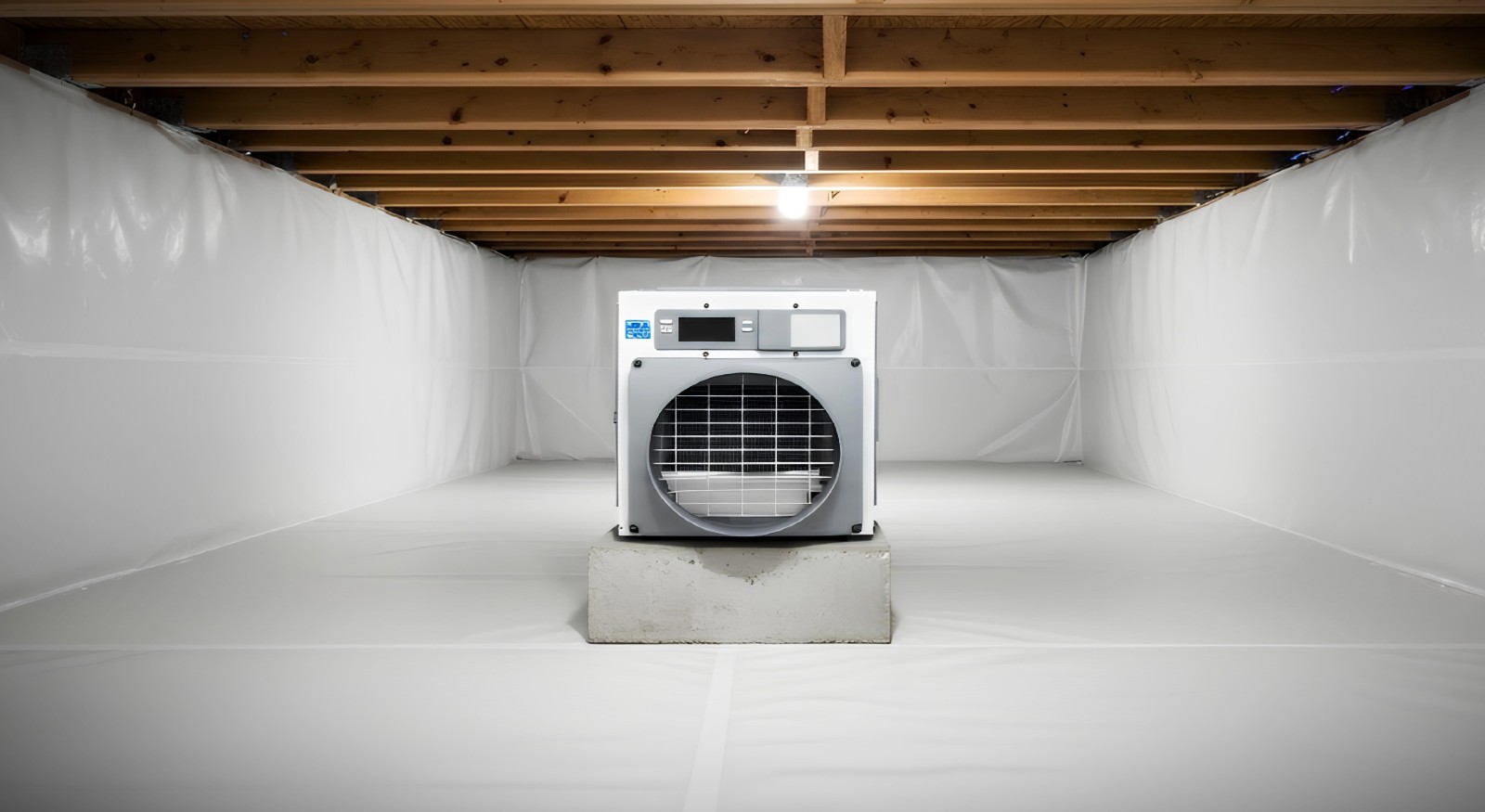
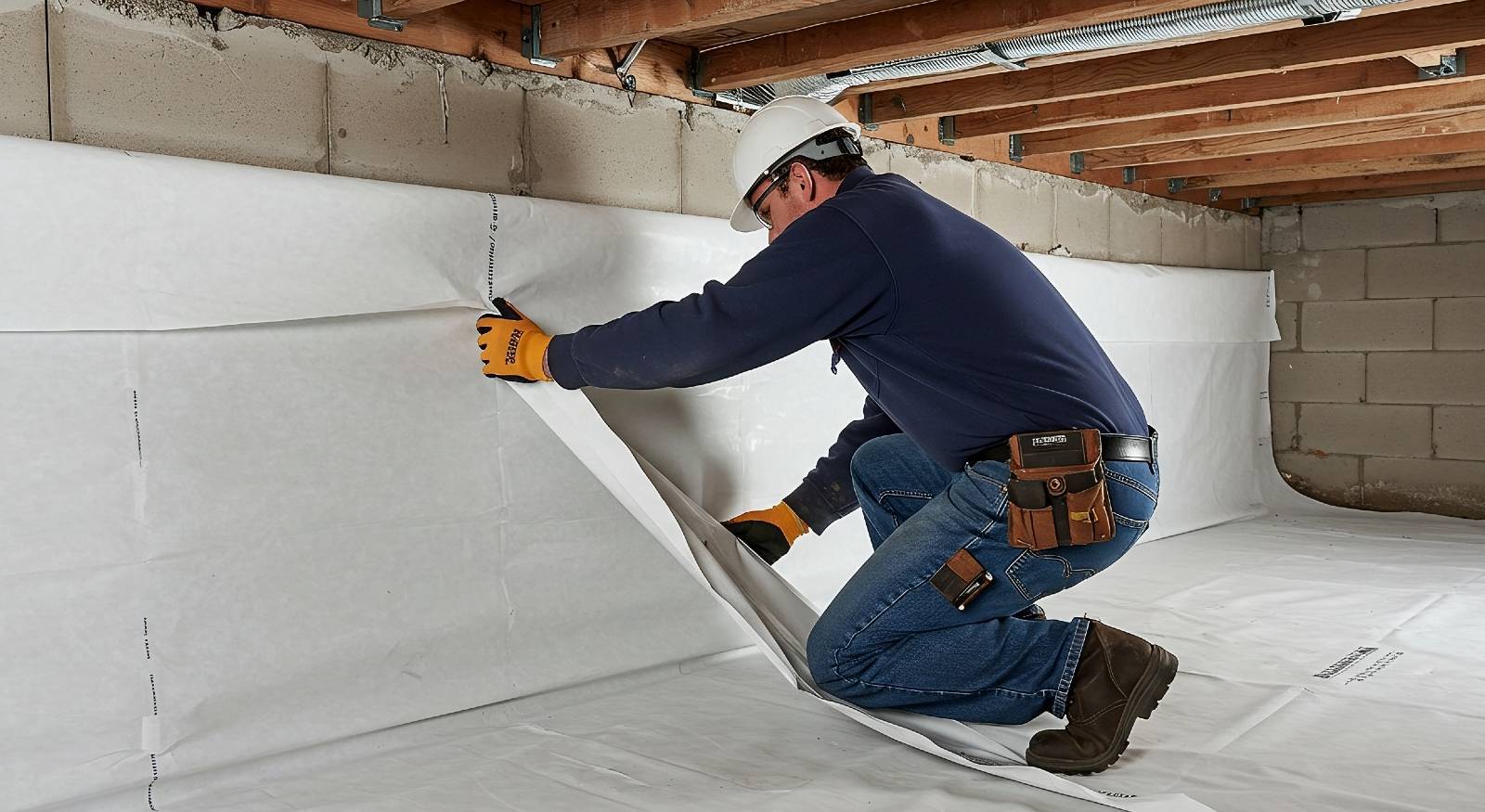
A qualified crawl space or moisture-control professional |
|
Suspected mold or water-damaged building materials |
A qualified assessment or mold remediation professional, as appropriate |
The CDC's mold guidance explains why addressing moisture and cleaning up mold are both important when mold is present.
At Restore-It, our services include water damage restoration, mold remediation, odor removal, and crawl space encapsulation. The appropriate next step depends on the source and extent of the problem.
Still noticing a musty smell in your home? Contact Restore-It to discuss your concerns and determine an appropriate next step!

Serving El Dorado, Camden, and surrounding South Arkansas communities, Restore-It works to restore more than a structure. We help restore peace of mind!