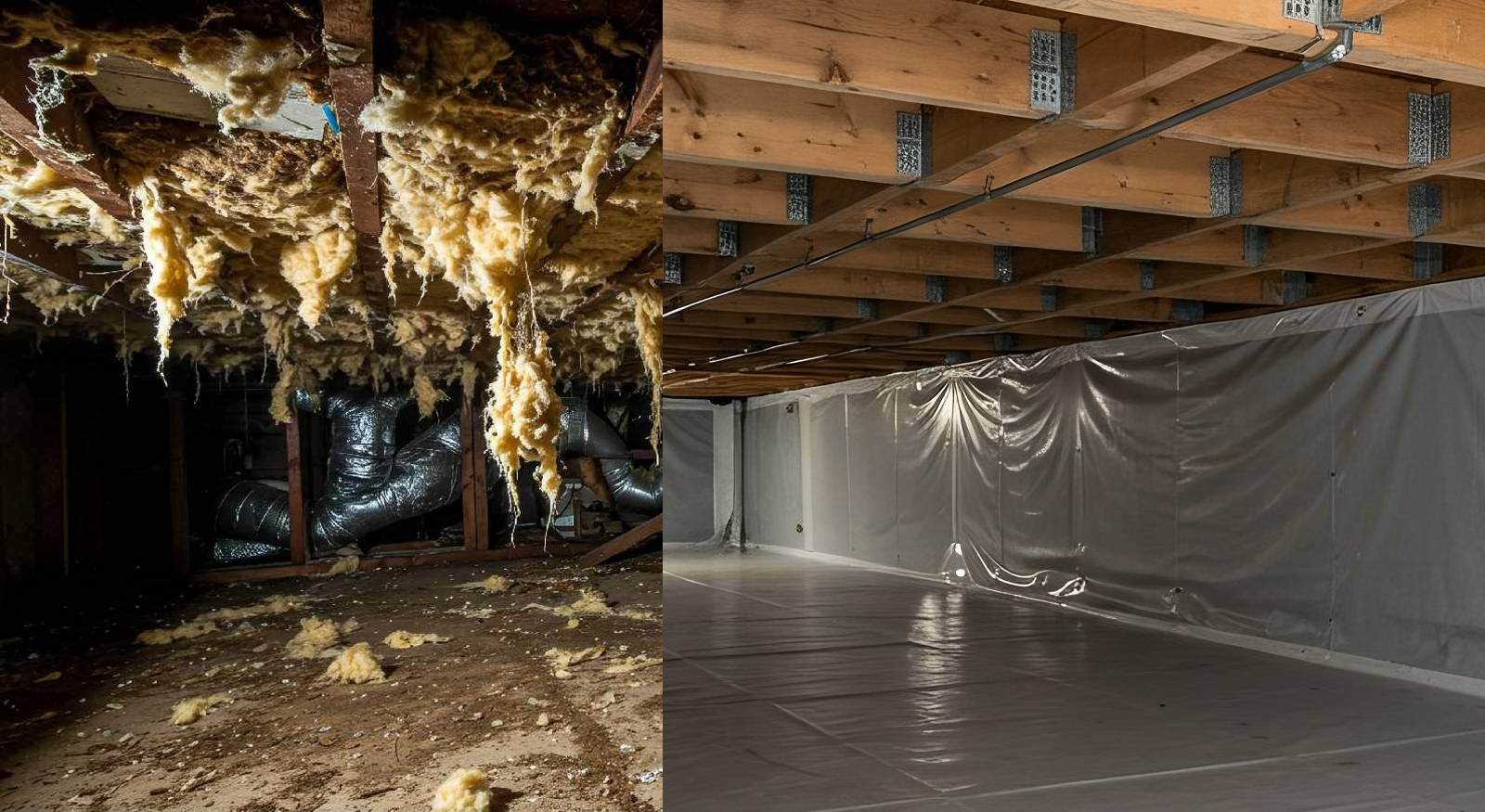

Fall is one of those seasons many of us look forward to. Cooler weather, pumpkins, football, kids back in school, and Thanksgiving just around the corner make it feel like a fresh start. But before you settle into the season, there’s one area of your home that may deserve a closer look: your crawlspace.
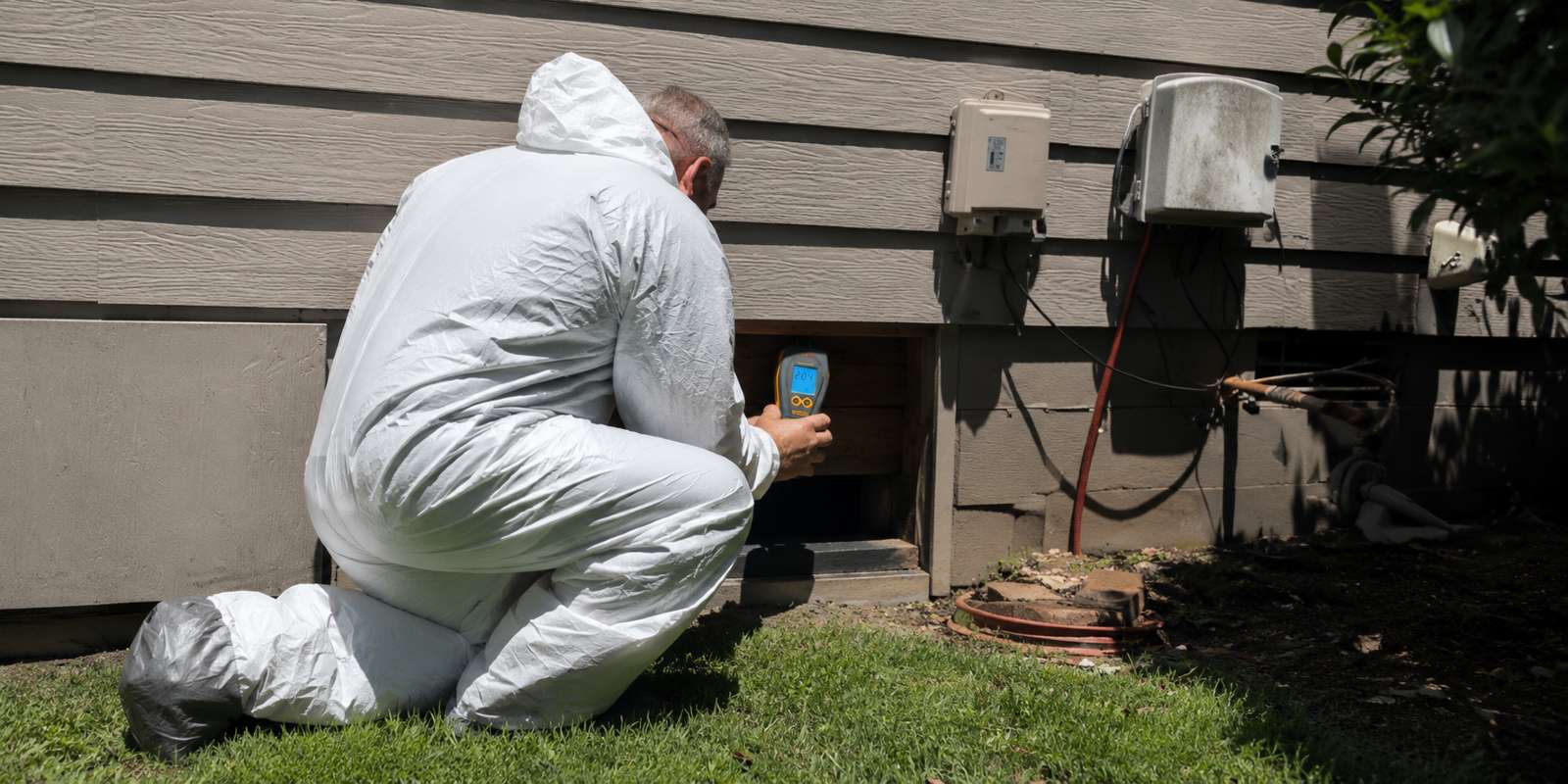
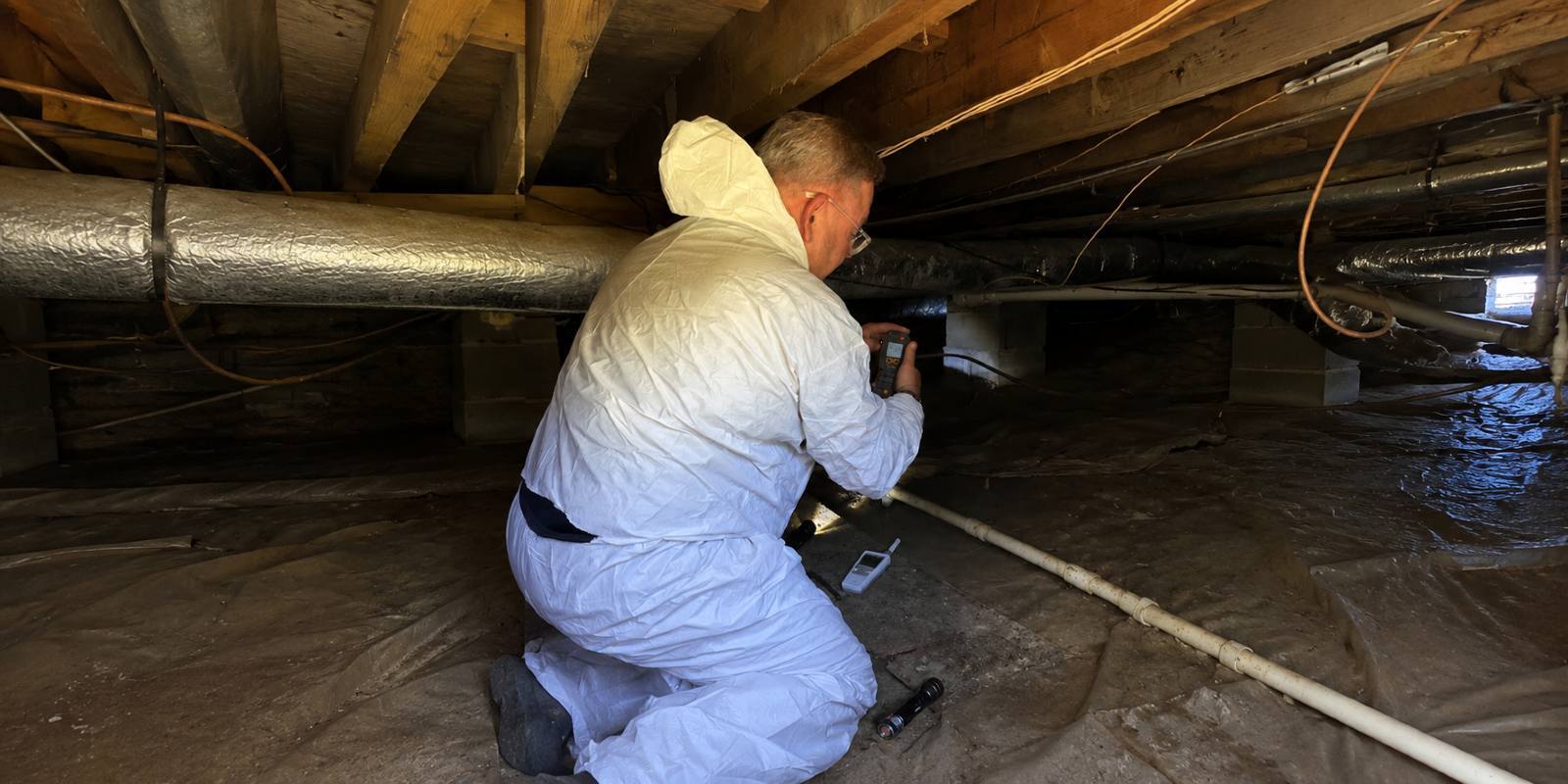
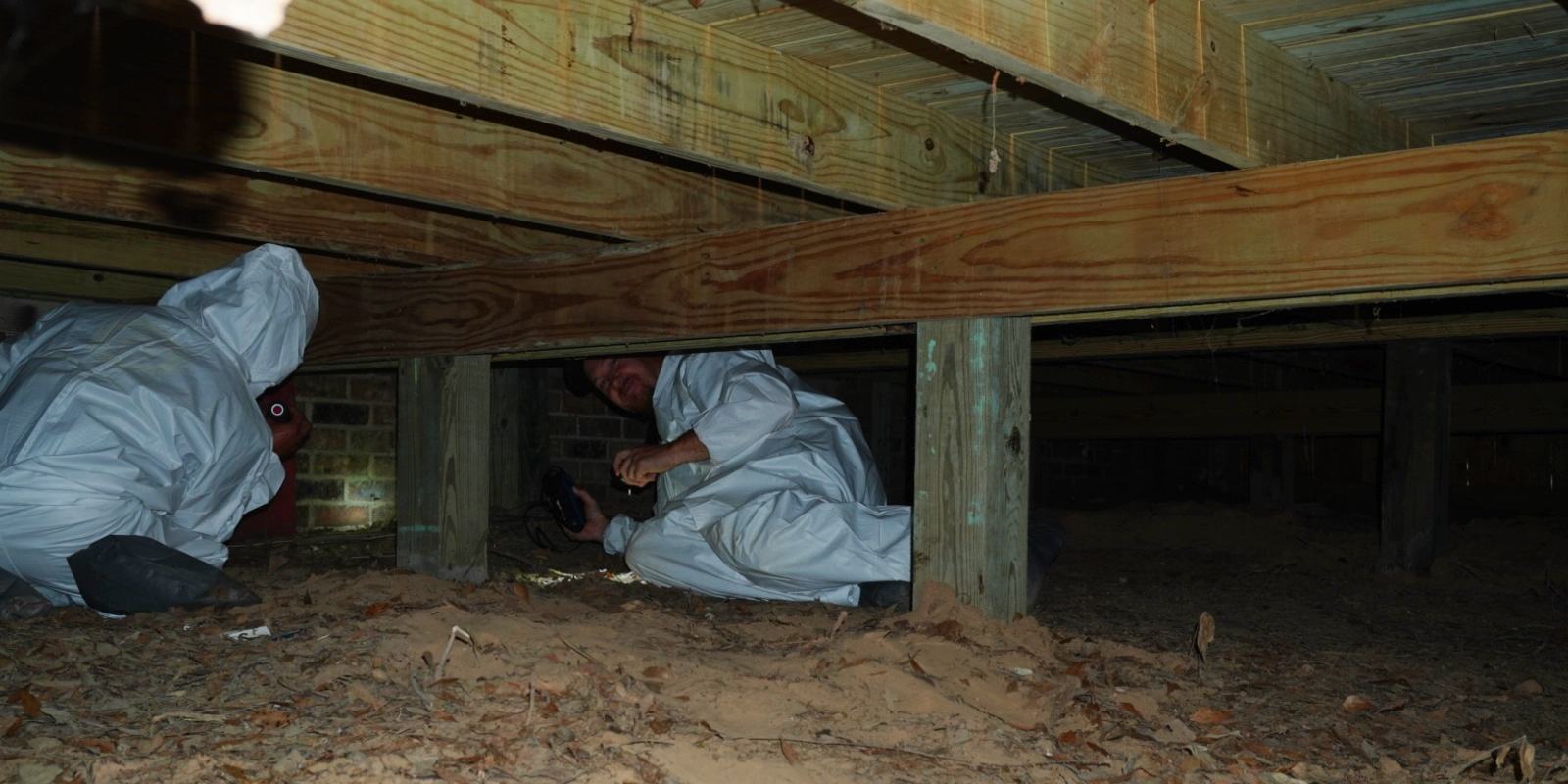
With more than 14 years of experience, Restore-It has inspected crawlspaces in homes across Southern Arkansas, from smaller spaces to larger crawlspaces spanning thousands of square feet. Every crawlspace has its own conditions and challenges, but one issue we see again and again is moisture.
In Southern Arkansas, high humidity can make crawlspaces especially vulnerable to moisture problems. When moisture is left unchecked, it can contribute to mold growth, wood damage, unpleasant odors, and other problems that can become more difficult and expensive to address over time.
The good news is that your crawlspace may give you warning signs before a small concern becomes a major problem.
In this guide, we’ll look at five signs your crawlspace may need attention before fall and what they could mean for your home.
Do You See Standing Water or Excess Moisture in Your Crawl Space?
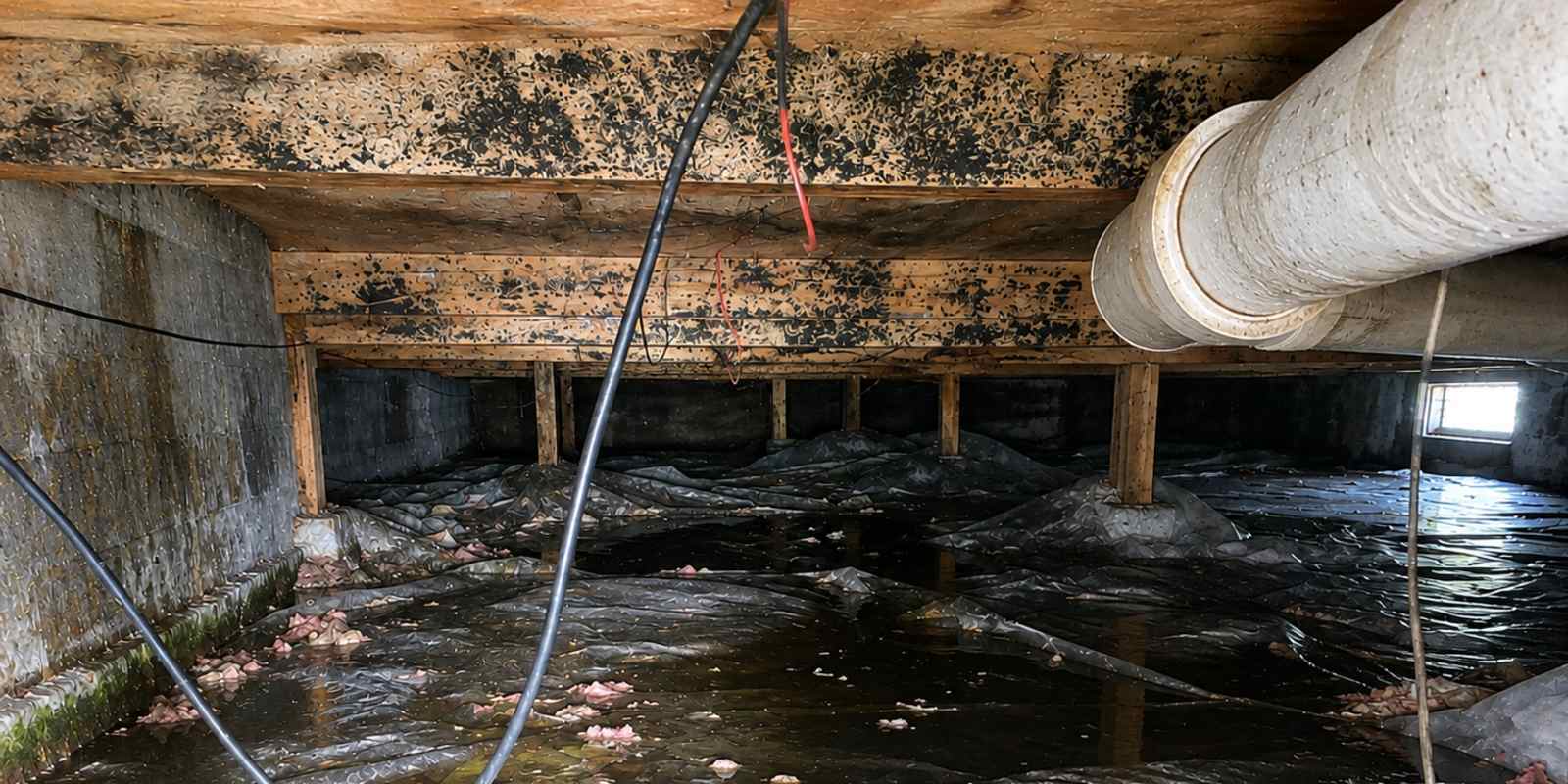
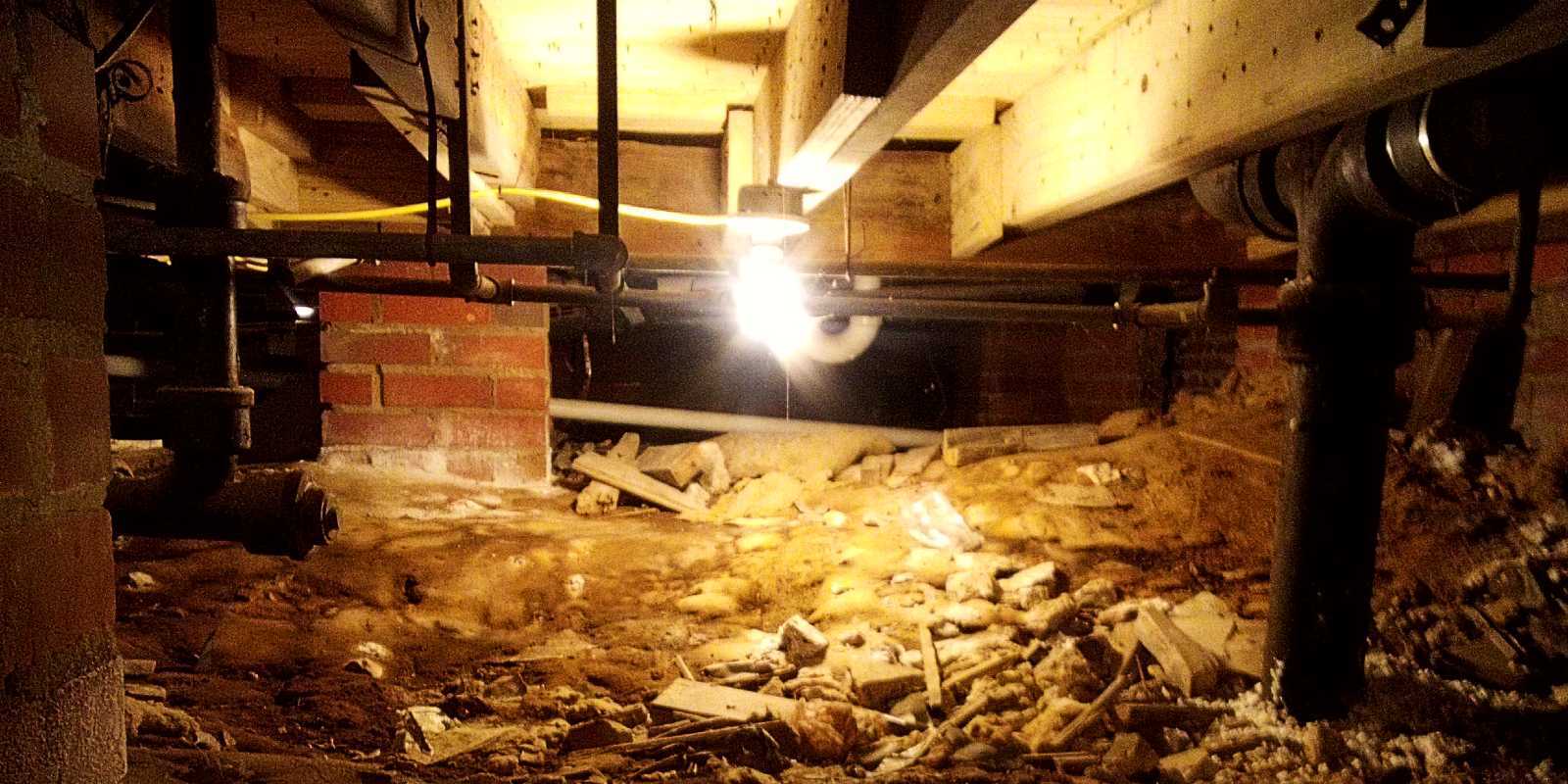
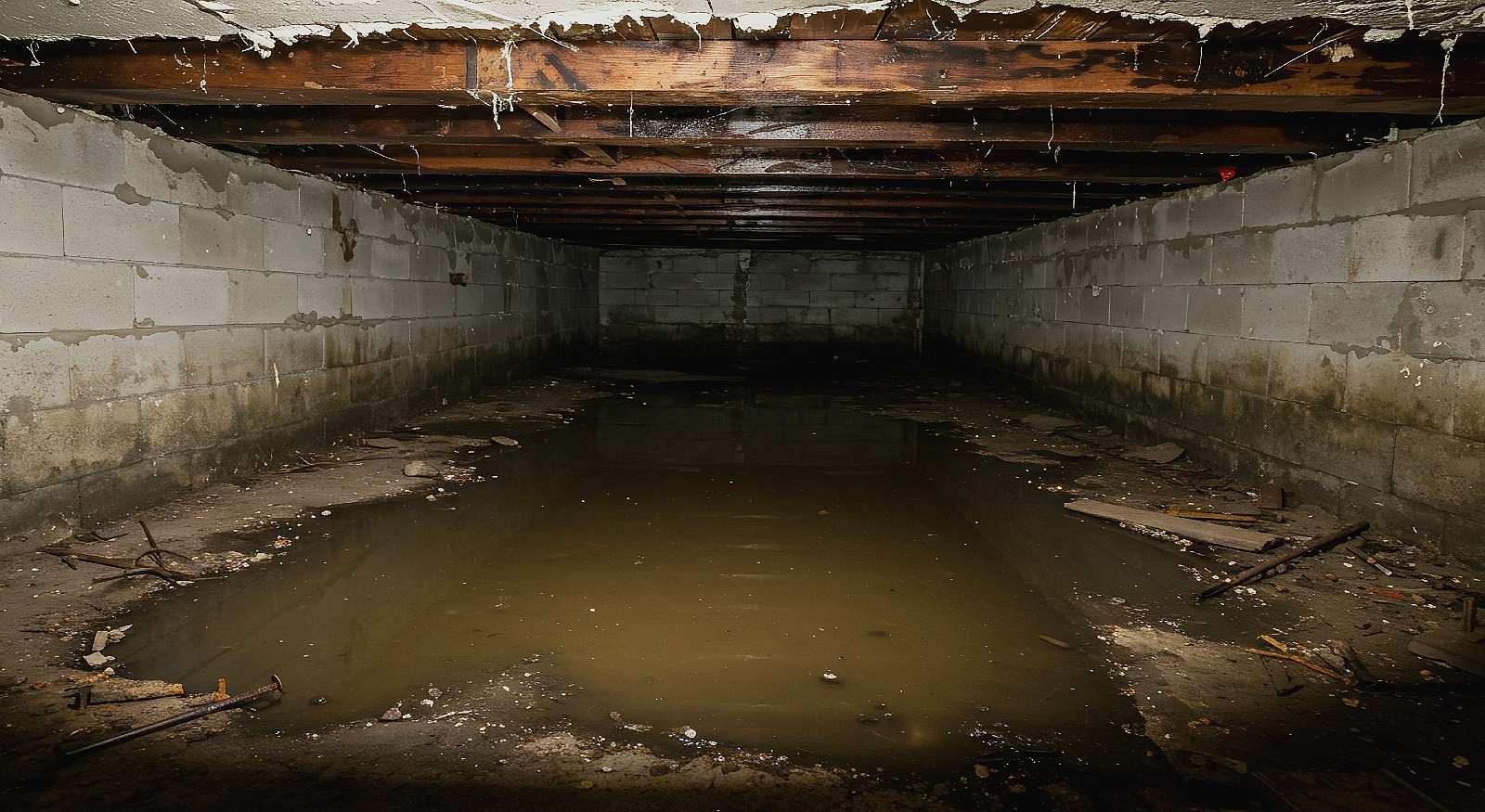
One of the clearest signs your crawlspace needs attention is moisture that doesn’t seem to go away. You may notice standing water after heavy rain, damp soil, water stains on the foundation walls, or areas that stay wet long after the weather has dried up.
But you don’t always need to see a puddle to have a moisture problem. A damp or humid crawlspace can also indicate that water is entering the space or that moisture is becoming trapped underneath your home.
In Southern Arkansas, where humidity and heavy rainfall can contribute to crawlspace moisture, it’s important to pay attention to these signs before they lead to bigger problems. Persistent moisture can contribute to mold growth, musty odors, wood deterioration, and other damage over time.
If you notice standing water or consistently damp conditions, the first step is to determine where the moisture is coming from and whether it has a reliable way to drain or dry out. Wanna read more about quick solutions for standing water in your home? Check this article:

Is There Mold or Fungal Growth in Your Crawl Space?
Visible mold or fungal growth is another reason to take a closer look at your crawlspace. You may notice discoloration on wood, floor joists, subflooring, or other materials, or you may notice a musty smell before you see any visible growth.
Mold growth generally points back to a moisture problem. That means simply cleaning what you can see may not address the underlying issue if moisture continues to enter or accumulate in the crawlspace.
Not every crawlspace needs the same solution, either. The right approach depends on where the moisture is coming from, how much moisture is present, and the condition of the space.
If you find visible growth or recurring moisture, don't ignore it. The next step is to identify what is allowing moisture to remain in the crawlspace and determine whether the condition needs further attention.

Does Your Crawlspace Smell Musty or Feel Extremely Humid?
You don't need to see standing water to have a moisture problem in your crawlspace. A musty smell, damp air, or consistently high humidity can be an early warning sign that moisture is accumulating in the space.
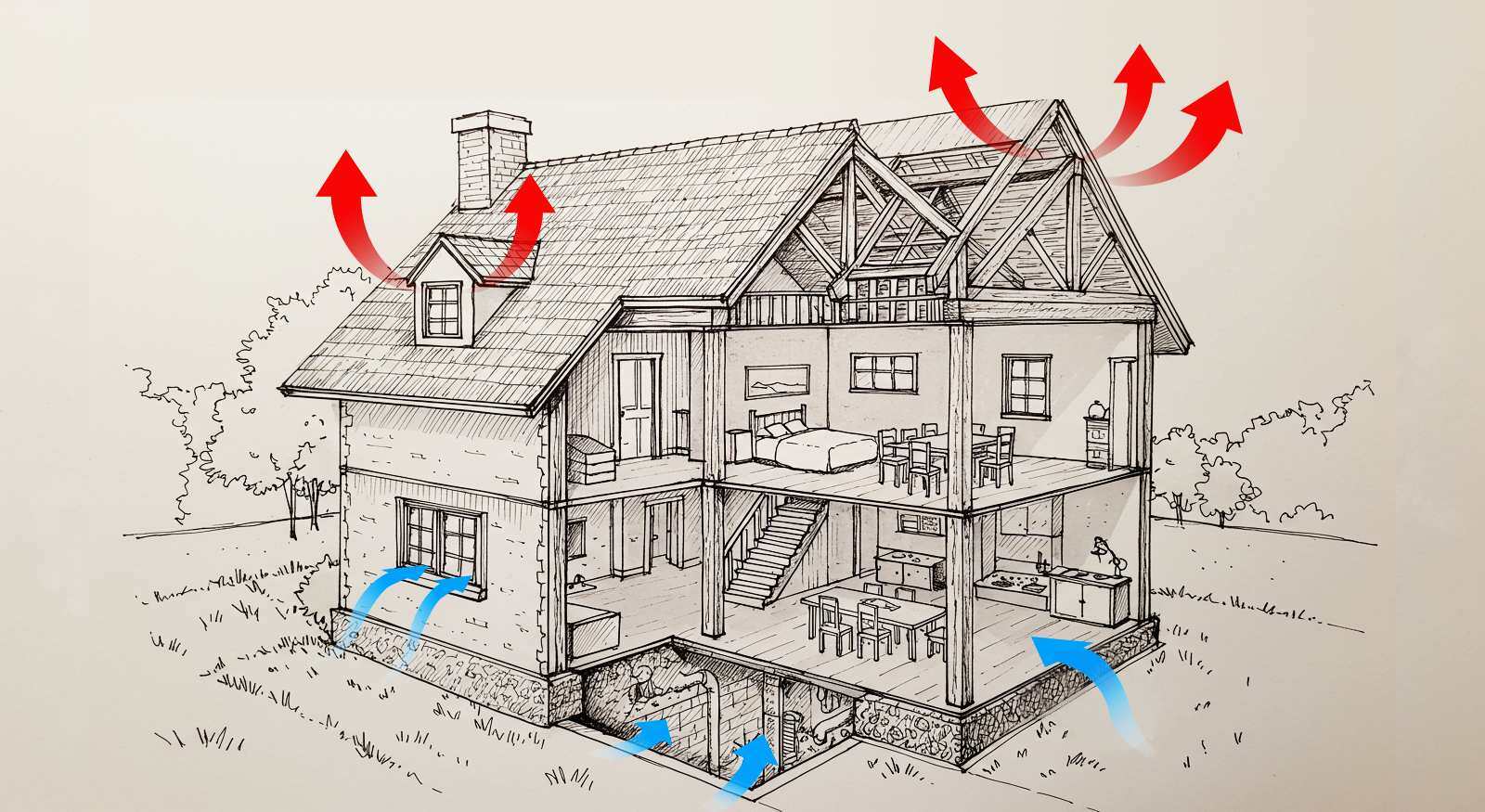
The Environmental Protection Agency (EPA) notes that high humidity in crawlspaces can create conditions for hidden mold growth. Moisture can also move from a crawlspace into other parts of a building through cracks in walls, floors, and ceilings.
|
What You Notice |
What It May Indicate |
|
Musty or damp odor |
Possible current or past moisture and mold growth |
|
High humidity |
Moisture may be present even without standing water |
|
Damp soil or materials |
Water or water vapor may be entering the crawlspace |
|
Odors or moisture in other areas of the home |
Crawlspace moisture can migrate into other parts of the building |
A musty odor is another reason to look closer. EPA guidance notes that damp or musty odors can suggest that water is or was present and that mold growth may be likely.
If you notice these signs, the moisture and humidity in your crawlspace might be costing you more than just peace of mind; it could be impacting your energy efficiency. Want to read more about how your bills could be affected?

Are You Seeing More Pests or Signs of Pest Activity?
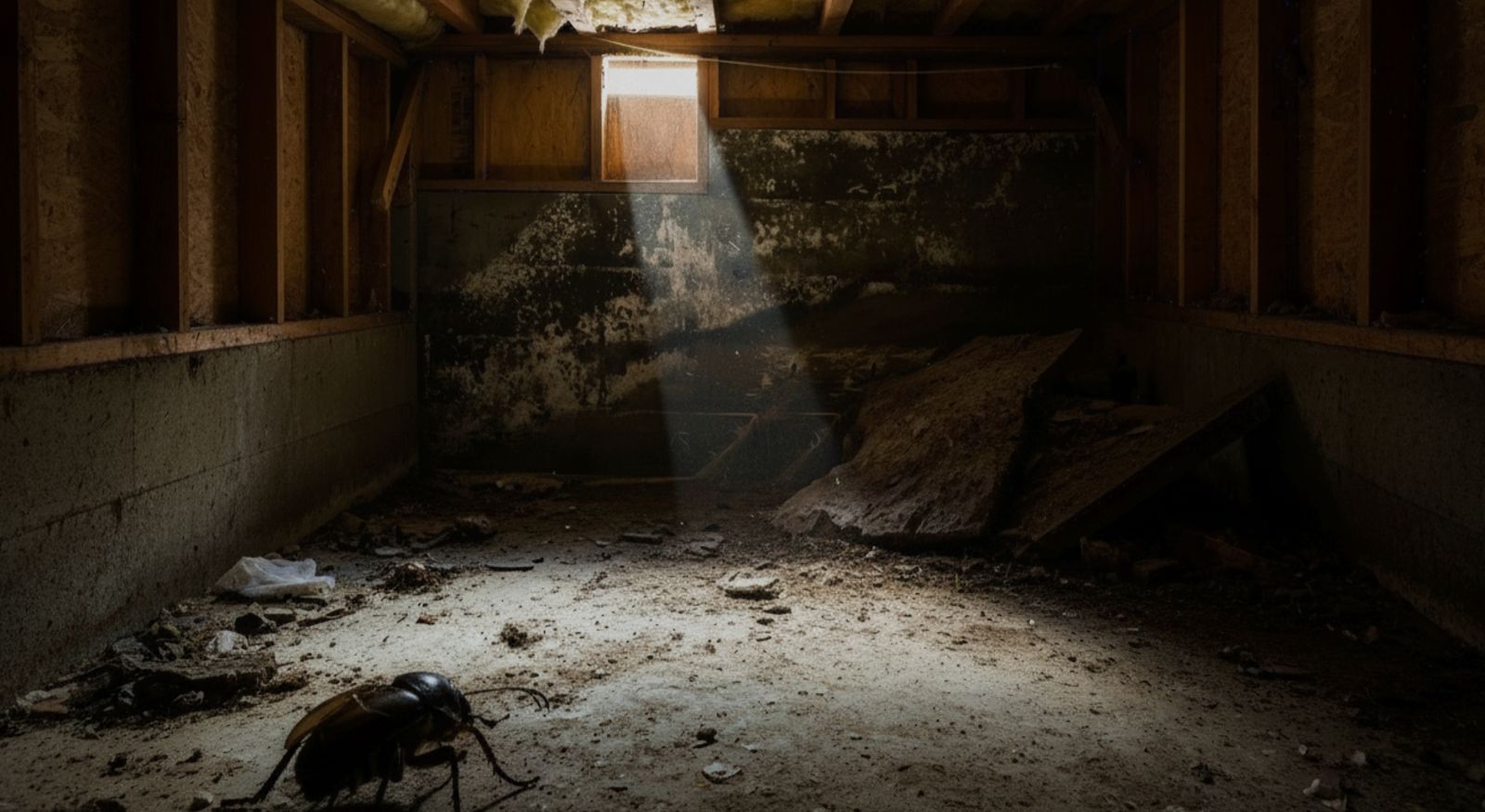
Seeing more insects or rodents around your home can be another reason to take a look at your crawlspace. Droppings, nesting materials, insect activity, or other signs of pests may indicate that something is giving them access to the space.
Damp conditions can also make some crawlspaces more attractive to pests, particularly when moisture occurs alongside dark, undisturbed areas, damaged materials, or gaps around the foundation.
Pest activity does not automatically mean you have a crawlspace moisture problem. However, if you are seeing pests along with standing water, persistent dampness, damaged wood, or other warning signs, it is worth investigating the crawlspace.
Before fall, check for visible entry points, moisture, and areas where pests may be nesting. Finding these conditions early can help you determine whether the crawlspace needs further attention.
Do You See Damaged, Soft, or Deteriorating Wood?
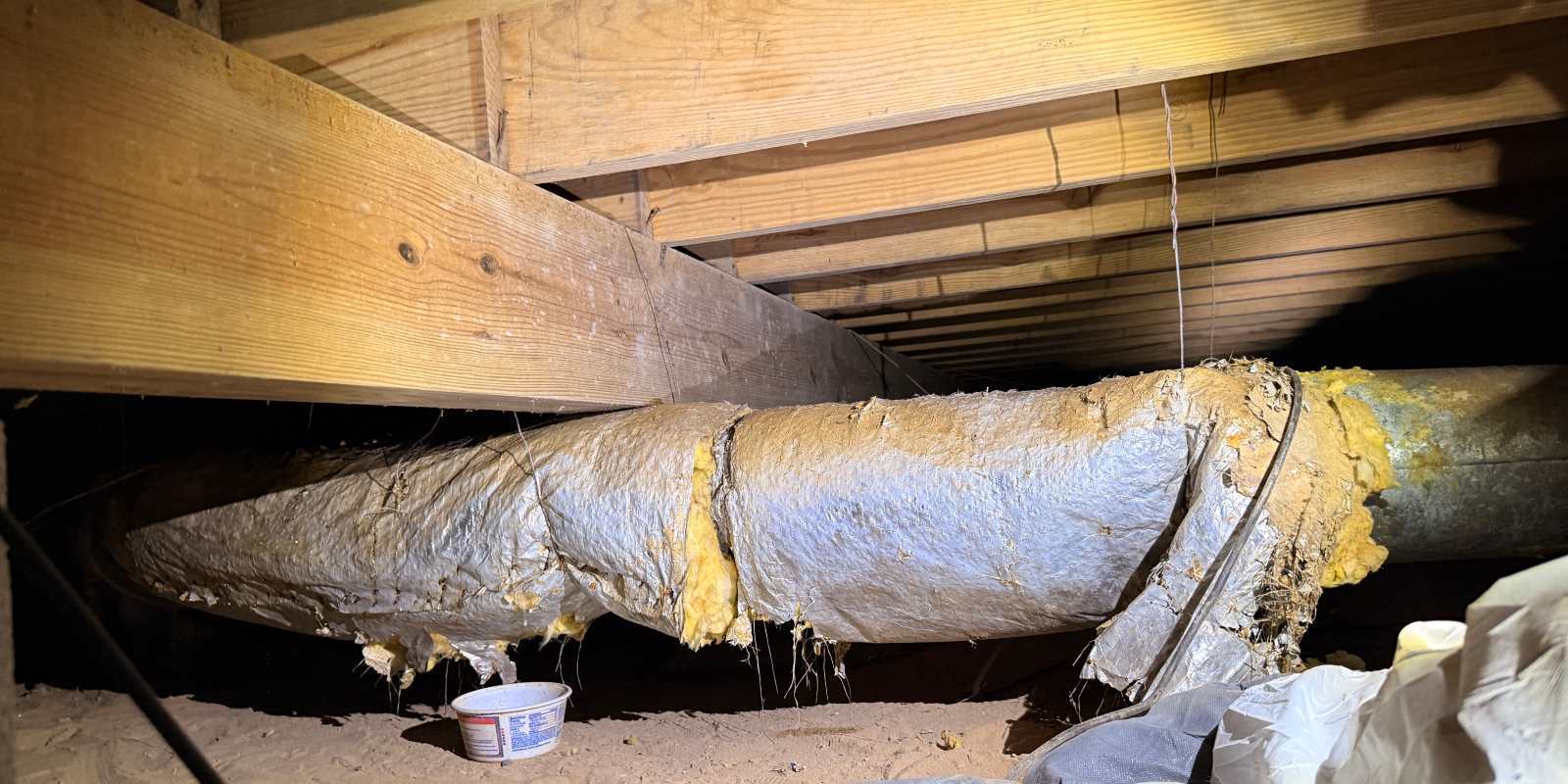
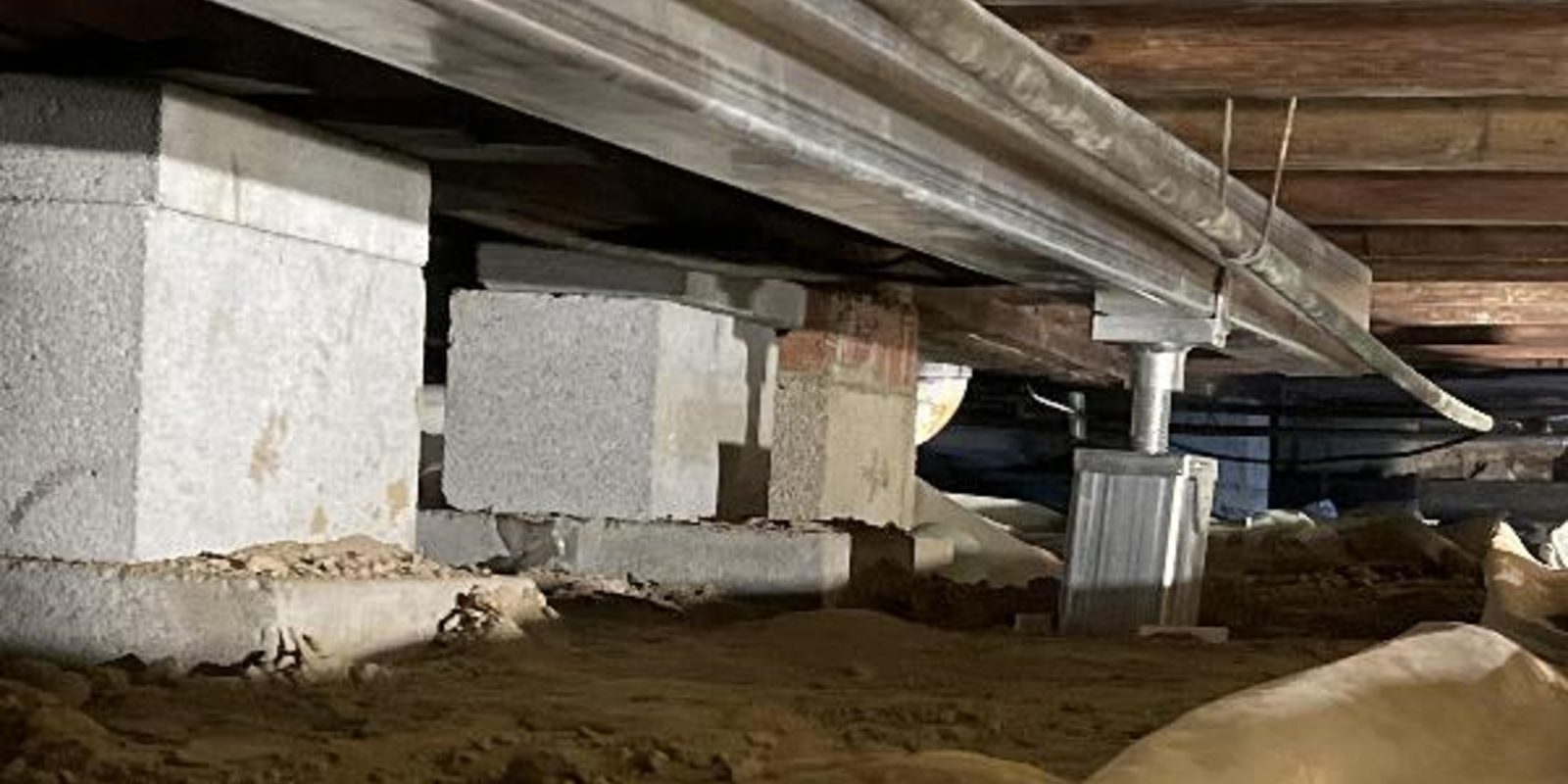
Take a close look at the wood in your crawlspace, especially the floor joists, beams, and subflooring. Discoloration, staining, softness, or visible deterioration can be signs that moisture has been affecting the area for some time.
Wood in poor condition is not something to ignore. Persistent moisture can create conditions that contribute to fungal growth and deterioration of building materials. It can also indicate that there is an underlying moisture problem that still needs to be addressed.
It is also important to distinguish between damaged wood and wood dust exposure. The Canadian Centre for Occupational Health and Safety notes that exposure to excessive amounts of wood dust can irritate the eyes, nose, and throat and may cause respiratory effects, with risks varying by wood species and exposure. These concerns are primarily associated with occupational exposure to wood dust rather than simply having wood in a crawlspace.
For homeowners, the bigger question is: Why is the wood deteriorating? If you find soft, damaged, or repeatedly damp wood, an evaluation can help identify whether moisture, drainage, ventilation, or another crawlspace condition is contributing to the problem.
Quick Crawlspace Warning Signs
|
What You Notice |
What It May Indicate |
Next Step |
|
Standing water |
Drainage or water intrusion |
Investigate the source |
|
Damp soil or surfaces |
Persistent moisture |
Monitor for recurring moisture |
|
Mold or fungal growth |
Ongoing moisture conditions |
Identify and address the moisture source |
|
Musty odor or high humidity |
Excess moisture or possible hidden mold |
Have the crawlspace inspected |
|
Pest activity |
Entry points or conditions that may attract pests |
Look for access points and moisture issues |
|
Damaged or deteriorating wood |
Prolonged moisture exposure |
Have the condition evaluated |
When Should I Worry About My Crawlspace
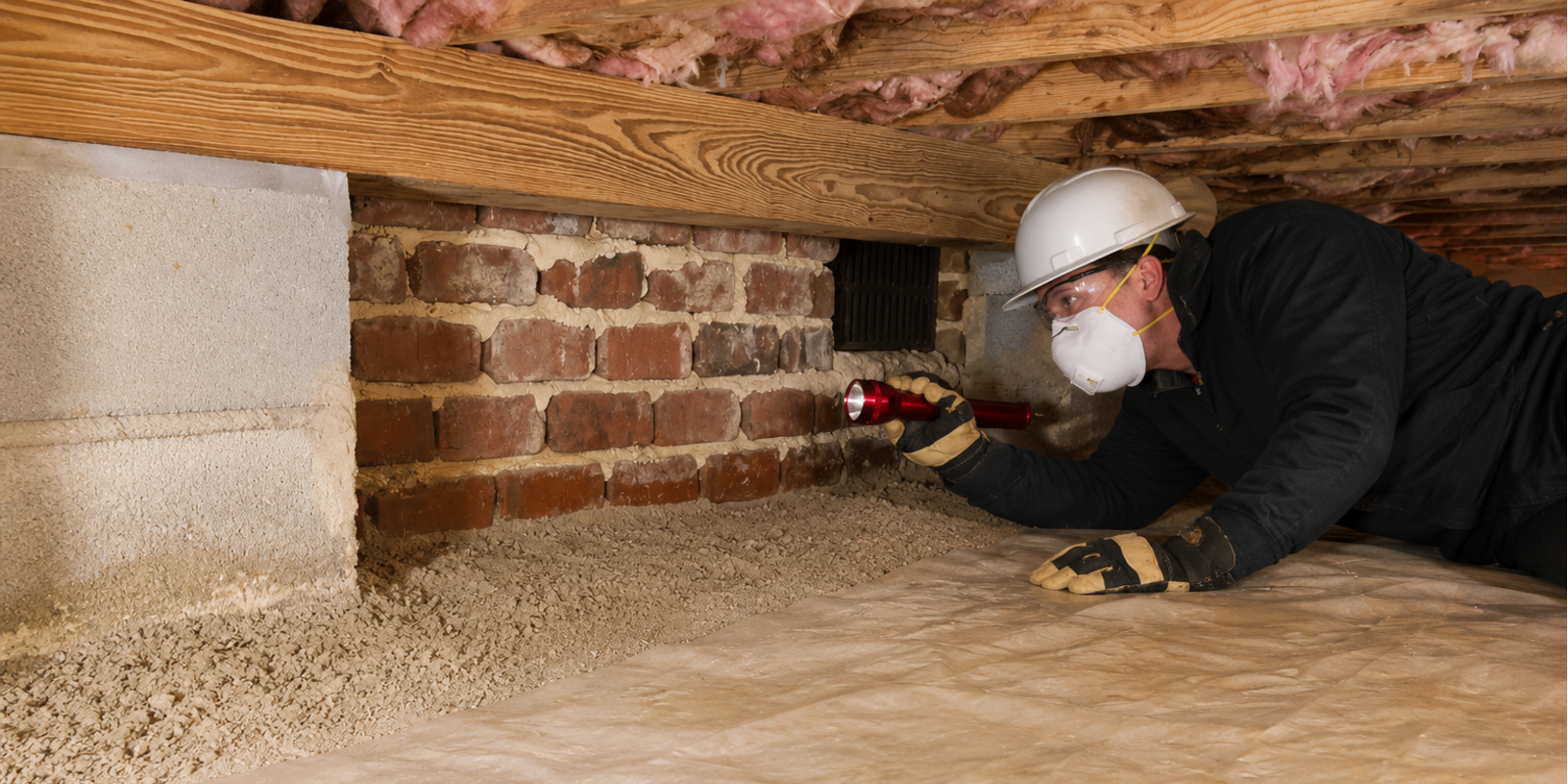
You don’t have to wait until there is major damage to pay attention to your crawlspace. Standing water, persistent moisture, mold or fungal growth, musty odors, and other changes can be early signs that something needs attention.
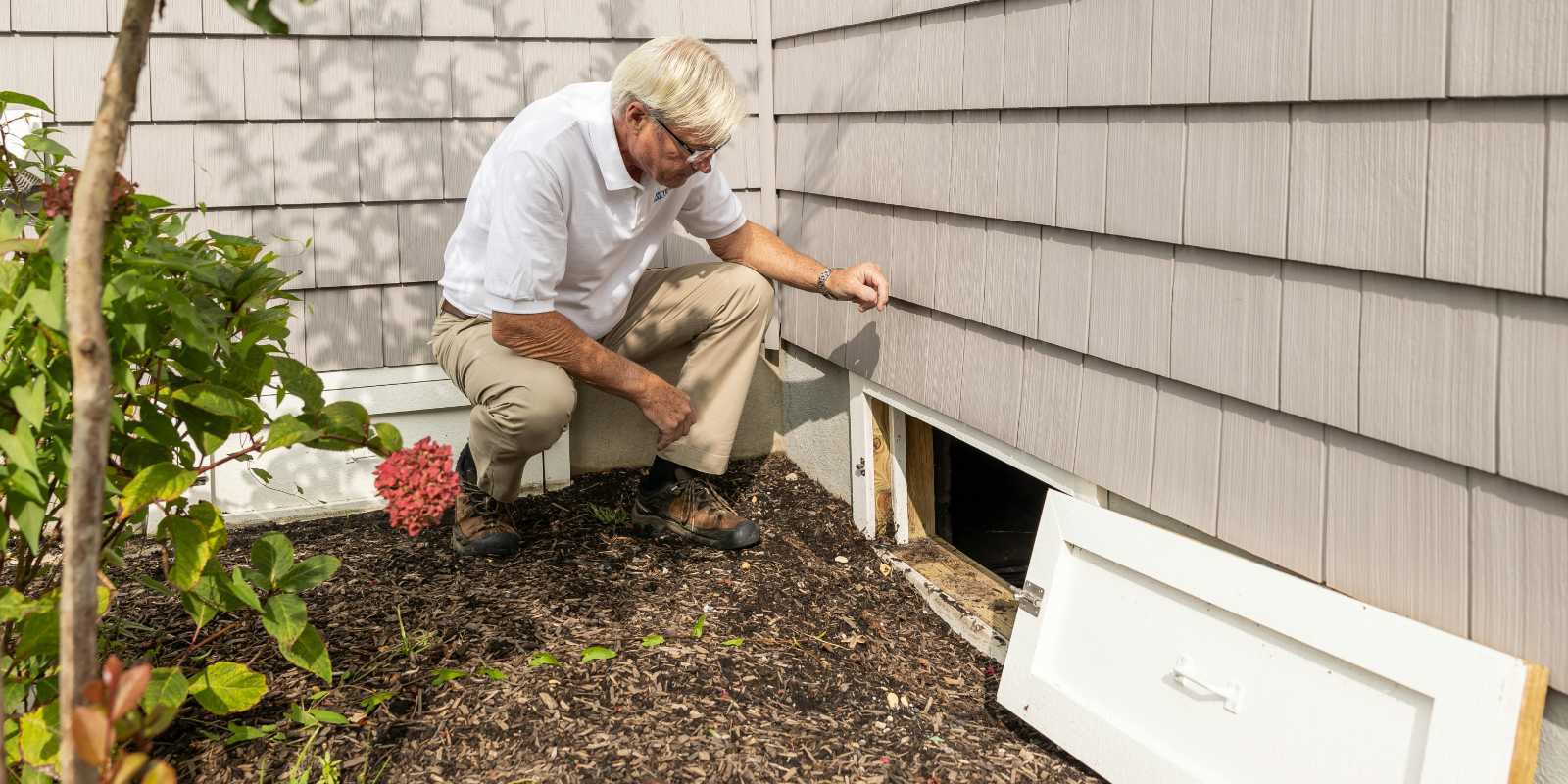
Before fall settles in, take a few minutes to look at the condition of your crawlspace. If you notice one or more warning signs, don’t ignore them. Finding the source of a moisture or crawlspace problem early can help prevent a minor concern from becoming a larger, more expensive home problem.
Every crawlspace is different, so the right solution depends on what is happening in your home.
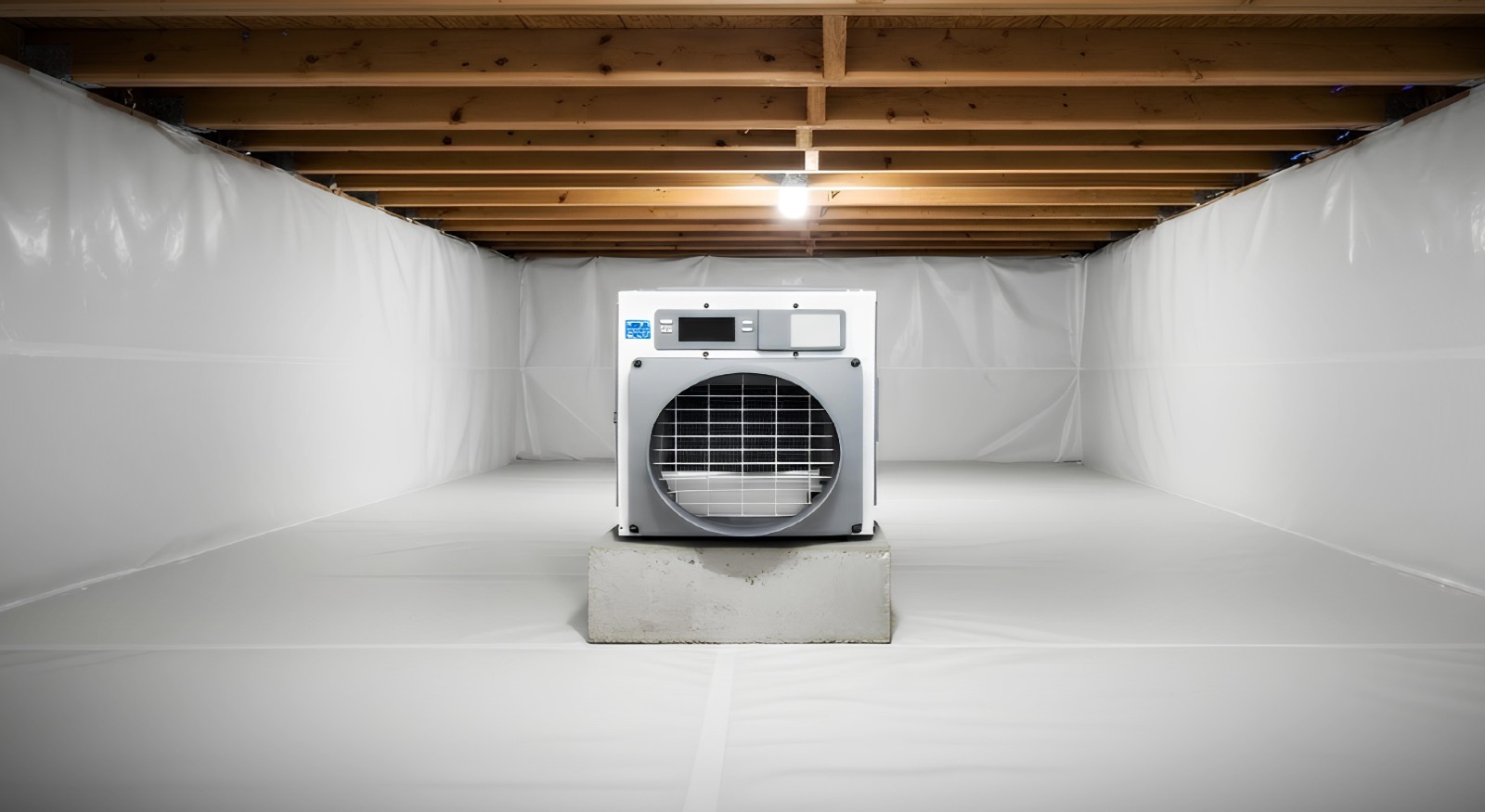
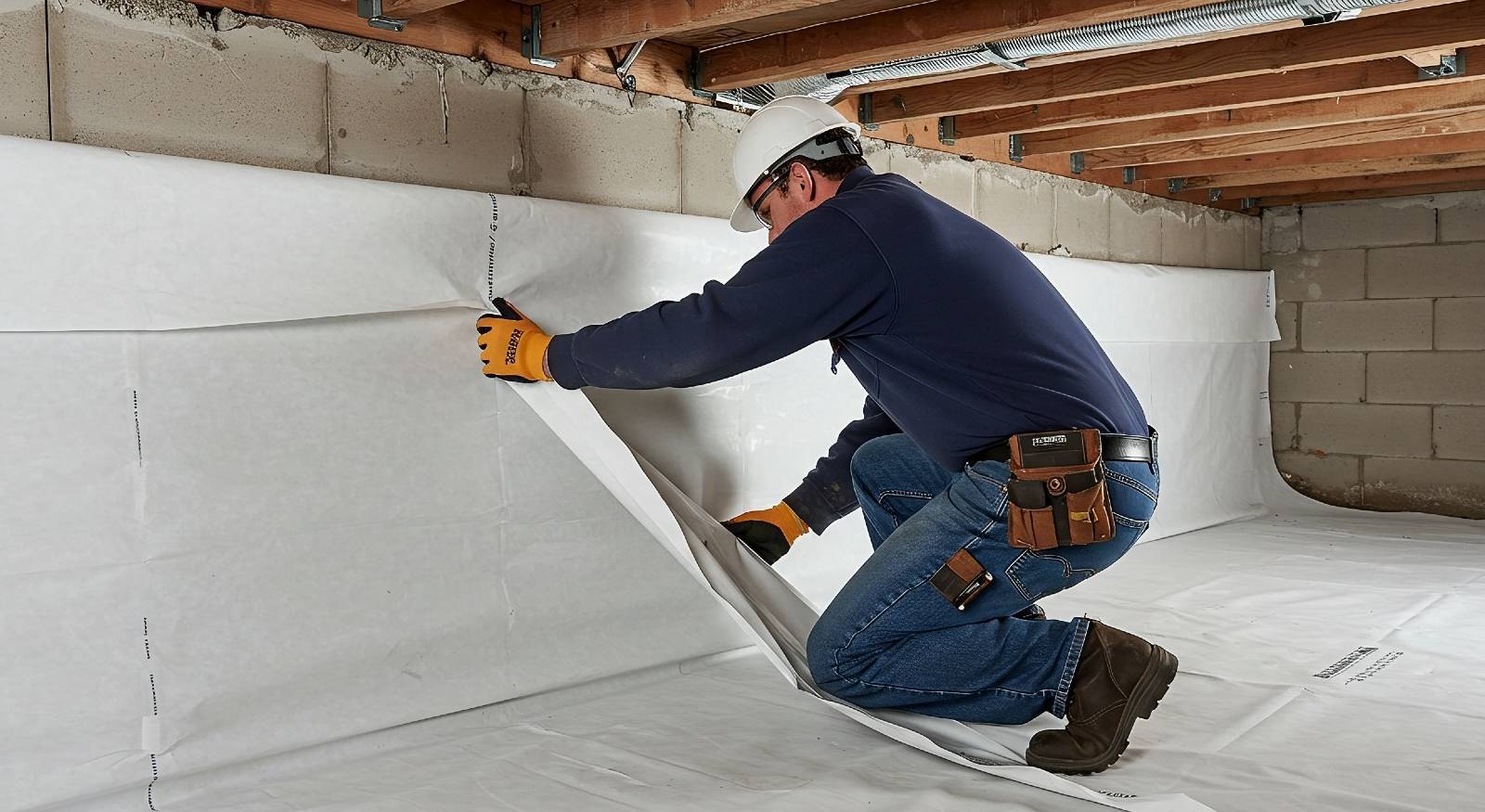
Think your crawlspace has a moisture problem? Learn about two common moisture-control approaches and how a vapor barrier differs from full crawlspace encapsulation.

Topics: