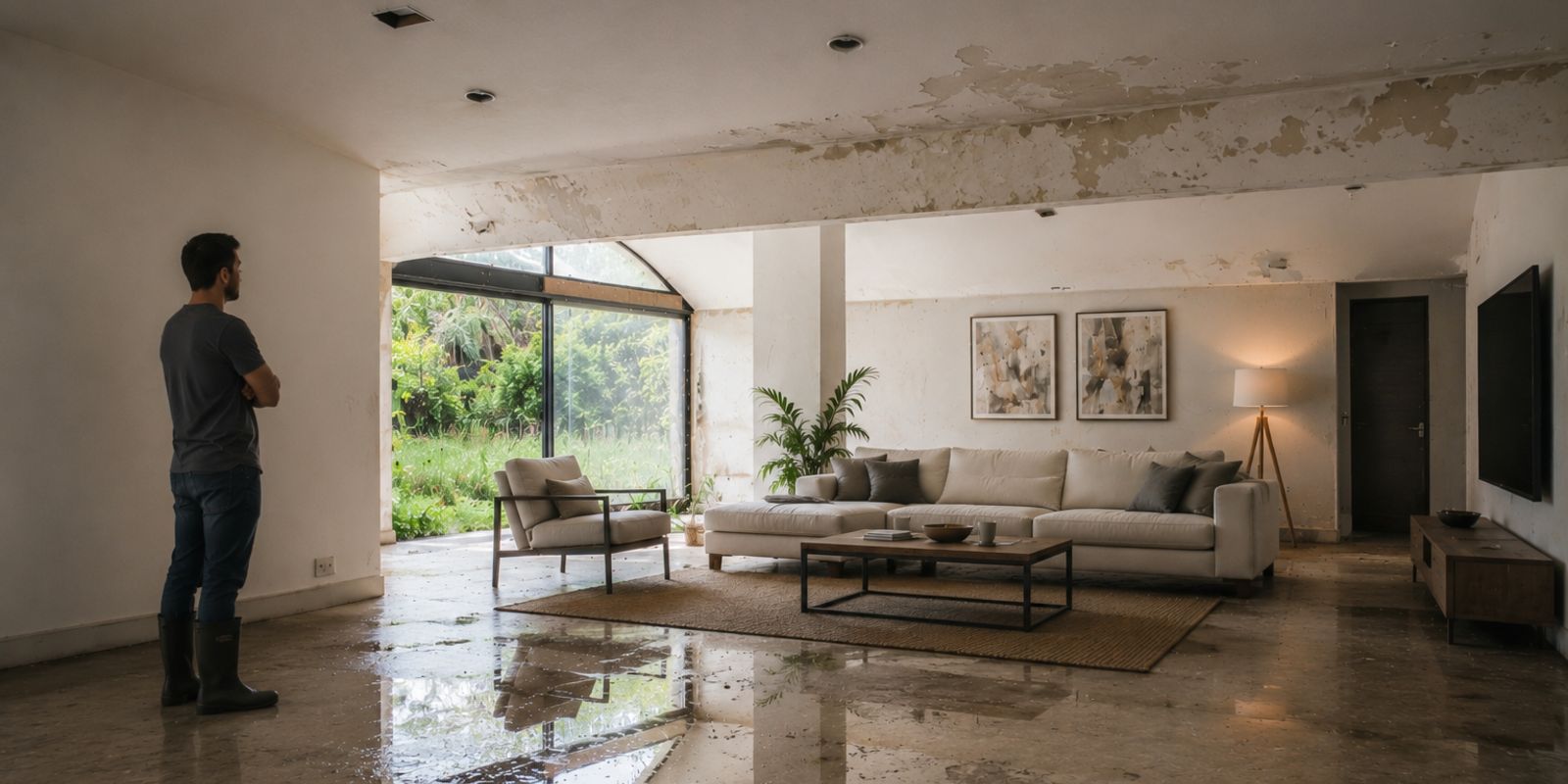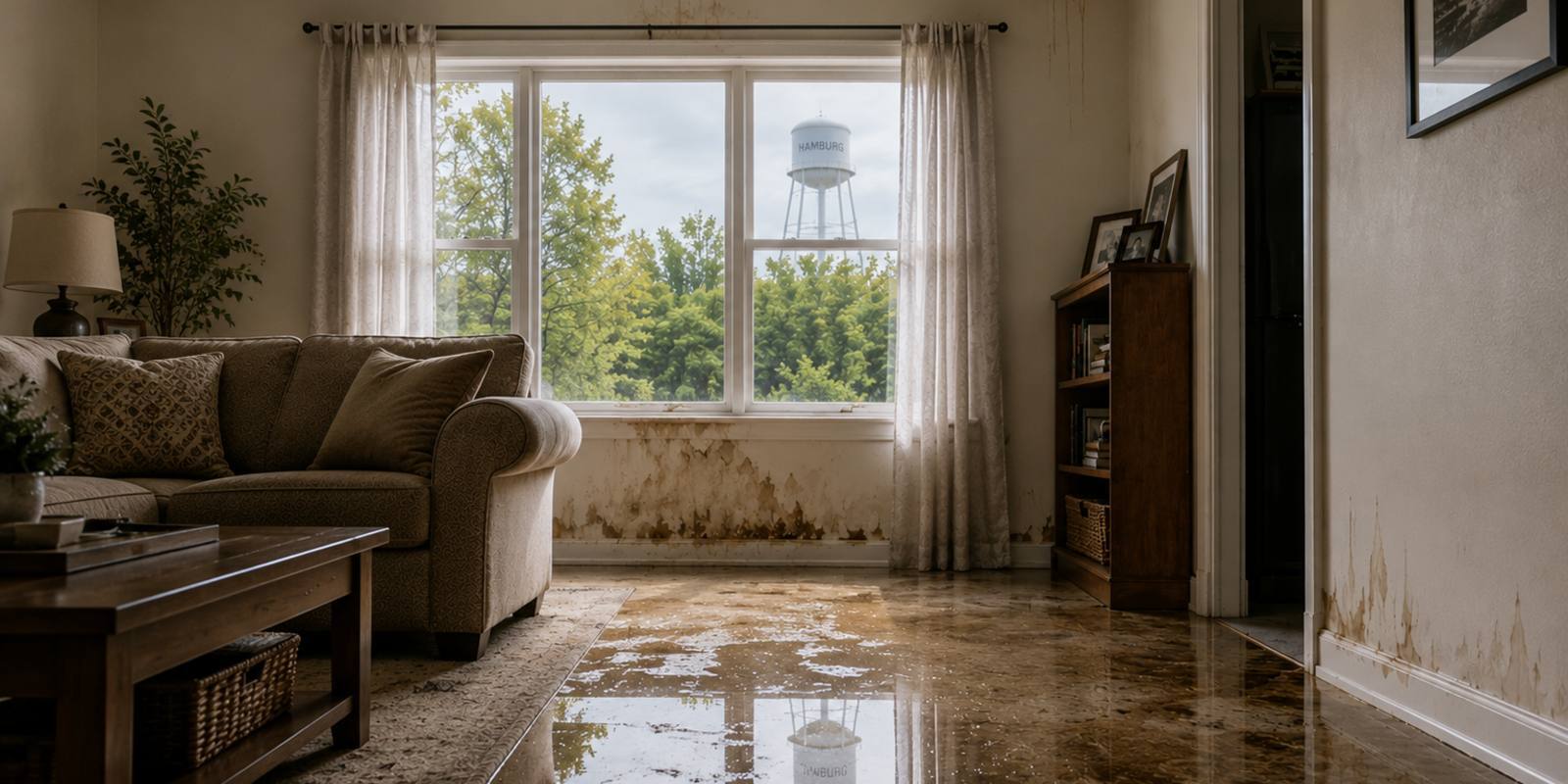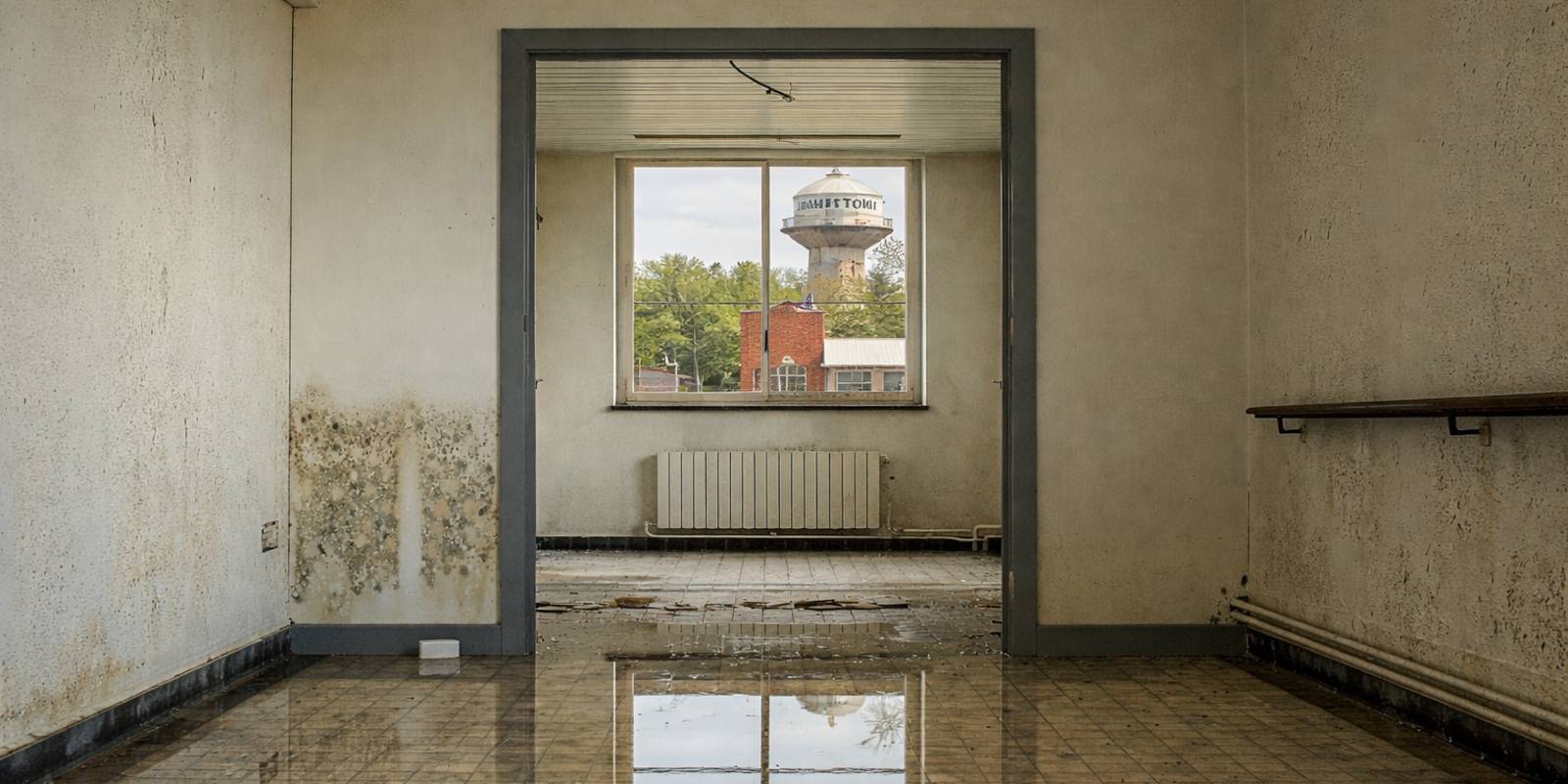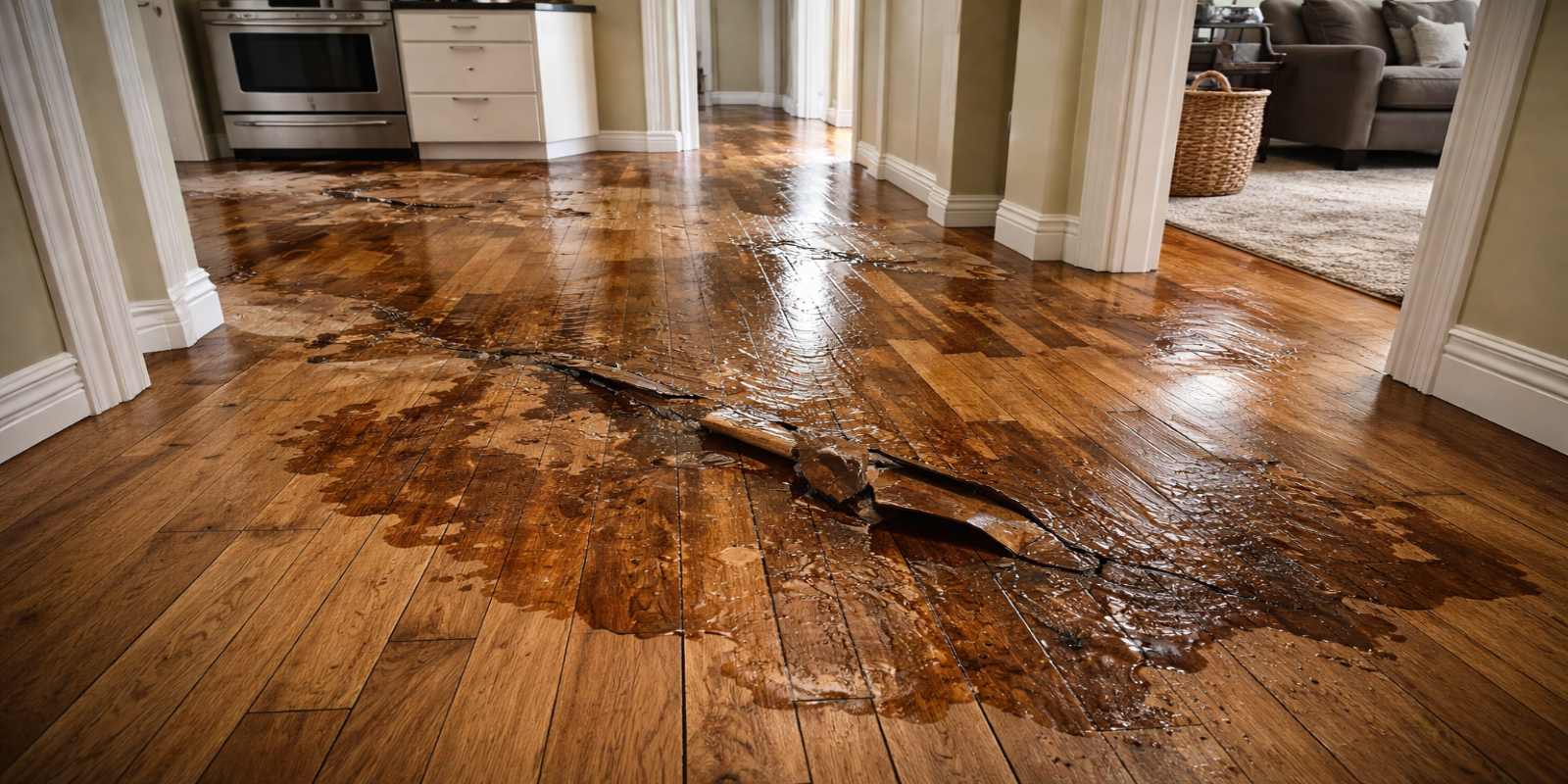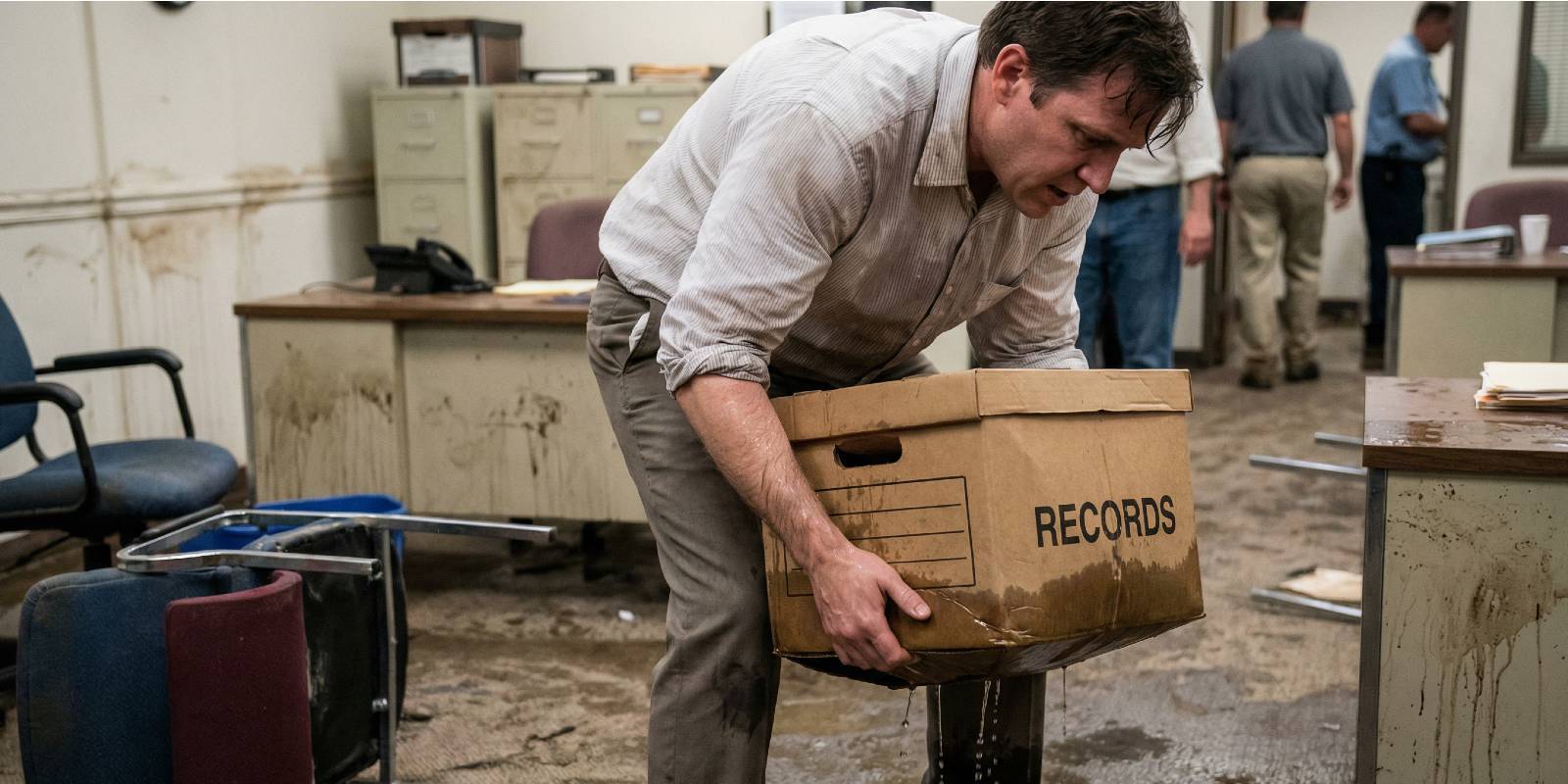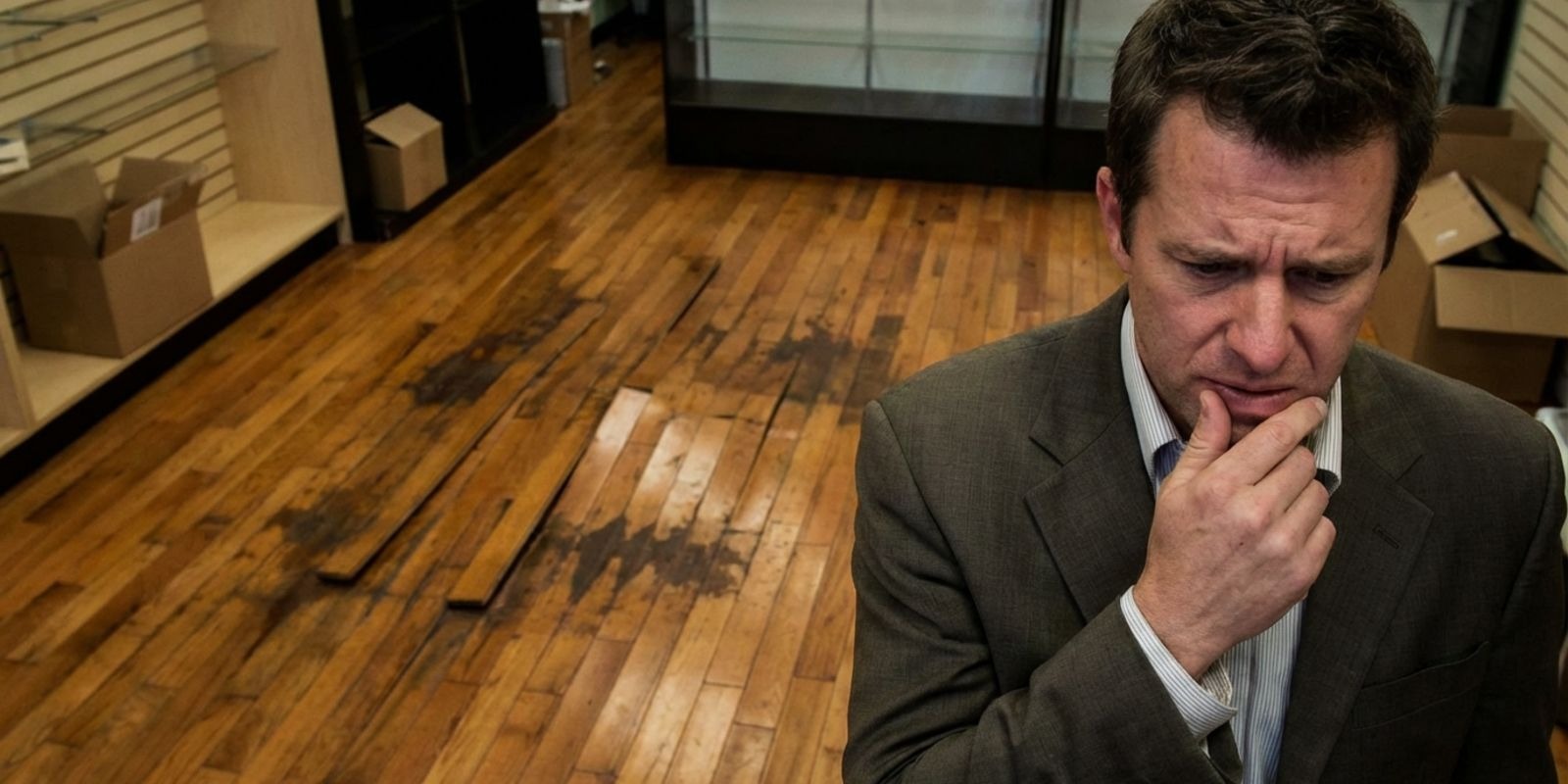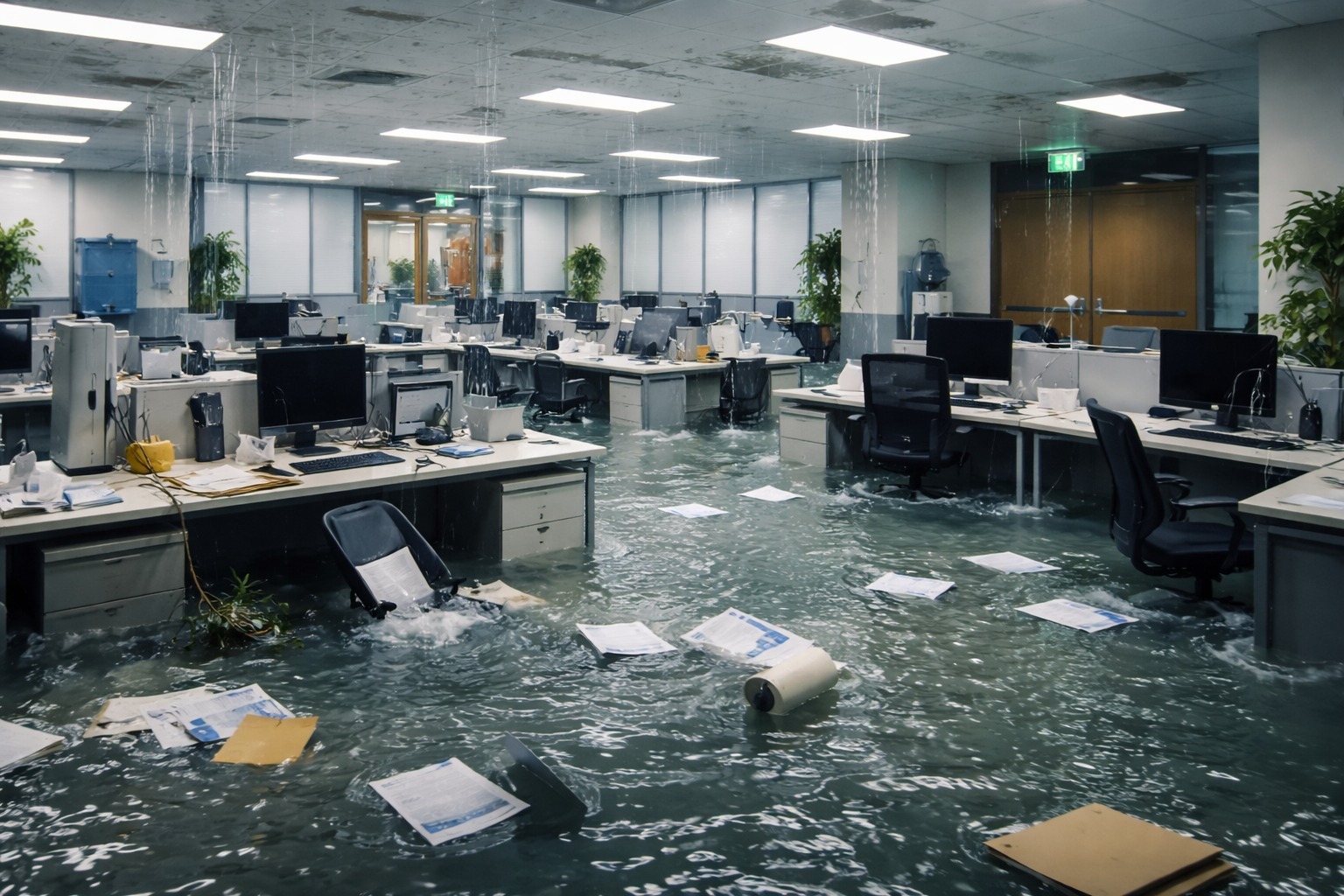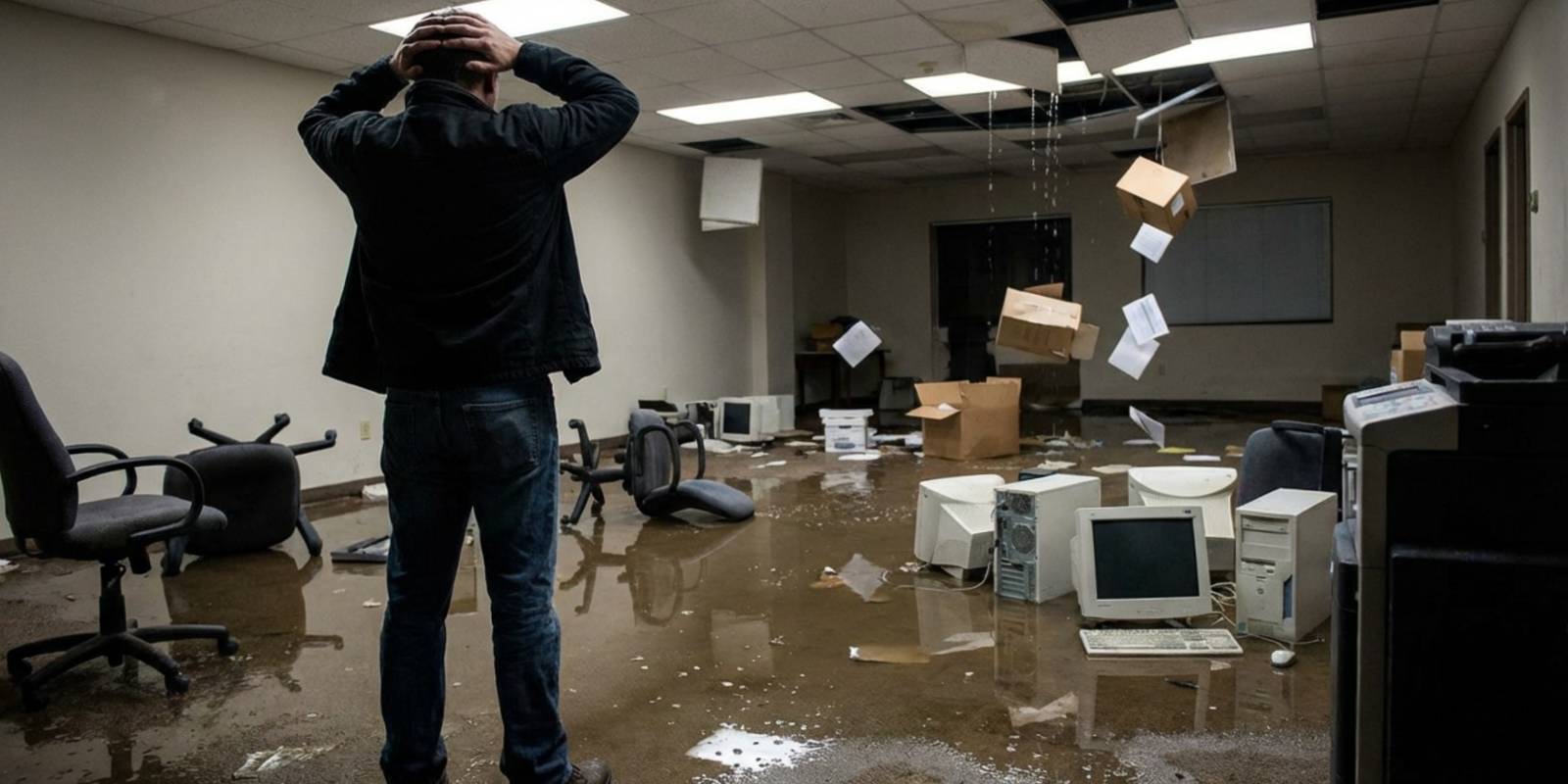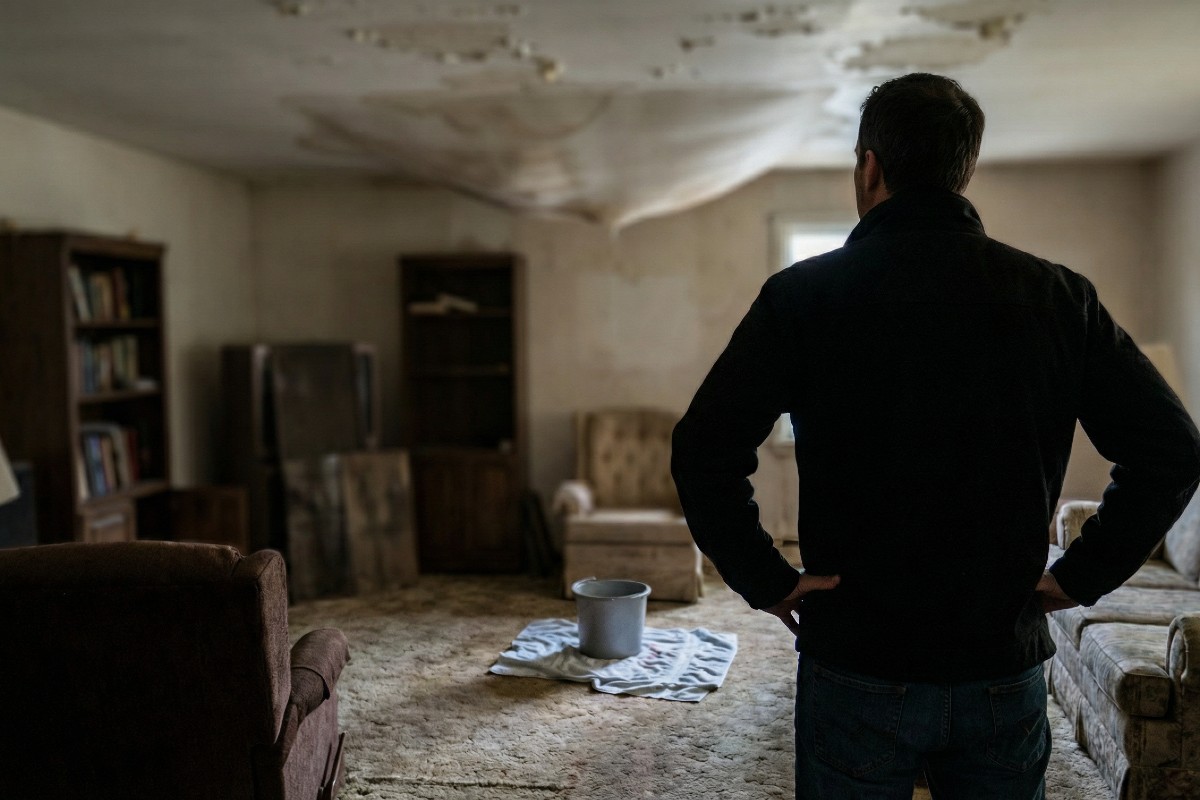

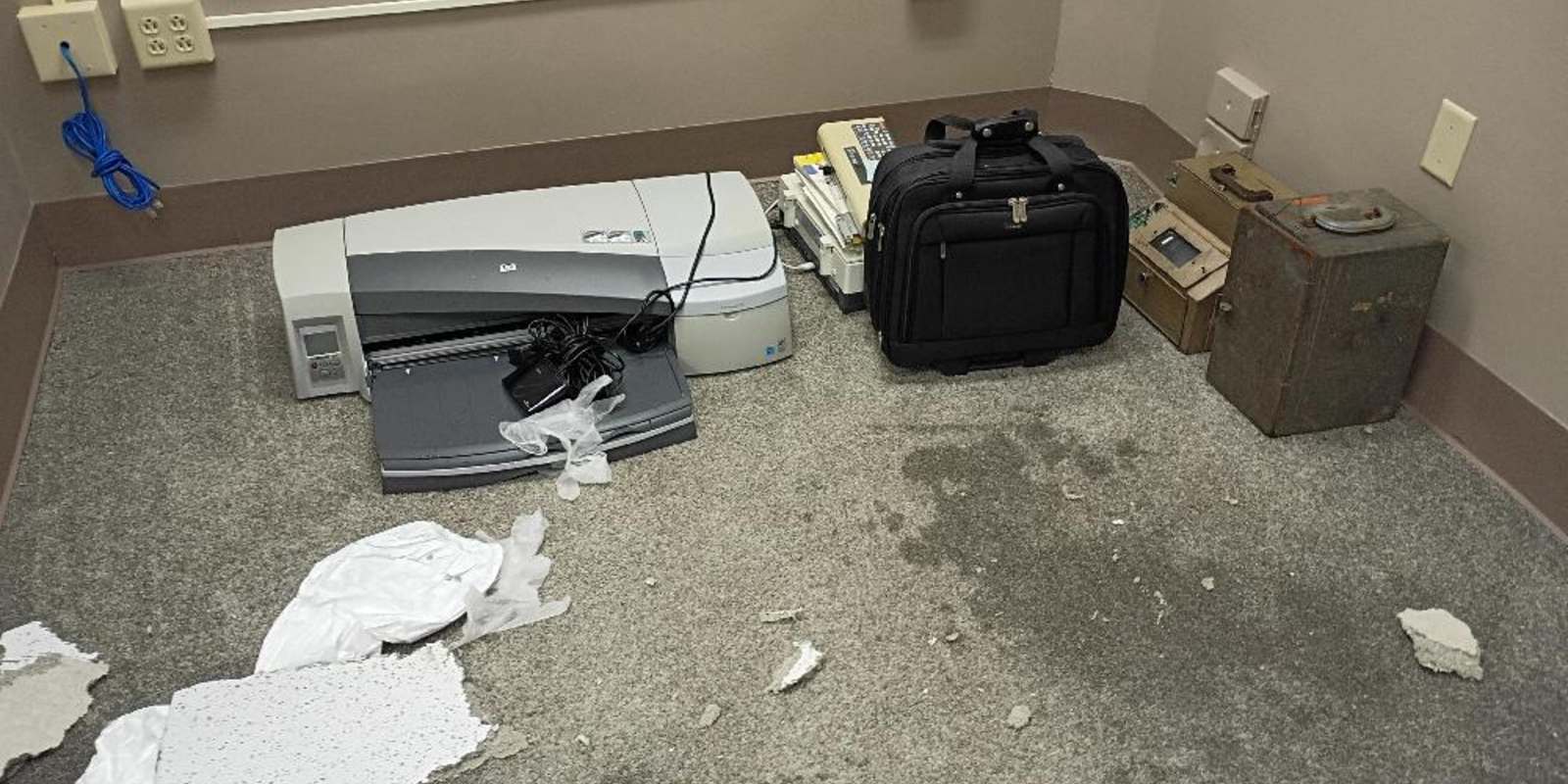
What happens if the restoration crew arrives and your building isn’t ready?
Could delays, missing documentation, or unsafe conditions increase downtime and insurance complications?
When water damage, fire damage, or another major building emergency disrupts your business, the hours before a restoration crew arrives can directly affect how quickly your property recovers and how smoothly insurance claims are processed.
With over 14 years of experience, Restore-It has helped commercial property owners recover from unexpected disasters. Beyond restoration, our team focuses on helping businesses reduce downtime and make informed decisions during emergencies.
In this guide, you’ll learn how to:
- Protect employees and customers
- Document damage for insurance
- Reduce further property loss
- Prepare your building for restoration crews
Prioritize Employee and Customer Safety
Before cleanup or documentation, your first responsibility is protecting people inside the building.
Commercial property damage often creates hidden hazards. Water intrusion can weaken flooring, introduce electrical risks, and expose occupants to contaminated materials. The Environmental Protection Agency (EPA) warns that floodwater may carry serious health risks, while smoke damage can continue affecting indoor air quality long after a fire is extinguished.
According to the Cleveland Clinic, smoke inhalation can damage airways and lungs, reduce oxygen delivery, and cause symptoms such as shortness of breath, chest pain, and confusion, making immediate access to fresh air and medical attention essential.
Depending on conditions, you may need to:
- Evacuate employees and customers
- Restrict access to affected areas
- Identify electrical or structural hazards
- Avoid exposure to smoke or contaminated air
- Block off unsafe zones
If there’s any immediate danger, contact emergency services before contacting a restoration provider. Even partial occupancy in a damaged building can increase liability and worsen exposure risks.
Document the Damage Before Cleanup Begins
Once people are safe, the next step is documentation.
Starting cleanup too early can reduce insurance clarity and complicate claims. Proper documentation helps establish the extent and timing of the loss.
Focus on:
- Wide and close-up photos of all affected areas
- Video walkthroughs of the entire property
- Damage to equipment, inventory, and structure
- Standing water and moisture intrusion points
- Electrical systems and HVAC components
Also gather:
- Inventory of damaged items with estimated values
- Insurance policy details and claim numbers
- Maintenance and repair records
- Contact information for adjusters
Time tracking is especially important in water damage cases, where delayed mitigation may influence coverage decisions.
Shut Off Utilities If Necessary
In some situations, shutting off utilities can help prevent additional damage or reduce safety risks.
Depending on the type of loss, you may need to shut off:
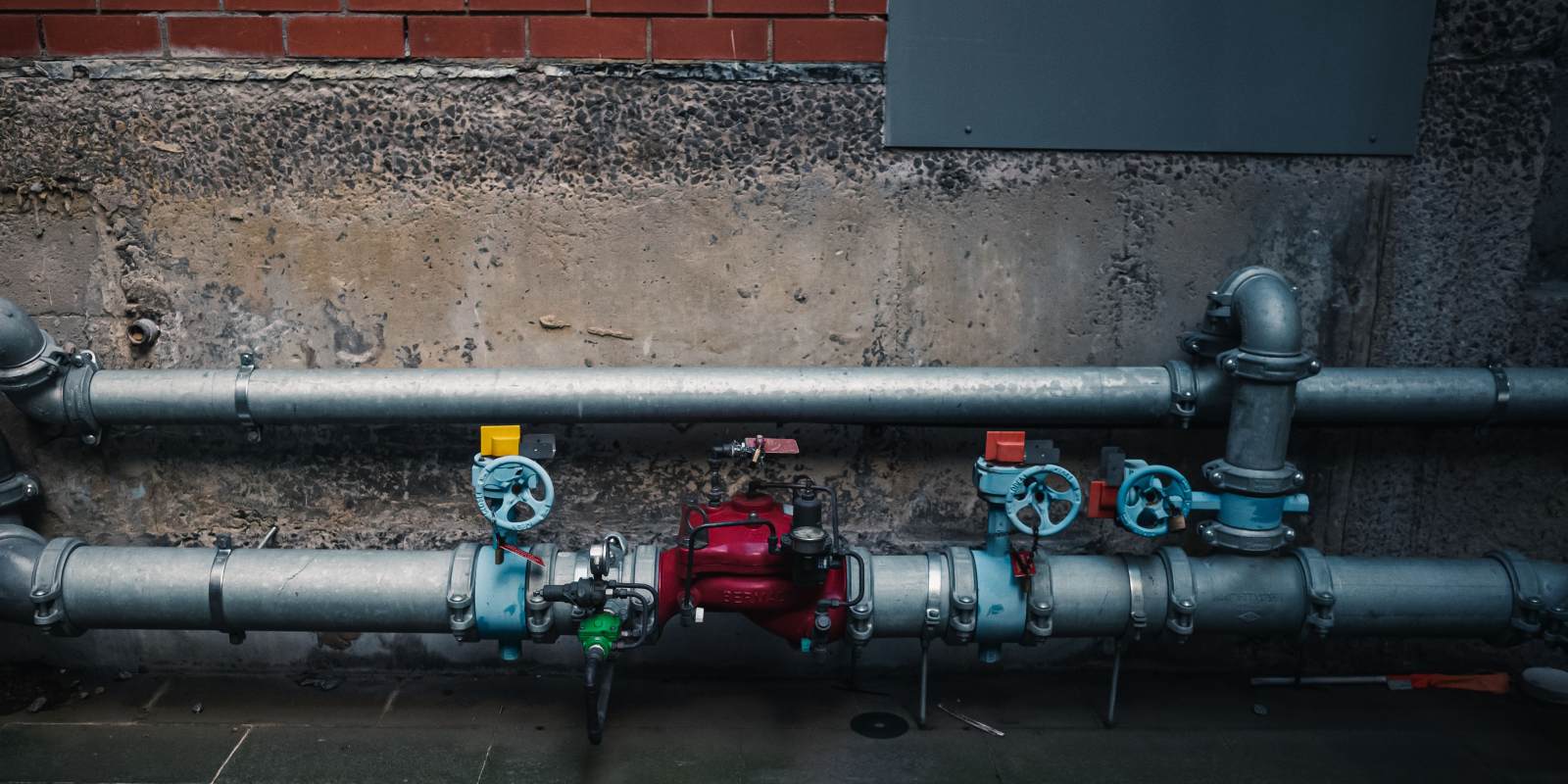
- Water supply lines
- Gas service
- Electricity
- HVAC systems
However, never attempt this if there is standing water near electrical systems or panels. According to the Occupational Safety and Health Administration (OSHA), water and electricity create a serious electrocution risk because electrical current can travel through unintended paths, including through water or the human body.
HVAC systems should also be addressed early when possible, as they can circulate smoke particles, moisture, or airborne contaminants throughout the building.
If access is unsafe, wait for utility providers or emergency personnel.
Prevent Further Damage When Possible
Once you document the damage and address immediate safety concerns, you can take temporary steps to reduce additional loss.
Examples of temporary mitigation efforts include:
- Placing tarps over roof leaks
- Moving inventory away from standing water
- Relocating computers or sensitive electronics
- Using temporary barriers to contain the spread of water
- Protecting important records and documents
- Running fans or dehumidifiers if electrical conditions are safe
The goal is to stabilize the property, not fully clean or repair it yourself.
Attempting a full cleanup without professional support can worsen hidden moisture issues or spread contamination. For example, Category 3 water losses, such as sewage backups, require specialized containment procedures and protective equipment due to high contamination risks.
If you are facing an emergency right now, please know you don’t have to handle this alone. Our restoration experts are on standby 24/7, ready to protect your property and your peace of mind the moment you call.
 Clear Access Points for the Restoration Crew
When restoration crews arrive, speed matters.
Delays caused by blocked entry points or restricted access can slow emergency mitigation.
Before arrival, ensure:
- Entryways and loading zones are clear
- Utility rooms are unlocked if safe
- Elevator or service access is available
- Parking is accessible for equipment
- Safe entry routes are identified
Clear access allows technicians to begin assessment and mitigation immediately, which can significantly reduce downtime in large commercial losses.
Gather Important Building Information
Providing building details early helps restoration teams respond more efficiently.
Prepare:
- Floor plans
- Utility shutoff locations
- Security and access codes
- Insurance and claim details
- Maintenance records
- Emergency contacts
If your facility includes sensitive systems such as server rooms, medical equipment, or production lines, notify your restoration provider before arrival so recovery priorities can be planned accordingly.
Communicate With Employees and Stakeholders
Clear communication helps reduce confusion during a property emergency.
Employees, tenants, customers, vendors, and leadership teams may all need updates about operational changes, temporary closures, or safety concerns.
Depending on the situation, you may need to communicate:
- Temporary business closures
- Remote work arrangements
- Restricted building access
- Expected downtime
- Customer service changes
- Vendor coordination updates
Early communication helps protect trust while minimizing disruption to your operations.
If the damage affects customer-facing areas, proactive communication can also help preserve your company’s reputation during the recovery process.
Understand What the Restoration Team Will Need From You
Once crews arrive, decisions often happen quickly.
Be prepared to provide:
- Insurance carrier information
- Authorization for emergency work
- Key decision-maker contacts
- Operational priorities (critical areas first)
- Vendor coordination approvals
Having decision-makers available on-site or by phone can significantly reduce delays during emergency mitigation.
When to Call a Commercial Restoration Company Immediately
Some situations require urgent professional response.
Contact a restoration provider immediately for:
- Major flooding
- Sewage backups
- Fire or smoke damage
- Storm or structural damage
- Burst pipes
- Mold or contaminated water intrusion
Water damage can begin affecting building materials within hours, while smoke and soot can continue spreading through HVAC systems even after the fire is extinguished.
A fast response often reduces long-term damage and overall business interruption.
Are You Ready to Receive the Restoration Team?
When unexpected property damage affects your business, the hours before a restoration crew arrives can directly impact safety, recovery timelines, and overall restoration costs.
From protecting people and documenting damage to controlling utilities and preparing building access, these early actions help restoration teams work faster and more effectively once they arrive.
At Restore-It, we’ve helped commercial property owners recover from water damage, fire damage, storm losses, and other emergencies for more than 14 years. We understand how disruptive these situations can be, which is why our focus extends beyond restoration to helping business owners navigate each stage of recovery with confidence.
Once the restoration team arrives, the process moves quickly, from assessment and mitigation to developing a structured recovery plan that minimizes downtime. To better understand what happens next, read below:

If your commercial property has experienced damage and you need immediate guidance, contact Restore-It today to schedule an emergency commercial restoration assessment and begin your recovery process.