
Does your commercial property feel sticky even with the AC running? Have energy bills started rising during the summer? Or are tenants and employees noticing musty odors or uneven cooling? If so, humidity may already be a problem.
Commercial buildings fight more than heat during the summer. They don’t just deal with heat; moisture can be an even bigger problem.
When excess moisture builds inside a property, HVAC systems have to work harder. Energy costs go up. Indoor air quality starts to drop. Over time, building materials can also begin to break down.
Most facility managers don’t notice humidity issues right away. Problems usually show up through complaints like sticky air, odors, uneven cooling, or rising utility bills.
Even if a building feels cool, hidden moisture can still affect performance and air quality. Summer heat is tough on commercial HVAC systems. But high humidity can cause problems you may not notice right away.
At Restore-It, for the past 14 years, we've worked with South Arkansas commercial owners. So, our goal is to find moisture and air duct issues before they become bigger problems.
In this article, you’ll learn:
- How summer humidity affects commercial buildings,
- Why does it increase operational costs?
- How to protect your property, HVAC system, and occupants before problems get worse
How Summer Humidity Increases HVAC Costs
Humidity is not just “moist air.” In commercial buildings, it is the amount of airborne moisture your HVAC system must continuously remove to maintain comfort and efficiency.
During summer, high outdoor humidity increases the moisture entering through ventilation systems, doors, leaks, and daily building activity. As humidity rises, your HVAC system works harder because it must cool the air and remove excess moisture at the same time.
This often leads to:
- Short cycling systems
- Overcooling to compensate for humidity
- Poor ventilation balancing
- Increased runtime and energy consumption
Some buildings feel cold and humid at the same time because the HVAC system lowers the temperature faster than it removes moisture.
Structural and Building Material Damage from Excess Moisture
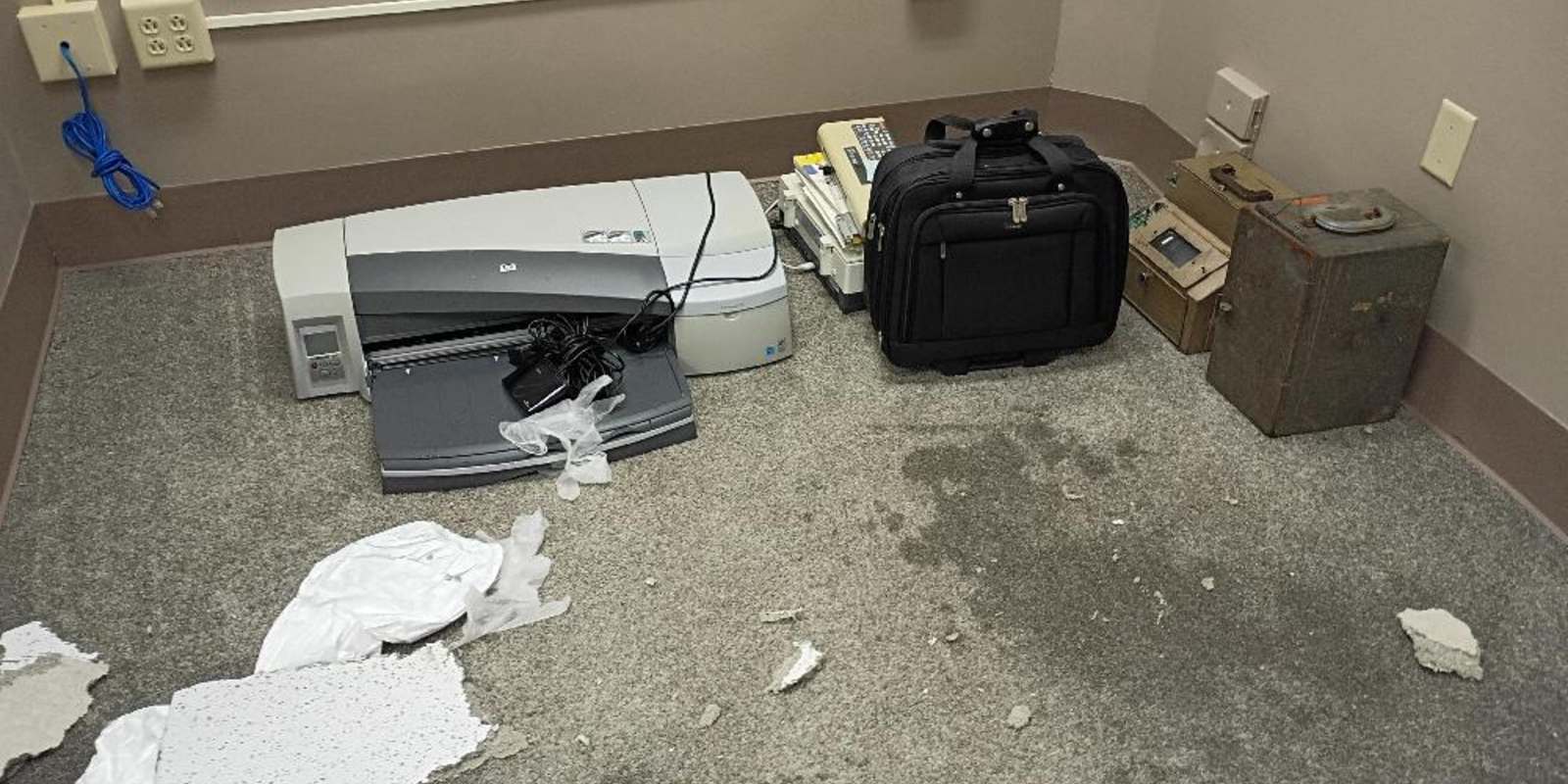
When excess moisture builds inside a property, HVAC systems work harder to keep conditions stable. Energy costs increase, and indoor air quality often begins to decline. Over time, moisture can also contribute to the breakdown of building materials.
Most facility managers do not notice humidity issues right away. Problems usually show up through occupant complaints, including:
- Sticky or uncomfortable indoor air
- Musty or damp odors
- Uneven cooling between rooms or zones
- Rising utility bills without a clear cause
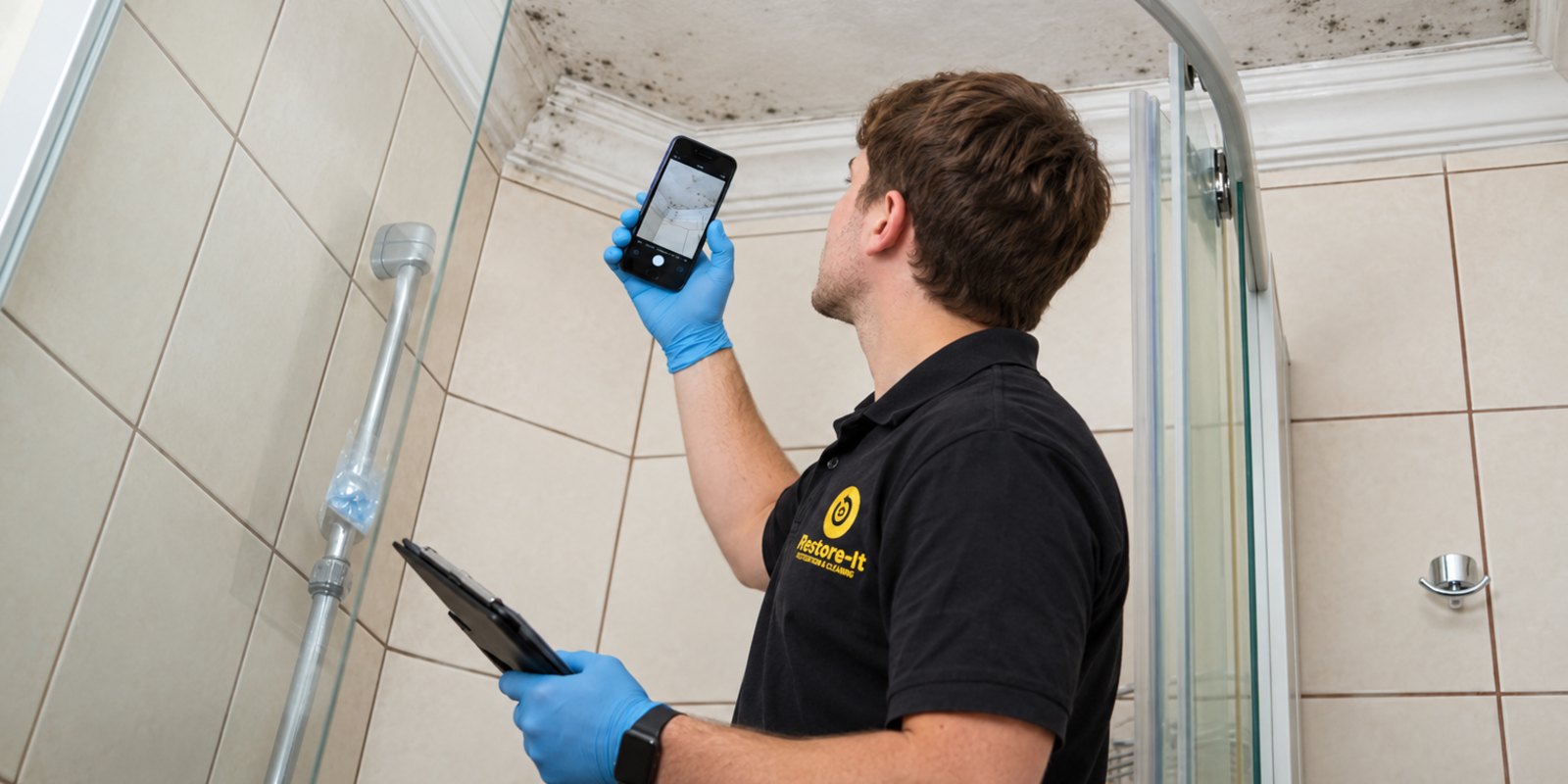
- Early signs of mold concerns
By the time these symptoms appear, moisture issues are often already affecting multiple building systems.
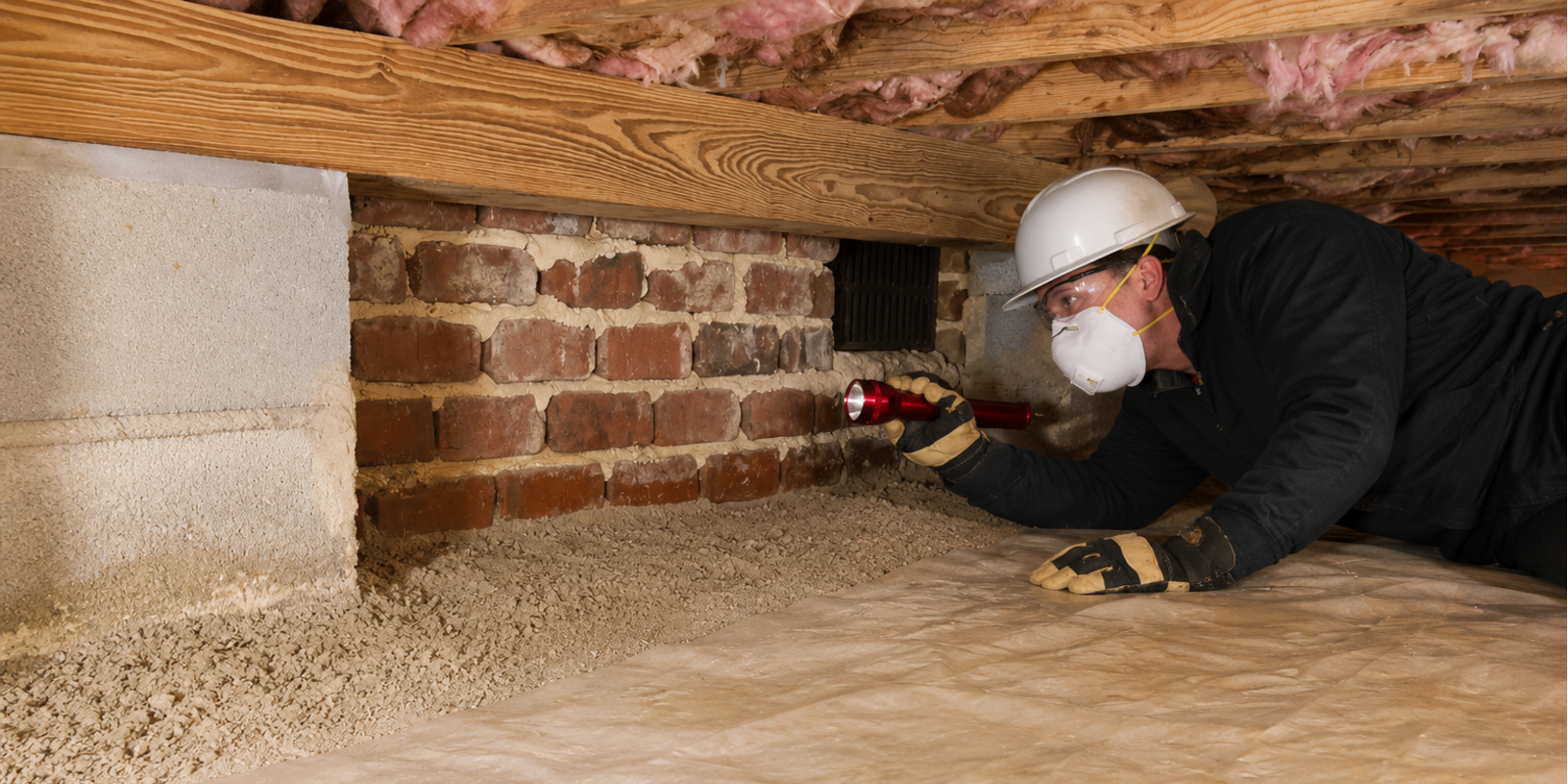
If you suspect moisture may already be building inside your property, the next step is figuring out where it’s coming from and how far it has spread.

How Humidity Damages Inventory and Retail Products
Humidity can also damage inventory, packaging, and customer-facing spaces.
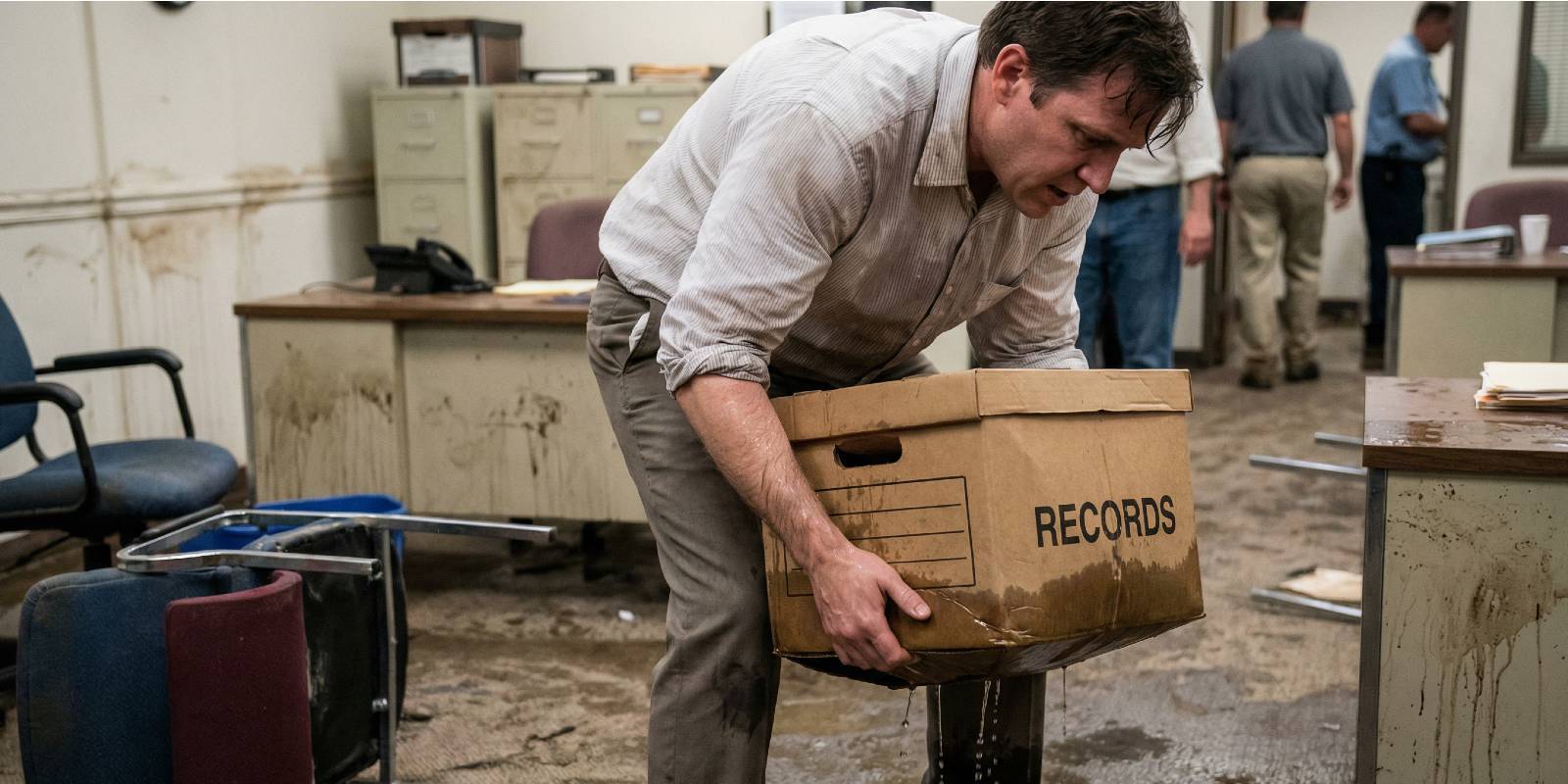
Commercial properties storing paper goods, electronics, textiles, packaging materials, or food products are especially vulnerable to moisture exposure. Excess humidity can warp packaging, create musty odors, damage labels, and reduce product quality over time.
In retail environments, presentation also matters. Because of this, even small signs of moisture, like damp smells, warped displays, or sticky air, can signal poor upkeep to customers.
As a result, humidity doesn’t just affect products. It can also shape how customers perceive your business.
Indoor Air Quality and Occupant Comfort Issues
High humidity also affects how occupants experience a building.
Even when temperatures appear normal, excess moisture can make indoor spaces feel warmer and heavier. This “sticky air” feeling happens because humidity reduces the body’s ability to cool itself naturally.
Poor humidity control may contribute to:
- Fatigue
- Discomfort
- Reduced concentration
- Increased occupant complaints
For commercial properties, this can affect employee productivity, tenant satisfaction, and customer experience. Retail customers may spend less time inside uncomfortable spaces, while office occupants may report inconsistent cooling between zones.
Warning Signs Your Building Has a Humidity Problem
Commercial buildings often show signs of excess humidity long before major damage appears. Common signs include:
- Condensation on windows or metal surfaces
- Musty or damp odors
- Uneven cooling across rooms or zones
- Rising energy bills without increased usage
- Visible staining or mold spots
- Sticky indoor air despite the AC running
Building owners often treat humidity as a short-term comfort issue until complaints start coming in. Over time, it can affect indoor air quality, comfort, and HVAC performance.
When these signs appear, humidity is often already affecting the building. Learn more below.

How to Prevent and Control Summer Humidity in Commercial Buildings
Controlling humidity requires more than lowering the thermostat. Commercial buildings need a moisture-control strategy that addresses HVAC performance, airflow, and building protection together.
Effective humidity control often includes:
- Proper HVAC sizing
- Dedicated dehumidification systems
- Balanced ventilation and airflow
- Limiting excess outdoor air during peak humidity
- Sealing air leaks
- Improving insulation
- Installing humidity sensors
- Regular HVAC calibration and maintenance
If an HVAC system is too large, it can cool the space before it removes enough moisture. And if ventilation is not balanced, it may keep pulling humid outdoor air inside.
Humidity control works best when the entire building system works together.
Is Excess Humidity Damaging Your Commercial Property?
Excess humidity in a commercial building is not just uncomfortable. It can slowly raise energy costs, damage materials, and reduce indoor air quality.
At first, it may seem like sticky air or a little condensation. Over time, it can lead to mold, HVAC strain, and costly repairs.
If you're noticing higher utility bills, musty smells, or uneven cooling, humidity may already be a problem in your building.
Humidity problems rarely stay isolated. Over time, they begin affecting multiple building systems at once.
At Restore-It, we understand how moisture, HVAC performance, and indoor air quality work together inside commercial properties. If you want to identify hidden moisture problems before they turn into larger operational and structural issues, call us.

Do you think your HVAC system may be affecting humidity or air quality? Read our article to learn the signs of duct and airflow problems.

Topics: