
Have you noticed that some rooms in your home never seem to reach the right temperature? Does your HVAC system run longer than it should, or do your energy bills keep climbing for no obvious reason?
The problem may not be your heating or cooling equipment. Instead, conditioned air could be escaping through hidden leaks in your home's ductwork before it ever reaches the rooms you're trying to heat or cool.
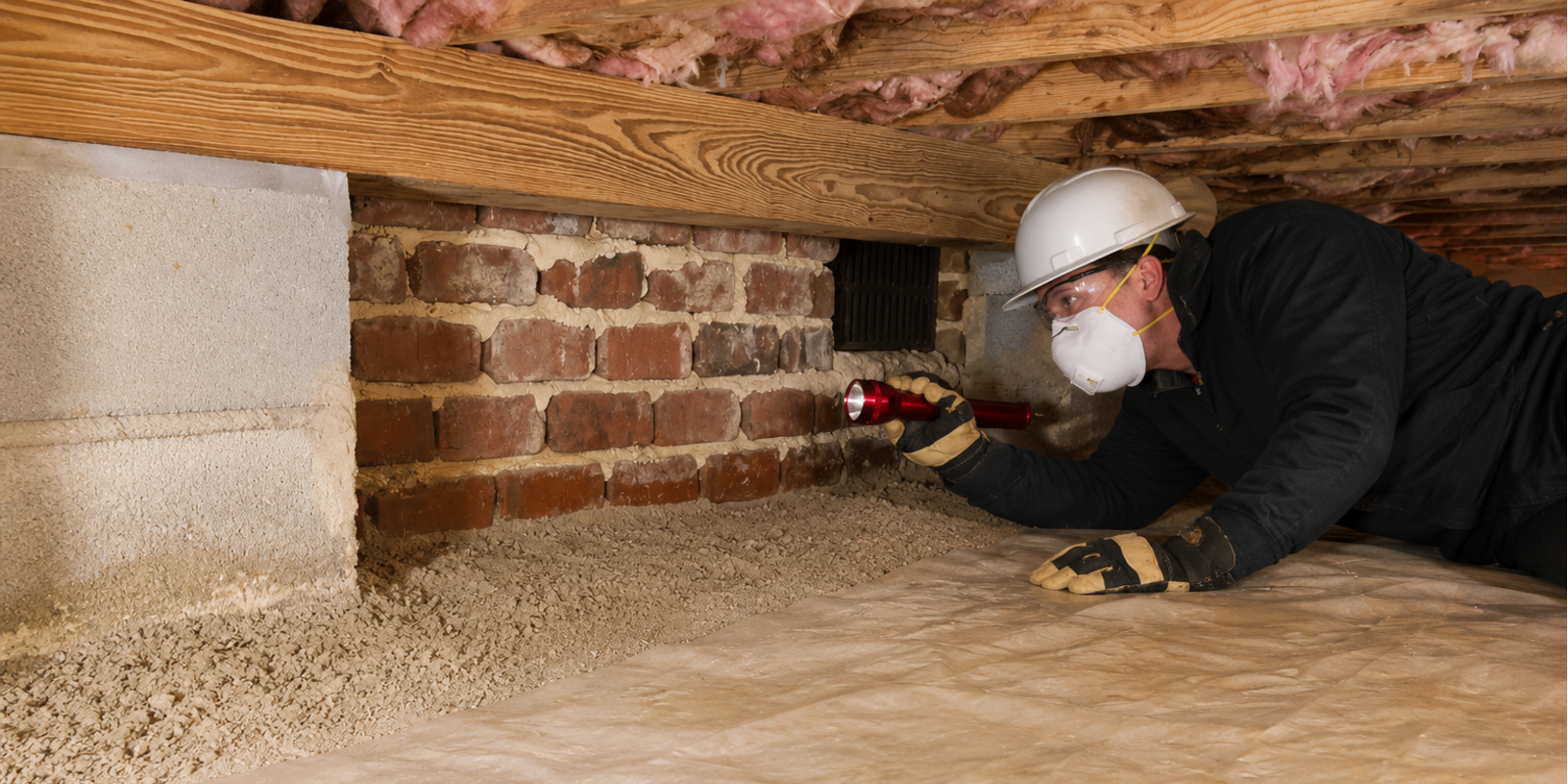
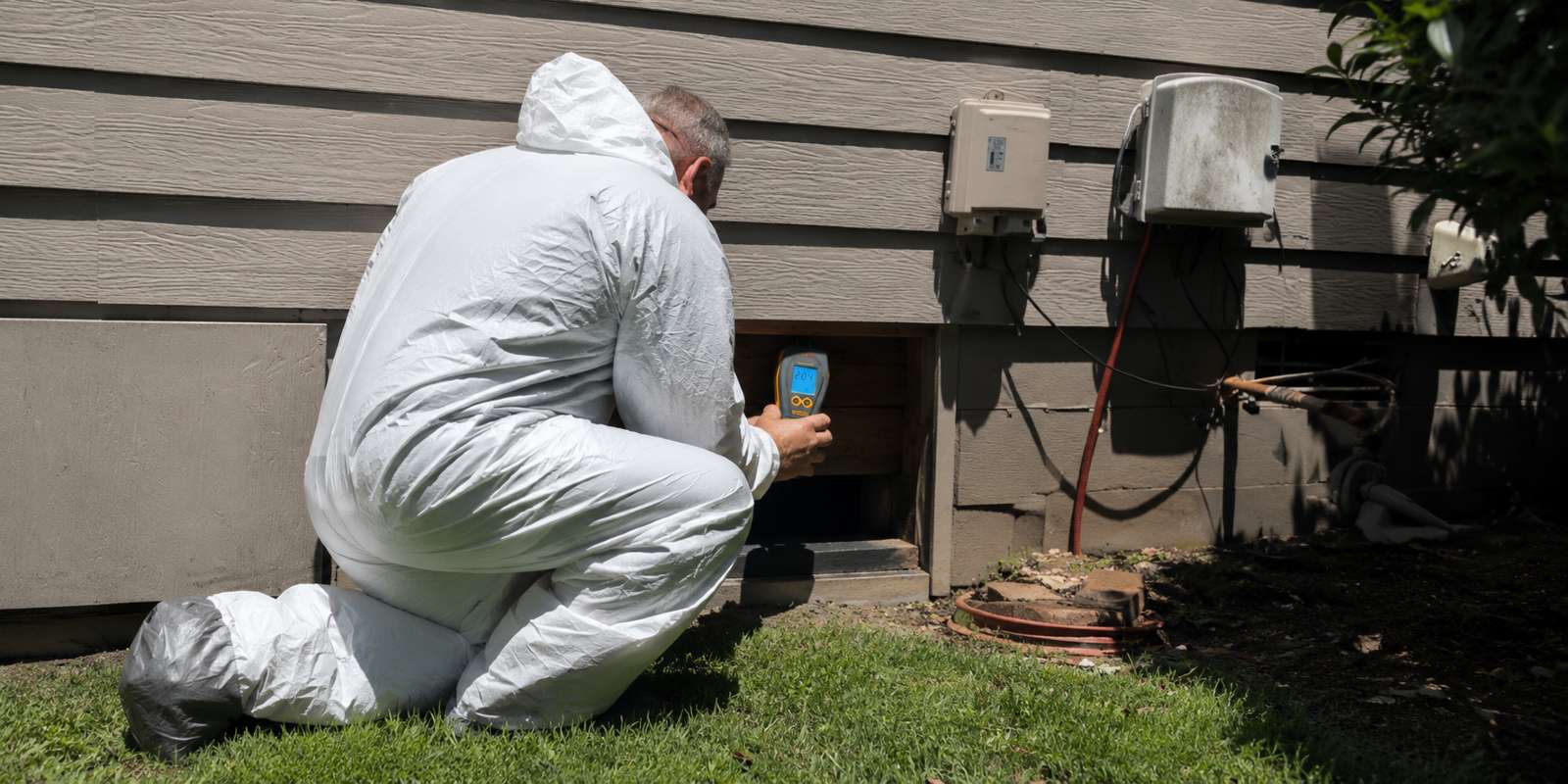
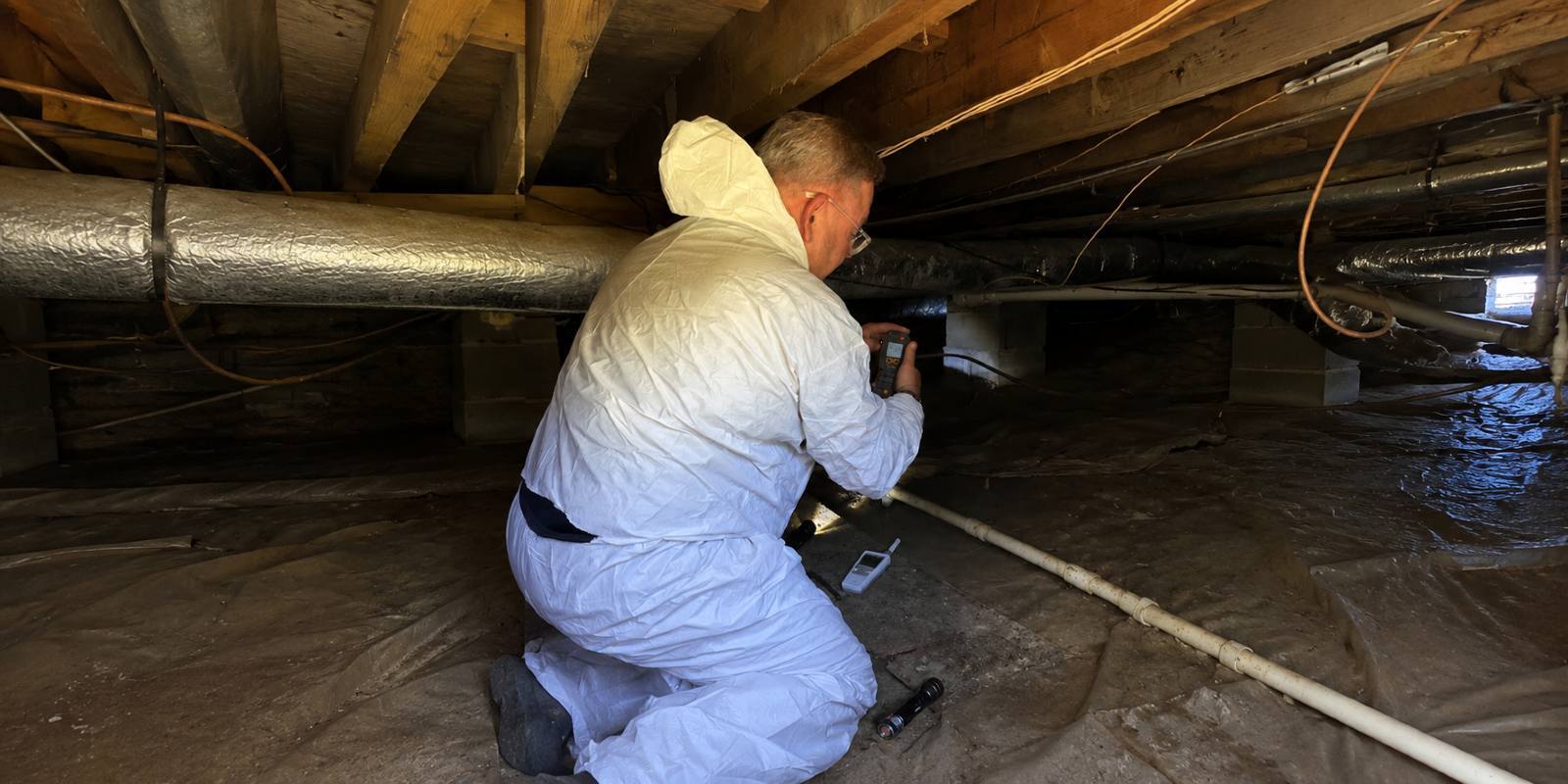
Air duct leaks are one of the most common issues found during HVAC inspections, yet they're often overlooked because the ductwork is hidden behind walls, in attics, crawl spaces, or basements. Understanding how air duct leakage happens and the signs to watch for can help you identify the problem early and avoid unnecessary strain on your HVAC system.
By the end of this guide, you'll understand what air duct leakage is, what causes it, how to recognize the warning signs, and when professional inspection or repairs may be the best solution.
What Causes Air Duct Leakage?
While air duct leaks can have several causes, the good news is that many of them are preventable or repairable. The table below summarizes the most common causes of air duct leakage, how they occur, and their potential impact on your HVAC system.
|
Cause |
How It Causes Air Duct Leaks |
|
Aging duct materials |
Seams separate, materials crack or deteriorate, creating gaps where conditioned air can escape. |
|
Loose or failed duct connections |
Connections loosen or weren't properly sealed, allowing air to leak into unconditioned spaces. |
|
Damaged flexible ducts |
Tears, punctures, or crushed sections restrict airflow and allow conditioned air to escape. |
|
Poor installation |
Improperly fastened or sealed ductwork can develop leaks soon after installation or over time. |
|
Home settling and vibrations |
Structural movement and HVAC vibrations gradually loosen joints and create new air leaks. |
How Can You Tell If Your Air Ducts Are Leaking?
Because most ductwork is hidden behind walls, in ceilings, or in attics and crawl spaces, air duct leaks aren't always obvious. Instead, homeowners usually notice changes in comfort, airflow, or energy efficiency before they ever see a damaged duct.
|
Sign |
What It Could Mean |
|
Uneven temperatures |
If one room consistently feels warmer or cooler than the rest of your home, conditioned air may be leaking before it reaches that area. |
|
Weak airflow |
Reduced airflow from one or more vents may indicate that air is escaping somewhere along the duct system. |
|
Excess dust |
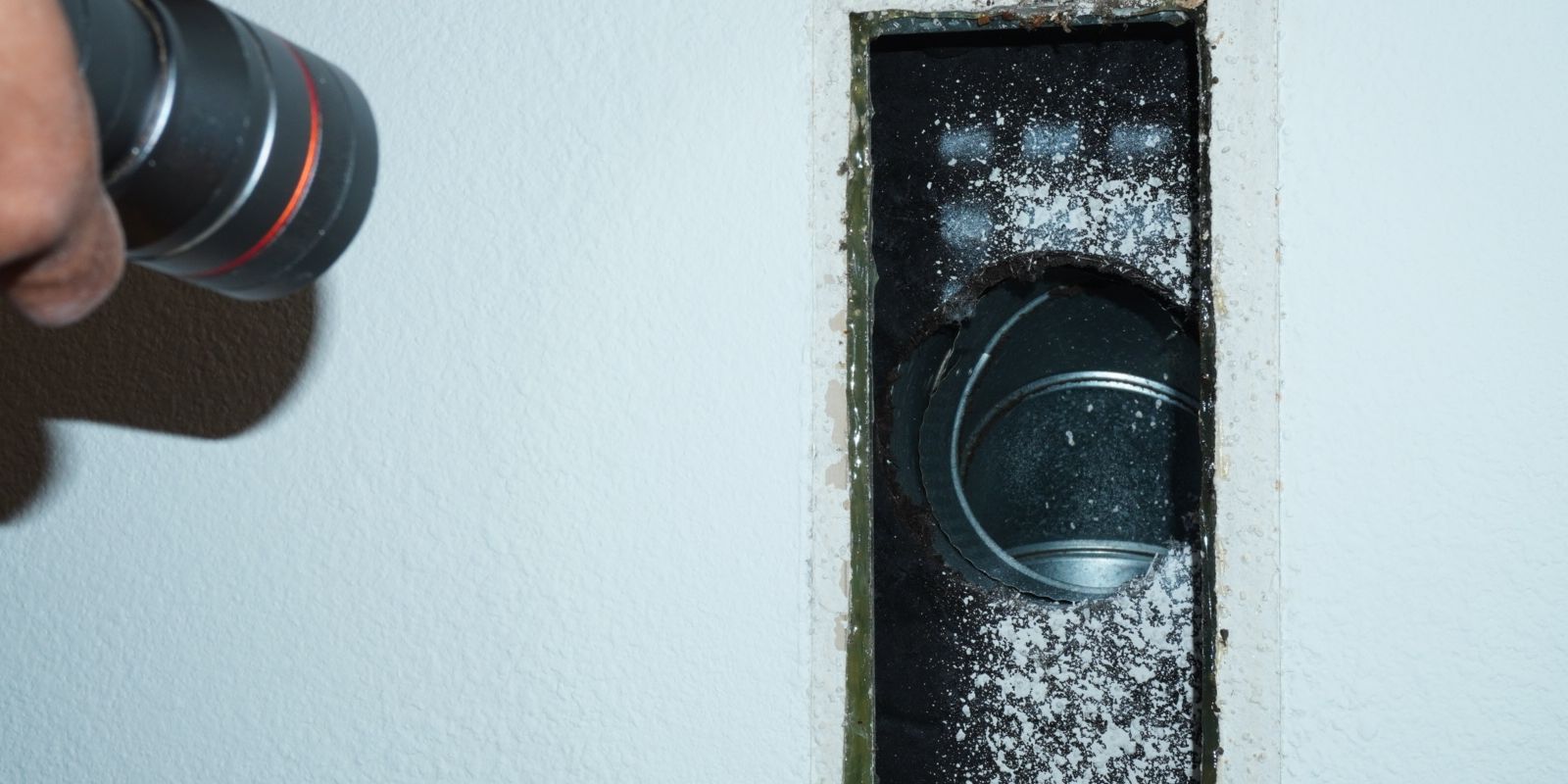
Leaking return ducts can pull dust, insulation fibers, and other contaminants from attics, crawl spaces, or basements into your HVAC system. |
|
HVAC system runs longer than usual |
Air leaks force your heating and cooling system to work harder to maintain the temperature you've set on the thermostat. |
|
Higher utility bills |
If your energy costs continue to increase without a clear explanation, leaking ductwork may be reducing your HVAC system's efficiency. |
|
Hot and cold spots |
Persistent temperature differences throughout your home may indicate that conditioned air isn't reaching every room as intended. |
Want to know how much leaking ducts could be affecting your monthly utility costs? Read our article to learn how air loss affects energy consumption and what it could be costing you:

Where Does Air Usually Escape?
Although leaks can occur anywhere in a duct system, they're most common where sections connect or where ductwork is exposed to age, movement, or damage.
Typical leak locations include:
- Attics, where extreme temperatures can weaken seals.
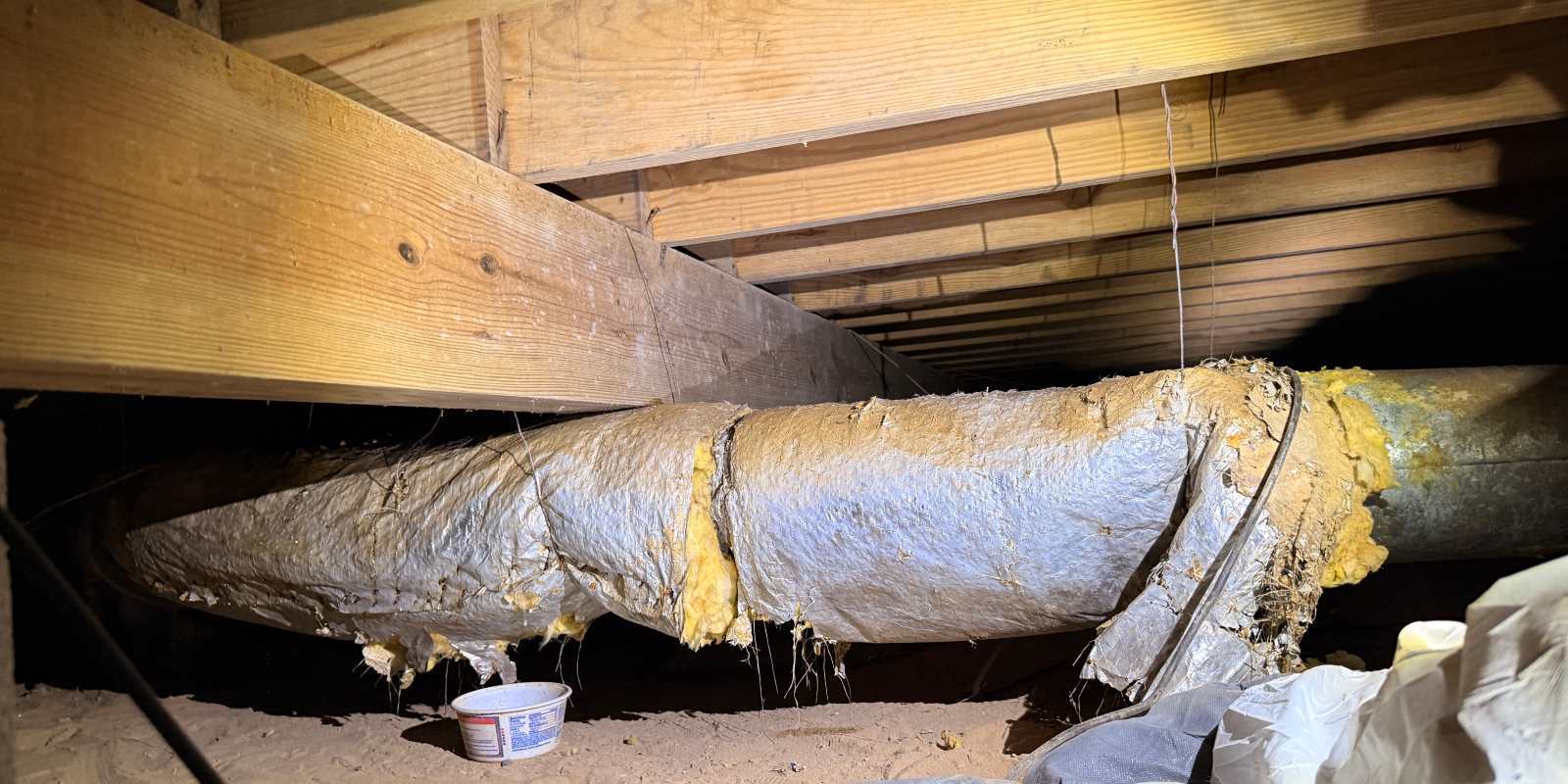
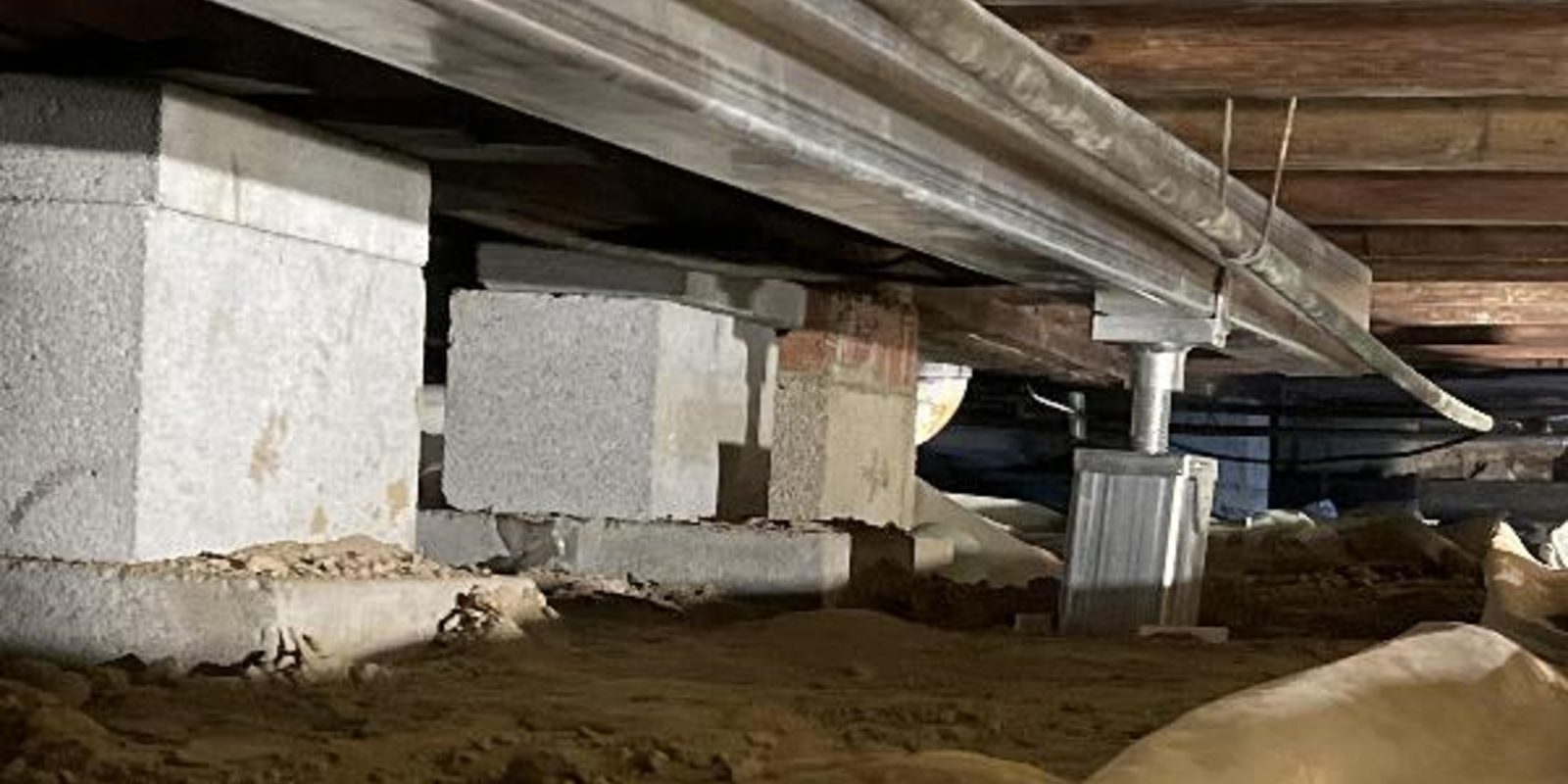
- Crawl spaces, where moisture and pests may damage ductwork.
- Basements, where aging materials or accidental impacts can loosen connections.
- Duct joints and seams, one of the most common places for leaks to develop.
- Register boots, where gaps can allow air to escape into walls or floors.
- Plenums, which distribute large volumes of air throughout the system.
- Air handler connections, where leaks can affect the performance of the entire HVAC system.
What Happens If Air Duct Leaks Go Unrepaired?
Ignoring air duct leaks can affect more than just your comfort. Even small leaks can reduce HVAC efficiency and place additional strain on your heating and cooling system.
Common consequences include:
- Uneven temperatures throughout your home.
- Higher energy bills as your HVAC system runs longer to maintain the thermostat setting.
- Increased wear and tear on HVAC components.
- Poor indoor air quality caused by dust and contaminants entering the duct system.
- Moisture and humidity issues that may contribute to mold or mildew in certain environments.
Can You Repair Air Duct Leaks Yourself?
It depends on the location and severity of the leak. Small, accessible gaps can sometimes be sealed by homeowners, while hidden or widespread leaks usually require professional repairs.
Energy Trust of Oregon shares that, for minor, visible leaks, you may be able to:
- Seal small gaps with UL 181-rated mastic or HVAC foil tape.
- Reconnect loose metal duct sections.
- Replace damaged foil tape around exposed duct joints.
Avoid using standard cloth-backed duct tape, which isn't designed for long-term HVAC duct sealing.
If leaks are located inside walls, in attics or crawl spaces, or involve torn or disconnected ductwork, it's best to have the system professionally inspected to determine whether the ductwork should be sealed, repaired, or replaced.
How Can You Prevent Future Air Duct Leaks?
While not every leak can be prevented, regular HVAC maintenance can help identify problems before they become more serious.
To help keep your ductwork in good condition:
- Schedule routine HVAC inspections.
- Replace air filters according to the manufacturer's recommendations.
- Periodically inspect any accessible ductwork for loose connections or visible damage.
What Air Duct Leakage Means for Your Home
Air duct leakage often goes unnoticed, but it can have a significant impact on your home's comfort, indoor air quality, and HVAC efficiency. If you've noticed uneven temperatures, weak airflow, excessive dust, or higher-than-expected energy bills, leaking ductwork could be allowing conditioned air to escape before it reaches the rooms where you need it most.
Understanding the signs of air duct leakage is the first step. The next is learning how those leaks affect your HVAC system's performance and what they could be costing you over time.
At Restore-It, we help homeowners identify and repair hidden duct leaks before they lead to bigger comfort, efficiency, and HVAC performance problems. If you're experiencing uneven temperatures, poor airflow, or suspect your ductwork is leaking, our team can inspect your system, pinpoint the source of the problem, and recommend the right solution to restore your home's comfort and efficiency.
Don't wait for small duct leaks to become expensive HVAC problems. Contact Restore-It today to schedule a professional duct inspection and get your system performing the way it should!