
Have you had your air ducts cleaned, but still notice dust settling around your home or allergy symptoms that never seem to improve? If so, you might be wondering whether duct cleaning actually improves indoor air quality or if something else is causing the problem.
Many homeowners assume that dirty air ducts are the source of every indoor air quality issue. While duct cleaning can make a difference in some situations, it's not a cure-all. In many homes, poor indoor air quality is caused by a combination of factors, including clogged HVAC filters, excess humidity, pet dander, poor ventilation, or mold growth.
At Restore-It, we've spent more than 14 years helping homeowners throughout El Dorado and South Arkansas restore healthier homes. Along the way, we've seen one misconception come up time and time again: that cleaning the ductwork will solve every indoor air quality problem. In reality, that's only true when dirty ducts are the root cause.
In this article, you'll learn when duct cleaning helps, when it doesn't, and what other issues could be affecting the air you breathe every day.
When Duct Cleaning Actually Helps
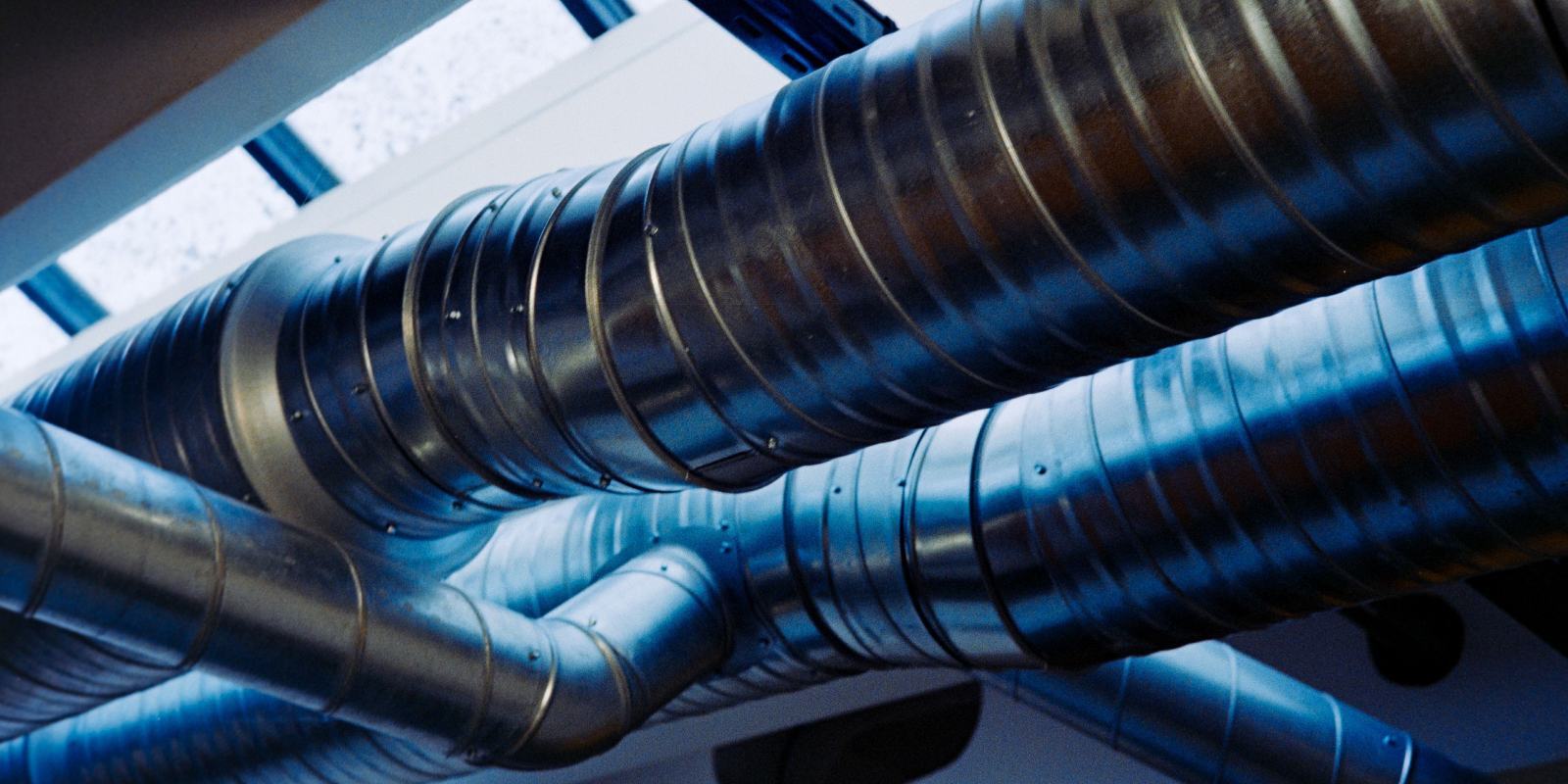
Air duct cleaning can improve indoor air quality, but only in the right circumstances. It's often recommended when your home has:
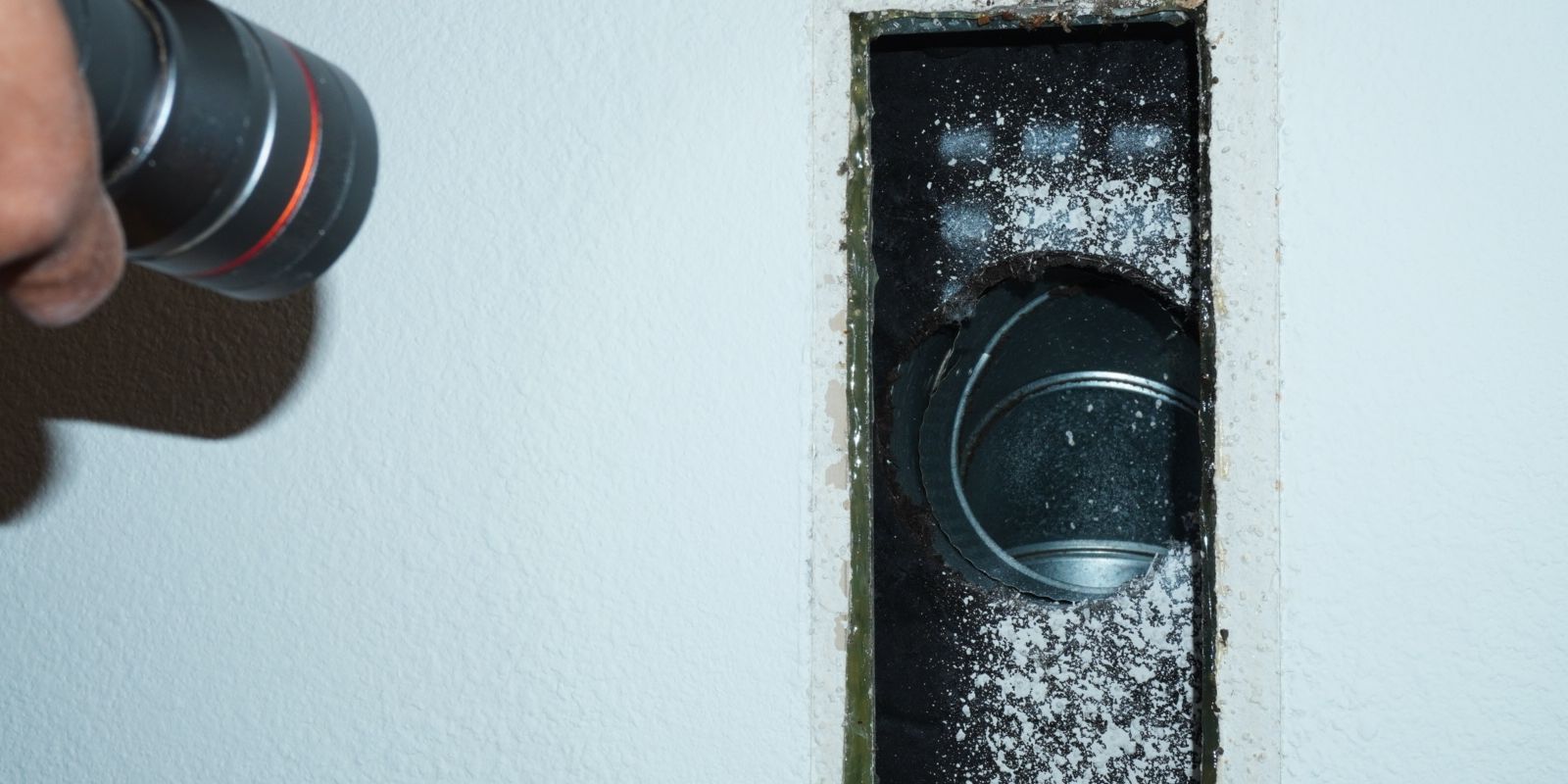
- Visible dust and debris inside the ductwork
- Construction dust left behind after a remodeling project
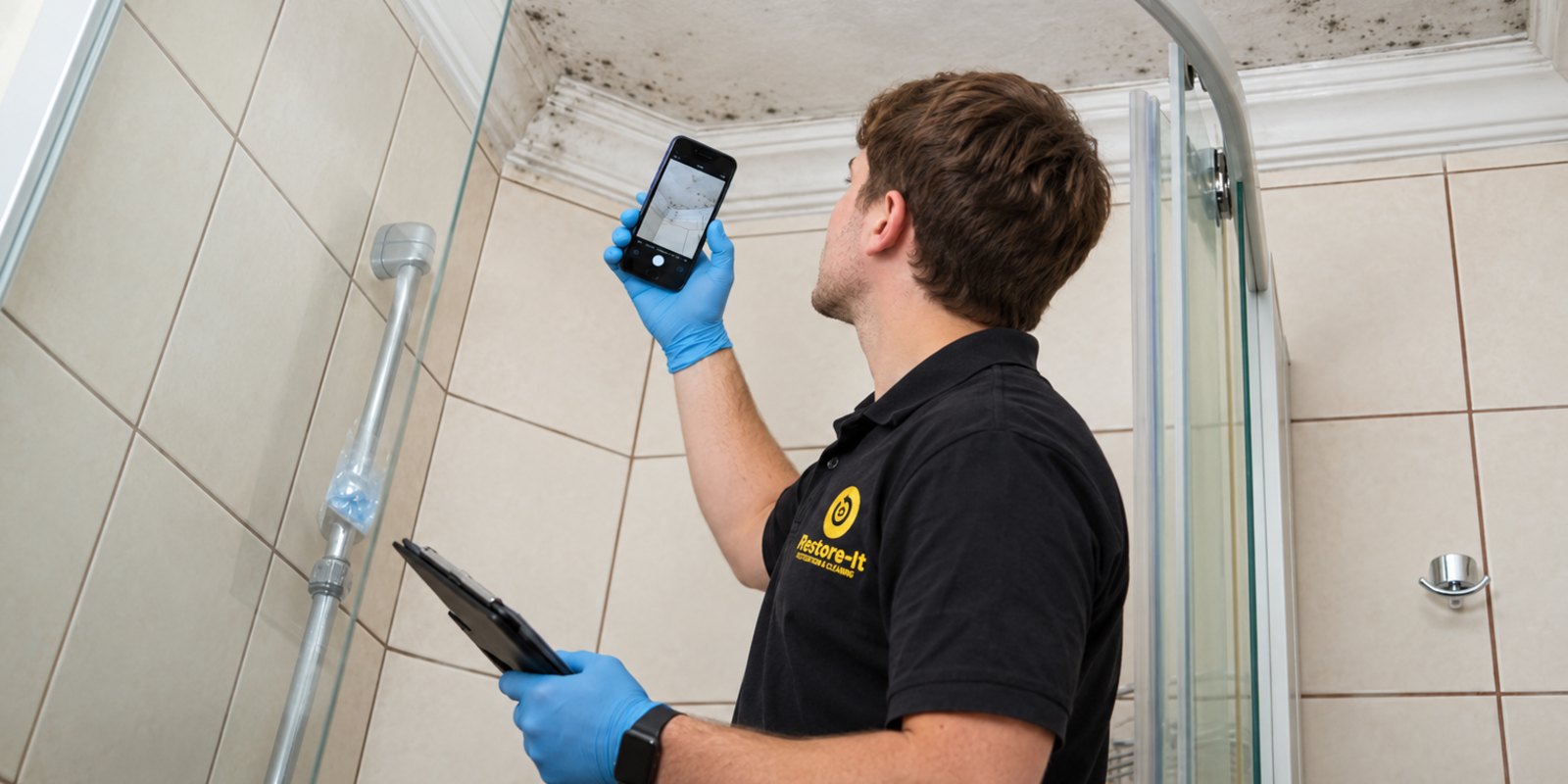
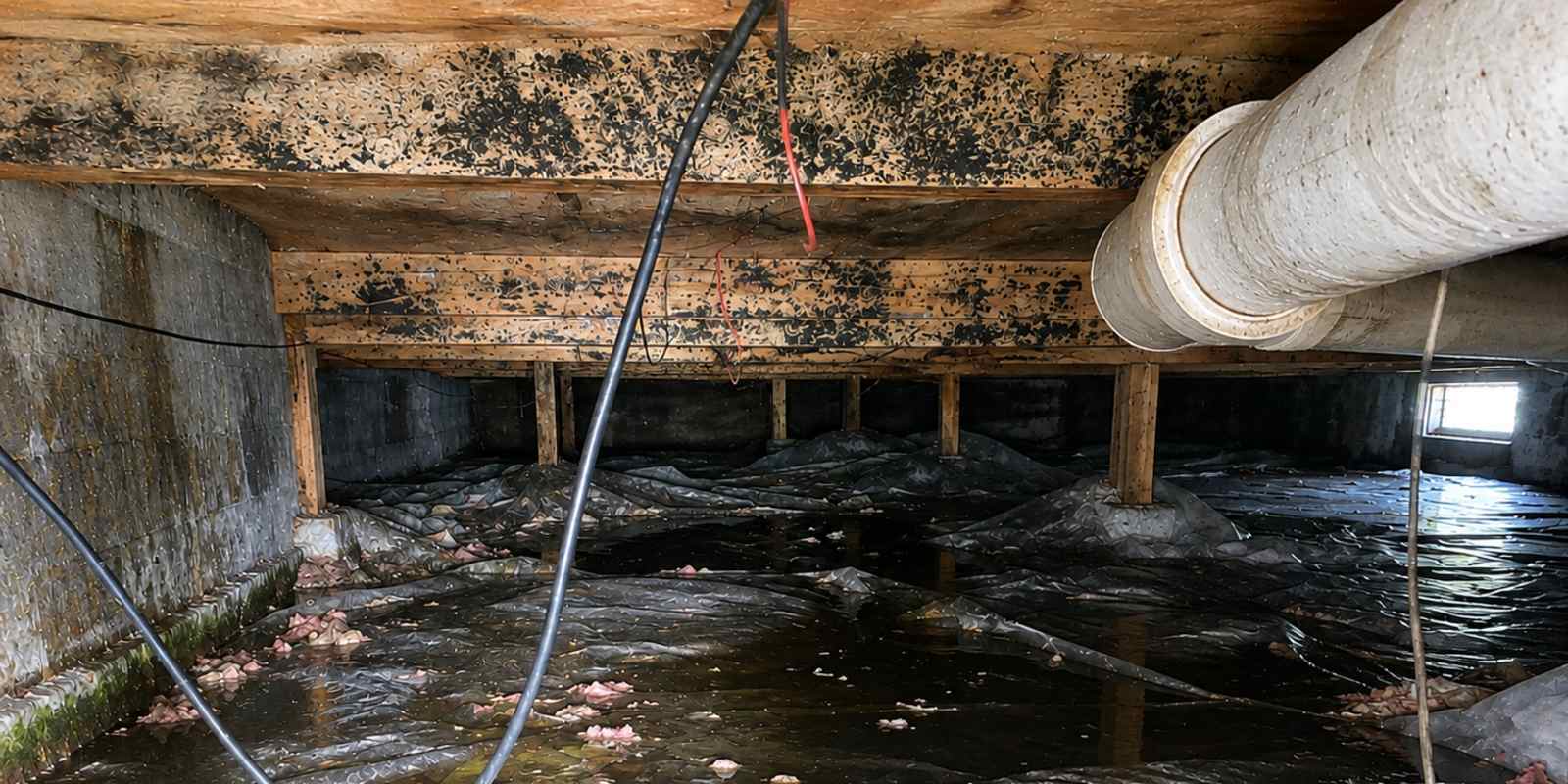
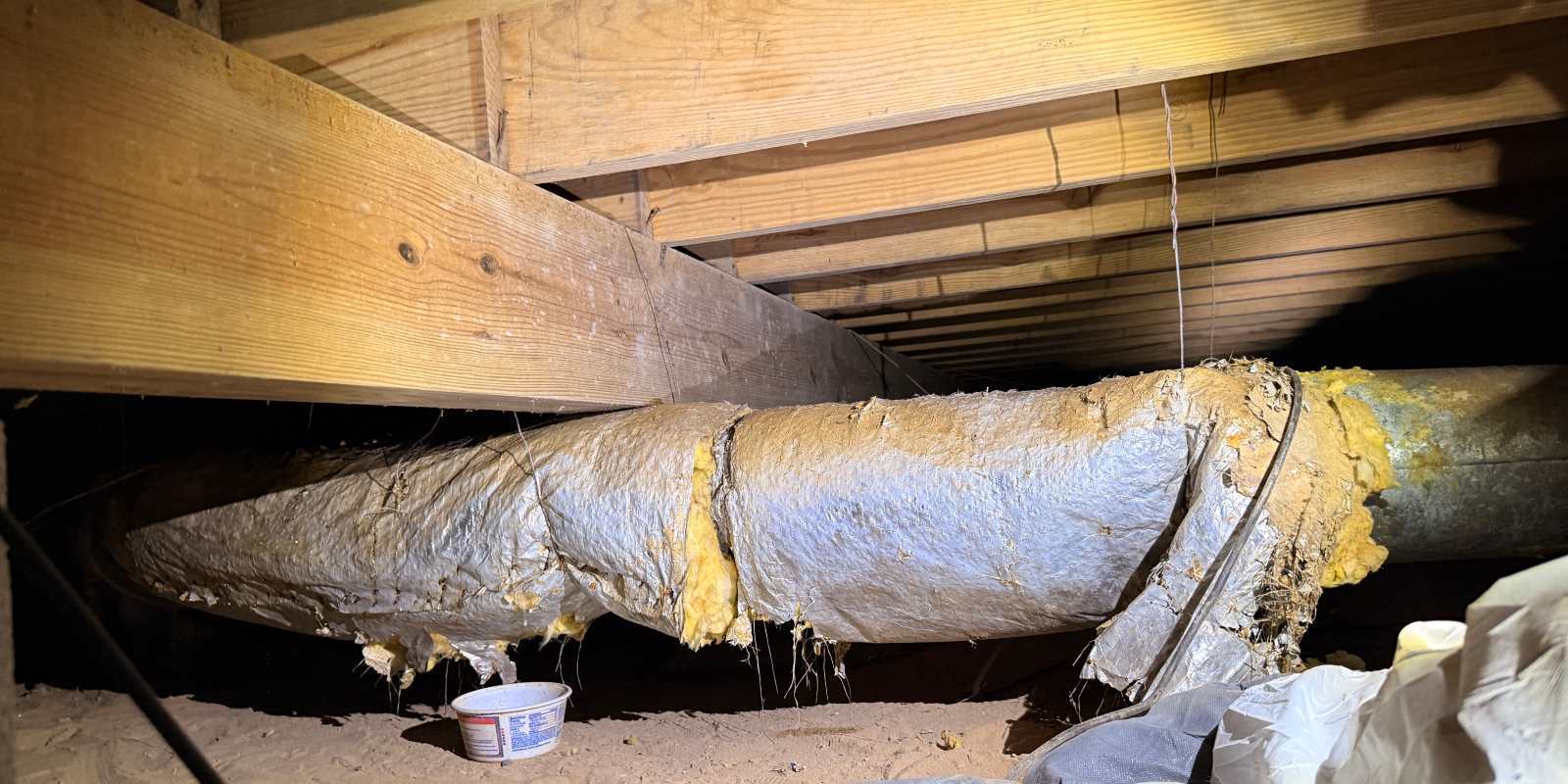
- Mold growth inside the HVAC system or ducts
- Evidence of rodents, insects, or other pest contamination
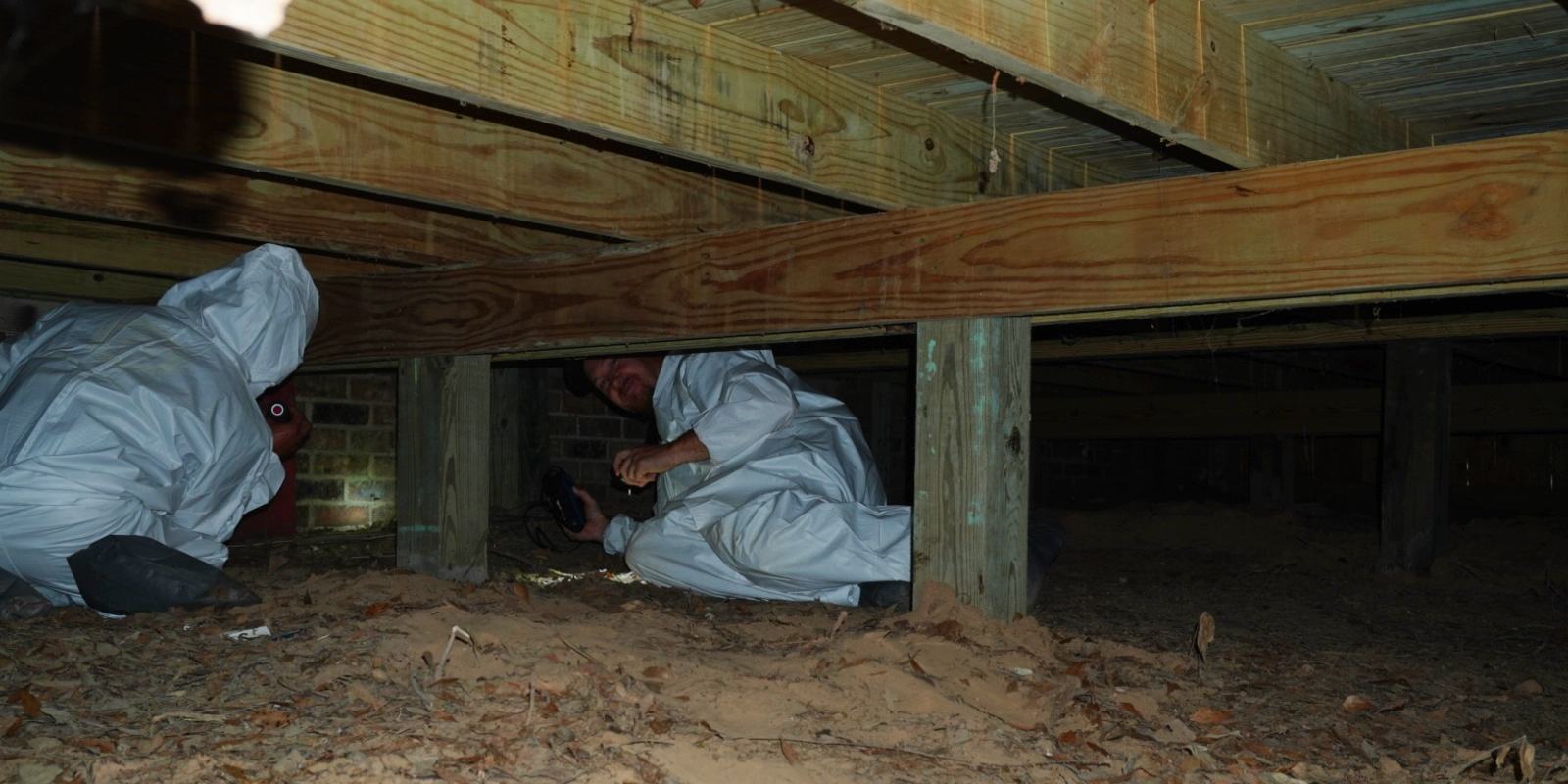
- Moisture problems in the crawl space that contribute to musty odors or mold
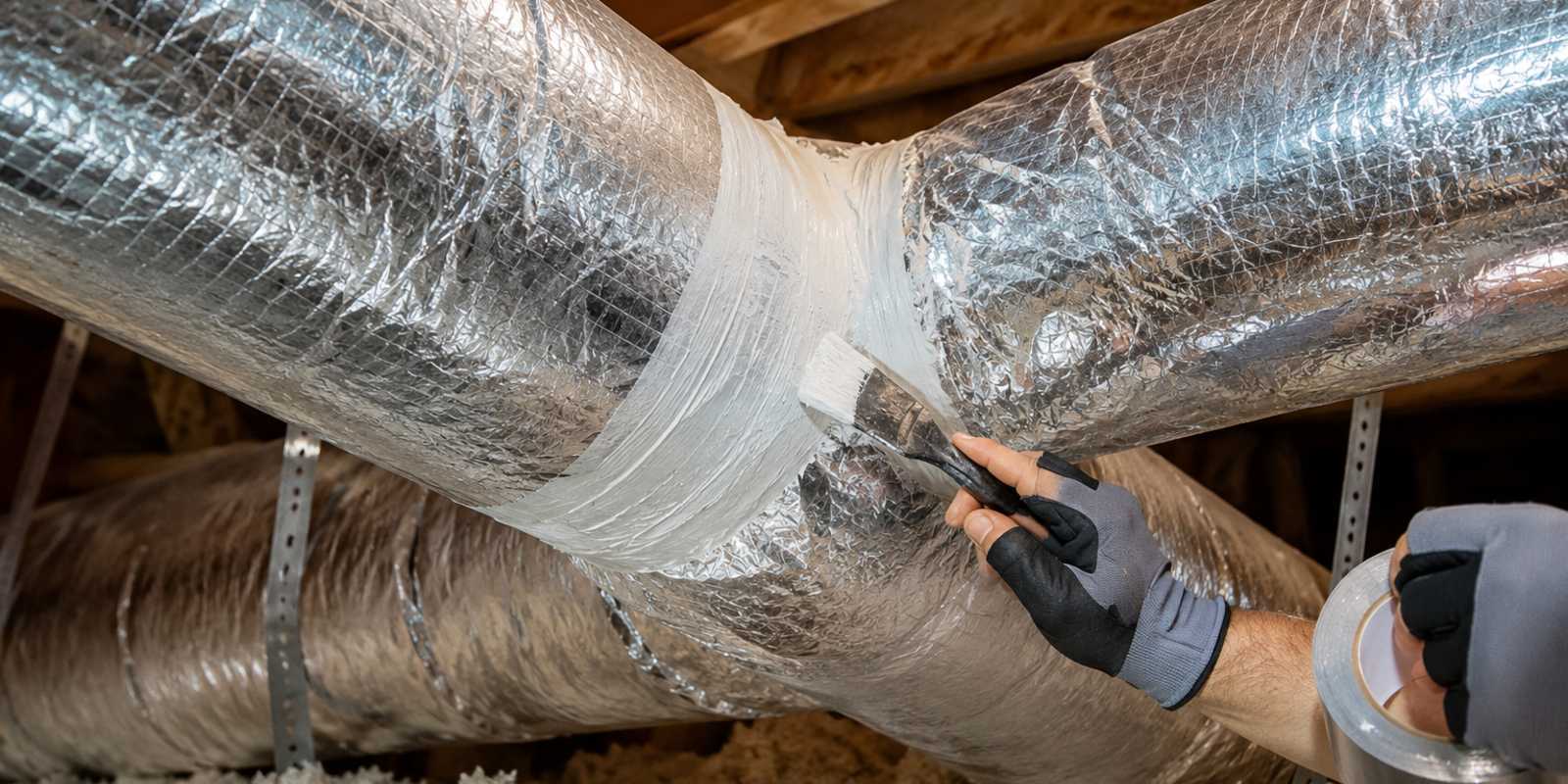
According to the National Air Duct Cleaners Association (NADCA), dust, pollen, dirt, and other contaminants can accumulate inside ductwork over time. When these contaminants are present, professional duct cleaning can remove them from the HVAC system, reducing what circulates through your home and contributing to better indoor air quality.
However, your ductwork is only one part of your HVAC system. Other components, including the HVAC filter, return ducts, ventilation, and humidity levels, also affect the air you breathe. If those issues aren't addressed, duct cleaning alone won't solve your indoor air quality problems.
What Duct Cleaning Can't Fix
Many indoor air quality problems have little to do with the ductwork itself.
For example, duct cleaning won't fix:
|
Problem |
Why Duct Cleaning Isn't Enough |
|
Dirty HVAC filters |
Air continues to circulate through clogged filters. |
|
High indoor humidity |
Moisture encourages mold and mildew growth throughout the home. |
|
Air leaks |
Dust, pollen, and outdoor pollutants continue entering the house. |
|
Poor ventilation |
Stale indoor air remains trapped inside. |
|
Mold behind walls or under flooring |
The source of contamination remains untouched. |
The best results come from identifying what's causing the problem instead of assuming the ducts are responsible.
The Real Sources of Poor Indoor Air Quality
In many homes, poor indoor air quality starts somewhere other than the ductwork.
Some of the most common causes include:
|
Common Cause |
How It Affects Your Air |
|
Dirty HVAC filters |
Reduce airflow and recirculate dust and allergens |
|
High humidity |
Encourages mold and mildew growth |
|
Hidden mold |
Releases spores into the air |
|
Air leaks |
Allow pollen, dust, and pollutants indoors |
|
Dirty HVAC return, attic, or crawl space |
Recirculate contaminants throughout the home |
Even with clean ducts, your HVAC system can continue circulating contaminated air if these issues aren't addressed.
One area homeowners often overlook is the HVAC return. Because it continuously pulls air back into the system, accumulated dust and debris can be redistributed throughout your home if the return isn't properly maintained.
How to Tell if Duct Cleaning Is the Right Solution
Not every home needs duct cleaning, and that's okay.
Instead of assuming it's the answer, look for signs that point to contaminated ductwork.
You may benefit from duct cleaning if:
- You recently completed a renovation.
- You notice excessive dust blowing from air vents.
- Rodents or insects have entered your duct system.
- Mold has been confirmed inside the ductwork.
- Your HVAC system hasn't been cleaned or maintained for many years.
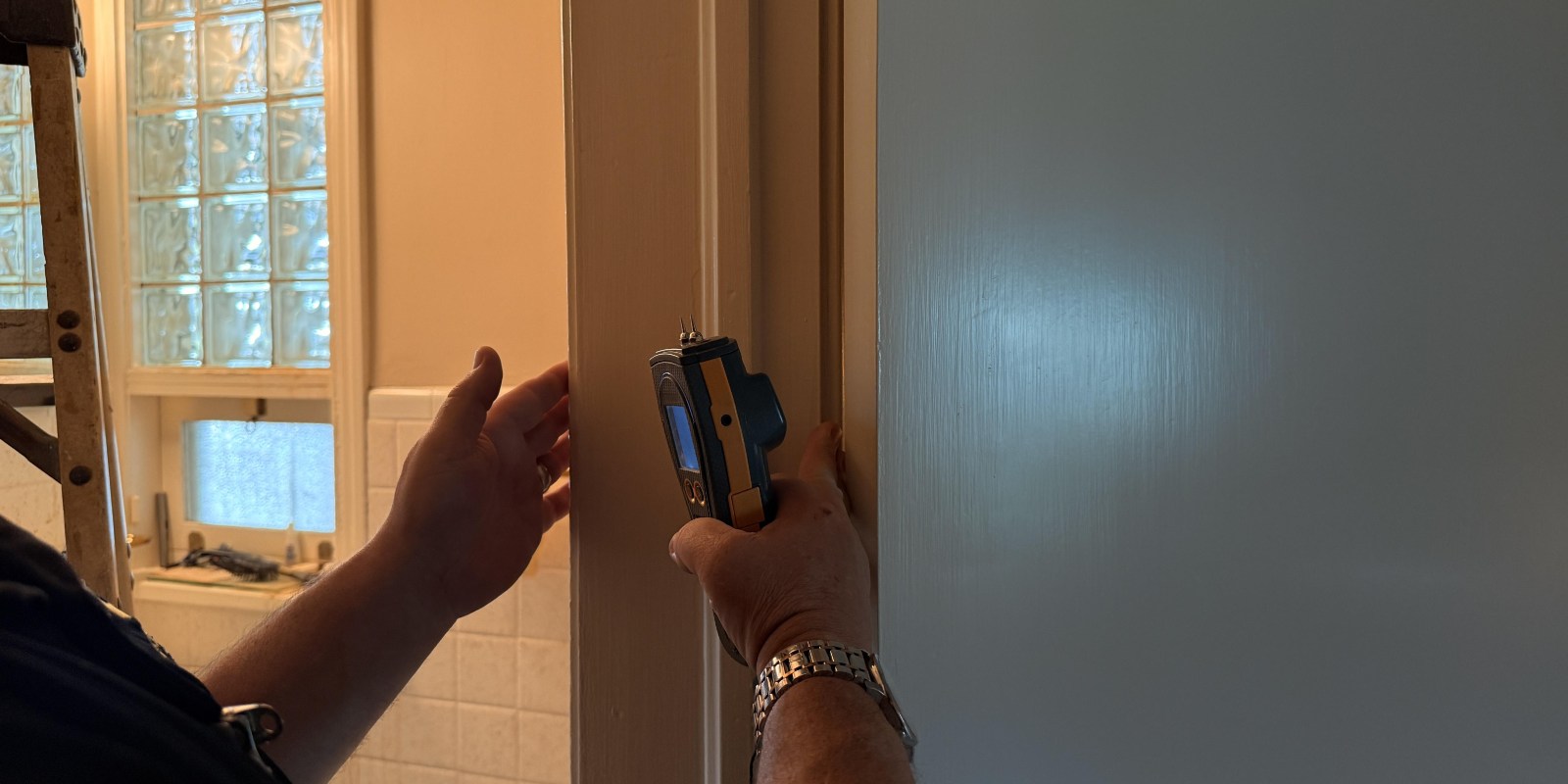
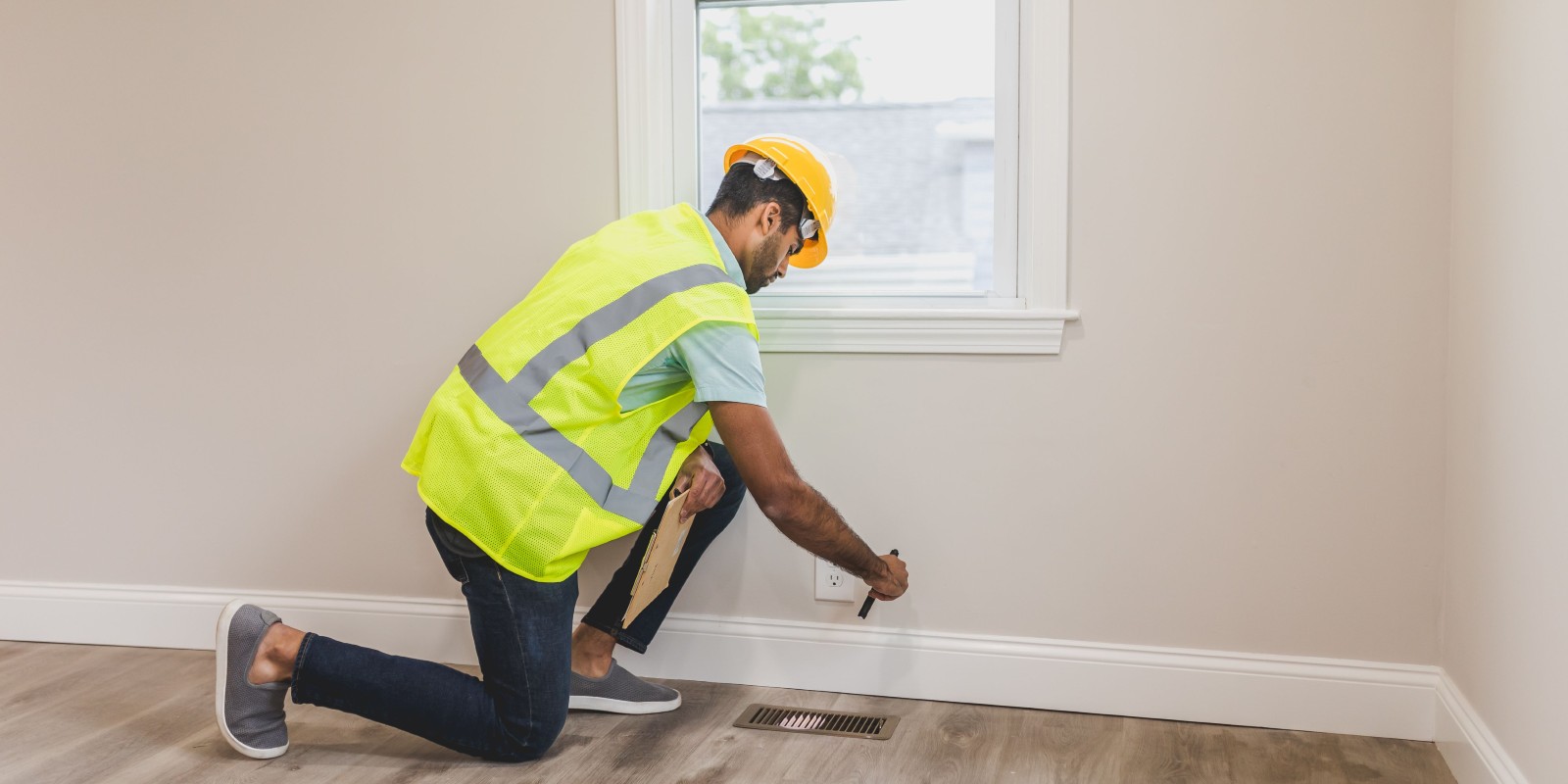
A professional inspection can help determine whether the problem is inside your ductwork or elsewhere in your HVAC system or home.
If you're wondering whether your ductwork is contributing to poor indoor air quality, your next step is to learn the signs that indicate duct cleaning is actually needed!

Common Misconception: "If I Clean My Ducts, My Allergies Will Go Away"
This is one of the biggest misconceptions homeowners have.
It's easy to connect allergy symptoms with dirty air ducts, especially if your home feels dusty. However, allergies are often triggered by allergens that exist throughout the home, including:
- Pet dander
- Pollen
- Dust mites
- Mold spores
- Excess humidity
Air ducts don't create these allergens. They simply move air throughout your home.
If the source isn't addressed, cleaning the ducts may provide temporary improvement, but your symptoms are likely to return.
That's why identifying the source of the allergens is just as important as cleaning the HVAC system.
When Poor Indoor Air Quality Becomes a Health Concern
Not every indoor air quality issue is a serious health hazard, but persistent symptoms shouldn't be ignored.
Consider scheduling an inspection if you notice:
- Allergy symptoms that improve when you leave home
- Frequent headaches or eye irritation
- Persistent musty odors
- Dust returning shortly after cleaning
- Worsening asthma symptoms indoors
These signs don't automatically mean you have mold or contaminated ducts. However, they do suggest it's time to identify what's affecting the air inside your home.
Improving Indoor Air Quality Starts with the Right Diagnosis
Air duct cleaning can absolutely improve indoor air quality when contaminated ductwork is the source of the problem. However, it's only one piece of a much larger picture.
Issues like dirty HVAC filters, hidden mold, excess humidity, poor ventilation, and air leaks can all affect the air you breathe, even if your ducts are spotless. Understanding what's causing the problem is the first step toward choosing the right solution.
At Restore-It, we've spent more than 14 years helping homeowners throughout South Arkansas identify and solve indoor air quality problems. Instead of recommending unnecessary services, we focus on finding the source of the issue so you can make an informed decision about your home.
But poor indoor air quality isn't just about dust or unpleasant odors. In some cases, it can also affect your health. Knowing when indoor air quality becomes a health concern can help you decide when it's time to take action.
Could the air inside your home be affecting your health without you realizing it? Learn which warning signs to watch for, when poor indoor air quality becomes a health concern, and when it's time to have your home inspected.

Topics: