
When one room is always warmer than the others, your HVAC system seems to run nonstop, or your energy bills keep climbing, you may start wondering what’s causing the problem. Sometimes, the issue can be within the HVAC system itself, including leaks in the ductwork. When ducts leak, conditioned air can escape before it reaches the rooms you’re trying to heat or cool.
So how do you know if your ductwork is leaking? And what happens when a professional comes out to seal it?
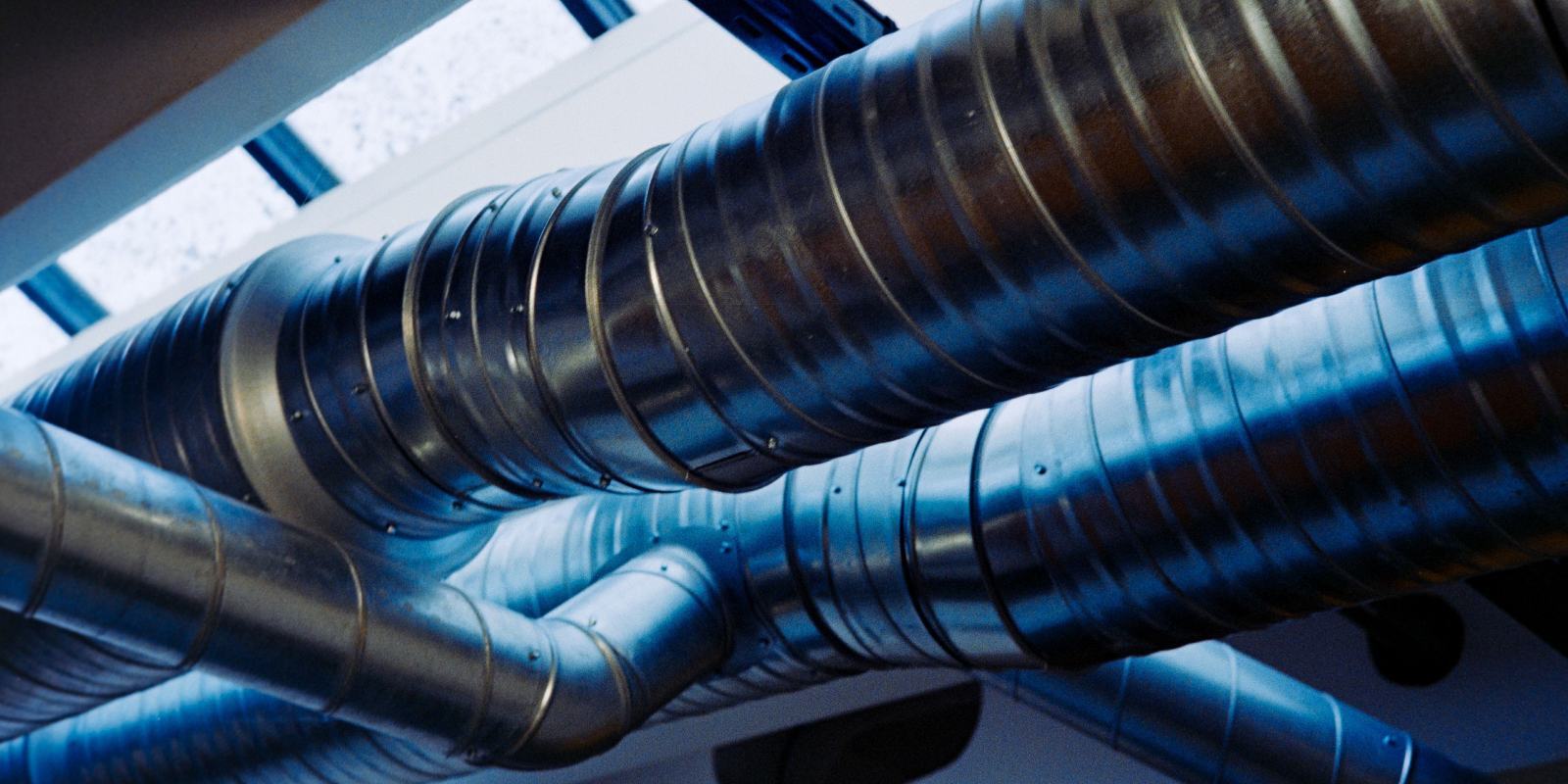
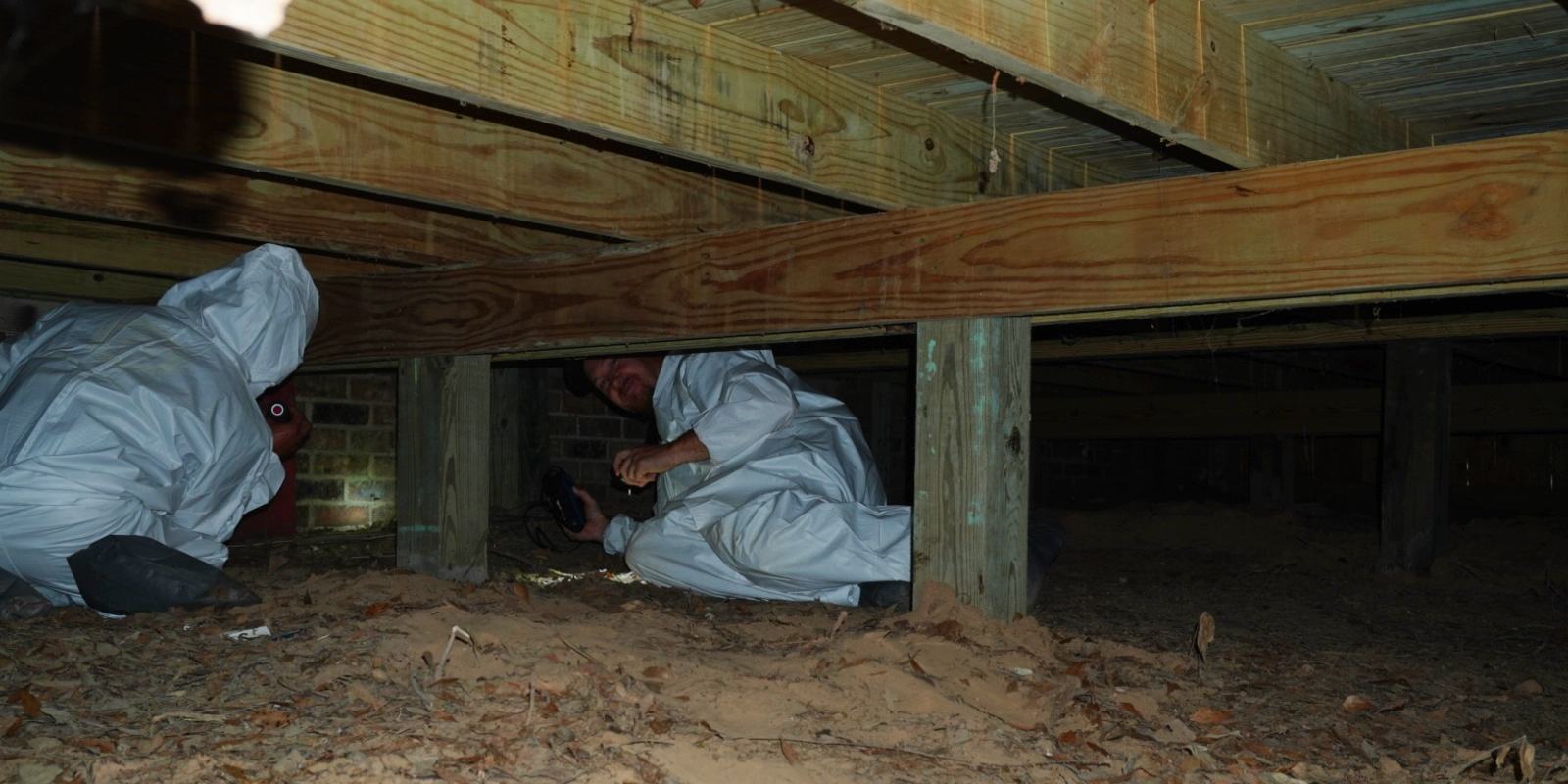
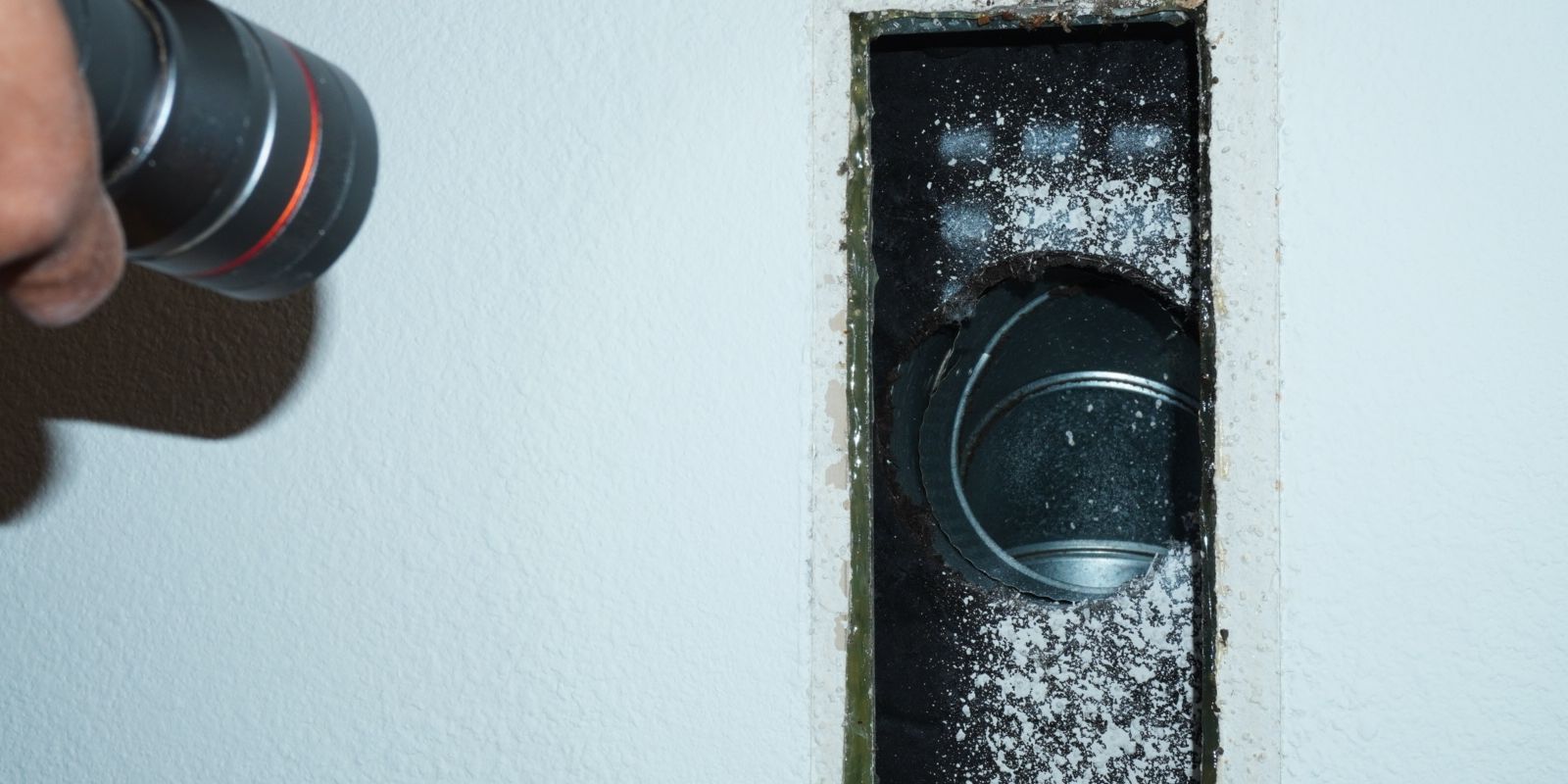
Professional duct sealing should start with finding the problem, not simply covering a visible gap. A technician may inspect connection joints, supply and return plenums, register boots, air handler connections, and ductwork located in areas such as attics, crawlspaces, or garages.
At Restore-It, we’ve served homeowners throughout Southern Arkansas for 14 years, and we now offer professional air duct sealing as part of our HVAC services. Our technicians inspect accessible areas of the duct system to identify potential leaks and determine whether duct leakage may be contributing to comfort concerns.
The process typically moves from inspection and leak detection to sealing problem areas and verifying the work. Here’s what you can expect during a professional duct sealing service, along with how long it may take and what can affect the cost.
How Can You Tell If Your Air Ducts May Need Sealing?
There’s no single sign that proves your ductwork is leaking. However, certain comfort, airflow, and indoor air quality concerns can be reasons to have the system inspected.
|
Question |
What It May Mean |
|
Are some rooms too hot or cold? |
Uneven airflow may be related to duct leakage or other HVAC issues. |
|
Are energy bills higher than expected? |
Leaking ducts can allow conditioned air to escape. |
|
Do rooms feel stuffy? |
Poor airflow or duct leakage may contribute to discomfort. |
|
Are ducts in an attic or crawlspace? |
Leaks in unconditioned areas can waste conditioned air. |
|
Can you see damaged or disconnected ducts? |
Visible damage may require repair or sealing. |
|
Are return ducts leaking in an attic or crawlspace? |
Leaks can draw dust, insulation fibers, mold spores, or other contaminants from these areas into the return air system. |
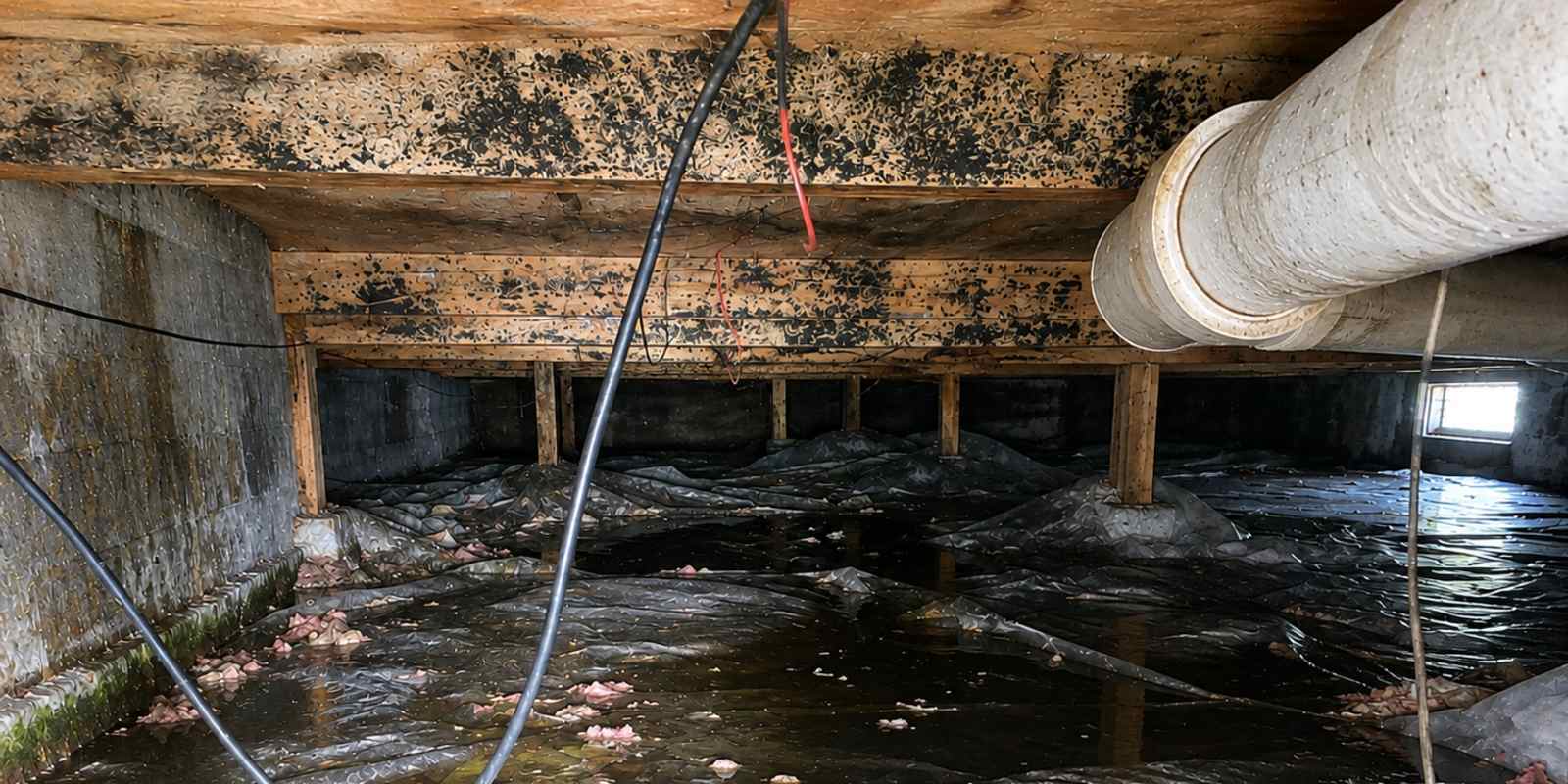
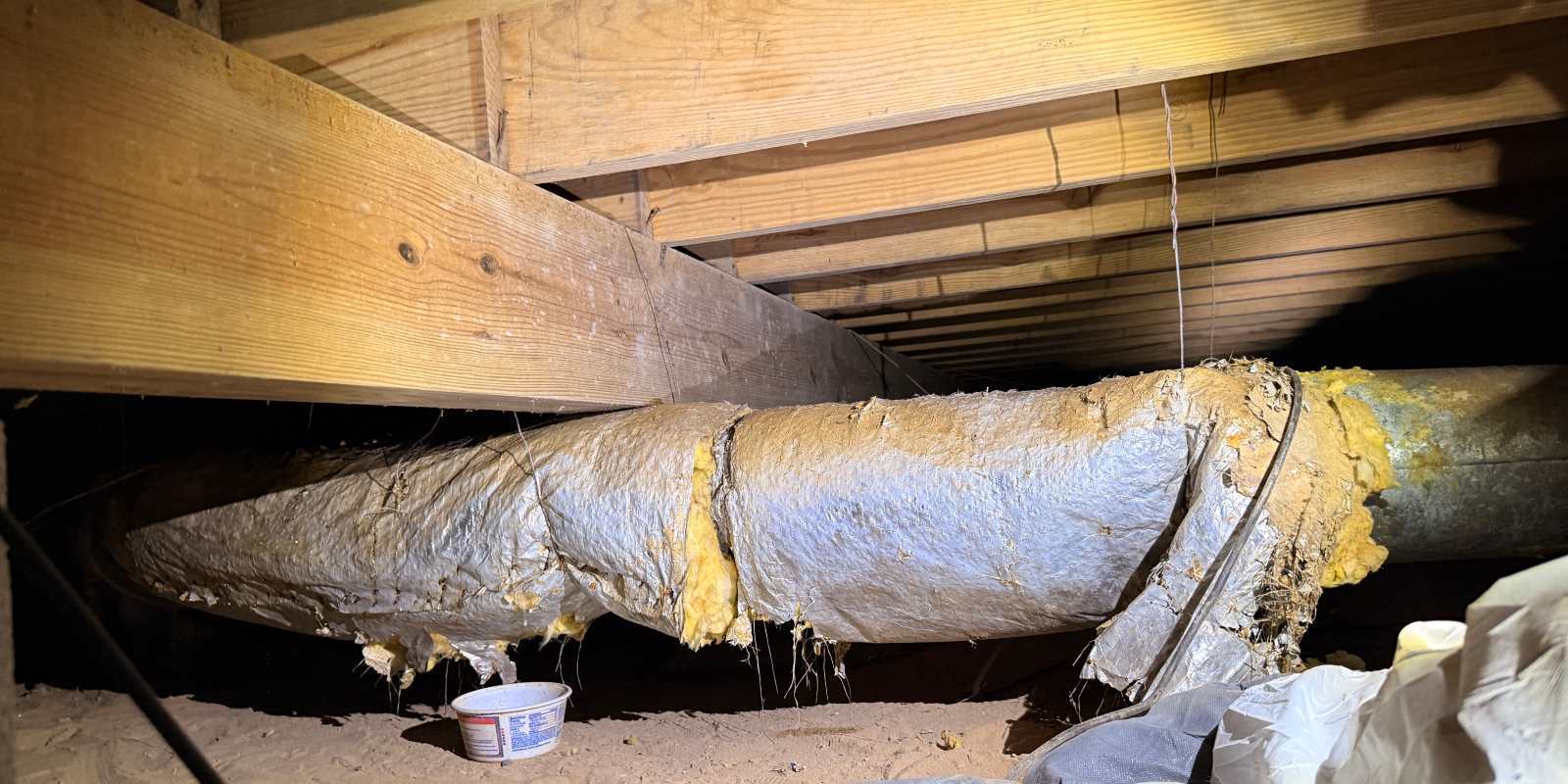
Where your ductwork is located matters, too. Return-side leaks in attics or crawlspaces can be especially concerning because they may pull air and contaminants from those spaces into the HVAC system and back into the home. If you notice these signs, a professional inspection can help determine whether duct leakage is actually contributing to the problem.
What Happens During Professional Duct Sealing?
A professional typically:
- Inspects: Checks accessible ducts, joints, plenums, boots, and air handler connections.
- Finds leaks: Uses visual inspection and leakage or pressure testing.
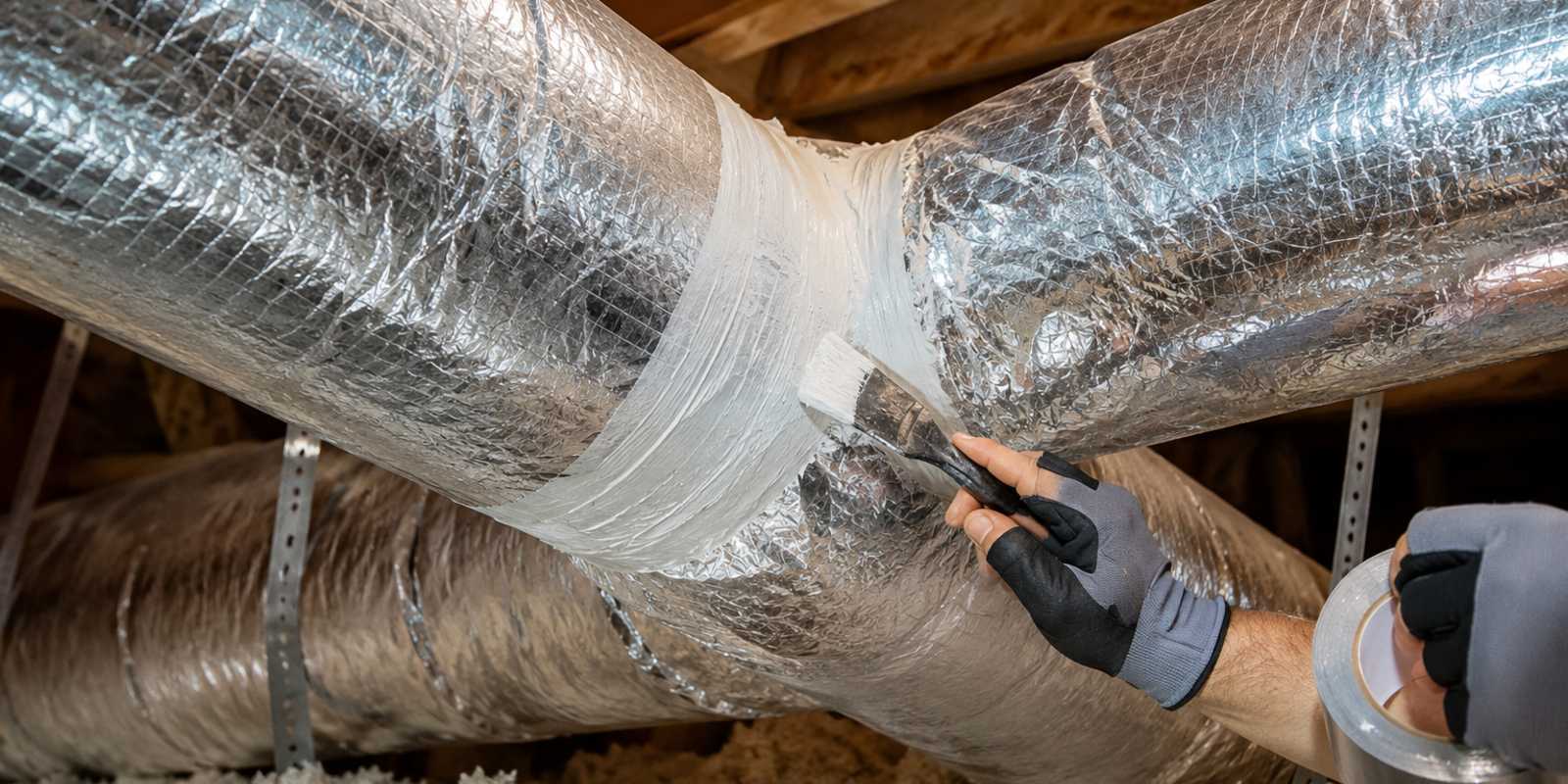
- Seals: Applies materials such as duct mastic, approved foil-backed HVAC tape, or duct sealant.
- Repairs: Addresses damaged or disconnected sections when needed.
- Verifies: Inspects and tests the system again to confirm the identified leaks were addressed.
Most sealing can be completed without opening walls or ceilings, although inaccessible leaks may require additional access. Timing and cost depend on the duct system and amount of repair needed.
What Does A Professional Inspect Before Sealing Air Ducts?
Before applying sealant, a technician should identify where leaks may be occurring and what may be causing them.
This can include:
- Duct connections and joints: Gaps, loose connections, or deteriorated sealant.
- Supply and return plenums: Openings or poorly sealed connections near the HVAC equipment.
- Register boots: Gaps where ductwork connects to floor, wall, or ceiling registers.
- Flexible ductwork: Kinks, tears, compression, or disconnected sections.
- Air handler connections: Areas where ductwork connects to HVAC equipment.
- Unconditioned spaces: Attics, crawlspaces, and garages where escaping conditioned air can be lost.
- Previous repairs: Old tape, sealants, or patches that may have deteriorated.
The inspection also helps determine whether sealing is the appropriate solution. Not every comfort or efficiency problem comes from duct leakage.
How Do Professionals Find Air Duct Leaks?
A technician cannot always identify every leak simply by looking at the ductwork.
Depending on the system and equipment available, professionals may combine:
|
Method |
What It Can Help Identify |
|
Visual inspection |
Gaps, damage, disconnected sections, and failed sealant |
|
Airflow checks |
Unusual air movement around accessible connections |
|
Leakage testing |
The amount of air escaping under controlled conditions |
|
System inspection |
Problems around equipment, plenums, registers, and duct runs |
Professionals always use specialized equipment to find the exact amount of airflow leakage so when leakage testing is performed, the results can give homeowners a measurable way to understand the condition of the duct system.
How Long Does Professional Air Duct Sealing Take?
There is no single timeline for every duct-sealing project.
The time required depends on:
- Size of the duct system
- Number of HVAC systems
- Condition of the ductwork
- Accessibility of the leaks
- Amount of leakage
- Repairs required
- Whether cleaning or testing is included
Some projects may be completed in a few hours, while more extensive systems can take longer.
A Real Restore-It Example
One recent Restore-It project involved a 2,548-square-foot, three-story home with two HVAC systems. Our team spent approximately 8 hours completing the duct-sealing work. The job took longer in part because equipment and technicians had to move between different areas of the home to access the ductwork.
|
Project Detail |
Example |
|
Home size |
2,548 sq. ft. |
|
System capacity |
1,200 CFM |
|
Duct type tested |
Supply |
|
Approximate sealing time |
8 hours |
This is an example, not a standard timeline. A smaller system with accessible leaks may take less time, while a larger or more difficult system may require longer.
How Do You Know If Your Air Ducts Were Properly Sealed?
After the ductwork has been sealed and any necessary repairs have been completed, the system should be checked to make sure the work addressed the identified problems and that the system is operating properly. ENERGY STAR, recommends evaluating airflow after duct repairs and checking the supply and return balance of the system. In homes with gas- or oil-burning appliances, additional combustion safety checks may also be appropriate.
One way to evaluate duct-sealing work is to compare leakage measurements before and after the repair.
Before-and-After Restore-It Results
In the Restore-It project above, testing showed:
|
Measurement |
Before Sealing |
After Sealing |
|
Measured leakage |
107.5 CFM @ 25 Pa |
18.9 CFM @ 25 Pa |
|
Reported leakage |
9.0% |
1.6% |
|
Equivalent leakage area |
20.3 sq. in. |
3.6 sq. in. |
|
Reported improvement |
— |
82.4% |
The report also used a visual comparison: the initial leakage was equivalent to approximately 108 basketballs of air leaving the conditioned space every minute, compared with approximately 19 basketballs per minute after sealing.
That does not mean the home's energy use or utility bills will decrease by 82.4%. The 82.4% figure represents the reported improvement in measured duct leakage. Actual energy savings depend on factors such as the HVAC system, duct location, operating conditions, insulation, and other characteristics of the home.
How Much Does Professional Air Duct Sealing Cost?
The cost varies based on the size of the duct system, number of HVAC systems, accessibility, condition of the ductwork, amount of leakage, sealing method, and whether cleaning or repairs are included.
Duct sealing can be a standalone service or part of a larger HVAC project.
A Real Restore-It Project
One Restore-It project involving a 3-story, 2,548-square-foot home included several services:
- Air duct cleaning using source-removal methods
- Cleaning accessible supply ducts, return ducts, trunk lines, registers, and grilles
- Cleaning accessible HVAC components for two HVAC systems
- Encapsulation of the return in the basement unit
- Aeroseal treatment of the supply ducts on both systems
- Protection of the home's contents and containment during cleaning
- Before-and-after documentation and photos
The total estimate for those combined services was: $3,560 before tax
This should not be treated as a standard price for duct sealing alone because the project included multiple services across two HVAC systems.
For projects with a more limited scope, Restore-It duct-sealing work may start around $700 when bundled with cleaning, depending on the system and work required.
The best way to determine your actual cost is to have the duct system inspected so the contractor can identify the extent of leakage and explain what work is recommended.
What Should You Expect From Professional Duct Sealing?
Professional duct sealing should start with understanding the problem, not simply applying sealant.
A typical project may look like this:
Inspect → Find leaks → Prepare → Seal or repair → Verify
The size of the home alone doesn't determine what a duct-sealing project will involve. Two homes with similar square footage can have very different duct layouts, accessibility, leakage levels, and repair needs. That's why a professional inspection is an important first step.
At Restore-It, we evaluate the duct system to identify potential problem areas and determine what type of sealing or repair may be appropriate. The goal is to address the source of the problem rather than apply a one-size-fits-all solution.
If you're dealing with uneven temperatures, poor airflow, or rooms that never seem comfortable, having your ductwork evaluated can help you understand what's happening in your HVAC system and what options may be available.

Topics: