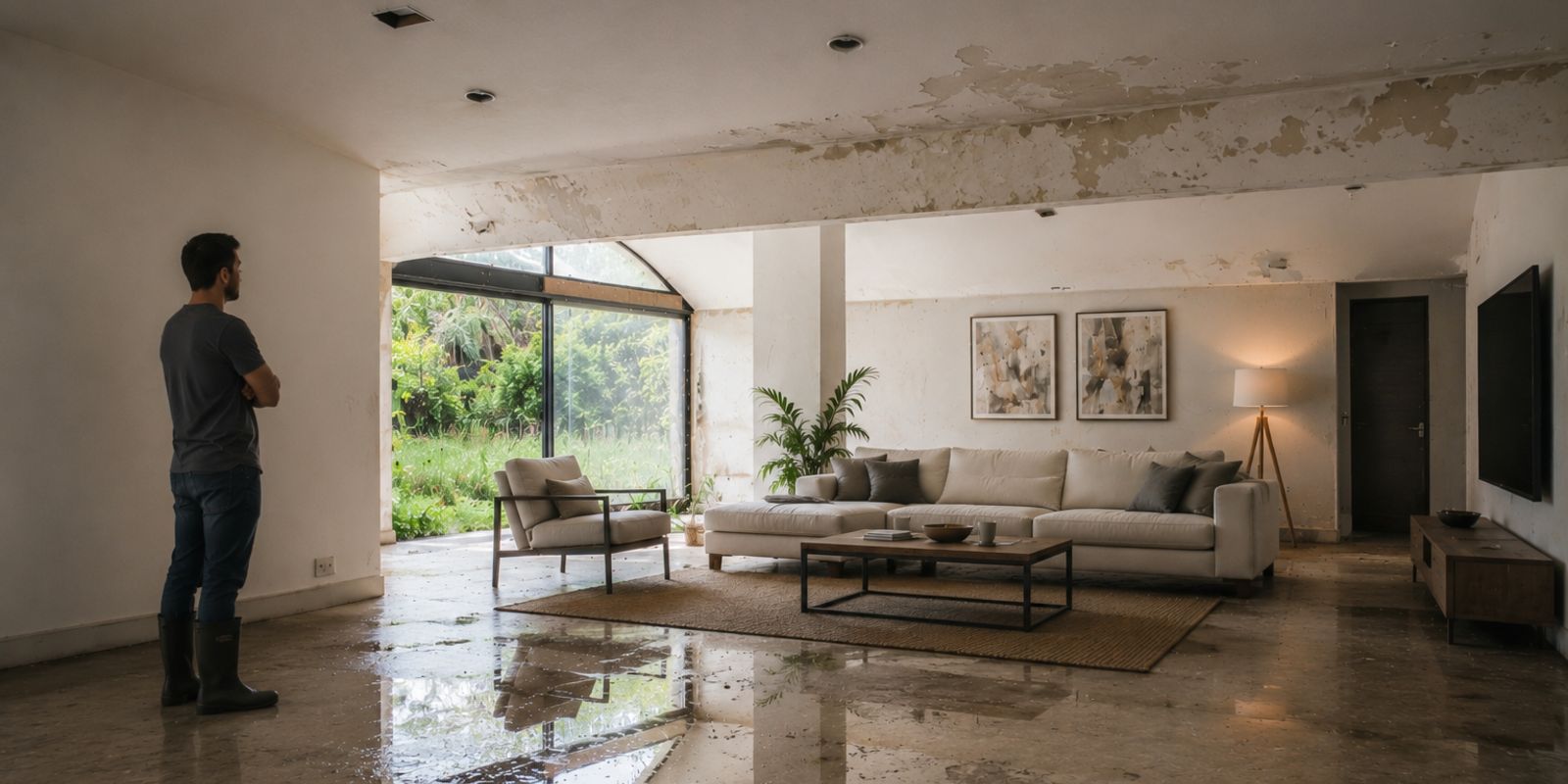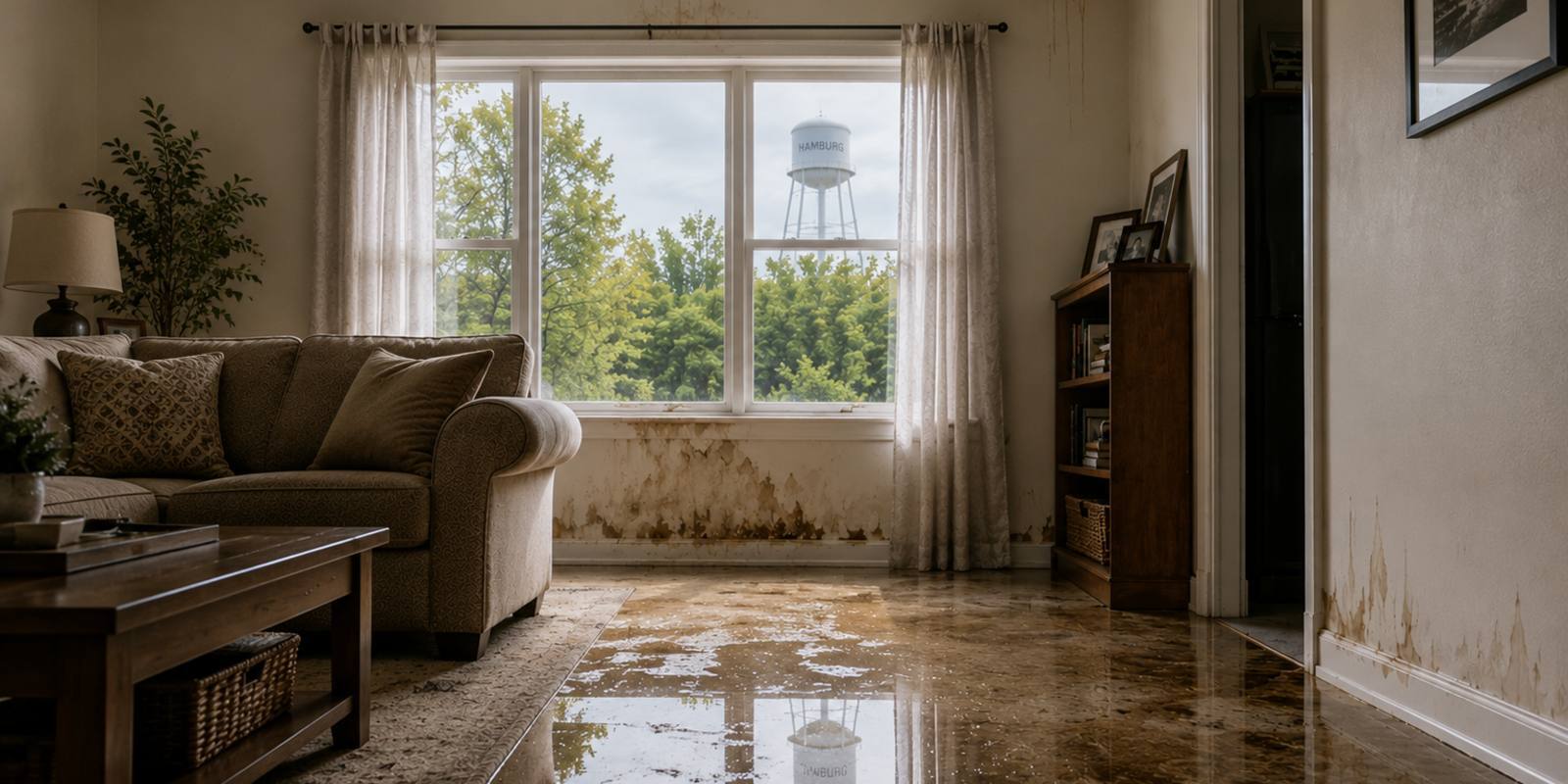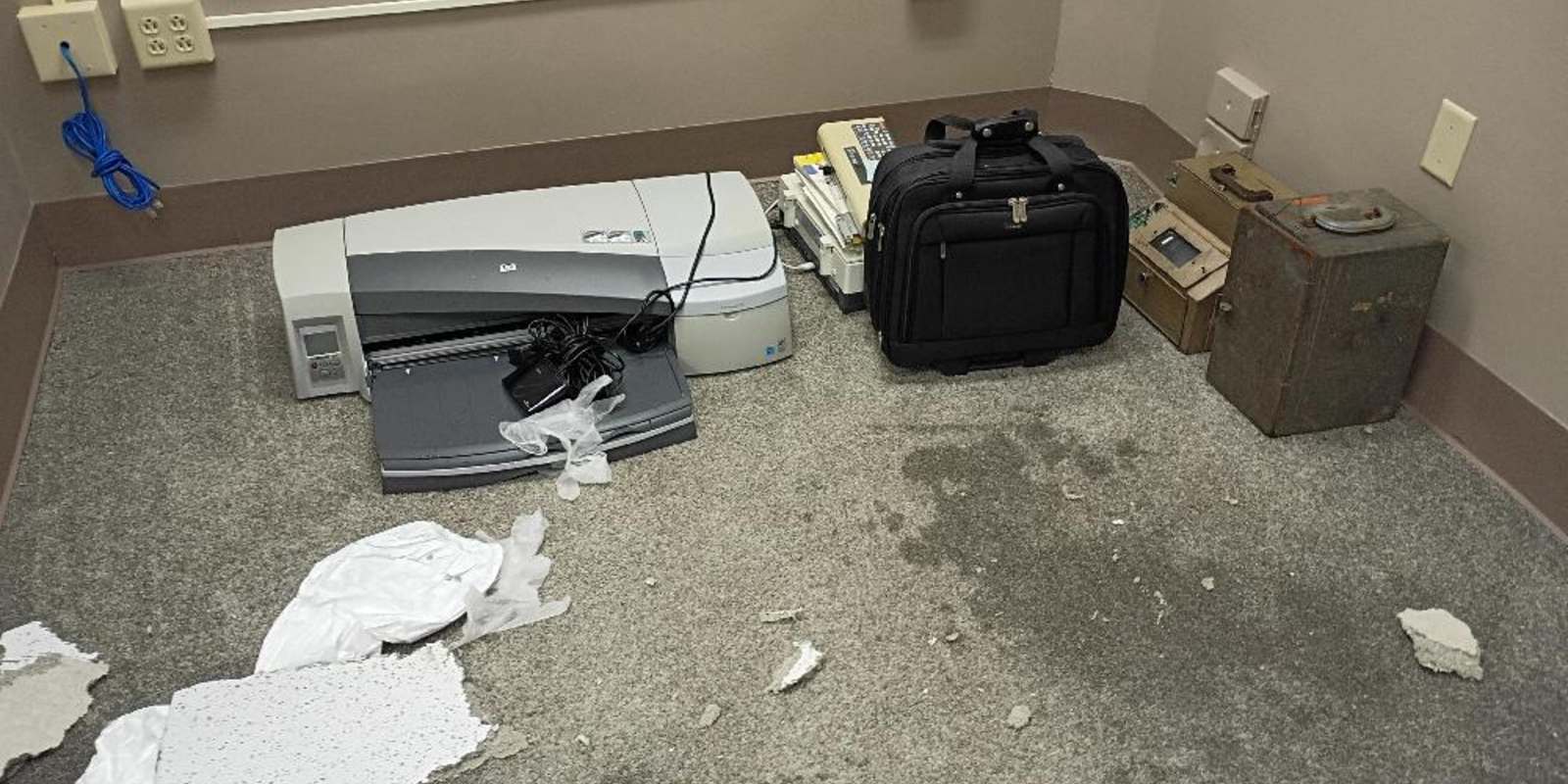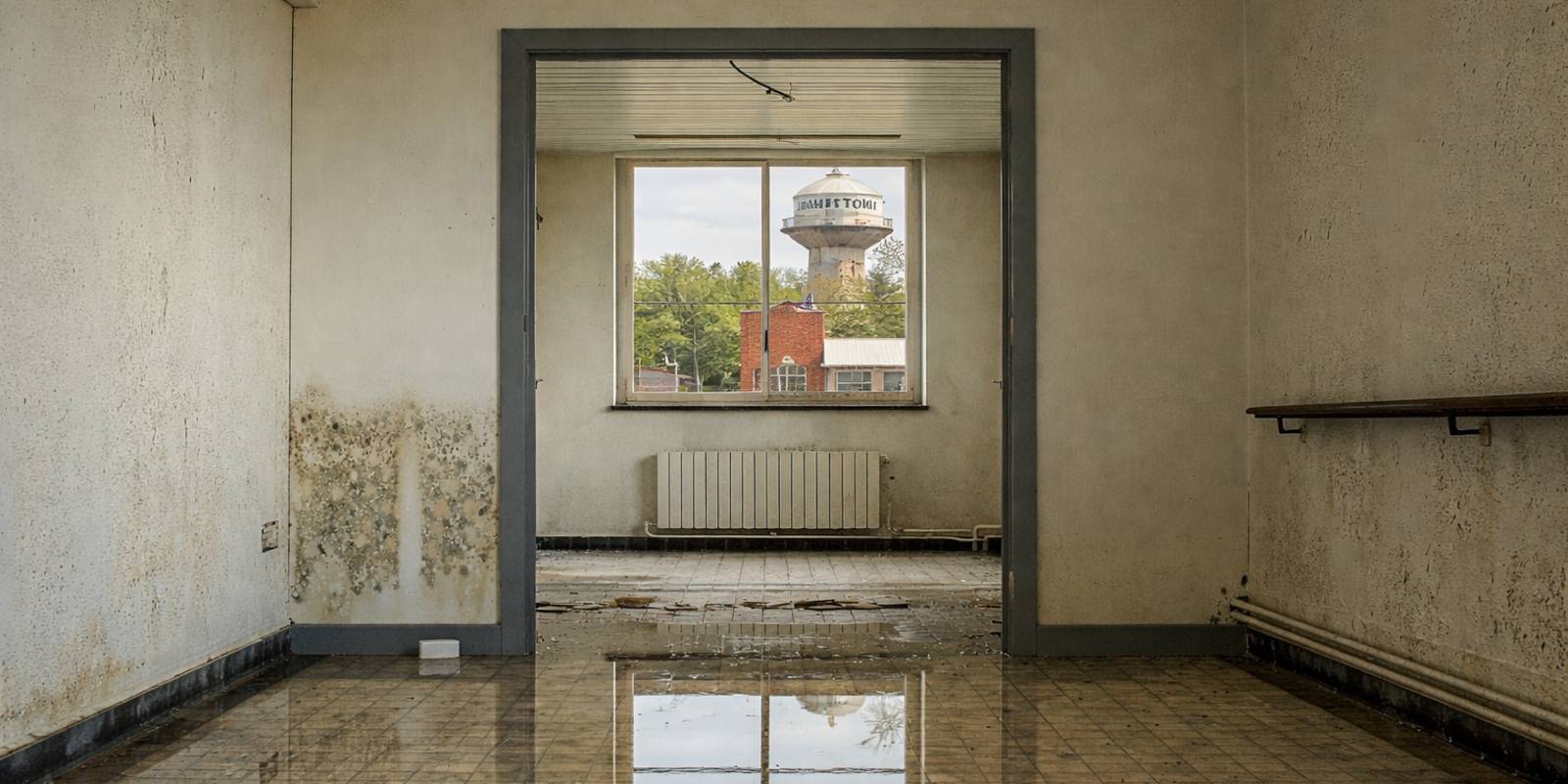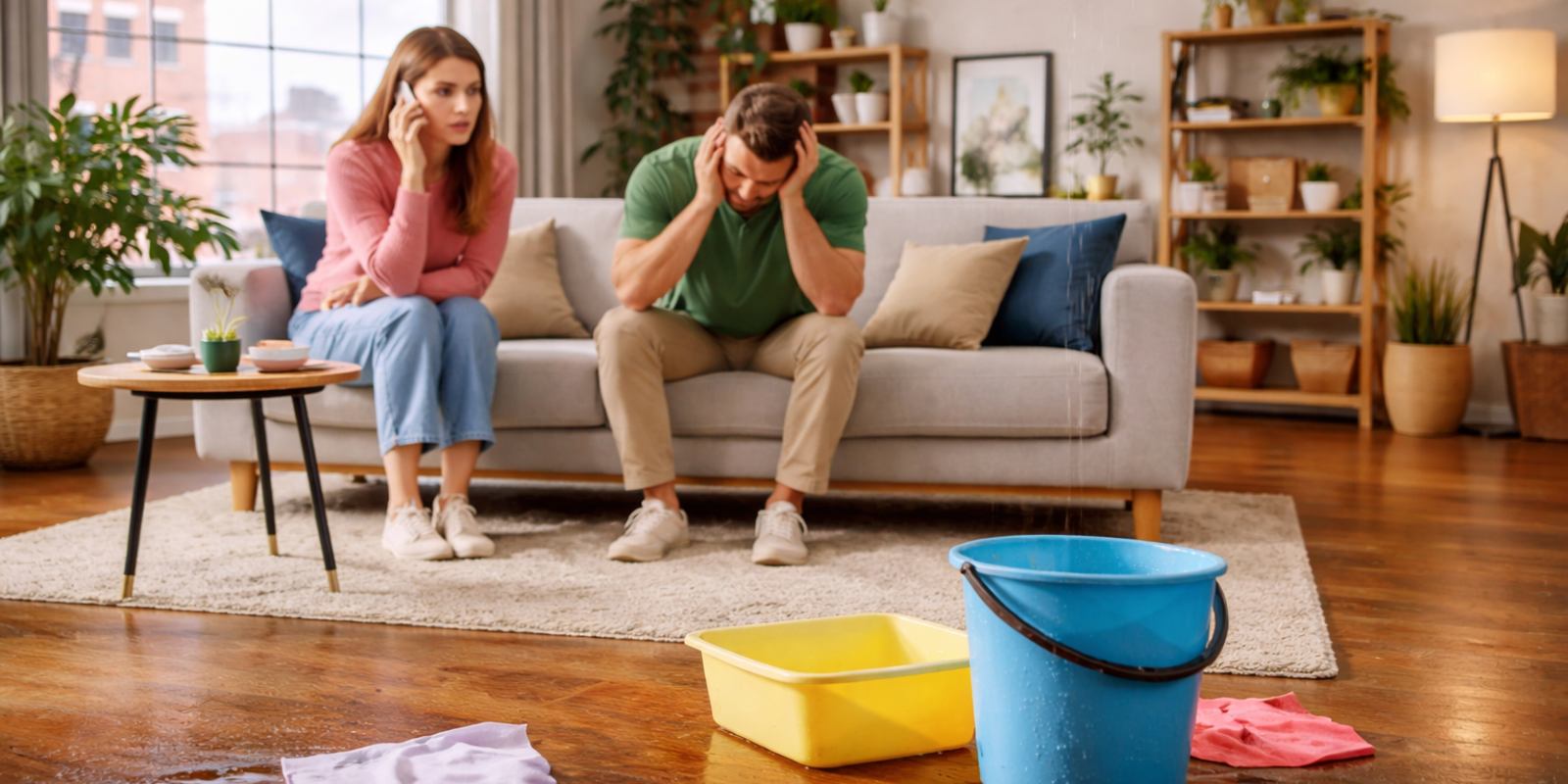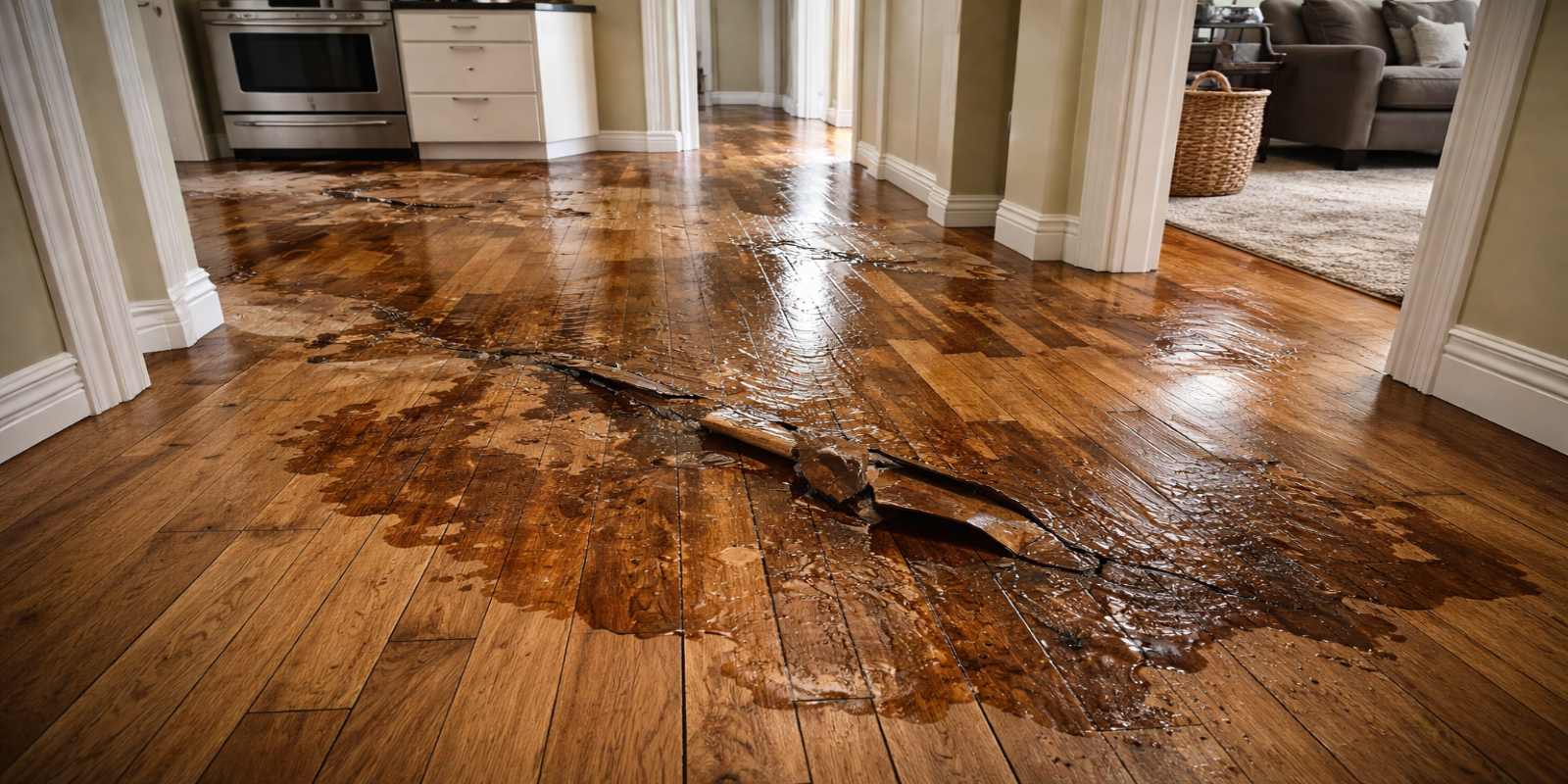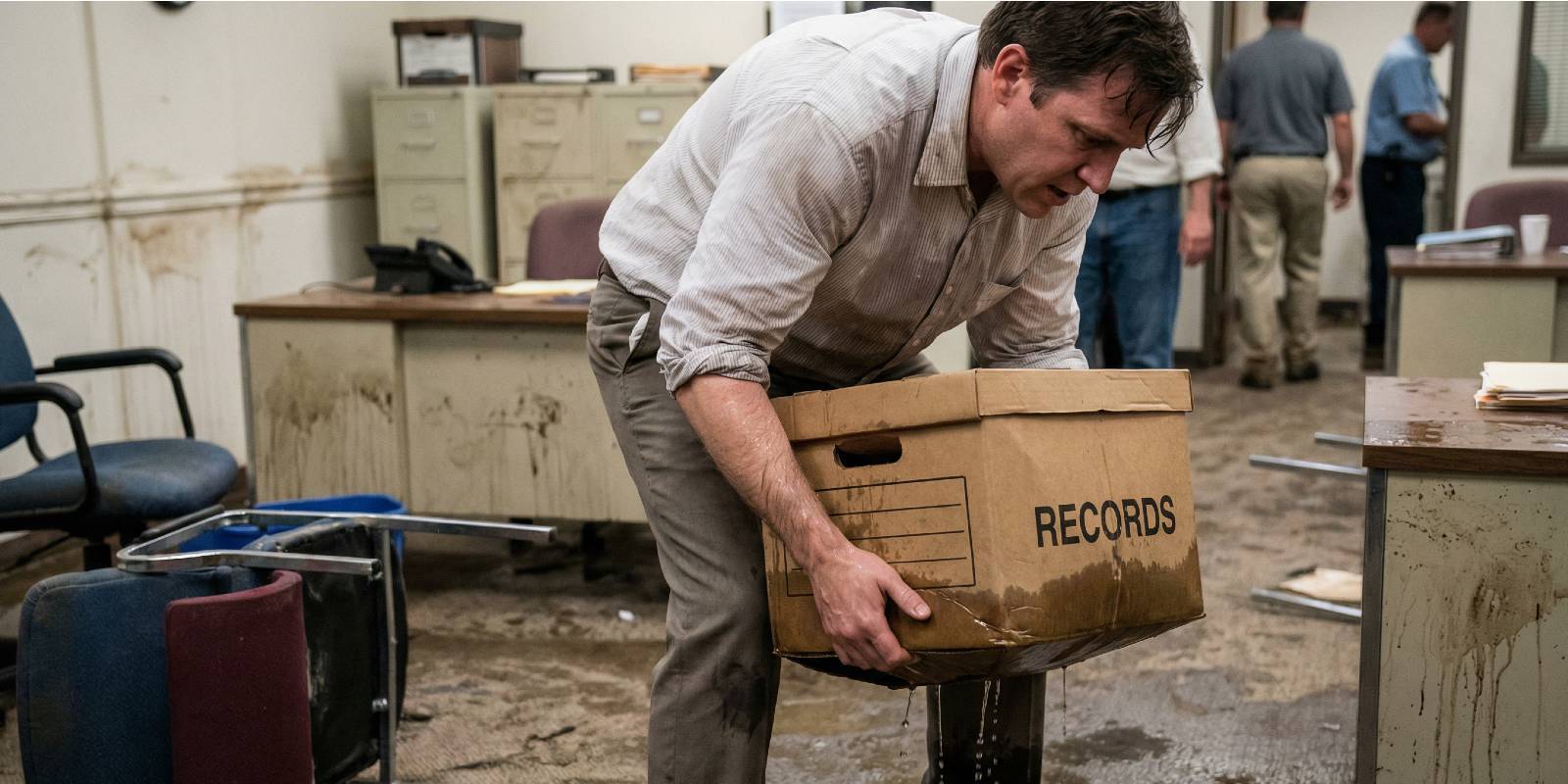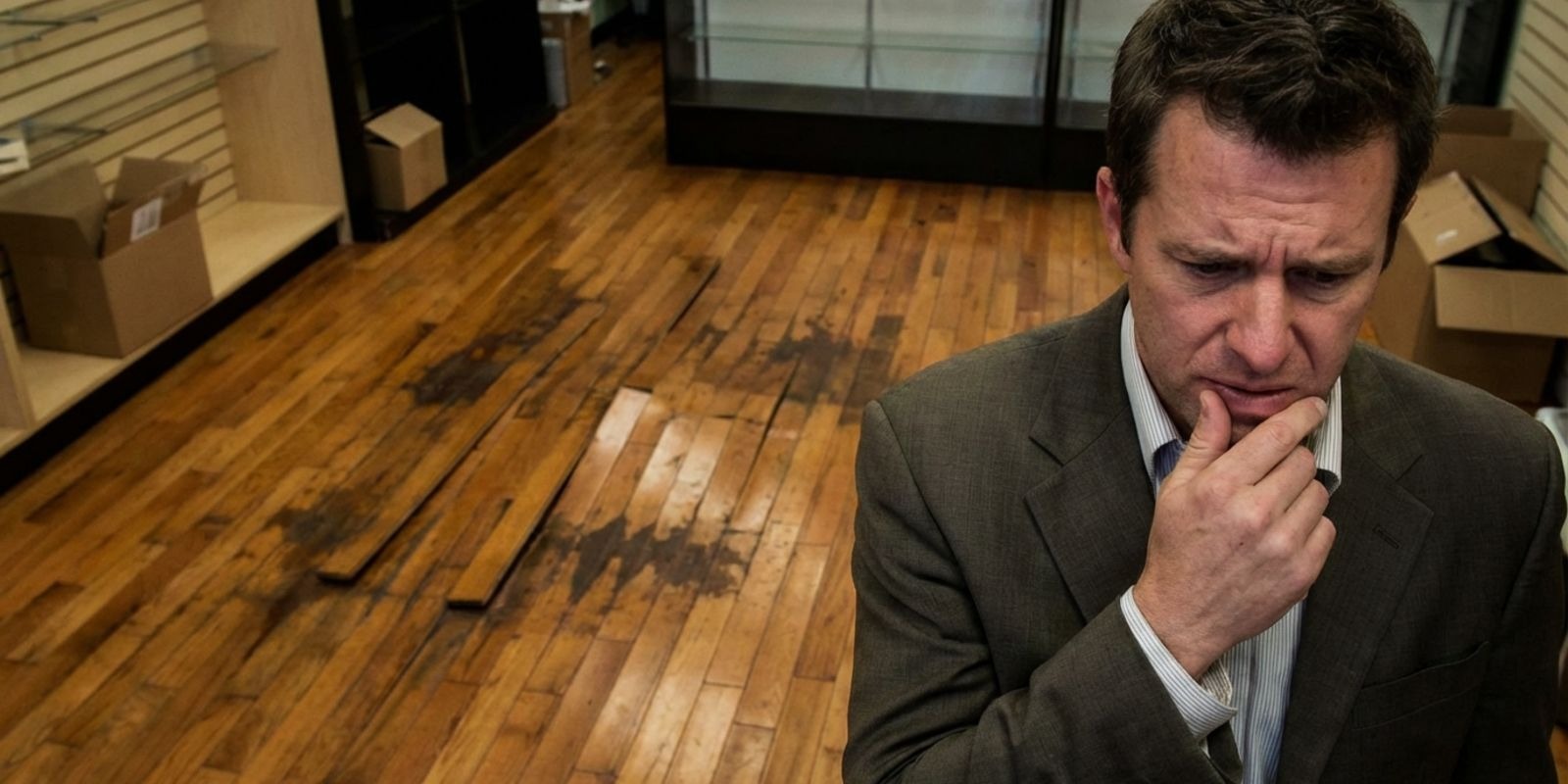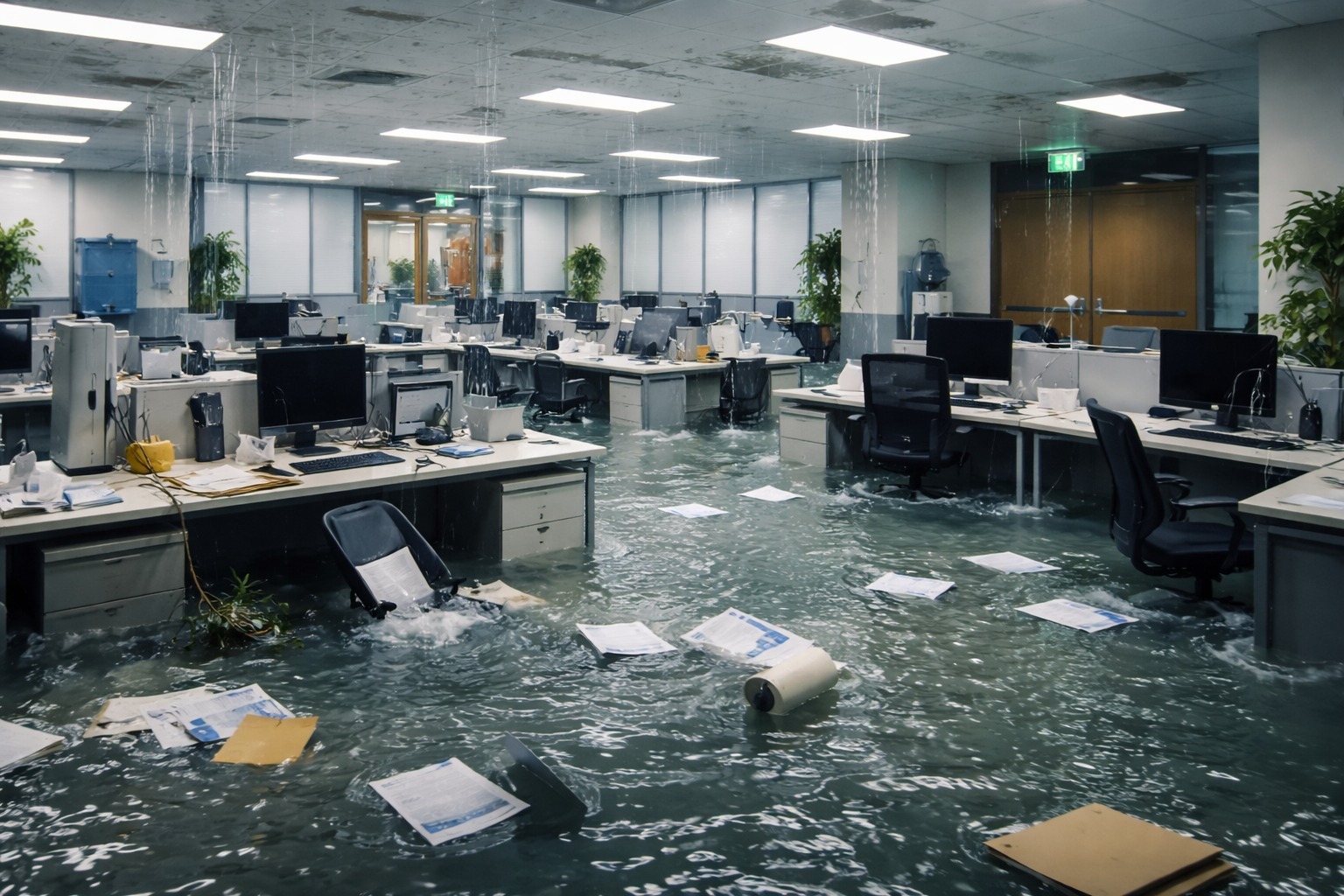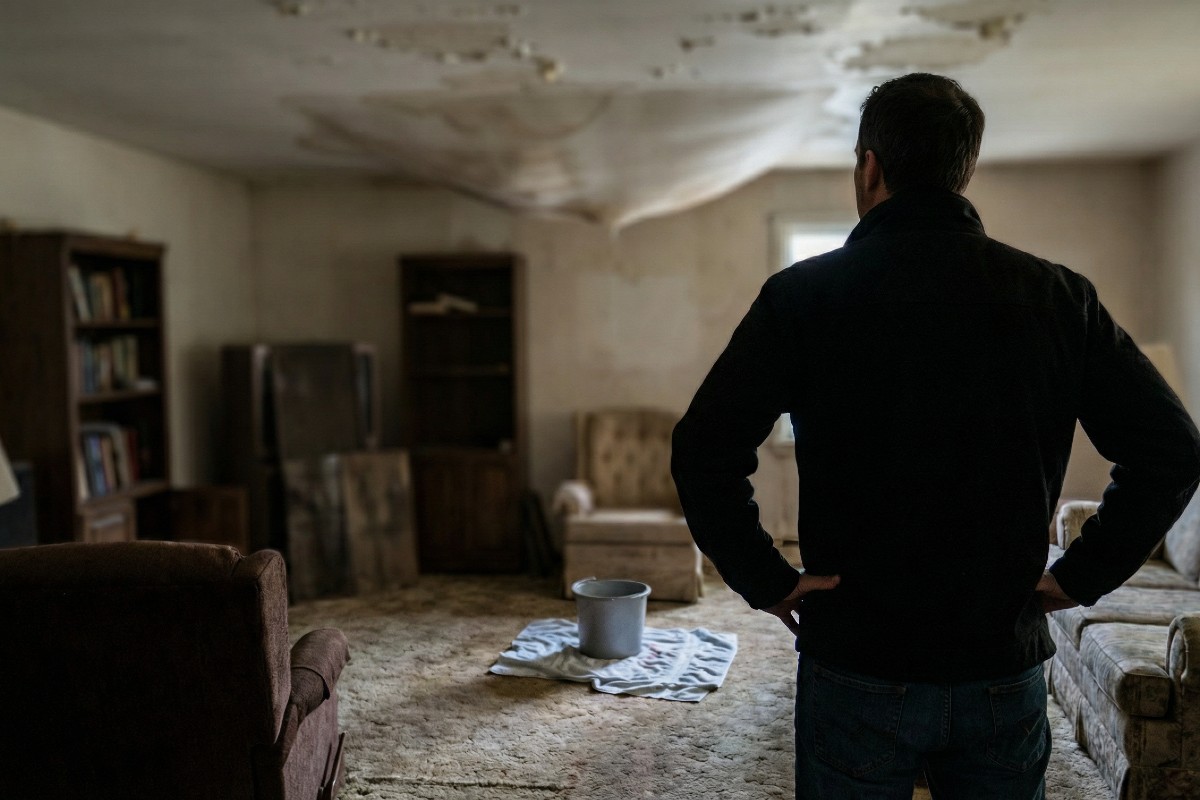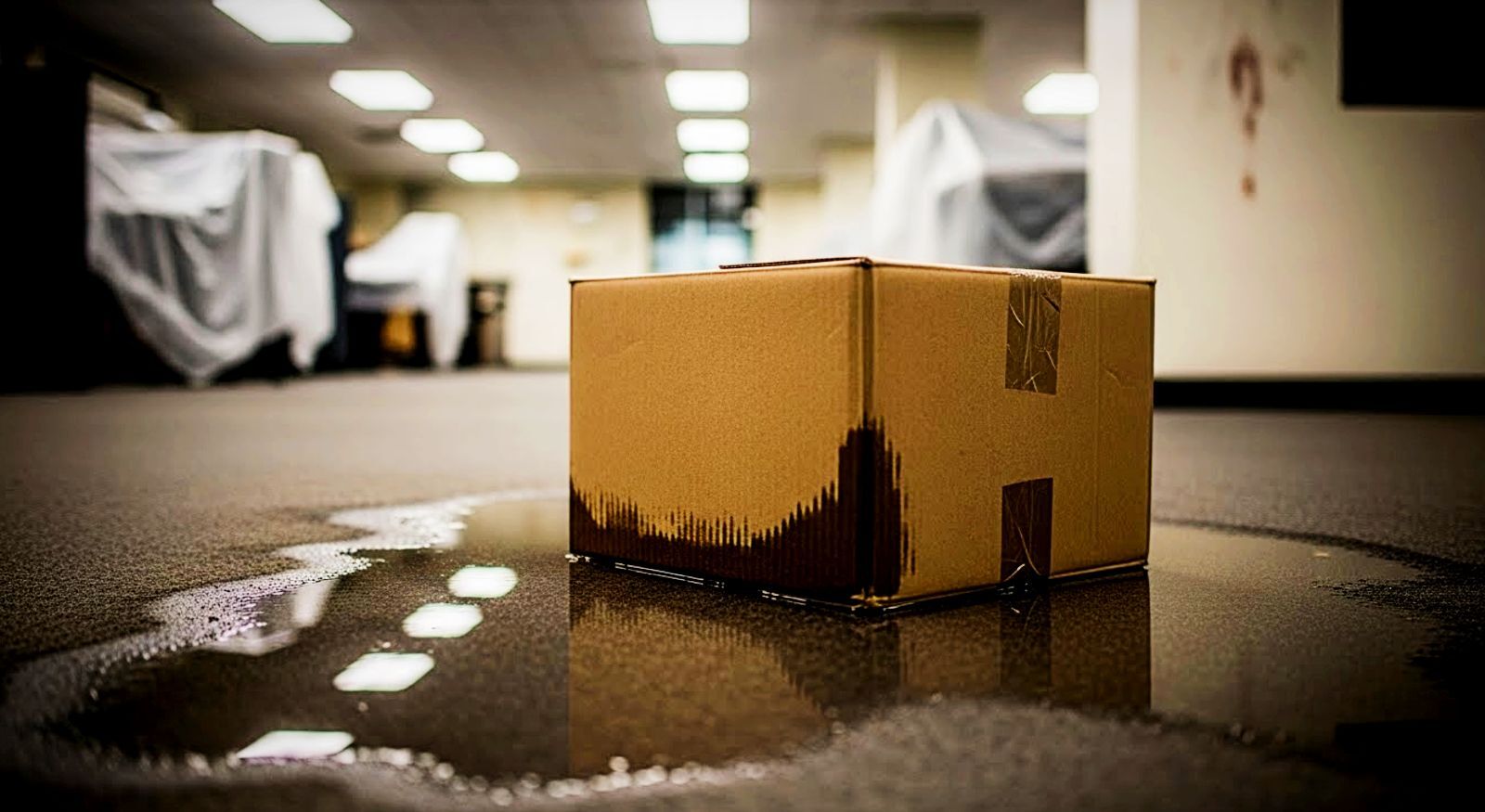

You don't need to diagnose your house before asking for help. If you notice an unusual odor, moisture, smoke residue, a damp crawlspace, suspected mold, or damage after an accident, you may know something is wrong without knowing exactly what service you need.
After more than 14 years working with homeowners throughout South Arkansas, Restore-It has seen how different that first phone call can sound. Some homeowners know exactly what happened. Others can only describe what they see, smell, or feel.
That's okay. You don't need to know whether you need water restoration, mold remediation, odor removal, or another service before you call.
In this article, you'll learn what information is helpful to share, what you don't need to diagnose yourself, and what questions can help you better understand what happens next.
You Don't Have to Know Which Restoration Service You Need
When something goes wrong in your home, you may wonder, “Do I need water restoration, mold remediation, odor removal, or something else?” You don't necessarily need to answer that before you call. A better starting point is to explain what happened, what you noticed, where you noticed it, when it started, and whether the problem is still active.
For example, you can say:
- Water: “I had a leak under the sink.”
- Odor: “There’s a persistent musty smell coming from the crawlspace.”
- Smoke: “There was a small kitchen fire, and now the house smells like smoke.”
You don't need to arrive with a technical diagnosis like “Category 2 water damage,” “I need encapsulation,” or “I need ozone treatment.” Describing what you’re experiencing gives a restoration professional a useful starting point for determining what needs to be assessed and what may come next.
You Don't Have to Diagnose the Extent of the Problem
Seeing water on the floor or smelling something musty doesn't necessarily tell you how far a problem has spread. Your job is to describe what you can observe, not determine everything that's happening behind the scenes.
When you call, it helps to explain:
- What you can see: stains, moisture, residue, or visible damage
- What you can smell: musty, smoky, or unusual odors
- What changed: what looks or feels different from normal
- Where you noticed it: which rooms, surfaces, or areas are affected
- When you first noticed it: and whether it's getting better or worse
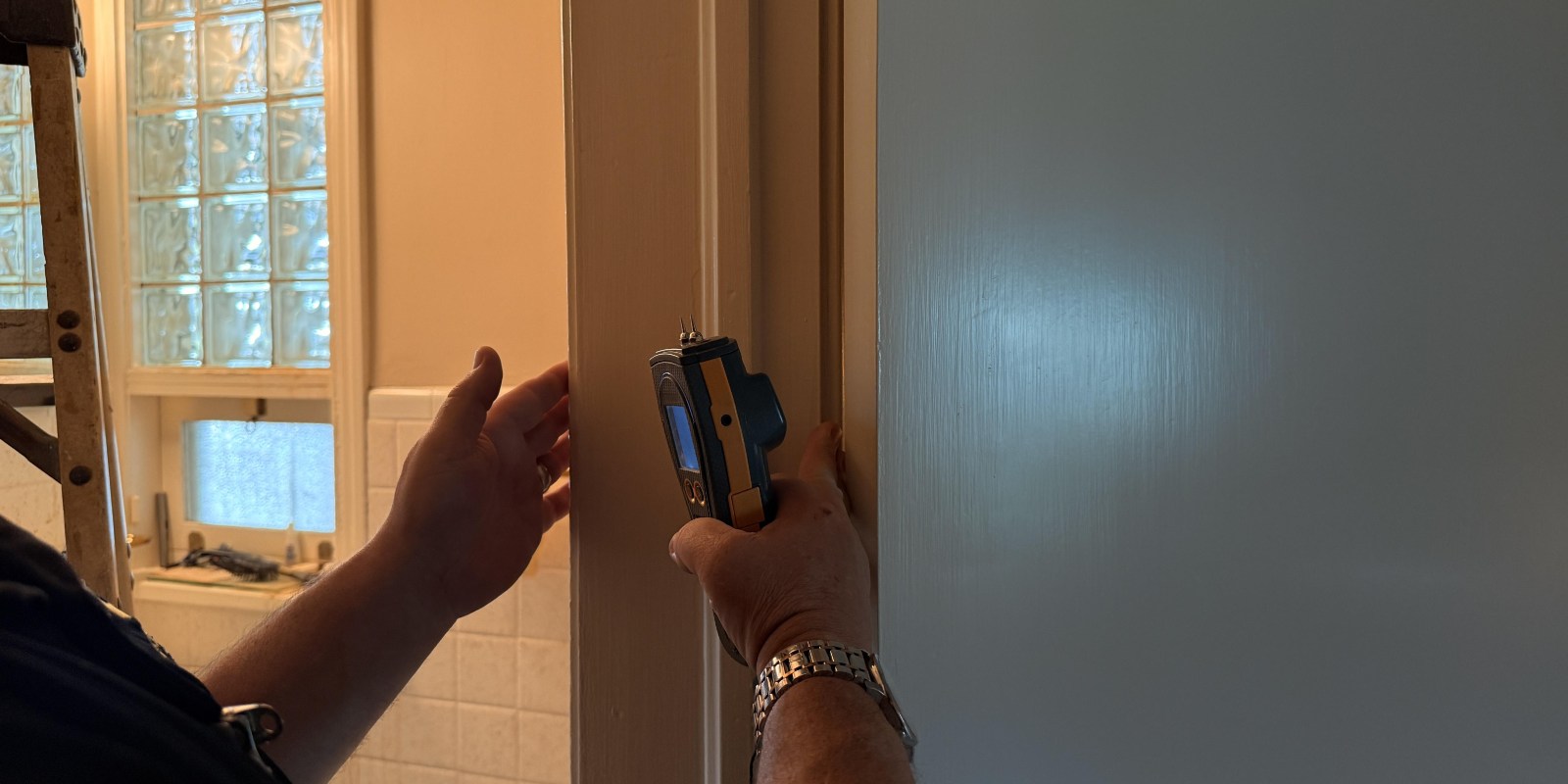
Determining the extent of moisture, affected materials, hidden areas, and what may need to be cleaned or restored can require further assessment. Environmental Protection Agency (EPA) notes that mold can exist in hidden areas and that moisture meters and other tools may help locate problems that aren't visible.
You don't have to figure out the full extent of the problem before asking for help.
You Don't Have to Know the Restoration Terminology
Restoration has its own language: mitigation, remediation, Category 1, 2, or 3, moisture readings, contents, pack-outs, and reconstruction. If you don't know what those terms mean, you may feel like you need to learn them before calling.
You don't.
What matters more is being able to explain what happened and what you're experiencing. For example, you can say, “We had a pipe burst,” without knowing whether the water would be considered Category 1, 2, or 3.
Restore-It's guide to clean, gray, and black water explains how water categories differ and why the distinction matters for cleanup; read below!

But remember, you don't have to make that determination yourself before asking for help. A good conversation should help you understand the terminology as it becomes relevant to your situation. You just need to explain what you know.
You Don't Need to Clean Everything Up Before Calling
If it is safe to do so, protect yourself and stop the source of the problem. But you don't need to completely clean, deodorize, remove materials, or throw things away before talking with a restoration professional.
For example, don't automatically throw away wet belongings because you aren't sure they can be saved. Don't cover up an unusual odor without understanding what's causing it. And don't start removing materials simply because they look damaged.
Your priority is to limit further damage and share what you know, not make the property look ready for restoration.
Dealing with water damage? Restore-It's guide on what to do when you have water damage walks through immediate steps such as stopping the water source, protecting valuables, and getting professional help.

What Information Actually Helps During the First Call?
You don't need a technical diagnosis, but a few basic details can make the first conversation more useful. Start with what you know and let the restoration professional take it from there.
|
Helpful information |
Why it matters |
|
What happened |
Establishes the starting point |
|
When it happened |
Helps understand the timeline |
|
Where you noticed the problem |
Helps identify affected areas |
|
Whether the source is still active |
Helps determine immediate next steps |
|
What you can see or smell |
Gives the team a starting point |
|
What has already been cleaned or removed |
Helps understand what has changed |
|
Photos, if safe to take |
Provides additional context |
You don't need to have professional measurements or documentation ready. Those are part of the assessment process. Curious what that documentation can look like? Take a look at Restore-It's guide to water mitigation documentation to see how moisture readings, photos, and other records can help document the situation.

When You Aren't Sure Whether Something Needs Restoration
Sometimes the hardest part is knowing whether a situation actually needs professional attention. You don't have to decide that before you call.
Maybe there was only a small amount of water. Maybe the smoke is gone, but the smell remains. Maybe the crawlspace looks fine, but something doesn't seem right. Or perhaps you see something that looks like mold and aren't sure what you're looking at.
In each situation, what you can observe is useful information, but it doesn't necessarily tell you the full story.
Describe what happened, what you've noticed, and where you've noticed it. Let the restoration professional help determine what needs further attention.
That might mean assessing moisture, looking at affected materials, investigating an odor, or determining whether something can be cleaned or restored. The important thing is that you don't have to diagnose the problem simply to ask whether it needs attention.
The Goal Isn't to Become Your Own Restoration Expert
After more than 14 years of restoration work in South Arkansas, Restore-It understands that homeowners don't always call with a diagnosis. Sometimes they call because something happened, something changed, or something simply doesn't seem right.
That's enough to start the conversation.
You don't need to know exactly what service to order, what restoration terminology to use, or what materials need to be removed. You need to be able to explain what happened and what you're experiencing.
From El Dorado and Camden to communities throughout South Arkansas, Restore-It helps homeowners understand what's happening, what may need to be assessed, and what comes next.
You don't need to have everything figured out. Describe what happened, when you noticed it, and what you're seeing or smelling. If you're unsure whether something needs professional attention, start the conversation and let Restore-It help you understand what comes next.