
When water damage happens at a commercial property, the restoration team may arrive before anyone has a complete picture of what happened. A facility manager might know where the water was first discovered, while maintenance knows which valve was shut off and an employee knows which equipment was moved. Putting those pieces together can help the restoration team understand the situation before work begins.
You do not need to diagnose the damage or have every answer ready. What matters is sharing what you know: where the water came from, what areas may be affected, what your team has already done, and what the restoration team needs to know before entering the building.
At Restore-It, that information becomes part of the first conversation when our team responds to a water loss. The more clearly the situation is communicated, the easier it is to identify priorities, coordinate access, and determine what needs attention first.
Here are the questions facility managers should be prepared to answer when a restoration company is on the way.
What Happened, and Where Is the Water Coming From?
You do not need to determine exactly why the failure happened. Give the restoration team the facts you have and let them investigate what you cannot yet determine.
Be prepared to share:
- What happened
- When it was discovered
- Where the water was first noticed
- What you believe caused it
- Whether the source involved a supply line, roof, appliance, HVAC system, plumbing fixture, or another source
- Whether anyone has already investigated the source
Even if you are unsure about the cause, that information can give the restoration team a starting point for its assessment.
Is the Water Source Still Active?
You do not need to determine the cause yourself. Share what you know so the restoration team can understand the current conditions and determine what needs to happen next.
Some examples are:
- Has the leak been stopped?
- Has a valve been shut off?
- Is water still entering the building?
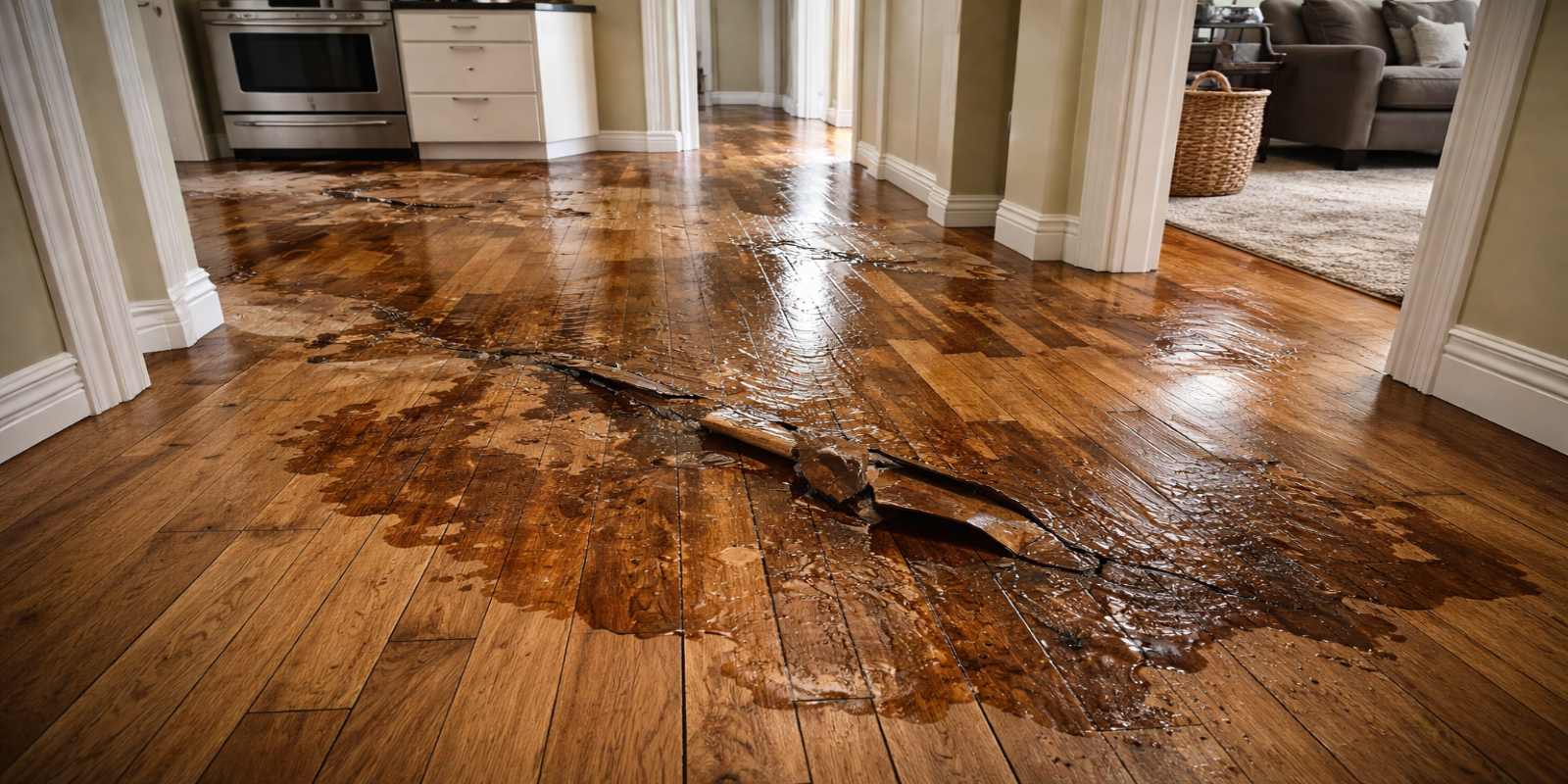
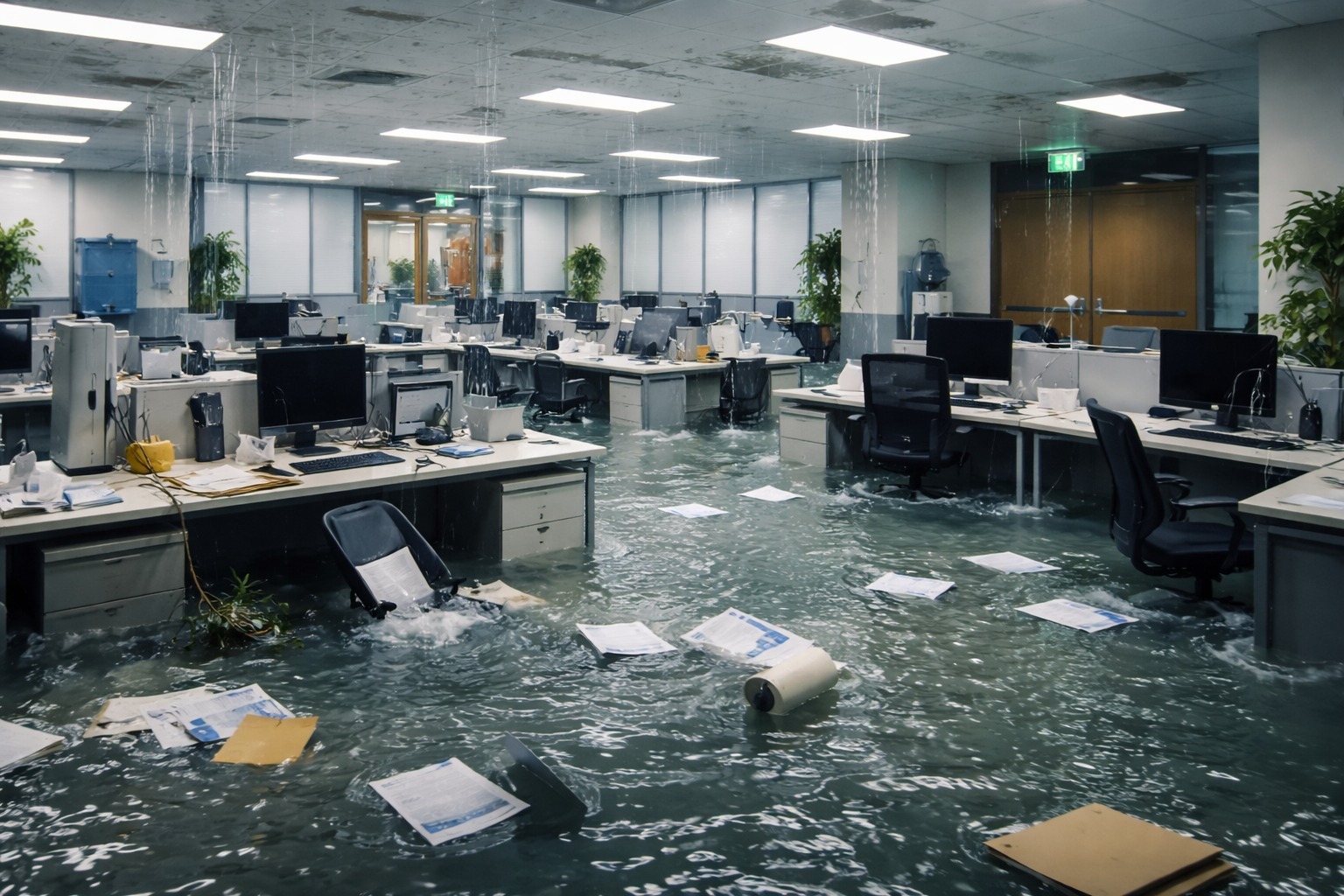
- Is there standing water?
- Is water continuing to move into other areas?
- Has the source been repaired, or has it only been temporarily stopped?
You do not need to determine the cause yourself. Share what you know so the restoration team can understand the current conditions and determine what needs to happen next.
If the source is still active, tell the restoration company immediately. Depending on the cause, stopping the intrusion may require coordination with a plumber, roofer, HVAC contractor, or another specialized professional.
The IICRC's S500 standard states that determining and correcting the underlying source or cause of water intrusion is the property owner's responsibility unless those services are specifically assigned to the restorer or another qualified professional.
The important thing is to communicate what you know rather than trying to solve every part of the problem before the restoration team arrives.
Which Areas of the Facility Are Affected?
Start with what you can see, but do not stop there.
Tell the restoration team about:
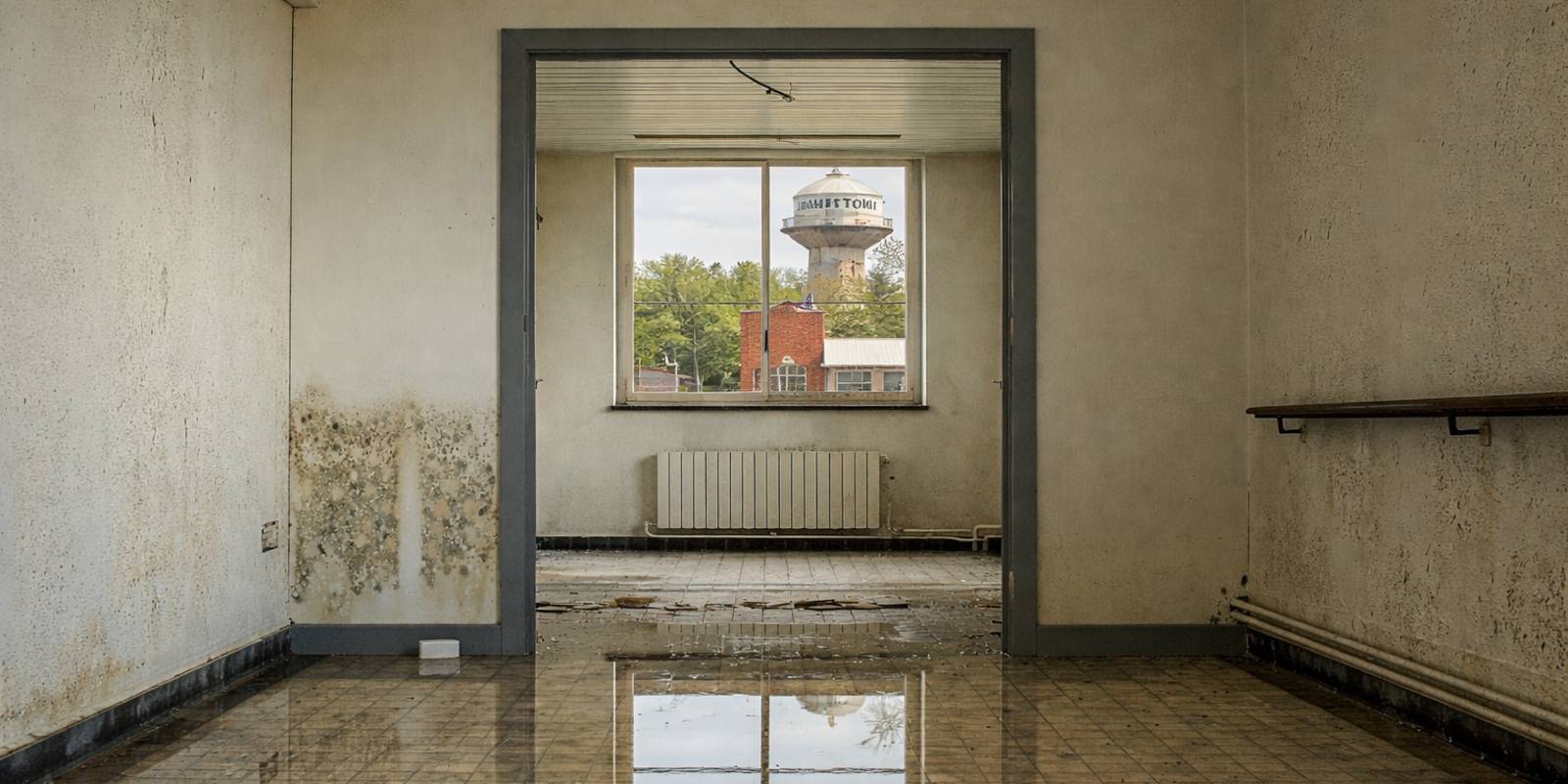
- Rooms or departments with visible water
- Floors or levels involved
- Areas below the original leak
- Walls, ceilings, or flooring showing signs of moisture
- Areas that may have been affected even if they are not visibly wet
- Occupied or operational spaces where water has reached
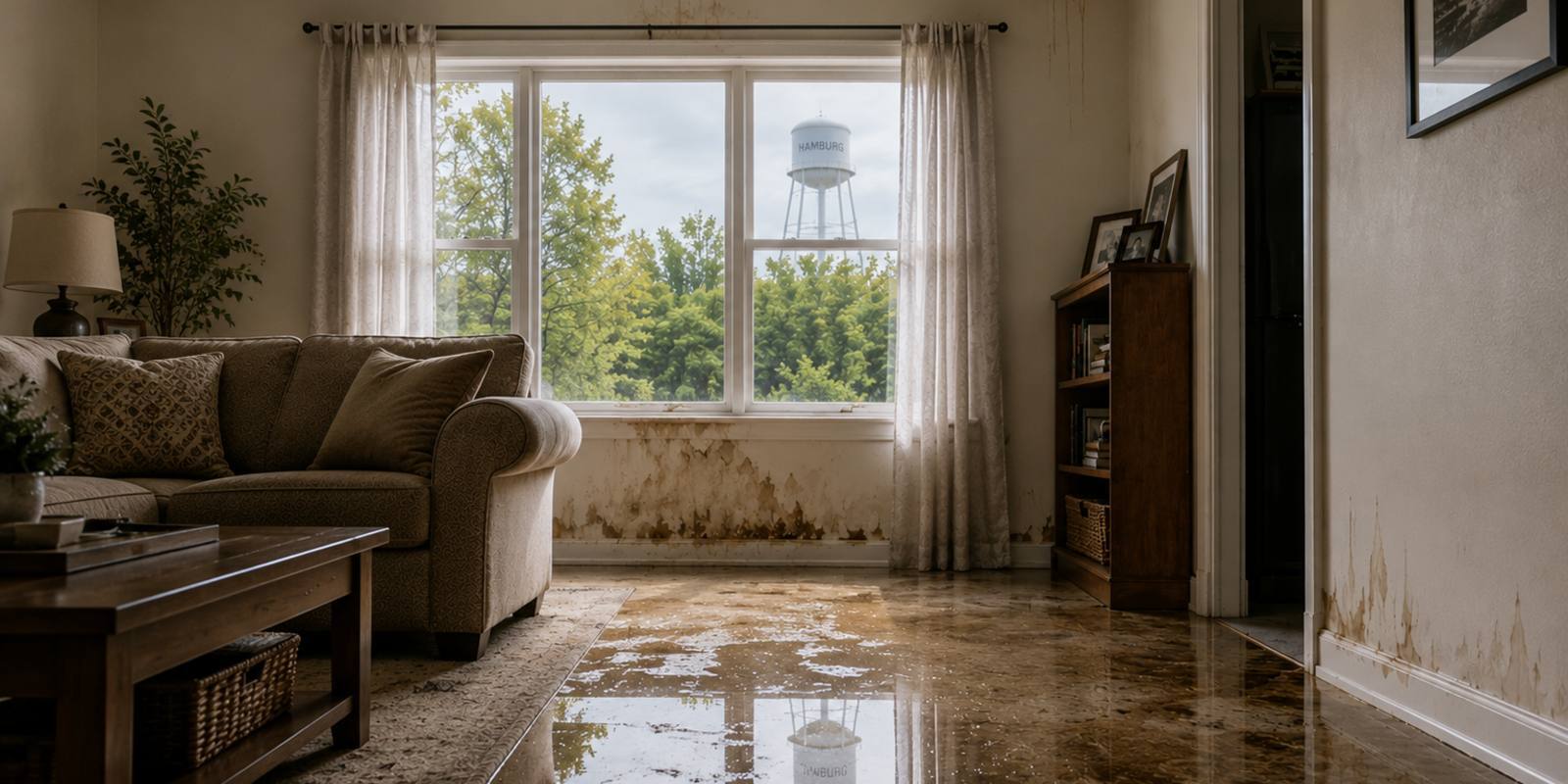
Water can travel beyond the location where the problem was first discovered. Your team's observations can help the restoration company know where to begin looking during its assessment.
What Has Your Team Already Done?
Your team may have already taken steps to limit the damage.
Tell the restoration company what was done, including actions such as:
- Shutting off a valve
- Removing standing water
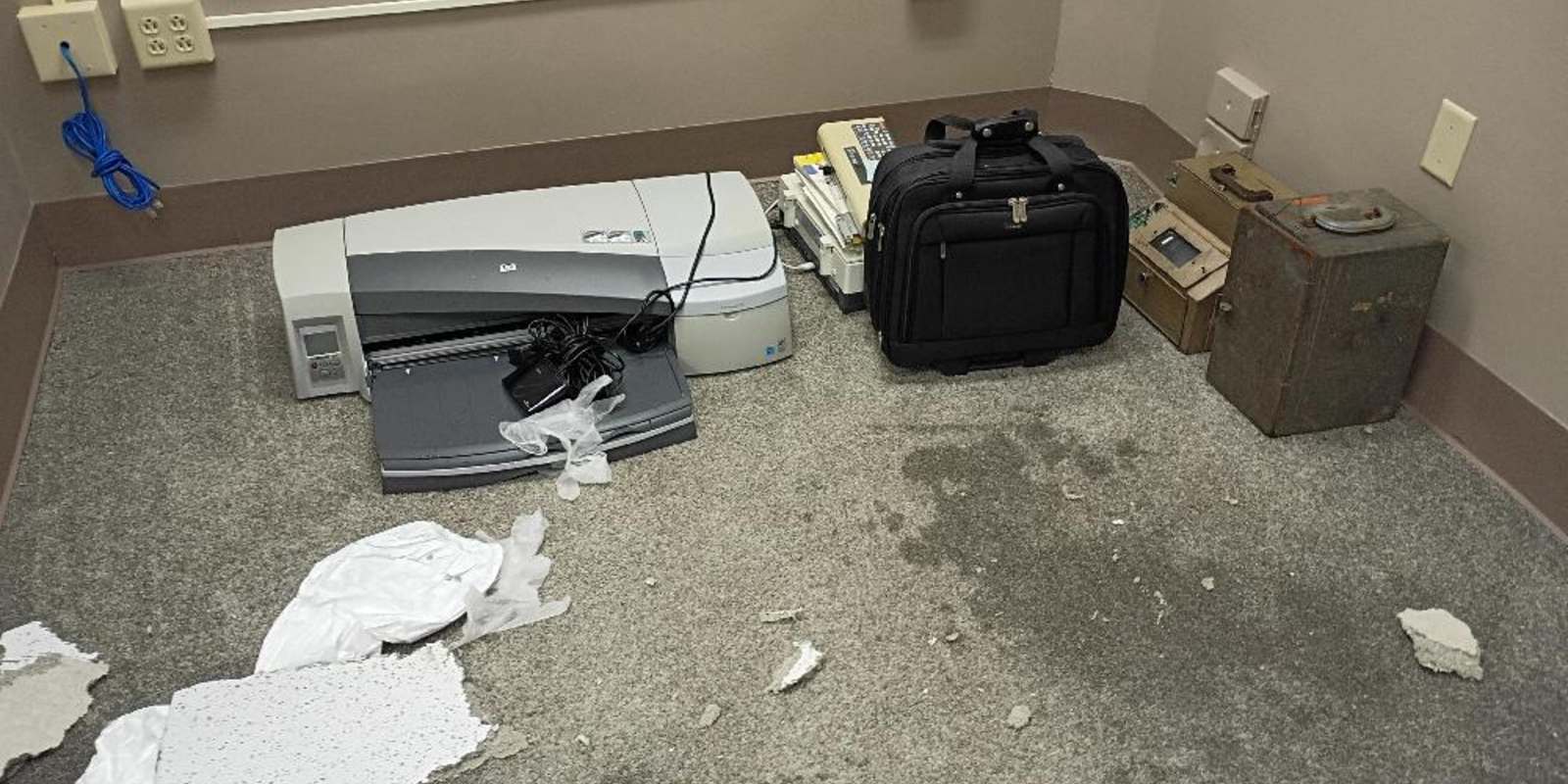
- Moving furniture or equipment
- Placing items on blocks or other supports
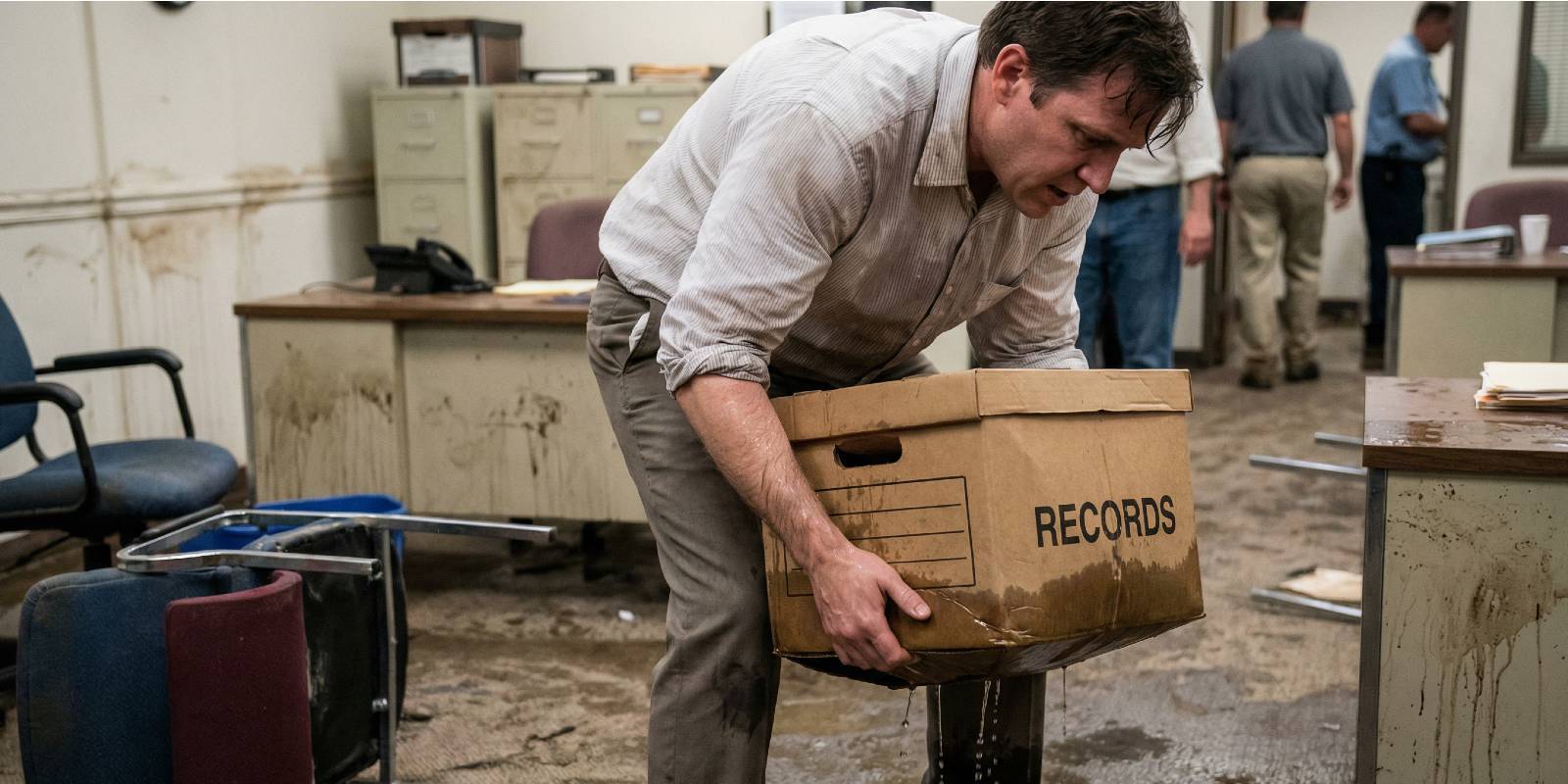
- Moving inventory or records
- Covering or protecting equipment
- Restricting access to an area
- Contacting a plumber or other contractor
Do not worry about whether every step was the right one. The restoration team needs to know what has already happened so it can understand the current conditions and determine what needs to happen next.
Are There Safety or Access Issues the Restoration Team Should Know About?
A water loss can create hazards that are not immediately obvious. Tell the restoration team about conditions that could affect how employees or contractors enter, inspect, or work in the building.
These may include:
- Restricted-access areas
- Security requirements
- Electrical concerns
- Slip or trip hazards
- Contaminated areas
- Chemicals or hazardous materials
- Areas requiring PPE or special procedures
- Unavailable elevators
- Locked rooms
- Active operations or occupied spaces
- Parking or loading restrictions
- Building entry procedures
Occupational Safety and Health Administration (OSHA) recommends that employers identify and communicate workplace hazards and take appropriate measures to protect workers. Sharing known hazards with the restoration team is an important part of coordinating work safely.
What Equipment, Inventory, or Documents Could Be Affected?
"What is wet?" and "What cannot afford to stay wet?" are not always the same question.
Depending on the business, water may threaten:
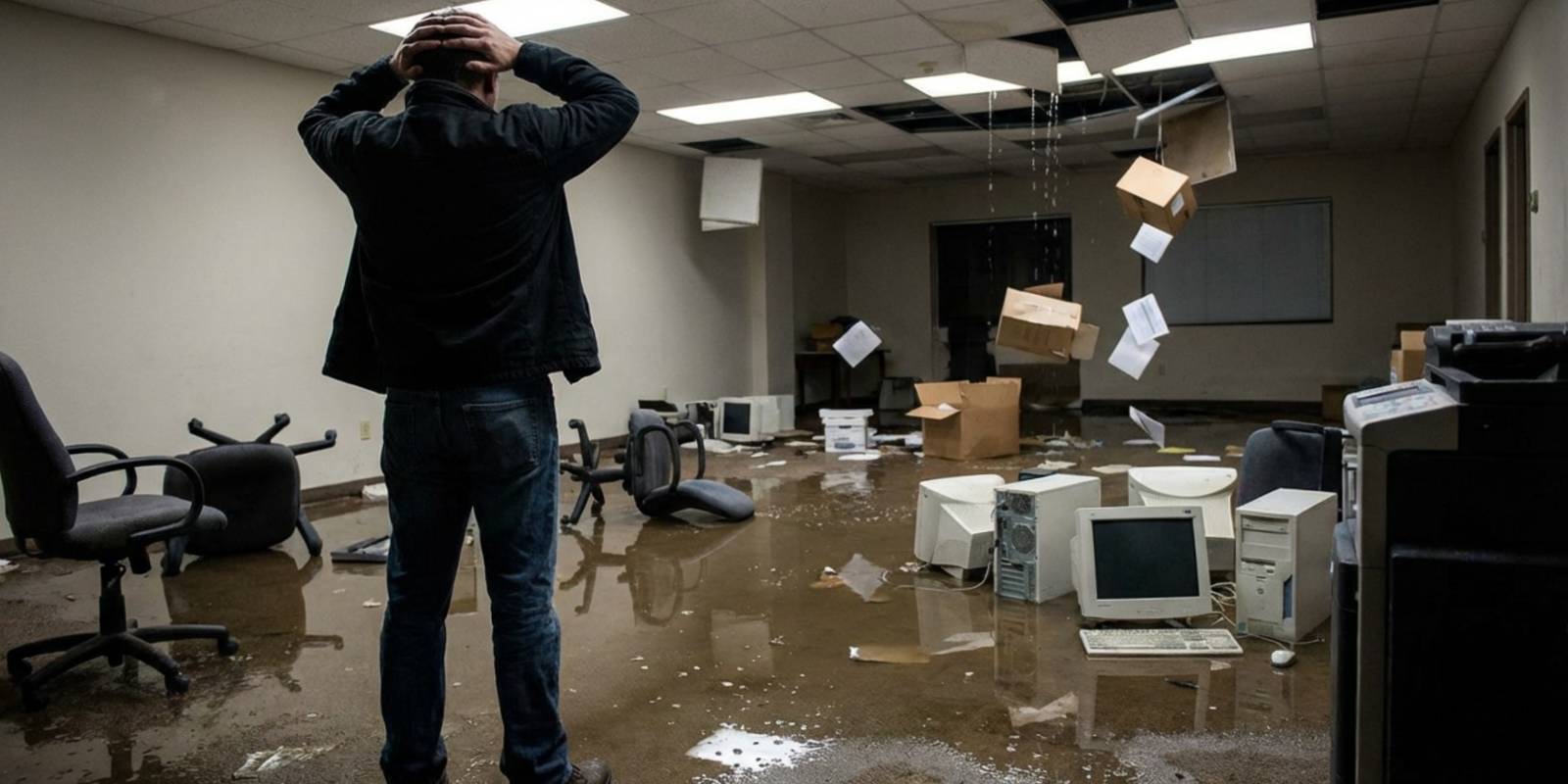
- Computers and electronics
- Machinery
- Inventory
- Furniture
- Paper records
- Files
- Artwork
- Medical or specialized equipment
- Stored materials
- Important documents
The facility manager may also know which items are especially important to the business.
A restoration team needs to understand both the physical extent of the water damage and the potential impact on the business. If a particular piece of equipment, inventory, document, or operational area is especially important, point it out when the team arrives.
Important records may need special attention after water damage. Learn what Arkansas businesses should know about recovering flood-damaged documents.

Who Should the Restoration Team Coordinate With When They Arrive?
Before any project starts, the restoration company may need to know who has authority to:
- Approve work
- Provide building access
- Shut down systems
- Move equipment
- Contact vendors
- Communicate with employees
- Coordinate with insurance representatives
- Make decisions about affected materials
It can help to designate one primary point of contact and a backup.
If several people are involved, establish who makes decisions and who can provide access if the primary contact is unavailable. This gives the restoration team a clearer path for questions and approvals.
What Happens When the Restoration Team Arrives?
The information you provide becomes part of the team's initial understanding of the loss. It does not replace an assessment.
Once on site, the restoration team will need to inspect the affected areas, look for moisture beyond what is visible, identify immediate priorities, and determine appropriate actions based on the building and type of water loss.
That is why facility managers do not need to have every answer before the restoration company arrives. Your job is to provide the information you have. The restoration team's job is to assess the conditions and determine what needs to happen next.
At Restore-It, we use that initial conversation to understand what happened, what your team has already done, and what could affect the response. Clear information at the beginning can help the restoration team get oriented faster and coordinate with the people responsible for the property.
When water damage affects your facility, knowing what to tell the restoration company can help everyone start from the same information.