
Have your energy bills been climbing even though your heating and cooling habits haven't changed? If some rooms in your home never seem comfortable, your HVAC system runs longer than it should, or you've noticed more dust around the house, leaky air ducts could be the hidden culprit. Even small gaps or cracks in your ductwork can allow conditioned air to escape before it reaches your living spaces, forcing your HVAC system to work harder and increasing your monthly utility costs.
At Restore-It, we've inspected and repaired ductwork for homeowners dealing with uneven temperatures, poor indoor air quality, and rising energy bills. We've seen firsthand how hidden duct leaks can reduce HVAC efficiency and make homes less comfortable, even when the heating and cooling equipment itself is working properly.
In this article, you'll learn how leaky air ducts affect your energy bills, the warning signs to look for, how much they can impact your home's efficiency, and when repairing or sealing your ductwork may be the right solution.
Why Do Leaky Air Ducts Raise Energy Costs?
Your ductwork acts as a highway that carries heated or cooled air from your HVAC system to each room in your home. When the ducts are properly sealed, most of that conditioned air reaches its intended destination.
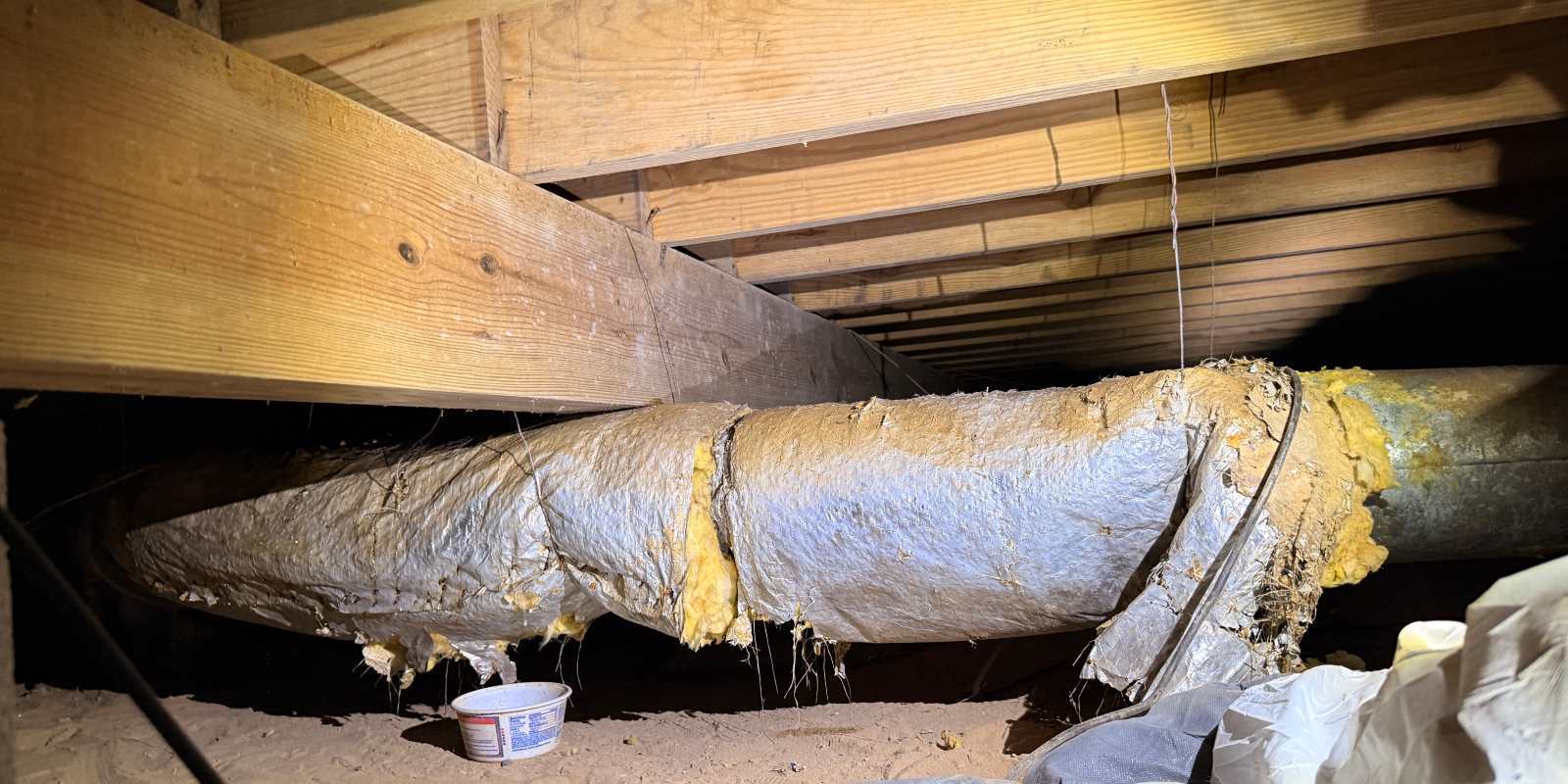
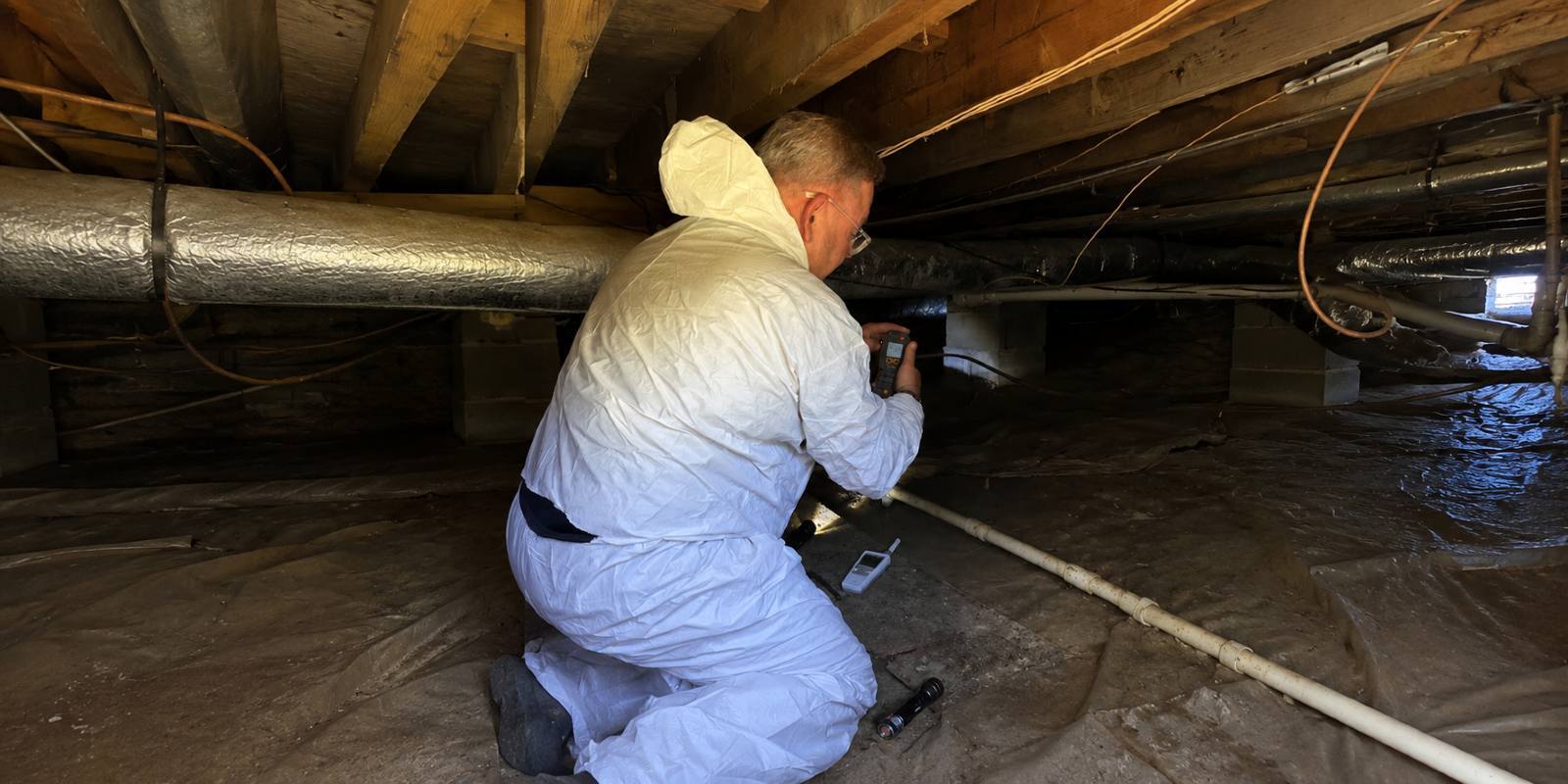
However, when joints separate, seals deteriorate, or ducts develop holes, conditioned air escapes into unconditioned spaces like attics, basements, garages, or crawl spaces instead of your living areas. As a result, your thermostat senses that your home hasn't reached the desired temperature and signals the HVAC system to keep running.
The harder your heating and cooling system works to compensate for lost air, the more energy it uses. Over time, this increased workload can lead to higher monthly utility bills, reduced HVAC efficiency, and additional wear on your heating and cooling equipment.
According to Energy Star, “leaky ducts can reduce heating and cooling system efficiency by as much as 20%”, meaning a significant portion of the air you've already paid to heat or cool may never reach the rooms where you need it.
How Leaky Air Ducts Affect More Than Just Your Utility Bills
Although higher energy bills are often the first sign of leaky air ducts, they're rarely the only consequence. Because conditioned air escapes before reaching your living spaces, your HVAC system has to work harder to keep your home comfortable. Over time, this can affect everything from indoor comfort to your system's lifespan.
Leaky air ducts may lead to:
- Uneven temperatures throughout your home: Rooms farther away from your HVAC system may struggle to reach the desired temperature because conditioned air escapes before arriving.
- Longer heating and cooling cycles: Your HVAC system may run longer and more frequently as it tries to compensate for lost air.
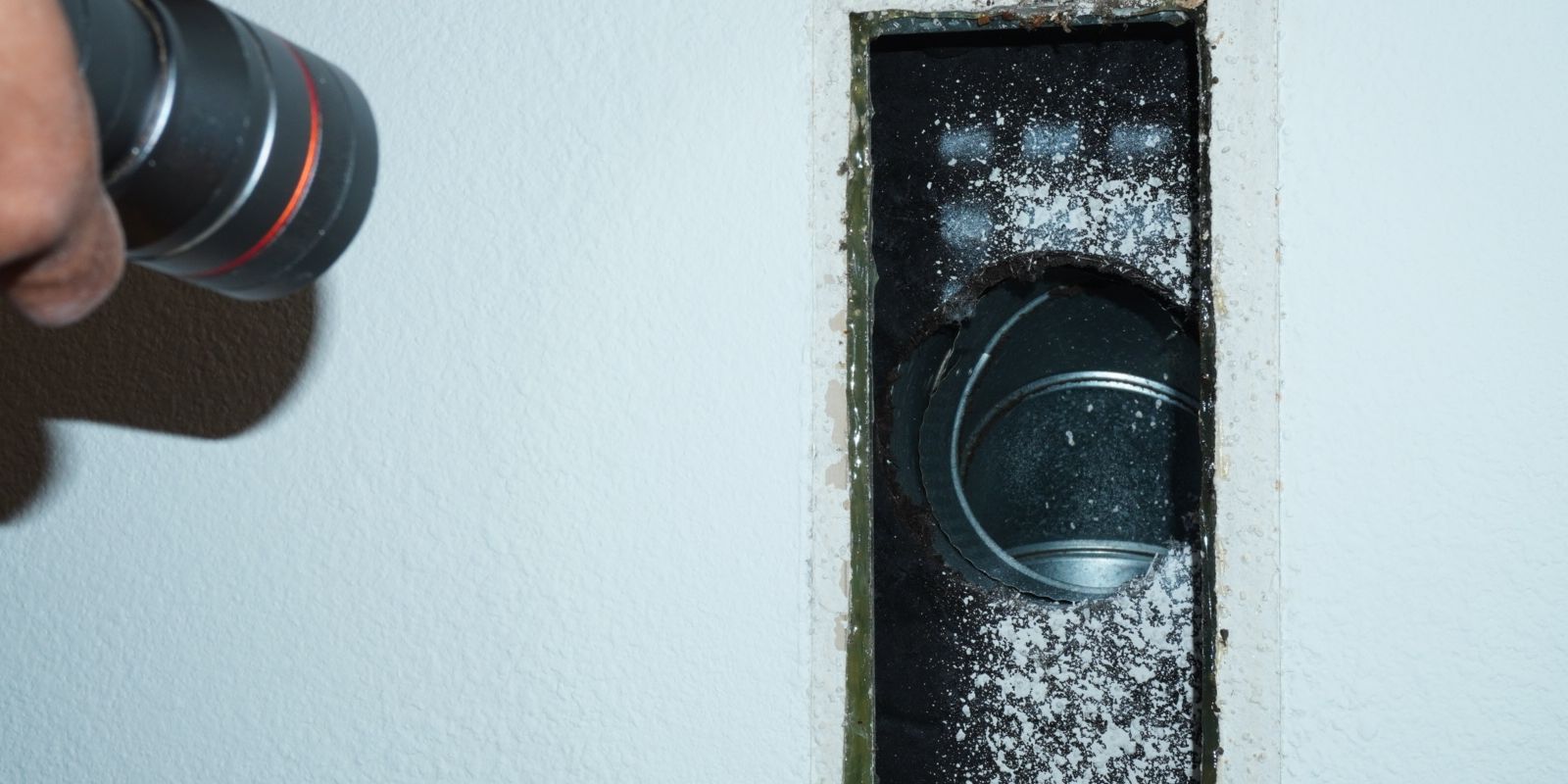
- Poor indoor air quality: Leaks can pull dust, insulation particles, and contaminants from attics, crawl spaces, or wall cavities into your duct system.
- Reduced airflow from vents: Air lost through leaks means less conditioned air reaches your living spaces.
- Increased HVAC wear: Extra runtime places additional strain on components like blower motors and compressors.
While leaky ducts don't always cause all of these problems, they often lead to higher energy costs, reduced comfort, and unnecessary strain on your HVAC system.
Common Signs Your Air Ducts May Be Leaking
Because ductwork is hidden behind walls, ceilings, or in attics and crawl spaces, leaks aren't always easy to spot. However, your home often provides clues that conditioned air is escaping before it reaches your living spaces.
NADCA states you may have leaking air ducts if:
- Your energy bills continue to rise without a clear explanation.
- Certain rooms are consistently warmer or cooler than the rest of the house.
- Your HVAC system seems to run longer than it used to.
- You notice excessive dust collecting around vents or furniture.
- Airflow feels weak from one or more supply registers.
- You hear whistling, rattling, or hissing sounds coming from the ductwork.
These symptoms don't automatically mean your air ducts are leaking, but they are strong indicators that your HVAC system and ductwork should be professionally inspected.
Can Sealing Leaky Air Ducts Lower Your Energy Bills?
Sealing air ducts can help reduce energy waste by keeping conditioned air inside the duct system where it belongs. However, the right solution depends on the condition of your ductwork and the cause of the performance issues you're experiencing.
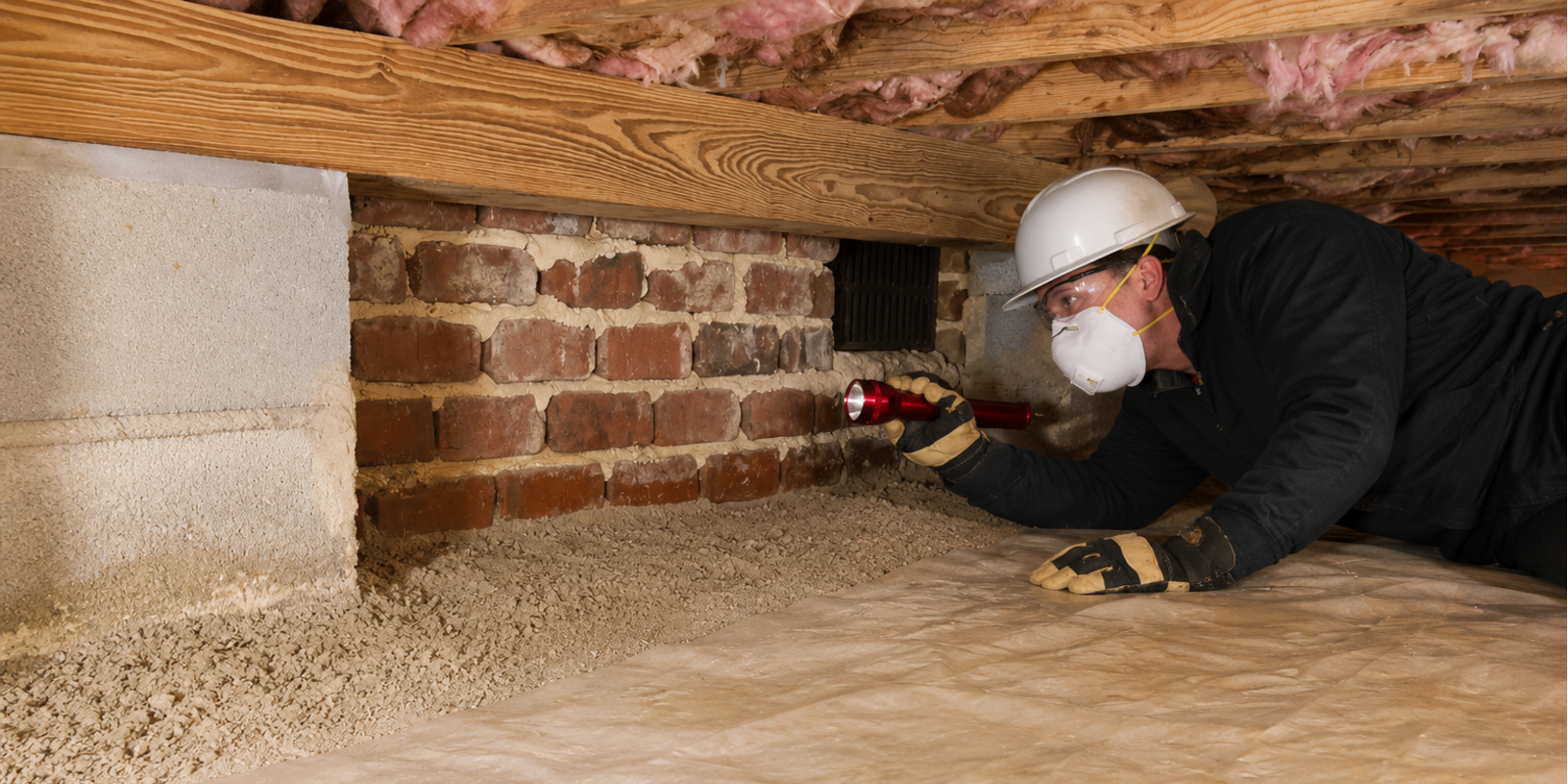
Before recommending duct sealing, a professional evaluation can help determine:
- The location and size of the leaks
- The age and condition of the ductwork
- Whether the ducts were properly designed and installed
- The overall performance of your HVAC system
For example, small leaks at duct joints or connections can often be sealed effectively. However, severely damaged, crushed, or deteriorated ducts may require repairs or replacement to restore proper airflow and efficiency.
If your ductwork is dirty and leaking, cleaning is often an important first step before sealing. Removing built-up dust, debris, and contaminants allows the system to be properly evaluated and helps ensure sealing addresses the actual problems affecting your home's comfort and air quality.

Sealed Air Ducts vs. Leaky Air Ducts
|
Sealed Air Ducts |
Leaky Air Ducts |
|
Consistent temperatures throughout the home |
Uneven room temperatures and hot or cold spots |
|
Lower energy consumption |
Higher monthly utility bills |
|
Strong, balanced airflow |
Weak or inconsistent airflow |
|
Cleaner indoor air |
Dust and contaminants entering the duct system |
|
Reduced strain on HVAC equipment |
Increased wear on HVAC components |
|
Greater overall system efficiency |
Energy loss and reduced performance |
Is Air Duct Sealing Worth the Cost?
Air duct sealing can be a worthwhile investment for homeowners experiencing energy waste, uneven temperatures, or HVAC performance issues. However, sealing is most effective when it is based on a complete evaluation of the duct system.
The right solution depends on the condition of your ductwork:
- Minor leaks: Small gaps around duct joints, seams, or connections can often be repaired through professional duct sealing.
- Damaged ductwork: Ducts that are crushed, disconnected, severely deteriorated, or improperly installed may require repairs or replacement instead of sealing alone.
- Dirty and leaking ducts: If your ductwork has both contamination and air leaks, professional cleaning may be recommended before sealing to remove buildup and allow for a more effective solution.
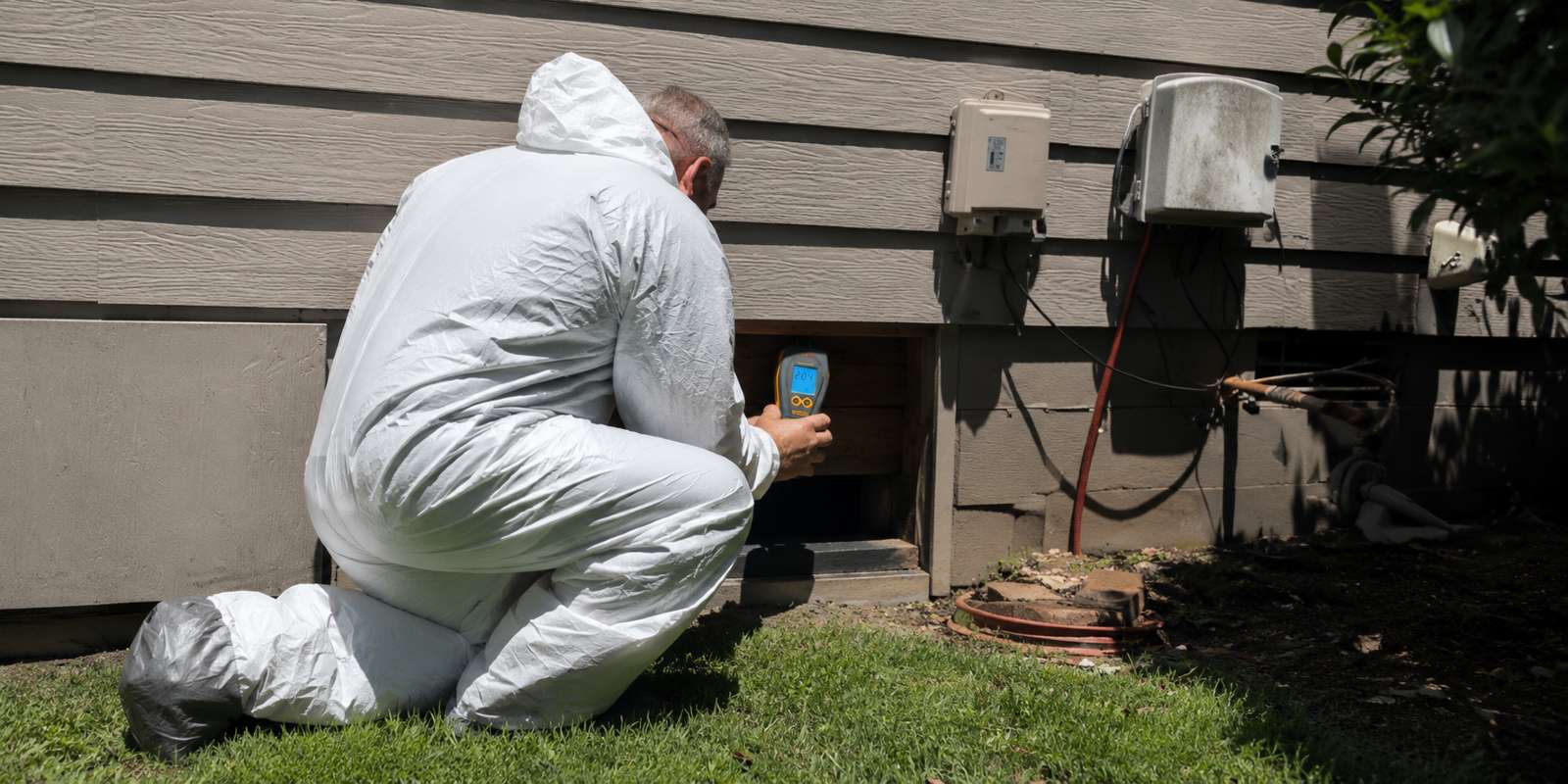
A professional inspection can help determine whether your home would benefit from duct sealing, repairs, cleaning, or a combination of services.
What To Do If You Suspect Leaky Air Ducts
If you're dealing with rising utility bills, uneven temperatures, or poor airflow, leaky air ducts may be contributing to the problem. Understanding how duct leaks affect your home's energy efficiency, comfort, and indoor air quality can help you decide whether sealing, repairing, or replacing your ductwork is the right solution.
At Restore-It, we help homeowners identify hidden duct leaks and recommend practical solutions to improve HVAC performance and comfort. A professional duct inspection can help determine whether your ductwork is wasting energy and what steps can improve your home's efficiency.
Don’t let leaky ducts continue driving up your energy costs. Schedule your professional duct inspection today!

Topics: