

You close the windows as the weather cools down, and suddenly your house smells different.
Maybe it's musty, stale, dusty, or damp. Maybe you only notice it when the HVAC system turns on.
At Restore-It, we've spent years helping homeowners investigate moisture, water damage, HVAC-related concerns, and odors that can point to an underlying problem. And one thing is important to remember: closing your windows probably didn't create the smell. It may have simply made an existing odor easier to notice.
Here's why that happens, where to look first, and when a persistent smell may be worth investigating.
Why Does Closing the Windows Make Household Odors More Noticeable?
Open windows allow outdoor air to exchange with indoor air. When you start keeping them closed, odors that were previously diluted or carried outside may linger longer.
Those odors can come from everyday sources, including:
- Cooking
- Pets
- Carpets and furniture
- Smoke
- Moisture
- Building materials
- HVAC equipment
Your HVAC system may still be moving air through the house, but recirculating indoor air is not the same thing as bringing fresh outdoor air into the home.
ASHRAE's residential indoor air quality standard, ANSI/ASHRAE Standard 62.2, recognizes ventilation, local exhaust, and source control as important components of achieving acceptable indoor air quality in homes.
A different smell doesn't automatically mean something is wrong. The important question is whether the odor disappears or keeps coming back.
1. Moisture Is Trapped Somewhere in Your Home
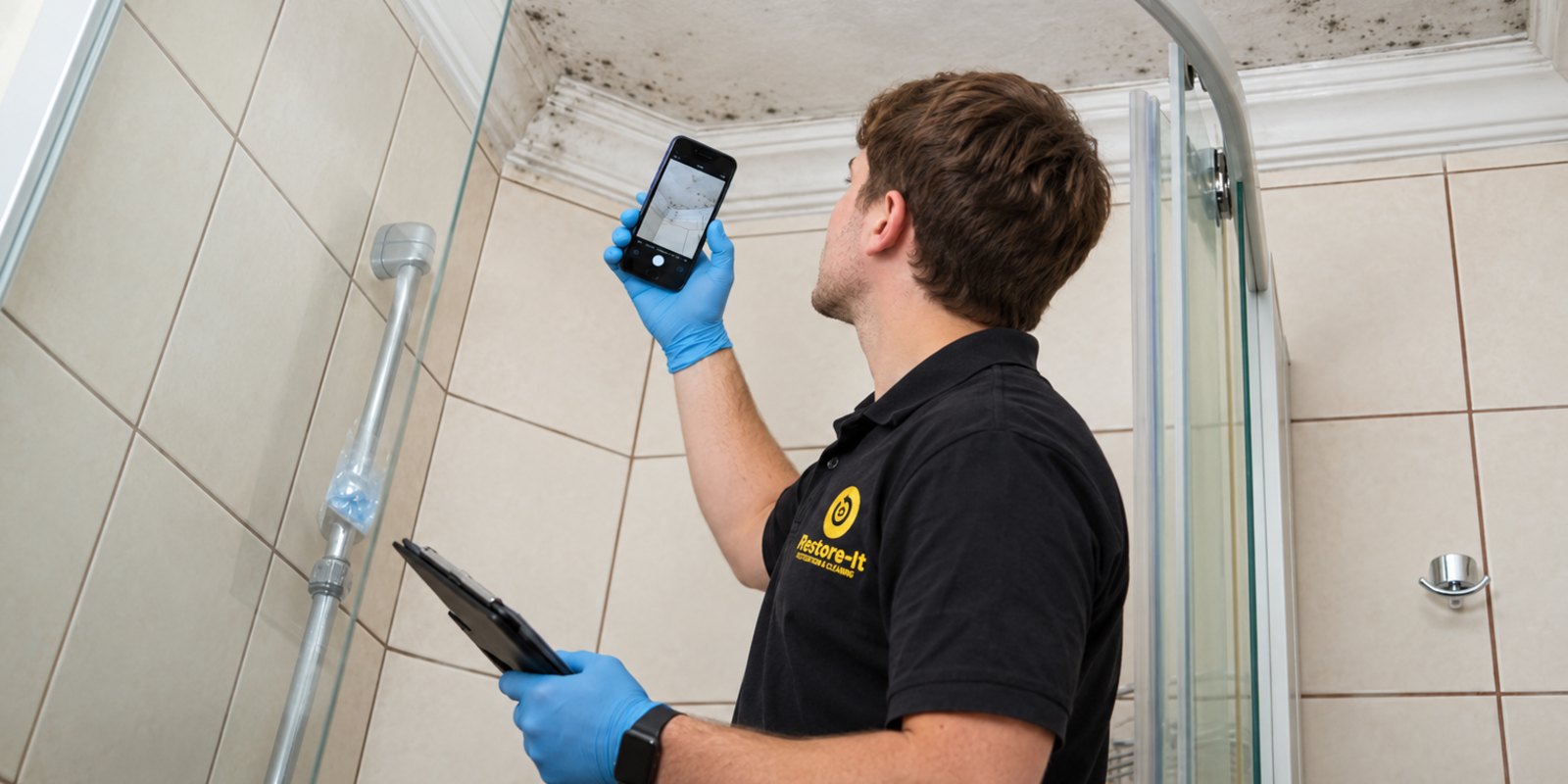
A persistent musty or damp smell is a good reason to look for moisture.
Moisture can come from:
- Bathrooms and showers
- Cooking
- Plumbing leaks
- Roof or window leaks
- Condensation
- Wet carpets or upholstery
- Crawl spaces
- HVAC equipment
- Poorly ventilated areas
The Environmental Protection Agency (EPA) recommends keeping indoor humidity ideally between 30% and 50% when possible. Excess moisture can create conditions that support mold growth, which is why controlling moisture is an important part of maintaining a healthy indoor environment.
That doesn't mean every musty smell means you have mold.
But a persistent musty odor can be a sign that moisture or mold needs to be investigated.
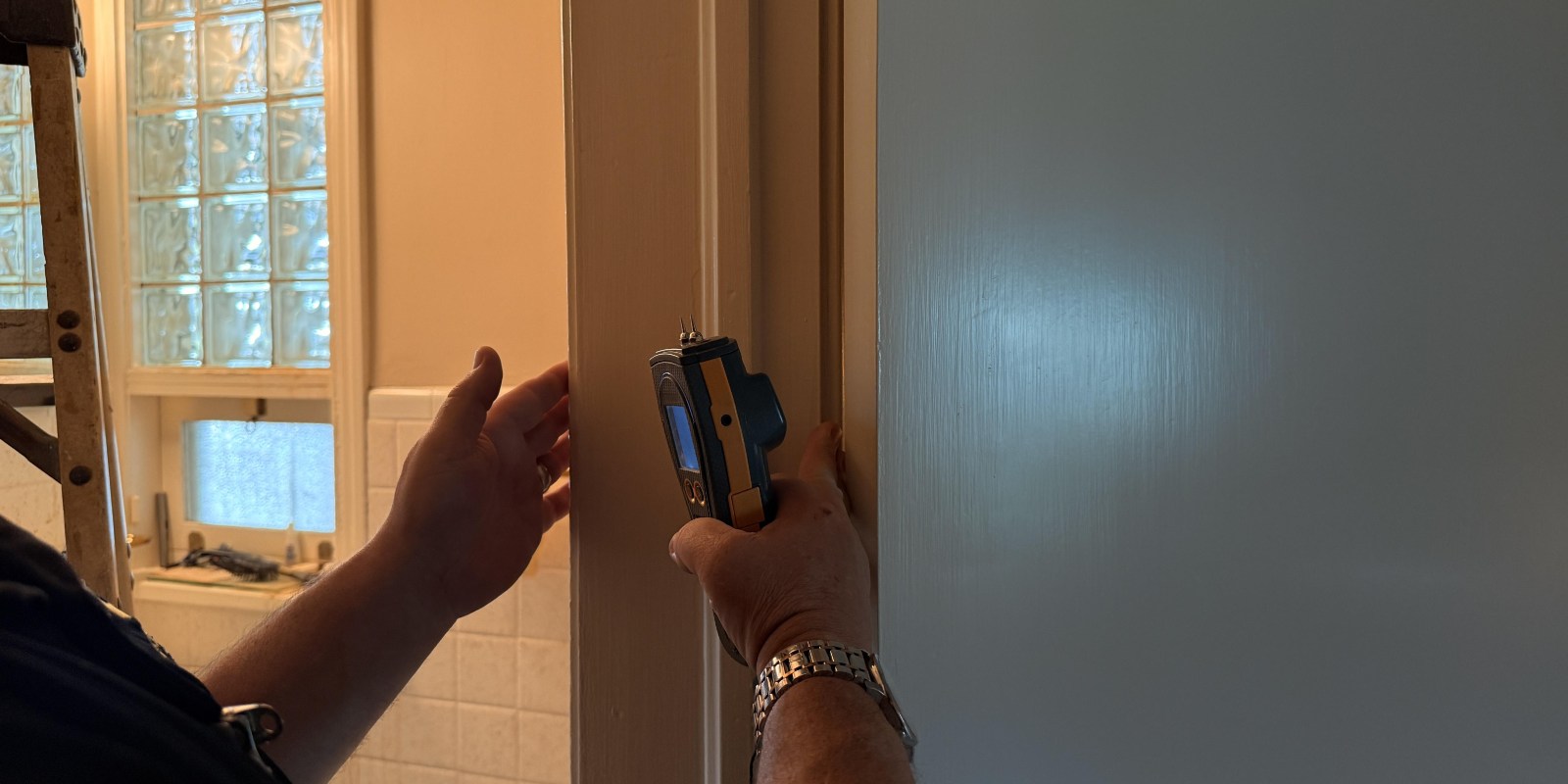
Sometimes the source is obvious, such as condensation or a recent leak. Other times, moisture may be hidden behind walls, under flooring, inside a crawl space, or around HVAC equipment.
Ask yourself:
- Where is the smell strongest?
- Does it get worse after rain or humid weather?
- Is there visible condensation?
- Has the area experienced water damage?
Finding the moisture source is usually more effective than repeatedly covering the smell with candles or air fresheners.
Concerned that a musty smell could be connected to moisture or mold? Read our guide:

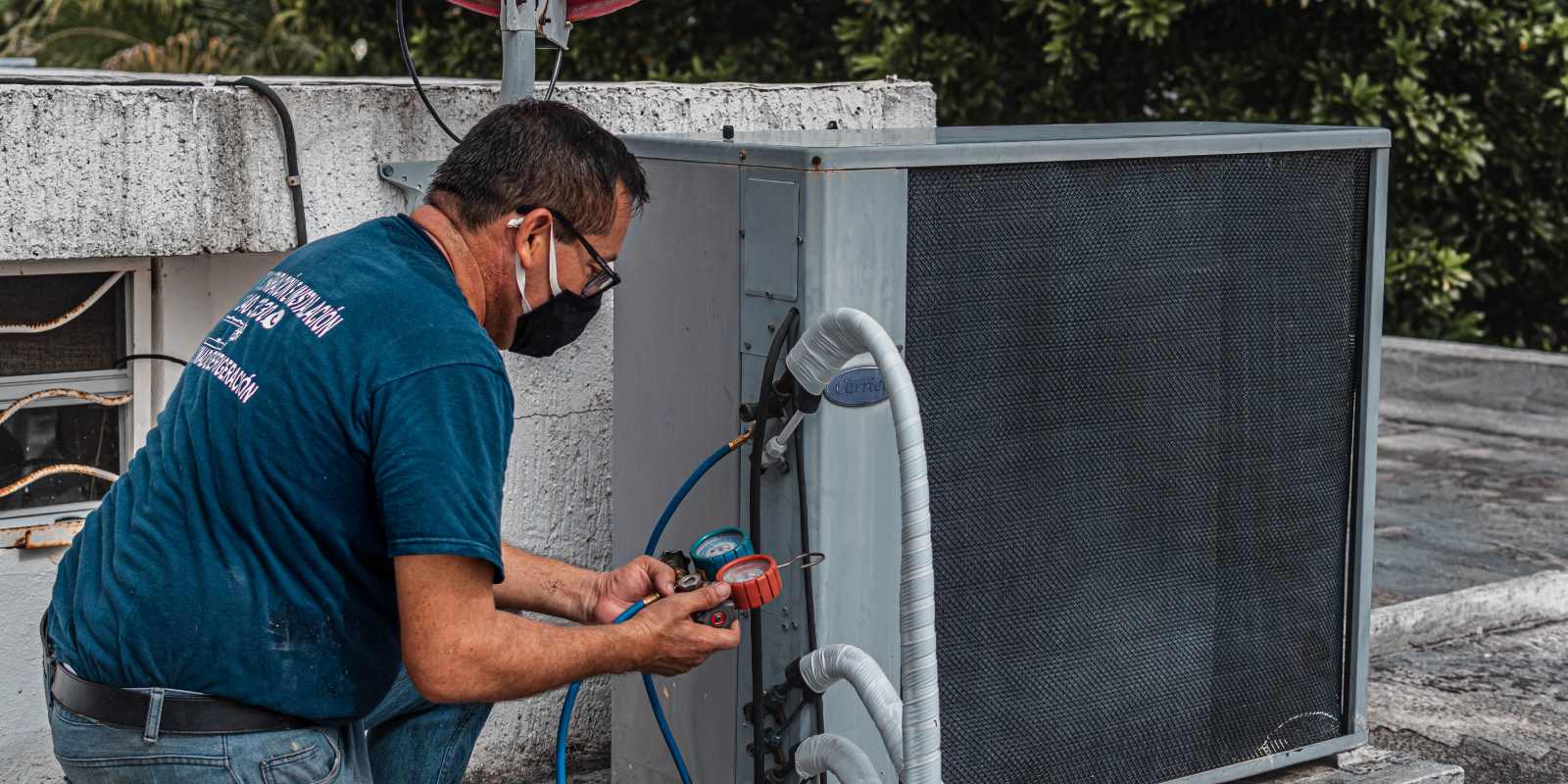
2. Your HVAC System May Be Holding or Moving Odors
If the smell becomes stronger when your HVAC system turns on, pay attention.
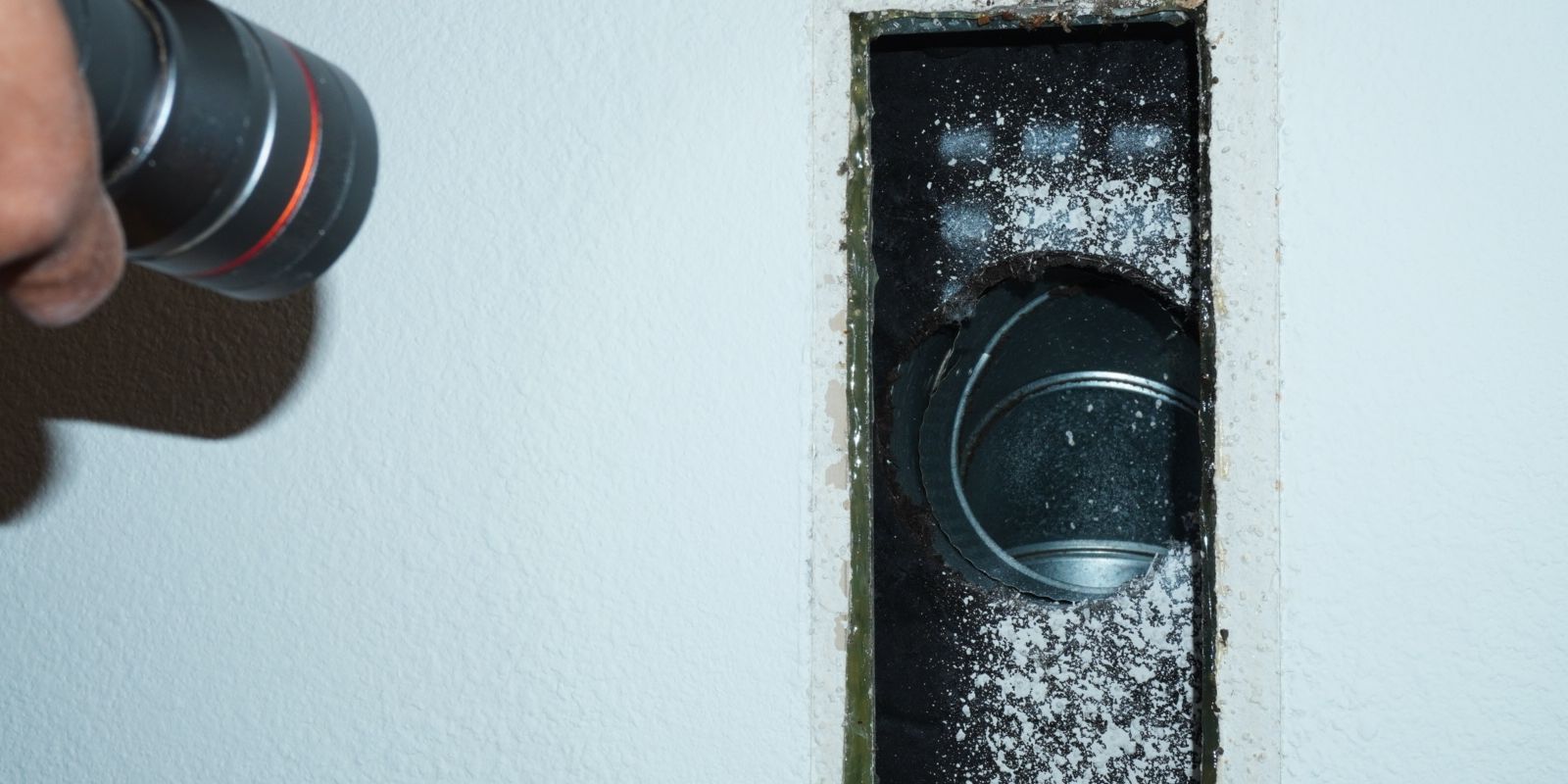
Your HVAC system moves air throughout the home. If an odor is coming from or being picked up by part of the system, running it may make the smell easier to notice.
Possible sources include:
- Condensate pans and drain systems
- Dirty components
- Damp insulation
- Moisture around equipment
- Dirty filters
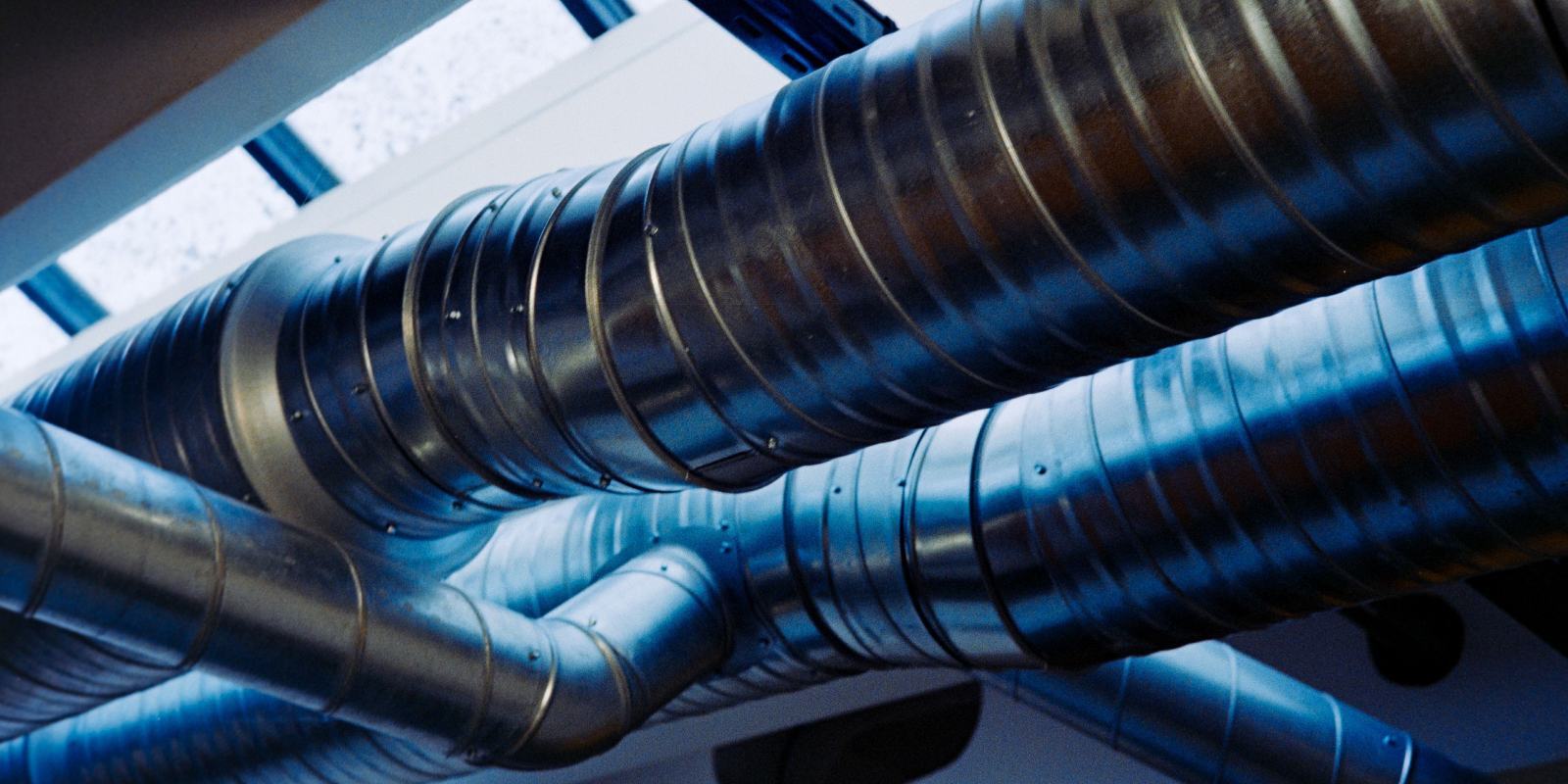
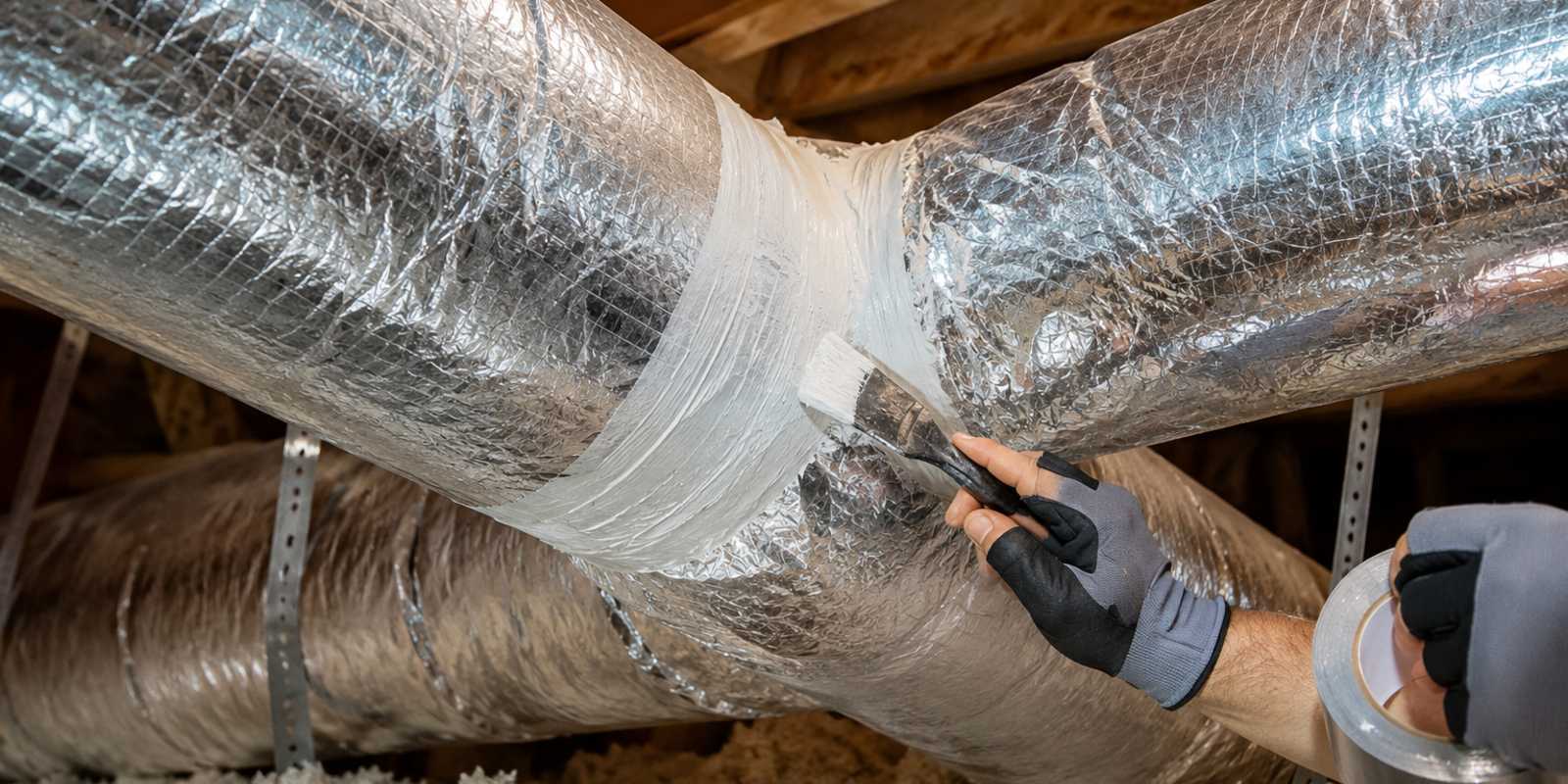
- Ductwork
- Dust and debris
Notice whether the odor is strongest near supply vents, return vents, or the indoor unit itself. The location and timing of the smell can help narrow down where it's coming from.
Does your house smell musty when the HVAC turns on? Learn more below!

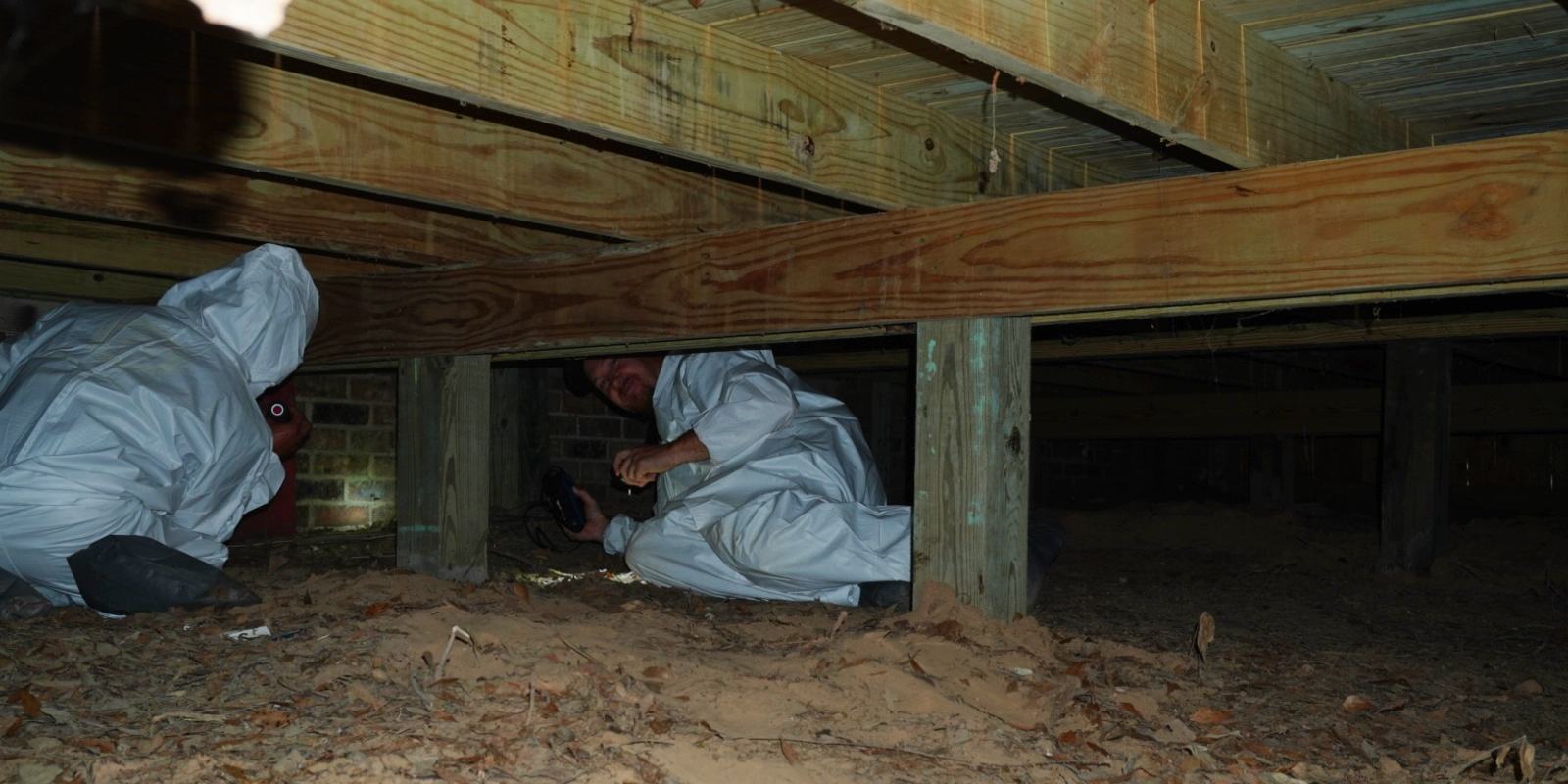
3. Your Crawl Space Could Be Affecting the Smell Upstairs
The source of an odor isn't always located where you smell it.
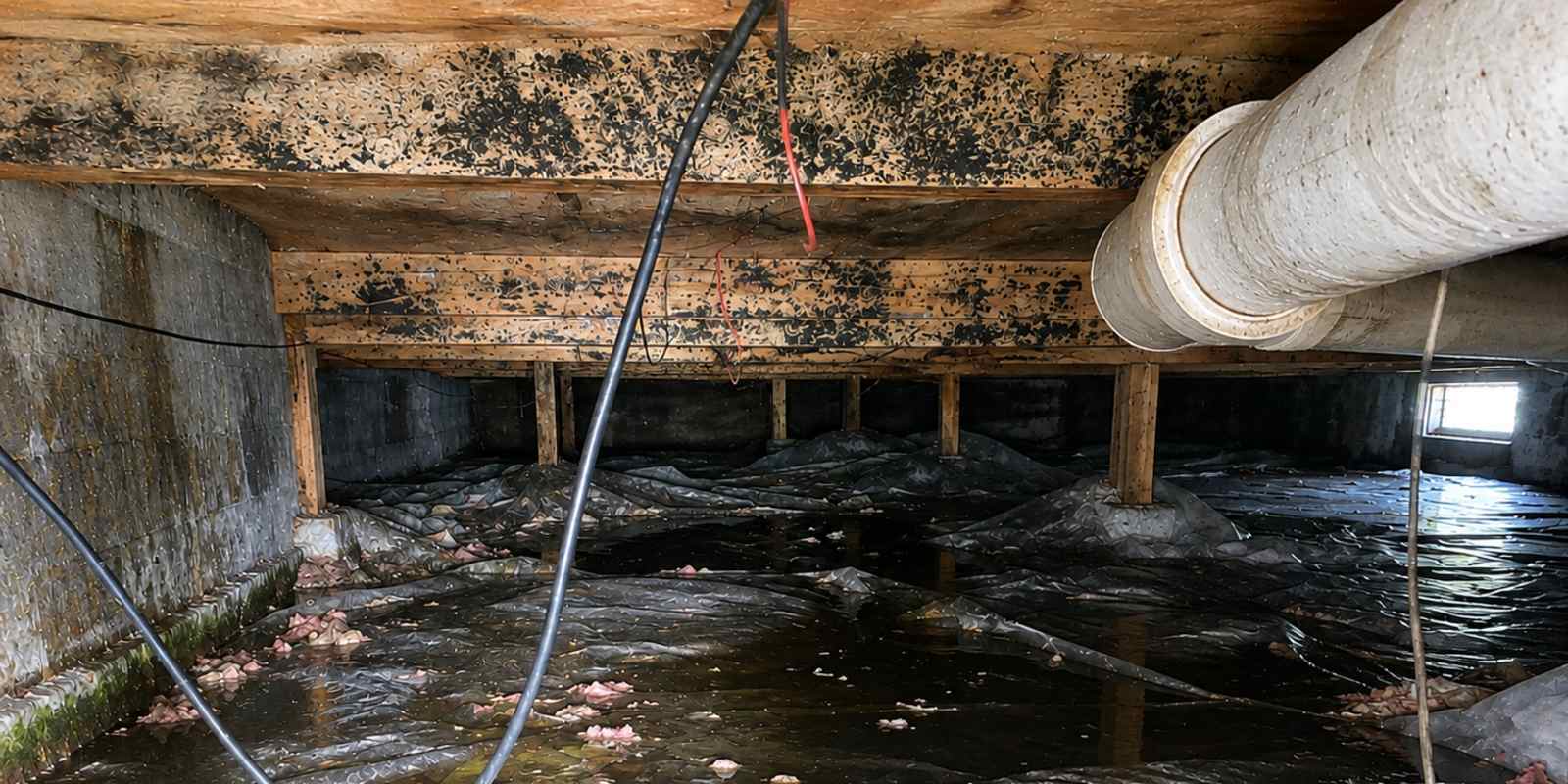
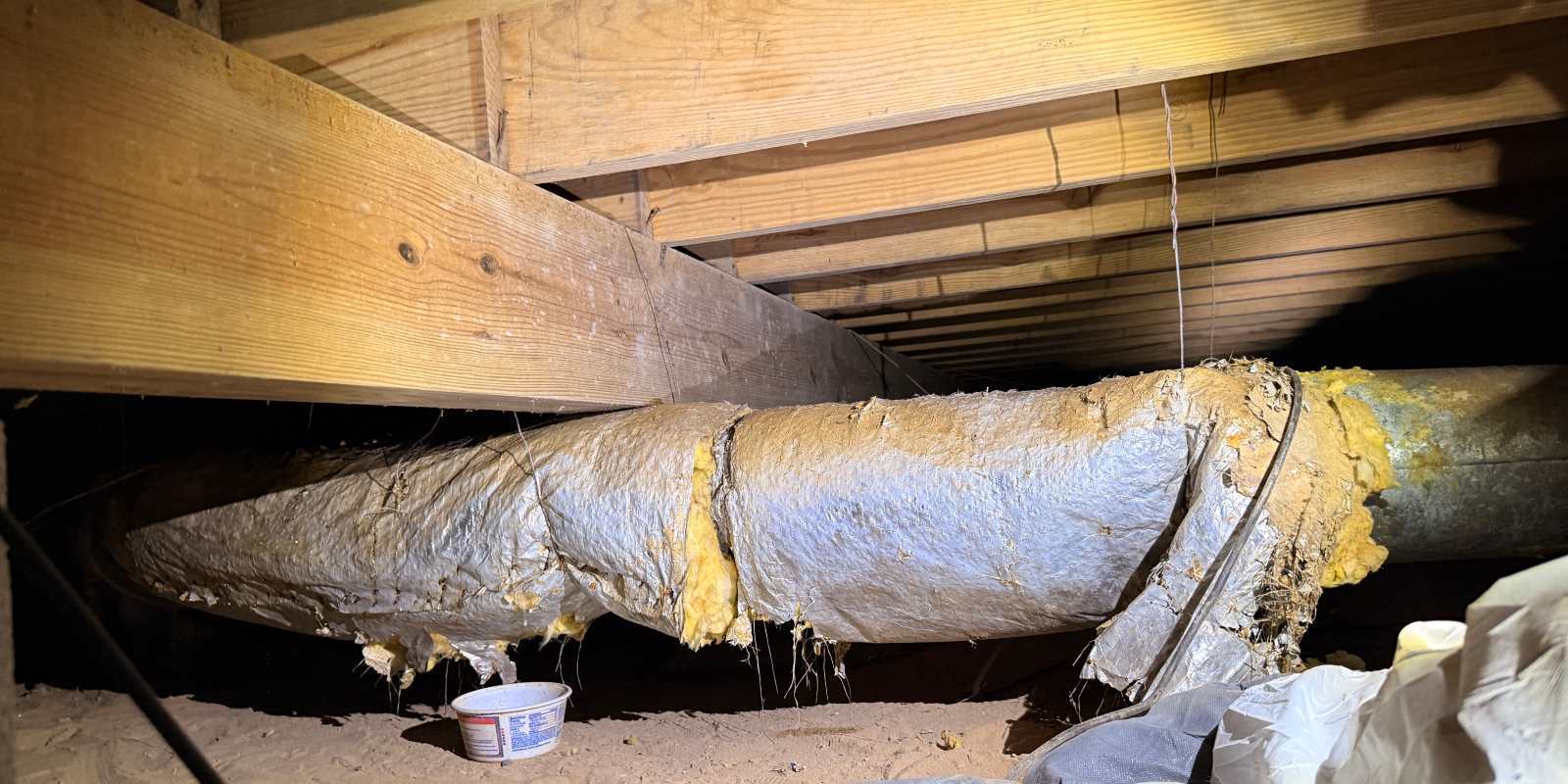
A damp crawl space can contribute to odors entering the living space through openings and other pathways connecting the crawl space to the home above it.
Look for clues such as:
- A musty smell strongest near the floors
- Odors that worsen after humid or rainy weather
- Condensation
- Standing water
- Wet insulation
- Damp soil
- Persistent humidity
A crawl space can look relatively clean while still having moisture problems. If moisture is present underneath the home, deodorizing the rooms upstairs may not address the source.
Wondering whether your crawl space could be contributing to indoor odors? For more information, read:

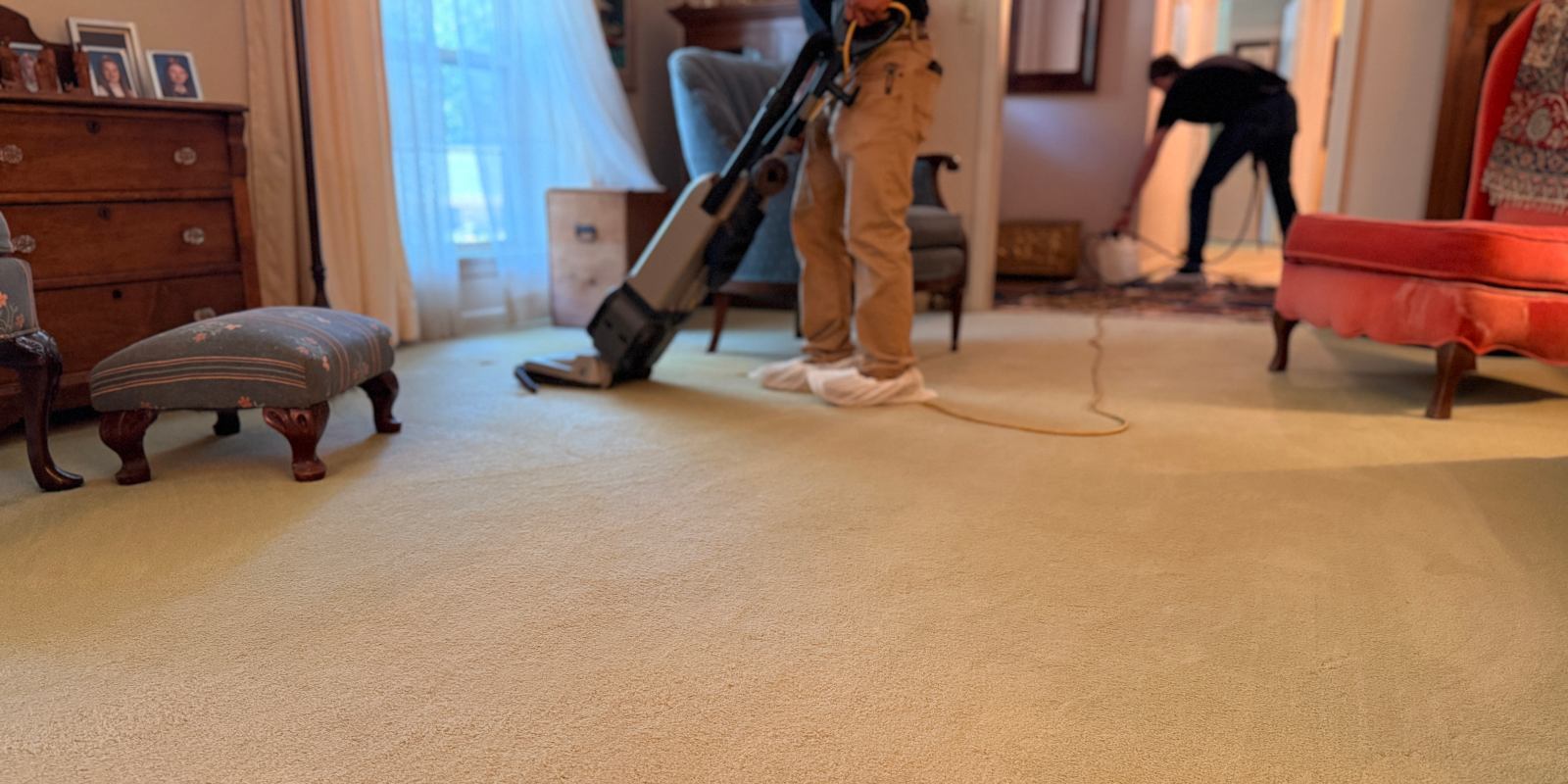
4. Carpets, Rugs, and Upholstery May Be Holding Onto Odors
Not every fall odor is related to mold, water damage, or HVAC problems.
Soft materials can absorb and hold odors from:
- Pets
- Food
- Smoke
- Body oils
- Everyday household activity
- Moisture
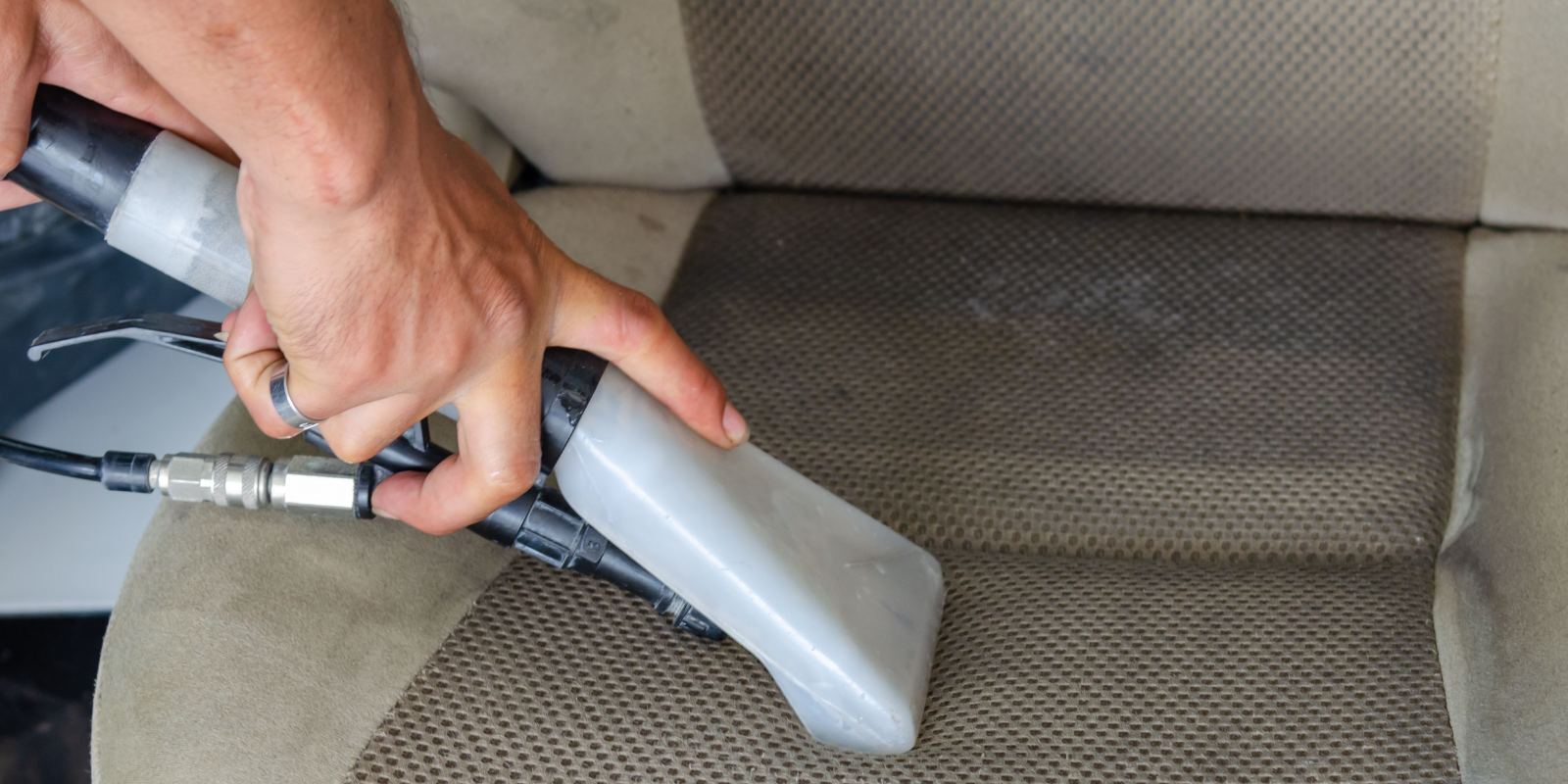
Carpet, rugs, and upholstered furniture can hold onto these smells longer than hard surfaces. When windows were open, increased airflow may have made them less noticeable. Once the house stays closed up, the odors can seem stronger.
If the smell is concentrated around a particular carpet, rug, or piece of furniture, cleaning may help. However, if the material smells musty because moisture is trapped underneath or inside it, cleaning alone may not solve the problem.
5. Dust and Everyday Household Buildup May Be More Noticeable
Fall can also make ordinary household smells easier to notice.
Dust, pet dander, and cooking residue can accumulate over time. When windows stay closed and you spend more time indoors, those smells may become more noticeable.
You may notice this when:
- Turning on the heating system for the first time
- Keeping windows closed for several days
- Running the HVAC system more frequently
A temporary dusty smell when heating equipment first starts after a long period of inactivity can be different from a persistent odor.
If it quickly disappears, accumulated dust may be the cause. If it continues or gets stronger, it's worth investigating further.
6. An Old Water Problem Could Still Be Affecting Your Home
Sometimes the smell isn't connected to a new problem.
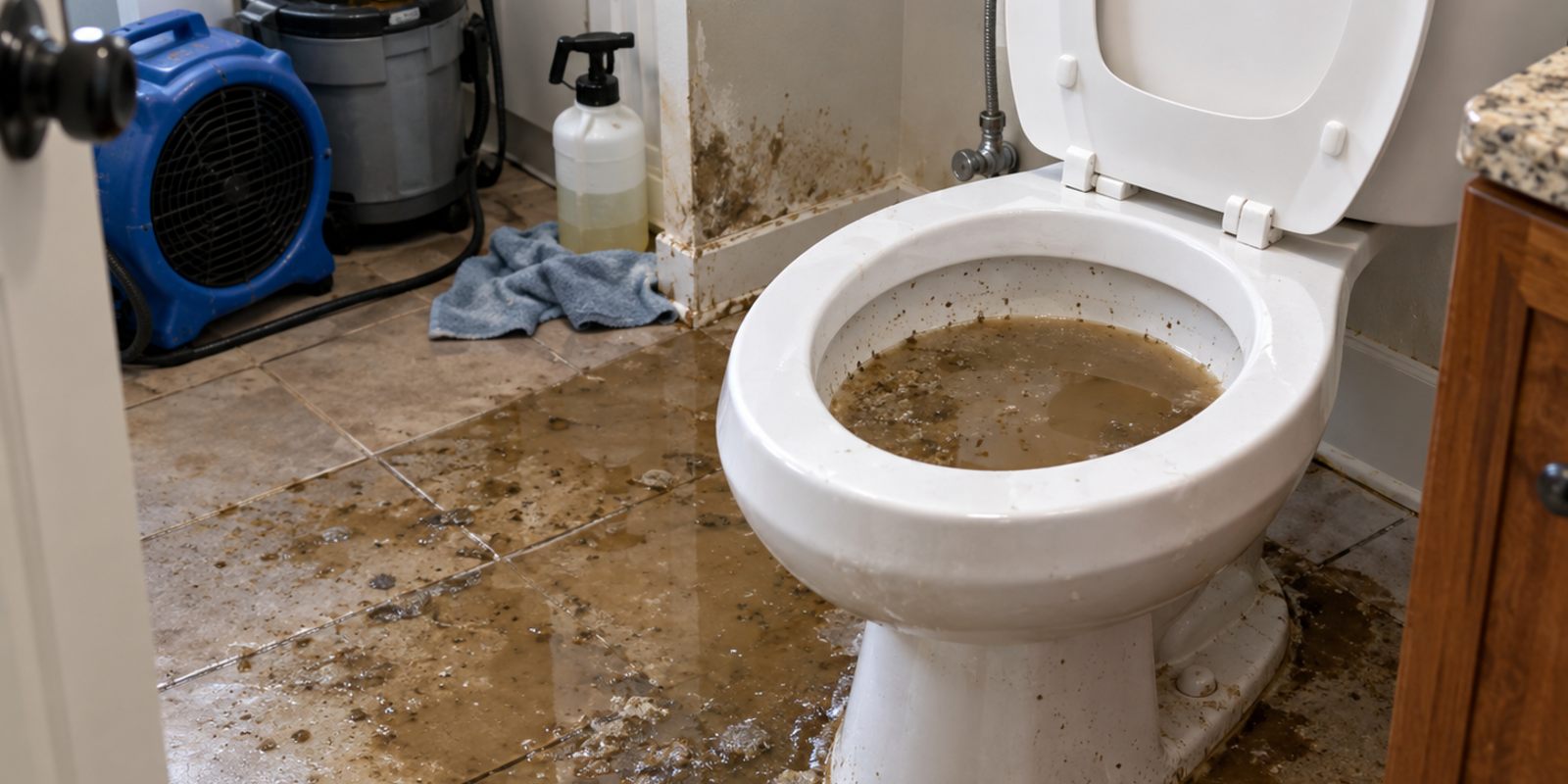
A previous roof leak, plumbing leak, overflow, or water-damage event may still be affecting materials inside the home.
Moisture can remain trapped in:
- Carpet and padding
- Drywall
- Insulation
- Wood
- Subflooring
That's why a home can appear dry while an underlying moisture issue remains.
If the smell started after a known water event or returns during certain weather conditions, it may be worth investigating whether moisture is still present.
When Should You Be Concerned About a Musty Smell?
A temporary change in how your home smells isn't always an emergency.
But pay closer attention when an odor is:
- Persistent
- Getting stronger
- Musty or moldy
- Worse after rain or humid weather
- Strongest near floors or walls
- Noticeably worse when the HVAC system runs
- Connected to a previous leak or water-damage event
The goal isn't to panic over every unusual smell. It's to avoid ignoring a clue that your home may have a moisture, ventilation, or water problem.
Don't Just Cover Up the Smell
When your house smells different after you start closing the windows for fall, the windows themselves may not be the problem.
Closing them can simply make an existing odor easier to notice.
Pay attention to where the smell is strongest and when it appears. A musty smell near the floor may point toward a crawl space or moisture issue. An odor that gets stronger when the HVAC starts may point toward the system. A smell concentrated around carpet or upholstery may have a cleaning-related source.
At Restore-It, our experience with water damage, moisture problems, crawl spaces, HVAC concerns, and professional cleaning helps us look beyond the odor itself and investigate what may be causing it.
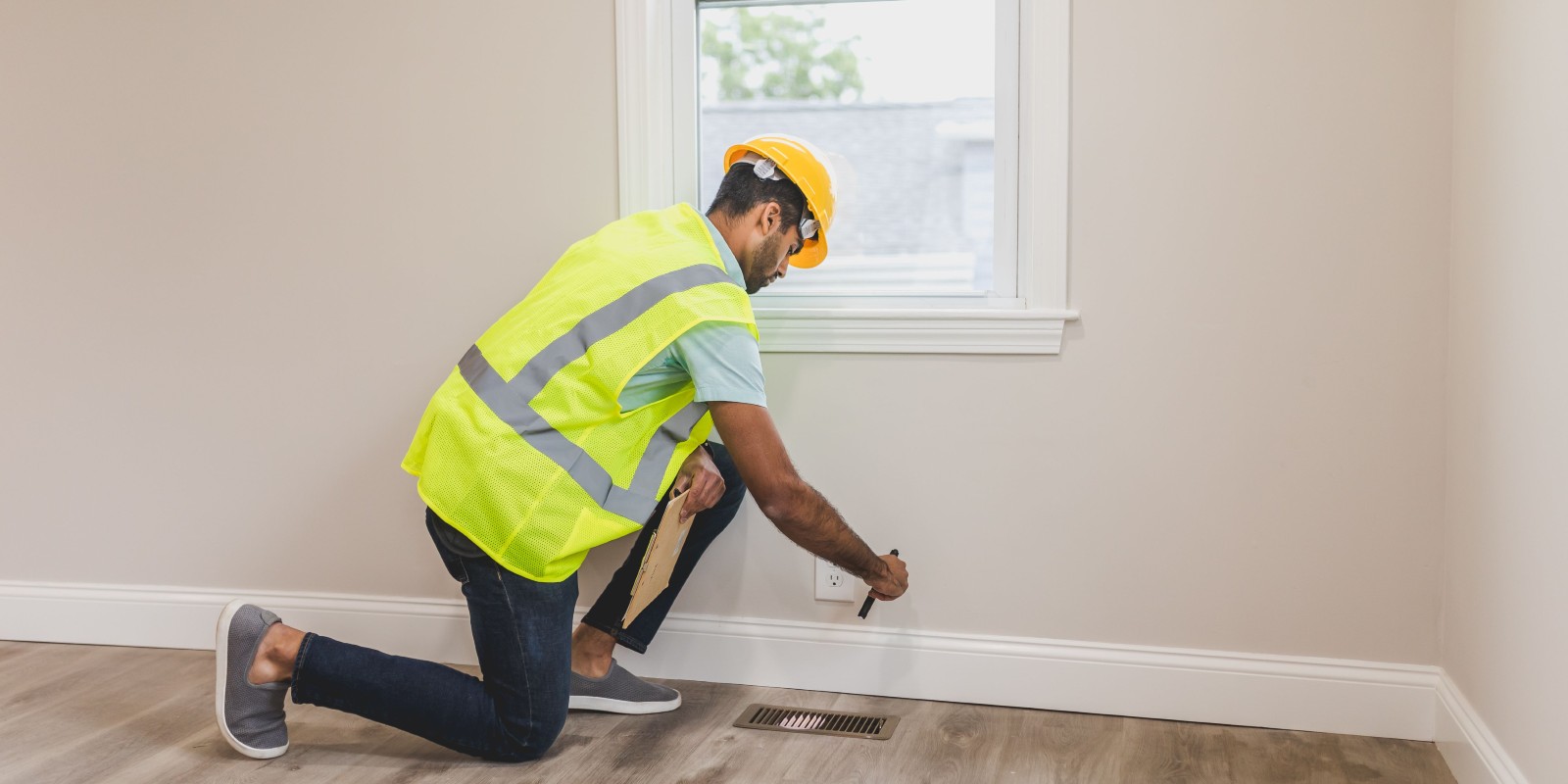
If a persistent smell has you wondering whether moisture or water damage is hiding somewhere in your home, schedule an inspection!

Topics: