
How to Choose the Right Air Duct Sealing Company: 7 Questions to Ask Before You Hire
September 4th, 2026
4 min read
You’ve noticed one room is always warmer than the others. Your HVAC system seems to run constantly. Maybe your energy bills have climbed, or you’ve been told your ductwork could be leaking.
So you start looking for a company to seal it.
But choosing the right air duct sealing company isn’t just about finding the lowest estimate. You want to know whether the company will evaluate your ductwork, explain what needs to be addressed, and clearly define what you’re paying for.
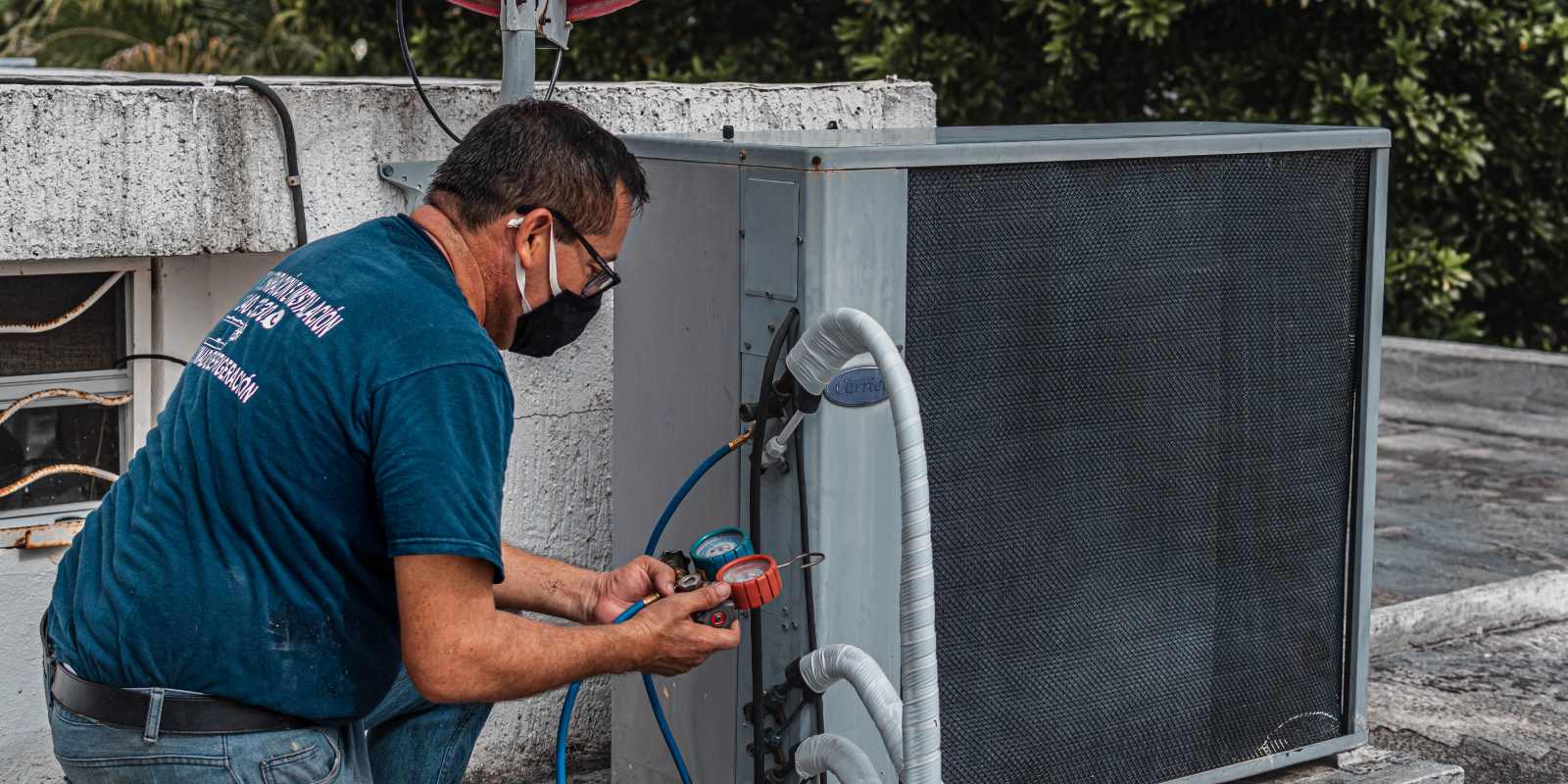
At Restore-It, we provide air duct sealing alongside HVAC cleaning services. We know that sealing shouldn't be recommended without first understanding the condition of the ductwork and the HVAC system.
That’s why, in this article, we’ll walk through seven questions to ask an air duct sealing company so you can compare your options, understand the work being recommended, and make a more informed hiring decision.
How Do You Find Leaks in My HVAC System?
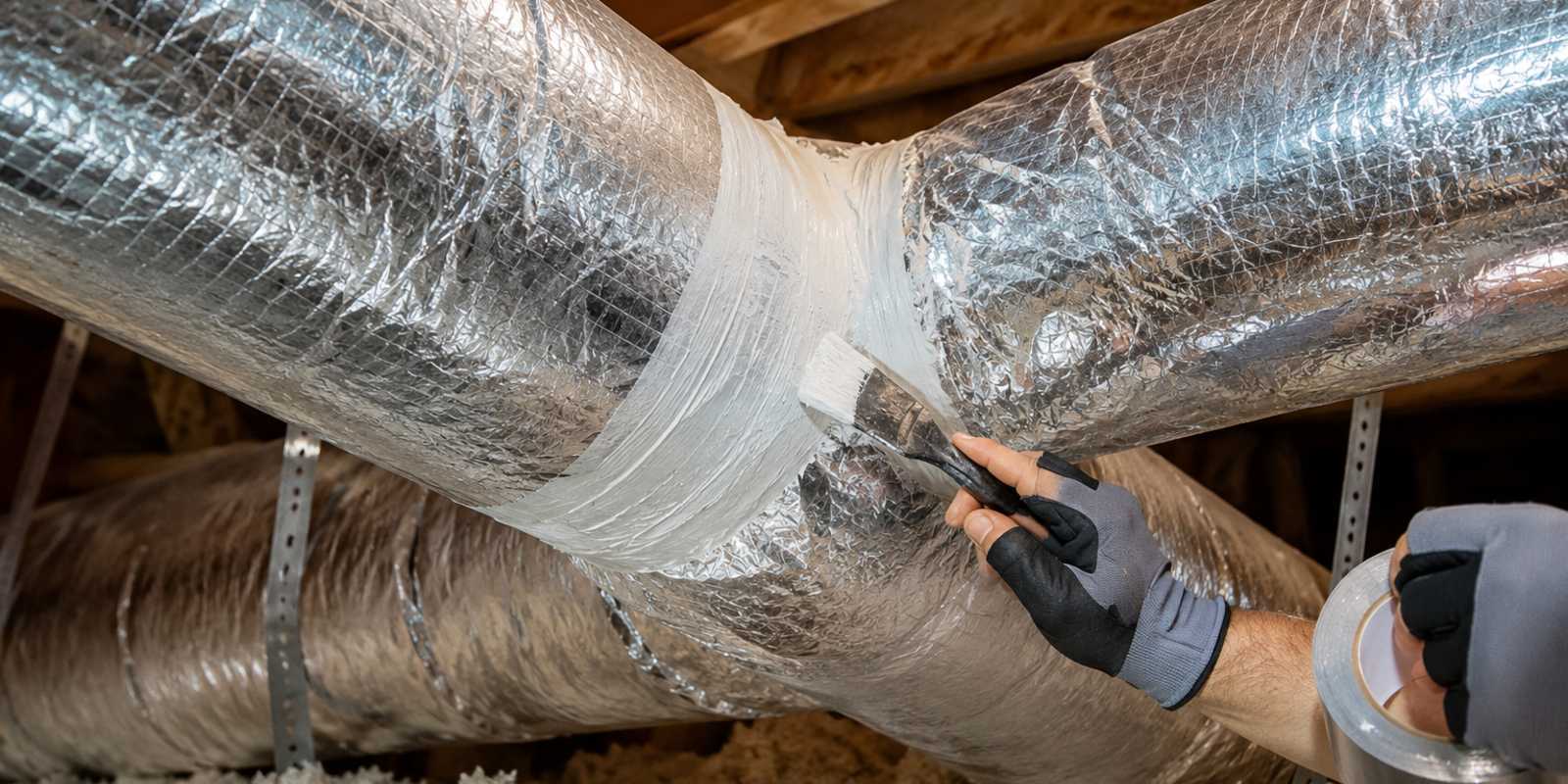
Good duct sealing starts with finding the problem, not simply applying sealant.
ENERGY STAR identifies high utility bills, rooms that are difficult to heat or cool, stuffy rooms, and ductwork in attics, crawl spaces, or garages as potential signs of poorly performing ducts.
That doesn't mean every uncomfortable room or high energy bill is caused by a duct leak. The first step is determining what is actually happening with the duct system.
Ask the company how they identify potential leakage areas before deciding what needs to be sealed or repaired.
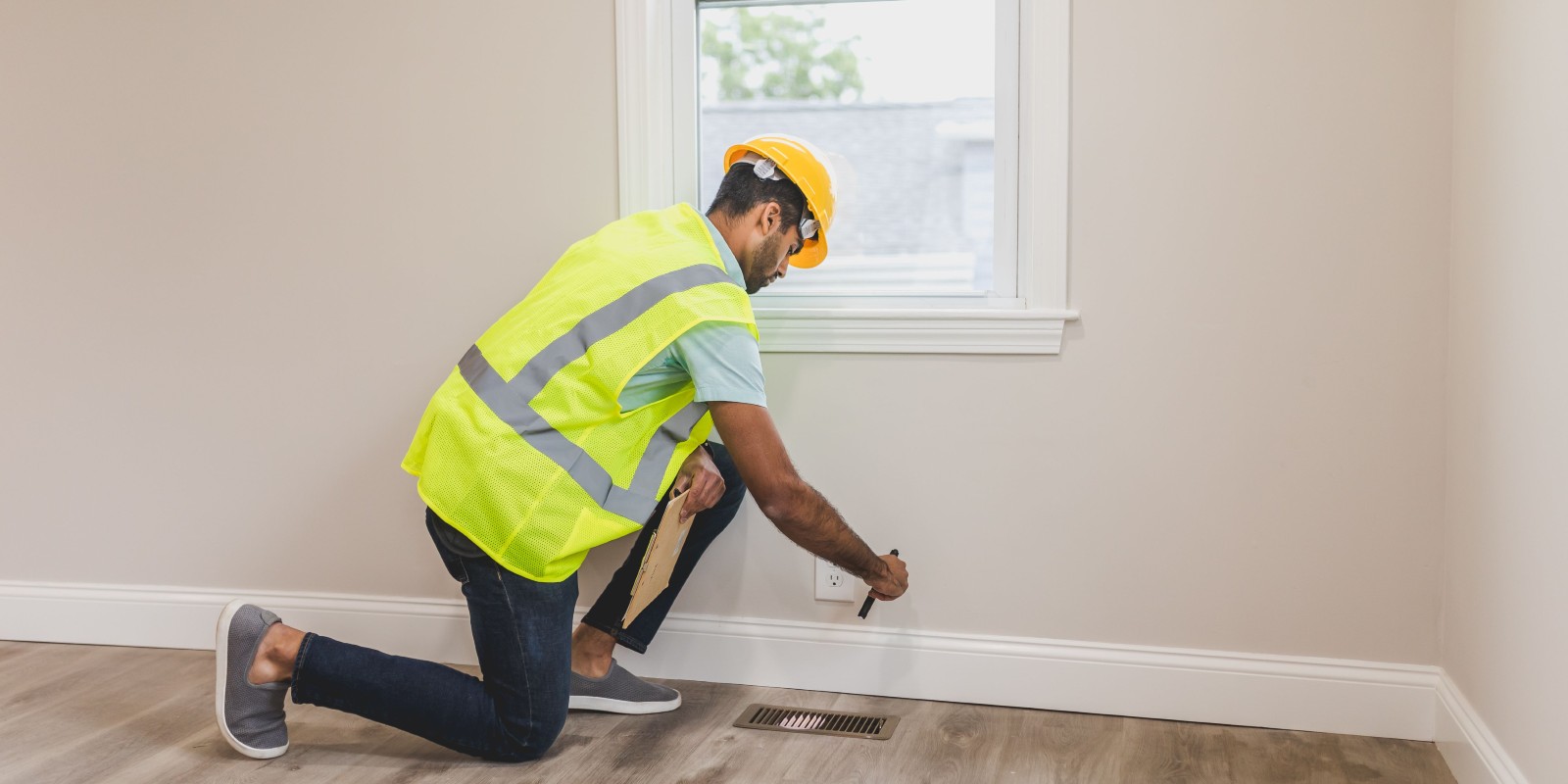
Depending on the system and what is accessible, an inspection may include looking at:
- Duct connections and joints
- Supply and return ducts
- Plenums
- Register boots
- Air handler connections
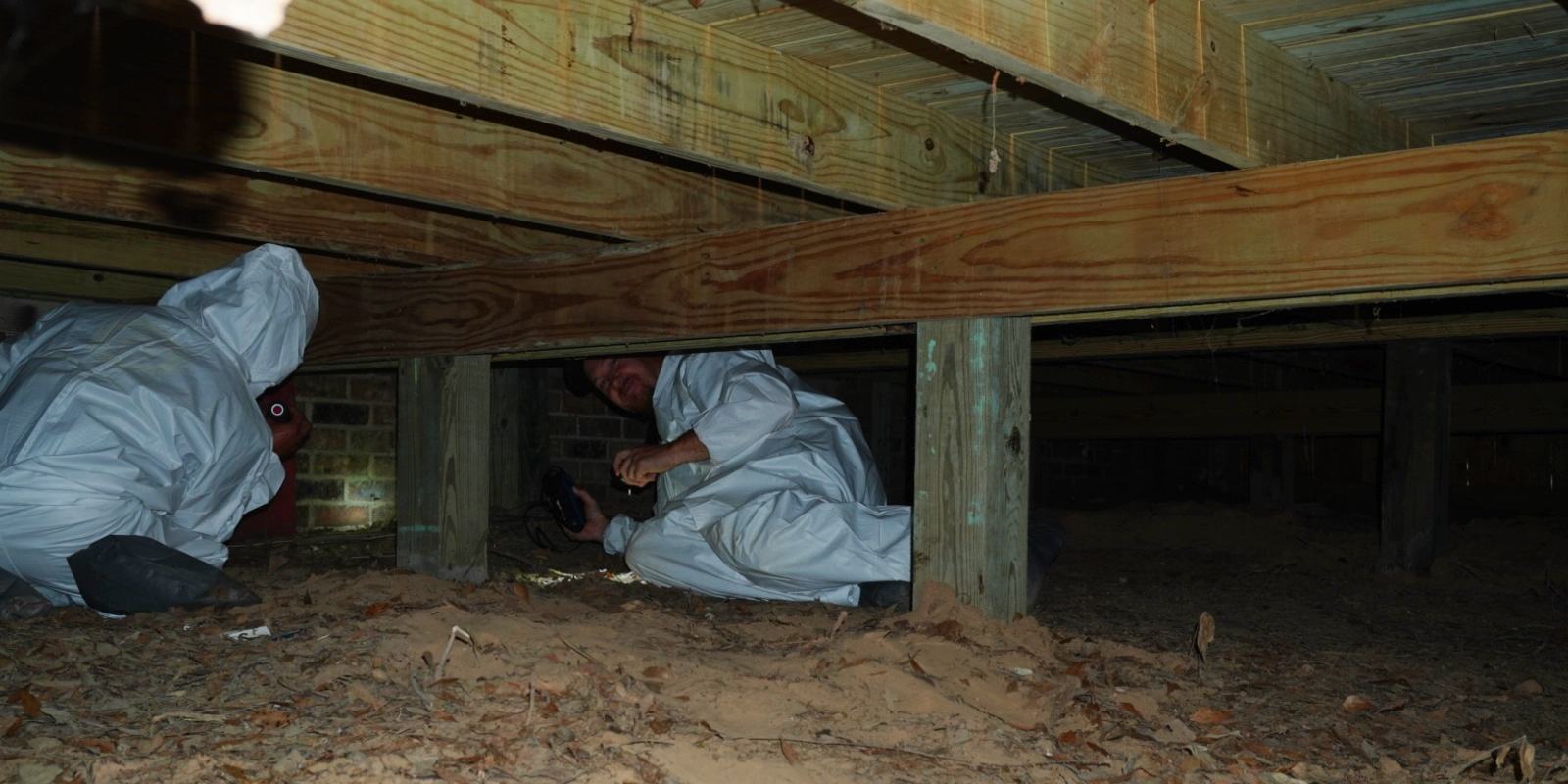
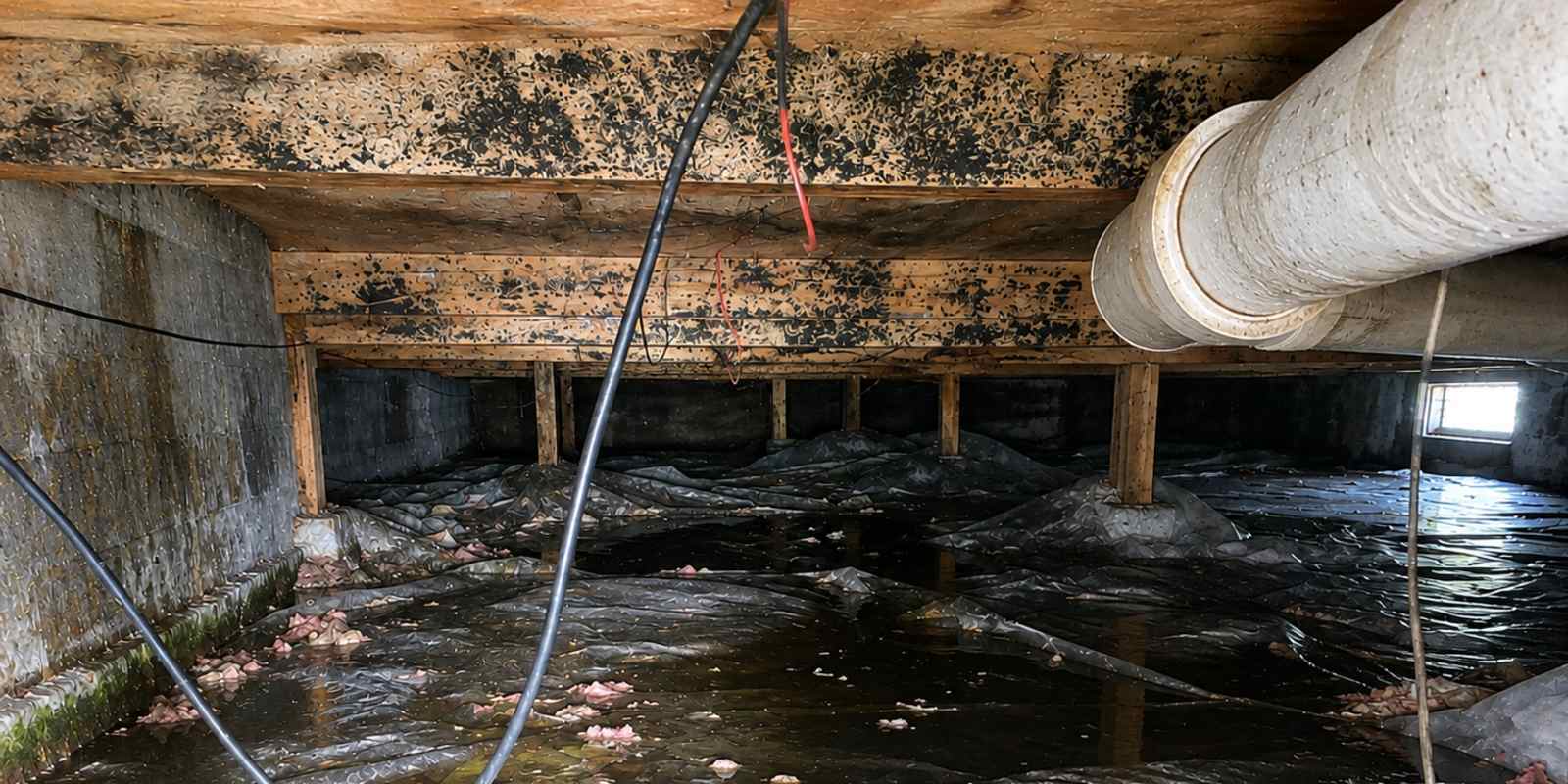
- Accessible ductwork in attics, crawl spaces, garages, or other areas
The goal is to understand where air may be escaping and what condition the ductwork is in.
A company should be able to explain what they look for during an inspection and how those findings affect their recommendations.
If a contractor wants to seal your ductwork without first evaluating the system, ask what they are basing that recommendation on.
Will You Inspect the Entire HVAC System?
Ductwork isn't always easy to evaluate.
Some sections may be accessible in an attic, crawl space, garage, or mechanical area. Other portions may run behind walls, above ceilings, or through other enclosed spaces. That doesn't necessarily mean a company can physically inspect every inch of ductwork.
What matters is whether the contractor clearly explains what they inspected, what they could not access, and how those limitations affect the work.
ENERGY STAR recommends choosing a contractor who will inspect the duct system, evaluate supply and return airflow, and address damaged or disconnected ductwork and leaks.
Ask:
- Which parts of the system can you access?
- Are you inspecting both supply and return ductwork?
- Are connections and register boots included?
- Are there areas you cannot inspect?
- Will you show me where you found potential problems?
A thorough assessment gives you a clearer picture of what you're paying to have repaired or sealed.
What Type of Sealing or Repair Do You Recommend?
Not every ductwork problem calls for the same solution.
Once the contractor has evaluated the system, ask what they found and why they recommend a particular repair.
ENERGY STAR recommends that professional contractors address problems such as damaged or disconnected ducts, leaking connections, and poorly sealed registers and grilles. [2]
Ask:
- What did you find during the inspection?
- Which areas need to be sealed?
- Are any sections damaged or disconnected?
- Does anything need to be repaired rather than simply sealed?
- What sealing materials or methods do you recommend?
- Why is that the appropriate solution?
You shouldn't have to accept “you need duct sealing” as the entire explanation. A good contractor should be able to connect the recommended work to what they actually found.
Do You Recommend Testing Before and After the Work?
Instead of simply hearing, “We sealed your ducts, so they're good now,” ask:
How will you know whether the work addressed the problem?
Depending on the project, duct leakage testing can provide measurable information about air escaping from the duct system. Testing may also provide a baseline that can be compared with results after the work.
Ask:
- Do you perform leakage testing?
- What does the test measure?
- Is testing included in the estimate?
- Will I receive the results?
- How do you use the results to determine what work is needed?
Not every project will require the same testing approach. The important part is understanding how the contractor evaluates the system and determines whether the recommended work addressed the identified problem.
Does the Company Understand the HVAC System, Not Just the Ductwork?
Ductwork is part of a larger HVAC system. Problems with the ducts can affect airflow, comfort, and how the system operates, but an uncomfortable room doesn't automatically mean you need duct sealing.
Ask whether the contractor considers:
- Supply and return airflow
- System pressure
- Air distribution
- Duct insulation
- Air handler connections
- Overall HVAC operation
A qualified contractor should be willing to evaluate the system before telling you what needs to be done.
What Experience and Training Does the Company Have?
It's reasonable to ask how much experience a company has with duct inspections, sealing, and HVAC services.
Ask:
- How long have you performed this type of work?
- What training does your team have?
- Do you hold relevant certifications?
- How often do you perform duct inspections or sealing?
Restore-It has served Southern Arkansas since 2012, giving our team 14 years of experience in the field. We approach ductwork as part of the home's overall HVAC system rather than treating sealing as an isolated repair.
What Exactly Is Included in the Estimate?
Price matters, but the number on the estimate doesn't tell you everything.
Two companies can give you very different prices because they may be proposing different scopes of work.
Before comparing estimates, ask:
- What areas will be sealed?
- Are repairs included?
- Is testing included?
- Are materials included?
- What happens if damaged ductwork is found?
- Are there areas that cannot be accessed?
- What isn't included?
For example, one company may quote basic sealing while another includes inspection, repairs, materials, and testing. Those aren't necessarily equivalent services.
Compare the scope of work, not just the final number.
Red Flags When Choosing an Air Duct Sealing Company
Be cautious if a contractor:
- Gives you a quote without evaluating the duct system
- Can't explain how potential leaks are identified
- Can't explain what work or materials are included
- Promises specific energy savings without evaluating your home
- Pressures you to authorize the work immediately
None of these automatically means a company is unqualified. But they are good reasons to slow down and ask more questions before signing a contract.
Choosing the Right Air Duct Sealing Company
You don't need to be an HVAC expert to choose a duct sealing company. You just need to know what questions to ask.
Look for a company that evaluates the duct system before recommending work, explains its findings, clearly defines the scope of the project, and can explain how it will determine whether the work addressed the identified problem.
And remember: the lowest estimate isn't always the best value if it doesn't include the same work.
If you're considering air duct sealing for your home in Southern Arkansas, Restore-It can evaluate your ductwork and help you understand what your system may need.
Contact Restore-It to schedule an inspection and discuss your ductwork with our team.
Topics: