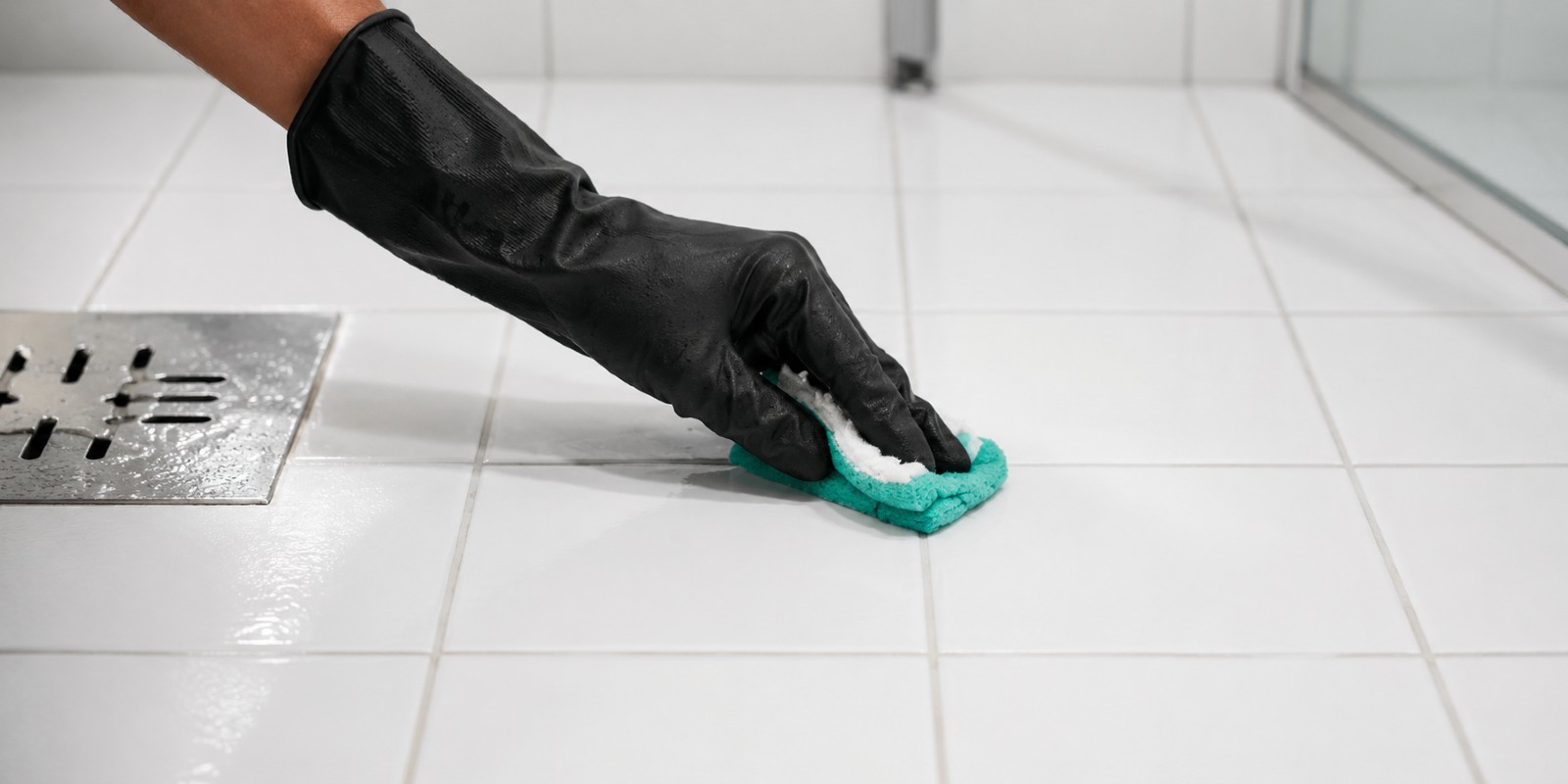

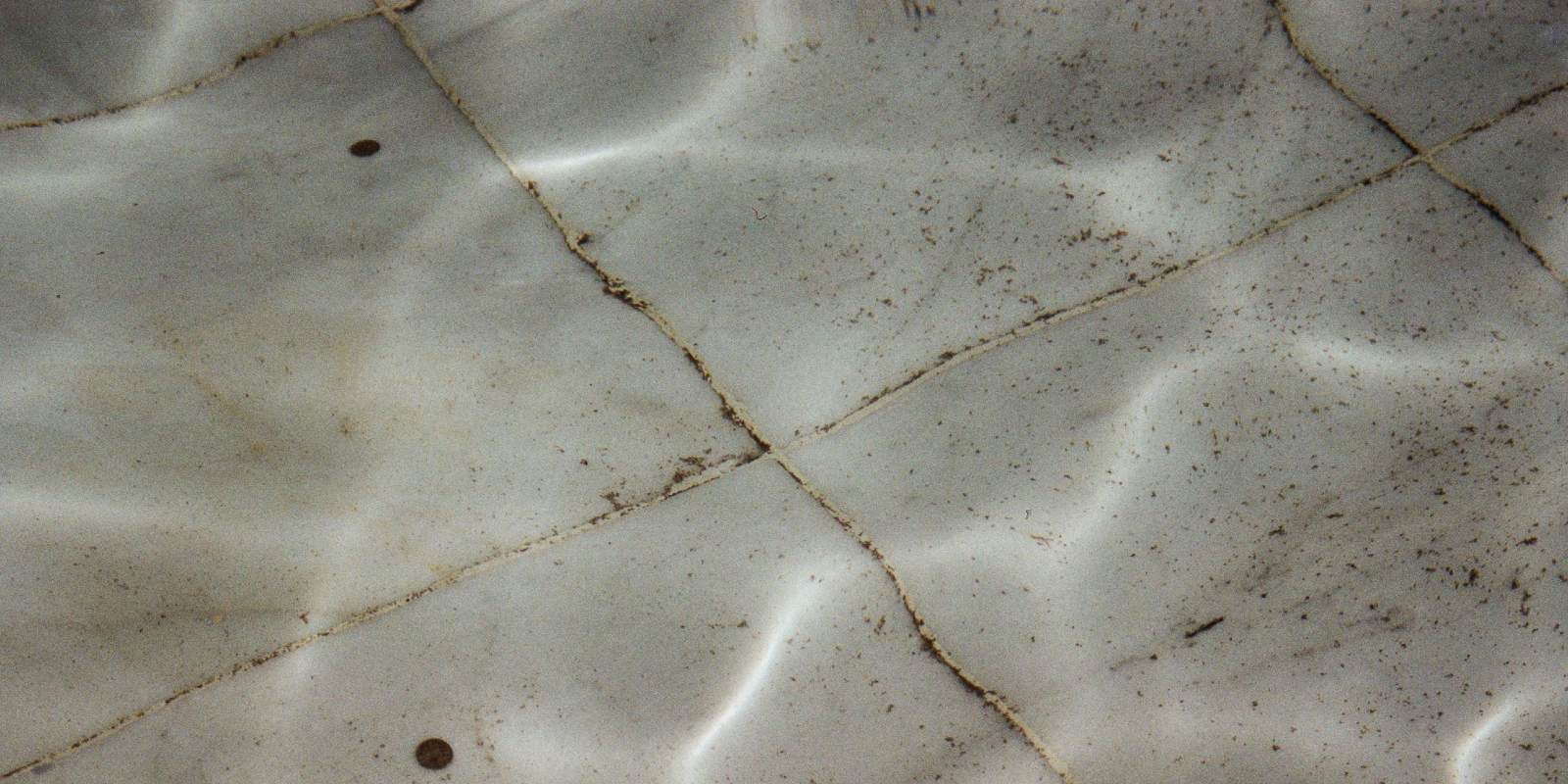
You spent an afternoon scrubbing your tile floors until they looked almost new. A week later, the grout is dark again, and the tile already looks dirty.
If that sounds familiar, you're not imagining things. Many DIY tile cleaning methods only provide temporary results because they remove surface dirt without addressing the buildup trapped deep within the grout.
In the past decade, Restore-It has helped homeowners bring life back to tile and grout that many assumed needed replacement. One thing our technicians hear frequently is, "I just cleaned these floors last weekend." Often, the problem isn't that you’ve cleaned incorrectly but that years of embedded dirt and cleaner residue can't be removed with standard household tools alone.
In this article. You’ll learn why DIY tile cleaning often fails within weeks, when home cleaning methods are enough, and the signs that it’s time to consider professional tile and grout cleaning.
Why Does DIY Tile Cleaning Stop Working So Quickly?
Carpet One, a flooring retailer, shares that there are different types of tiles: ceramic, porcelain, and natural stone. This means DIY tile cleaning often works well at first because it removes dirt from the surface. However, grout is naturally porous, meaning it absorbs grease, moisture, and dirt below the surface.
Many household cleaners can also leave behind residue that attracts new dirt, making floors look dirty again much sooner than expected.
As people continue walking across the floor, that hidden buildup gradually works its way back to the surface, making it seem like the cleaning never lasted.
|
DIY Tile Cleaning |
Professional Tile Cleaning |
|
Removes surface dirt |
Removes embedded dirt |
|
Good for routine maintenance |
Best for deep cleaning |
|
Household tools |
Commercial extraction equipment |
|
May leave residue |
Removes residue |
|
Results may last days or weeks |
Results generally last much longer with proper maintenance |
While many homeowners buy strong cleaners and others rent equipment, there comes a point where professional cleaning becomes the better option. If your biggest concern is cost, we’ve put together a detailed guide explaining what you can expect to spend on a professional service.

The 6 Biggest Reasons DIY Tile Cleaning Doesn't Last
- Grout absorbs dirt below the surface: Dirt and grease settle into tiny pores that are difficult to reach with household brushes.
- Soap residue attracts new dirt: Some cleaners leave behind a film that traps dust and grime.
- Mopping can spread dirty water: Reusing mop water or sponge mops may push dirt back into grout lines.
- Household tools don't extract contaminants: Scrubbing loosens dirt but often doesn't remove it completely.
- Hard water leaves mineral deposits: These deposits can dull tile and make grout appear stained.
- Moisture encourages mold and mildew: Damp grout can trap bacteria and discoloration over time.
If you’d rather avoid deep buildup altogether, learn how often your tile and grout should be professionally cleaned based on your home, pets, and traffic levels.

When DIY Tile Cleaning Actually Works
Professional cleaning isn't always necessary. If your floors are in good condition and you're staying on top of routine maintenance, DIY cleaning can be an effective way to keep them looking their best. Cleaning your tiles by yourself is often enough when:
- Weekly maintenance
- Cleaning spills
- Recently installed tile
- Light dirt
- Homes with sealed grout
- Preventing buildup before it becomes severe
According to Carpet One, sweeping or vacuuming weekly, mopping with the correct cleaner for your tile type, and giving grout its own cleaning routine can help maintain tile floors and extend their appearance between deep cleanings.
Routine maintenance and deep cleaning serve different purposes; once dirt, grease, and residue become embedded below the surface, household tools often can't remove them completely.
Signs Your Tile Needs More Than DIY Cleaning
Sometimes, we can tell by the amount of dirt, stains, or mud coming out of your grout what it previously. Your grout...
- still looks gray after cleaning
- has dark spots
- smells musty
- feels sticky
- becomes dirty again after only a few days
- has uneven coloring
Those are all pain points readers recognize immediately.
What Professional Tile Cleaning Does Differently
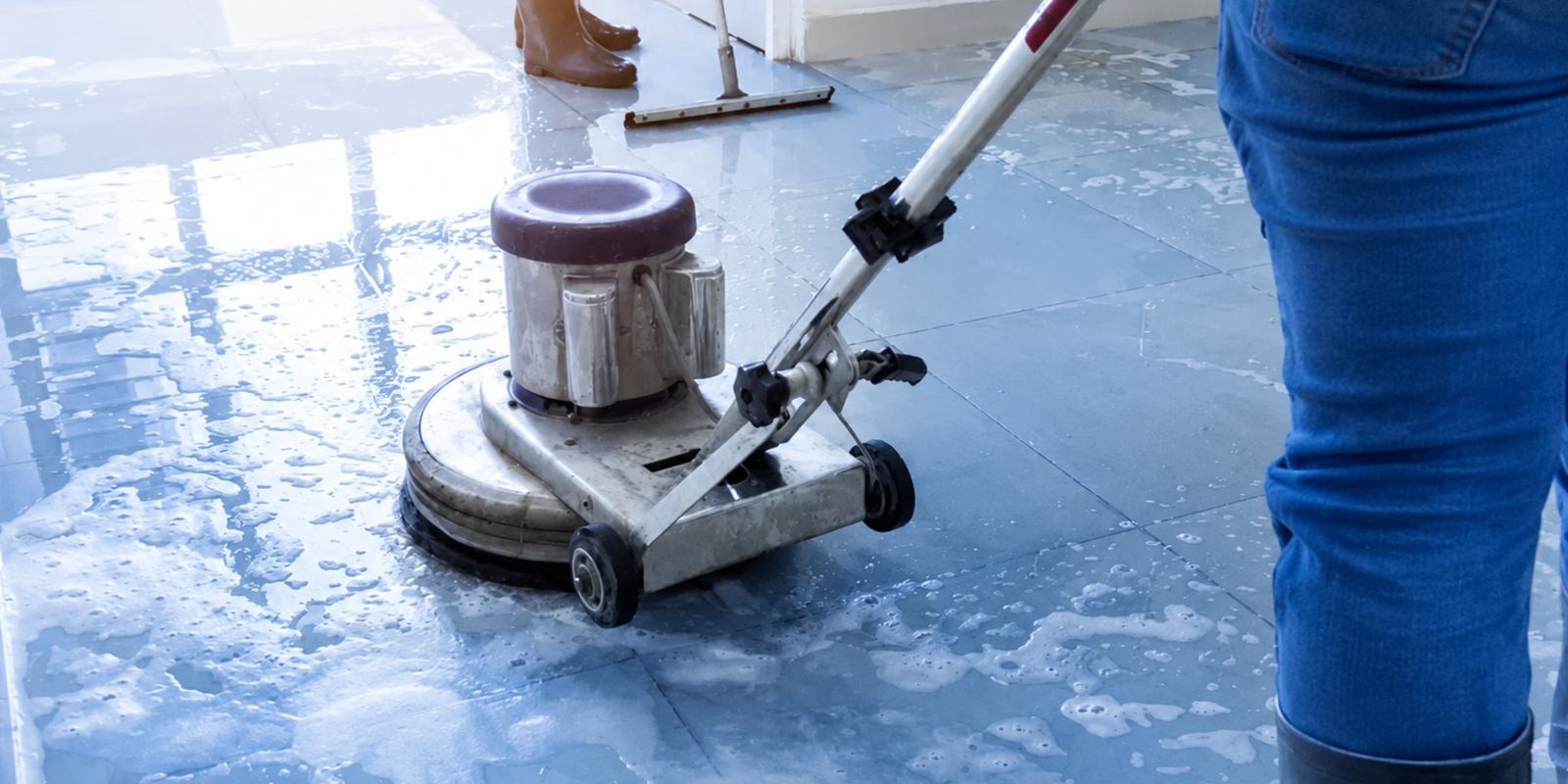
The main difference between professional and DIY is the methods, techniques, and equipment used in the process. Since professional cleaning requires different standards, it’s more detail-oriented and typically has a prior investigation to assess the damage.
|
Professional Method |
Benefit |
|
High-pressure extraction |
Removes embedded dirt from grout |
|
Heated cleaning |
Breaks down grease and stubborn soil |
|
Specialized cleaners |
Targets buildup safely for tile surfaces |
|
Residue removal |
Helps keep floors cleaner for longer |
|
Grout restoration |
Improves the appearance of stained grout |
How to Keep Tile Cleaner Longer After Cleaning
Whether you've cleaned your floors yourself or hired a professional, a few simple habits can help keep tile looking cleaner for longer.
- Sweep weekly.
- Clean spills immediately.
- Use the right cleaner for your tile type.
- Avoid excessive water.
- Rinse away cleaner residue.
- Seal grout when appropriate.
Experts recommend scheduling professional cleaning when buildup becomes noticeable.
Are You Ready to Refresh Your Tiles?
DIY tile cleaning is an excellent way to maintain your floors, but it's not always enough to remove years of embedded dirt and residue.
Have you reached the point where regular cleaning no longer delivers the results you want? Professional tile and grout cleaning can restore the appearance of your floors and help them stay cleaner for longer.
For more than 14 years, Restore-It has helped homeowners bring life back to tile and grout that many assumed needed to be replaced. If you're ready for longer-lasting results than DIY cleaning can provide, learn more about our cleaning process and discover how professional cleaning can restore the appearance of your floors.

Topics: