Your living room may show smoke damage while your heating and cooling equipment looks perfectly normal. If you're a homeowner in El Dorado, Camden, or elsewhere in South Arkansas, you may wonder whether smoke reached parts of your HVAC system you can't see. With so much to sort through after a fire, it's understandable that this concern might not be your priority.
At Restore-It, we help homeowners navigate fire and smoke damage and understand what their properties may need next. Our restoration experience helps us recognize why visible damage alone may not tell the whole story.
Your HVAC system may need attention after a fire, but that doesn't automatically mean you need complete duct cleaning or equipment replacement. In this guide, we'll explain what to look for, when to keep your system off, and how an assessment can help determine the appropriate next steps.
Can Smoke and Soot Reach Your HVAC System After a Fire?
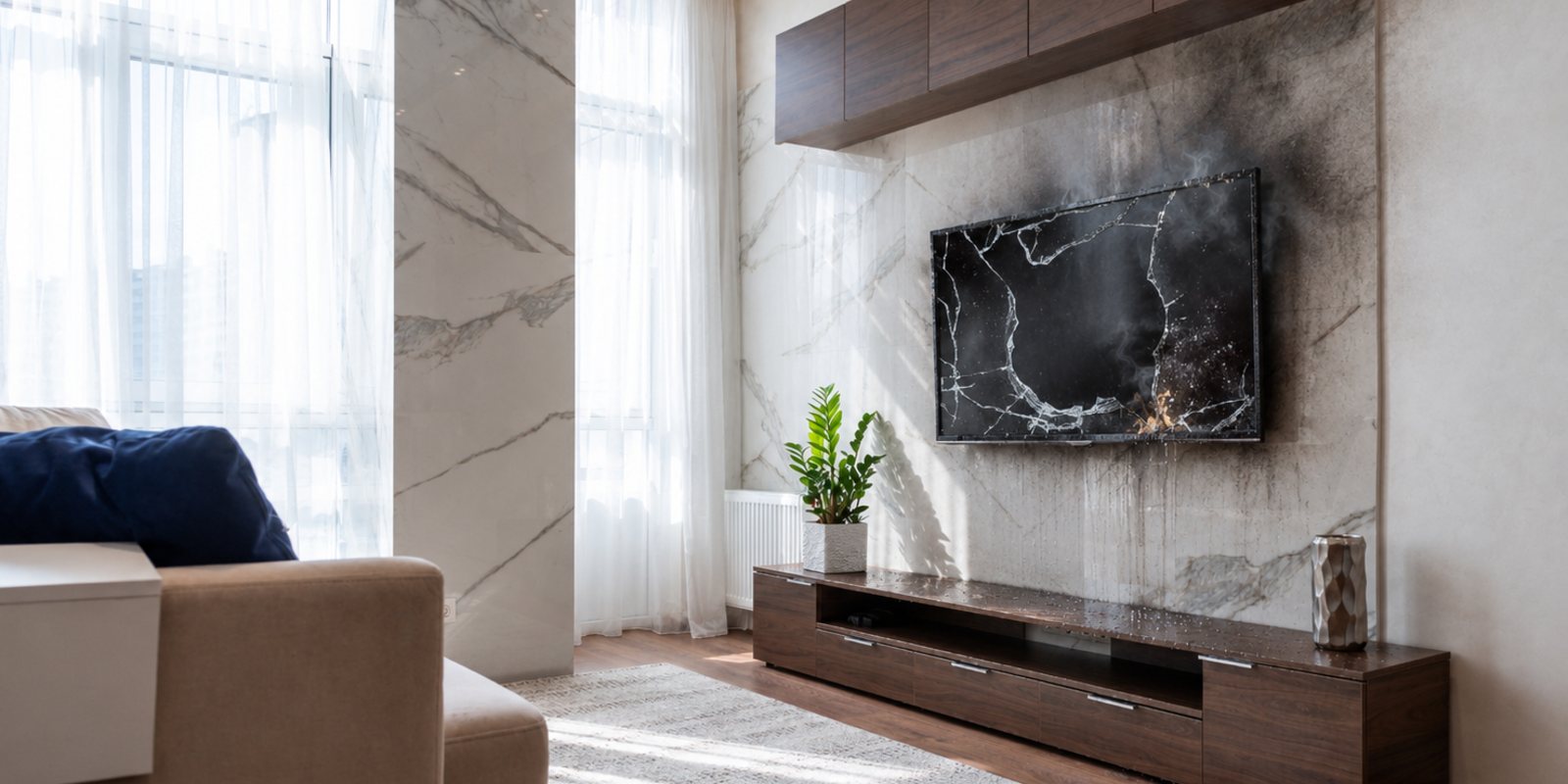
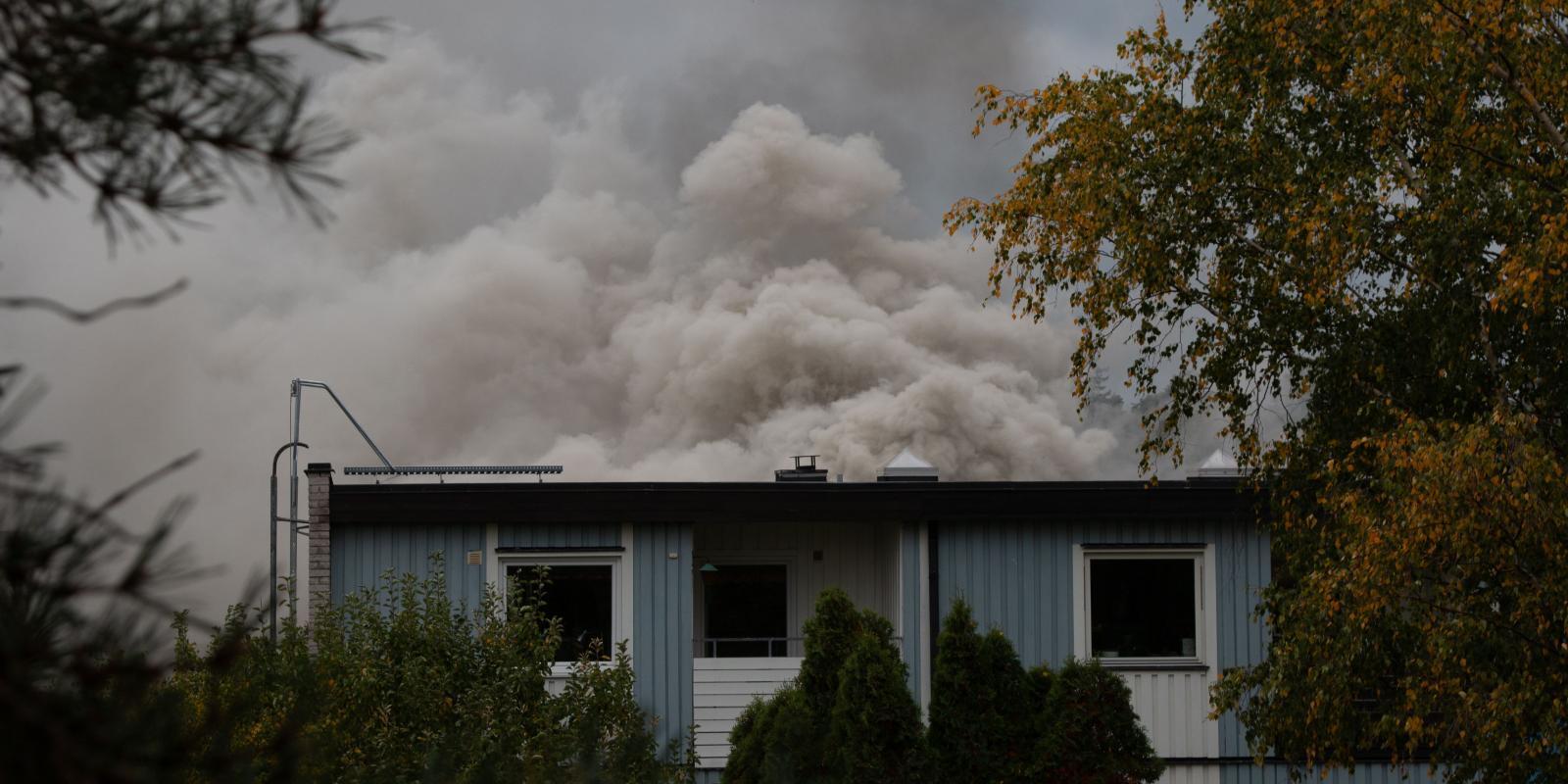
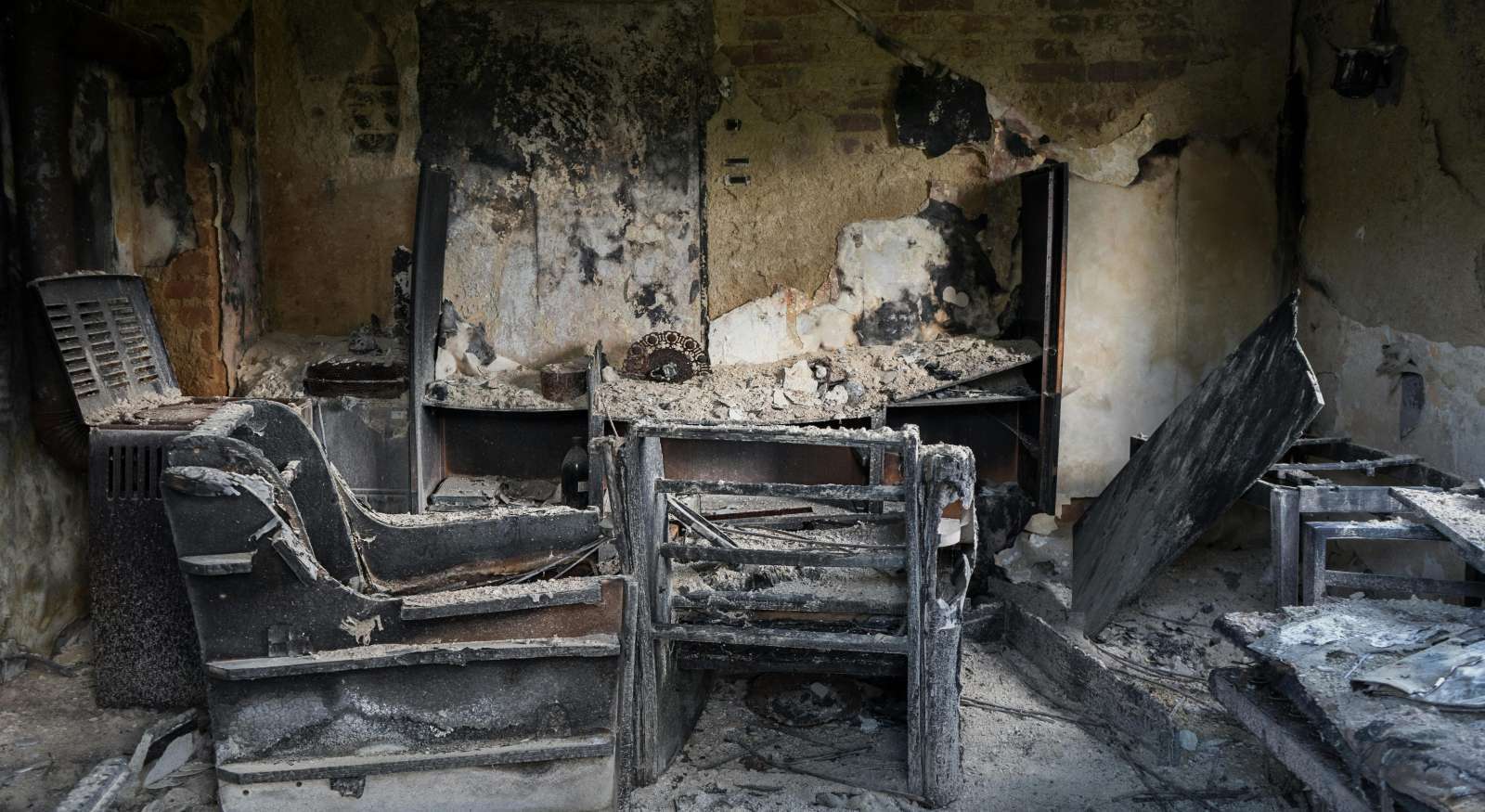
Yes. Smoke can travel beyond the room where a fire started, potentially reaching air returns, filters, ductwork, and other HVAC components. The extent of contamination depends on the fire and how smoke moved through the home.
A fire may affect your system in several ways:
- Smoke residue: Can settle on surfaces and components outside the room where the fire started.
- Soot: May collect around vents or inside affected parts of the system.
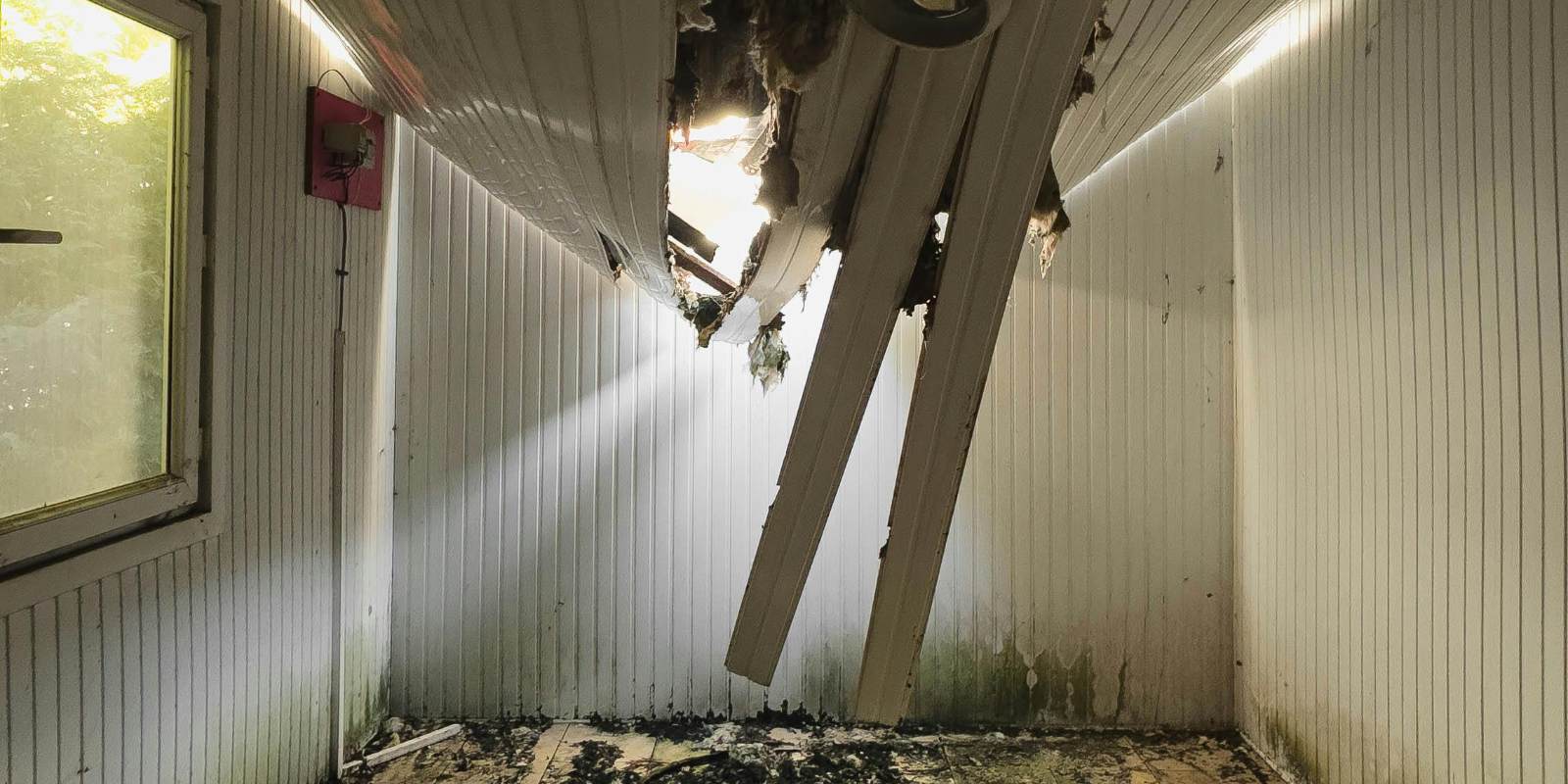
- Heat and firefighting water: Can damage equipment, wiring, insulation, or other components, depending on exposure.
A system doesn't have to be directly burned to warrant an assessment. However, that doesn't mean every home needs complete duct cleaning after a fire. The goal is to identify what was affected and determine what actually needs attention.
If you want to understand why smoke residue deserves attention beyond its appearance, read our guide to smoke and soot risks after a fire.

Should You Run Your HVAC System After a House Fire?
If you suspect smoke contamination or fire-related damage, keep your HVAC system off until it has been assessed. Running it may circulate residue into other areas of your home. Damaged electrical or mechanical components can also present safety concerns.
Here are three practical steps to take:
- Leave the system off if contamination or damage is suspected, provided you can do so safely.
- Avoid opening equipment or cleaning internal components yourself. You may disturb residue or overlook hidden damage.
- Arrange an assessment before restarting the system.
If you notice a burning smell, visible soot, or suspected electrical damage, do not assume changing the filter will solve the problem.
Once you have addressed this immediate concern, you may also need to consider the rest of your home. Our guide below explains how the broader restoration process can help homeowners determine what needs attention after a fire.

What Signs Suggest Your HVAC System Needs Attention?
Some warning signs are easy to notice, but you can't always see the full extent of the damage from inside your home.
Look for:
- A lingering smoke odor that seems stronger when the system operates.
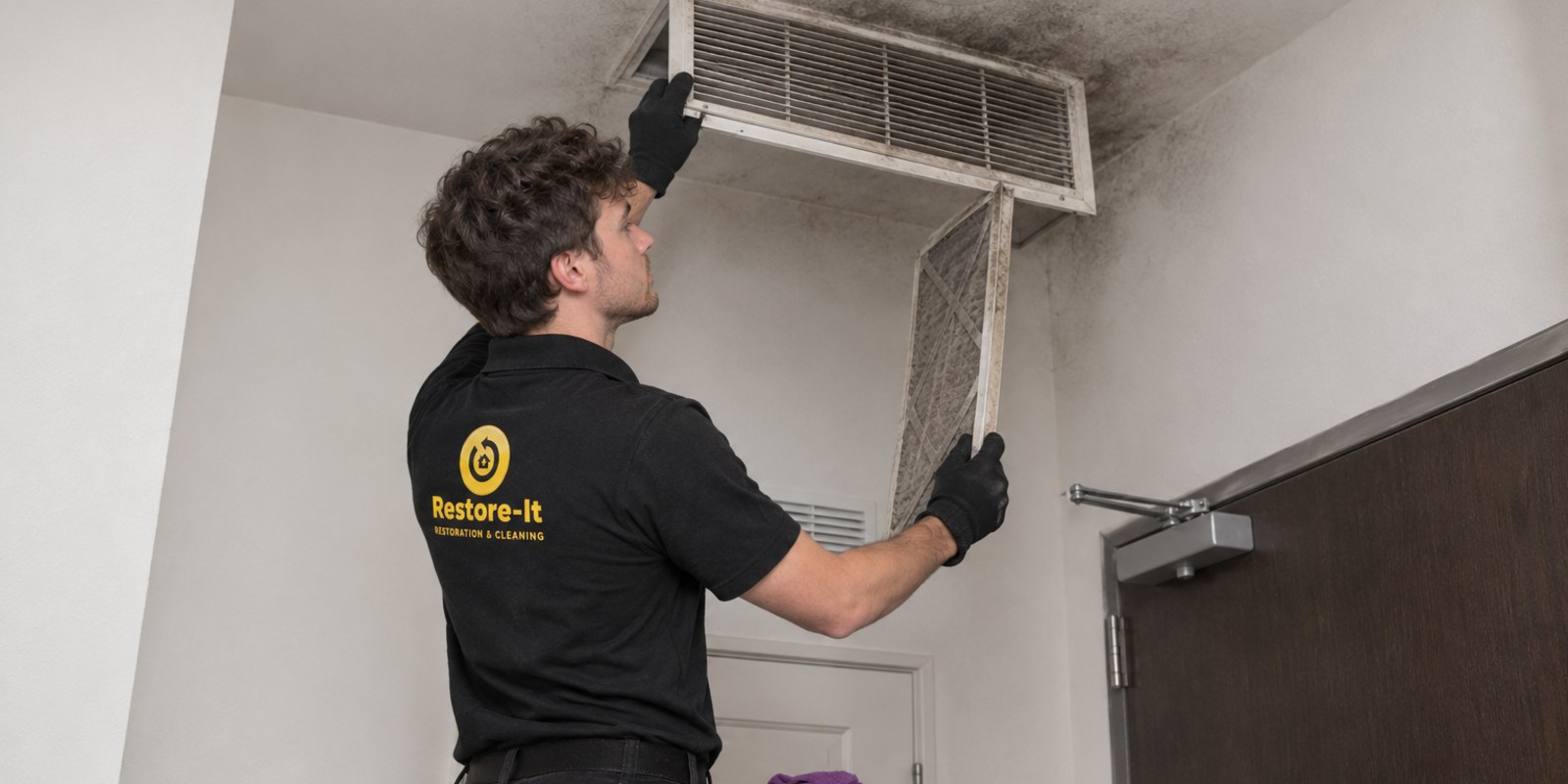
- Soot or unusual dark residue around vents or air returns.
- Visible residue on an accessible filter or component.
- Signs of heat or water damage near the HVAC equipment.
Clean-looking vents don't guarantee that the entire system is unaffected. Likewise, an odor alone cannot tell you which component is affected or what kind of cleaning is necessary.
If you notice any of these signs, have the system assessed rather than trying to diagnose the problem yourself.
Does Your HVAC System Need Cleaning or Repairs After a Fire?
Not every fire-damaged HVAC system needs the same solution. An assessment can help determine whether cleaning is appropriate, equipment repairs are necessary, or affected components need replacement.
|
What the assessment finds |
What may be needed |
|
Smoke residue on affected, cleanable components |
Appropriate professional cleaning |
|
Soot inside ductwork or the air handler |
Assessment and targeted cleaning |
|
Heat or electrical damage |
Evaluation and repairs by a qualified HVAC technician |
|
Water exposure or damaged duct insulation |
Moisture assessment, repair, or replacement |
|
Components that cannot be adequately restored |
Replacement of affected parts or equipment |
The National Air Duct Cleaners Association (NADCA) Commercial Checklist, Section 4.24, states that HVAC components exposed to heat and smoke must be evaluated for restoration. It also addresses replacing components that cannot withstand proper cleaning and restoration.
This matters because cleaning and mechanical repairs solve different problems. Removing soot won't repair damaged wiring, and repairing equipment won't necessarily remove smoke residue. The assessment should establish which work is justified.
The U.S. Environmental Protection Agency's guidance on air duct cleaning also advises against routine duct cleaning without a reason. After a fire, the important question is whether smoke residue or other damage has affected the system and what work is appropriate.
What Should an HVAC Inspection After a Fire Include?
You do not need to know every technical detail before requesting an assessment. However, it helps to understand what a professional may need to evaluate.
Depending on the damage, an assessment may include:
- Reviewing where the fire occurred and how smoke, heat, and water may have affected the system.
- Checking accessible filters, registers, ductwork, and equipment components for visible residue or damage.
- Determining whether cleaning, repairs, or replacement are appropriate.
- Identifying whether a restoration professional and an HVAC technician need to coordinate their work.
Before approving a quote, ask what was inspected, what the findings show, and whether the proposed work covers all affected components or only selected areas.
Restore-It can help homeowners assess fire and smoke damage and understand the restoration steps they may need. When the HVAC equipment itself requires mechanical evaluation or repairs, a qualified HVAC technician may also be necessary.

What Should You Do Next?
After a fire, you already have plenty to work through. Your HVAC system may not be the first thing you think about, especially when the damage isn't visible. Still, determining whether smoke, soot, heat, or water affected the system is an important step before returning to normal operation.
You don't have to guess what your home needs. If your property has experienced fire or smoke damage, contact Restore-It to discuss the damage and your next steps. We'll help you understand the broader restoration needs and when an HVAC professional should evaluate the system.

With the right assessments and a clear plan, you can address the damage, make informed decisions about repairs, and work toward returning to your normal routines.
Your home deserves a thoughtful recovery, not just a quick cleanup. Restore-It is here to help you navigate the restoration process with care, experience, and a focus on what matters most: getting your home back to a safe, comfortable place to live.
Topics: