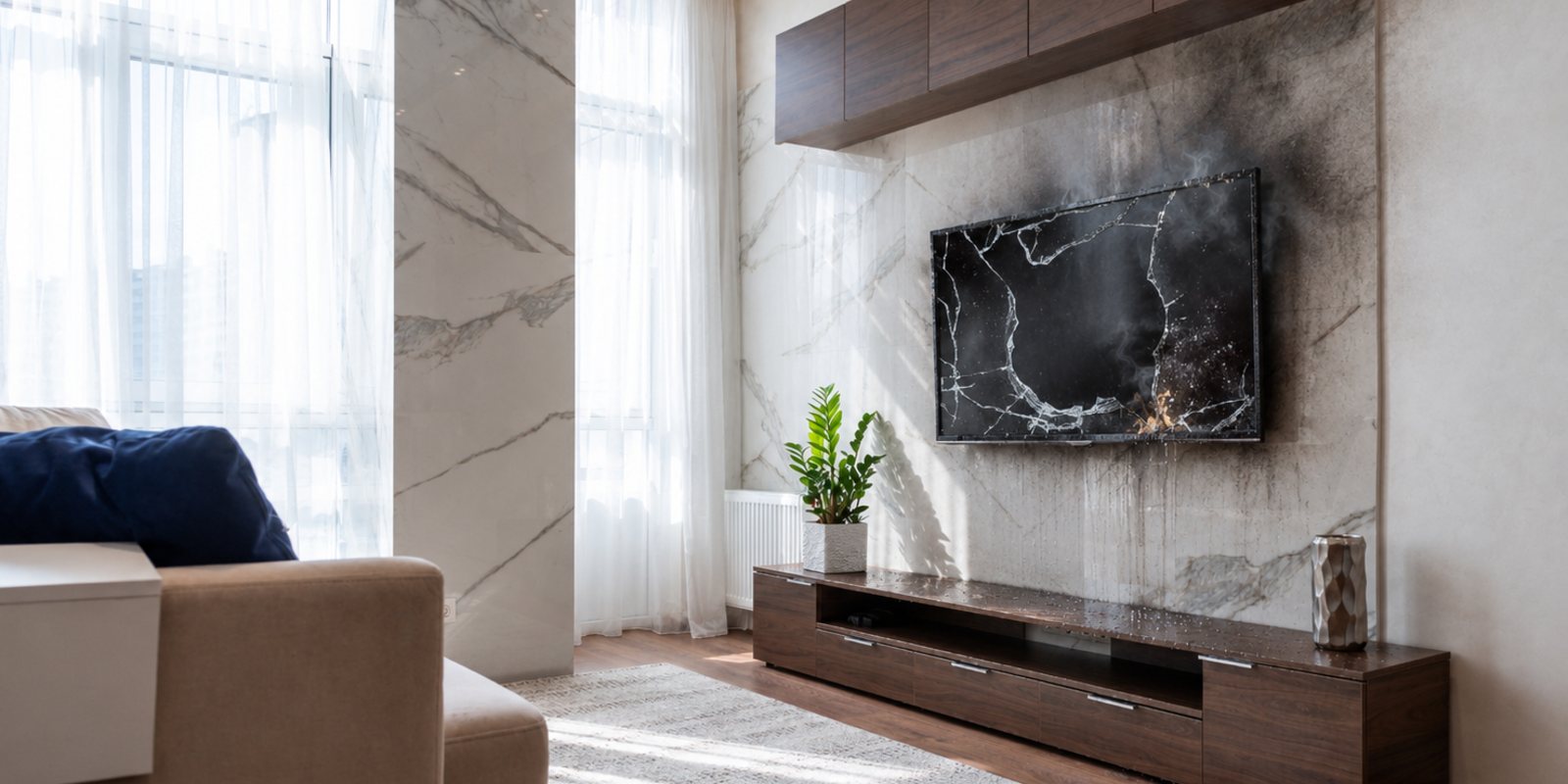
Your television still has an intact screen. Your laptop has a thin layer of soot, but the casing looks fine. Your phone got wet while firefighters were putting out the fire. Can these devices still be saved, or will you need to replace them?
The tricky part is that visible damage doesn't always tell the whole story. Smoke residue can work its way inside electronic equipment, water can reach sensitive components, and heat can cause damage you may not notice until you try to use a device.
In our 14-plus years of experience, Restore-It has helped property owners navigate fire and smoke damage. We know that figuring out what can be saved is an important part of getting back to normal. Electronics need special care because cleaning the outside doesn't necessarily address what's happening inside.
In this guide, we'll explain how smoke, soot, heat, and firefighting water can affect your electronics, what to avoid when handling damaged devices, and how to decide whether to seek professional assessment, repair, or replacement.
Can Electronics Be Saved After a Fire?
Yes, some electronics exposed to smoke, soot, or firefighting water can be recovered, but not every device can be safely restored. The outcome depends on the type of exposure, how severe the damage is, and whether internal components can be cleaned, repaired, and tested.
A television across the room from a fire may have a different level of damage than a computer near the flames. Likewise, a device exposed to smoke alone may need a different assessment than one soaked by firefighting water.
Appearance is not a reliable way to judge the damage. A device that turns on may still have internal contamination or damage that affects its reliability.
If you are trying to understand how soot affects circuit boards and what recovery may involve, read our guide to fire and smoke damage restoration for electronics.

How Do Smoke, Soot, and Firefighting Water Damage Electronics?
Different types of exposure create different problems. Understanding them can help you see why a device needs more than a quick wipe-down before it can be used again.
Smoke and Soot Can Reach Internal Components
Smoke carries particles and residue that can settle on surfaces and enter openings in electronic devices. Computers, gaming consoles, televisions, and other equipment with ventilation openings may allow contaminants to reach internal components.
Depending on the residue and exposure conditions, soot can interfere with electrical connections and contribute to corrosion. Dust and residue inside cooling systems can also affect how well a device releases heat.
Even a thin layer of soot on the outside does not tell you how much may have entered the device. Cleaning the casing alone will not address contamination inside.
Smoke can also affect furniture, walls, and other belongings throughout the home. Learn why the effects may extend beyond the room where the fire started below!

Firefighting Water Can Cause Hidden Damage
Water used to extinguish a fire can enter electronics through openings, seams, and connections. Moisture may damage components, while minerals or other contaminants left behind can cause additional problems.
A device may look dry after several hours while internal parts remain wet or damaged.
Apple's guidance for liquid-exposed iPhones advises users not to charge a device until it is completely dry because charging while wet can cause damage. Firefighting water may contain additional contaminants, so ordinary phone-drying advice cannot confirm that a fire-exposed device is safe to use.
If water affected other parts of your home, our guide to what to do after water damage can help you understand the next steps.
 Direct Heat Can Damage More Than the Casing
Electronics do not have to catch fire to sustain heat damage. High temperatures can affect circuit boards, batteries, screens, insulation, and plastic components.
A melted casing or warped screen is an obvious warning sign, but some heat-related damage may be less visible. Batteries that have been exposed to fire or extreme heat may also present safety risks.
Do not attempt to power on a heat-damaged device to see whether it still works. Have it assessed by a qualified specialist.
What Should You Do if Your Electronics Were Exposed to Fire Damage?
You may want to check devices containing family photos, important files, or work information. Turning them on too soon can make damage worse.
Here are the safest next steps:
- Do not turn on or charge affected devices. Smoke residue, moisture, or internal damage may create electrical problems when power is applied.
- Avoid cleaning the inside yourself. Household cleaners, scrubbing, and compressed air may spread residue or damage delicate components.
- Do not handle unsafe electrical equipment. If a device is wet, connected to damaged wiring, or near standing water, stay clear until the area is safe.
- Document the damage when it is safe to do so. Take photographs and make a list of affected devices, including their brands, models, and serial numbers when accessible.
- Seek a qualified assessment. An electronics repair or recovery specialist can evaluate whether cleaning, repair, or replacement is appropriate.
If your home has other visible or hidden damage, you may also find our guide to problems that can remain in a fire-damaged home helpful.

How Do Professionals Decide Whether Electronics Can Be Restored?
A specialist considers the type and extent of damage, the condition of internal components, and whether the device can be returned to safe operation.
An assessment may consider:
- Type of exposure: Was the device affected by smoke, soot, water, heat, or a combination?
- Internal condition: Are circuit boards, connectors, power supplies, or batteries damaged?
- Recovery options: Is specialized cleaning or repair suitable for the device?
- Cost and value: Is recovery practical compared with replacement?
- Testing: Can the device be properly tested after the work?
Some electronics and hard belongings can be cleaned using specialized methods. Restore-It's article on how professionals pack out and protect belongings after fire or water damage explains how contents may be handled and evaluated during restoration.

What About Your Insurance Claim?
Replacing a laptop, television, or other electronic equipment can add to the cost of recovering from a fire. Before deciding whether to repair or replace a damaged device, find out what your homeowners or business insurance policy covers.
Review coverage limits, exclusions, deductibles, and documentation requirements. If you are unsure what applies, contact your insurer and ask what benefits may be available and what conditions could affect your claim.
Keep photographs of damaged electronics, purchase receipts if available, model and serial numbers, and any written repair estimates. Before throwing away a device or authorizing repairs, ask your insurer whether they need to inspect it or receive additional documentation.
The U.S. Fire Administration's guidance for recovering after a fire recommends contacting your insurance company and documenting your losses as part of the recovery process. Following these steps can help you prepare the information needed to discuss your claim, although coverage and reimbursement depend on the terms of your policy.
Protect Your Belongings While You Plan Your Next Steps
After a fire, avoid deciding what to replace based only on visible damage.
Prioritize safety, document the damage when possible, and have affected electronics assessed before using them again. Some devices may be recoverable, while others may need specialized repair or replacement.
Restore-It helps communities in South Arkansas address fire, smoke, and related property damage. Dealing with fire damage at home? Contact us to talk through the damage and your next steps. If your electronics may have internal damage, have a qualified specialist check them before using them again.

Topics: