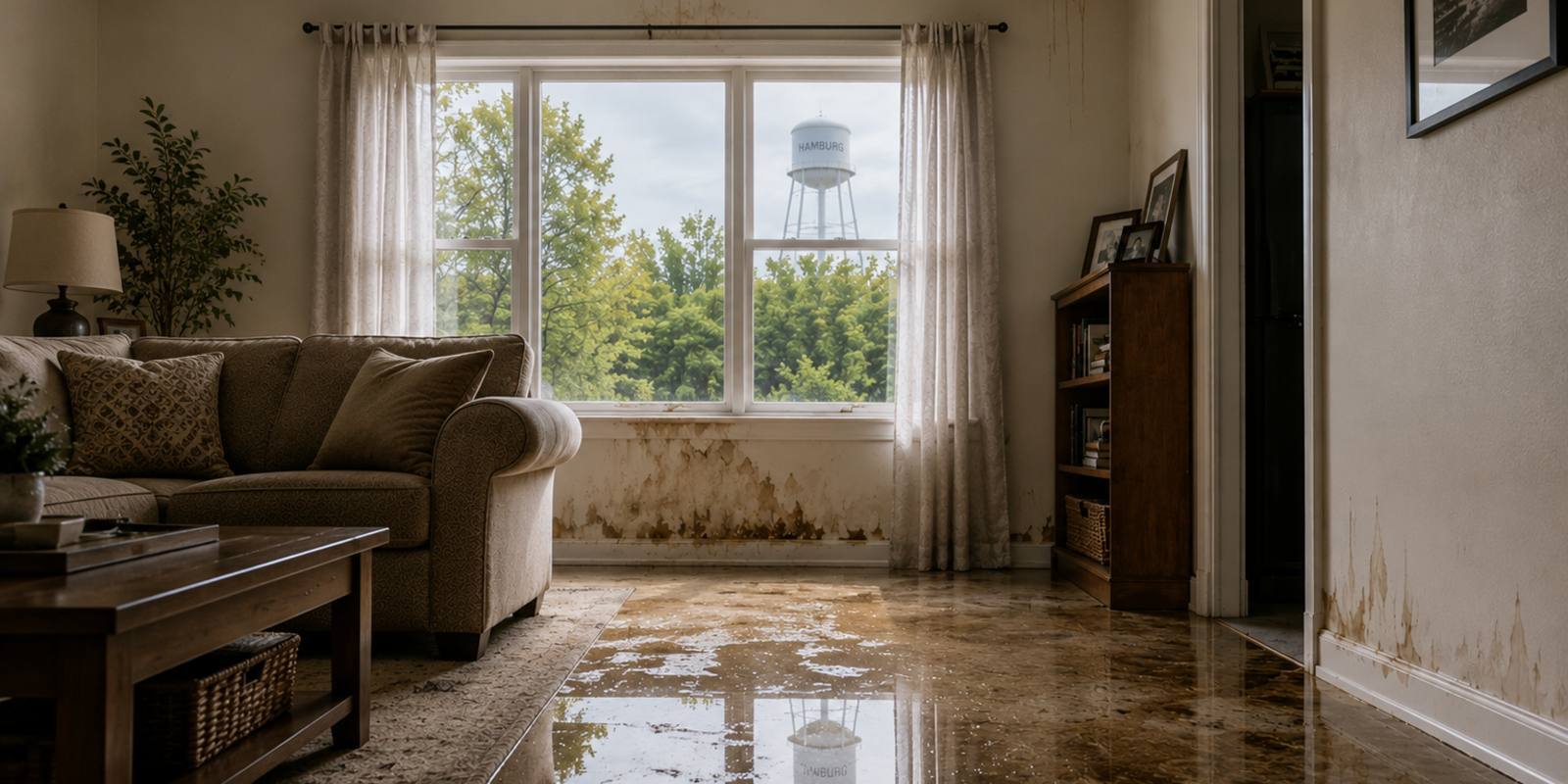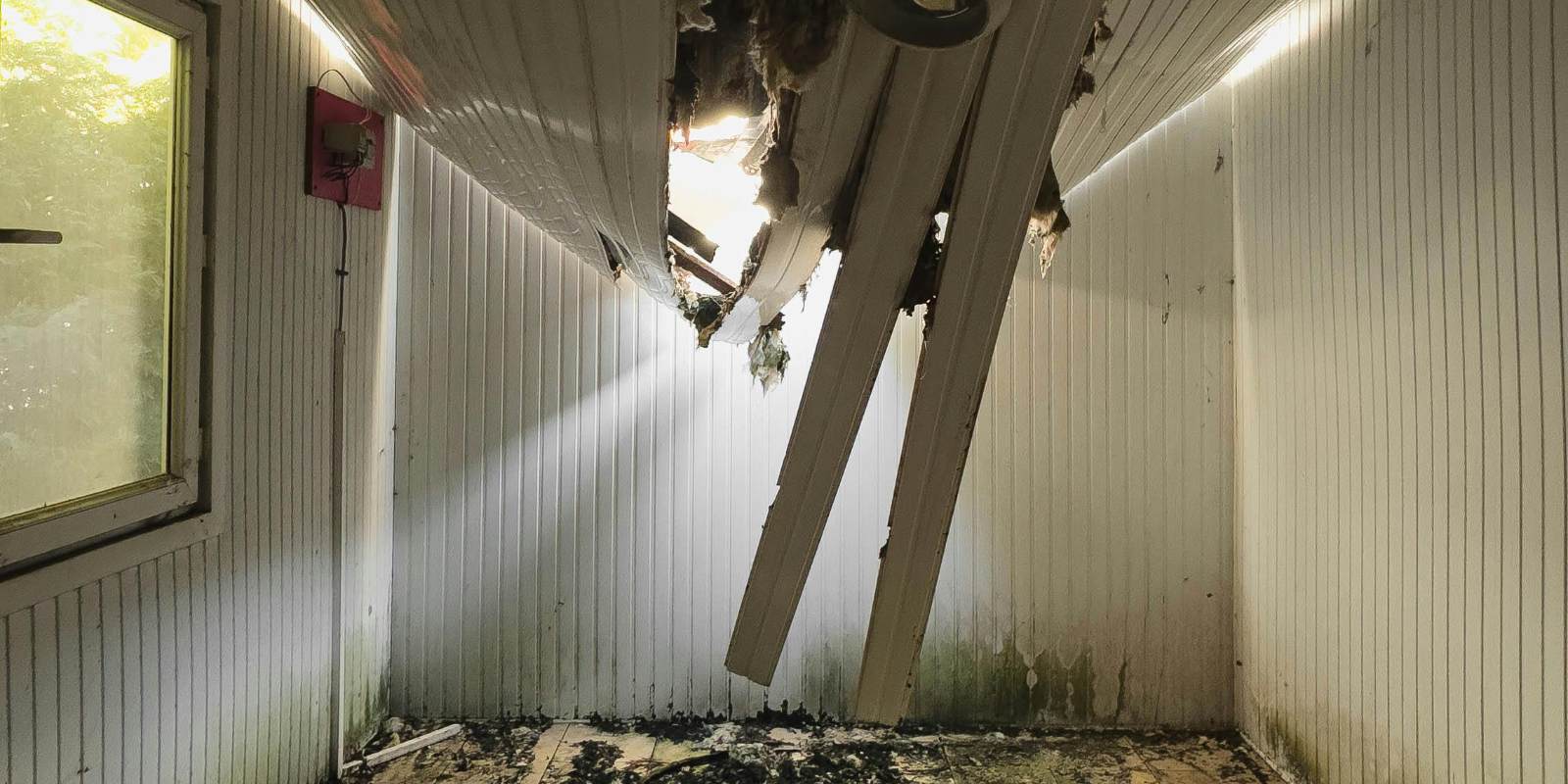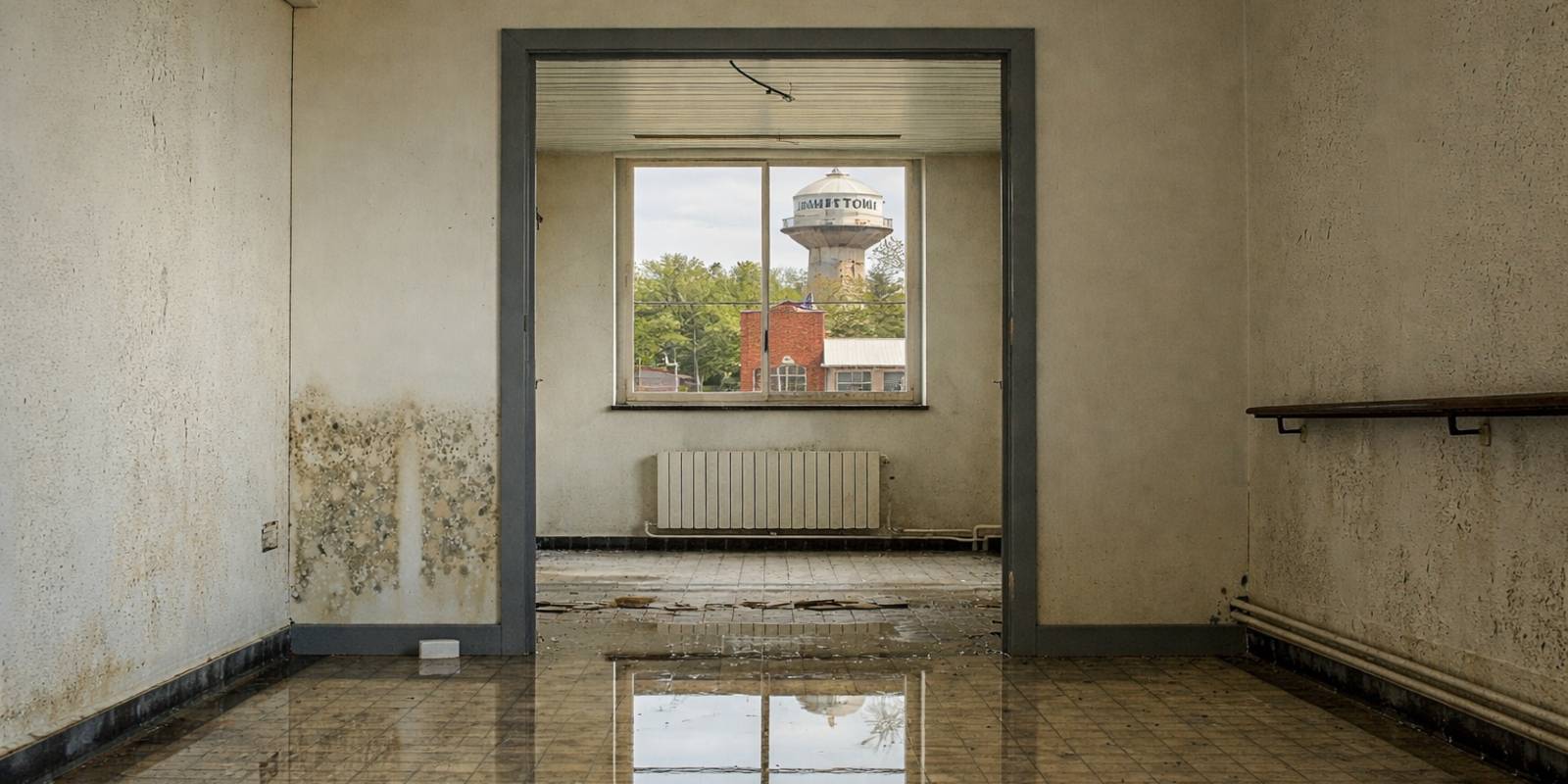
Getting a school building ready for students after water damage raises an important question: How can administrators know what has been addressed and what still needs attention? Visible water may be gone, but moisture can remain inside walls, beneath flooring, or in other areas that are difficult to assess without proper measurements.
With over 14 years of restoration experience, Restore-It understands the importance of tracking drying progress, documenting completed work, and identifying concerns that need further attention. For school administrators and facilities teams, these records help establish a clearer picture of the building's condition and support communication with district leadership and qualified professionals.
This guide explains what schools should document after water damage, which records to keep, and how that information can help inform reopening decisions.
Why Is Documentation Important Before a School Reopens?
Water damage can extend beyond visible puddles or stained ceilings. Moisture may remain inside walls, beneath flooring, or in other concealed spaces, where it can contribute to further damage if left unaddressed.
According to the Environmental Protection Agency (EPA), uncontrolled moisture can damage school buildings and furnishings and trigger mold growth that may affect students’ and staff’s health and performance. The EPA recommends drying damp materials and furnishings within 24–48 hours to help prevent mold growth.
Keeping records of affected areas, moisture readings, drying progress, and completed repairs helps school administrators track the restoration process and identify outstanding concerns. These records also support communication with district leadership, contractors, insurers, and relevant authorities.
What Should Schools Document Before Reopening After Water Damage?
Documentation needs depend on the extent of the damage, affected materials, and applicable requirements. These five categories provide a practical starting point.
1. The Source of the Water and Affected Areas
Schools should record:
- When the damage was discovered and the suspected or confirmed water source.
- Steps taken to stop the water.
- Affected classrooms, offices, hallways, and other spaces.
- Photographs, videos, and initial assessment findings.
- Damaged materials, furniture, equipment, and supplies.
These records establish the scope of the incident and help restoration teams identify areas requiring attention.
2. Moisture Readings and Drying Progress
Visible water removal does not confirm that building materials are dry. Schools should maintain records showing how moisture conditions changed throughout the drying process.
|
Record |
What to include |
|
Initial readings |
Date, location, affected material, and measurements |
|
Follow-up readings |
Repeat measurements and locations to track progress |
|
Concealed moisture |
Relevant checks behind walls or beneath flooring |
|
Drying activities |
Equipment used, monitoring visits, and adjustments |
|
Final assessment |
Final readings and criteria used to evaluate drying |
Comparing measurements over time helps show whether affected materials are drying as expected. Appropriate targets depend on the material, its condition, and the assessment method. A dry-feeling surface alone does not confirm that concealed areas are dry.
3. Cleanup, Material Removal, and Restoration Work
Maintain records of water extraction, cleaning, drying, and necessary material removal. Include the dates of service, areas treated, materials removed, and contractor reports.
Document whether damaged materials were dried and retained or removed and replaced. Note any limitations or remaining work.
The EPA’s guidance on mold and indoor air quality in schools explains why prompt moisture control and appropriate handling of water-damaged materials matter.
4. Repairs and Building System Inspections
Keep work orders, invoices, inspection reports, and applicable approvals for completed repairs. Records should show whether the original leak was addressed and damaged building components were repaired or replaced.
Depending on the incident, qualified professionals may need to evaluate:
- Electrical systems exposed to water.
- Plumbing and related equipment.
- HVAC equipment and affected ventilation components.
- Damaged walls, ceilings, flooring, and structural components.
Document inspection findings and corrective work. Completing visible repairs does not necessarily mean every affected system has been evaluated.
5. Required Evaluations and Outstanding Concerns
Some incidents require additional evaluations based on the water source, extent of damage, or affected systems. Keep relevant inspection reports, mold remediation records when applicable, and documentation addressing contamination concerns.
The Arkansas Department of Health’s mold guidance explains the importance of addressing indoor mold and its underlying moisture conditions. Mold testing is not automatically necessary after every water loss; the appropriate response depends on the circumstances.
Maintain a list of unresolved concerns, corrective actions, responsible parties, and completion dates. This helps administrators track outstanding work rather than assuming it has been resolved.
How Can Schools Determine Whether a Building Is Ready to Reopen?
Once the necessary records have been collected, school administrators can review them to identify unresolved issues and determine whether additional work is needed before students and staff return.
- Confirm the water source has been repaired. Verify that the leak or other source of water intrusion has been addressed.
- Review drying results. Check moisture readings and drying reports to confirm that affected materials have met appropriate drying criteria.
- Verify cleanup and repairs are complete. Review records for material removal, cleaning, remediation, and repairs to affected building systems.
- Address remaining safety concerns. Confirm that identified hazards have been resolved and that required inspections or approvals have been obtained.
The Centers for Disease Control and Prevention (CDC) recommends drying wet materials within 24–48 hours when possible to help limit mold growth. This is a moisture-control recommendation, not a universal deadline for reopening a school. Recovery time depends on the extent of the damage and the work required.
A restoration report can document completed work, but it does not replace required inspections, approvals, or evaluations by qualified professionals. School leadership should coordinate with facilities personnel, restoration professionals, and relevant authorities to address outstanding concerns before making a reopening decision.
For additional guidance, consult the CDC’s guide to mold cleanup after disasters.
Who Should Keep the Records?
A designated facilities manager or district representative should coordinate a central incident file containing:
- The incident timeline and photographs.
- Moisture logs and drying reports.
- Contractor assessments and service records.
- Repair invoices and inspection findings.
- Applicable approvals and reopening communications.
- Outstanding concerns and documentation of their resolution.
Follow district recordkeeping policies, insurance requirements, and applicable regulations. Organized records help decision-makers understand the building’s status and determine which tasks remain incomplete.
School Water Damage Documentation Checklist
Use this checklist to review the records before reopening. Not every item applies to every incident.
- Water source and incident details recorded.
- Affected areas photographed and documented.
- Initial and follow-up moisture readings collected.
- Drying and cleanup records reviewed.
- Damaged materials and completed repairs documented.
- Relevant system inspections and required evaluations completed.
- Outstanding concerns addressed.
- Supporting reports and applicable approvals organized.
- Reopening decision communicated to the appropriate parties.
When Should Schools Involve a Water Damage Restoration Professional?
Professional assistance may be valuable when water has spread into concealed materials, multiple rooms are affected, drying progress is uncertain, or contaminated water is involved. A restoration professional can help assess affected materials, monitor moisture, and document the work performed.
For additional background, read about common restoration stages and factors that affect progress here:

Need help assessing school water damage? Restore-It provides water damage restoration services in El Dorado, Camden, and surrounding South Arkansas communities. Learn about our water and flood restoration services to understand how professional restoration can support the recovery process.
Prepare Your School for Reopening After Water Damage
Reopening a school after water damage requires more than removing visible water. Administrators need clear records of drying progress, completed repairs, and outstanding concerns to help determine what needs attention before students and staff return.
If your school has experienced water damage, Restore-It can help assess affected areas, monitor drying progress, and document restoration work. With over 14 years of restoration experience, our team understands the importance of clear records and communication throughout recovery.
Read our guide to learn more about the records we provide to support the restoration process!