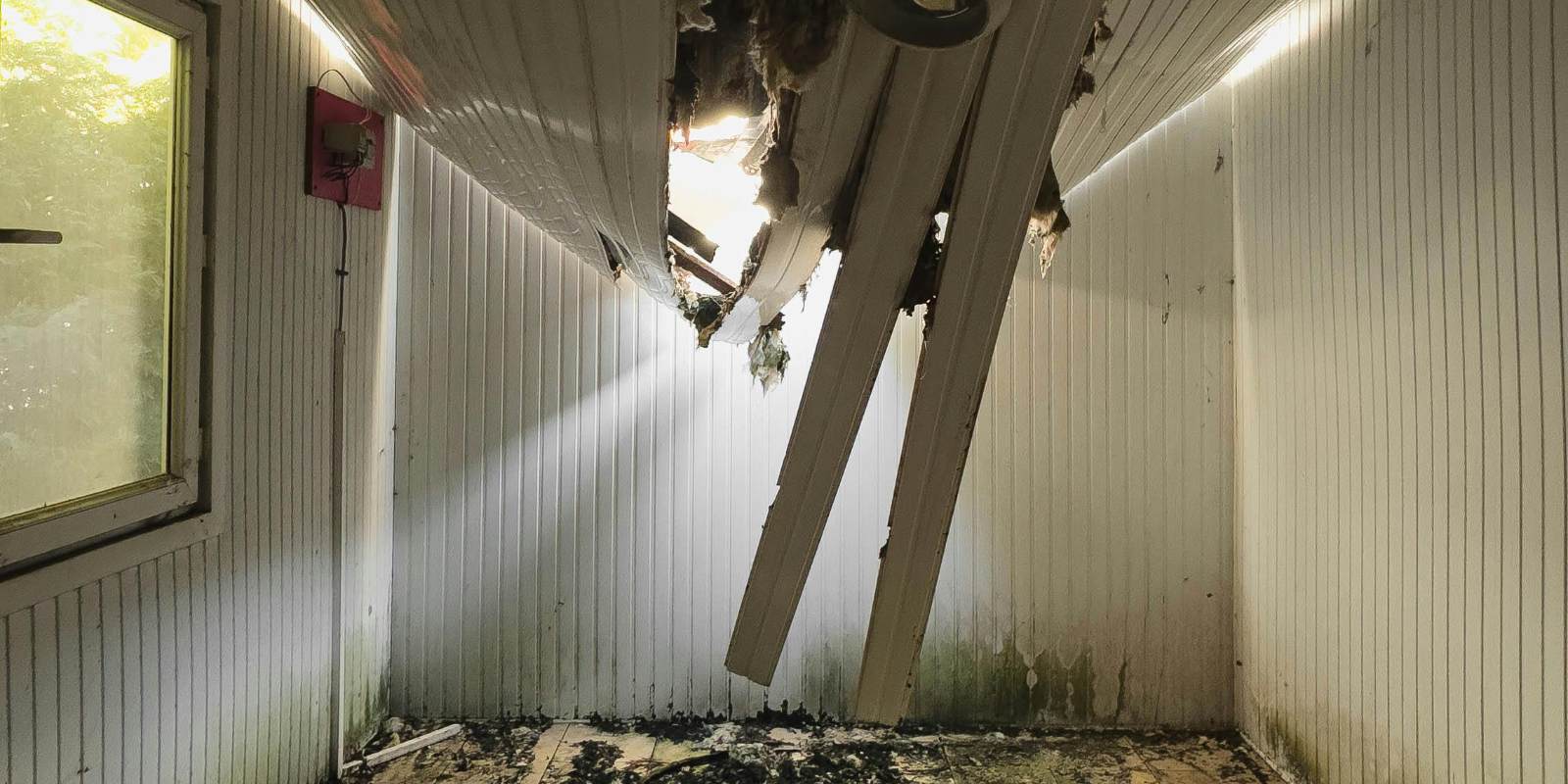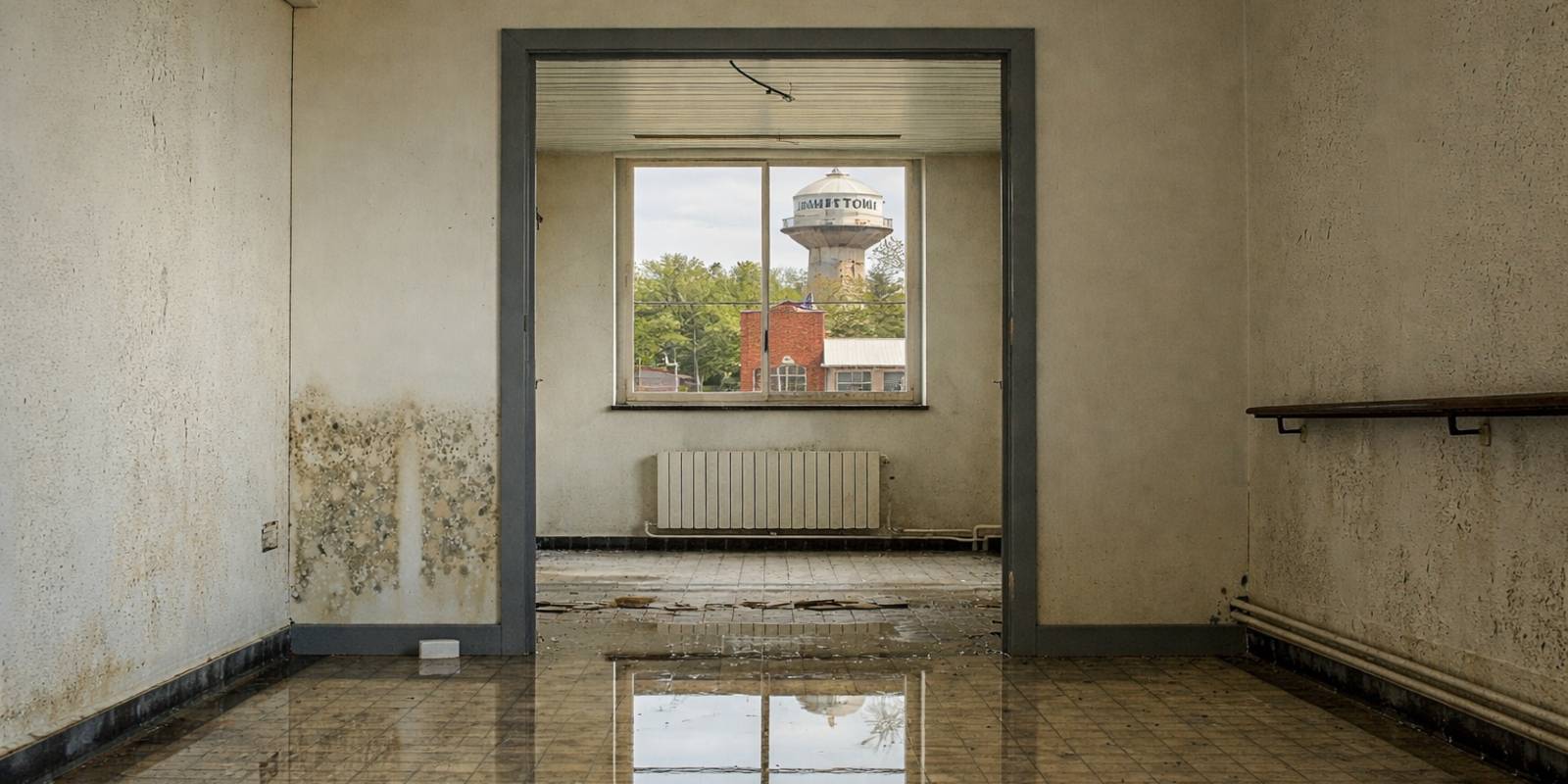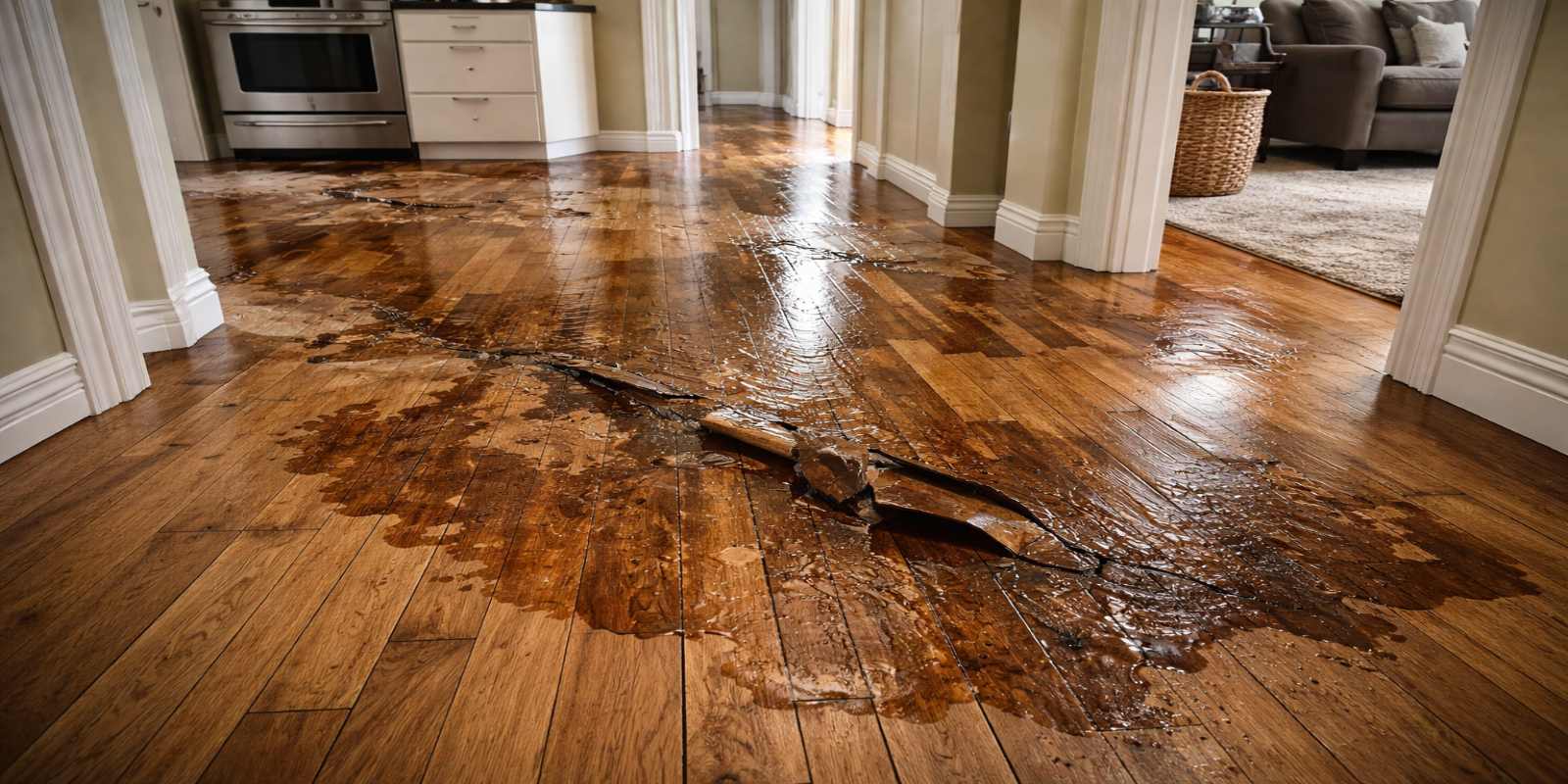
When you’re responsible for a commercial property, there’s already a lot to keep track of. The building needs to run, employees need to do their jobs, and customers expect business to continue.
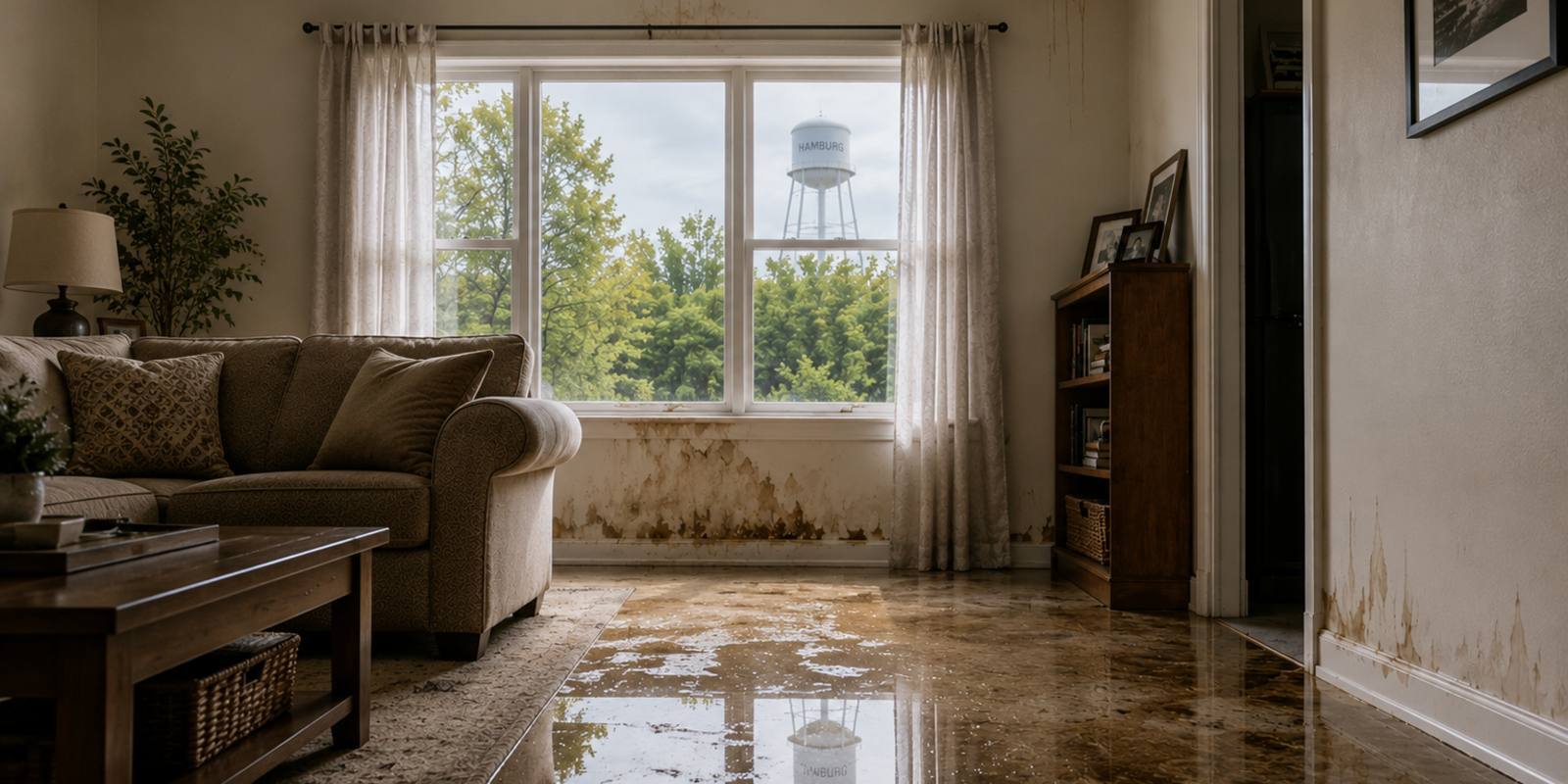
But what happens when a burst pipe floods an office overnight, or a fire damages a space you need to operate? Do you know whom to contact first, what information your insurance company will need, and how to start getting the property back up and running?
Through our work at Restore-It, we recognize how quickly commercial property damage can become an operational challenge. Beyond repairing the building, businesses may need to address damaged equipment, affected inventory, and disruptions that impact employees and customers. Preparing ahead of time helps you understand what needs attention first.
A commercial property emergency restoration plan helps your team prepare for those decisions before an emergency happens. So, what should your plan include? From emergency contacts and safety procedures to damage documentation and recovery priorities, we’ll walk you through the essentials to help you identify gaps before your plan is put to the test.
Identify Property Risks and Critical Business Operations
Every commercial building has different risks. An office, warehouse, restaurant, or retail store may have different equipment, layouts, and needs.
- Assess Potential Sources of Property Damage: Consider how burst pipes, roof leaks, heavy rain, severe storms, fire, smoke, or sewage backups could affect your property. In South Arkansas, check your roof, drainage, and plumbing for weak spots. Focus on risks that fit your building's condition and location.
- Identify Critical Assets and Operations: List the equipment, inventory, computer systems, customer records, and workspaces your business needs to operate. Then consider what would happen if any of these were damaged or unavailable. Which tasks would be hardest to continue? Identifying these priorities can help you plan what needs protection first.
This assessment helps establish which areas and operations need priority during recovery.
Establish Emergency Contacts, Roles, and Safety Procedures
During an emergency, employees should know whom to contact and what to do next.
Create an Emergency Contact List
Include property managers, designated employees, emergency services, utility providers, insurance representatives, and a qualified restoration provider. Add backup contacts and make the information accessible if the building cannot be entered.
Assign Responsibilities and Evacuation Procedures
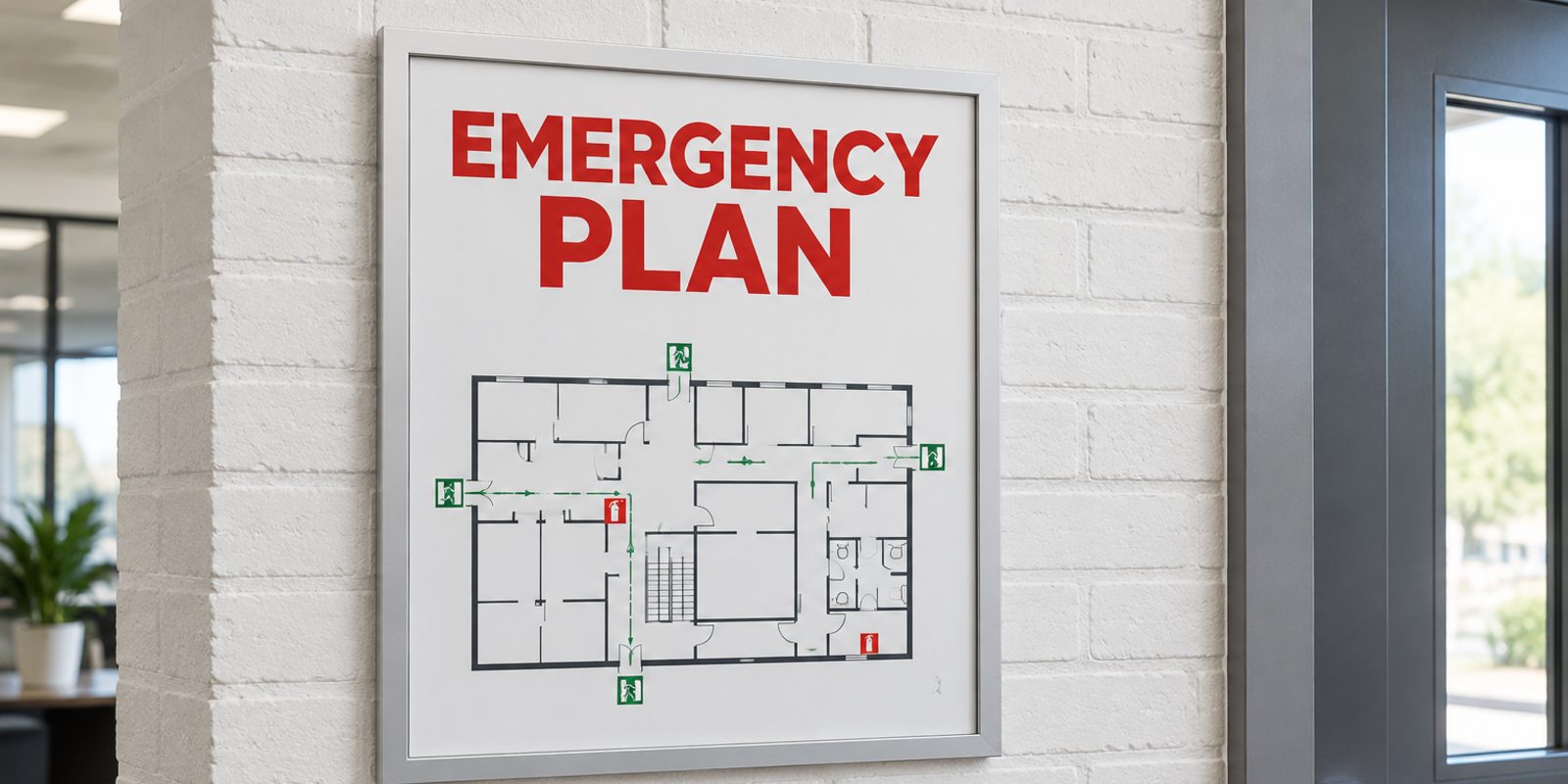
Identify who reports an incident, coordinates the response, and accounts for occupants after an evacuation. Document evacuation routes, assembly points, and procedures for contacting emergency services.
OSHA's Emergency Action Plan guidance explains how workplace-specific procedures help organize emergency responses. Written plans may be required under certain workplace standards. Train employees on applicable procedures and update assignments when staffing or operations change.
Prepare Property Records and Damage Documentation
Keep essential building information accessible before an incident. Store secure digital copies so authorized staff can retrieve them if the property is inaccessible.
Include floor plans, utility shutoff locations, equipment details, maintenance records, insurance information, and inventory records. Identify who can access critical systems.
Once the property is safe to enter, document visible damage and keep relevant records.
|
Prepare before an emergency |
Document after an incident |
|
Floor plans and utility locations |
Photos of visible damage |
|
Equipment and inventory records |
Affected areas and assets |
|
Insurance and maintenance records |
Incident timeline and relevant expenses |
Notify your insurer promptly and follow its documentation requirements. These records can help communicate the extent of the loss, although coverage depends on the policy and circumstances.
Outline the First Steps After Property Damage
When an emergency occurs, the immediate priorities are protecting people and avoiding further damage.
- Protect people first. Evacuate when necessary and contact emergency services if there is an immediate threat.
- Restrict access to unsafe areas. Do not enter spaces with potential electrical, structural, fire, or contamination hazards.
- Report the incident. Notify the designated decision-maker and contact your insurer as appropriate.
- Arrange a professional assessment. Contact qualified restoration professionals to evaluate water, fire, smoke, or sewage damage and determine appropriate mitigation steps.
Employees should avoid hazardous cleanup. Standing water near electrical equipment and areas affected by sewage may require specialized assessment.
For a more detailed walkthrough. Our article below explains how businesses can prioritize safety, document a water loss, and decide what to do before the workweek begins:

Plan for Business Interruption and Property Recovery
Restoring the building is only part of getting a business back to normal. Your plan should address how operations will continue while damaged areas are assessed, cleaned, or repaired.
Set priorities for essential functions and consider temporary work locations, remote work where practical, and communication with employees, customers, tenants, and vendors. Identify who will coordinate restoration, repairs, and decisions about reopening.
Not every area will be ready for occupancy as soon as visible damage is removed. Recovery should account for the property's condition and any remaining safety concerns.
Business interruption may also create financial questions. Our guide explains what business owners should understand about coverage, policy limits, and lost income. Read here:

Test and Update Your Emergency Restoration Plan
A plan needs regular review to remain useful. Update it when staff, equipment, building layouts, or operations change.
Use drills or tabletop exercises to walk through scenarios such as an overnight water leak or fire affecting a critical work area. These exercises can reveal missing contacts, unclear responsibilities, and information employees cannot access quickly.
Before finalizing your review, ask:
- Are emergency contacts and building records current?
- Does everyone know their assigned responsibilities?
- Could someone else follow the plan if the person who created it were unavailable?
Correct any gaps and share updates with the people responsible for carrying out the plan.
Prepare Your Commercial Property for an Emergency in South Arkansas
A written plan cannot prevent every incident, but it can help your team respond with clearer priorities and fewer unanswered questions. Review your procedures before damage occurs, and identify qualified professionals who can help assess the property and coordinate recovery.
Restore-It provides commercial restoration services for businesses in El Dorado, Camden, and surrounding South Arkansas communities. If your commercial property experiences water, fire, smoke, mold, or sewage damage, call us at 870-918-0041 to discuss your restoration needs.