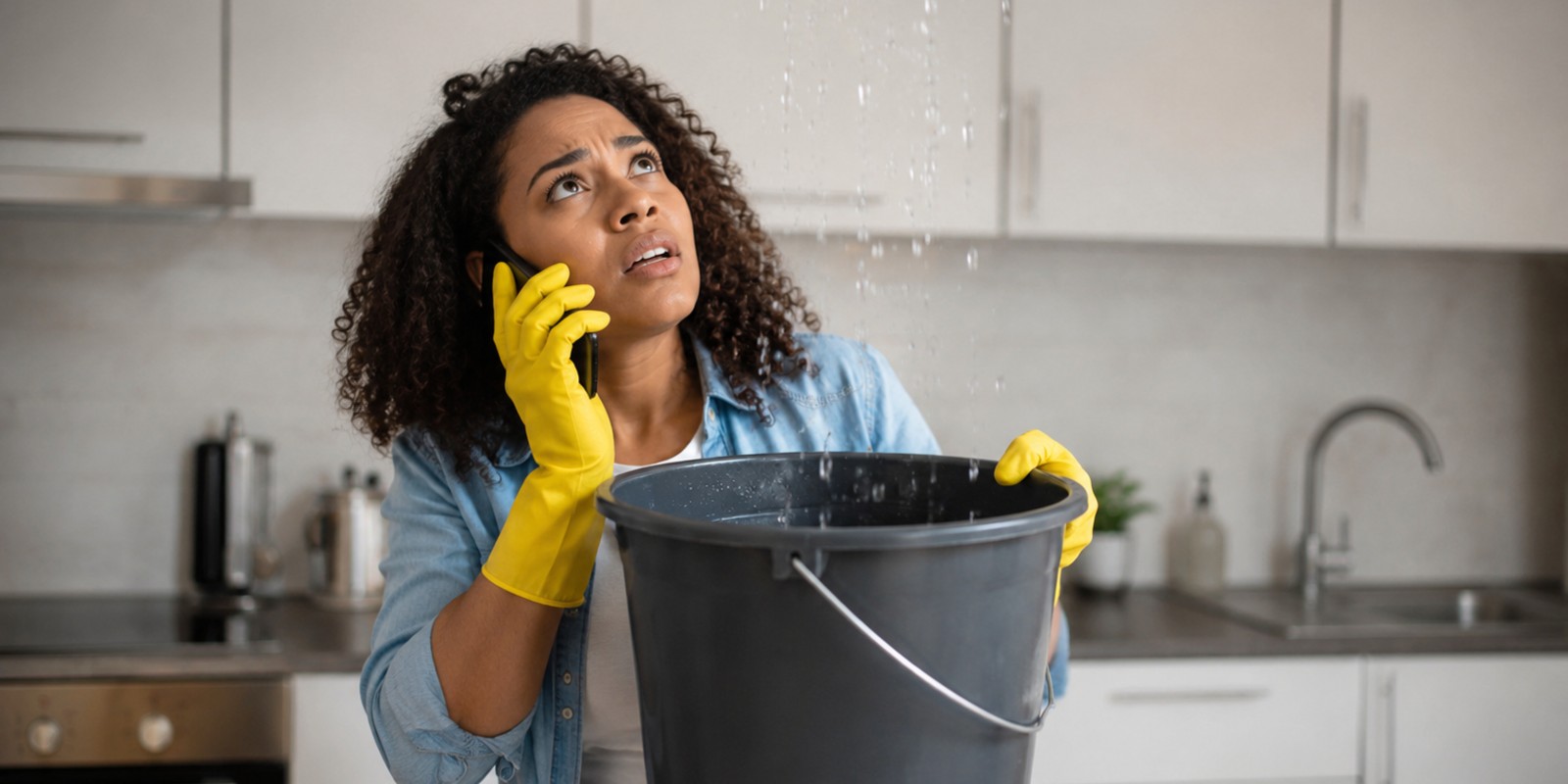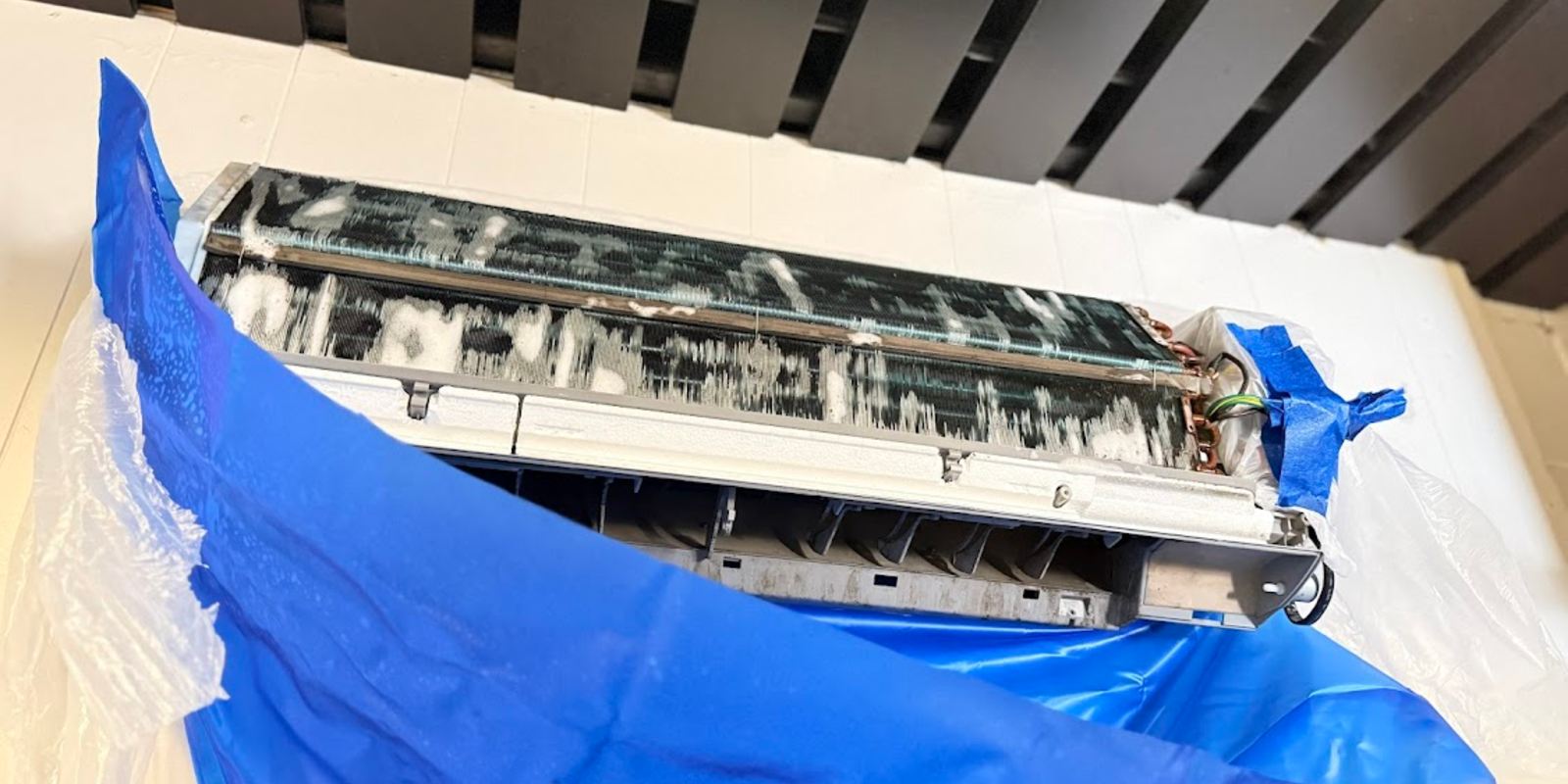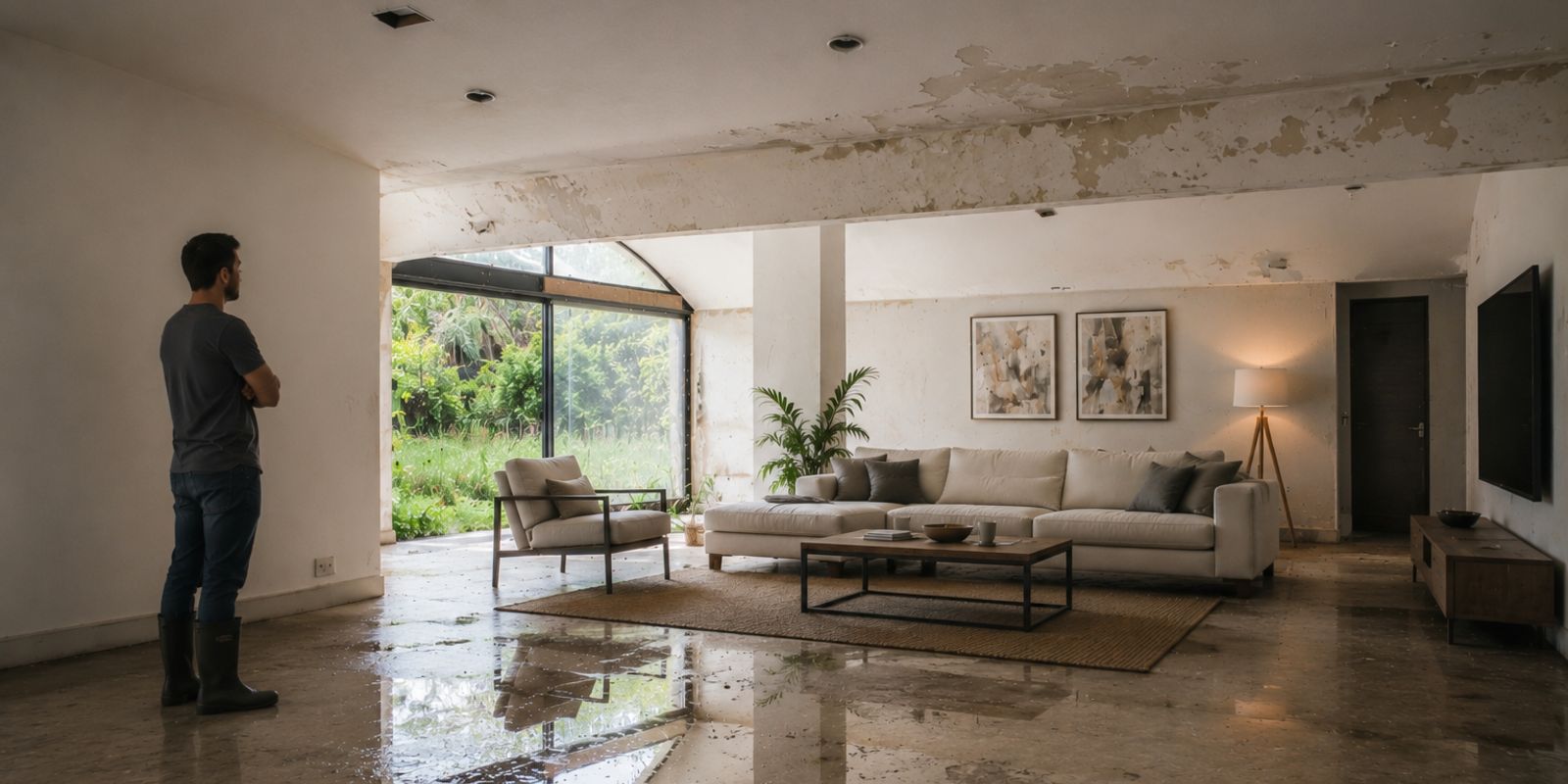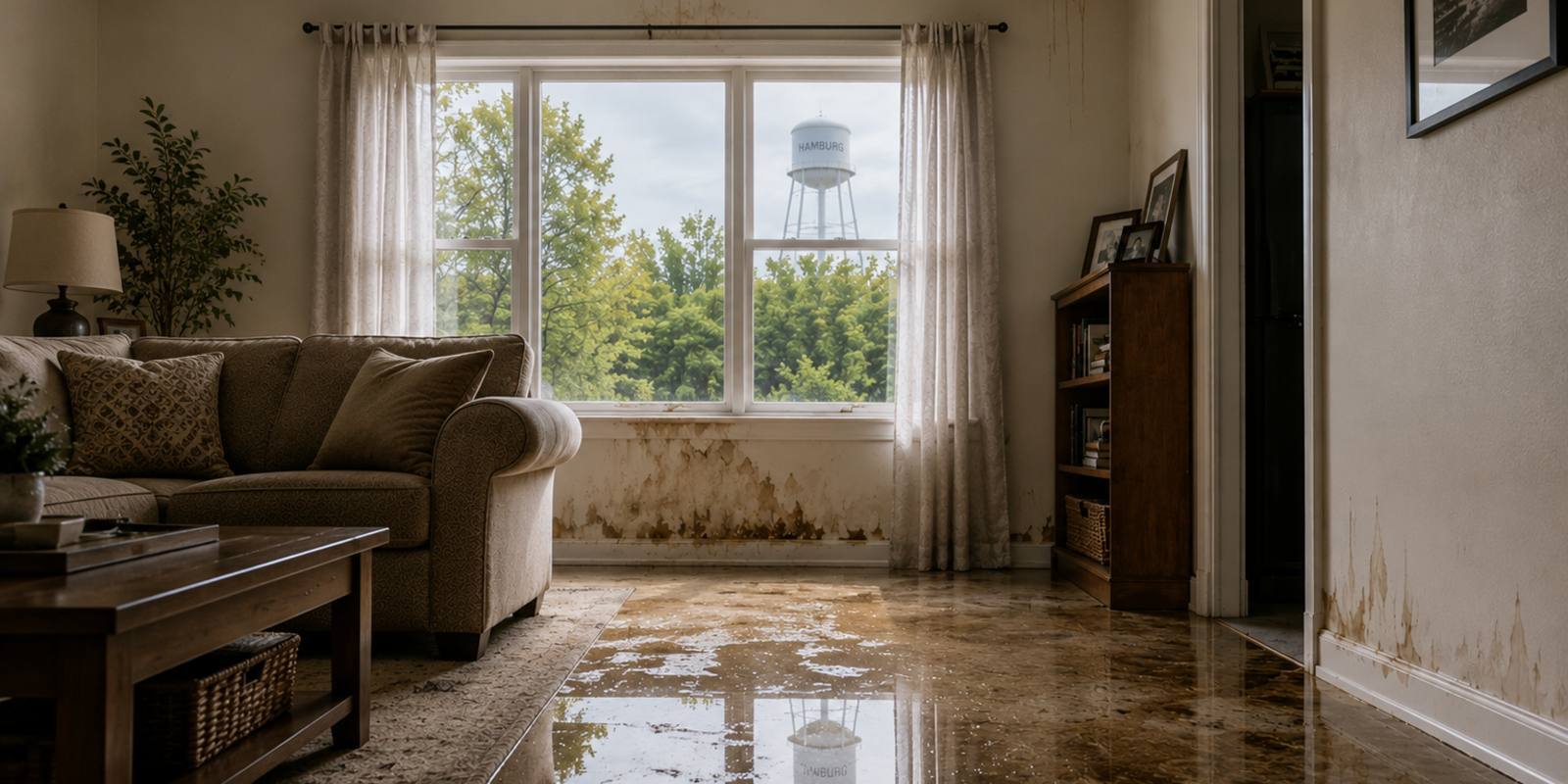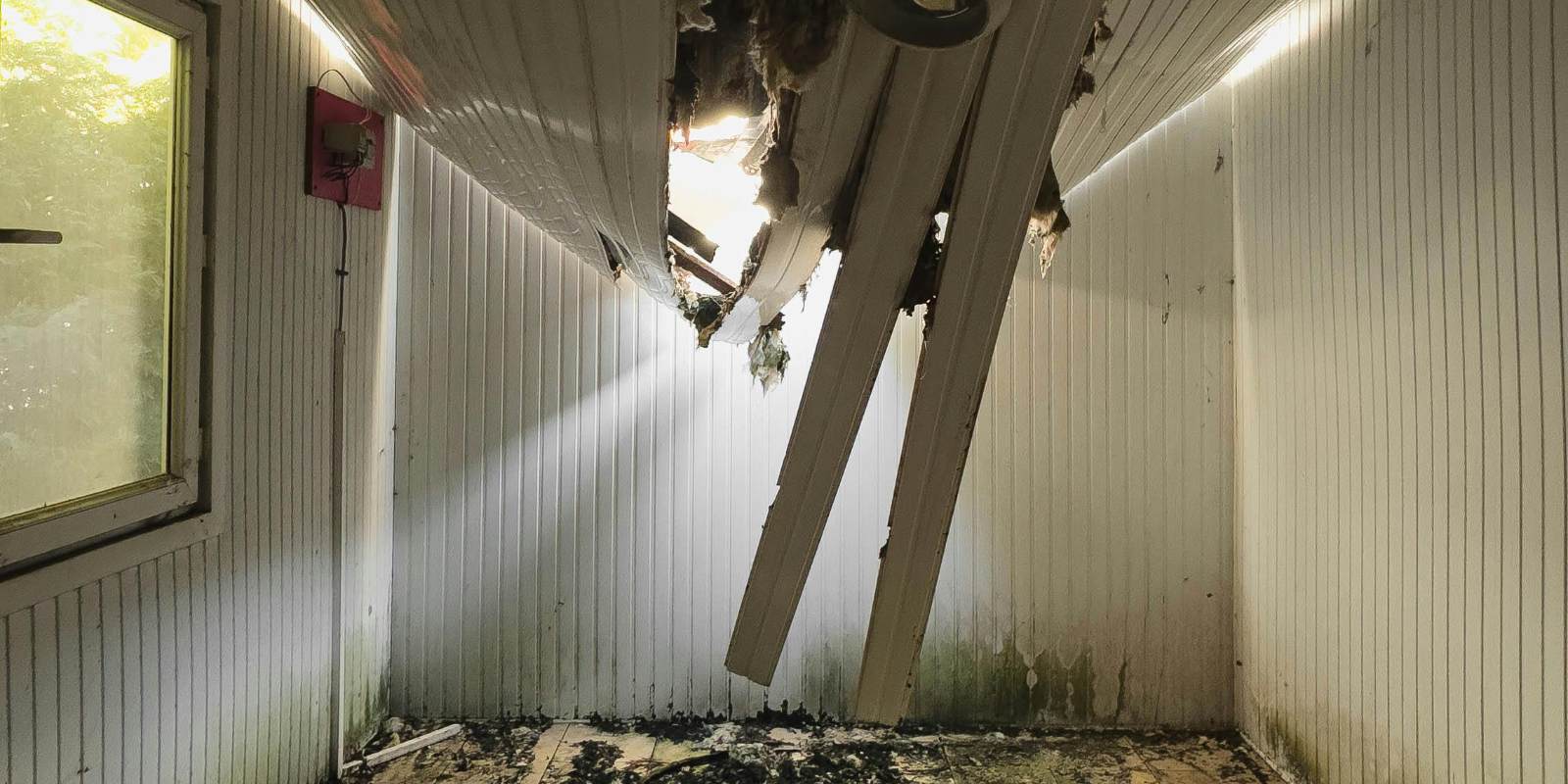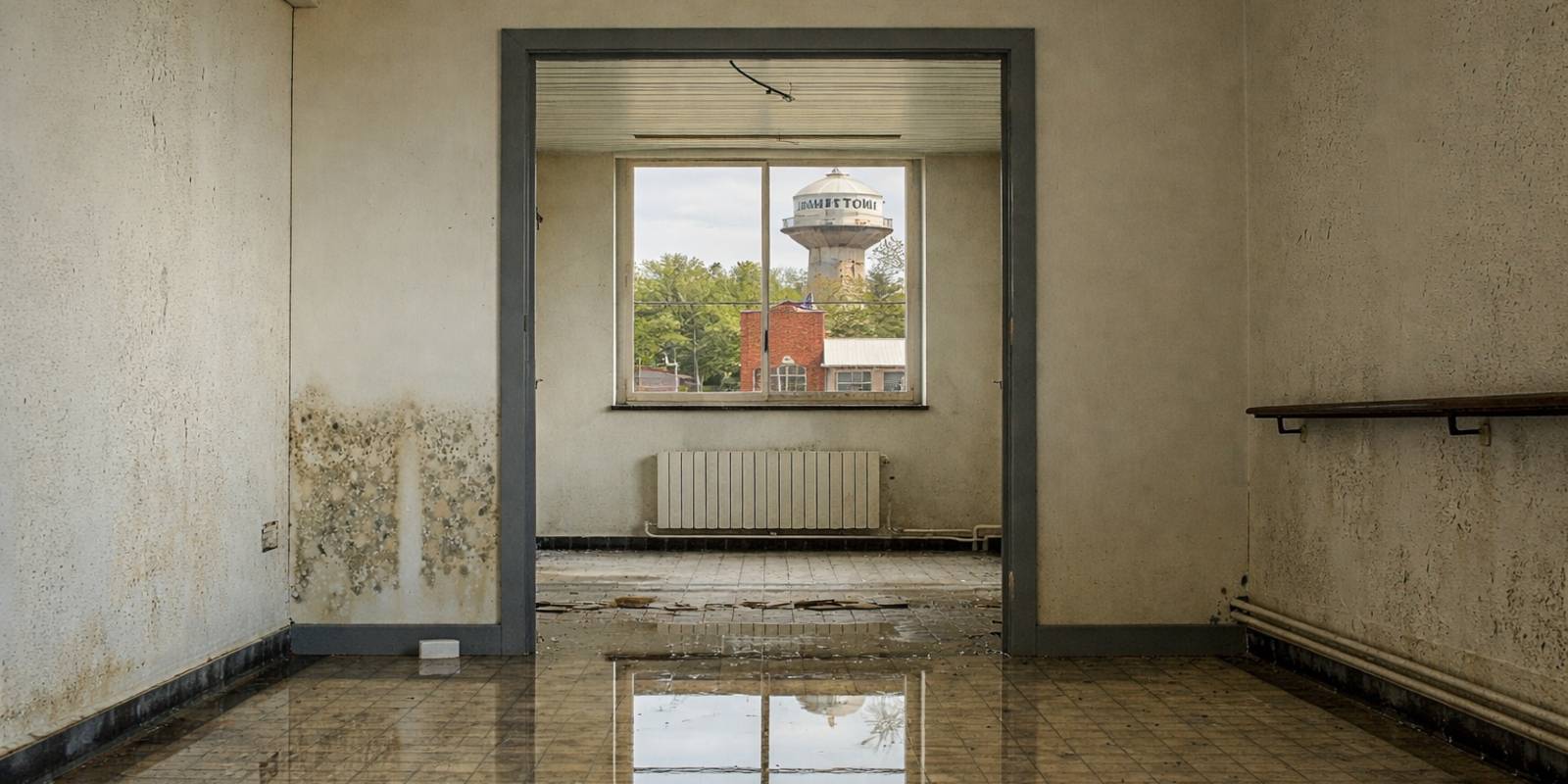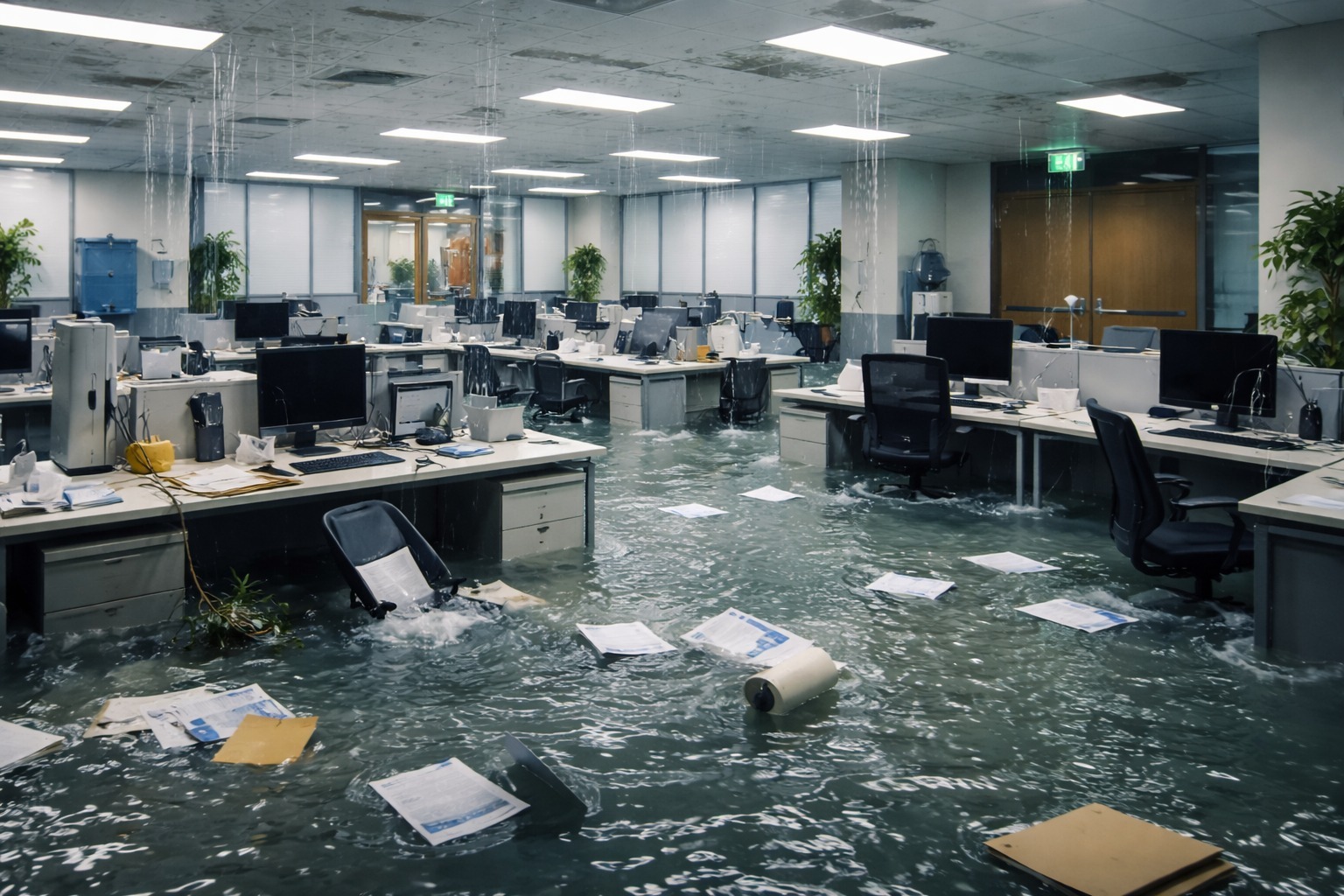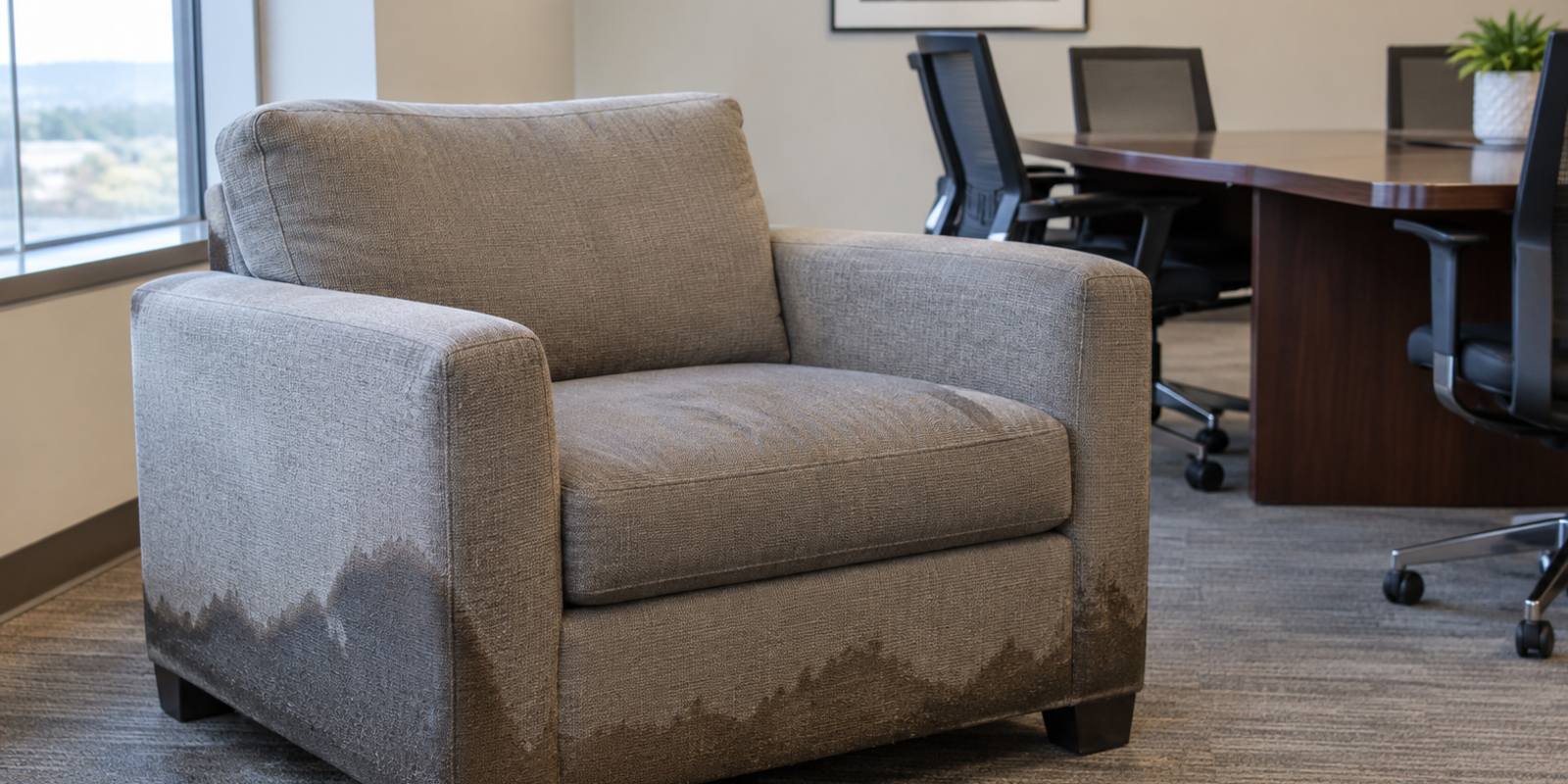
When water or fire damages a commercial property, furniture can become another major concern. Office chairs, desks, conference tables, and reception seating may be exposed to moisture, soot, smoke residue, or odors. Deciding what to do with these items can affect replacement costs and how soon a business can resume normal operations.
Not every damaged piece of furniture needs to be replaced, but not every item can be safely restored. The decision depends on the type of damage, the materials involved, and whether effective cleaning and restoration are possible.
At Restore-It, our restoration experience helps us understand why each loss requires careful evaluation. By assessing the damage and the condition of affected materials, restoration professionals can help business owners and property managers determine which items may be restored and which may need replacement.
How Do Restoration Professionals Evaluate Damaged Commercial Furniture?
Before recommending restoration or replacement, professionals assess the damage and consider how it affects the furniture's condition and intended use.
Key considerations include:
- Damage type: Water, smoke, soot, and heat affect materials differently.
- Construction: Solid wood, composite panels, and upholstered furniture have different restoration needs.
- Exposure: How long the furniture was exposed and whether damage reached internal components can affect the outcome.
- Contamination: The water source and type of fire residue influence which cleaning methods are appropriate.
- Pre-loss condition: Existing wear or structural damage may affect whether restoration is worthwhile.
This initial assessment helps identify which items need closer inspection and which options may be practical. The next step is to consider how the specific type of loss affects the furniture.
Can Commercial Furniture Be Restored After Water Damage?
Yes, some commercial furniture can be restored after water damage. However, the outcome depends on the water source, exposure time, materials, and extent of moisture penetration.
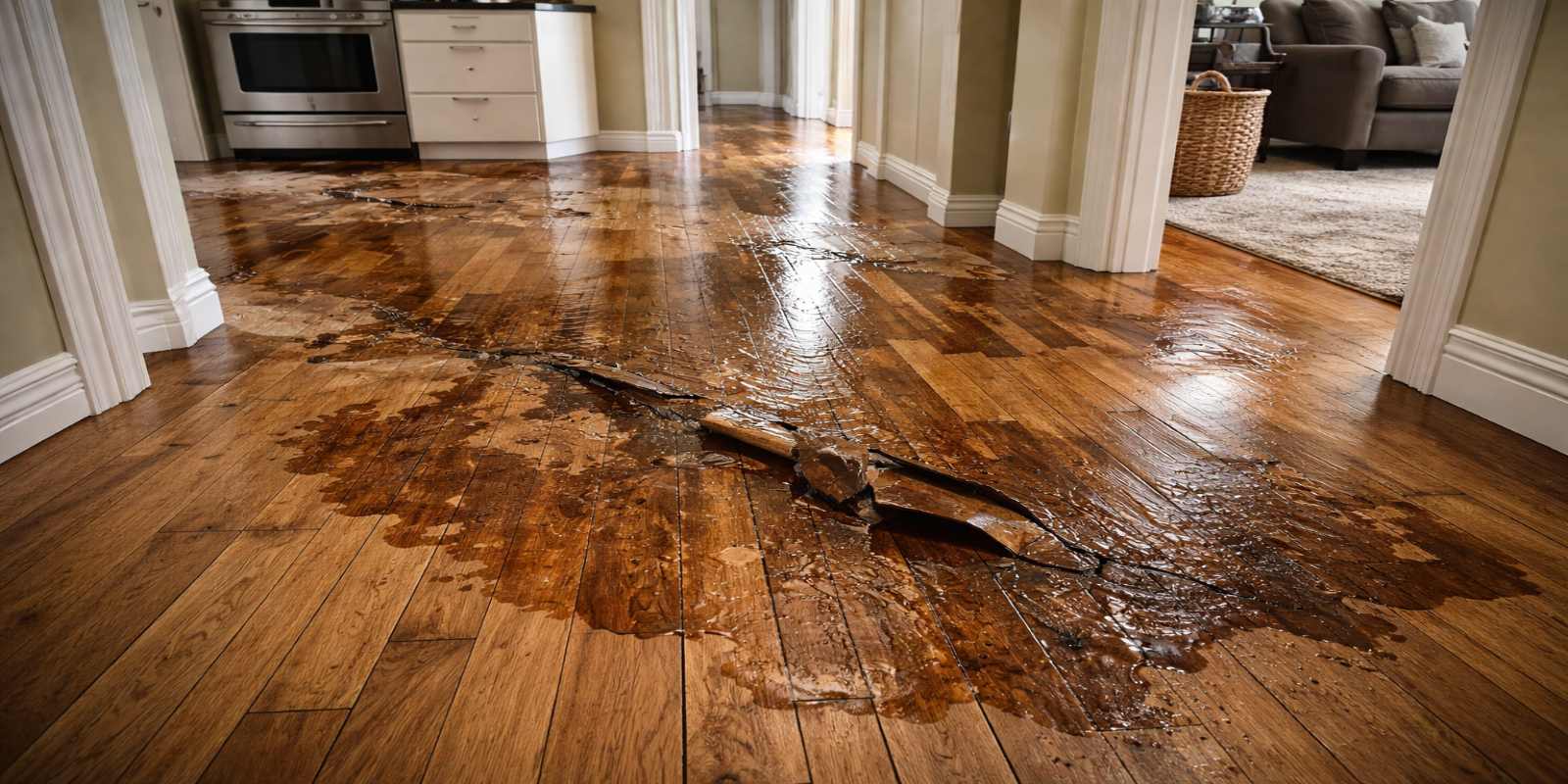
A hard, nonporous surface may be easier to clean and inspect than an upholstered chair with water trapped in its padding. Moisture can also affect wooden joints, composite panels, and other internal components, even when the surface feels dry.
The water source matters, too. Water from a clean supply line presents different concerns from sewage or floodwater that may contain harmful contaminants. Furniture exposed to contaminated water requires careful evaluation to determine whether it can be safely restored.
Prompt moisture removal and thorough drying are important because prolonged dampness can damage materials and create conditions that support mold growth.
The IICRC S500 water damage restoration standard provides guidance for professional water damage restoration. Its principles help inform the process, but the appropriate approach depends on the circumstances of each loss.
Ultimately, furniture must be evaluated beyond its appearance. The goal is to determine whether it can be properly cleaned, dried, and returned to use.
Water damage isn't always limited to what you can see or feel. If office furniture has been exposed to water, contact Restore-It to discuss the damage and determine which restoration options may be worth considering.
 What Happens to Commercial Furniture After a Fire?
Furniture can be affected by fire even when flames never reach it directly. Smoke and soot can spread throughout a building, leaving residue on desks, tables, and upholstered seating. Heat may also damage finishes, fabrics, adhesives, or structural components.
The type of residue and the material it affects determine which cleaning methods may be appropriate. For example, soot on a hard surface requires a different approach from smoke residue on porous upholstery. Some materials may retain odors after visible residue has been removed, while heat damage may not be corrected through cleaning alone.
Using an unsuitable product or technique can spread residue or damage furniture finishes. Professional evaluation helps determine what can be cleaned and whether further restoration is practical.
The IICRC S700 fire and smoke damage restoration standard addresses professional assessment and restoration of fire and smoke damage, including affected contents.
If you'd like to understand more about what determines whether fire-damaged furniture can be saved, read our guide for a closer look at the factors that affect restoration.

How Does Furniture Material Affect Restoration?
The same type of damage can produce different results depending on how a piece of furniture is made. These material-specific considerations can help explain why some items are easier to restore than others.
|
Furniture type |
What professionals consider |
|
Solid or finished wood |
Swelling, warping, finish damage, and residue |
|
Upholstered seating |
Fabric, padding, contamination, and odor |
|
Laminate or composite furniture |
Swelling, separation, and damaged edges or joints |
|
Metal furniture |
Corrosion, heat damage, and residue |
|
Leather or specialty upholstery |
Material condition and compatible cleaning methods |
These are assessment considerations, not guarantees of restoration. For example, a desk with removable surface residue may be suitable for cleaning, while one with swollen composite panels may have damage that cleaning cannot resolve.
Material condition helps determine the available options, but the final decision also depends on contamination, structural integrity, and the feasibility of returning the item to service.
When Should a Business Restore or Replace Damaged Furniture?
Once the damage and materials have been evaluated, business owners can weigh the practical options.
Restoration may be appropriate when:
- The damage can be addressed with suitable cleaning methods.
- Contamination can be managed appropriately.
- The furniture remains structurally sound and suitable for use.
Replacement may be necessary when:
- Structural damage compromises the item's integrity.
- Contamination cannot be adequately addressed.
- Materials have deteriorated beyond practical restoration.
When the extent of internal damage remains unclear, further inspection may be necessary before making a decision.
Cost is another consideration. Compare the estimated restoration cost with the expense of replacement, including the availability of suitable furniture and potential business downtime. Replacing an entire office's furniture can create additional costs and delays, but restoring an item that cannot be returned to an acceptable condition may not be worthwhile.
The best choice balances cost, safety, condition, and intended use. A professional assessment can help clarify the options before a business commits to either approach.
What Should a Business Do With Damaged Furniture After a Loss?
Once furniture has been affected by water, fire, or smoke, a few steps can help keep recovery efforts organized:
- Protect people from potential hazards. Keep employees and visitors away from items that may be contaminated or structurally unsafe.
- Document the damage. Photograph affected furniture and retain records for insurance purposes.
- Avoid untested cleaning methods. Household products or aggressive scrubbing may worsen damage or spread residue.
- Arrange an assessment. Have affected items evaluated before deciding what to discard, clean, or restore.
At Restore-It, we understand that recovering from property damage involves more than repairing a building. Furniture and other contents can also affect how a business prepares to resume normal operations. Our restoration experience helps us evaluate the damage and identify appropriate next steps.
If your commercial property has experienced water or fire damage, contact Restore-It to discuss your restoration needs.
Looking for ways to reduce fire risks before a loss occurs? Explore our related guide for practical prevention advice.