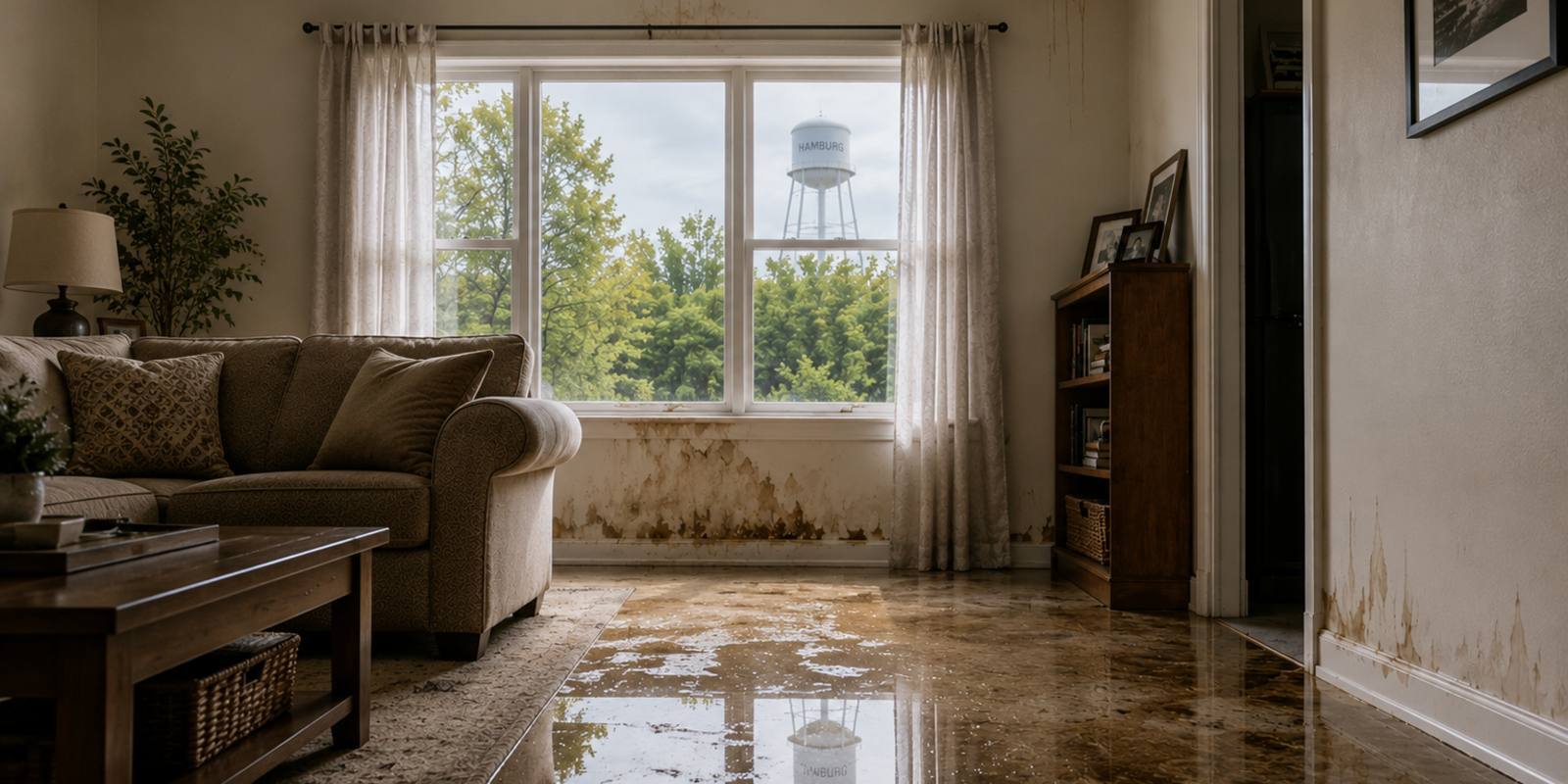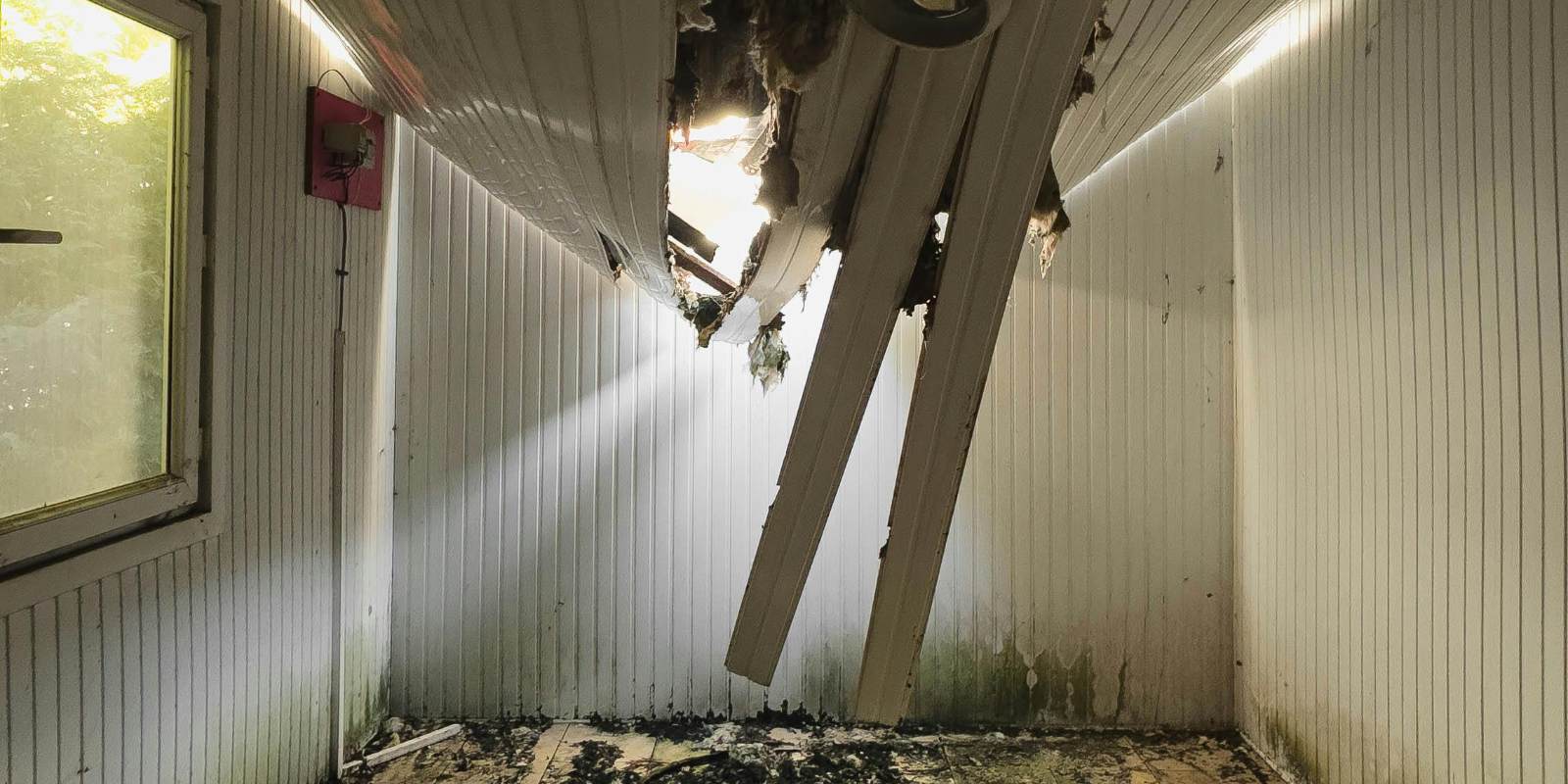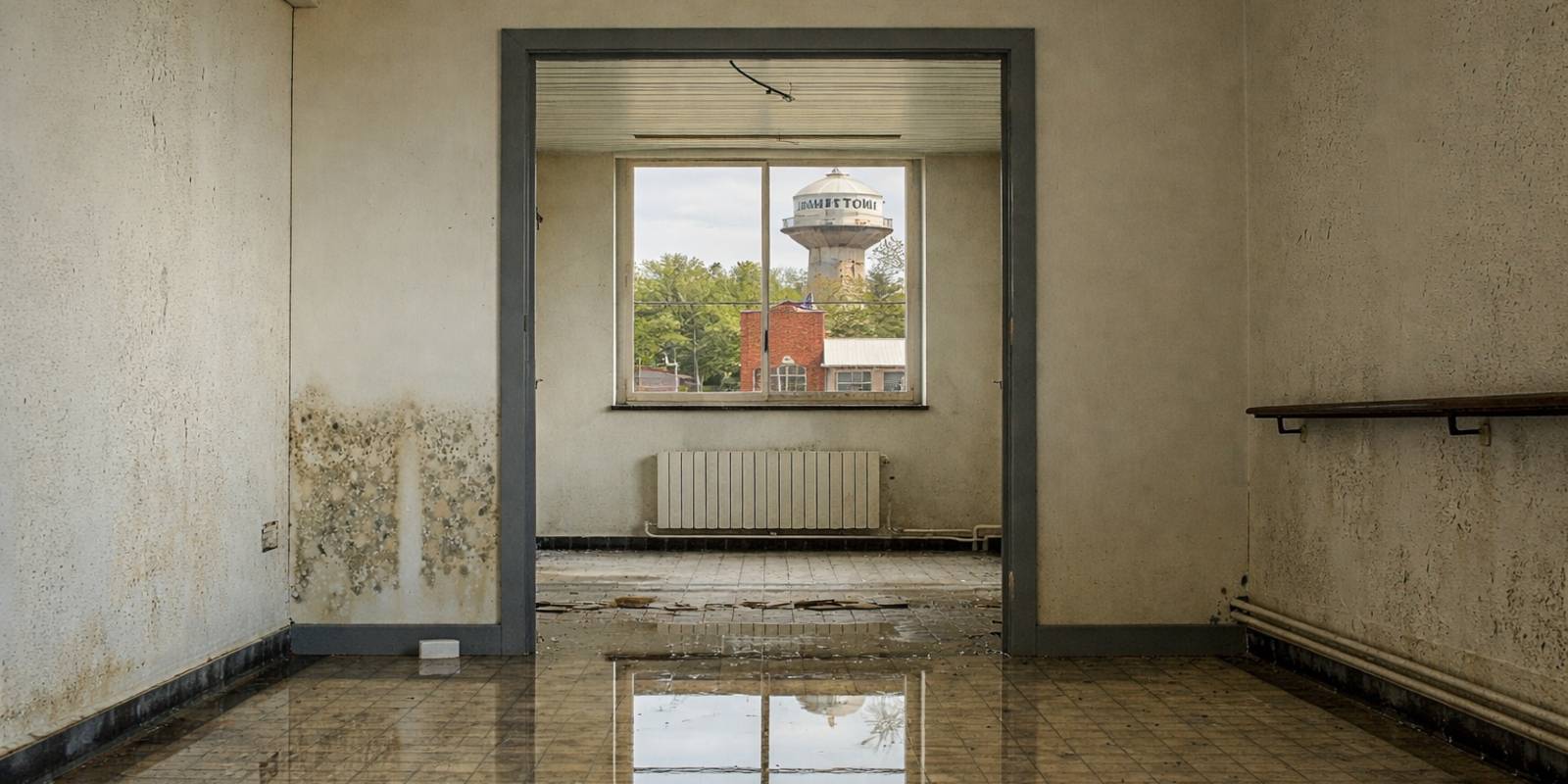
Finding water damage during a home renovation can be frustrating. You may have already paid for materials, demolition, or labor, only to discover a leak behind a wall or moisture beneath your flooring. So, will this delay your renovation or add unexpected costs?
If you uncover water damage during a renovation, pause work in the affected area, address the source if it is safe to do so, and assess the damage before rebuilding. Covering wet materials too soon can trap moisture and lead to additional repairs.
Restore-It helps homeowners across Southern Arkansas address water damage and determine what needs attention before repairs can move forward. In this article, you’ll learn what to do first, how to tell whether the damage extends beyond what you can see, and when professional restoration may be necessary before your renovation continues.
What Should You Do When You Find Water Damage?
Discovering damage can be frustrating, especially when you’re working toward a deadline. Before continuing your renovation, focus on these four steps.
- Pause work in the affected area. Avoid covering wet materials or installing new finishes until you understand the problem.
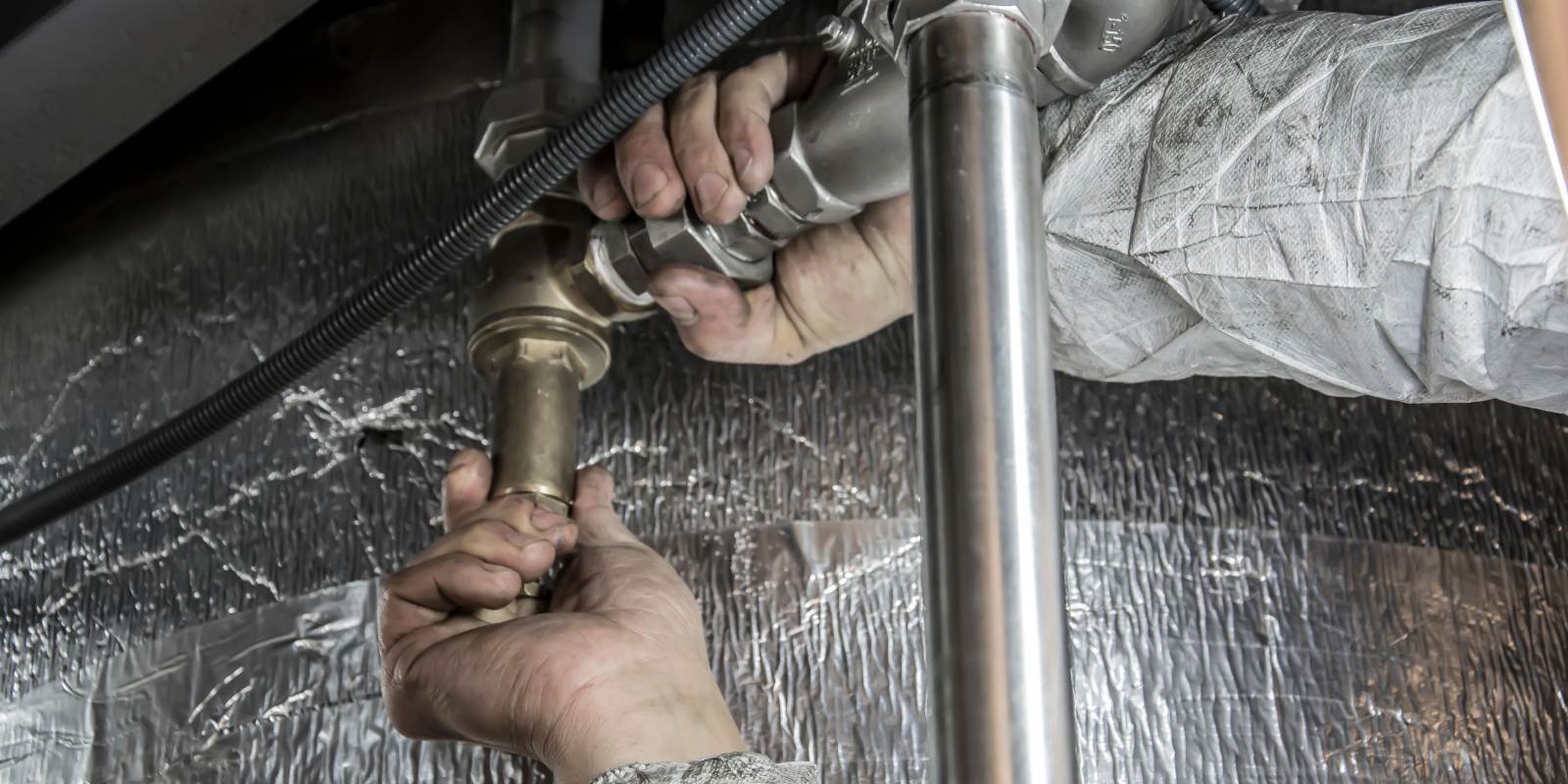
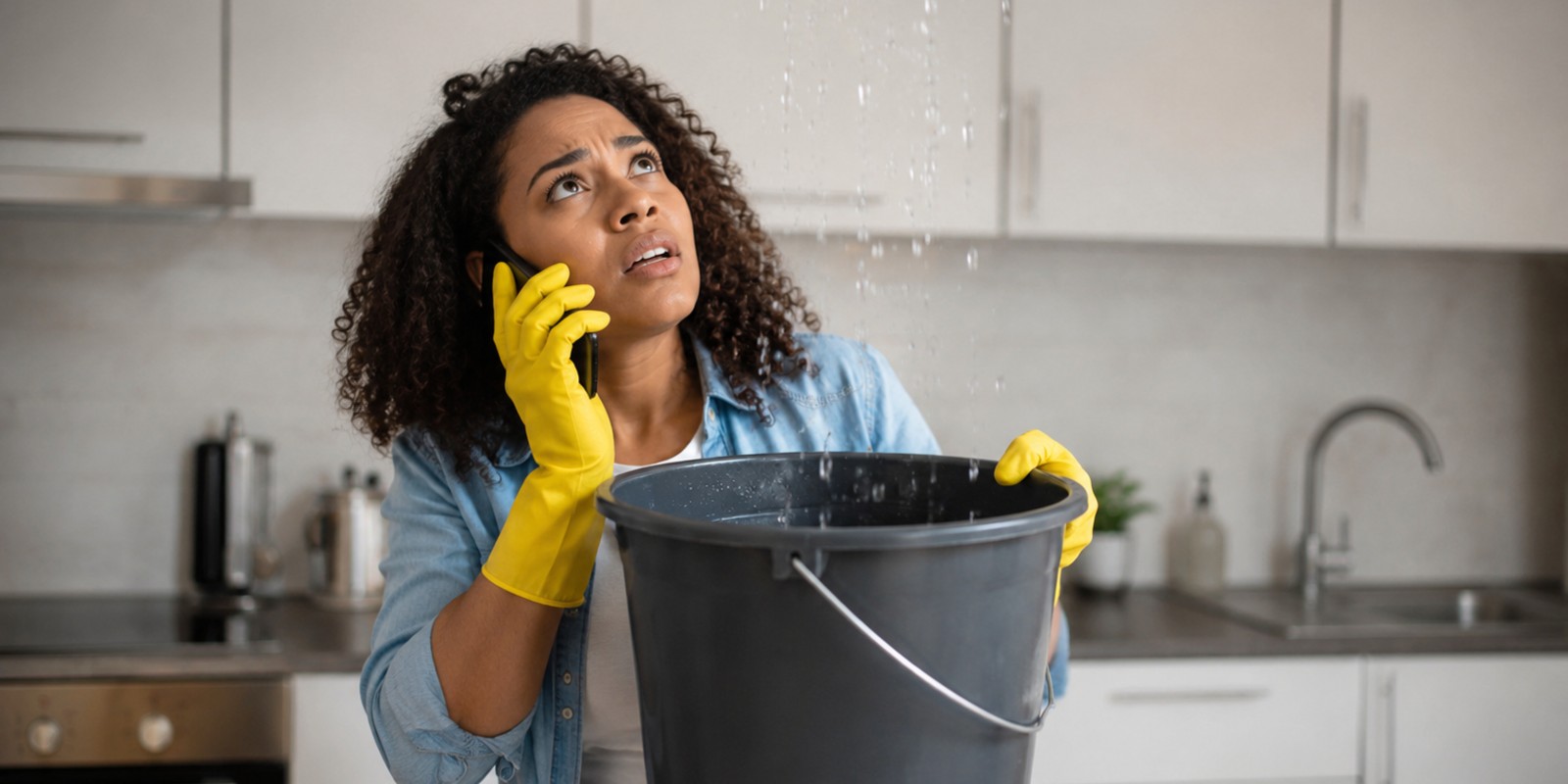
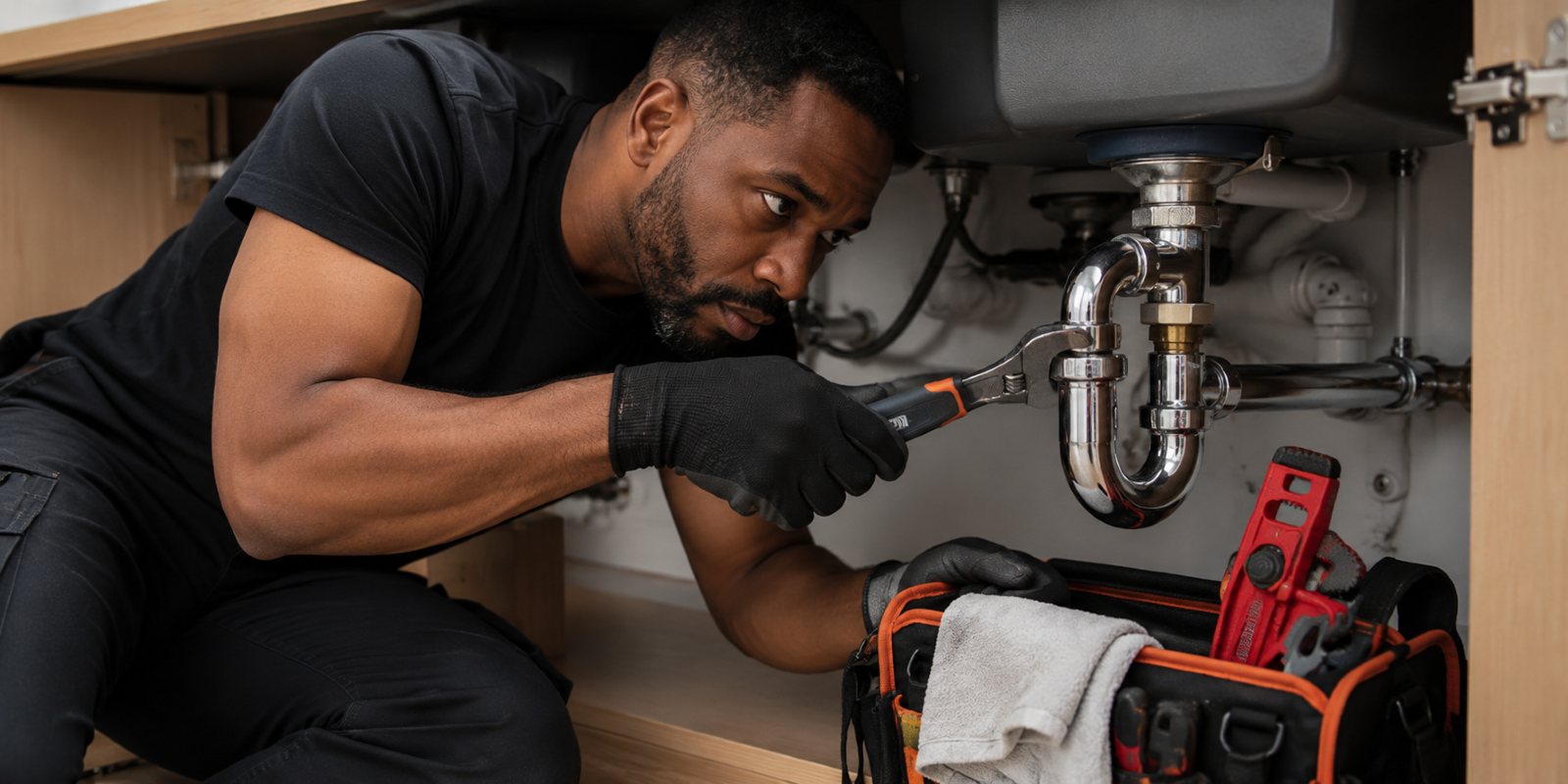
- Stop the water source if it is safe. If a plumbing leak is responsible, shut off the water supply if you can do so safely. Stay away from water near electrical equipment.
- Document the damage. Photograph visible stains, wet materials, and affected areas. Keep relevant receipts and renovation records.
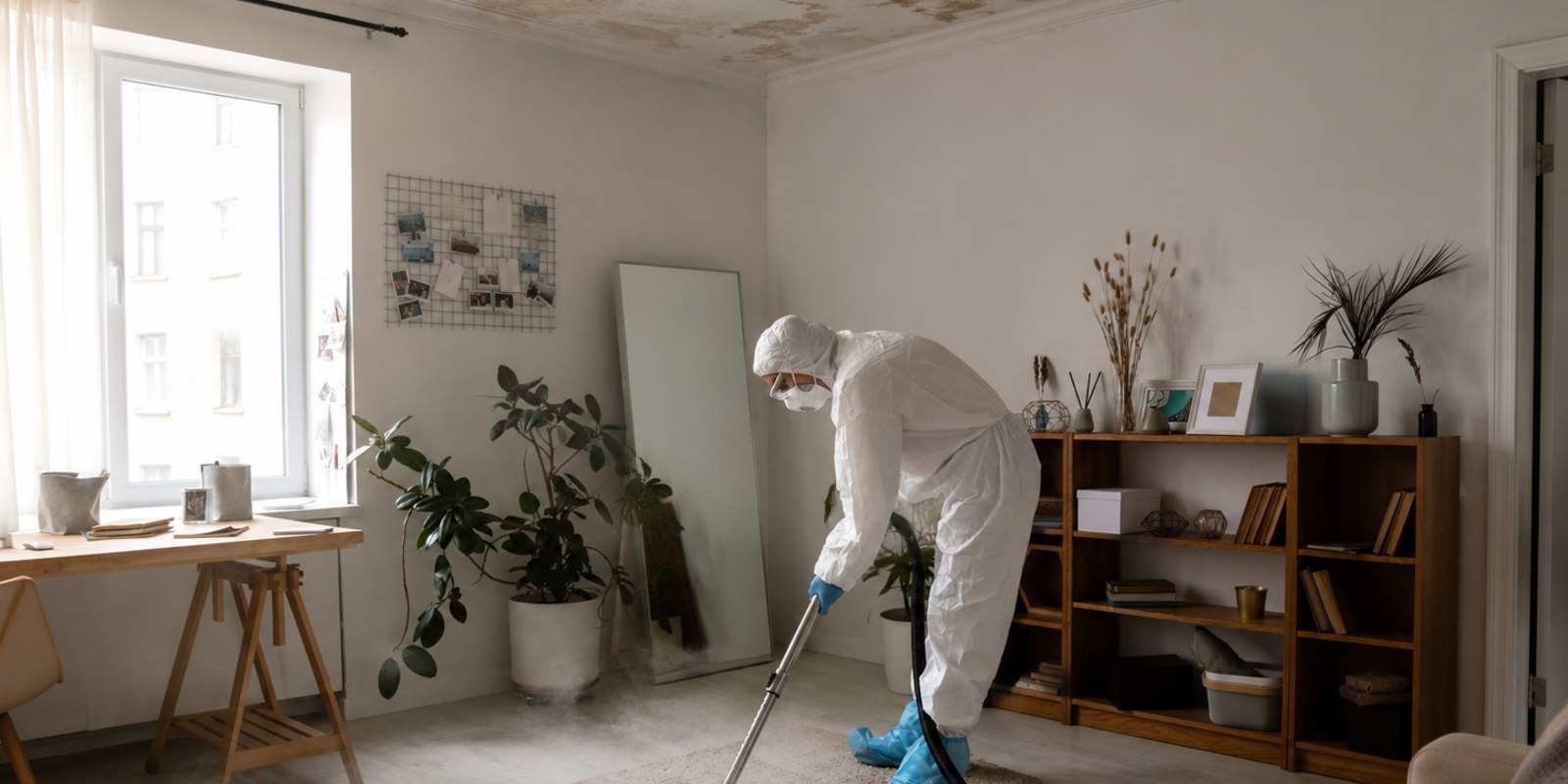
- Arrange an assessment. A qualified professional can help determine how far the moisture has spread and what needs to be dried, cleaned, repaired, or removed.
If you suspect sewage contamination or extensive water damage, avoid handling affected materials yourself.
Found water damage? Start here. Learn what to do when you discover water damage, how to respond safely, and when to get professional help.

How Can You Tell How Far the Water Damage Extends?
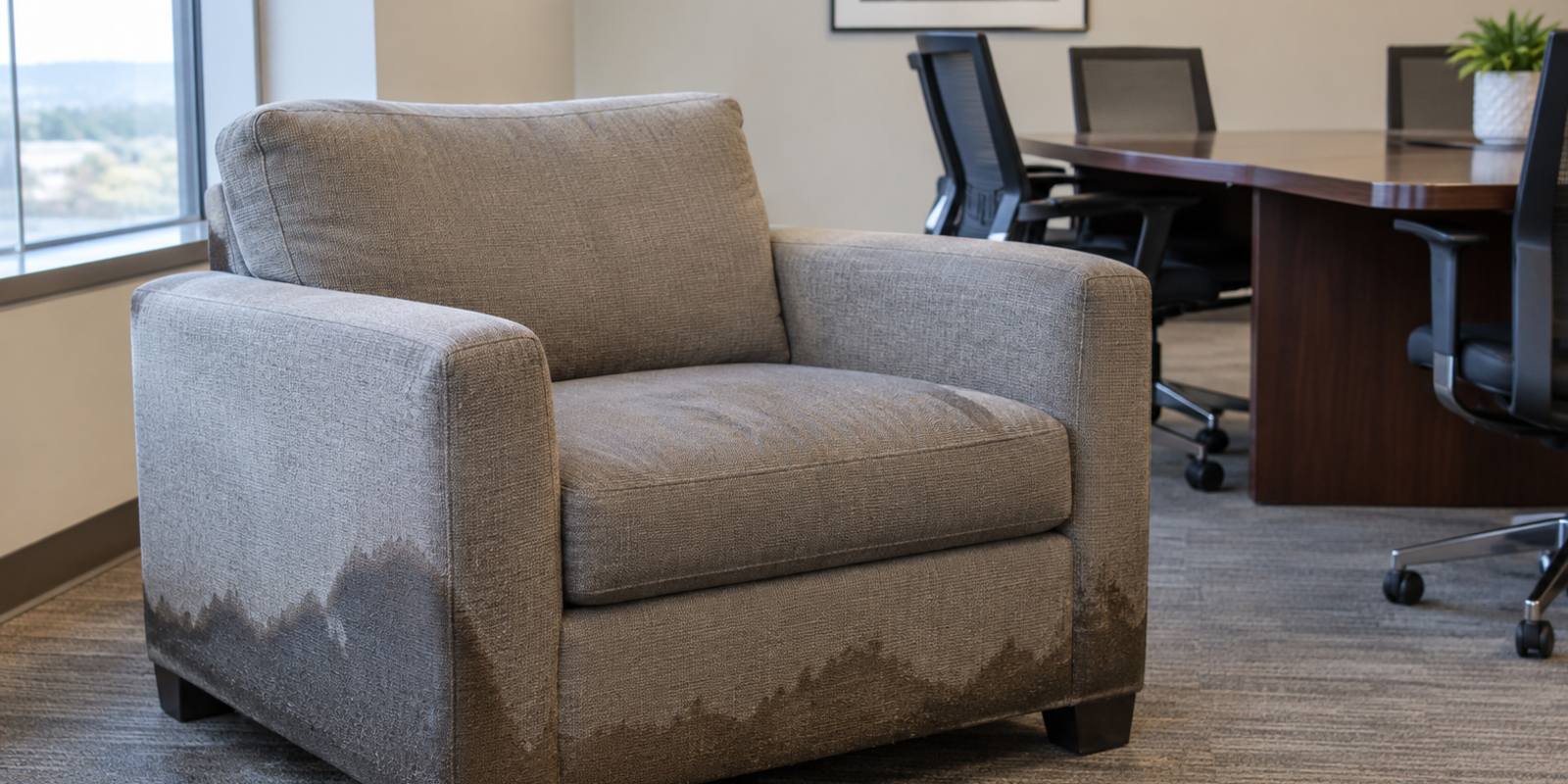
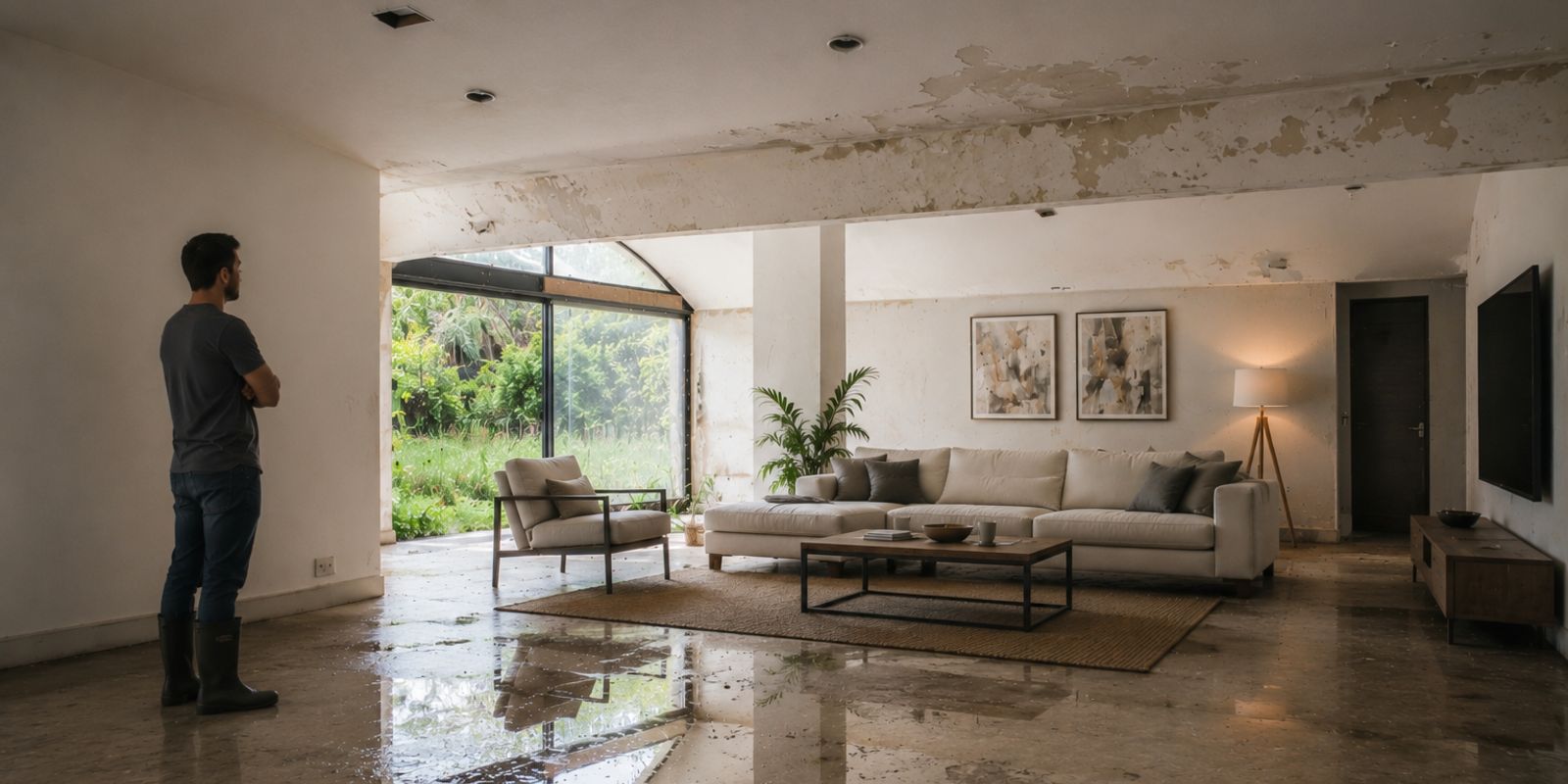
A stain or damp spot shows where water has reached the surface, but it may not reveal the full extent of the damage.
Water can spread beneath flooring, into subfloors, behind drywall, through insulation, and into adjoining rooms. Cabinets and other building materials may also retain moisture after visible water is gone.
A surface that looks dry does not guarantee that the materials underneath are dry, too. The U.S. Environmental Protection Agency (EPA) explains that moisture can collect in hidden areas, including behind drywall and beneath carpets.
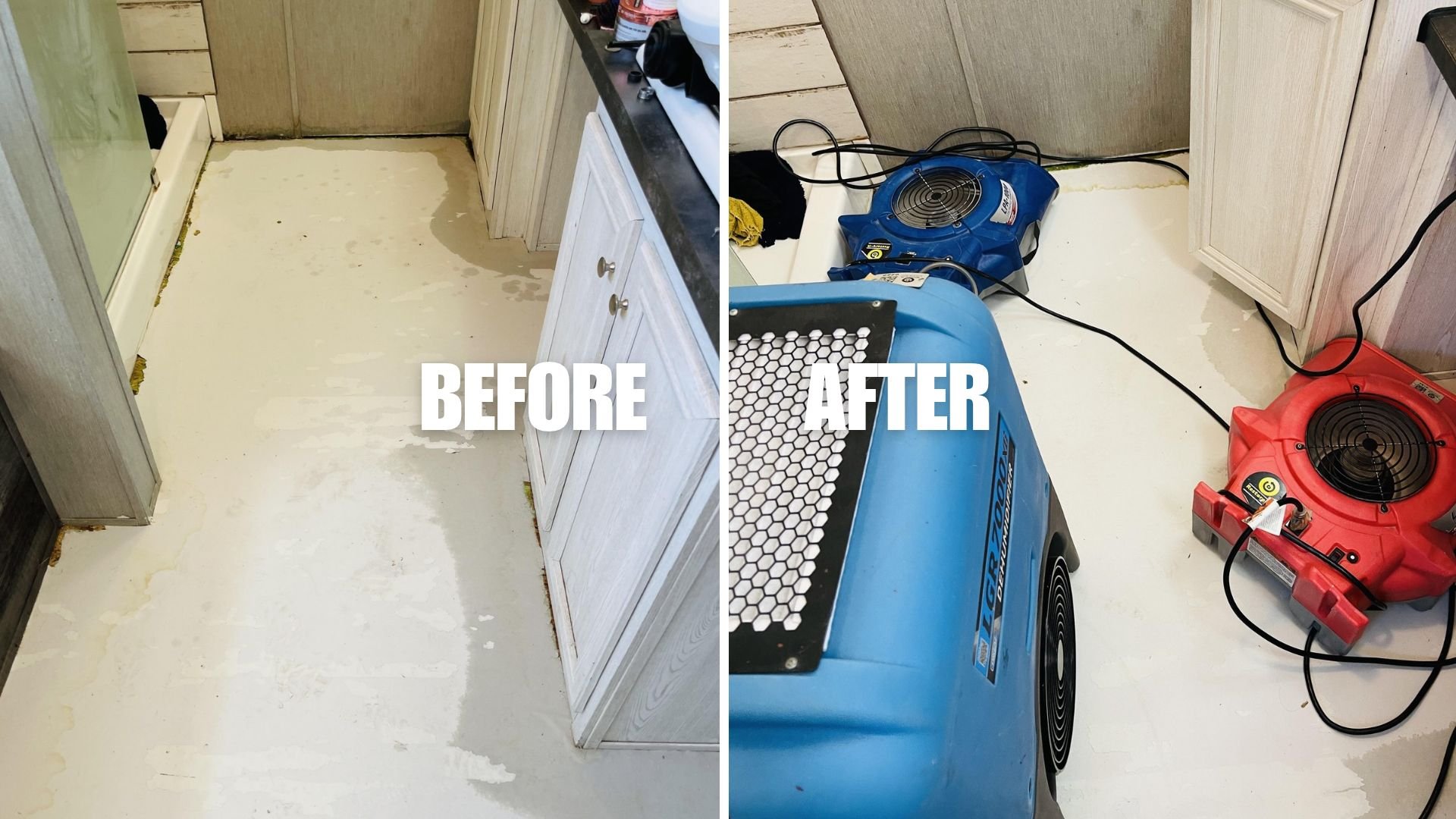
Depending on the situation, a professional may inspect nearby materials and use moisture meters to identify areas that need further attention. This helps determine what must be dried or repaired before new flooring, drywall, or cabinets are installed.
For more information, read the EPA’s guidance on moisture and mold.
Can You Continue the Renovation Before the Damage Is Repaired?
You may be able to continue work in an unaffected part of your home. However, the damaged area should remain on hold until the source and extent of the problem are understood.
Installing new materials over damp wood, drywall, or flooring can trap moisture. This may contribute to mold growth, material damage, and additional repair costs.
Talk with your renovation contractor about which tasks can continue safely and which need to wait. Your restoration and renovation contractors may need to coordinate material removal, drying, repairs, and installation of new finishes.
Keeping your project moving matters, but covering up a moisture problem can cost you more time later. Make sure the affected area is ready before closing walls or installing new flooring.
Does Water Damage Need to Be Restored Before Remodeling Continues?
In most cases, the water source must be addressed and affected materials properly assessed before rebuilding begins. The work required depends on the source of the water, the materials involved, and the extent of the damage.
Here’s how the process generally works:
|
Stage |
What needs to happen |
|
1. Address the source |
Repair the leak or resolve how water entered the home. |
|
2. Assess affected materials |
Determine which materials can be dried and saved and which need removal due to damage or contamination. |
|
3. Dry and verify |
Use appropriate drying methods and moisture measurements to check that affected areas are ready for repairs. |
|
4. Repair and rebuild |
Complete necessary repairs before installing new flooring, drywall, cabinets, or other finishes. |
A qualified water damage restoration professional can assess the damage and carry out appropriate restoration work. Rebuilding may require a separate renovation contractor or other specialists, depending on the project.
Moisture control is also important for limiting mold growth. The Arkansas Department of Health’s mold guidance explains why dampness and moisture problems should be addressed.
The goal is not simply to make the damaged area look normal again. It is to address the underlying problem before covering it with new materials.
Wondering how long repairs will take? Learn about the stages of restoration and the factors that can affect your project’s timeline.

When Should You Call a Water Damage Restoration Company?
Not every small spill requires professional restoration. However, some problems are difficult to assess without the right equipment and experience.
Consider contacting a water damage restoration company if you discover:
- Water beneath flooring or inside walls.
- Wet insulation, damaged subfloors, or moisture affecting multiple rooms.
- Recurring dampness, musty odors, or visible mold.
- Sewage or potentially contaminated water.
- A leak whose source or extent remains unclear.
The Centers for Disease Control and Prevention (CDC) provides guidance on safe mold cleanup, including situations where additional precautions may be necessary. Read its mold cleanup guidance if you are concerned about mold or cleanup risks!
Found Water Damage During Your Renovation?
Discovering water damage mid-renovation can be stressful, especially when you’re already managing costs, contractors, and deadlines. Addressing the issue before moving forward can help you avoid bigger problems and feel more confident about the next steps.
Restore-It provides water damage restoration services in El Dorado, Camden, and surrounding South Arkansas communities. If you’ve uncovered damage and aren’t sure what it means for your renovation, our team can help you understand what needs attention before work resumes.
Need help with water damage in South Arkansas? Call us at 870-918-0041 to discuss the damage and determine the next steps for your home.

Topics: