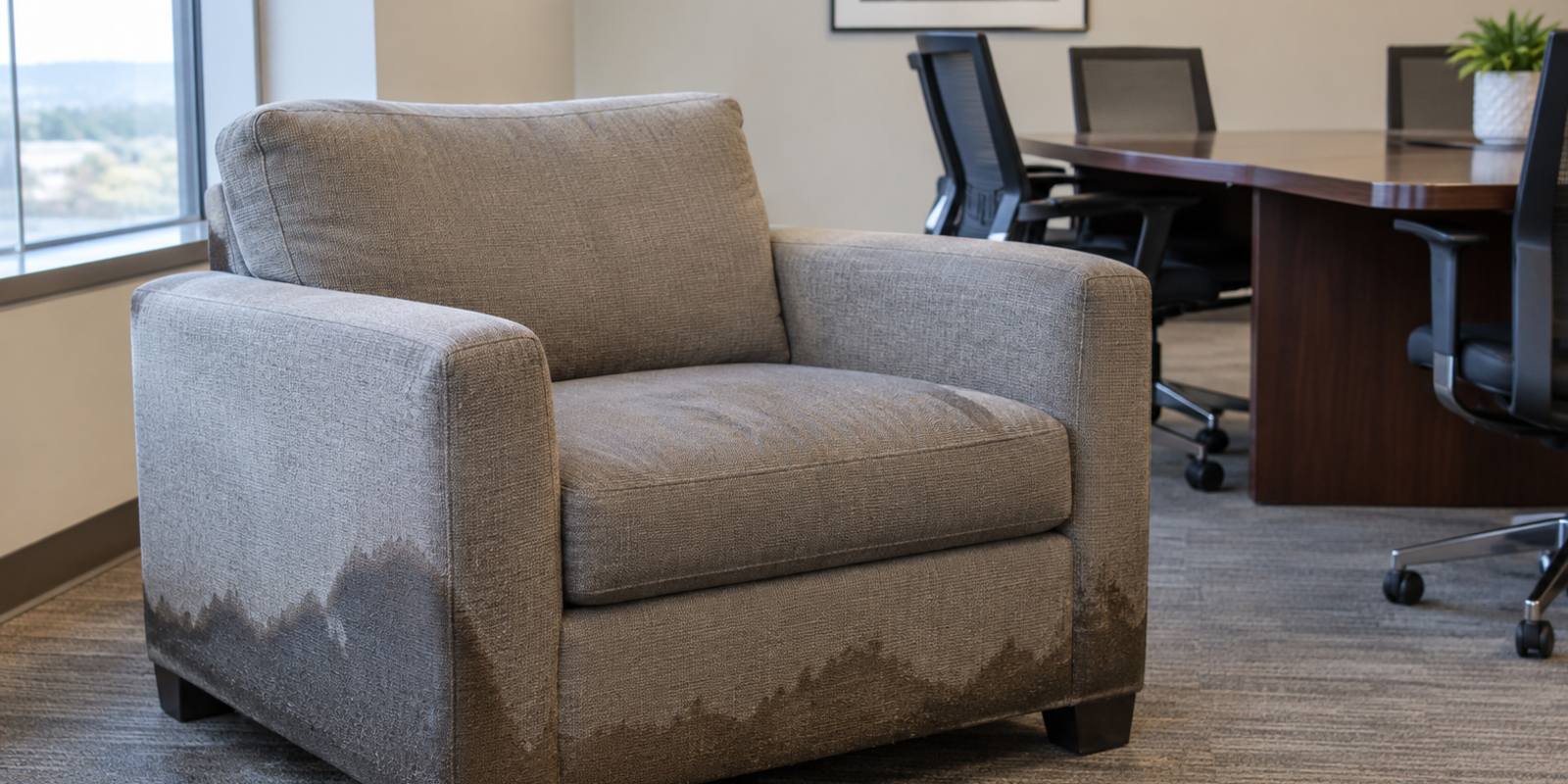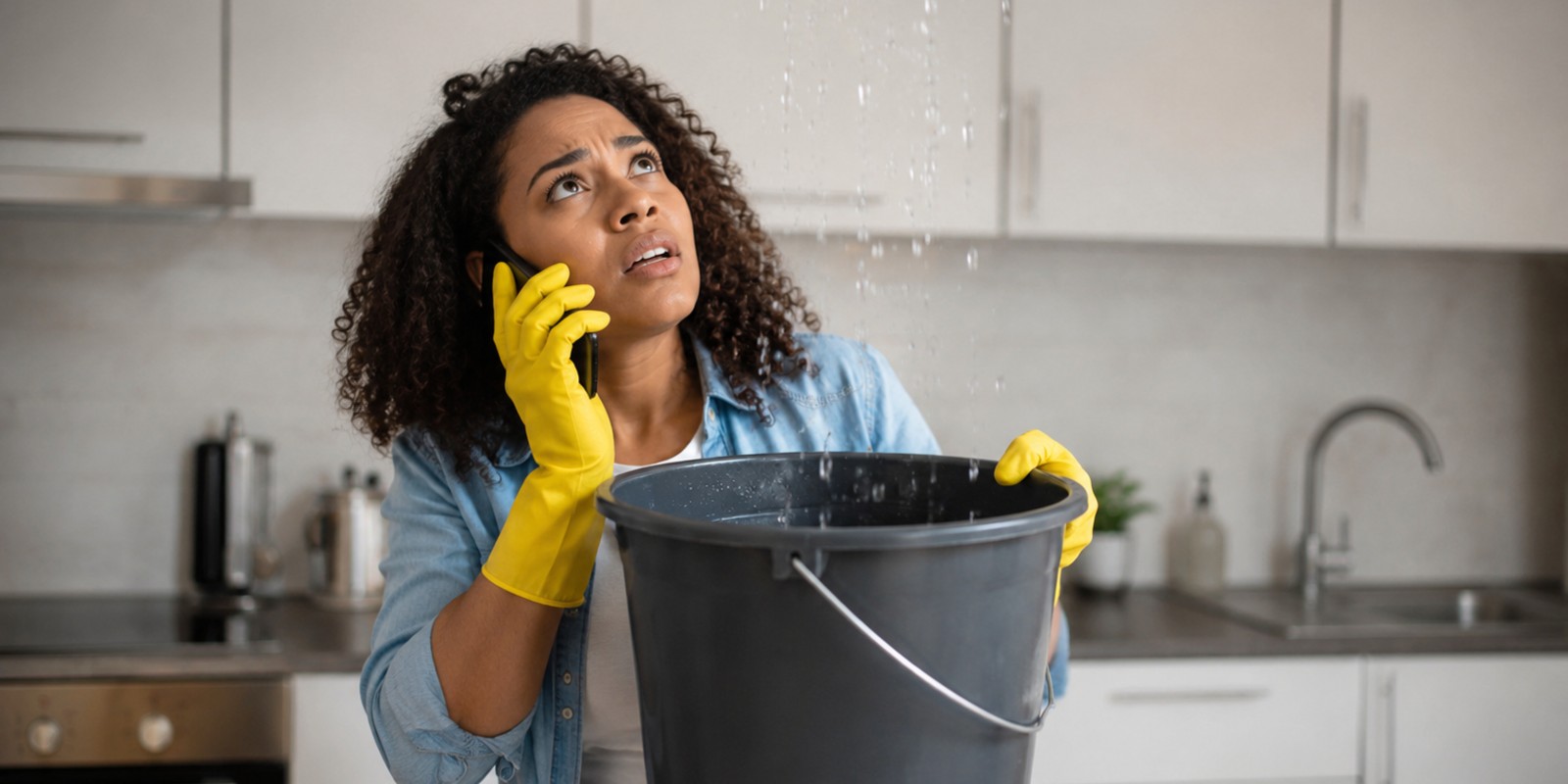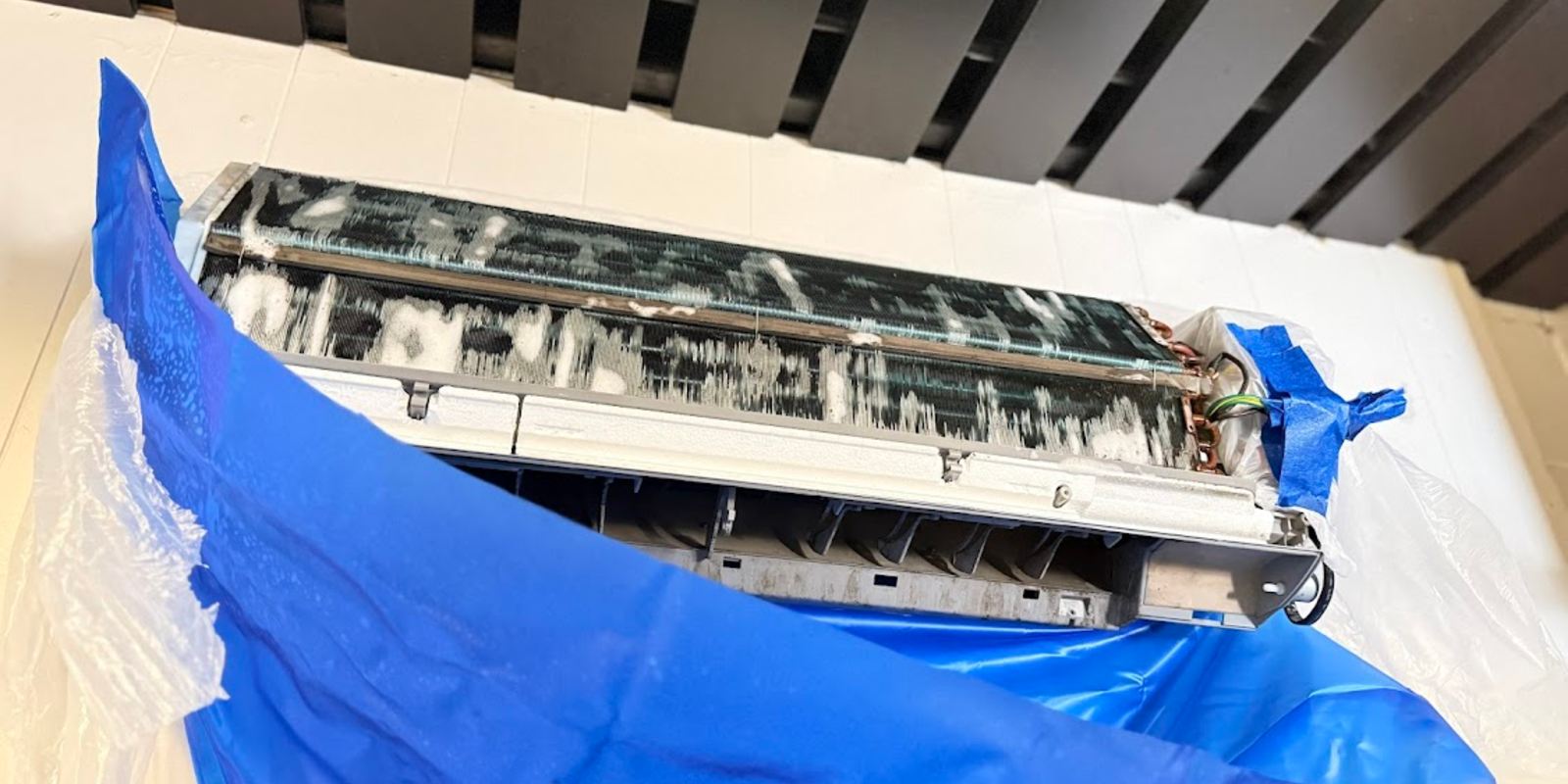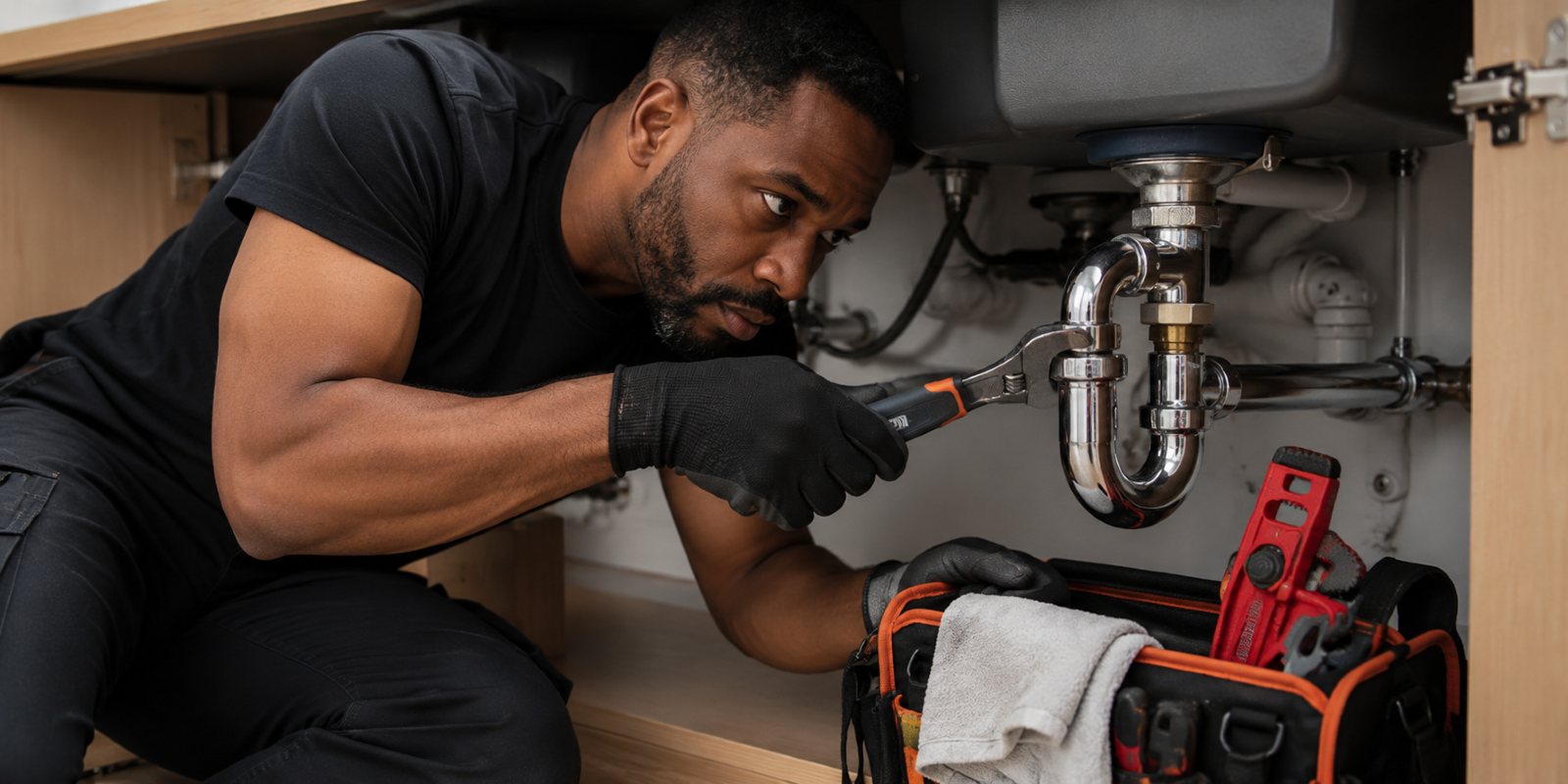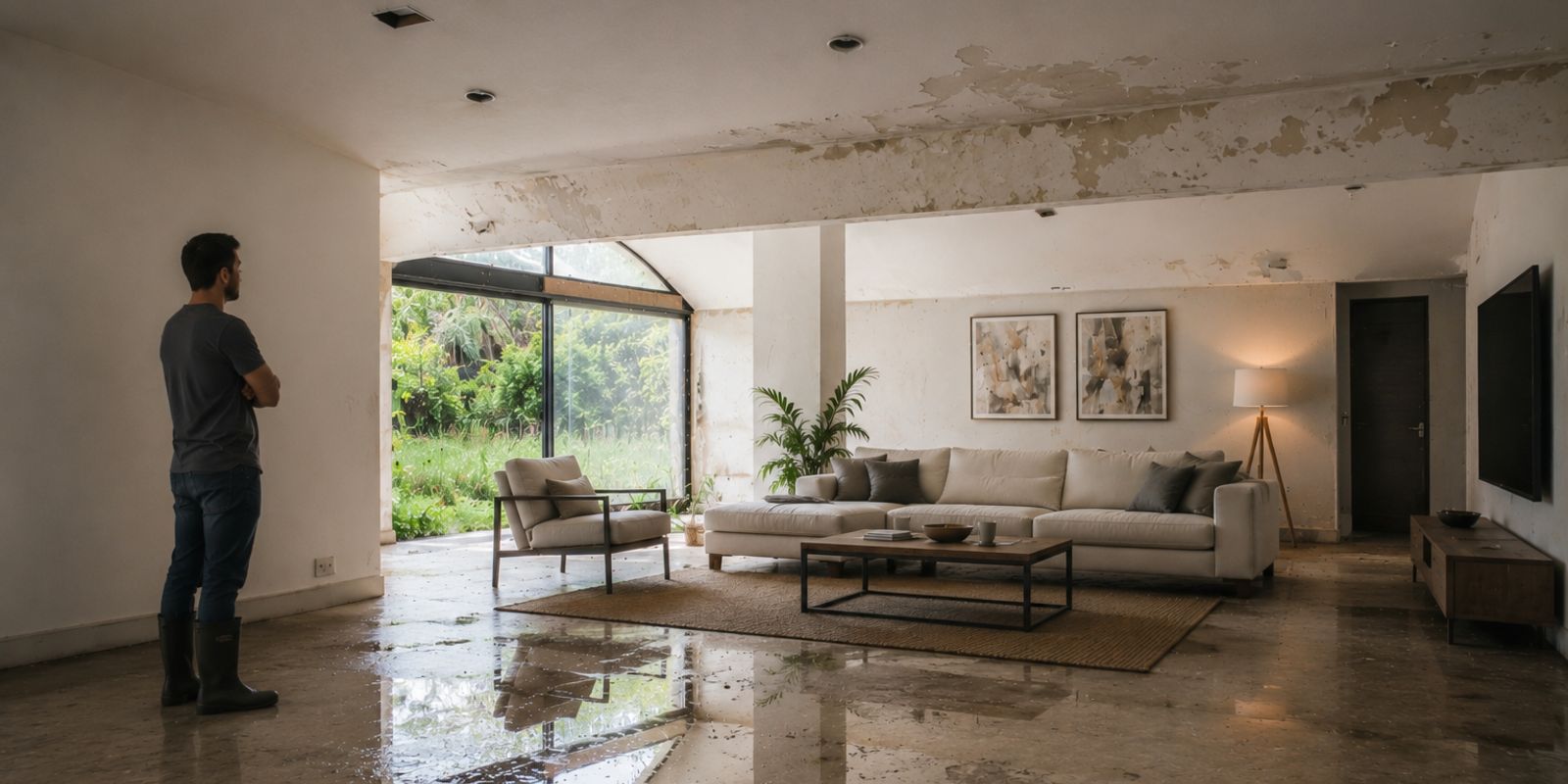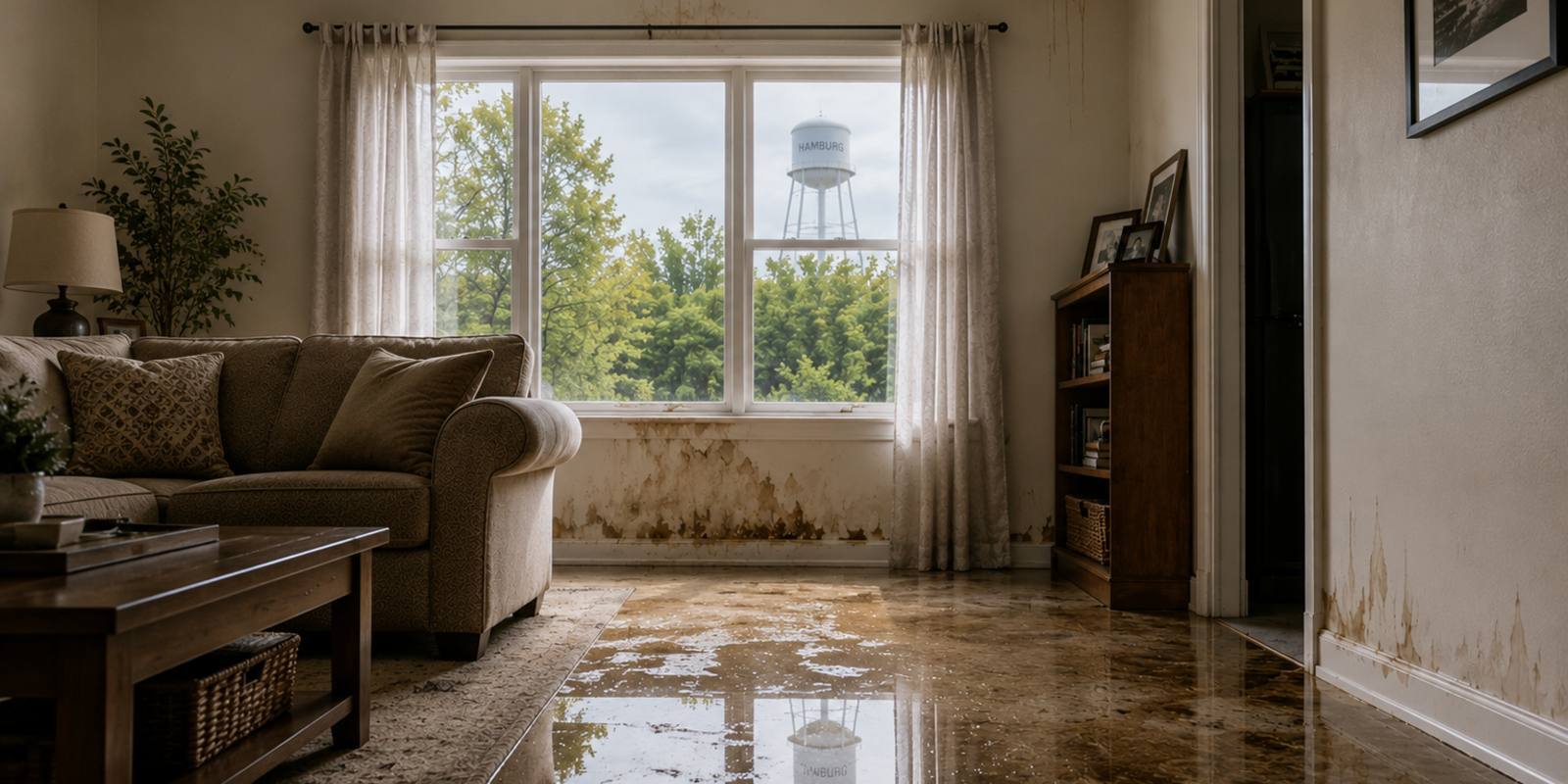
A water leak doesn’t always leave a visible puddle. Sometimes, the first sign is a musty smell, warped flooring, swollen cabinets, or unexplained moisture near a refrigerator, dishwasher, or washing machine. Because these appliances can hide areas where water collects, damage may go unnoticed until visible signs appear.
At Restore-It, we conduct inspections before beginning mitigation and restoration so we can develop a plan based on the conditions identified, rather than making assumptions based only on what’s visible.
For Arkansas homeowners, knowing what to look for can help you respond when something doesn’t seem right. Here’s how hidden appliance leaks happen, which warning signs to watch for, and when to consider a professional assessment.
Can Water Leak Behind Appliances Without You Noticing?
Yes. A loose supply line, damaged drain hose, worn seal, or faulty appliance component may release water that collects behind or beneath a unit. Because these areas are difficult to see, even a small leak may go unnoticed.
Warning signs don’t automatically confirm a leak, but they can help you recognize when something needs attention. If you suspect a leak, avoid moving a heavy appliance yourself or touching wet electrical components. You may need an appliance repair, plumbing service, or water damage assessment, depending on the source and extent of the problem.
Water may disappear from the surface while moisture remains in flooring or other materials. Learn what to consider before assuming the area is dry.

Which Appliances Commonly Cause Hidden Water Damage?
Refrigerators, dishwashers, and washing machines can leak from water supply lines, drain connections, seals, or internal components. The location of the leak can influence where water collects and which nearby materials may be affected.
Water Leaks Behind Refrigerators
Refrigerators with ice makers or water dispensers have water connections that may leak behind or beneath the unit. A loose fitting or damaged supply line can allow water to collect out of sight.
Look for moisture near accessible connections or changes in the nearby flooring. Avoid pulling the refrigerator out yourself to investigate, especially if water is near electrical components.
Water Leaks Under Dishwashers
Dishwashers can leak around the door, supply line, drain hose, or internal components. Whirlpool’s dishwasher leak troubleshooting guide identifies possible causes, including damaged or obstructed door seals and connection problems.
Water near the door may point to a seal issue, while moisture beneath the unit may come from a connection or internal component. These clues cannot confirm the source on their own. Stop using a leaking dishwasher and have an appliance technician investigate. If nearby building materials are wet, a water damage assessment may also be appropriate.
Washing Machine Leaks and Hidden Floor Damage
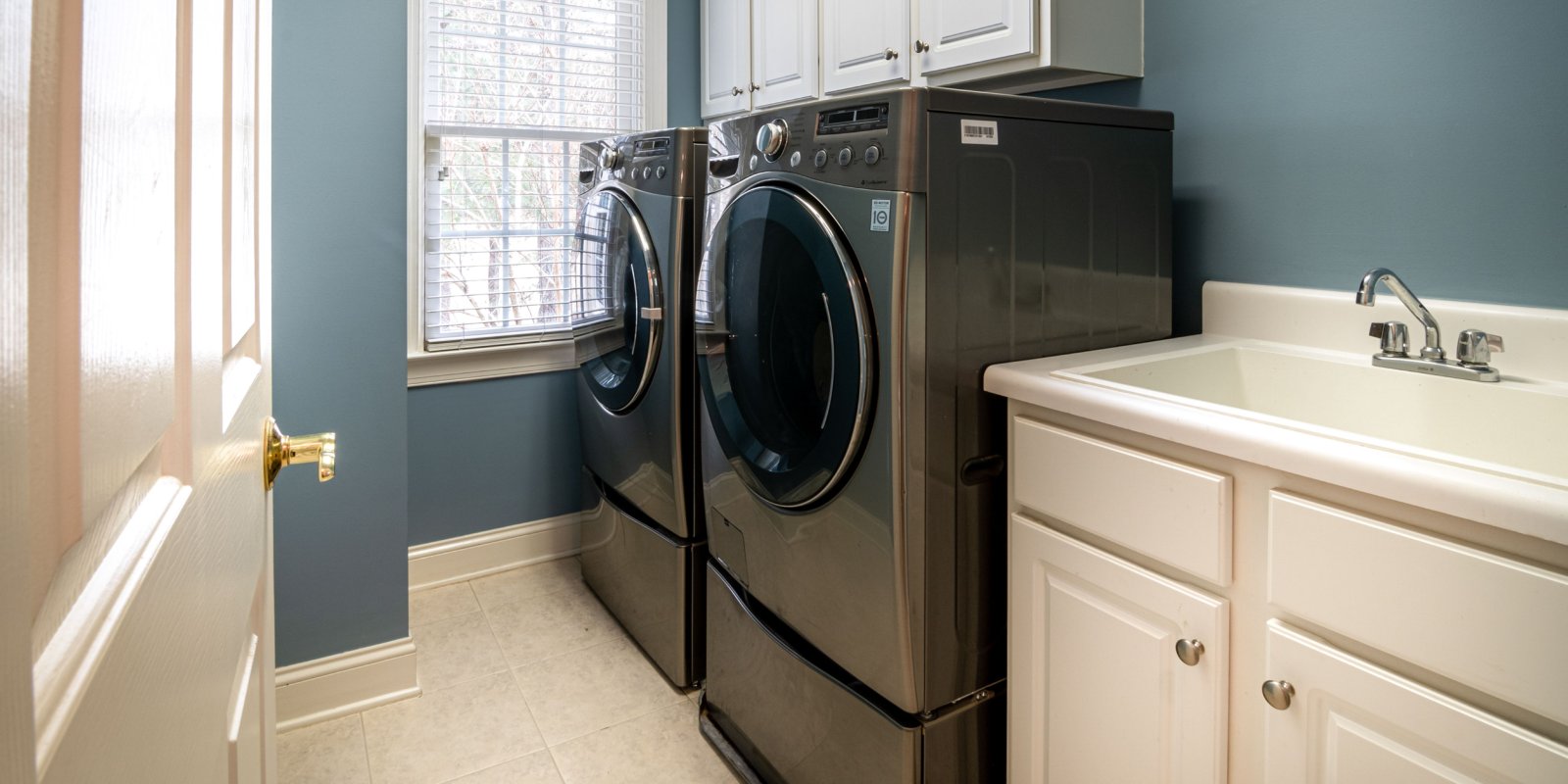
Washing machine leaks can come from damaged supply hoses, drain hoses, or an overflowing drain. According to Ken’s Plumbing, a washing machine drain may overflow if the pipe cannot handle the discharged water volume. Lint buildup can also contribute to blockages.
If water spills during a wash cycle, stop using the machine. Shut off the water supply if it is safe to do so, and contact a qualified plumber or appliance technician to identify the cause. If water has reached flooring, walls, or adjoining areas, restoration professionals can assess the affected materials.
What Are the Signs of Water Damage Behind Appliances?
Changes around an appliance may indicate that moisture has reached nearby building materials. Watch for:
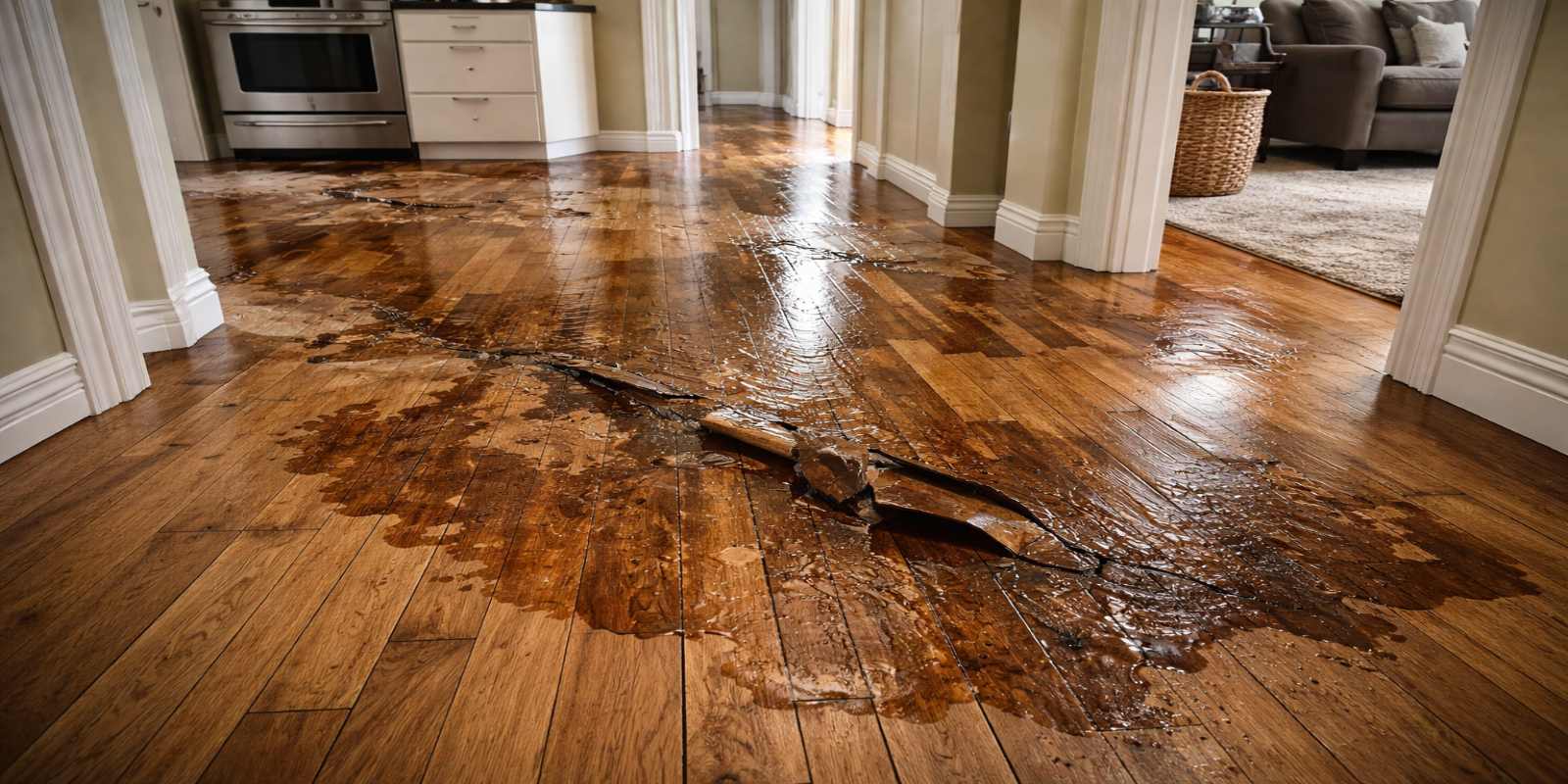
- Warped, buckling, or discolored flooring: Moisture may have affected the floor’s surface or underlying layers.
- Swollen cabinets, trim, or baseboards: Some materials change shape after exposure to moisture.
- Persistent musty odors: A lingering smell may warrant checking for hidden moisture.
- Peeling paint or wall discoloration: These changes can indicate moisture exposure near the appliance.
- Recurring dampness: Moisture that returns after the surface appears dry deserves further investigation.
These signs can have other causes, so they don’t prove an appliance is leaking. However, unexplained or persistent changes are worth investigating before the affected area worsens.
How Can You Check for a Water Leak Behind an Appliance?
Start with areas you can inspect safely. Look for visible moisture around accessible supply lines, drain connections, and nearby flooring. Check hoses for obvious damage, but don’t dismantle the appliance or pull a heavy unit away from the wall.
If you suspect an active leak, stop using the appliance and shut off its water supply if you can do so safely. Keep away from wet electrical components. Contact a qualified plumber or appliance technician if the source needs repair.
If water has spread into flooring, cabinets, walls, or adjoining rooms, fixing the leak may not address all the resulting damage. A water damage restoration assessment can help determine which materials have been affected and whether drying or repairs may be needed.
Can Water Damage Under Appliances Affect Floors, Cabinets, and Walls?
Water leaking behind an appliance can affect more than the floor directly beneath it. Depending on the amount of water, how long the leak continued, and the materials exposed, moisture may reach flooring, cabinet bases, baseboards, or nearby walls.
The Building Science Corporation (BSC) explains that moisture can move through and affect building materials in different ways. A visible stain or damp patch may not show the full extent of the affected area if water has collected beneath flooring or entered porous materials.
The appropriate response depends on the materials and conditions found during an inspection. Some areas may be dried, while others may need repair or replacement. A stain alone doesn’t mean flooring must be removed.
Could your flooring be affected beneath the surface? Learn when removing damaged flooring may be necessary during water damage restoration.

When Should You Call a Water Damage Restoration Company?
Consider a professional assessment if moisture persists, flooring begins to warp, cabinets or baseboards swell, or a musty smell continues near an appliance. An assessment may also be useful when the affected area appears larger than the visible water suggests.
Restore-It can take moisture readings, check the temperature in the home, and evaluate surrounding areas and materials that may have been affected by the water. These findings help determine the extent of the moisture and guide decisions about drying and restoration.
Restoration work does not replace plumbing or appliance repairs. A qualified technician may need to fix the source of the leak, while a restoration company assesses and addresses damage to the building materials.
What Should You Do If You Suspect Hidden Water Damage?
Now that you know the warning signs, remember that a visible puddle is not the only indication of a leak. Unexplained moisture, persistent odors, or changes to flooring and cabinets may warrant a closer look. Address suspected leaks safely, and don’t assume a surface is fully dry just because the water has disappeared.
You don’t have to determine the full extent of the damage yourself. Identifying which materials are affected can help guide the next steps and clarify whether drying, repairs, or material removal may be necessary.
Once you’ve identified signs of a possible hidden leak, the next question is how extensive the damage may be and what happens if professional restoration is needed. Understanding the typical restoration timeline can help you know what to expect, from the initial assessment and drying process to necessary repairs.