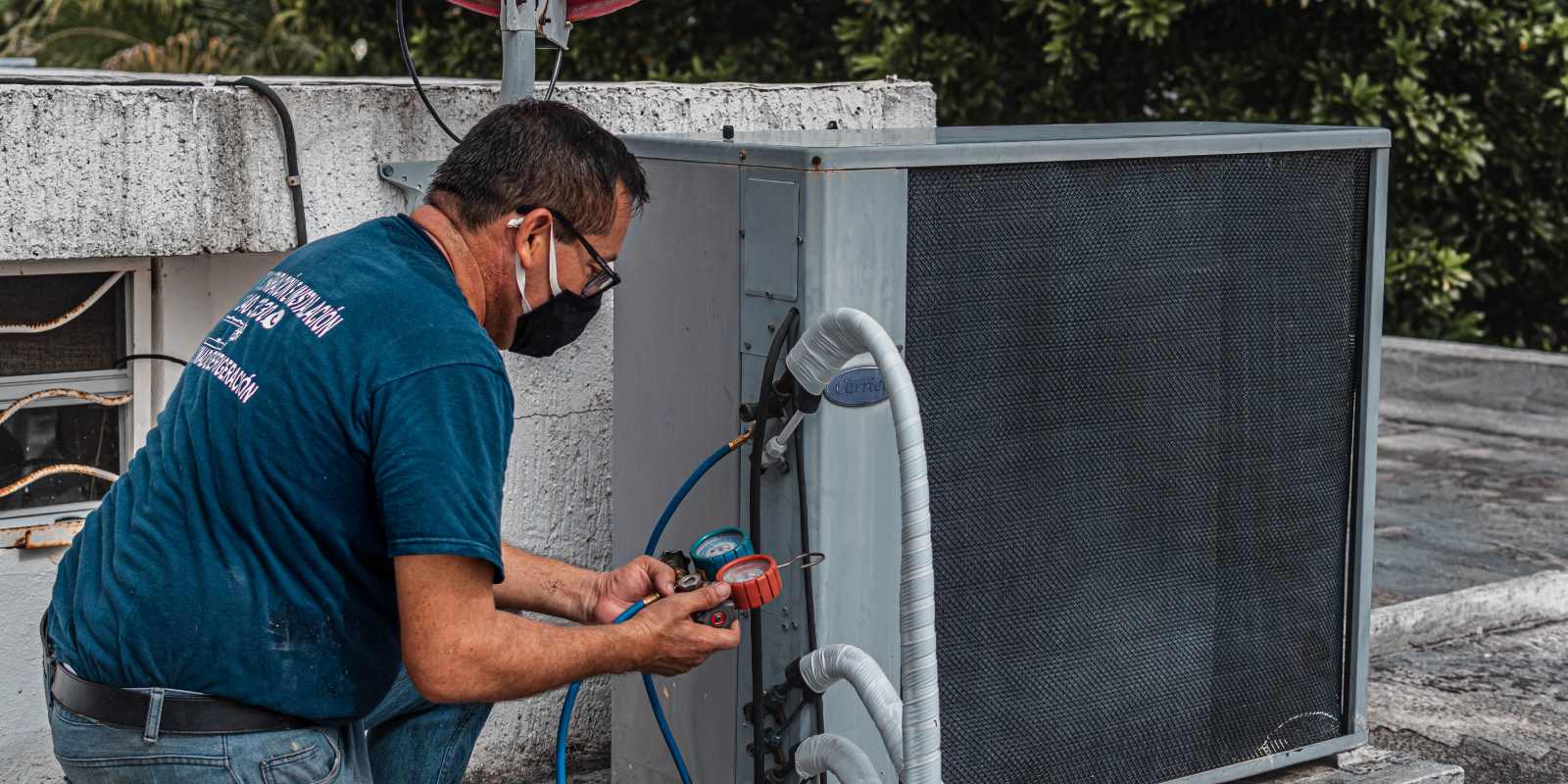

Arkansas weather can change quickly, from hot, humid summer days to cooler, drier conditions. If you’ve noticed your home feeling too humid, certain rooms staying warmer or cooler than others, or your HVAC system running longer than usual, those weather changes may be part of the problem.
At Restore-It, we understand how Arkansas homes respond to changing weather and how HVAC and indoor air conditions can affect your comfort. By understanding the connection between outdoor temperature, indoor humidity, and HVAC performance, you can recognize potential problems before they become bigger issues.
In this article, you’ll learn how Arkansas weather changes can affect your indoor air quality and HVAC performance, which warning signs to watch for, and how to keep your home comfortable year-round.
How Does Arkansas Weather Affect Indoor Air Quality?
Arkansas experiences hot, humid summers, generally cool winters, abundant precipitation, and occasional extreme temperature changes. These conditions can affect indoor temperature and moisture levels throughout the year. According to the National Oceanic and Atmospheric Administration (NOAA), Arkansas has a climate that can bring significant seasonal changes.
How Does Humidity Affect Indoor Air Quality in Arkansas Homes?
Humidity is one of the biggest ways outdoor weather can influence indoor air. When warm, humid air enters your home and meets a cold surface, condensation can form.
According to the Environmental Protection Agency (EPA), uncontrolled indoor moisture can contribute to biological growth and other indoor-air problems. The EPA recommends keeping indoor relative humidity between 30% and 50% and below 60% to help control moisture.
A basic humidity monitor can help you keep track of conditions inside your home.
|
What you notice |
What it may indicate |
|
Condensation on windows or other surfaces |
Indoor moisture may be too high |
|
Damp or musty-feeling air |
Humidity may be contributing to discomfort |
|
Rooms that consistently feel humid |
Moisture control or airflow may need attention |
|
Very dry indoor air |
Indoor humidity may be lower than is comfortable |
These signs do not automatically mean you have an indoor air quality problem, but they can tell you that temperature and humidity levels are worth monitoring.
How Do Temperature Changes Affect Indoor Air?
Outdoor temperature changes can affect how consistently your home maintains comfortable indoor conditions. When temperatures become more extreme, differences in insulation, air leakage, room exposure, or airflow can become more noticeable.
For example, one room may feel warmer or cooler than the rest of the house when outdoor conditions change. The U.S. Department of Energy (DOE) explains that air sealing and insulation can improve comfort by reducing unwanted heat transfer and air leakage.
Temperature changes do not necessarily mean something is wrong with your home, but recurring comfort differences can be a reason to look more closely at airflow, insulation, and air sealing.
Why Can Indoor Air Feel Different as the Seasons Change?
Your indoor environment changes as outdoor temperature and humidity change throughout the year. In Arkansas, that can mean dealing with humid summer conditions and significantly different conditions during the cooler months.
Pay attention to recurring changes in:
- Indoor humidity
- Room-to-room temperature
- Condensation or moisture
- Musty or unusual odors
- Overall comfort
These changes can provide useful clues about how your home is responding to seasonal conditions.
How Does Arkansas Weather Affect HVAC Performance?
Arkansas weather can place very different demands on a home's HVAC system throughout the year. Hot, humid summer weather can require longer cooling periods, while colder weather increases the demand for heating.
When outdoor conditions change quickly, homeowners may notice changes in runtime, comfort, airflow, or indoor humidity.
Why Does My HVAC System Run More When the Weather Changes?
Your HVAC system may run longer when outdoor temperatures become more extreme because it has to work harder to maintain the temperature set on the thermostat.
Longer runtime does not necessarily mean there is a problem. During periods of extreme heat or cold, extended heating or cooling cycles can be normal.
However, if the system runs continuously, cannot reach the set temperature, or performs differently than it normally does, there may be an underlying issue worth evaluating.
Can Humidity Make an HVAC System Work Harder?
Yes. Humidity can affect how comfortable a home feels and how much work an air-conditioning system needs to do.
An air conditioner removes some moisture from indoor air as it cools the home. In Arkansas's humid summer weather, however, the system may need to remove both heat and moisture. If indoor humidity remains high even when the home reaches the thermostat setting, the house may still feel damp or uncomfortable.
The Environmental Protection Agency (EPA) recommends keeping indoor relative humidity between 30% and 50% for a healthy indoor environment.
Why Do Weather Changes Cause Uneven Temperatures?
Weather changes do not necessarily cause uneven temperatures, but they can make existing airflow or HVAC problems more noticeable.
A room that already has restricted airflow, duct leakage, inadequate insulation, or air-sealing issues may become noticeably warmer or cooler when outdoor temperatures become more extreme. If the same rooms consistently have trouble staying comfortable, the issue may deserve a closer look.
What HVAC Problems Can Weather Changes Cause?
Weather changes do not necessarily cause HVAC problems, but extreme temperatures can increase system demand and make existing issues more noticeable.
You may notice:
- Longer HVAC runtime: Your system may run longer to maintain the thermostat setting when outdoor temperatures are extreme.
- Higher energy use: More heating or cooling can naturally increase energy consumption.
- Uneven heating and cooling: Rooms with airflow, insulation, or ductwork issues may become more noticeably uncomfortable.
- Indoor humidity problems: During humid Arkansas summers, your air conditioner may need to remove both heat and moisture from your home.
- Increased system strain: Repeated periods of high demand can put more workload on your HVAC equipment.
The key is to distinguish normal seasonal demand from persistent performance problems. A longer cooling cycle during an Arkansas heat wave may be expected. A system that consistently struggles to maintain comfort may point to an underlying issue.
Are Your Energy Bills Higher Than Expected? Extreme weather can naturally increase heating and cooling demand, but persistent increases may have another explanation. Learn how leaky air ducts can affect your energy use and HVAC performance.
 How Can You Tell If Weather Is Affecting Your HVAC System?
Some changes in HVAC performance are normal when Arkansas temperatures become more extreme. The important question is whether your system returns to normal when conditions moderate or whether the problem persists.
|
What you notice |
What it could mean |
|
HVAC runs much longer than usual |
Increased demand from extreme outdoor temperatures |
|
Some rooms stay warmer or cooler |
Airflow, ductwork, insulation, or air-sealing issues may be more noticeable |
|
Indoor humidity remains high |
Your system may not be adequately controlling moisture |
|
Energy bills increase unexpectedly |
Weather may be contributing, but persistent increases deserve investigation |
|
Performance changes significantly by season |
Seasonal demand is normal; recurring comfort problems may indicate an underlying issue |
A longer HVAC cycle during extreme weather can be normal. A system that consistently struggles to maintain comfort may need further evaluation.
How Can You Improve HVAC Performance During Arkansas Weather Changes?
You can't control Arkansas weather, but you can reduce some of the factors that make temperature and humidity changes harder on your home and HVAC system.
- Check your HVAC air filter regularly. A dirty filter can restrict airflow and make it harder for your system to move conditioned air through your home.
- Monitor indoor humidity. The EPA recommends maintaining indoor relative humidity between 30% and 50%. A basic humidity monitor can help you identify when moisture levels are consistently outside that range.
- Pay attention to airflow. Make sure supply registers and return grilles aren't blocked, and take note of rooms that consistently feel different.
- Check air sealing and insulation. The U.S. Department of Energy (DOE) identifies air sealing and insulation as important ways to improve comfort and reduce unwanted heat transfer.
- Address persistent problems. If your HVAC system continues to run excessively, struggles to maintain the thermostat setting, or leaves your home with persistent humidity or uneven temperatures, professional evaluation can help identify the underlying cause.
These steps won't prevent normal seasonal changes, but they can help your home respond more effectively when Arkansas weather shifts.
When Should You Call an HVAC Professional?
Weather can explain some changes in HVAC performance, but it should not become the explanation for every recurring problem.
Consider having your system evaluated if:
- Your HVAC system runs continuously but cannot reach the thermostat setting.
- The same rooms remain noticeably warmer or cooler than the rest of the home.
- Indoor humidity stays high despite normal HVAC operation.
- You notice unusual sounds, odors, or changes in performance.
- The same HVAC or comfort problem returns whenever the seasons change.
If a problem continues after the weather changes, it may be time to look beyond the weather and identify what is actually causing it.
At Restore-It, our team has over 14 years of restoration experience and understands how moisture, airflow, and indoor conditions can affect a home. When you need help identifying what may be affecting your indoor comfort, we’re here to help you take the next step.

Topics: