
If your business seems to get dustier when the HVAC system runs more often, you may start wondering where all that dust is coming from. You might notice more dust on desks, floors, furniture, or around supply vents, even though your team is keeping up with routine cleaning. It may also make you wonder whether something is wrong with the HVAC system itself.
At Restore-It, we have worked with business managers and property owners who notice changes like these and want to understand what may be happening before deciding what needs to be addressed. In many cases, the HVAC system is not creating the dust. More HVAC runtime means more air is being circulated throughout the building, which can move particles that are already present.
In this article, we will explain how HVAC airflow can affect dust in a commercial building, how filters fit into the picture, what else can contribute to dust, and what you can check before choosing a solution.
Does Running the HVAC More Make a Business Dustier?
Running the HVAC system more often does not necessarily mean the system is producing more dust.
An HVAC system moves air through a building using supply and return pathways. As air circulates, it can redistribute particles already present in the space. The U.S. Environmental Protection Agency (EPA) explains that dust and dirt can enter a building from outside or be generated by activities inside the building. The EPA also notes that HVAC systems can significantly affect how pollutants are distributed and removed.
This can help explain why you may notice more dust when the HVAC runs for longer periods. The timing can make the system appear to be the source when it may instead be changing how existing particles move through the building.
That does not mean increased dust should be ignored. It is a reason to look at the HVAC system alongside filtration, airflow, housekeeping, occupant activity, and other potential pollutant sources.
Can a Dirty HVAC Filter Cause More Dust?
A dirty HVAC filter can affect system operation, but that does not necessarily mean it is creating more dust.
The U.S. Department of Energy (DOE) explains that HVAC filters can capture particles such as dust. It also notes that a dirty or clogged filter can significantly reduce airflow, which can increase system runtime, motor wear, and energy consumption.
That makes filter condition an important part of investigating a dusty commercial space. However, replacing a filter does not automatically solve every dust problem. Particles can come from foot traffic, outdoor air, housekeeping, construction, and other sources.
|
What to check |
Why it matters |
|
Filter condition |
A dirty or clogged filter can restrict airflow and affect system operation. |
|
Filter fit |
Proper installation helps the filter perform as intended. |
|
Filter type |
Different filters have different particle-capturing capabilities. |
|
Other dust sources |
A filter cannot address particles entering through doors, construction, housekeeping, or other sources. |
A filter is an important part of the HVAC system, but it is only one piece of the bigger picture.
What Else Can Make Your Business Dustier?
The HVAC system is only one part of the picture. The EPA identifies several indoor and outdoor factors that can affect indoor air quality. These include housekeeping, renovation, building maintenance, occupant activities, outdoor air, and HVAC operation.
Depending on your business, consider whether any of these have changed recently:
- Foot traffic: Customers, employees, and deliveries can bring dirt and outdoor particles inside.
- Frequently opened doors: Exterior doors can allow outdoor dust and other particles into the building.
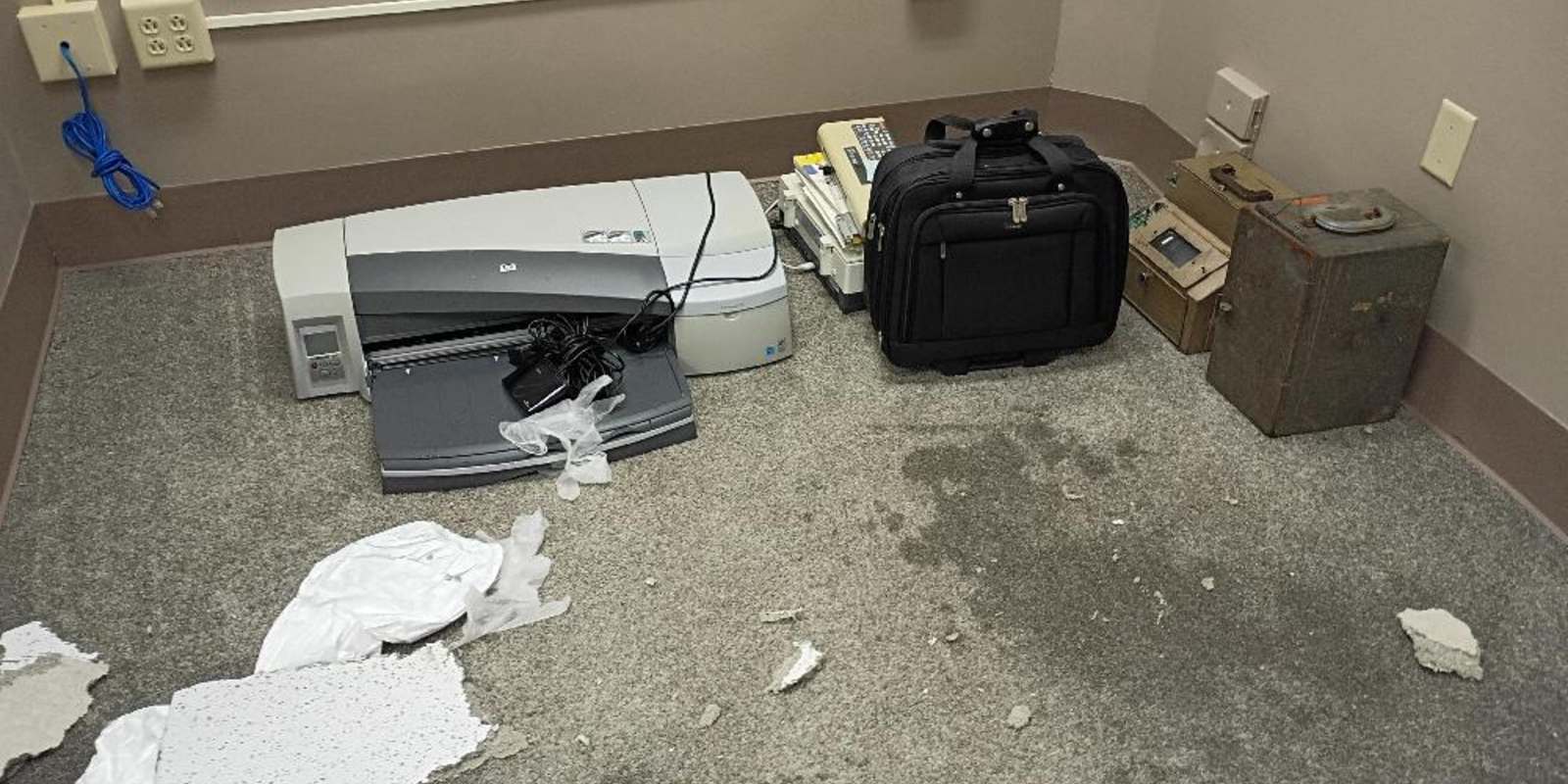
- Construction or remodeling: Renovation work can create dust and other particles that may spread beyond the immediate work area.
- Housekeeping: Floors, furniture, carpets, and other surfaces can collect particles that later become airborne through normal activity.
- Carpet and upholstery: Soft surfaces can collect dust and dirt over time.
- Outdoor conditions: Dust, pollen, and other outdoor particles can enter through doors or the building's ventilation system.
- Building maintenance: Leaks, damaged materials, or other maintenance concerns can contribute to indoor air quality problems.
That is why a business can see more dust even when the HVAC system itself hasn't changed.
What Can You Do If Your Business Is Getting Dustier?
If you have noticed more dust than usual, start by looking for patterns instead of immediately choosing a service.
1. Check the HVAC filter: Look at the filter's condition and make sure it is the correct size and properly installed. A dirty or clogged filter can restrict airflow, so regular filter maintenance is important.
2. Look at the supply and return vents: Check accessible supply vents and return grilles for visible dust or buildup. Notice whether the problem appears throughout the building or seems concentrated in certain areas.
3. Consider what has changed: Think about recent changes in the building. Has foot traffic increased? Has there been construction or remodeling? Has the HVAC system been running longer because of weather? Has the cleaning routine changed?
These details can help identify possible sources.
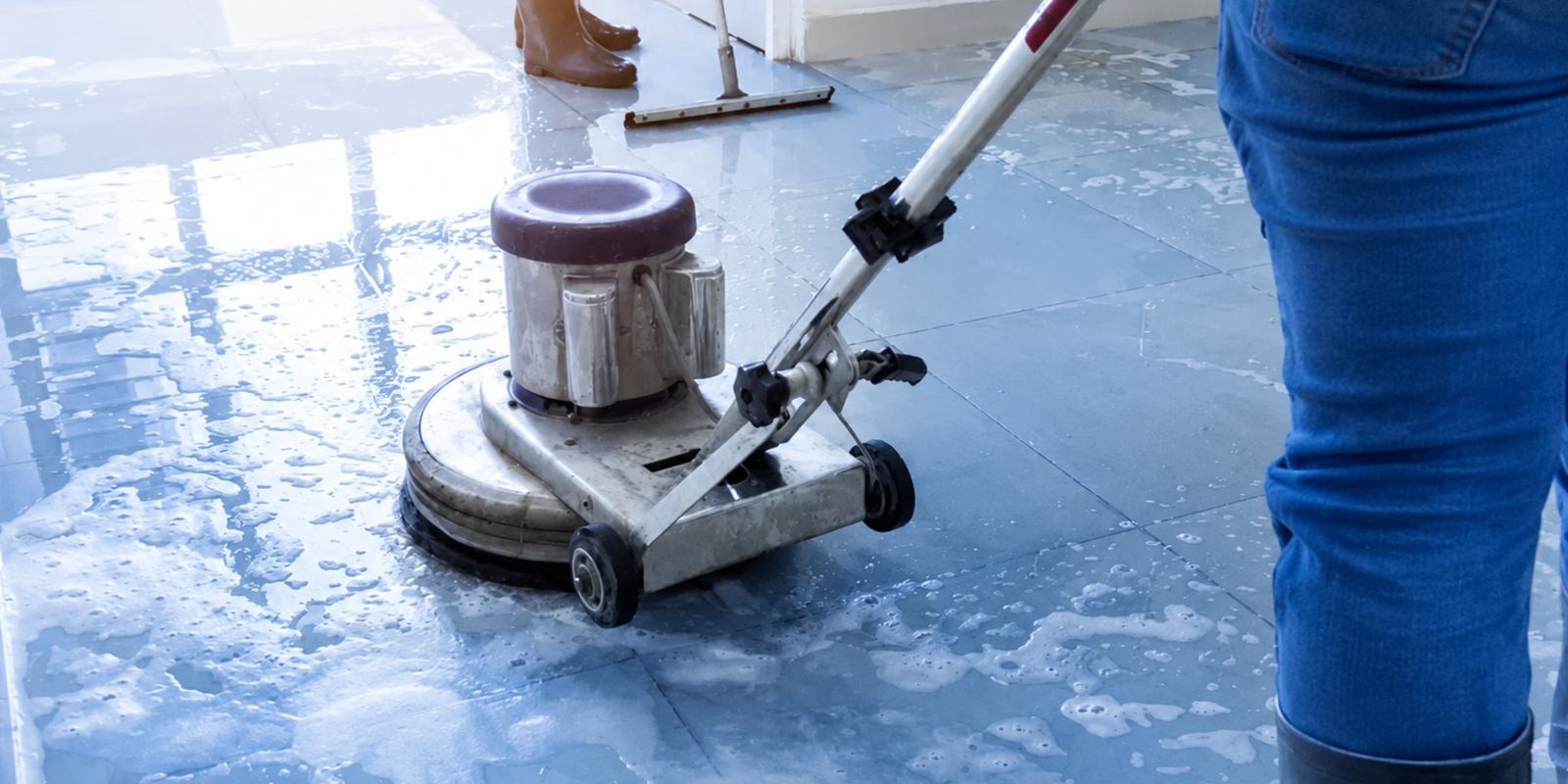
4. Review routine cleaning: Pay attention to the areas where dust collects most quickly. This can provide useful information about where particles may be entering, settling, or being redistributed.
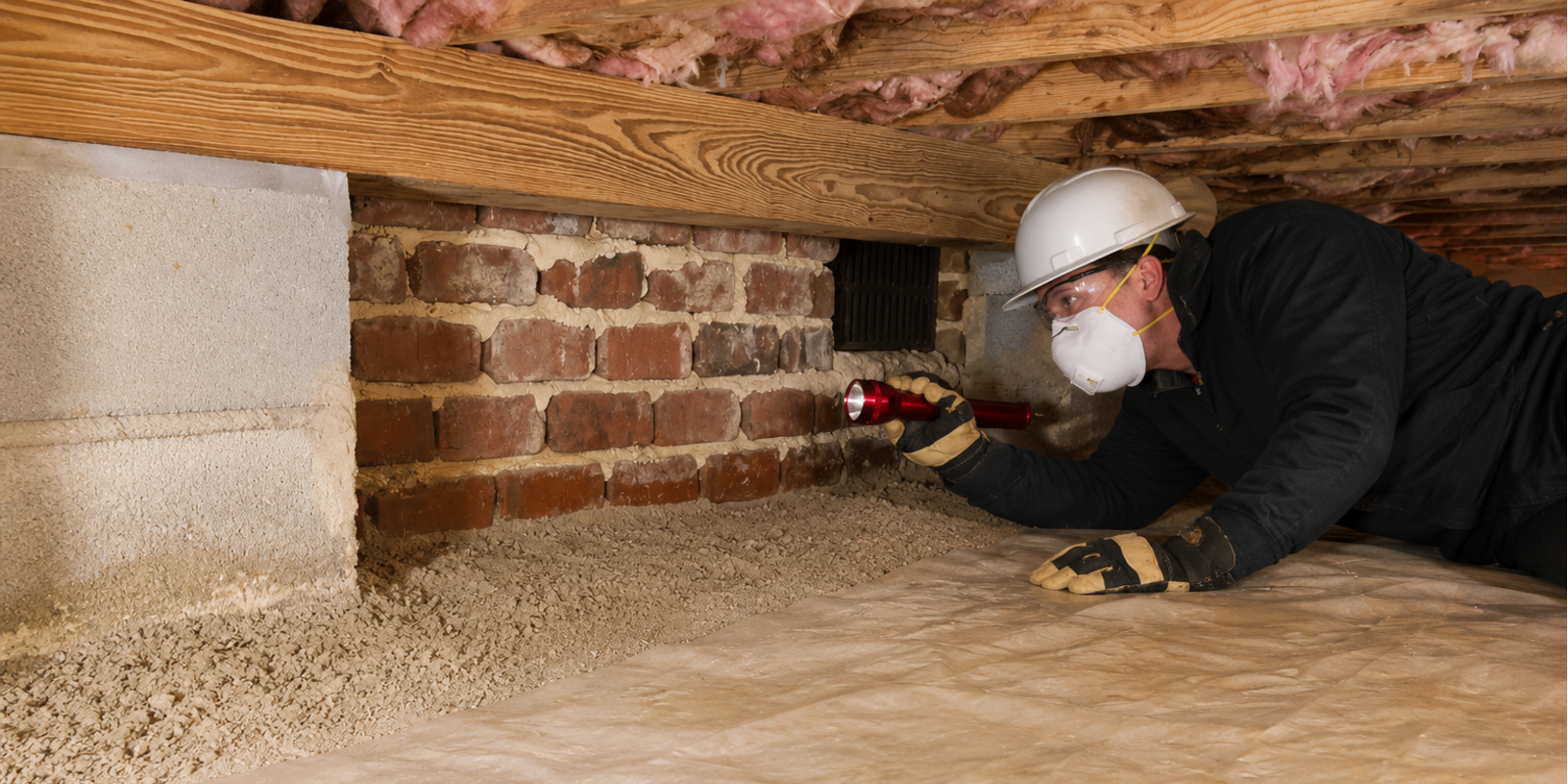
5. Look for HVAC concerns: If dust continues to return quickly, you notice visible buildup in accessible HVAC components, or you have concerns about airflow or system operation, consider having the system evaluated.
When Should You Consider Professional HVAC Cleaning?
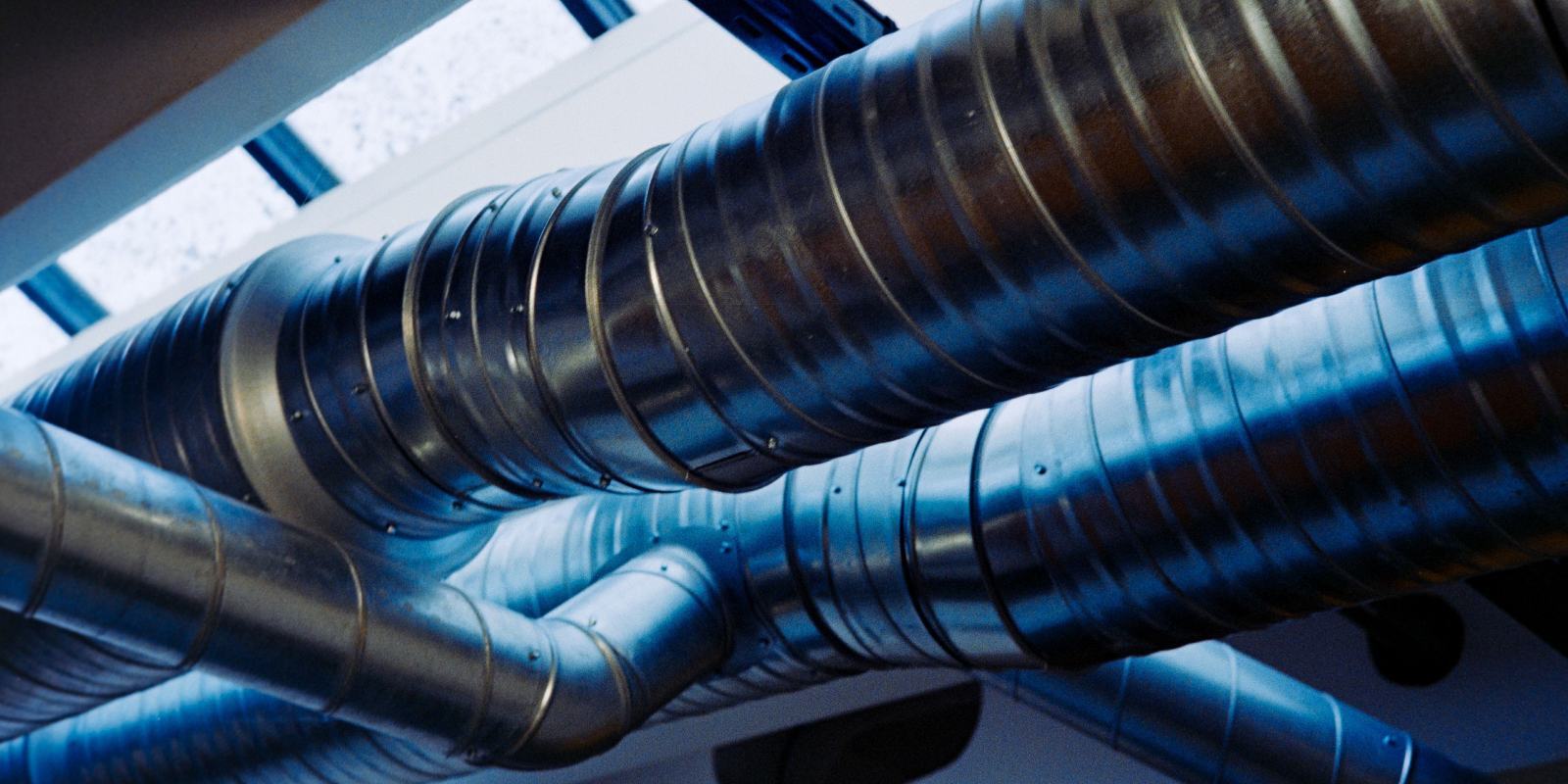
Professional HVAC cleaning may be worth discussing when dust continues to return despite routine cleaning or when an inspection identifies significant buildup in accessible HVAC components.
Other observations, such as unusual odors or airflow concerns, may also be reasons to have the HVAC system evaluated. However, these signs do not automatically mean duct cleaning is the answer.
At Restore-It, we believe the first step should be understanding what is happening in the building. An evaluation can help determine whether the concern points toward cleaning, maintenance, another HVAC issue, or a source outside the ductwork.
Still seeing dust return after cleaning? Learn more about what professional HVAC cleaning involves and what a technician should check before the service is recommended.

A Dustier Business Does Not Always Mean a Dirty HVAC System
If your business seems dustier when the HVAC runs more often, the timing is worth paying attention to, but it does not tell you the cause by itself.
More HVAC runtime means more air movement, and that airflow can redistribute particles already present in the building. Filter condition, housekeeping, foot traffic, outdoor air, renovation, and other building conditions can also play a role.
That bigger-picture approach is part of how Restore-It approaches commercial cleaning and HVAC concerns. Instead of treating every dust problem as the same, our team looks at the conditions contributing to the concern and helps identify what should be addressed.
Because when you're responsible for a business, the goal isn't simply to remove what you can see. It's to understand the problem well enough to determine what your building actually needs.

Topics: