

Fall events can be exciting. An open house, customer appreciation event, employee gathering, or seasonal celebration gives people a reason to spend time in your business.
But when more people walk through your doors, they also notice things your team may have stopped seeing.
A stained carpet. A musty smell. Dirty grout in the restroom. A rug that has seen better days. An HVAC system that gives off an unusual odor when it starts running.
A little preparation can help you catch these problems before your guests do.
Restore-It has helped homes and businesses address cleaning, moisture, odor, and property damage concerns for more than 14 years. In this guide, we'll walk through the areas businesses should check before hosting a fall event and explain when a problem may need more than routine cleaning.
Do The Floors Need Professional Cleaning Before the Event?
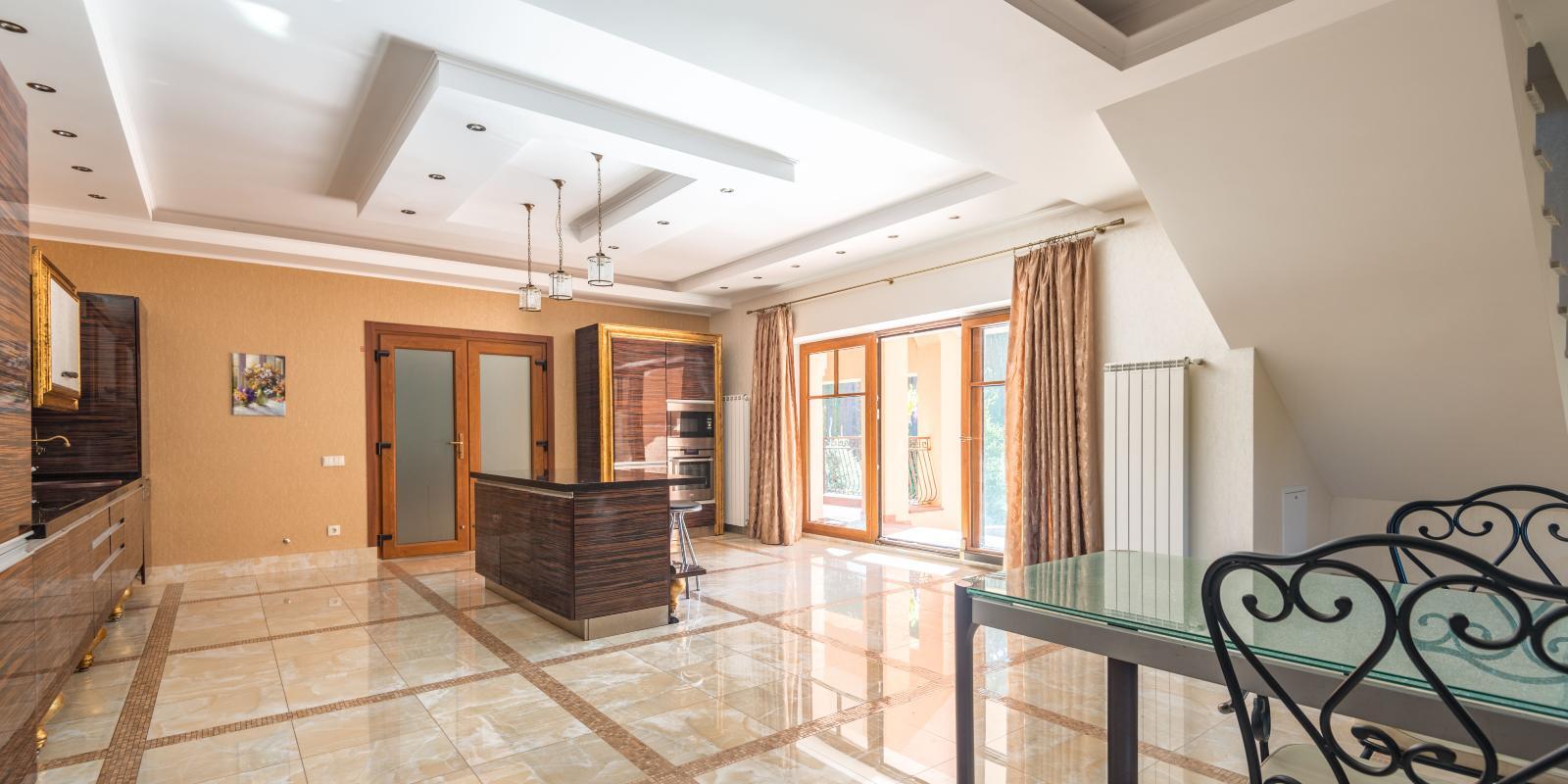
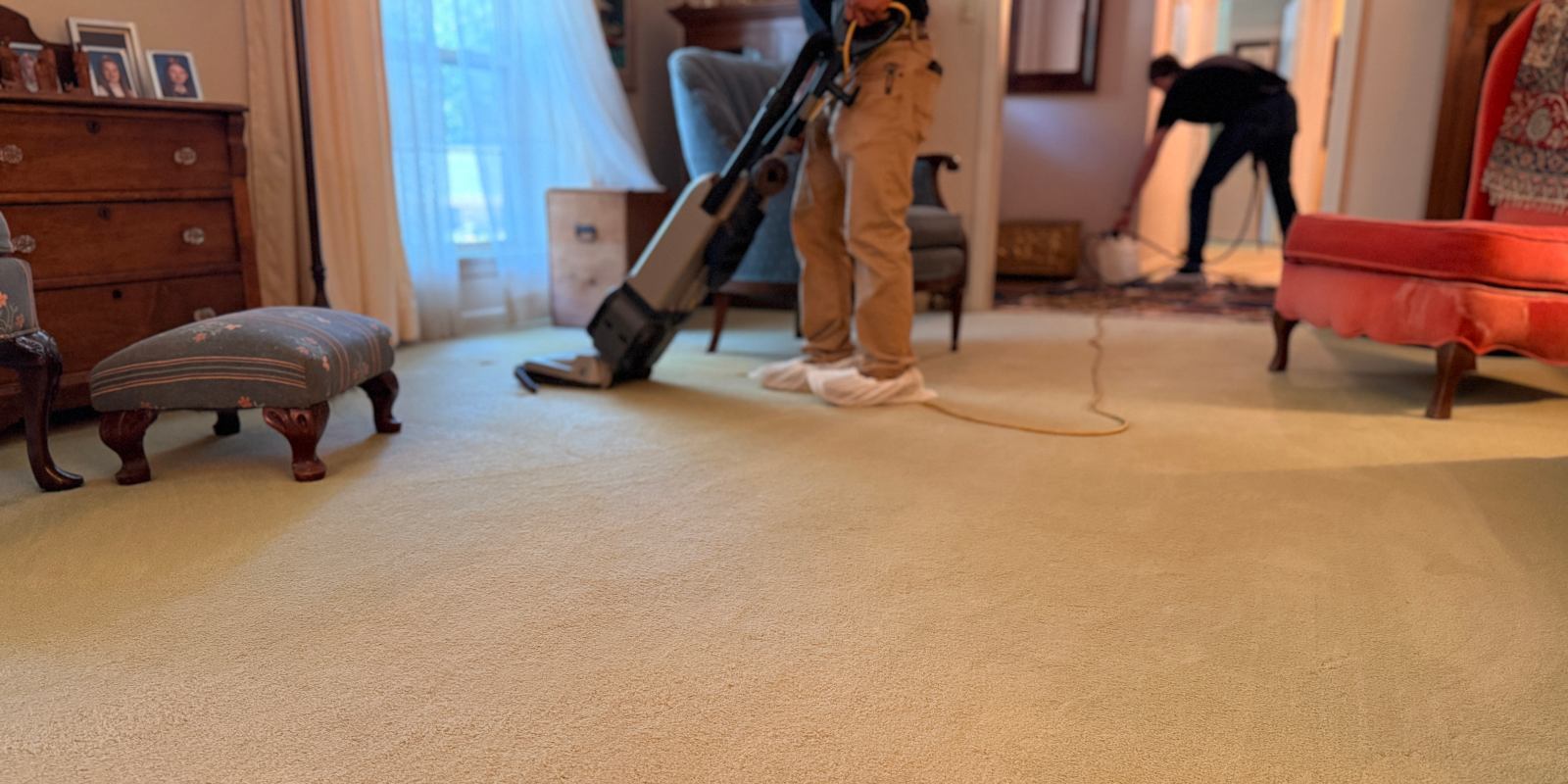
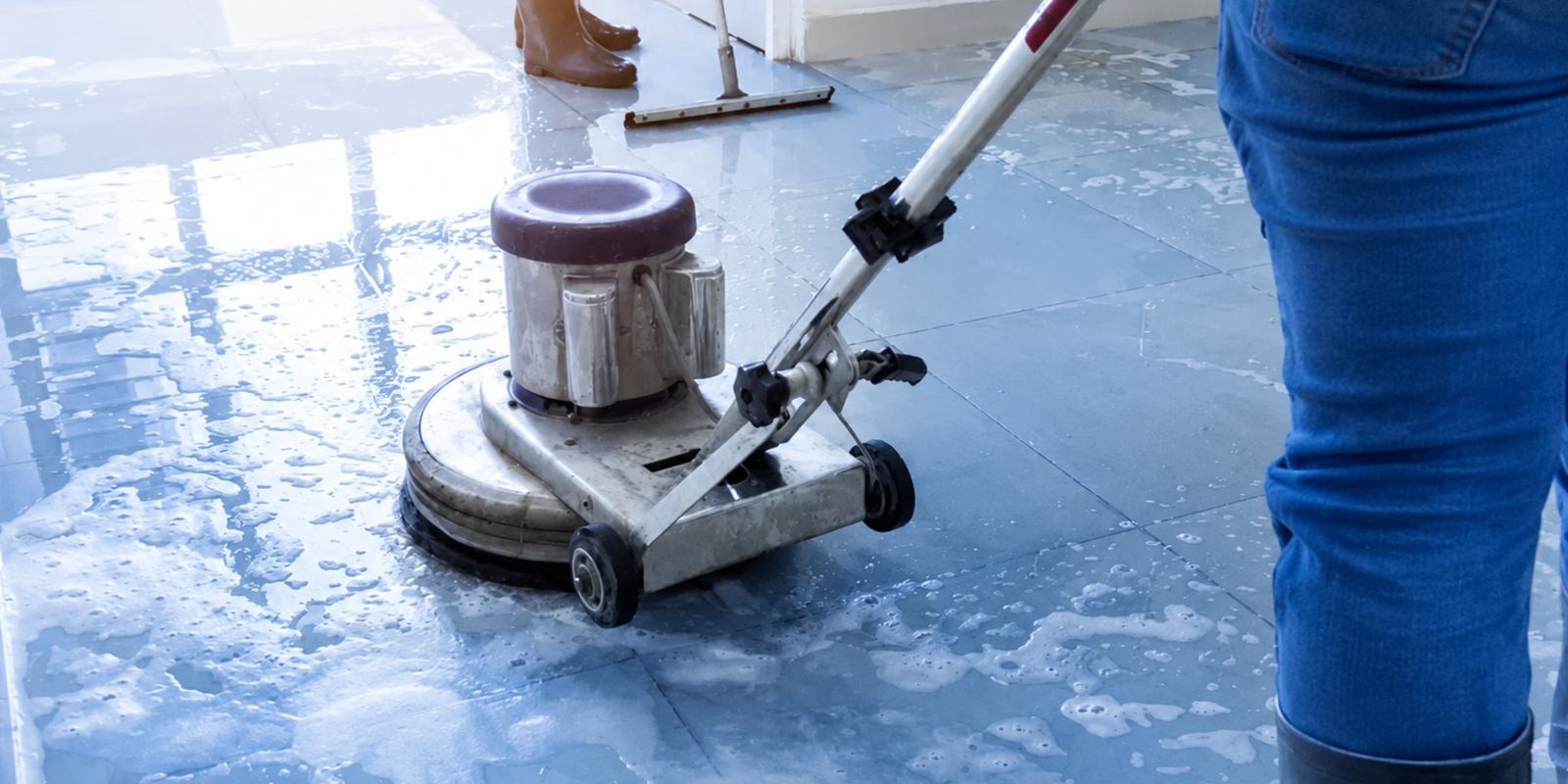
Some floors may not need a professional cleaning before an event. However, visible stains, heavy traffic patterns, dirty grout, and buildup that routine cleaning cannot remove are signs that your floors may need more attention before guests arrive.
Start with the areas guests are most likely to notice:
- Entryways
- Hallways
- Reception areas
- Customer seating areas
- High-traffic carpet
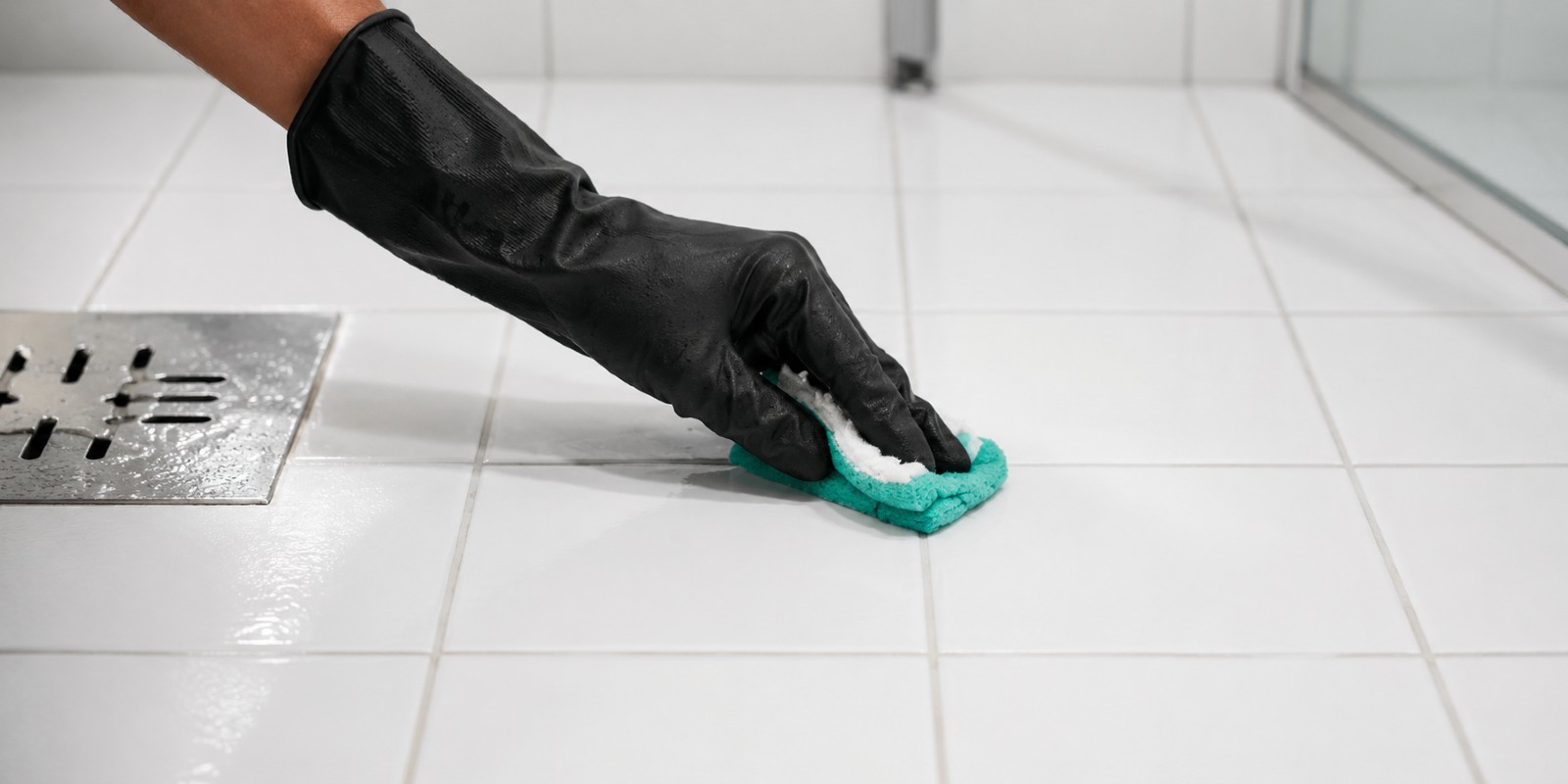
- Tile and grout
- Area rugs
Look at the floor from the perspective of someone entering your business for the first time. Are there dark traffic lanes on the carpet? Stains that remain after routine cleaning? Grout that still looks dingy after mopping?
If the answer is yes, professional floor cleaning may be worth considering before the event. Cleaning these areas ahead of time can also allow your team to address problems that are easy to overlook during a normal workday.
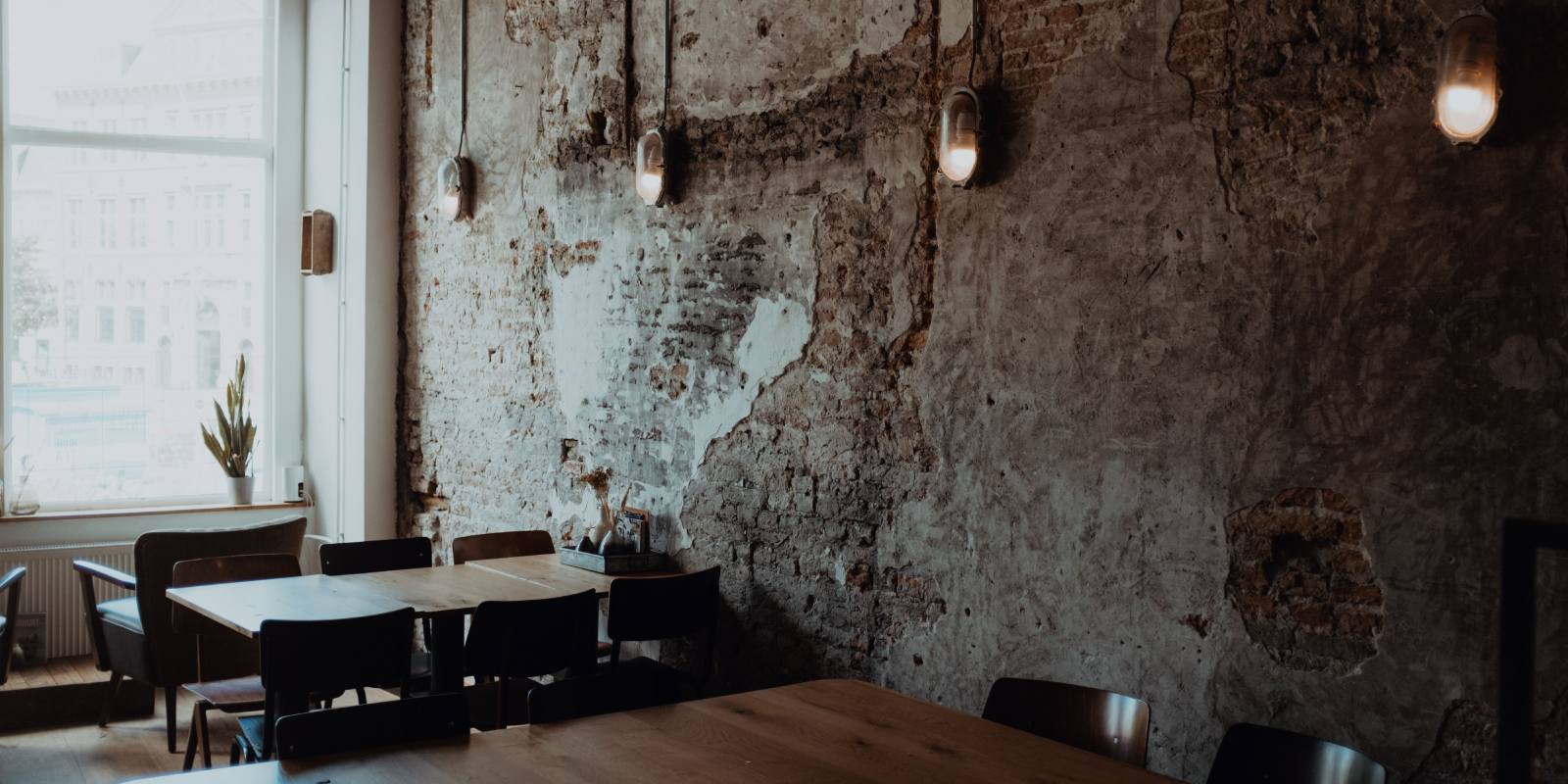
For restaurants and other businesses expecting heavier fall traffic, floors and bathrooms deserve particular attention. Learn what restaurants can check before welcoming event guests:

What Should a Business Check For in its Restrooms?
Check for odors, visible buildup, water around plumbing fixtures, slow drains, damaged surfaces, and areas that need more than routine cleaning.
Restrooms can quickly show signs of heavy use, especially during an event.
Before guests arrive, check:
- Floors and grout
- Around toilets and sinks
- Faucets and fixtures
- Drains
- Mirrors and other visible surfaces
- Odors
- Areas where water tends to collect
Pay attention to anything that looks different from normal. A small amount of water around a fixture may be easy to dismiss, but repeated moisture can point to a plumbing problem that should be addressed before the event.

How Can You Tell If a Business Has a Moisture Problem?
Look for visible water, damp materials, staining, bubbling paint, darkened surfaces, musty or earthy odors, and areas that stay damp longer than expected.
Moisture problems are not always obvious. Water can get underneath flooring, behind walls, or into other building materials before a large leak becomes visible.
The Environmental Protection Agency (EPA) notes that moisture control is an important part of preventing mold growth. If you find recurring moisture, look for the source instead of simply cleaning the area you can see.
During your pre-event walkthrough, check areas around:
- Plumbing fixtures
- Windows and exterior doors
- Ceilings
- HVAC equipment
- Kitchens and break rooms
- Restrooms
- Areas where water has collected before
Finding a small sign of moisture before an event gives you more time to determine whether it is a simple cleaning issue or something that needs further attention.
What Should You Do If The Building Has an Unusual Odor?
Don't simply cover an unusual building odor with an air freshener. Try to determine where the smell is coming from and whether it changes when the HVAC system runs.
Walk through the building and pay attention to when and where the odor is strongest.
Ask:
- Is the odor limited to one room?
- Does it smell musty or damp?
- Does it appear after the HVAC system starts?
- Is it strongest near a restroom, kitchen, storage area, or plumbing fixture?
- Has the odor been present for a while?
An odor is information. It can sometimes point to a moisture problem, dirty surface, plumbing issue, or HVAC concern that should be addressed before guests arrive.
Should a Business Check The HVAC System Before an Event?
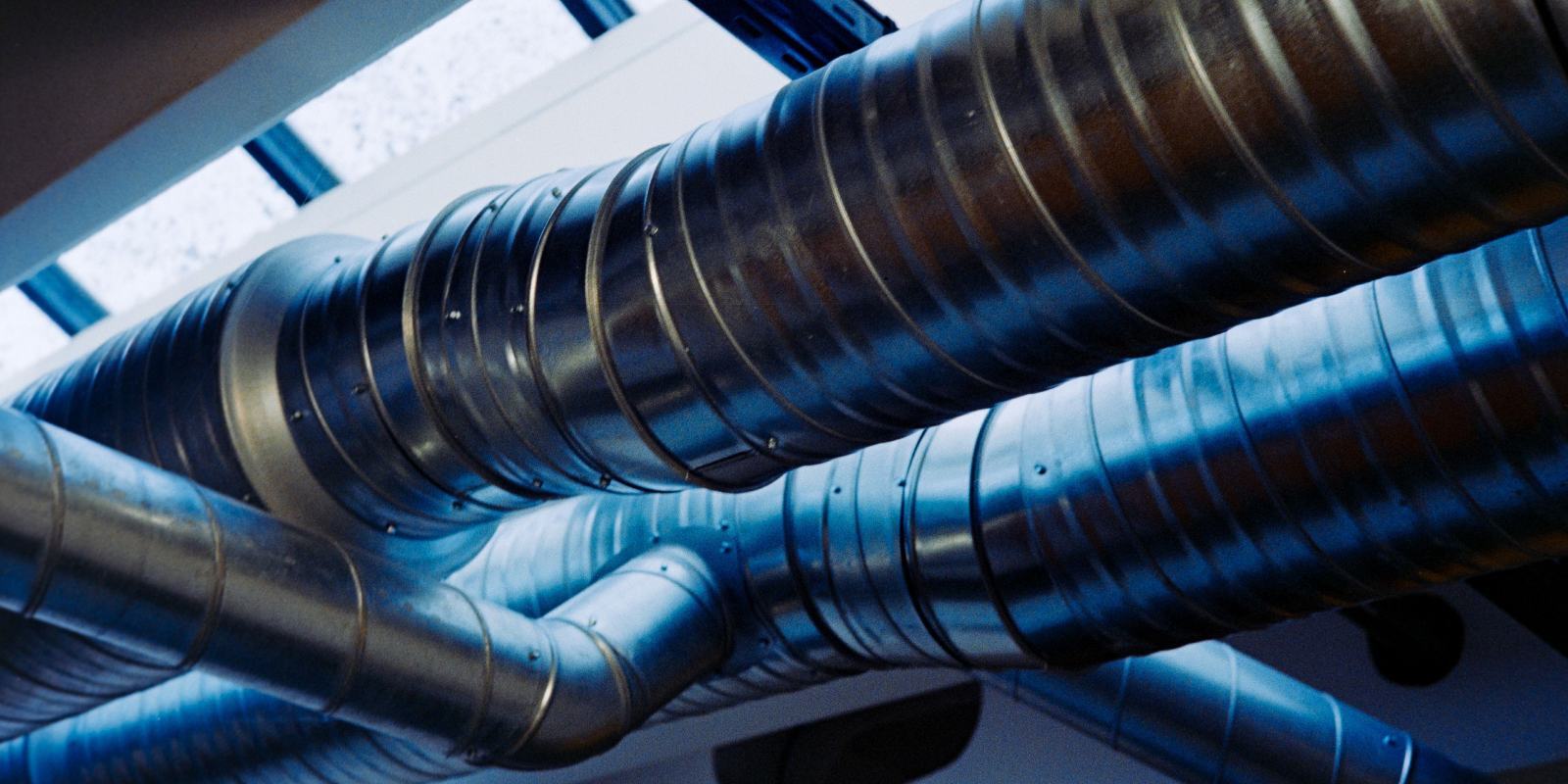
Yes. Run the system before the event and pay attention to unusual odors, poor airflow, temperature problems, or other changes from normal operation.
This is particularly important when a business is transitioning from air conditioning to heating in the fall. You do not want the first heating cycle of the season to happen while dozens of customers or employees are in the building.
Check that:
- The system is operating normally.
- The space reaches a comfortable temperature.
- Airflow feels consistent.
- Filters are maintained according to the system's requirements.
- There are no unusual odors when the system starts.
If something smells different when the HVAC system runs, don't assume it will disappear once the event begins. Investigate the source first.
What Areas Do Businesses Forget to Check Before an Event?
Start with the areas guests may not see but that can still affect the event space.
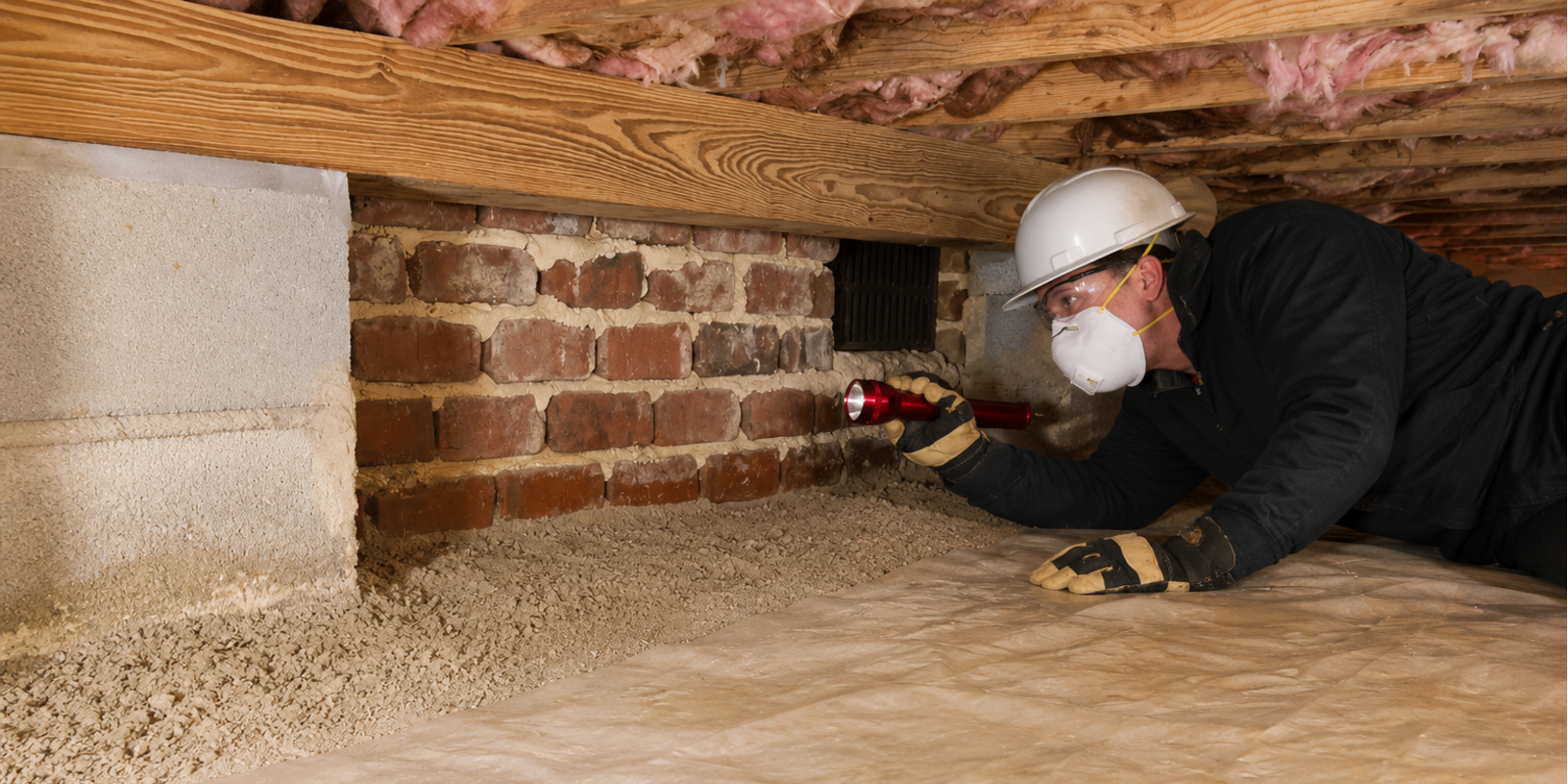
Look behind and underneath furniture where practical. Check under rugs, inside storage areas, along back hallways, and around equipment. Look at ceilings and corners for signs of staining or moisture, and pay attention to areas around HVAC equipment.
These spaces may not be part of the event, but problems there can contribute to odors, moisture concerns, or other issues in areas guests use.
The goal isn't to inspect every inch of the building. It is to notice anything unusual while there is still time to address it.
When Should a Business Call a Professional?
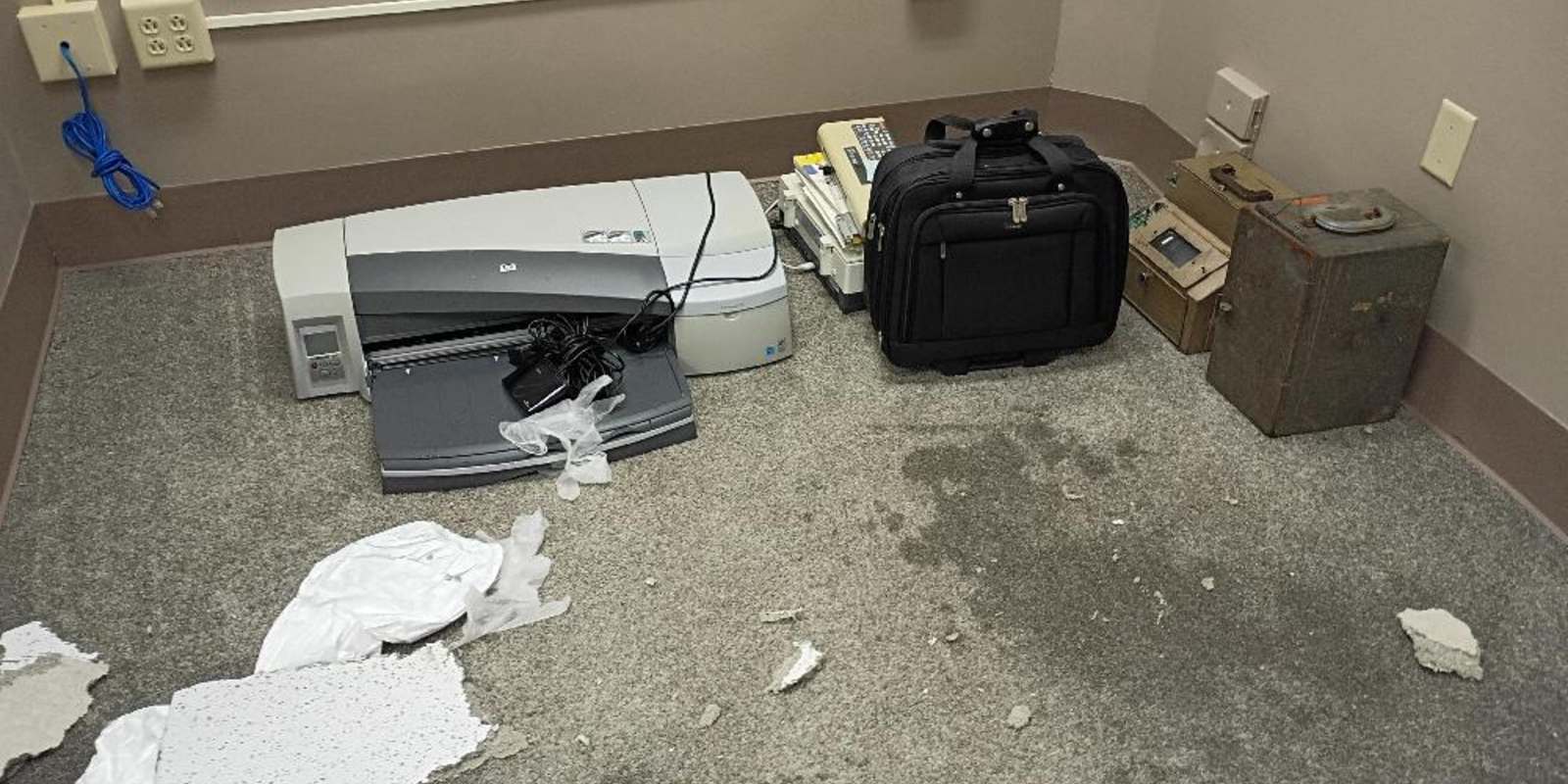
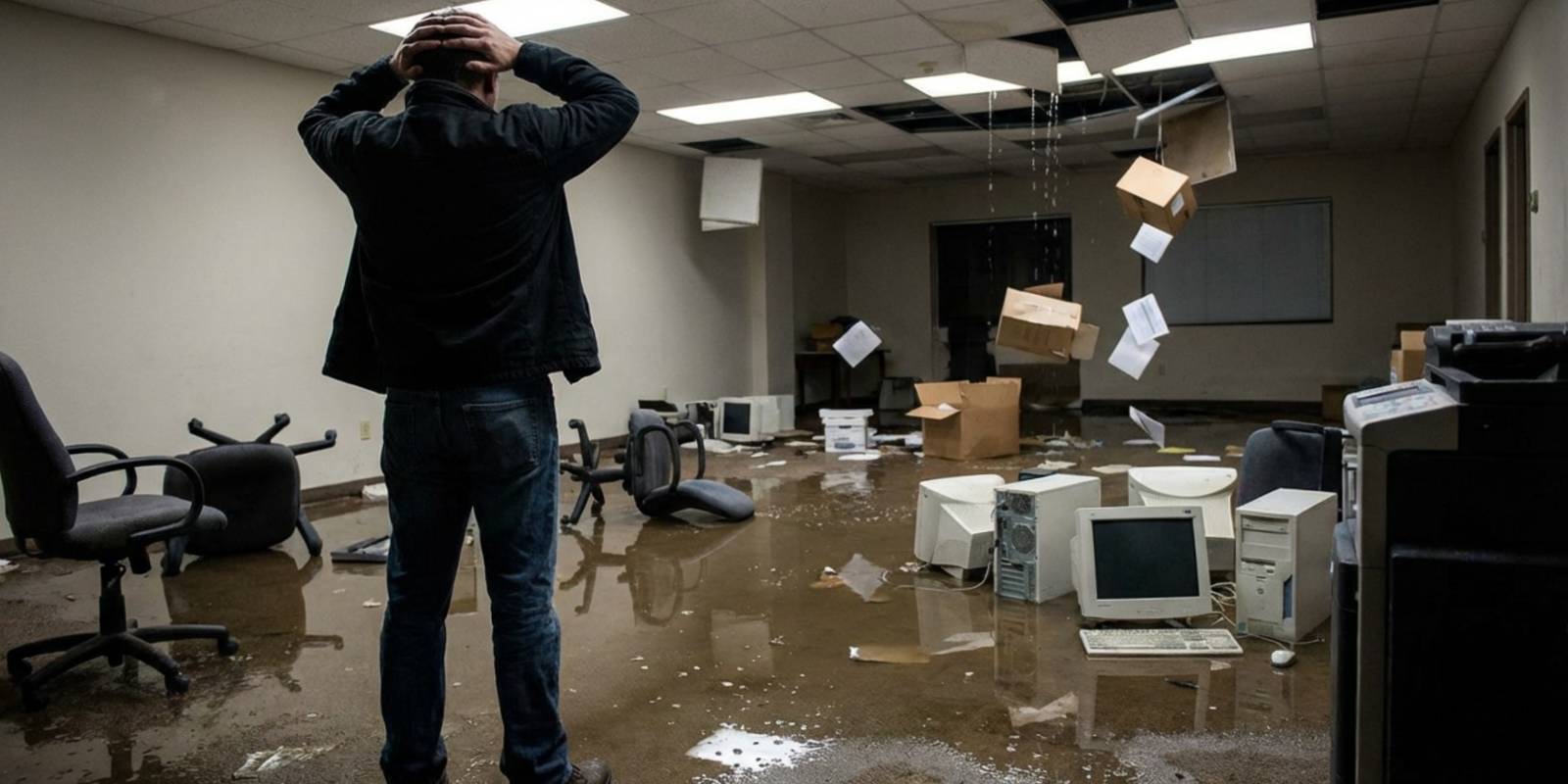
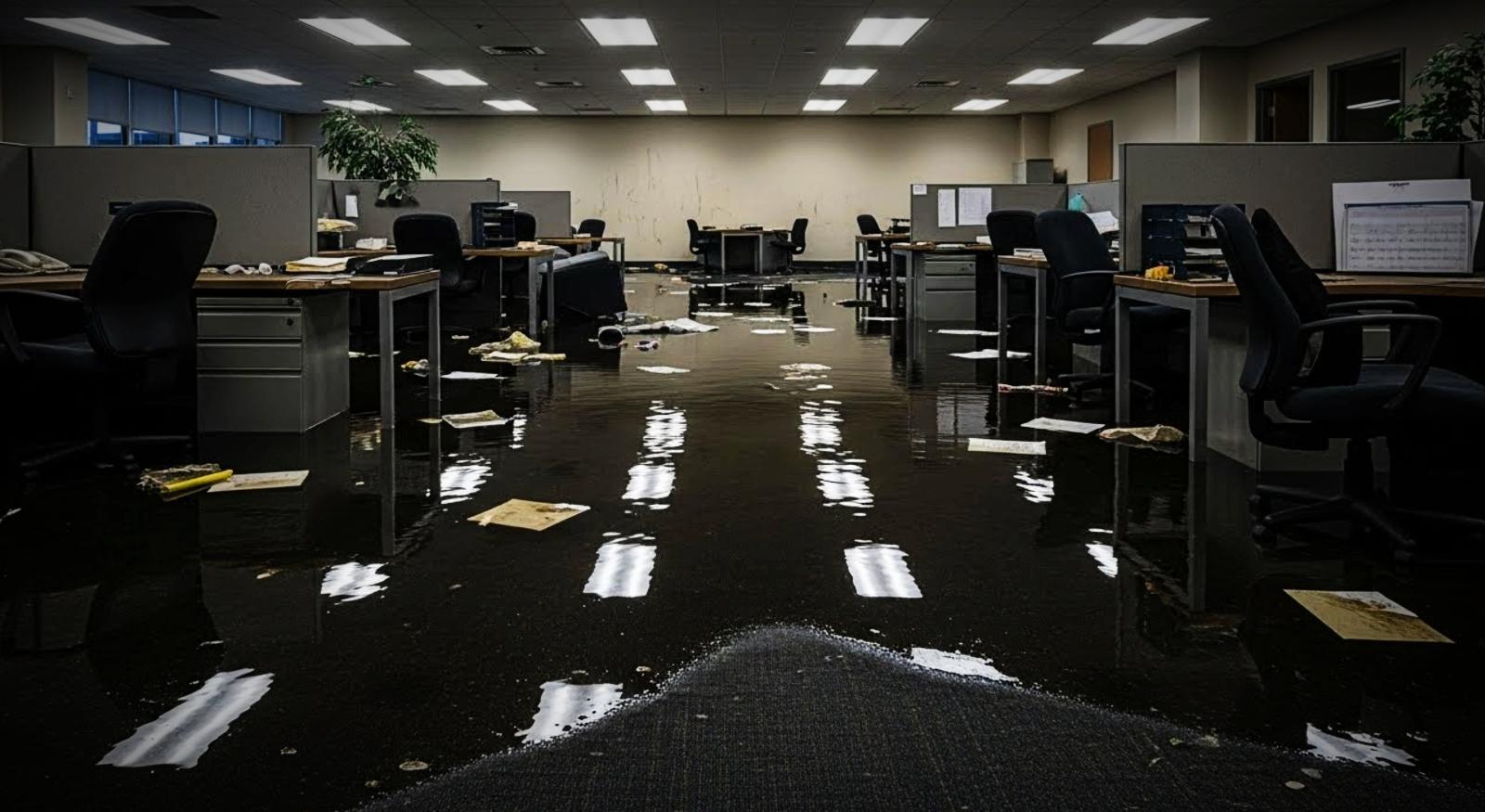
Call a professional when a problem involves significant water, contaminated materials, persistent odors with an unknown source, extensive staining, or damage that routine cleaning cannot safely or effectively address.
Routine cleaning is appropriate for many everyday issues. But some problems go beyond what a business's regular staff and equipment are designed to handle.
|
Problem |
Handle In-House? |
Consider Professional Help When... |
|
Light surface dirt |
Yes |
— |
|
Carpet staining |
Sometimes |
Staining is extensive or persistent |
|
Standing water |
Limited |
Water has spread into flooring, walls, or other building materials |
|
Persistent odor |
Investigate first |
The source is unknown, or the odor continues |
|
Suspected hidden moisture |
No |
Building materials may be affected |
If you find a problem during your walkthrough, ask:
- Can our team safely clean this?
- Do we have the equipment and training needed?
- Is there hidden damage or contamination?
- Could cleaning the visible area leave the underlying problem unresolved?
- Could waiting make the problem worse?
If the answer to any of these questions raises concerns, it may be time to bring in professional help.
What Should Be on a Business Fall Event Cleaning Checklist?
Before guests arrive, take a final walk through the building and check:
☐ Entryways and high-traffic floors
☐ Carpet stains and buildup
☐ Tile and grout
☐ Rugs and upholstered seating
☐ Restrooms
☐ Leaks or signs of moisture
☐ Unusual odors
☐ HVAC operation
☐ Less-visible areas
☐ Problems that routine cleaning cannot resolve
A final walkthrough gives you time to catch small problems before they become noticeable during the event. Look at the space from a guest's perspective and pay attention to anything that looks, feels, or smells out of place.
If you find an issue that goes beyond your team's normal cleaning routine, consider whether it is something your team can safely and effectively handle in-house. Our guide below can help you decide when professional cleanup may be the better option.

Topics: