

When your business turns on the heat for the first time in months, you may notice a smell that was not there during the summer. It could be dusty, stale, musty, or slightly burnt. Sometimes it disappears quickly. Other times, the smell returns every time the heating system runs.
It is easy to assume the heating system is creating the odor. But in many cases, turning on the heat simply gets air moving again and makes an existing odor easier to notice.
Dust, moisture, buildup, ductwork, and changes in ventilation can all play a role.
At Restore-It, our experience with commercial cleaning, restoration, and HVAC services has given us a close look at how building conditions and HVAC systems can affect indoor environments. When a business has a recurring odor, identifying the source is an important first step.
Here are some common reasons your business may smell different when the heat comes on.
Dust and Debris Can Become More Noticeable
Heating equipment may sit relatively unused during the warmer months. During that time, dust and other airborne particles can settle on accessible equipment surfaces, filters, registers, and other parts of the HVAC system.
When the system starts running again, the airflow can move that accumulated material through the building. Heated components can also make a dusty smell more noticeable.
You may notice:
- A dusty or slightly burnt smell when the system first starts
- An odor that is strongest during the first few heating cycles
- Visible dust around supply vents or return registers
- A similar smell coming from several areas of the building
A brief dusty odor that fades as the system operates is different from a smell that continues or returns every time the heat runs.
If the odor does not go away, it is worth looking for the source instead of assuming it is simply seasonal dust.
Moisture Can Create a Musty or Stale Smell
Moisture can also contribute to changes in building odors.
Commercial HVAC systems can have areas where moisture collects or remains, including condensate pans and drains, damp insulation, areas around HVAC equipment, and spaces near ductwork. Humidity can also fluctuate as the seasons change.
When the heating system starts circulating air again, odors from these areas may become more noticeable throughout the building.
This does not automatically mean mold is present. A musty smell can have several possible sources, and the odor alone cannot tell you exactly what is causing it.
If you are seeing condensation, staining, damp materials, or recurring musty odors, the underlying moisture problem deserves attention.
Want to know what other signs can point to an HVAC moisture problem? Our article below breaks down seven warning signs, from water around the equipment to musty odors and condensation.

Your Ductwork Can Carry Odors Throughout the Building
An odor does not always originate in the room where you notice it.
Your HVAC system moves air through the building, so an odor from one area can potentially travel through the return and supply system and become noticeable somewhere else.
Possible sources include:
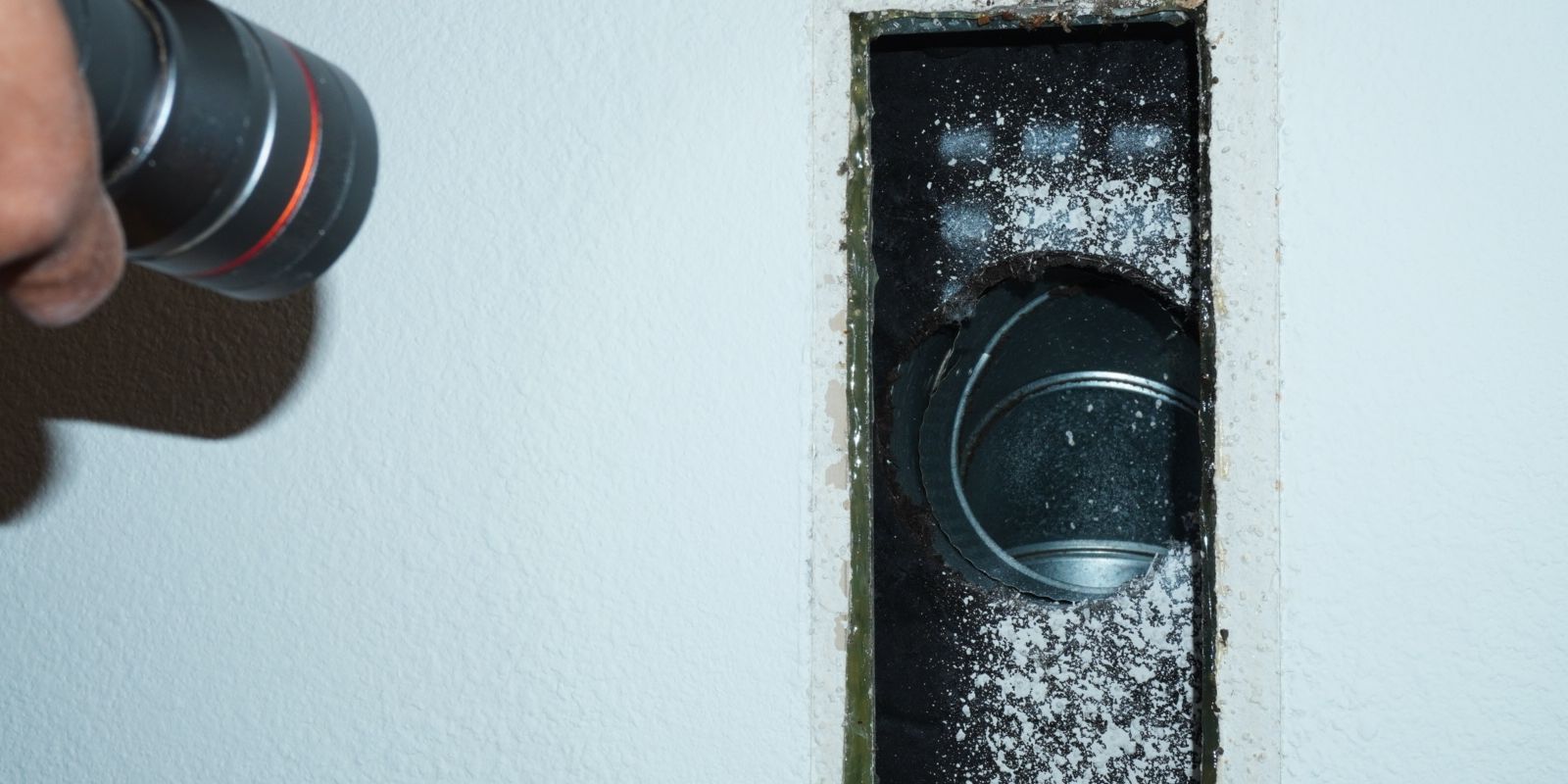
- Dust and debris inside accessible ductwork
- Odors pulled into return air
- Contaminants near air-handling equipment
- Buildup from normal building activity
This is one reason it can be difficult to identify the source of a commercial building odor simply by walking around and smelling the air.
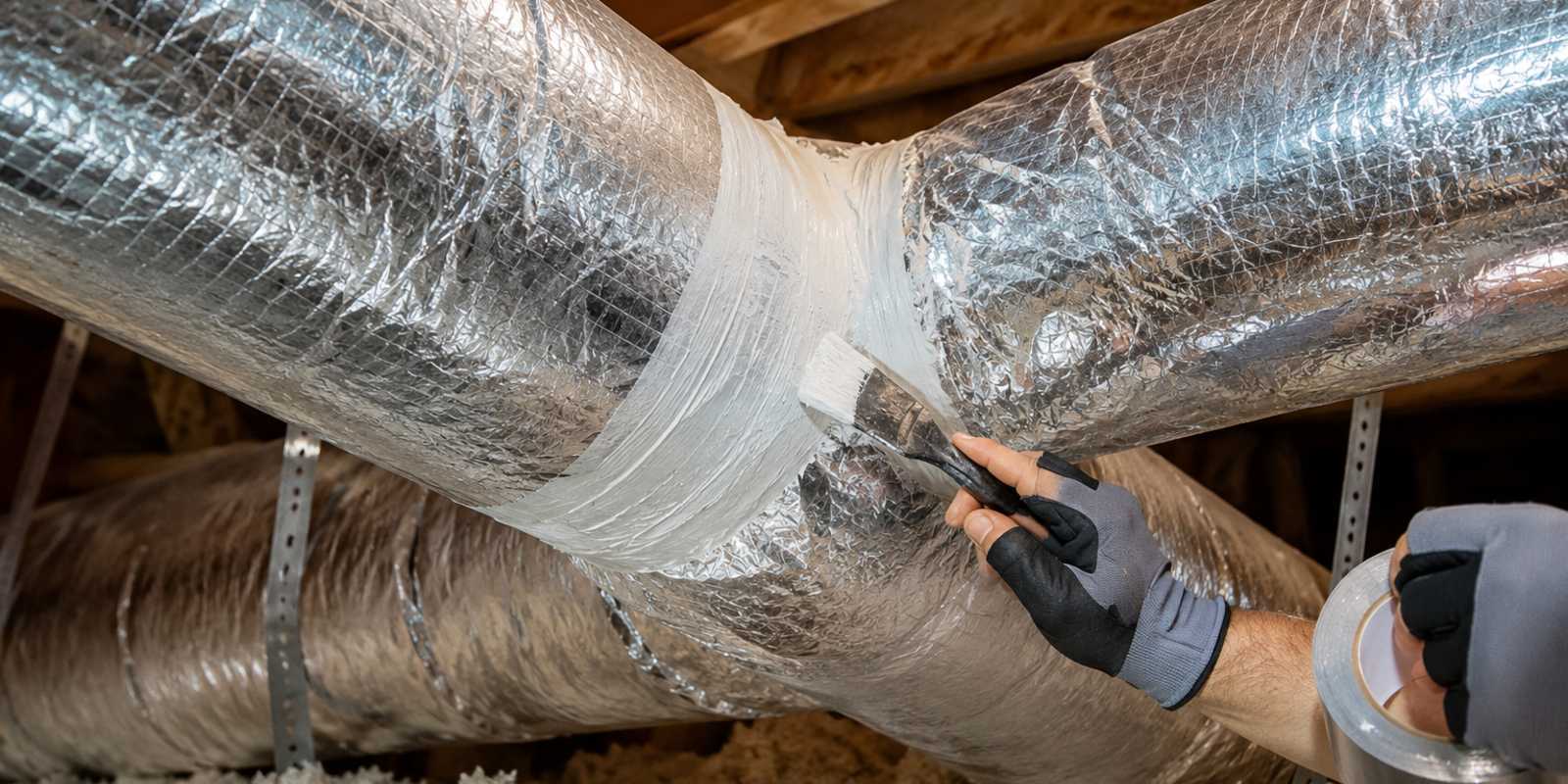
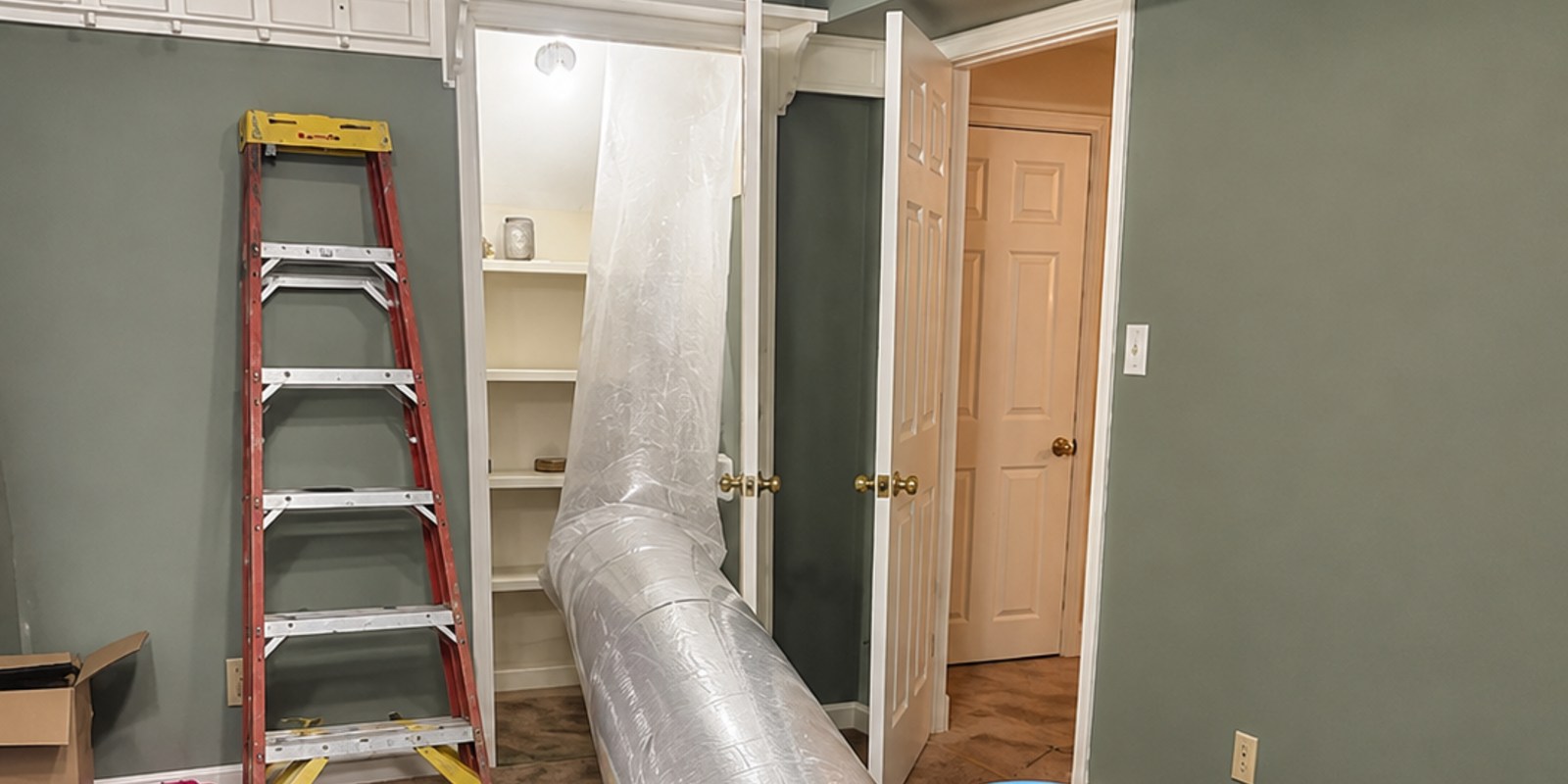
If the HVAC system itself needs attention, professional commercial air duct cleaning may help remove accumulated dust and debris from appropriate parts of the system. However, cleaning should not automatically be assumed to be the solution. The condition of the system and the source of the odor should be considered first.
Wondering what professional HVAC cleaning actually involves? Our article walks through the process so you can see what a thorough cleaning should include and why each step matters.

The Building May Smell Different When It Is Closed Up
Your business may also have a different smell in fall and winter simply because the building operates differently.
During warmer months, open doors, windows, and increased outdoor air movement can provide more air exchange. Once temperatures drop, doors and windows typically stay closed more often.
That means odors from carpets, upholstery, stored materials, restrooms, food preparation, or other areas of the building may become more noticeable.
Changes in occupancy and seasonal humidity can also affect how a space smells.
The HVAC system may be moving the odor through the building without actually being the source of it.
For facility managers dealing with several indoor air quality concerns at once, it can help to look beyond the odor itself. Moisture, ventilation, HVAC maintenance, and building materials can all be connected.
If your business is also dealing with musty odors, moisture concerns, or indoor air quality complaints, our commercial guide explains how these issues can overlap.

When Is an Odor a Sign to Investigate?
A new smell does not always mean there is a serious HVAC problem. However, a recurring odor is worth paying attention to.
Look for signs such as:
- The smell returns every time the system runs
- One room or area is consistently affected
- A musty odor continues after the system has been running
- Employees or customers notice the smell
- You see moisture, staining, or condensation
- Airflow seems weaker than usual
- Changing the filter does not resolve the issue
The more persistent the odor is, the more useful it can be to investigate what is actually causing it.
A recurring smell paired with moisture, poor airflow, or visible buildup gives you more reason to look beyond a normal seasonal change.
What Can a Professional HVAC Inspection Help Identify?
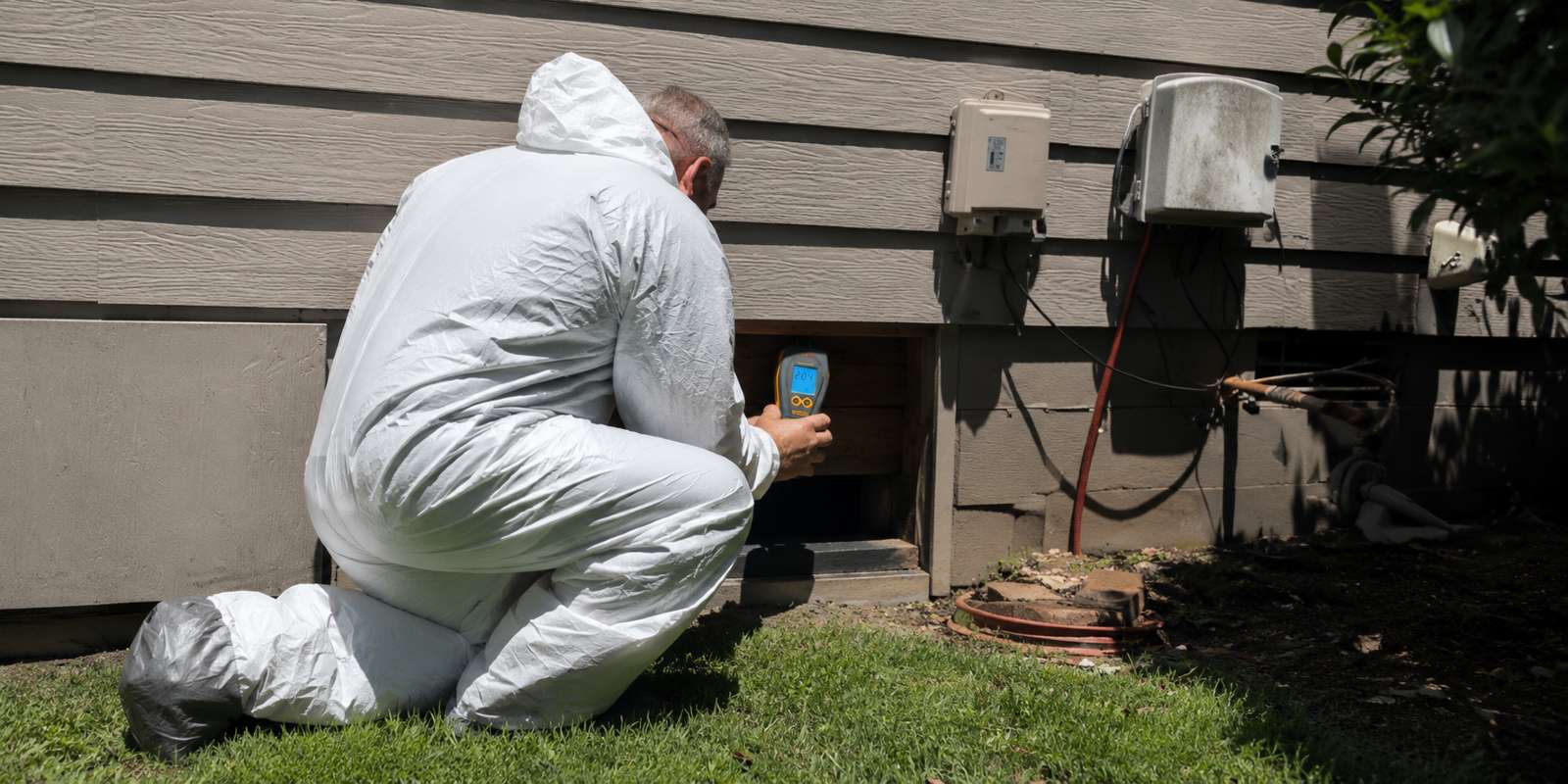
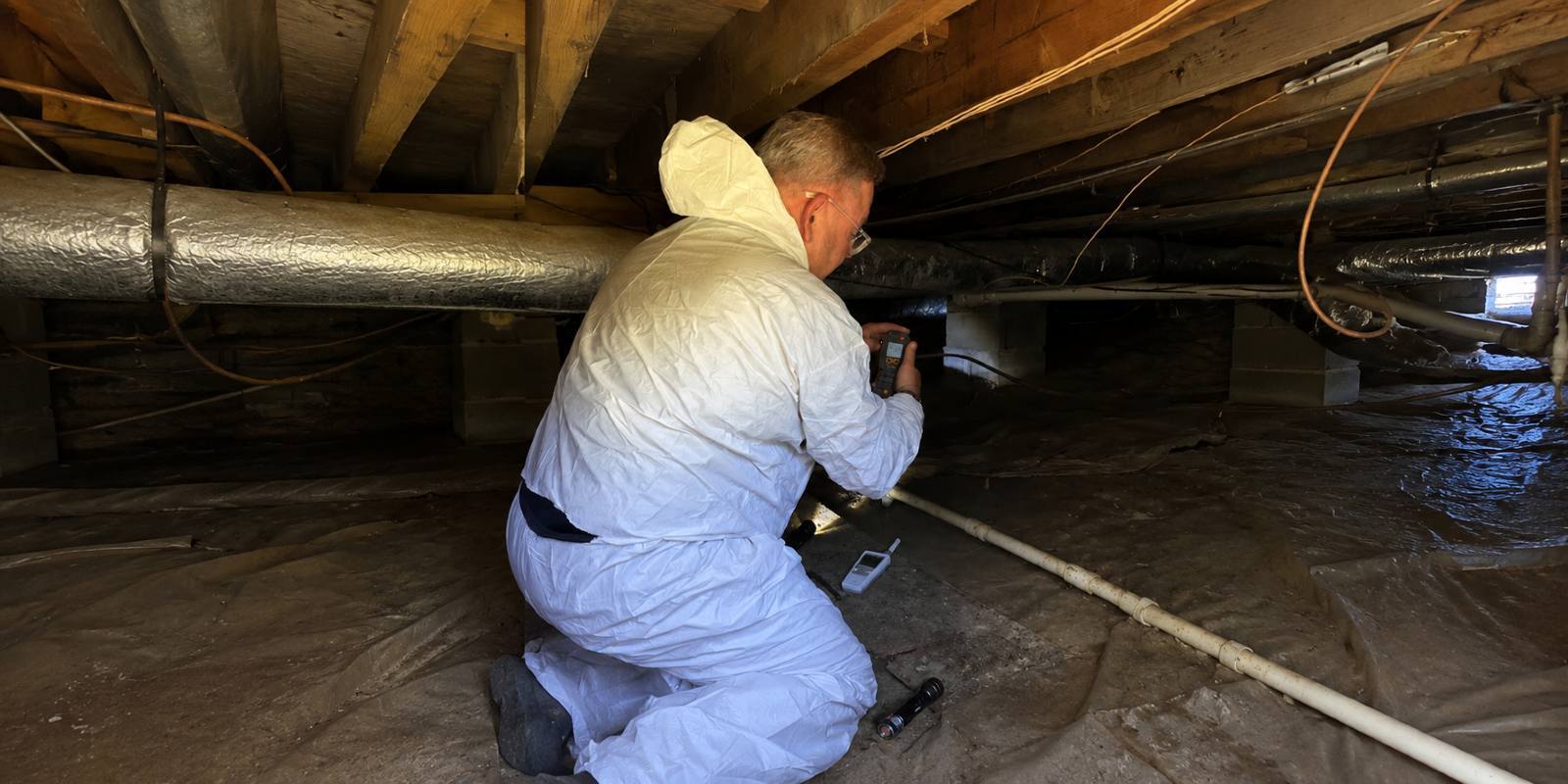
A professional evaluation can help narrow down where an odor may be coming from.
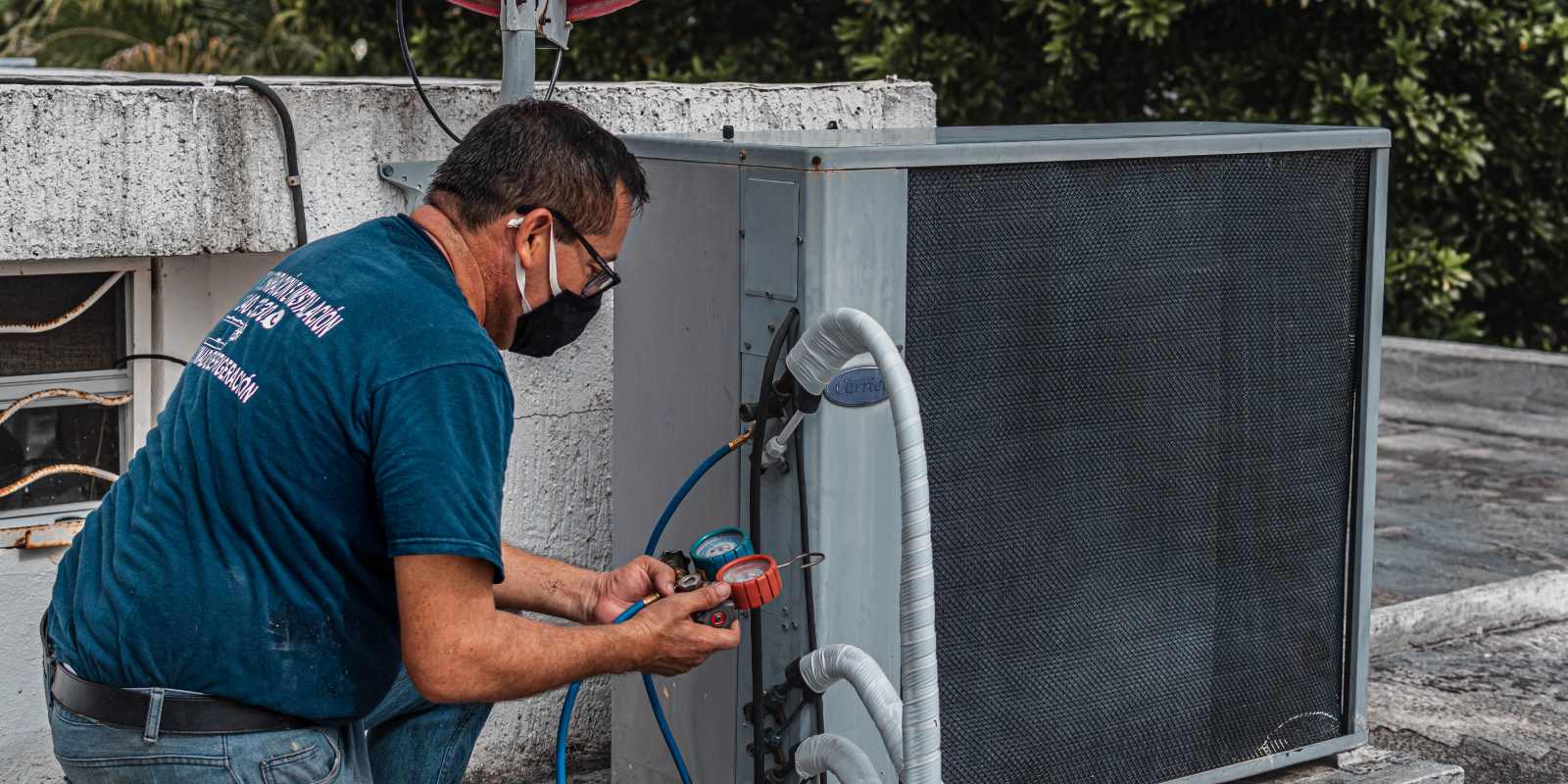
Depending on the situation, the inspection may include looking at:
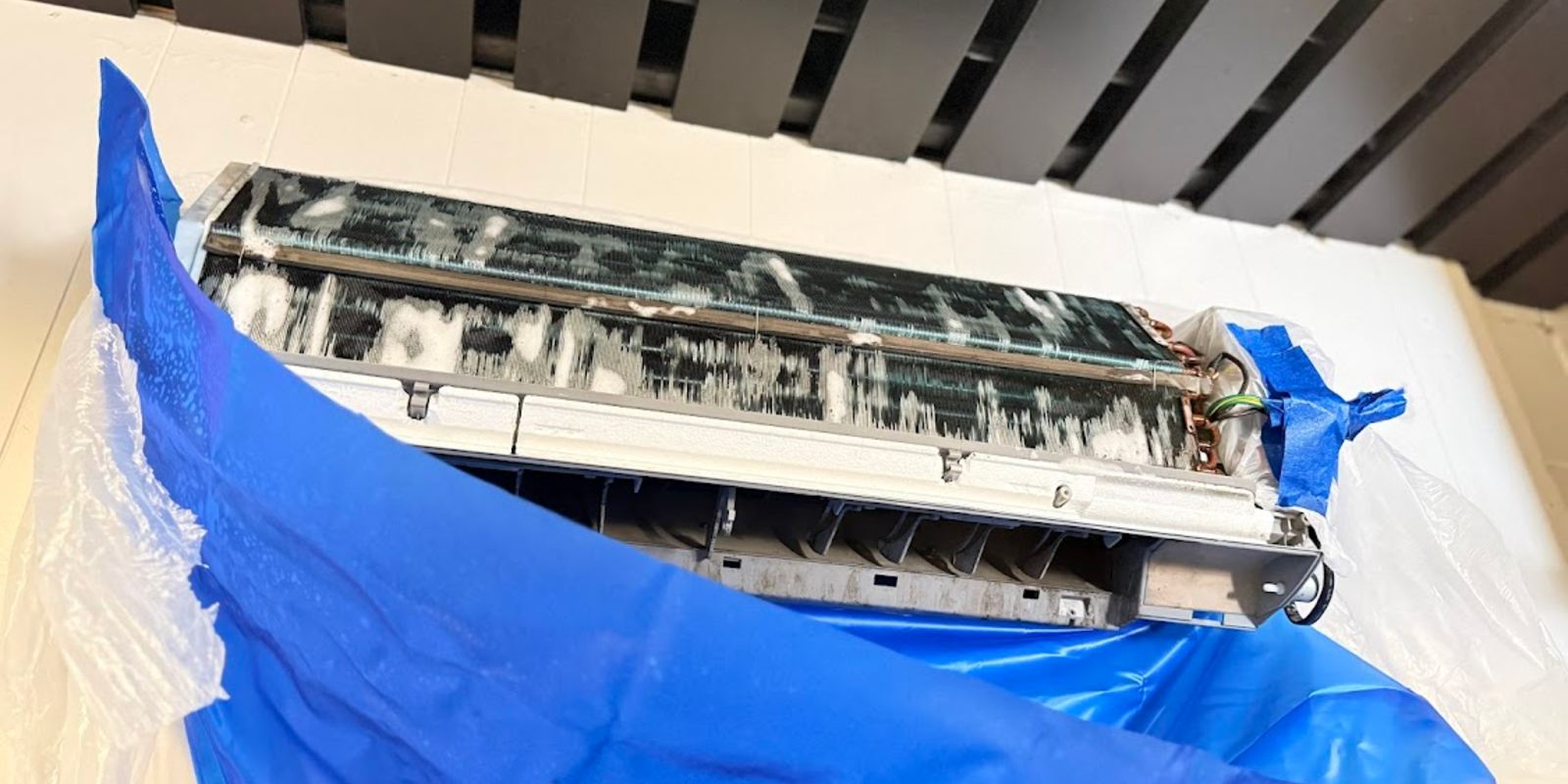
- Accessible HVAC components
- Filters and air-handling areas
- Accessible ductwork
- Visible dust or debris
- Signs of moisture
- Airflow concerns
- Potential sources of recurring odors
The goal should not be to automatically recommend cleaning.
Cleaning is useful when accumulated material is contributing to the problem, but not every building odor is caused by dirty ducts. If the source is moisture, a mechanical problem, contaminated material, or another building condition, that issue may need to be addressed instead.
This is especially important in commercial buildings, where an odor may be affecting multiple rooms or prompting repeated complaints from employees, tenants, or customers.
Start With the Source, Not the Smell!
A different smell when the heat comes on can have several possible causes. Sometimes it is temporary dust that becomes noticeable when the system starts operating again. In other cases, the odor can point to moisture, buildup, ductwork conditions, or another issue that deserves attention.
If the smell is brief and disappears after the first few heating cycles, it may not require further action. If it continues or is accompanied by other changes in the building, it is worth having the situation assessed.
Ready to have your commercial HVAC system cleaned? Restore-It provides professional HVAC cleaning for businesses in our service area. We can help assess the condition of your system and determine whether cleaning is the right next step
Contact us to discuss your commercial HVAC cleaning needs!

Topics: