
If your home has uneven temperatures, rising energy bills, excessive dust, or poor indoor air quality, leaking or dirty air ducts could be part of the problem. Many homeowners wonder whether their ductwork should be sealed before cleaning or whether the order of these services even matters.
At Restore-It, we help homeowners identify ductwork issues and determine the right approach for their HVAC system. Every home is different, so we recommend solutions based on the condition of the ductwork, the level of buildup, and the specific problems affecting comfort and air quality.
In this article, you'll learn what air leakage is, what causes duct leaks, why HVAC cleaning typically comes before sealing, and how combining both services can help your system perform more efficiently.
What Is Air Leakage?
Air leakage happens when conditioned air escapes through gaps or disconnected sections of your ductwork. National Air Duct Cleaners Association (NADCA) explains that these leaks reduce HVAC efficiency, increase energy waste, and can negatively impact your home's comfort and indoor air quality.
What Causes Air Leakage?
Several issues can cause ductwork to develop leaks over time.
- Loose duct connections
- Aging ductwork
- Poor installation
- Damage from pests or renovations
- Rodents
Identifying the source of air leakage is the first step. The next is recognizing the signs that your ductwork may need attention.
Signs Your Home May Have Air Leakage
Leaky ductwork isn't always visible, but it often causes noticeable problems throughout your home. NADCA says, common signs include:
- Uneven temperatures: Some rooms feel warmer or cooler than others because conditioned air isn't reaching them evenly.
- Higher energy bills: Leaking ducts force your HVAC system to work harder, increasing heating and cooling costs.
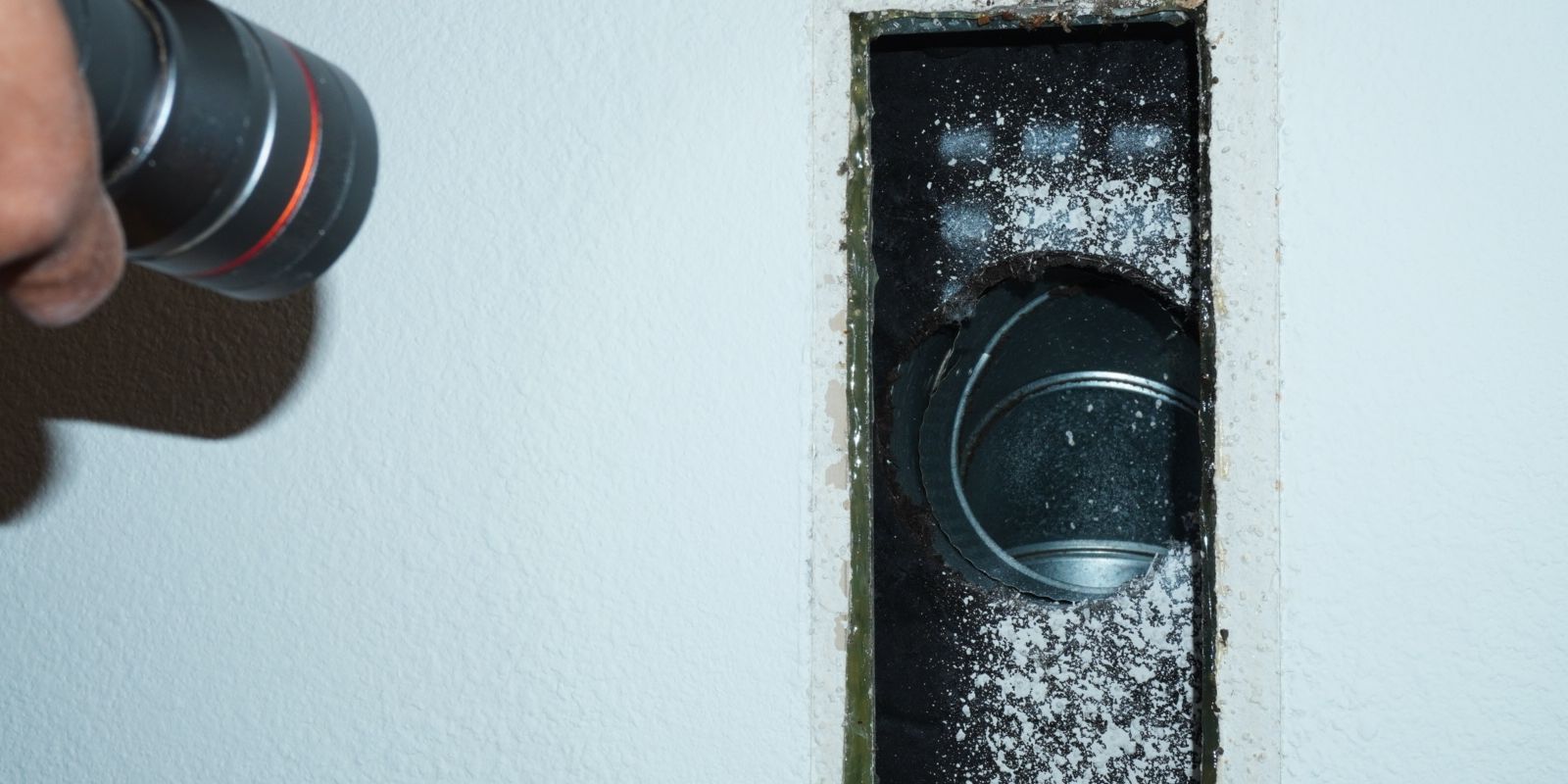
- Excess dust: Air leaks can pull dust and debris into your ductwork, reducing indoor air quality and leaving surfaces dusty.
- Visible gaps or loose connections: If you can safely access exposed ductwork, look for disconnected sections, holes, or gaps around joints and seams.
If you notice one or more of these signs, a professional HVAC inspection can confirm whether air leakage is the cause and recommend the appropriate solution.
Why HVAC Cleaning Should Come Before Air Duct Sealing
If your ductwork is dirty and leaking, cleaning should usually come before sealing. The HVAC Hygiene Journal (Vol. 38, Issue 3) recommends cleaning first to avoid sealing dust and debris inside the ductwork. It also notes that sealants and adhesives perform better on clean surfaces, creating a stronger, longer-lasting bond.
Dust, pet dander, and other contaminants can accumulate inside your ducts over time. Cleaning removes these pollutants before leaks are sealed, helping improve indoor air quality and HVAC performance. It also makes it easier for technicians to identify and repair leaks.
However, cleaning isn't always necessary. If an inspection shows your ductwork is relatively clean and free of excessive debris, mold, or pest contamination, sealing alone may be the appropriate solution.
Because every HVAC system is different, a professional inspection is the best way to determine whether your home needs duct cleaning, air duct sealing, or both, ensuring you receive the right solution for your home's condition.
This version incorporates the journal naturally, explains why cleaning comes first with evidence, and ends with the inspection recommendation.
Wondering if your ductwork actually needs cleaning? Learn the signs to look for in our guide.

HVAC Cleaning vs HVAC Sealing
Although these services are often recommended together, they solve different problems. HVAC cleaning removes contaminants from your ductwork, while air duct sealing closes leaks that reduce your system's efficiency.
|
HVAC Cleaning |
Air Duct Sealing |
|
Removes dust and debris |
Closes air leaks |
|
Improves cleanliness |
Improves efficiency |
|
Helps indoor air quality |
Reduces energy loss |
|
Doesn't stop leaks |
Doesn't remove contaminants |
Cleaning and sealing work best together when your ducts are both dirty and leaking. Cleaning removes built-up contaminants, while sealing prevents conditioned air from escaping. Together, they can improve indoor air quality, reduce energy waste, and help your HVAC system perform more efficiently.
When Should You Schedule Your Service
The best time to schedule duct cleaning, air duct sealing, or both depends on your home's condition. Consider scheduling a service if:
- Before moving into a home to improve indoor air quality from day one.
- After renovations if construction dust or debris may have entered the ductwork.
- If an inspection finds air leaks that reduce HVAC efficiency and increase energy costs.
- If your ducts are visibly dirty or show signs of excessive dust, mold, or pest activity.
- During an HVAC replacement to ensure your new system operates with clean, properly sealed ducts.
- When you notice comfort or air quality issues, such as uneven temperatures, rising energy bills, weak airflow, or excess dust.
A professional inspection can determine whether your home would benefit from duct cleaning, air duct sealing, or a combination of both.
The Best Way to Improve Your Ductwork's Performance
If your ductwork is both dirty and leaking, cleaning should generally come before sealing. While HVAC cleaning removes dust, debris, and other contaminants, air duct sealing closes leaks that reduce your system's efficiency. Together, these services can improve indoor air quality, increase energy efficiency, and help your HVAC system perform at its best.
If you've noticed uneven temperatures, rising energy bills, or excessive dust in your home, it may be time to have your ductwork evaluated. A professional inspection can determine whether you need duct cleaning, air duct sealing, or both.
At Restore-It, our team carefully inspects your ductwork to identify leaks, assess its condition, and recommend only the services that will improve your home's comfort, indoor air quality, and HVAC performance.
If HVAC cleaning is part of the solution, your next question is probably, "How much will it cost?" Our guide below explains the factors that affect pricing so you can make an informed decision before scheduling your service.