When smoke leaves dark marks on your walls, soot settles on nearby belongings, or a strong odor lingers after a fire, you may want to start cleaning as soon as possible. Homeowners in El Dorado, Camden, and surrounding South Arkansas communities may reach for a familiar household cleaner as a practical first step.
However, bleach does not address all types of smoke residue, and using it on the wrong material can cause additional damage. The right cleaning method depends on the surface, the type of residue, and how far the smoke has traveled.
With over 14 years of restoration experience, Restore-It understands why assessing the affected materials matters before choosing a cleaning method. Before you start scrubbing, it helps to understand what bleach can do, where it falls short, and when a different approach may be needed.
Does Bleach Actually Remove Smoke and Soot?
Bleach can be useful for certain household cleaning and disinfecting tasks, but it is not a universal smoke or soot remover. Its effectiveness depends on the material and the type of residue.
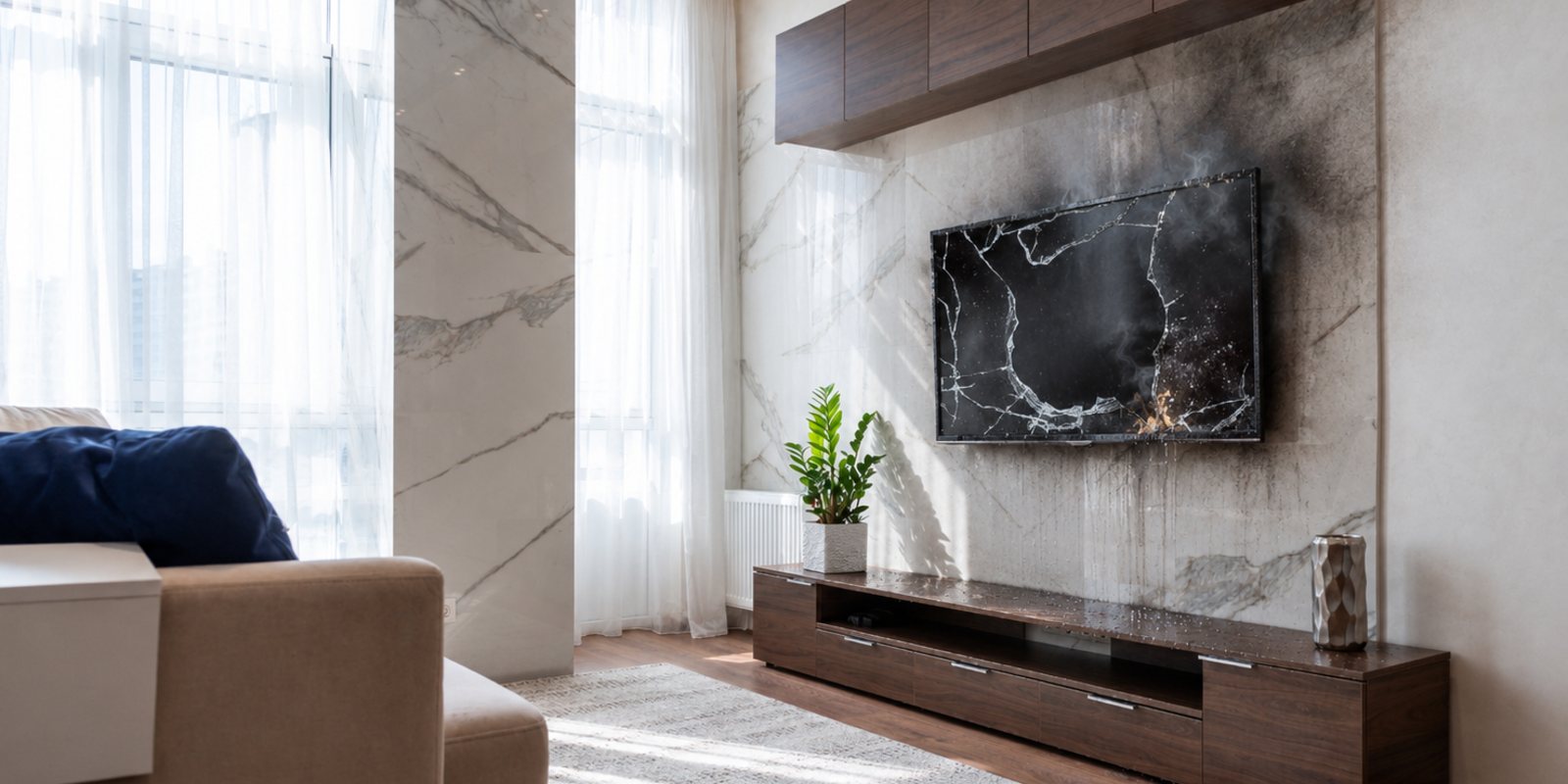
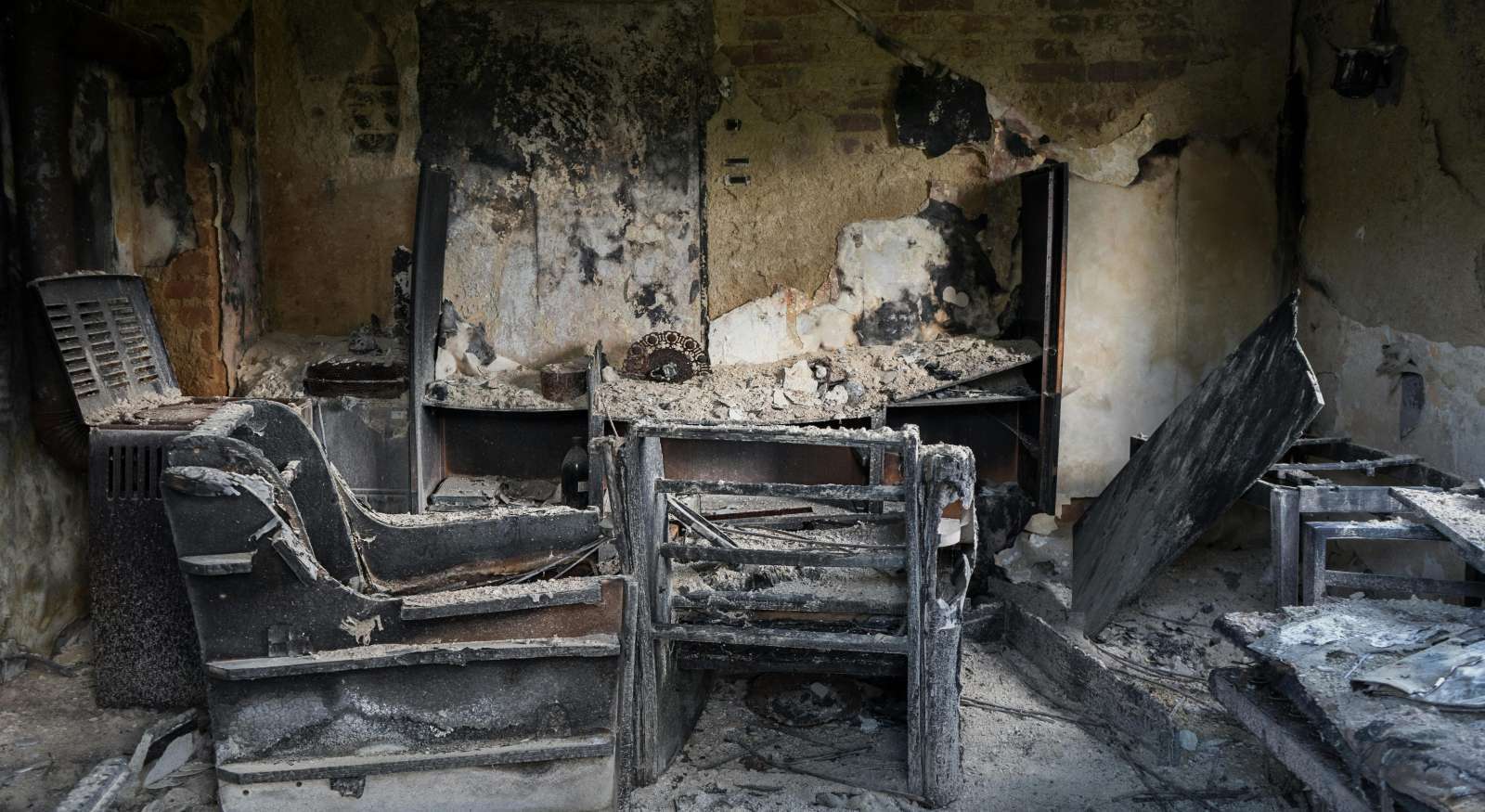
Smoke residue is more than a dark mark on a wall. Ash and soot leave fine particles and chemicals on household surfaces, some of which can affect indoor air quality after a fire.
The Colorado Department of Public Health and Environment recommends careful cleaning of affected surfaces and avoiding harsh chemical cleaners. The American Red Cross also emphasizes that different materials require different cleaning approaches.
Making a stain disappear does not necessarily mean the cleanup is complete. Visible discoloration is only part of the concern. Residue and smoke odors may remain in surrounding materials. If you want to understand why these deposits deserve attention, read our guide here!
 Why Can Bleach Be the Wrong Choice for Fire-Damaged Materials?
One common mistake is assuming that a single household product can handle every surface affected by smoke. Fire residue can settle on painted walls, unfinished wood, flooring, upholstery, and other materials with different cleaning requirements.
Bleach May Not Remove the Residue
Bleach is commonly used for disinfecting and treating certain stains. However, fire-related soot may contain oily or greasy deposits that require appropriate cleaning agents and physical removal. Applying bleach without first understanding the residue may leave deposits behind.
Some Surfaces Can Be Damaged
Bleach can discolor fabrics, affect finishes, and damage materials that are not designed to withstand it. Even washable surfaces may be permanently altered by an unsuitable cleaning product.
For example, scrubbing soot into a painted wall can spread the mark rather than remove it.
Smoke Odors May Remain
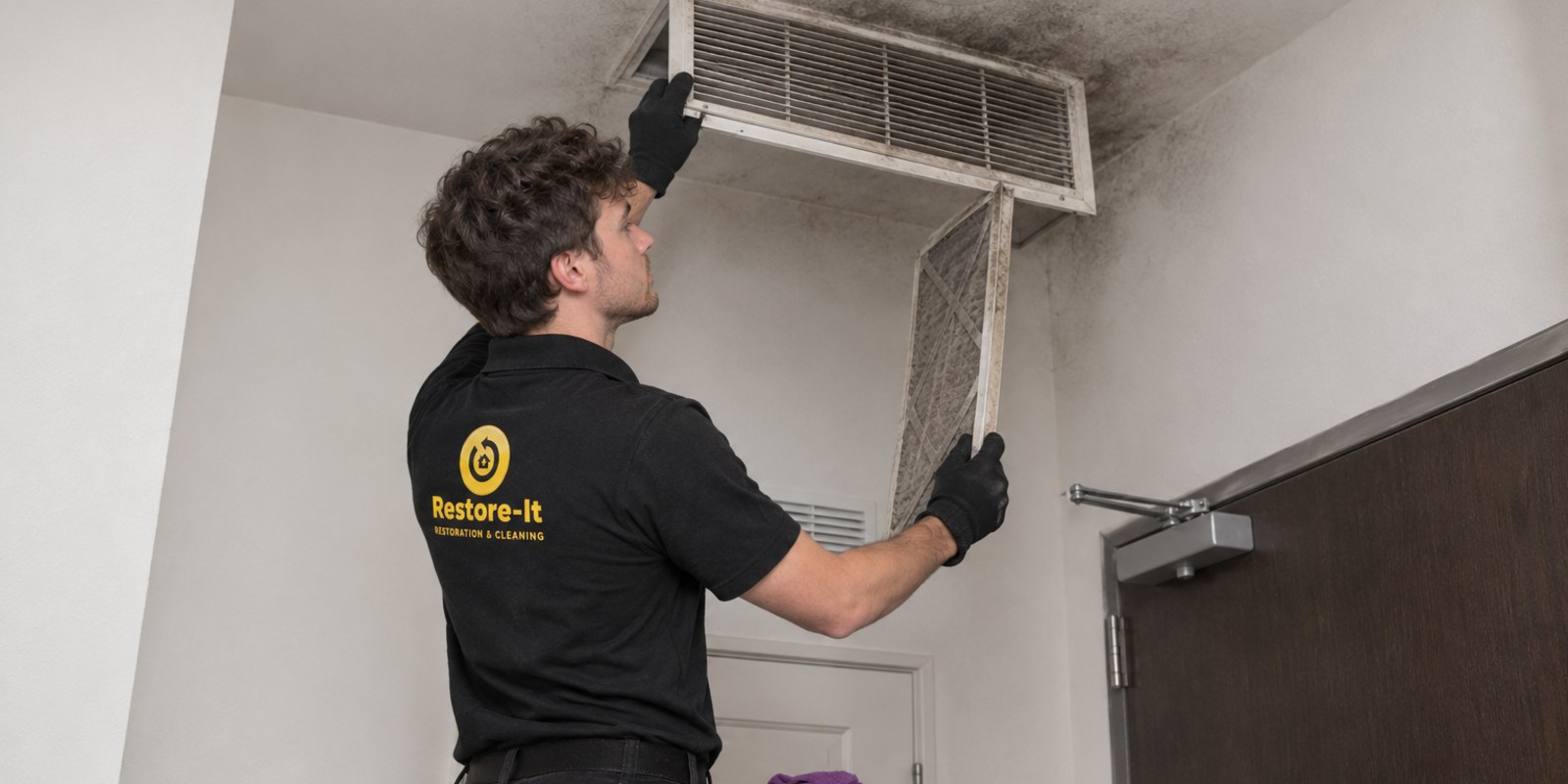
Removing a visible stain does not guarantee that smoke-related odors are gone. Smoke can affect contents, building materials, and HVAC components beyond the room where the fire started.
The ANSI/IICRC S700 Standard for Professional Fire and Smoke Damage Restoration addresses the assessment of fire residues and odors in buildings, building systems, and contents. This reinforces why professional restoration considers more than the appearance of individual surfaces.
What Should You Use Instead of Bleach?
There isn't one cleaning product that works for every type of fire residue. The right approach depends on the material, the amount of soot, and how deeply smoke has affected the surface.
For washable, nonporous household items with limited residue, mild soap or detergent and water may be appropriate. Always check the manufacturer's cleaning instructions before applying a product or treatment.
|
Affected material |
What to consider |
|
Washable hard surfaces |
Water and mild detergent may be appropriate for some light residue. Follow the surface manufacturer's instructions. |
|
Painted walls and ceilings |
Avoid aggressive scrubbing. Soot can smear, and cleaning may affect the paint or finish. |
|
Unfinished wood and porous materials |
Do not assume ordinary household cleaners will remove residue from within the material. Assessment may be necessary. |
|
Upholstery, curtains, and rugs |
Check care labels and material requirements. Specialized cleaning may be needed to address residue and odor. |
|
Widespread soot or persistent smoke odors |
Avoid experimenting with multiple products. Have the affected areas assessed. |
The American Red Cross fire cleanup guidance emphasizes following appropriate cleaning instructions, taking precautions during cleanup, and consulting professionals about building materials affected by firefighting water.
AirNow also recommends cleaning suitable interior surfaces with water and mild detergent while limiting the amount of ash and dust stirred into the air. See its After a Fire: Clean Up Safely guidance.
These recommendations are useful starting points for limited cleanup, but they should not be mistaken for a complete fire restoration process. Smoke can leave residue on surfaces, penetrate porous materials, and travel into areas that were not directly exposed to flames.
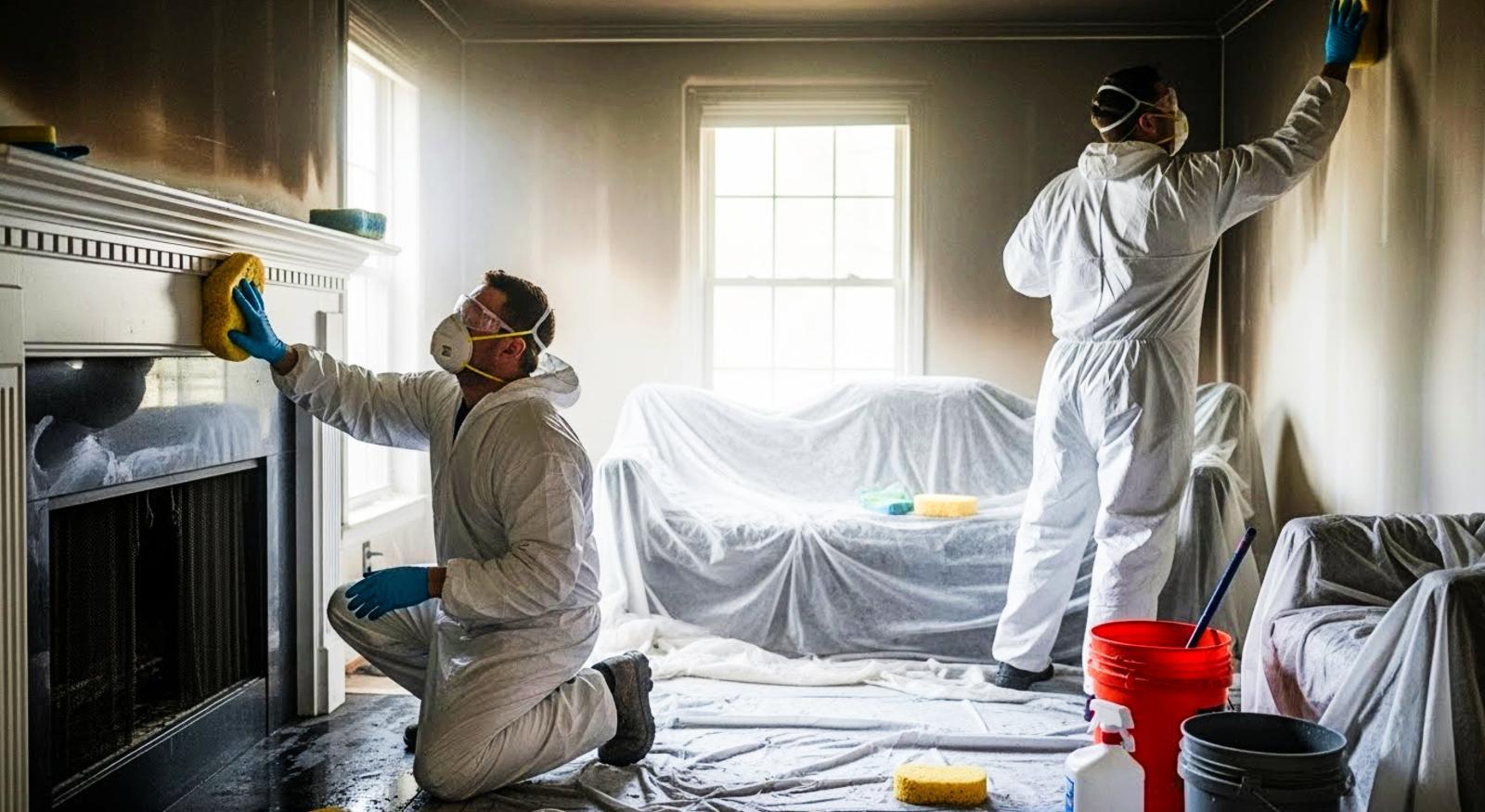
Professional fire and smoke restoration requires identifying the affected materials and selecting appropriate cleaning methods to remove residue and address persistent odors. Depending on the damage, this may involve specialized cleaning products, HEPA-filtered equipment, controlled cleaning procedures, or replacement of materials that cannot be adequately restored.
Not knowing which materials can be cleaned or which require replacement can lead to additional damage. Your next course of action is to have the affected areas evaluated before attempting extensive cleanup.
What Should You Do Before Cleaning After a Fire?
Finding soot on your belongings can make you feel as though you need to clean everything immediately. We understand that impulse. You want your home back, and you may be worried about what will happen if residue remains on your walls, furniture, or floors.
Still, taking a few precautions before cleaning can help prevent additional problems.
- Make sure the property is safe to enter. Wait until fire officials or other appropriate authorities have cleared the building. Do not enter areas with structural, electrical, or other unresolved hazards.
- Keep children and pets away from ash and debris. Children should not participate in cleanup or play in ash. People with respiratory or heart conditions, pregnant women, and others who may be more vulnerable should take particular care.
- Use appropriate protection. If cleanup involves handling ash, recommends protective clothing and a properly fitted NIOSH-approved N95 respirator. A cloth mask does not provide the same protection.
- Avoid spreading soot. Do not rub or scrub deposits before understanding how they should be removed. Avoid dry sweeping or using equipment that sends particles into the air.
- Document the damage. Photograph affected rooms and belongings before moving or cleaning items. Keep records of damaged contents and any cleanup expenses for your insurance discussions.
- Be careful with household chemicals. Do not mix cleaning products, and do not apply bleach to an unfamiliar material without checking its care instructions.
These precautions are particularly important when a fire affects more than one room. Smoke and ash can reach areas that do not show obvious fire damage, so cleaning only the visible marks may leave other affected areas unaddressed.
For more information about what smoke and soot can do to household items, see our guide,

When Should You Call a Fire Damage Restoration Company?
Consider professional help when soot affects multiple rooms, smoke odors persist, porous materials are contaminated, or your HVAC system may have circulated smoke throughout the property. An assessment is also important when you are unsure whether materials can be safely cleaned or need replacement.
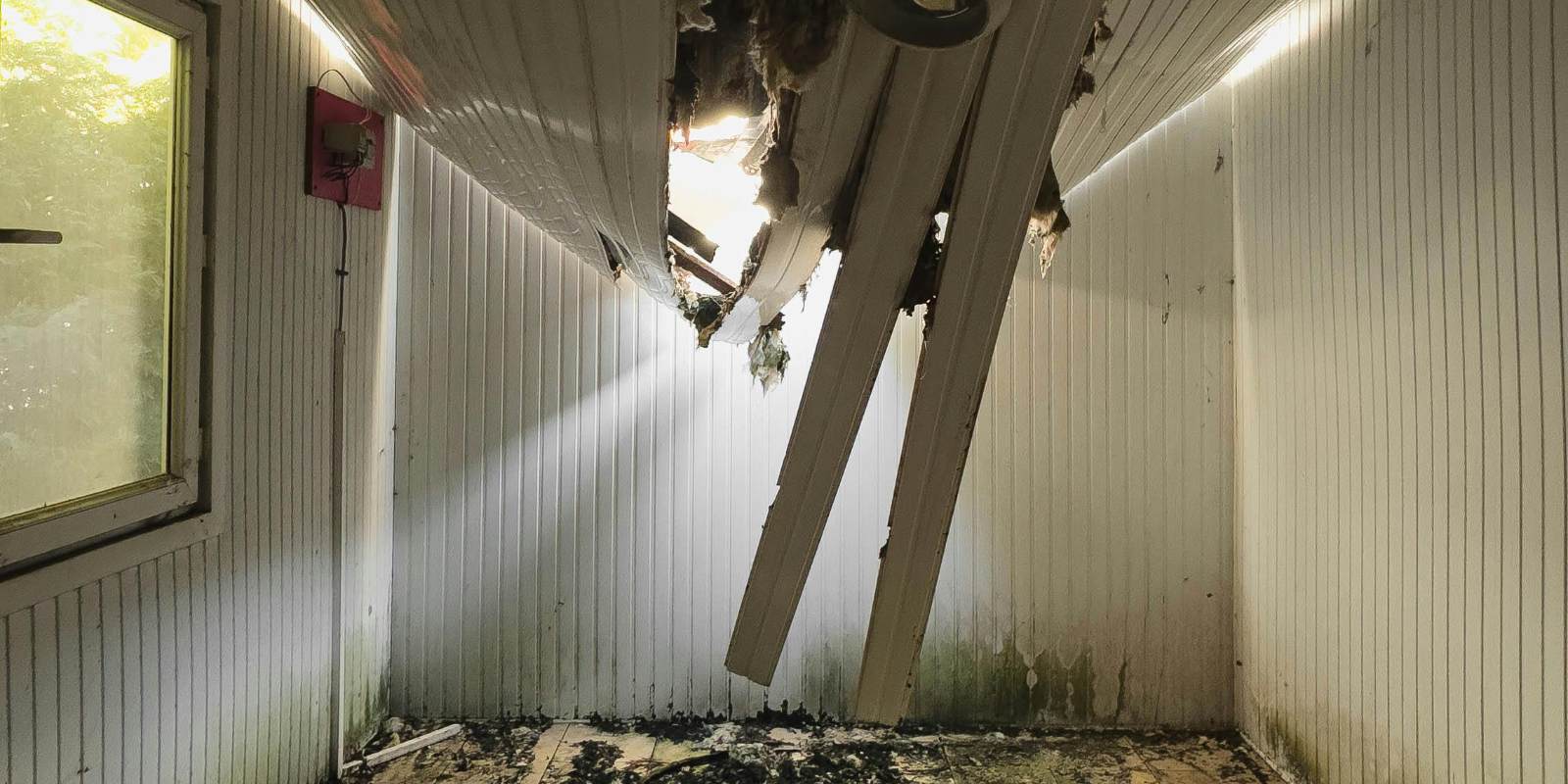
Fire damage can extend well beyond the area where flames started. Using the wrong cleaning method may spread residue or cause additional damage.
If your home or business in El Dorado, Camden, or surrounding South Arkansas communities has experienced fire or smoke damage, Restore-It can help identify the affected areas and determine the next steps.
Call Restore-It for prompt assistance and an immediate inspection!