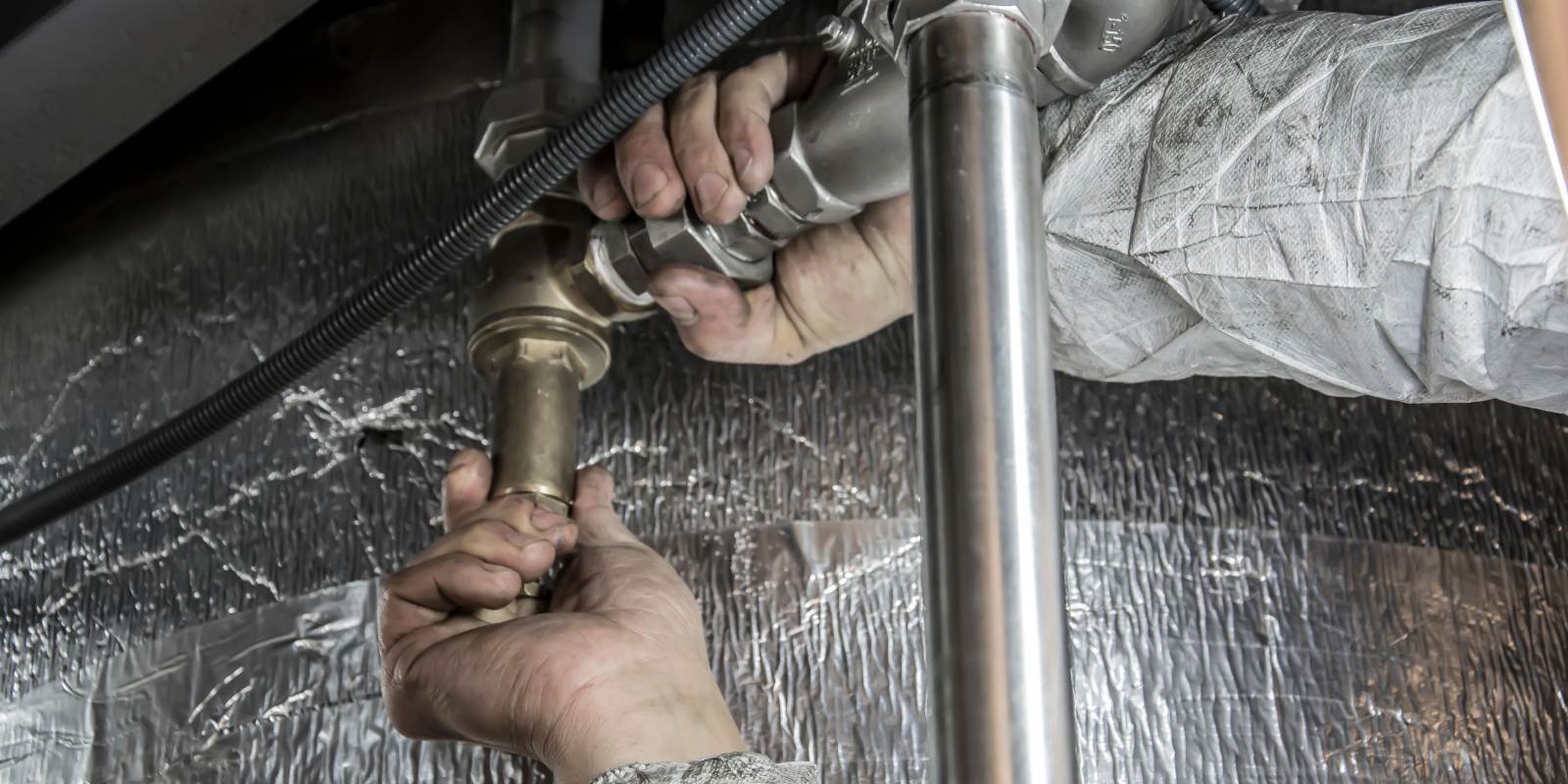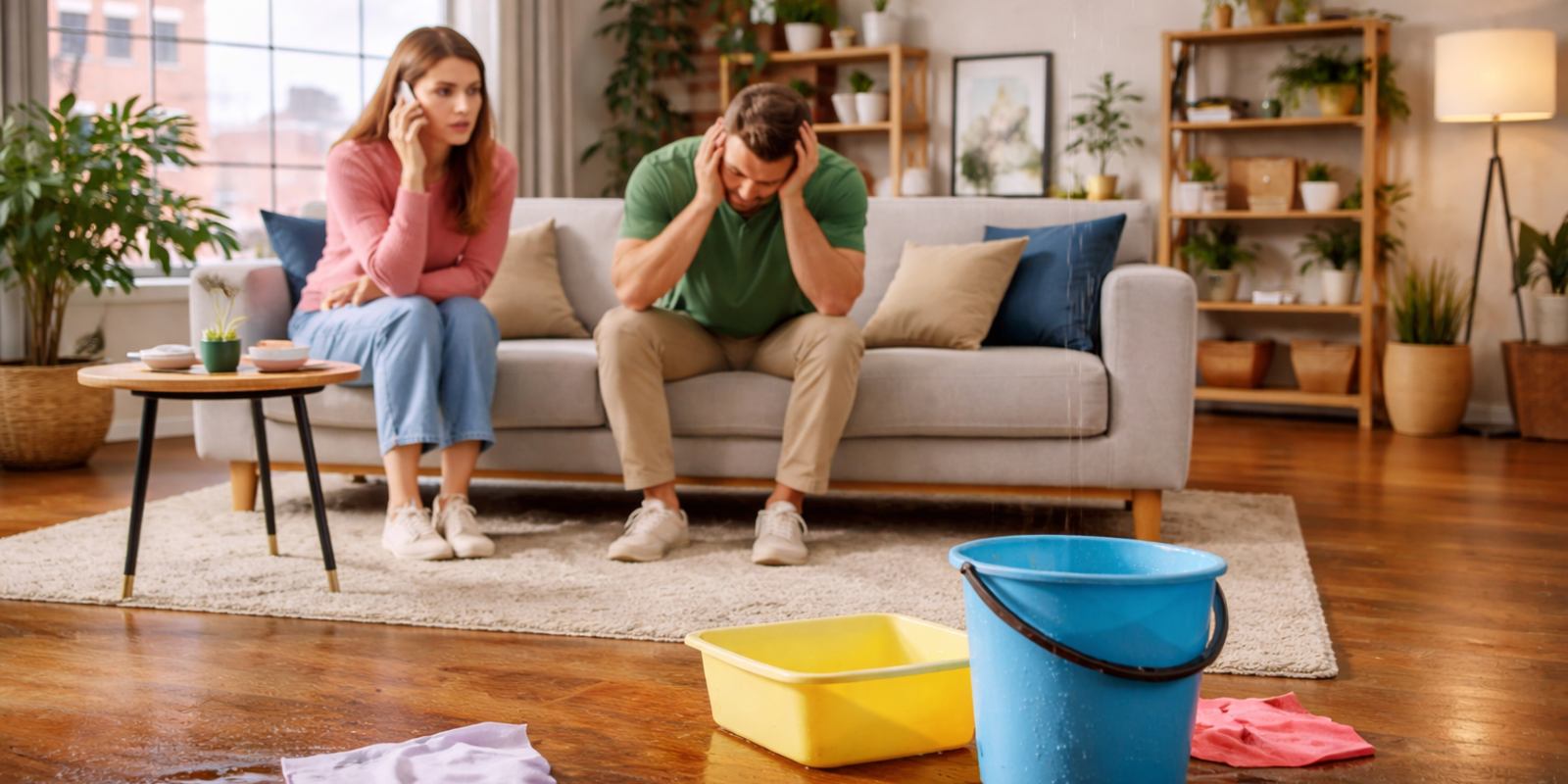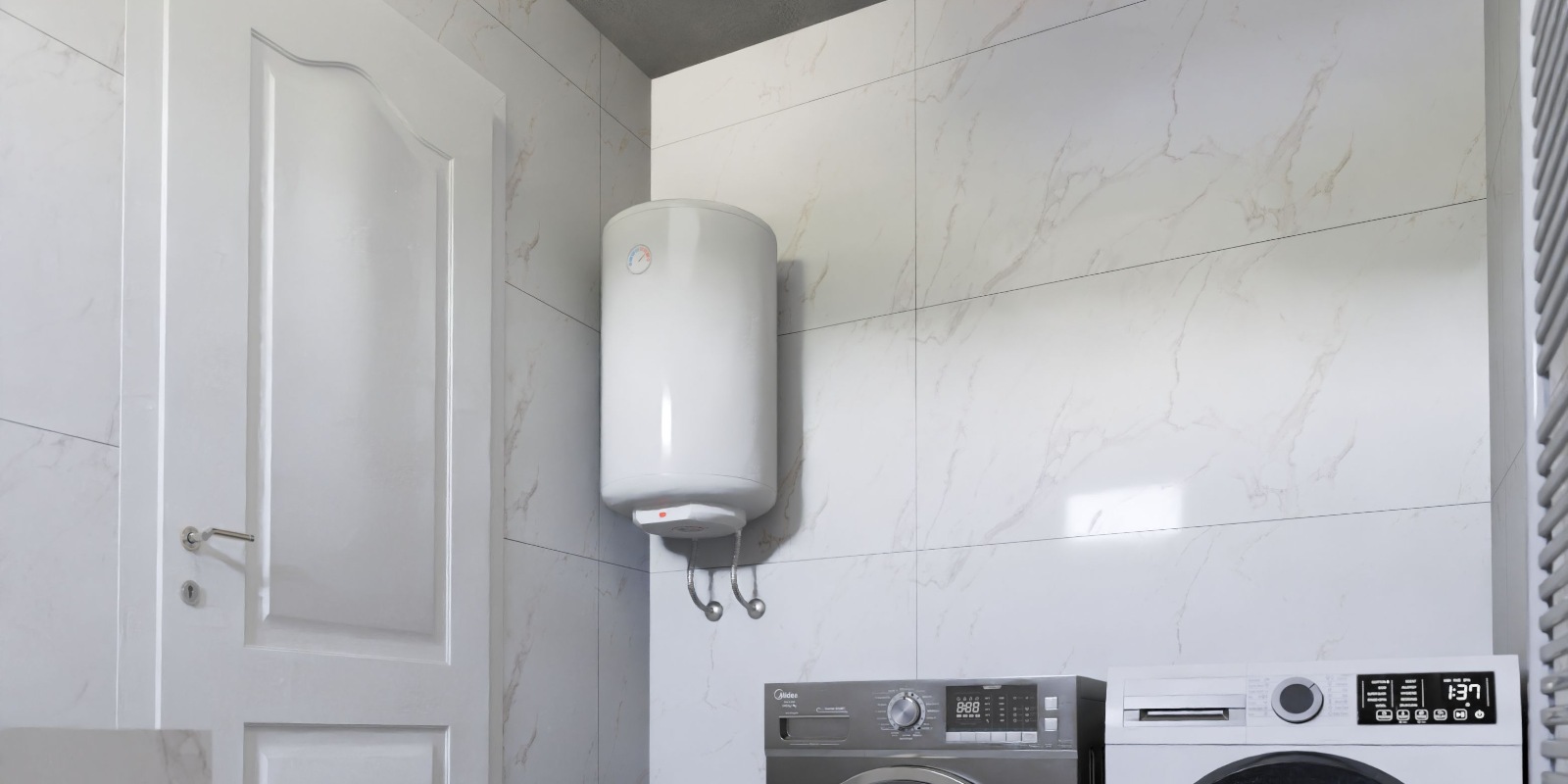
Did you happen to notice a few drops of water near your water heater and wonder whether they were worth worrying about?
Perhaps the tank is getting older, you have noticed moisture around a valve, or there is a small puddle that keeps coming back. It may seem like a minor plumbing issue, but how can you tell if the leak has started affecting your home?
Not every water heater leak requires water damage restoration. Sometimes, repairing a faulty connection or replacing a worn component is enough. However, if water reaches flooring, drywall, insulation, or other building materials, the problem can extend beyond the plumbing system.
After more than 14 years in restoration, our team understands why identifying the difference matters. Let's look at what to watch for, how to respond, and when professional restoration may be necessary.
Does Every Water Heater Leak Require Water Damage Restoration?
No. A leaking water heater does not automatically mean your home needs professional restoration. It depends on where the water came from, how much escaped, how long it remained, and whether surrounding materials absorbed it.
A small drip from a connection may only require a plumbing repair and cleanup if the water stayed on a surface that can be dried completely. Water collecting beneath the tank, however, could come from the tank itself or a nearby component. A plumber should identify the source rather than relying on the puddle's location.
Here are a few situations that can help you understand the difference:
|
What you notice |
What it could mean |
What to consider |
|
Drops near a pipe or valve |
A connection or component may be leaking. |
Have a plumber inspect it. |
|
Water beneath the tank |
The tank or a nearby part may be leaking. |
Identify the source and check surrounding materials. |
|
A puddle that returns |
The leak may still be active. |
Repair the source and assess the area. |
|
Swollen flooring or baseboards |
Water may have reached building materials. |
Consider a moisture assessment. |
Repairing the water heater does not automatically resolve damage to the surrounding property.
What Parts of Your Home Can a Water Heater Leak Damage?
Water heaters are often installed in garages, closets, and utility rooms, where a leak can affect nearby surfaces and belongings.
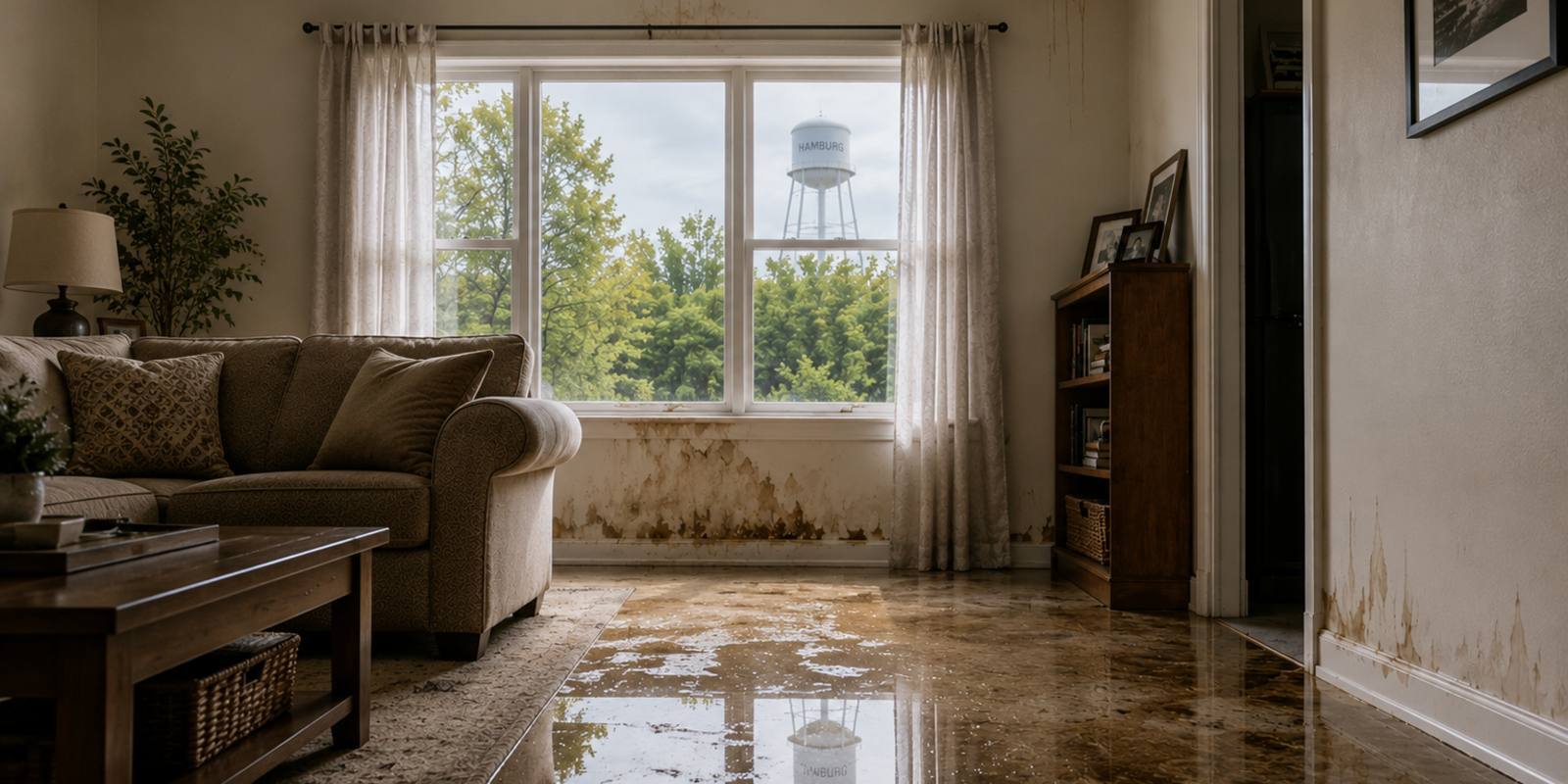
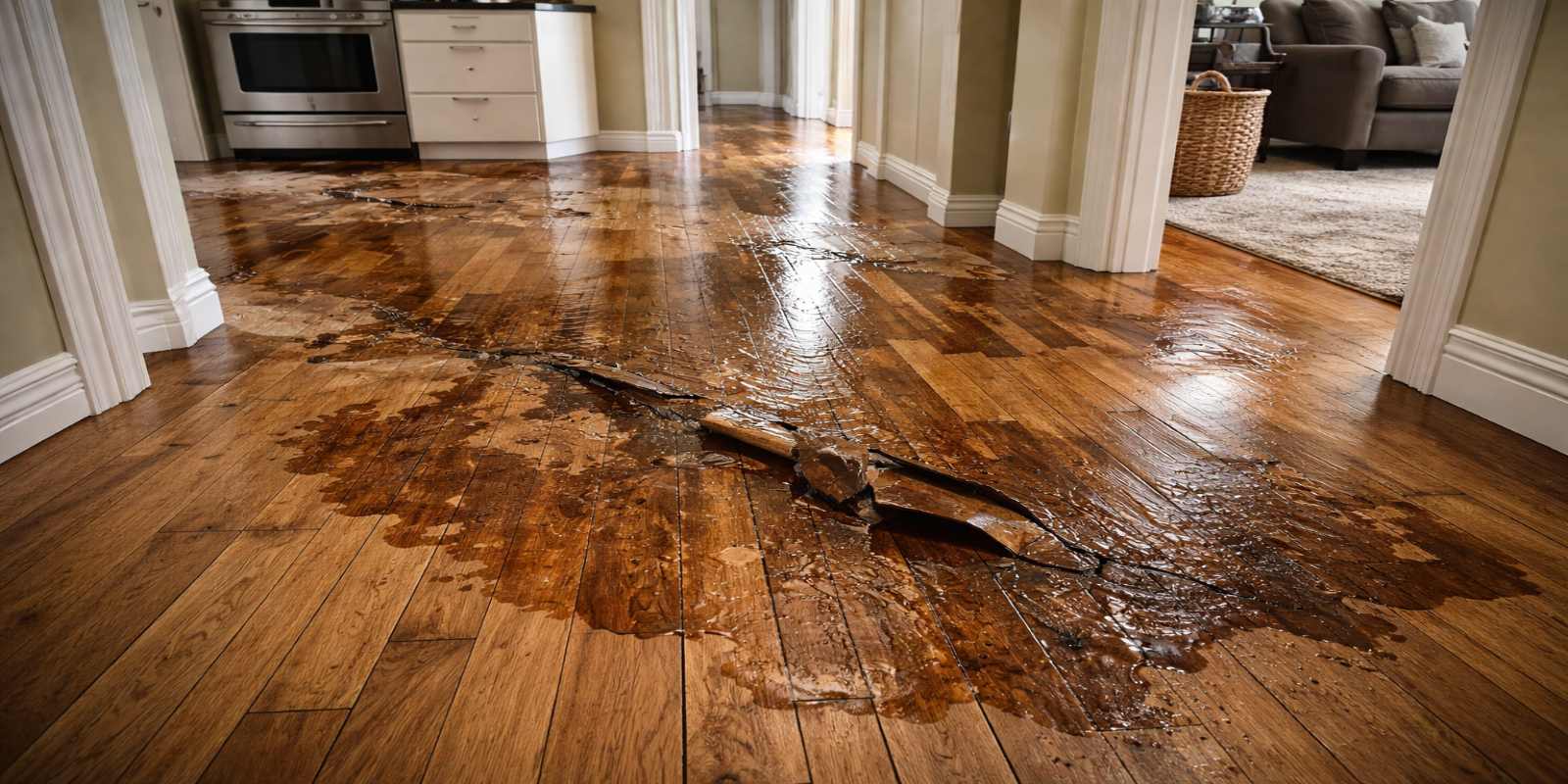
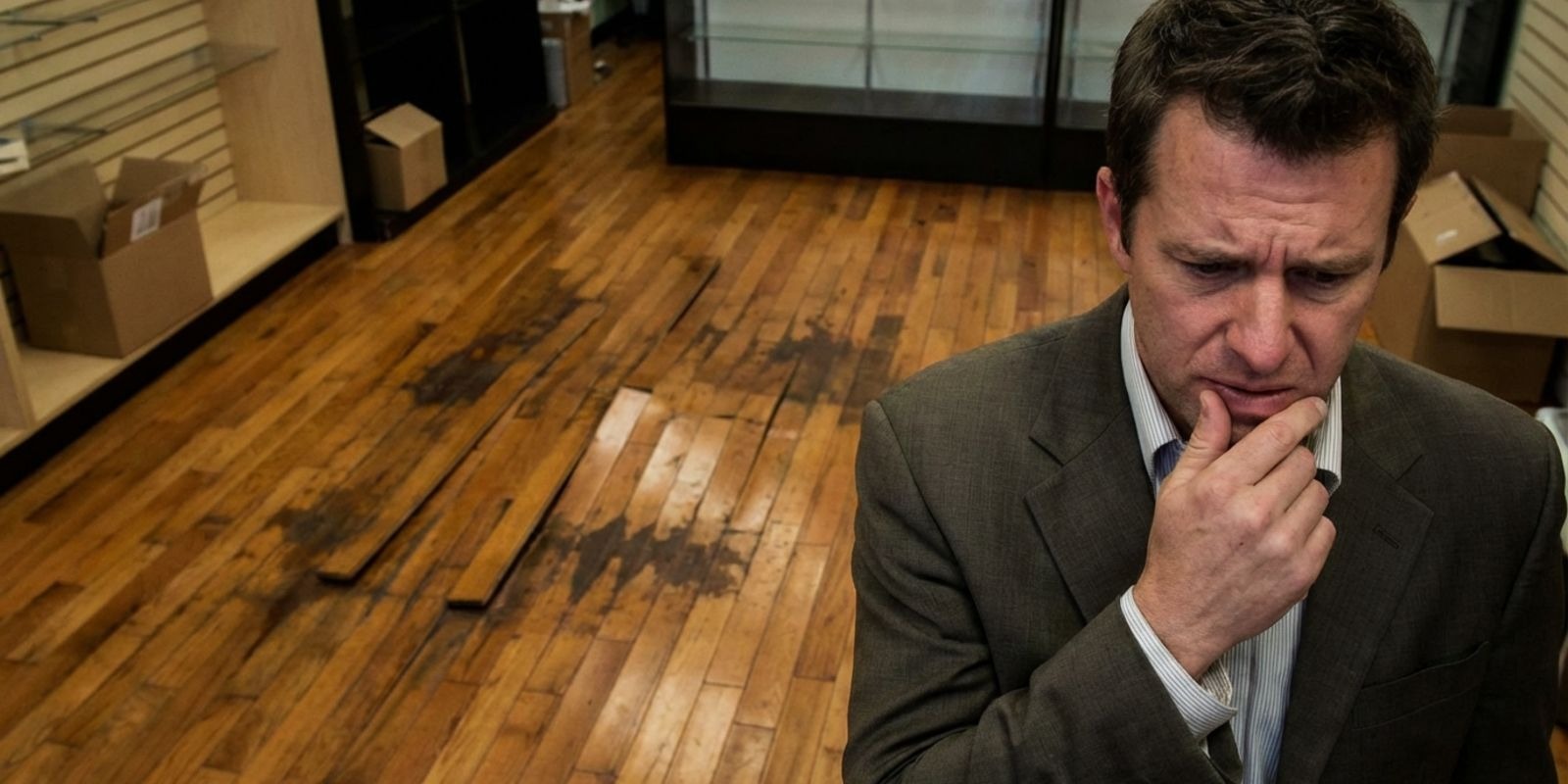
Flooring and subfloors: Water can pass through seams and reach the materials underneath. Wood-based subfloors may swell or warp, while water-resistant flooring can conceal moisture below the surface.
Should you discover water beneath your flooring, avoid assuming the surface tells the whole story. Our article below explains when removal may be necessary to access and dry affected materials.

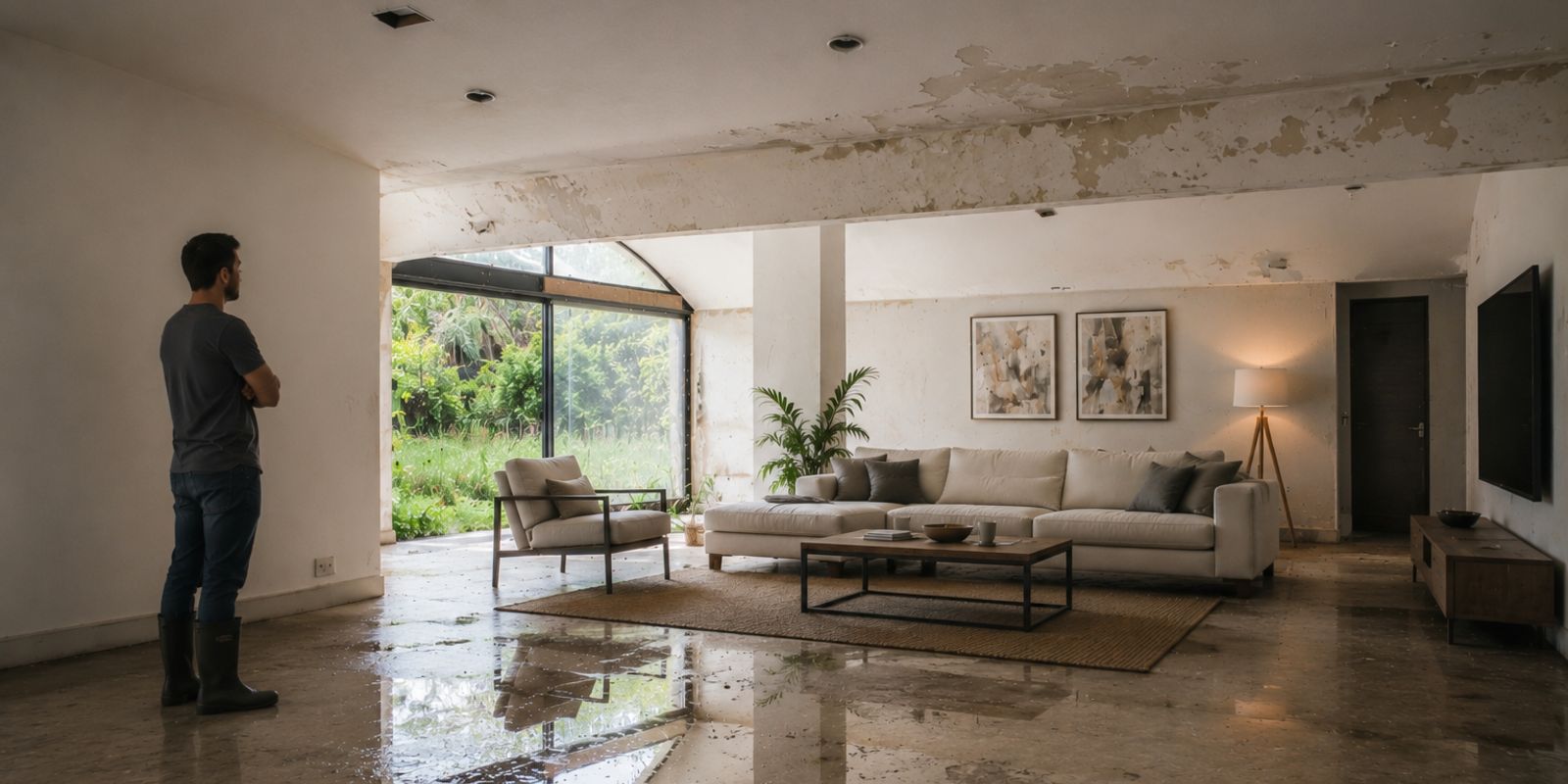
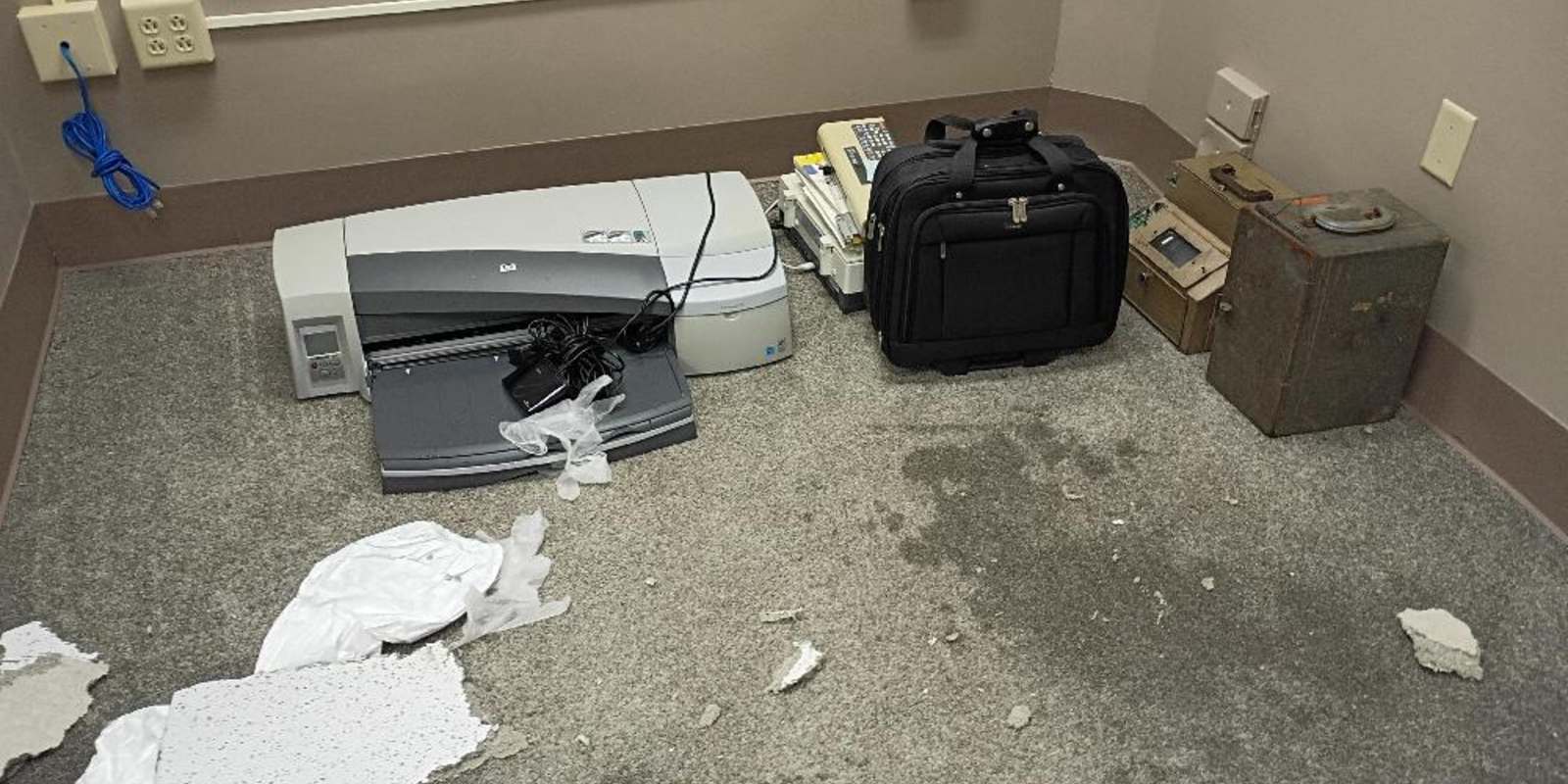
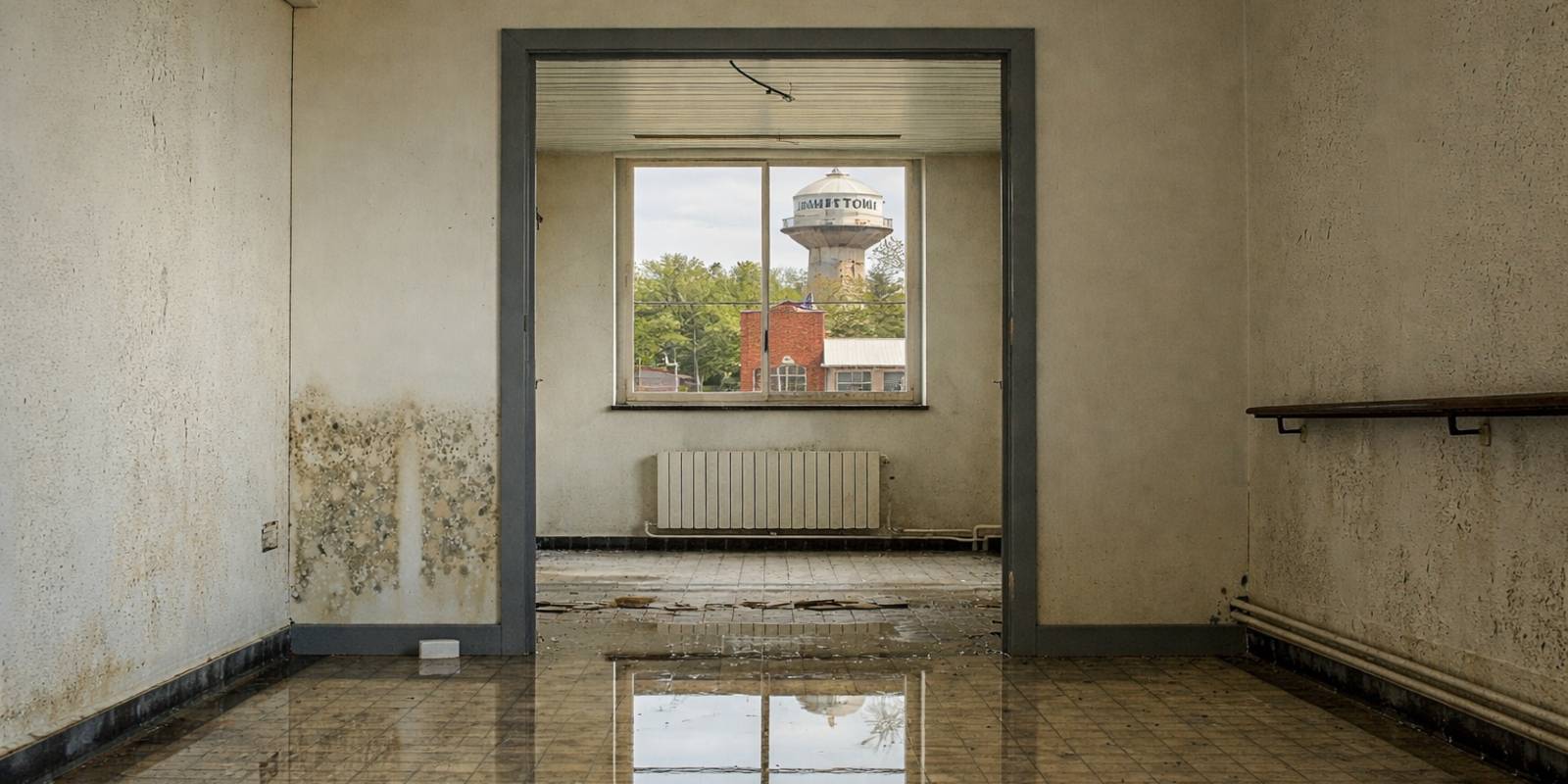
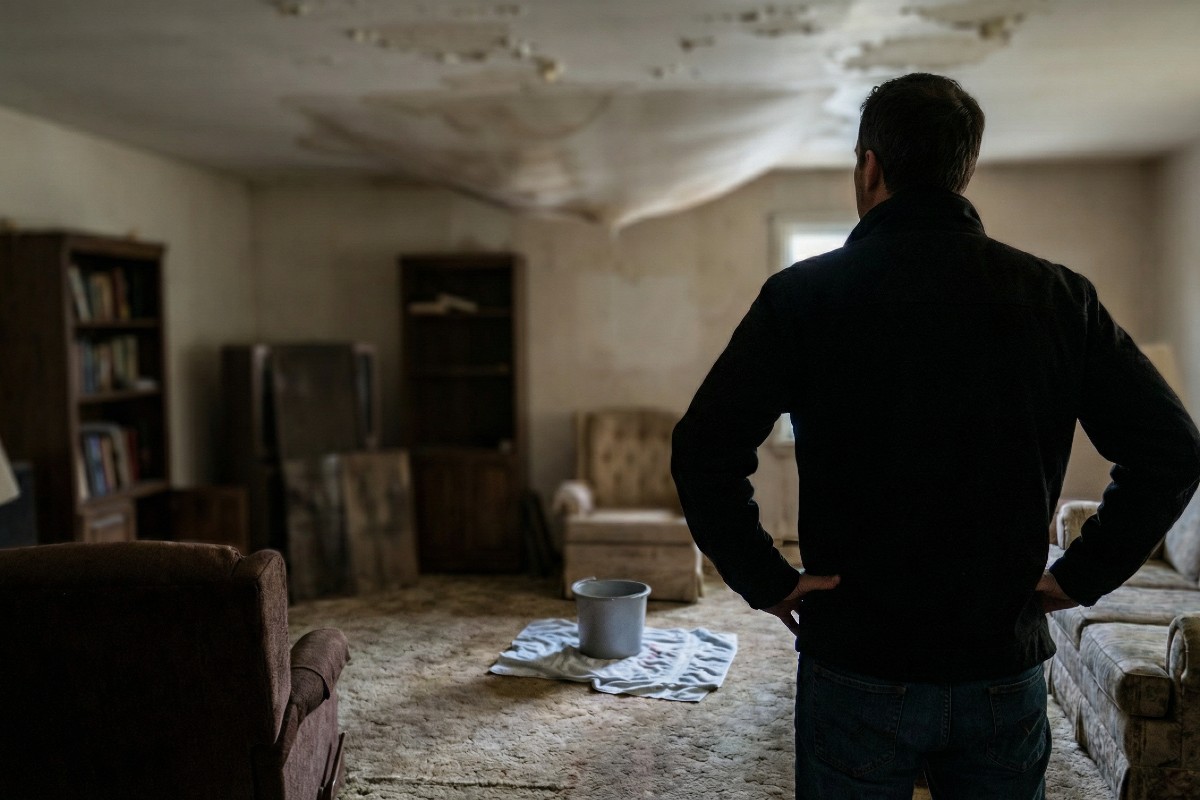
Drywall, baseboards, and insulation: Water can move behind baseboards or into a wall cavity. Drywall and insulation may retain moisture even when the visible area looks dry.
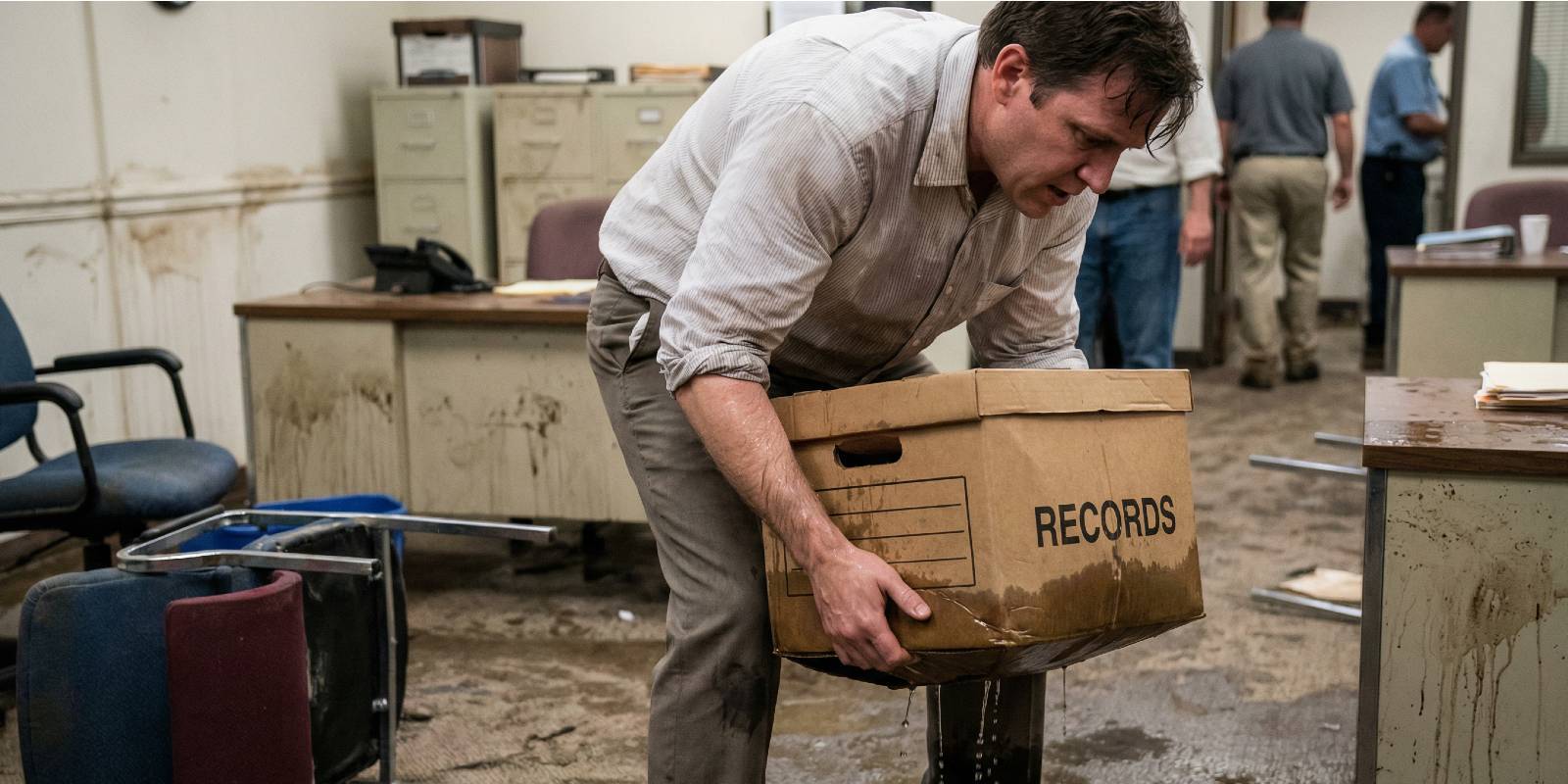
Nearby belongings: Boxes, clothing, and furniture can absorb water. Move them when safe and check for dampness before returning them.
How Can You Tell If a Water Heater Leak Has Caused Hidden Damage?
The first signs may appear after the leak has been repaired. Cleaning up visible water does not confirm that the materials underneath have dried. Pay attention to these warning signs:
|
Warning sign |
What it could indicate |
|
Soft or swollen flooring |
Moisture may have reached flooring materials or the subfloor. |
|
Discolored or swollen baseboards |
Water may have been absorbed by the trim or nearby drywall. |
|
Bubbling or peeling paint |
Moisture may be affecting the drywall behind the finished surface. |
|
Musty odors |
Persistent moisture may be present in an enclosed area. |
|
Recurring dampness |
There may be an unresolved leak or trapped moisture. |
Not knowing where the water has traveled can make it difficult to determine whether your home is completely dry.
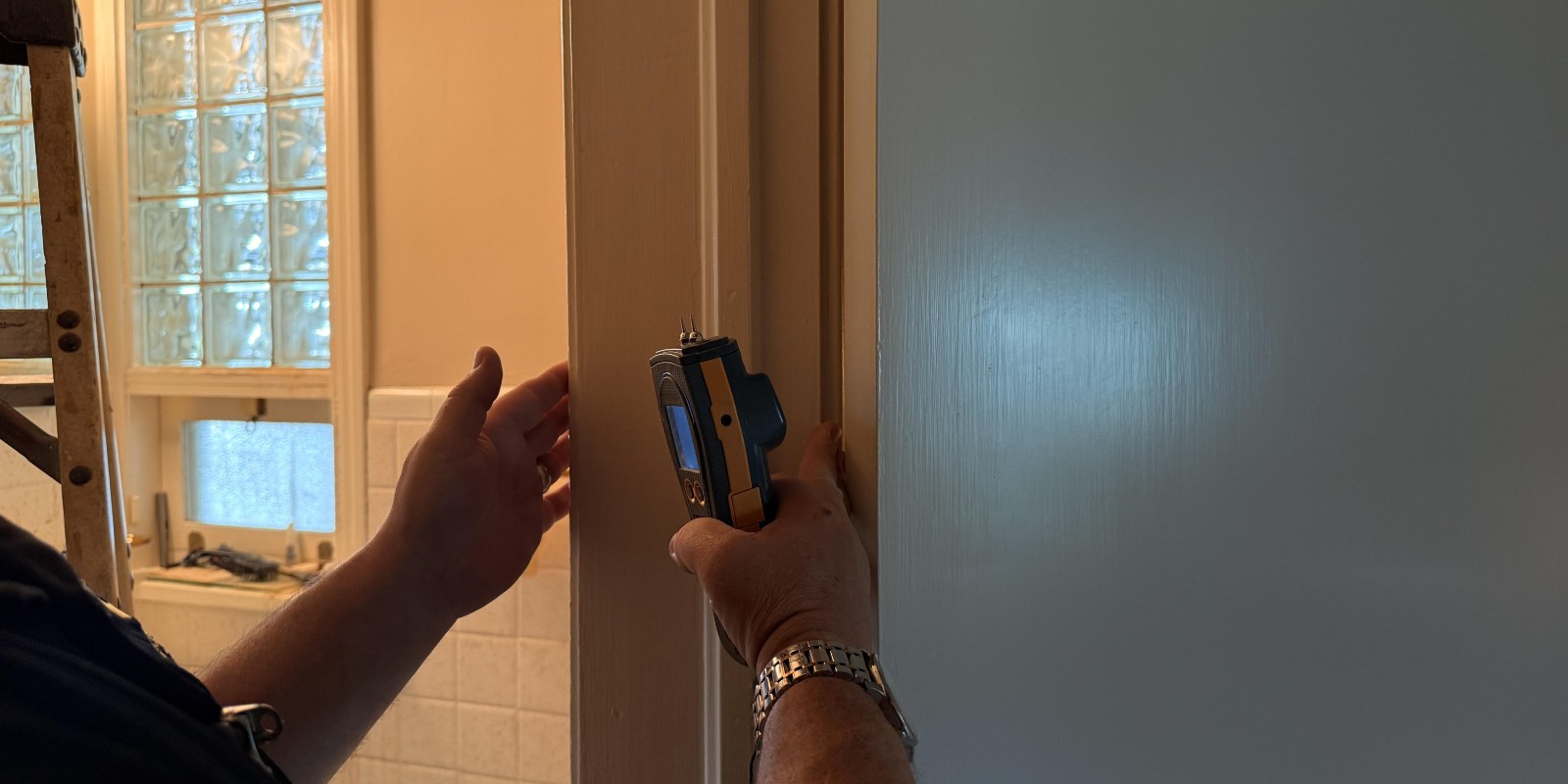
The Massachusetts Department of Public Health explains that building materials can retain moisture without showing visible stains or obvious signs of water damage. Moisture measuring devices can help professionals evaluate these conditions.
If you want to understand how water can travel beyond its source, read our guide, How Far Can Water Damage Spread in a Home Before You Notice?.
What Should You Do After Discovering a Water Heater Leak?
Start with safety. Stay away from standing water near electrical equipment. If you suspect an electrical or gas hazard, keep clear and contact the appropriate professional.
- Look from a safe distance. Check for dripping around the tank, pipes, and connections. Do not dismantle components.
- Shut off the water supply if safe. If you cannot reach the correct valve, call a plumber. Never block the temperature-and-pressure relief valve or discharge pipe.
- Move belongings. Protect nearby items if it is safe.
- Take photos. Document the heater, puddles, and affected materials.
- Arrange inspections. Have a plumber repair the leak and consider a restoration assessment if building materials got wet.
After the plumber addresses the source, decide whether the property also needs attention. Our guide here covers additional steps homeowners can take after water damage:

When Should You Call a Water Damage Restoration Company?
If water only reached a nonporous surface and the area dried completely after cleanup, restoration may not be needed. Consider calling a restoration company if:
- Water reached carpet, wood flooring, laminate, or the subfloor.
- Drywall, insulation, or baseboards became wet.
- Water may have traveled beneath finished flooring or into a wall.
- Materials remain damp after the plumbing repair.
- You cannot tell how far the moisture has spread.
Both professionals may be needed:
|
Plumber |
Water damage restoration company |
|
Finds and repairs the leak. |
Evaluates materials affected by water. |
|
Repairs pipes, valves, fittings, or the heater. |
Checks for moisture and plans appropriate drying. |
|
Addresses the plumbing source. |
Performs extraction, drying, and restoration when needed. |
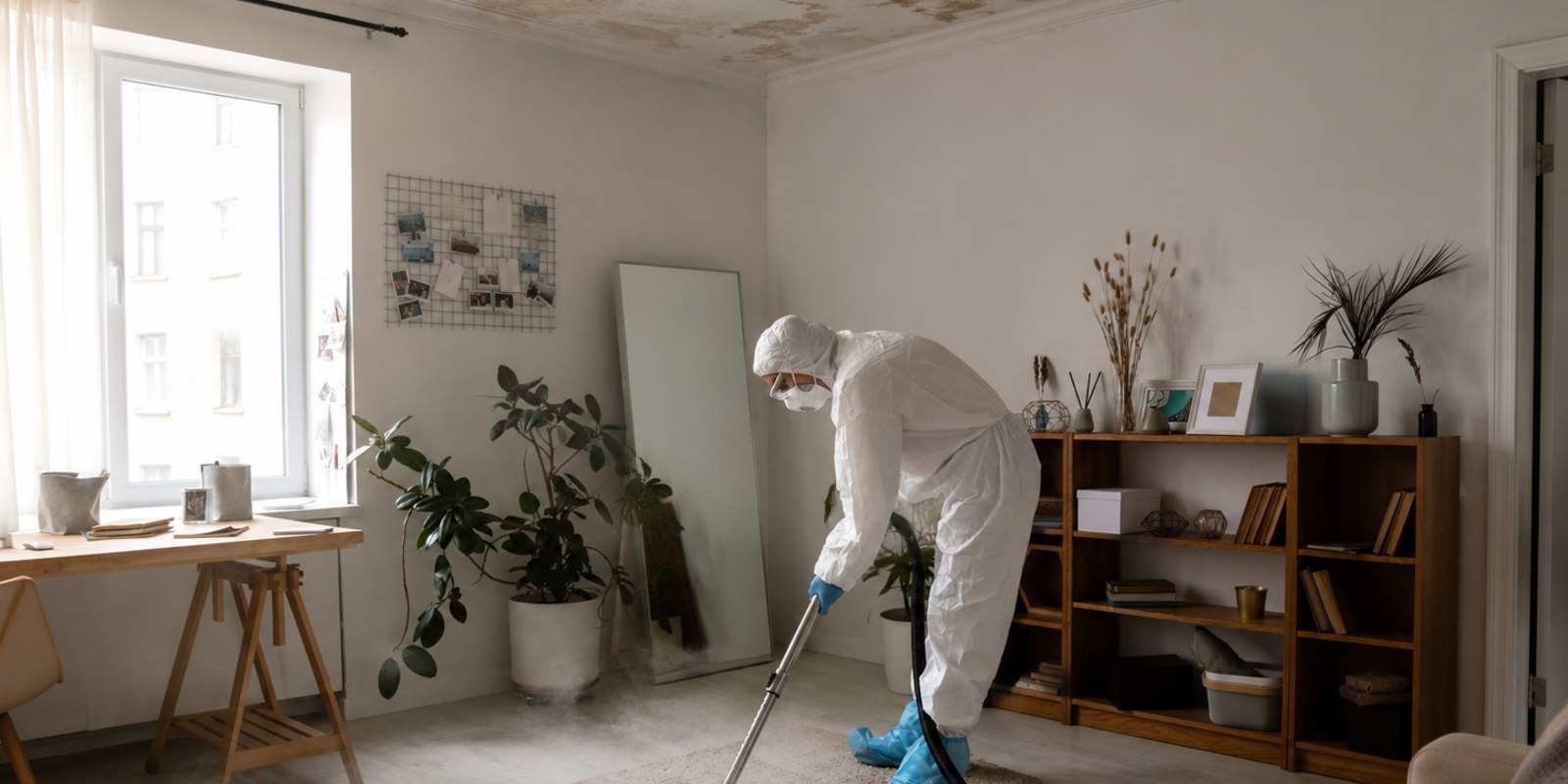
Restore-It can assess affected areas with professional moisture detection equipment. Depending on the findings, work may include extraction, drying, dehumidification, and moisture monitoring. Some materials can be dried in place; others may need removal.
The ANSI/IICRC S500: Standard for Professional Water Damage Restoration provides industry guidance for evaluating water damage, building materials, and drying procedures. These principles help restoration professionals determine the appropriate approach instead of relying only on what looks wet.
Can You Prevent a Small Water Heater Leak From Becoming a Bigger Problem?
Regular checks can help you notice trouble sooner, although they cannot prevent every equipment failure. Make it a habit to:
- Check for moisture around the tank and connections.
- Watch for corrosion, rust, or recurring puddles.
- Keep the area accessible.
- Ask a qualified plumber about maintenance or replacement if the unit shows signs of deterioration.
If your water heater is older or showing signs of deterioration, ask a qualified plumber whether it needs maintenance or replacement.
The Environmental Protection Agency (EPA) recommends drying water-damaged areas and materials within 24 to 48 hours when possible to help prevent mold growth. This is another reason to address moisture promptly, even when the original leak seems small.
Don't Judge Water Damage by the Size of the Leak
A few drops around your water heater do not always mean you need restoration. The key question is whether water reached materials that need more than surface cleanup. After a plumber fixes the source, check the surrounding area.
If you are unsure how far the moisture has traveled, Restore-It can help evaluate the affected areas and determine whether professional water damage restoration is necessary.
We have more than 14 years of restoration experience serving El Dorado, Camden, and surrounding South Arkansas communities. If you are unsure whether moisture has affected your home, we can help assess the damage and explain the next step.

Remember to visit our Water Restoration section for more educational content! Don't wait for visible damage to tell you there is a problem. Call our El Dorado office at 870-918-0041 to discuss your water damage concerns!
Topics: