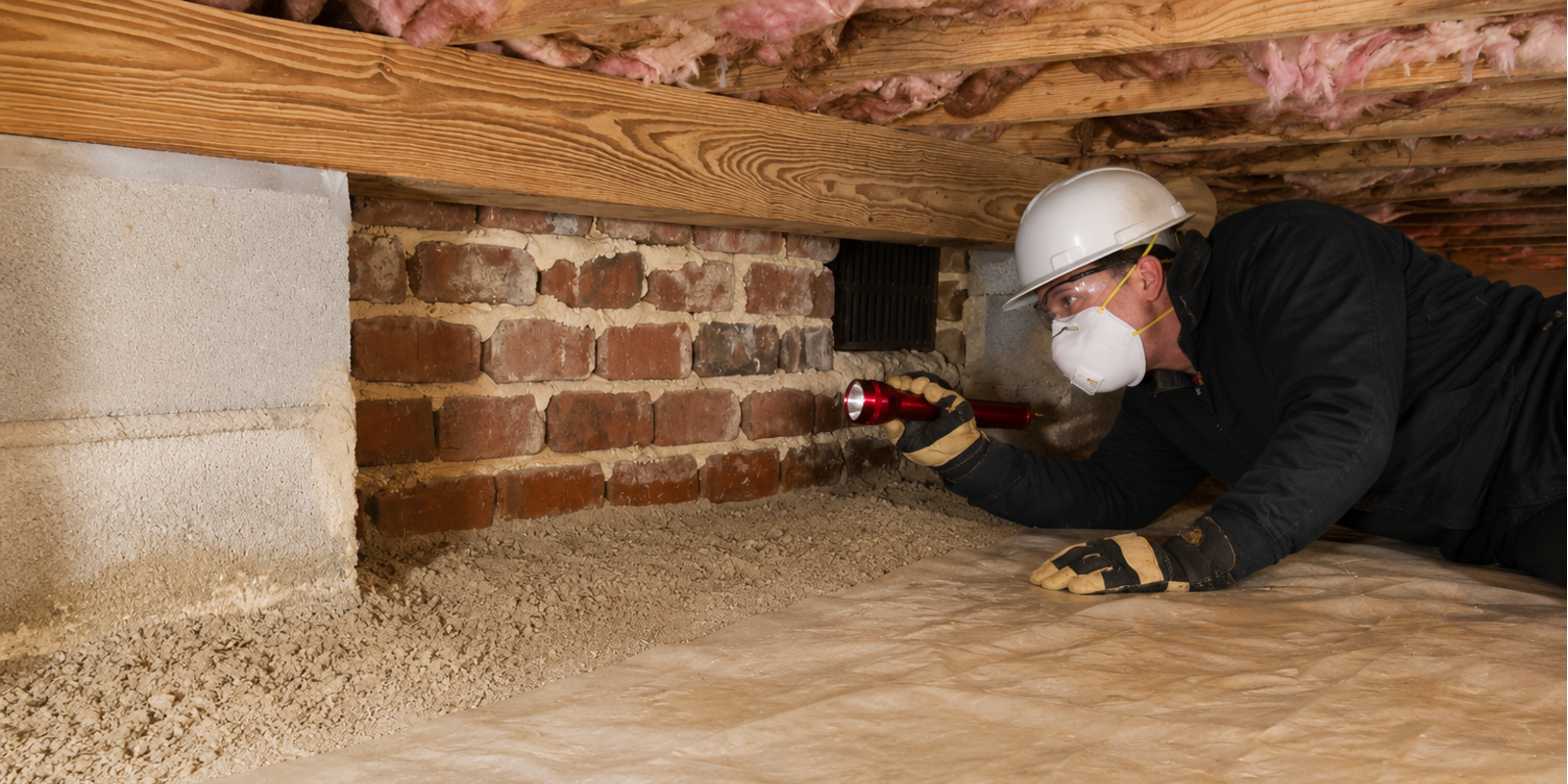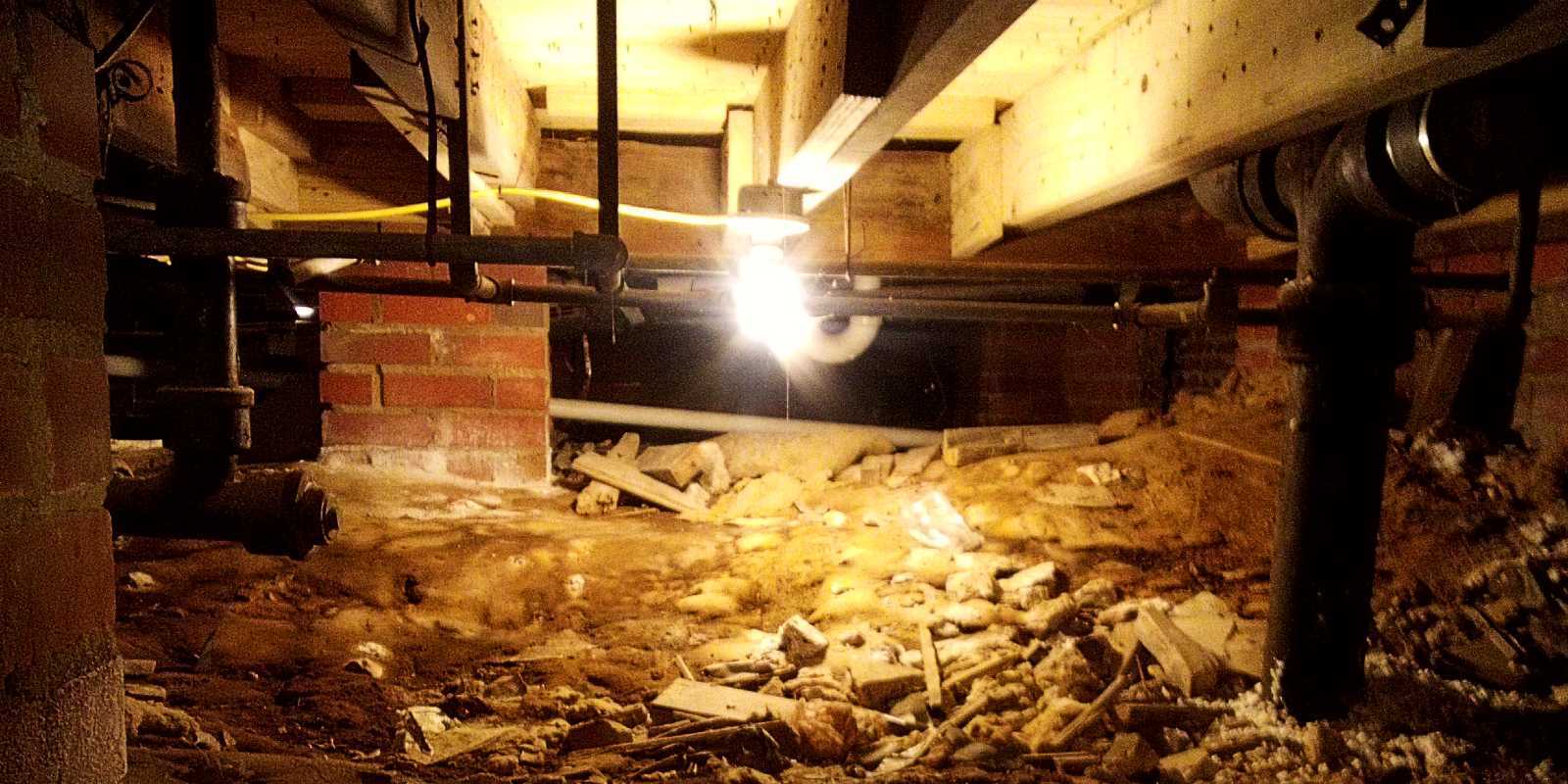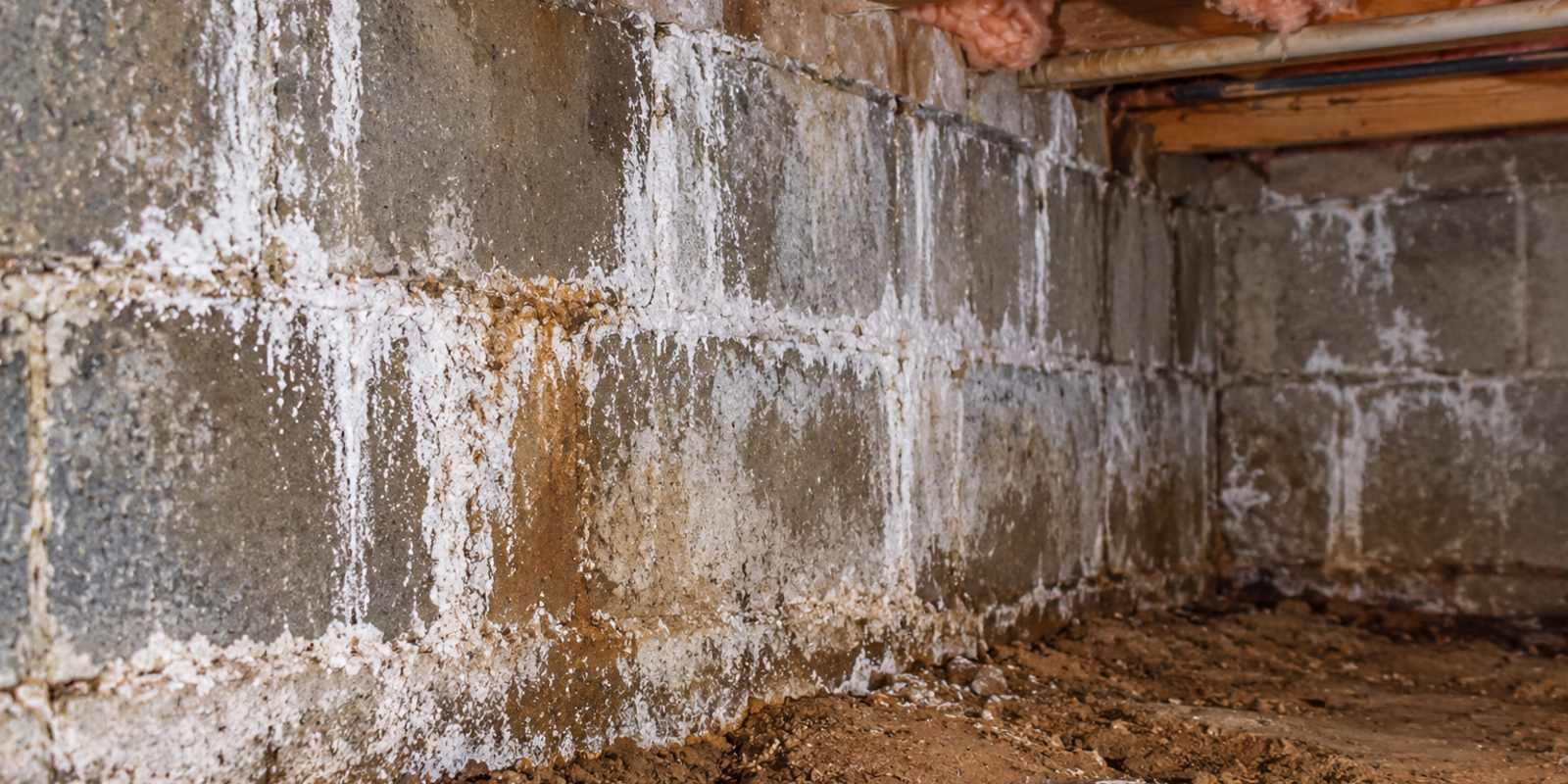
You may not spend much time in your crawl space, but a quick look underneath your home can sometimes raise questions. Maybe you went down to check a pipe or look at the insulation after a stretch of rain. Then you noticed a white, chalky coating on the concrete blocks.
It is natural to wonder what you are looking at. Is it mold? Is water getting through the foundation? Could the wall be damaged?
One possibility is efflorescence. It is a mineral deposit left behind when water moves through concrete or masonry and evaporates at the surface. It is not the same as mold, and finding it does not automatically mean your foundation is failing. Still, it can tell you something about moisture around your home.
For homeowners in El Dorado, Camden, and nearby South Arkansas communities, that clue is worth understanding. Humid weather and periods of heavy rain can make it harder to keep crawl spaces dry. Here's what the white residue may mean and what to look at next.
Why Does Efflorescence Appear on Crawl Space Walls?
Efflorescence forms when three conditions come together: soluble mineral salts, moisture, and a way for that moisture to move toward a surface.
Concrete and masonry contain minerals and soluble salts. When water comes into contact with these materials, it can dissolve some of those compounds and carry them through the porous structure. As the water reaches the exposed surface and evaporates, the dissolved minerals remain behind.
The result is a white or light-colored powder that may look dusty, flaky, or crystalline.
The National Institutes of Health Office of Research Facilities explains this process in its technical bulletin, Efflorescence in Masonry Walls. Its overview describes how migrating water transports soluble salts through masonry before leaving deposits on the surface.
InterNACHI's article Efflorescence for Inspectors provides another helpful explanation. In its sections on Indications of Moisture and Capillary Action, it describes how porous materials absorb or wick water, allowing dissolved salts to travel through concrete and other building materials.
But where does that moisture come from?
According to the U.S. Department of Energy's Building America Solution Center, several conditions can contribute to moisture in crawl spaces, including:
- Ground moisture: Water vapor can rise from exposed soil beneath the home and contribute to damp conditions.
- Poor exterior drainage: Water collecting near foundation walls can increase moisture exposure.
- Gutter and downspout problems: Overflowing gutters or downspouts discharging too close to the house can keep surrounding soil wet.
- Plumbing leaks: Supply lines, drainpipes, and other connections can introduce water into the space.
- Condensation: Humid air meeting cooler surfaces can leave water droplets on foundation walls, pipes, and other materials.
These possibilities are worth investigating because the white deposits only tell you that moisture has moved through the material. They do not identify the source.
Is White Powder on Foundation Walls Mold?
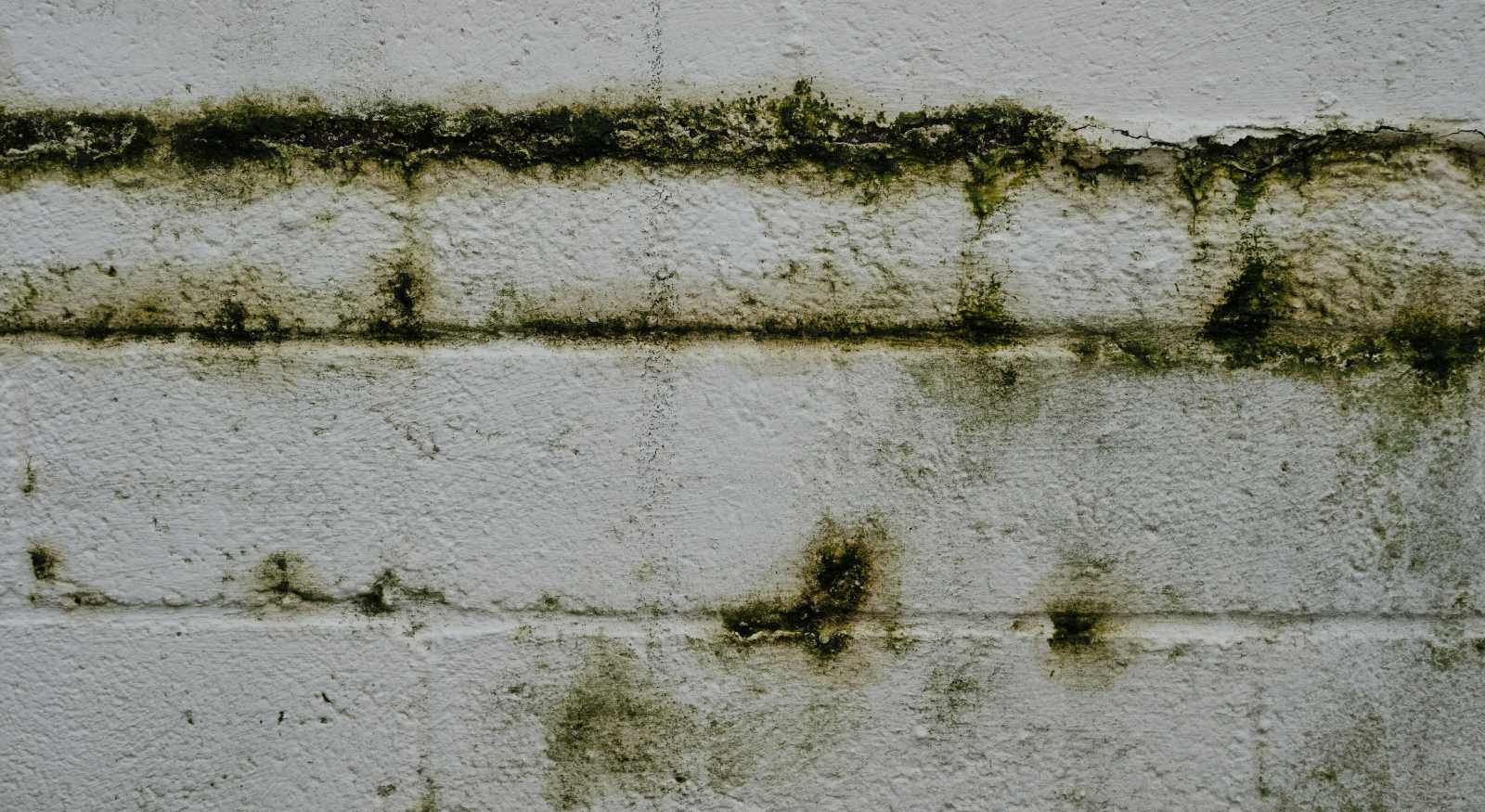
Not necessarily. Efflorescence and mold can look similar at first, particularly when you spot a pale patch on a concrete block.
Some differences can help you understand what you may be seeing:
|
Efflorescence |
Possible mold growth |
|
Usually white or light-colored |
Can appear in several colors |
|
Often powdery or crystalline |
May look fuzzy, spotted, or irregular |
|
Mineral salts left behind by evaporating water |
Biological growth |
|
Commonly appears on concrete and masonry |
Can grow on suitable organic materials and other surfaces |
Efflorescence is made of mineral salts. Mold is biological growth that can develop on materials such as wood, paper, and other surfaces when conditions allow. Mold may also be present on dirt or organic residue on masonry, so the surface alone does not settle the question.
If you are unsure what you have found, do not assume it is harmless because it is white, or treat it as mold based on appearance alone. A closer inspection can help identify the material and determine whether moisture has affected nearby parts of the crawl space.
Does Efflorescence Mean Your Foundation Is Damaged?
Finding white deposits does not automatically mean your foundation is failing. The Concrete Masonry & Hardscapes Association (CMHA) explains in its technical note, Control and Removal of Efflorescence (TEK 08-03A), that ordinary efflorescence is an aesthetic concern and does not affect the structural performance of concrete masonry.
However, it is worth paying attention to where the deposits appear and whether they keep coming back. A light coating in one area may have a different explanation from heavy or recurring deposits concentrated near a crack or a point where water enters.
The concern is not simply the white powder. It’s whether ongoing moisture is affecting the crawl space. Repeated damp conditions can contribute to:
- Flaking or deterioration of concrete and masonry.
- Damp or damaged insulation near foundation walls.
- Moisture exposure to floor joists and other wood components.
- Conditions that support mold growth and wood decay.
If you also notice cracks, crumbling concrete, or masonry that appears to be breaking apart, those conditions deserve separate attention. Do not assume efflorescence caused them. The important question is whether water is continuing to enter the space and affecting other materials.
What Should You Do When You Find White Powder in Your Crawl Space?
You do not have to panic, but do not ignore what you have found either. Start by looking at the surrounding conditions:
- Notice where the deposits are. Are they spread across several walls, or gathered near a corner, crack, or plumbing connection?
- Check the ground. Look for standing water, damp soil, or places where water collects.
- Look at drainage outside. Check whether gutters and downspouts carry rainwater away from the house and whether the ground slopes away from the foundation.
- Check accessible plumbing. Look for dripping pipes, corroded connections, or signs of an earlier leak.
- Look for other signs of moisture. Musty odors, condensation, and damp insulation may point to a wider moisture problem.
Wiping or brushing away the powder will not correct the reason it formed. The deposits may return if moisture is still moving through the foundation. The CMHA recommends identifying and correcting the source of moisture before attempting efflorescence removal.
If the deposits keep returning, or you find standing water, damp insulation, or other signs of moisture, consider having the crawl space evaluated.
Can Crawl Space Encapsulation Help Control Moisture?
It may be part of the solution, but the right approach depends on what is causing the moisture.
A ground vapor barrier helps limit moisture vapor rising from exposed soil. Wall liners can cover foundation surfaces, while a humidity-control system helps manage moisture in the enclosed space. If water collects beneath the home, drainage improvements may also be needed. Those issues may need attention before encapsulation begins.
Encapsulation is not a fix for every source of water. Plumbing leaks, poor exterior drainage, and active water intrusion still need to be corrected. The goal is to address the conditions contributing to moisture, then choose a system that fits the crawl space.
For a more detailed encapsulation guide, check here:

You can also learn how to tell the difference between temporary dampness and a more persistent concern below!

Let Restore-It Help You Understand What's Happening Beneath Your Home
White powder on your foundation walls may be a mineral deposit rather than mold or structural damage. However, recurring deposits can point to moisture conditions that deserve attention.
If you have noticed efflorescence, damp insulation, standing water, or other signs of moisture beneath your home, Restore-It can help you understand the conditions affecting your crawl space.
With over 14 years of restoration experience serving South Arkansas homeowners, our team can evaluate the space and discuss possible moisture-control solutions, including crawl space encapsulation.
Contact us to discuss a crawl space evaluation and find out what your home may need.