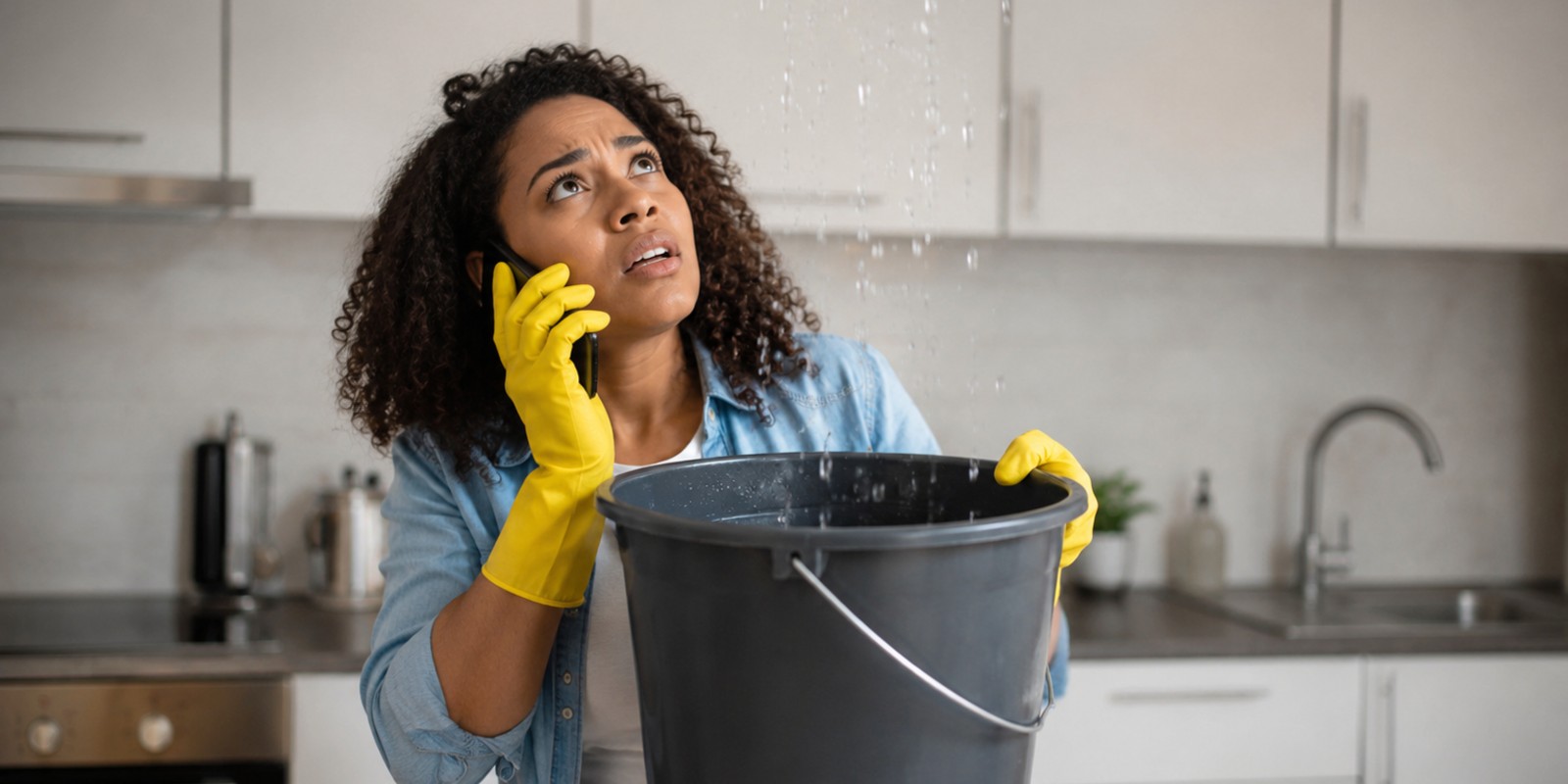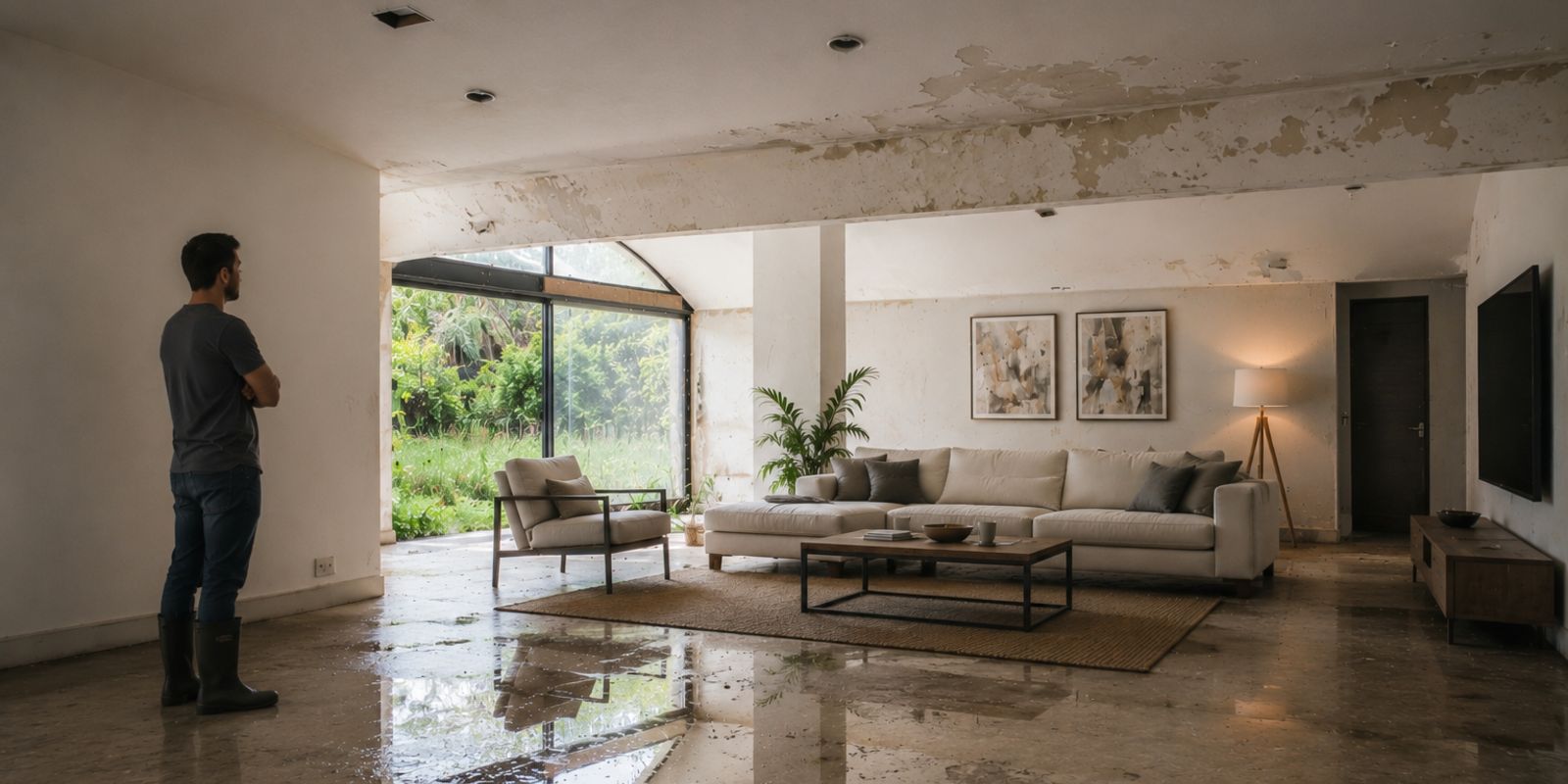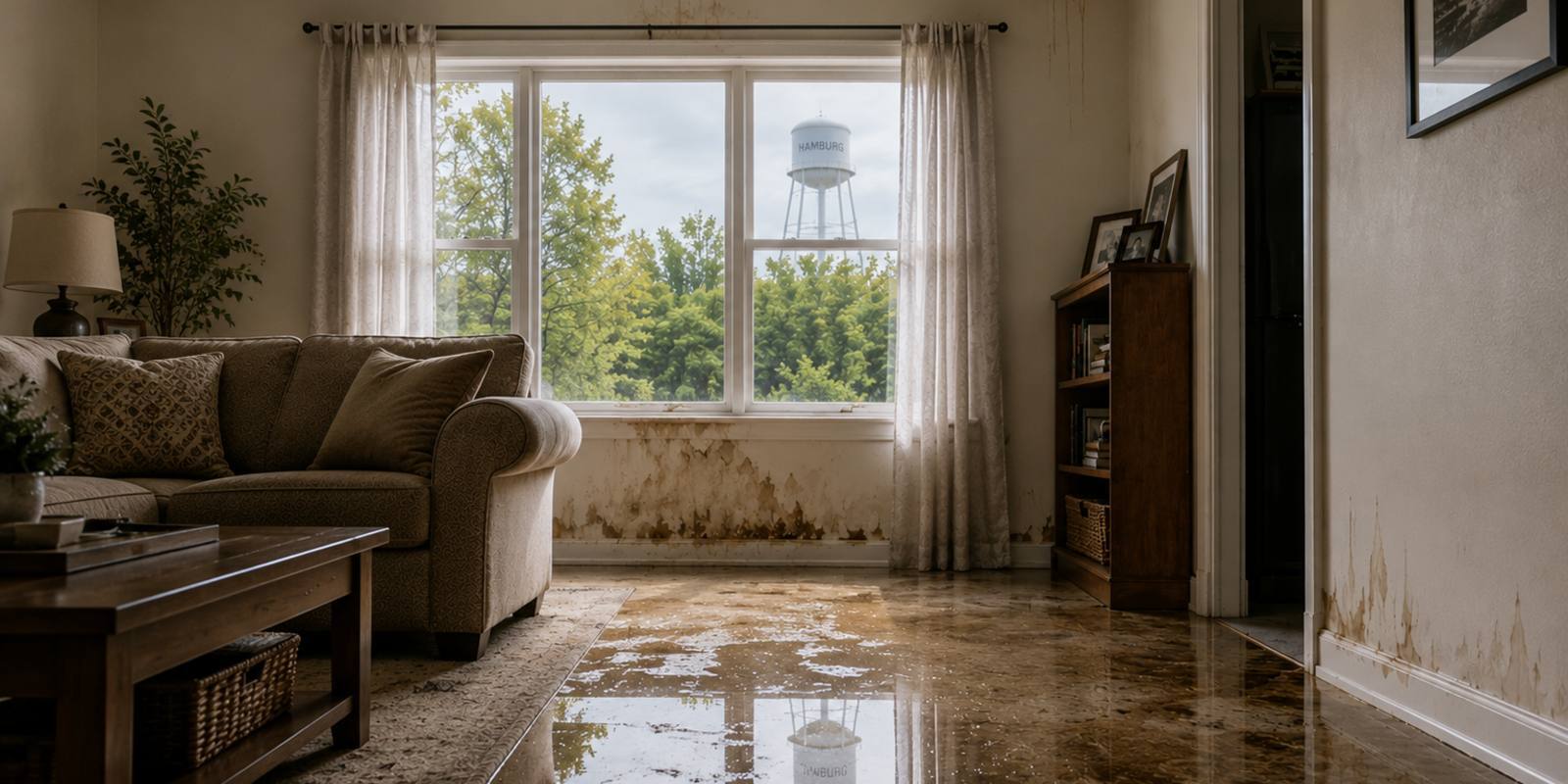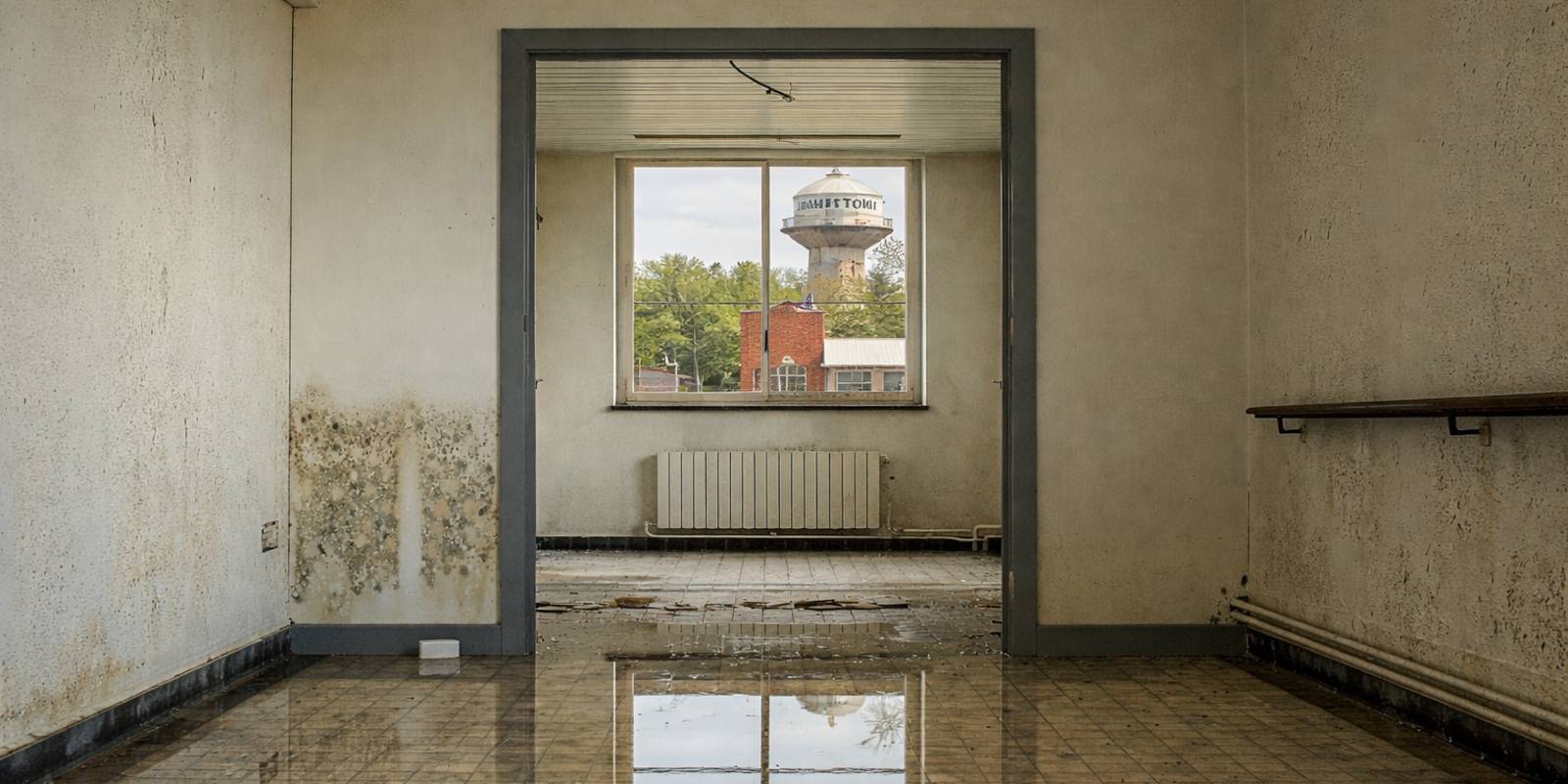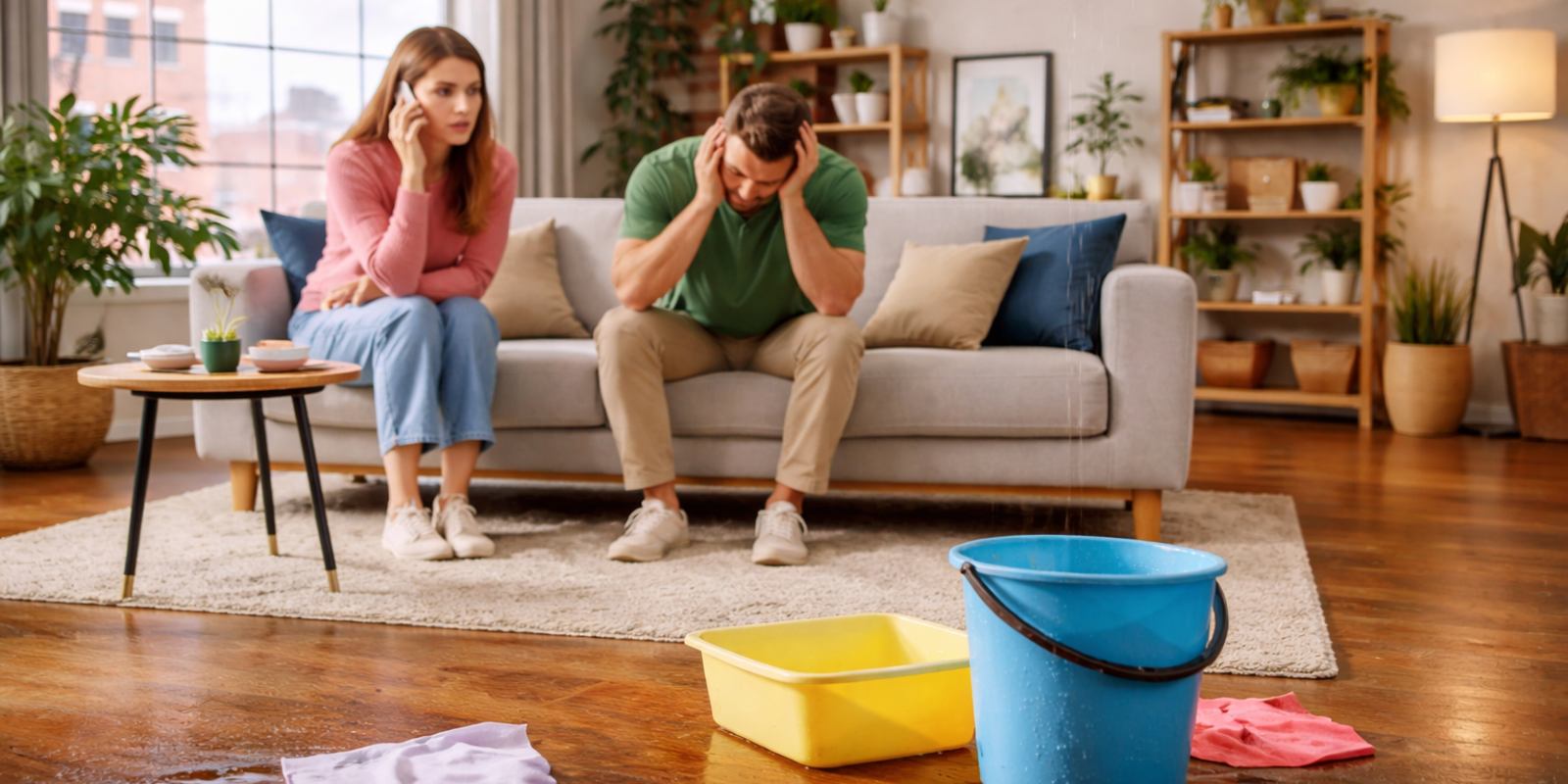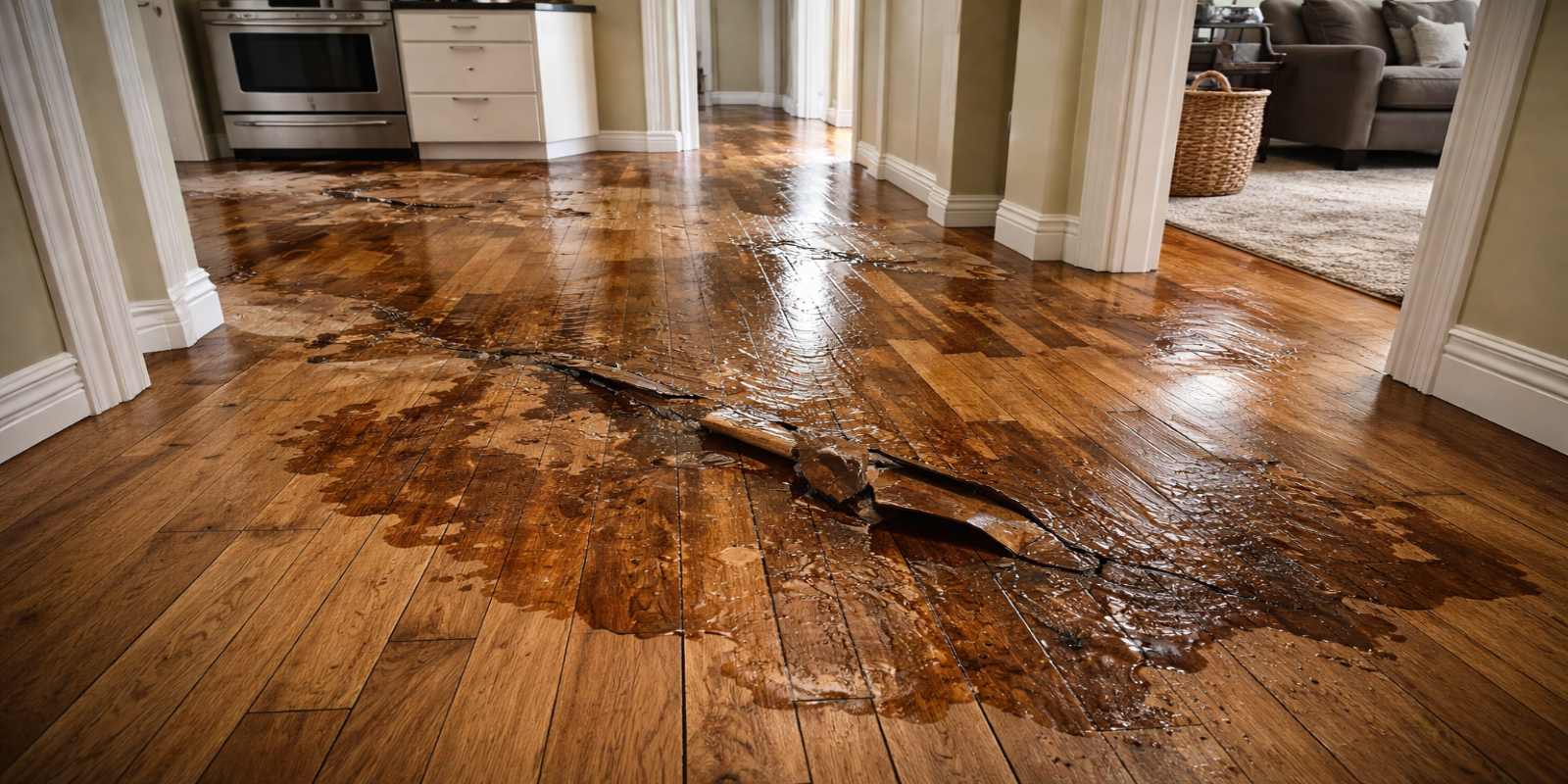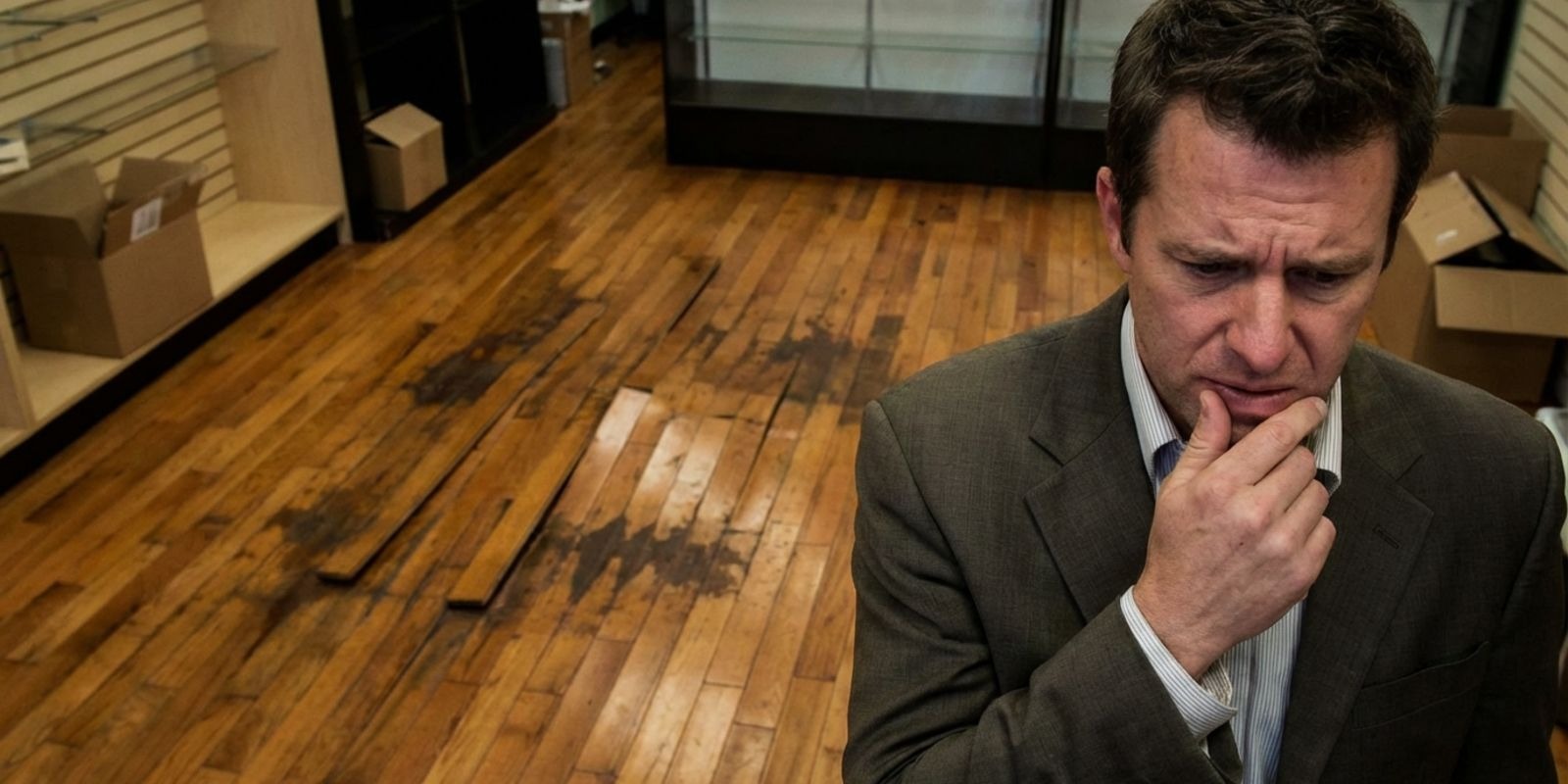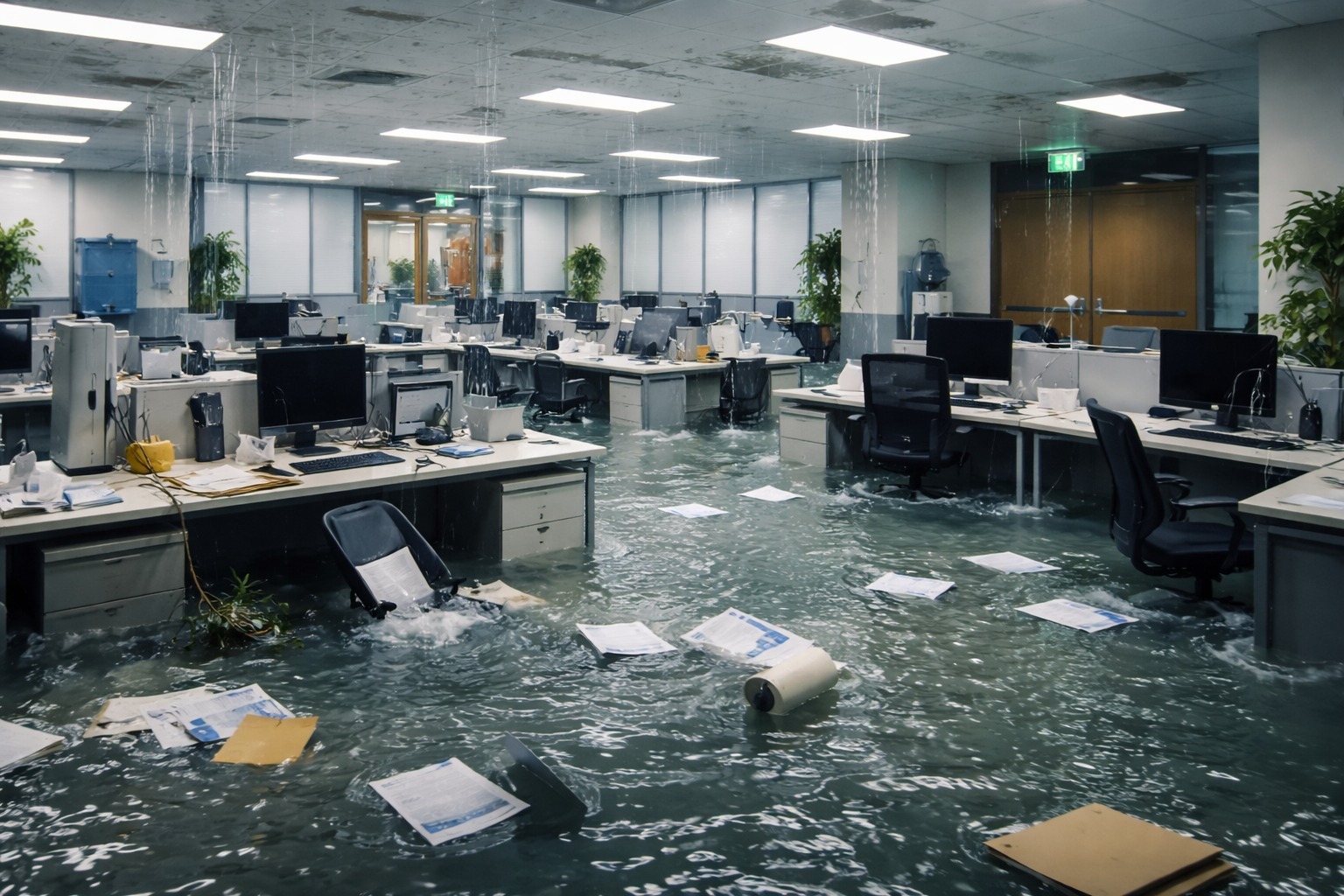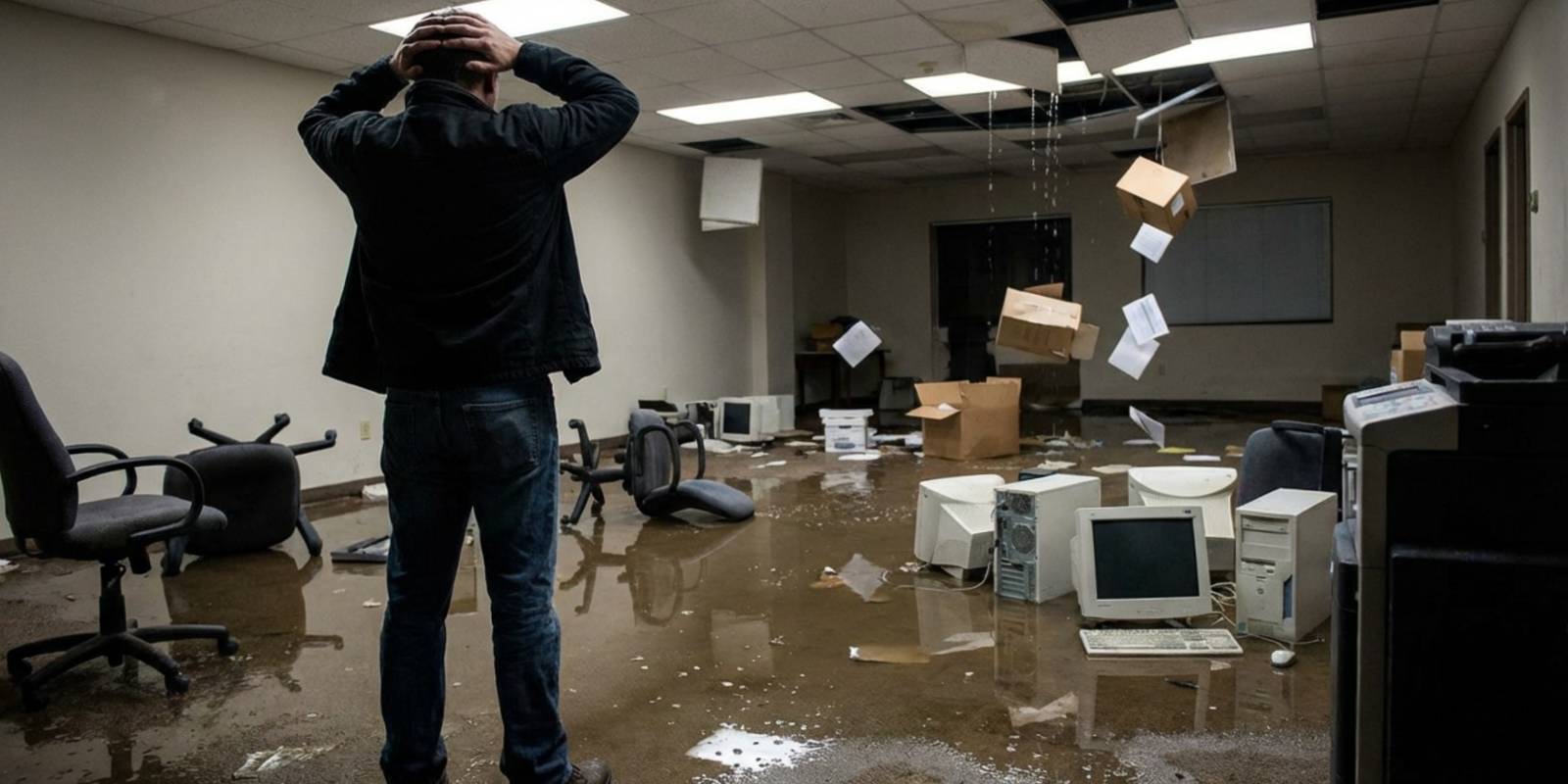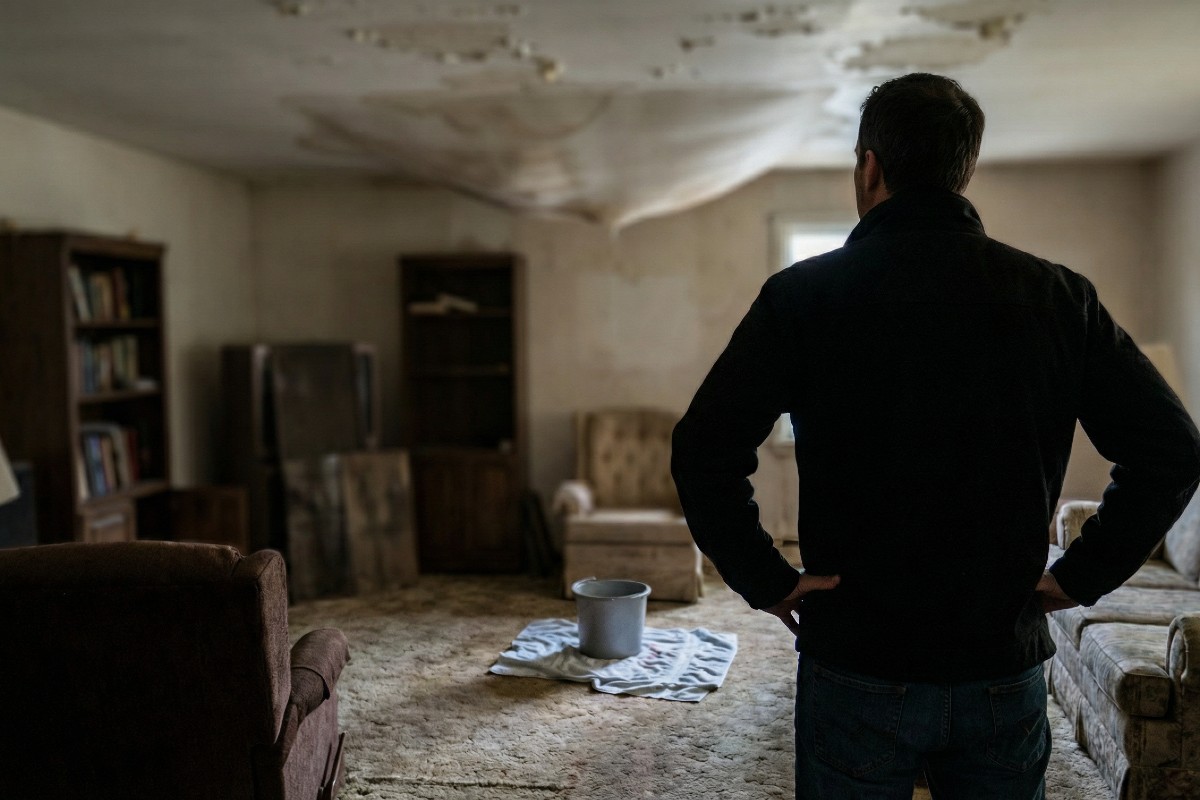

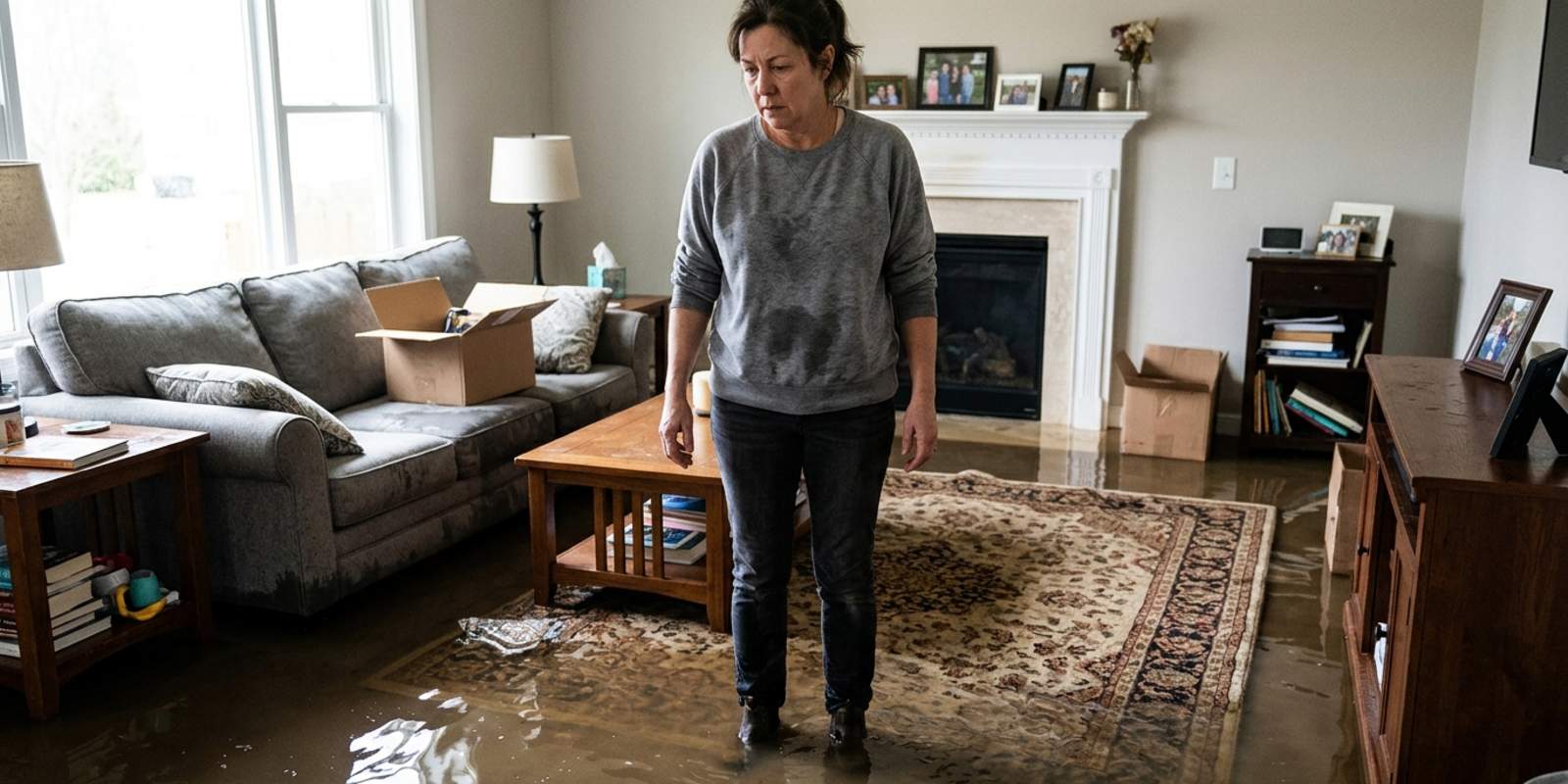
You went to Hot Springs for the weekend. You come home, and your living room looks like a small pond.
- What do you do first?
- How bad is the damage already?
Flooded floors, soaked furniture, and the fear that things could get worse fast. Water damage doesn’t just sit still. It spreads, seeps, and can turn into mold or structural damage in less than a day.
At Restore-It, we’ve helped hundreds of homeowners across South Arkansas respond to water damage within hours, not days. We’ve seen how quickly a small leak can turn into a major restoration project, and we know what actions make the biggest difference early on.
In this article, you’ll learn the 8 critical steps to take immediately after water damage, including how to stay safe, stop the source, protect your belongings, and get the right professional help before the damage spreads further.
So There Is Water Damage in My Home. Now What?
If you are a homeowner who just found out your house is completely flooded, here is a list of key steps you can take to improve the situation vastly:
Step 1: Turn Off Power to Prevent Electrical Hazards
Safety should be your priority. Water and electricity are a dangerous mix.
If water is near outlets, appliances, or wiring, do not step into standing water. Locate your breaker box only if it is safe to access and turn off all circuits before shutting off the main power.
If your breaker box is in a flooded area, do not attempt to reach it. Call your electric utility company to shut off power at the meter.
Skipping this step can put you at serious risk of electrocution.
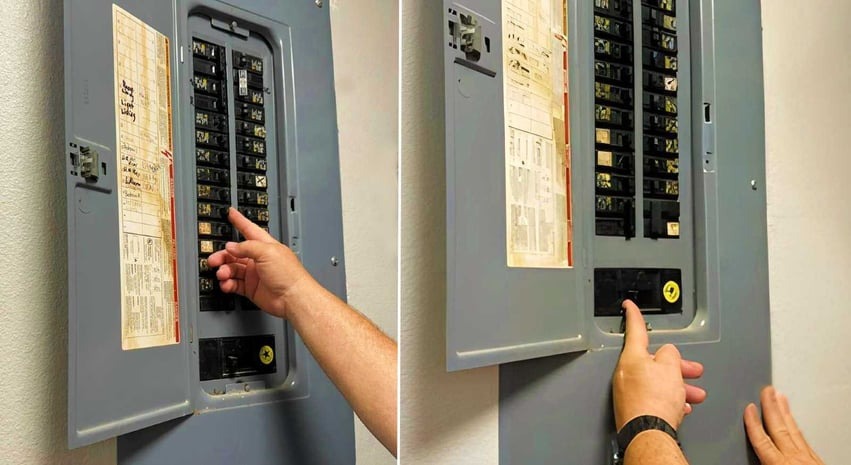
Make sure to turn off all the individual circuit breakers before turning off the main fuse.
Step 2: Shut Off the Water Source
Stopping the flow of water prevents further damage to your home.
Find your main water shut-off valve and turn it clockwise to stop the water supply. This is often located near your water meter, water heater, or inside a utility area.
Even a small, ongoing leak can quickly soak drywall, flooring, and insulation. Acting fast here can significantly reduce repair costs.
Step 3: Identify the Type and Source of Water
Not all water damage is the same, and the source matters.
Try to determine where the water is coming from and what type it is:
- Clean water: from a broken supply line or faucet
- Gray water: from appliances like washing machines
- Black water: from sewage or contaminated sources
Black water is hazardous and should always be handled by professionals.
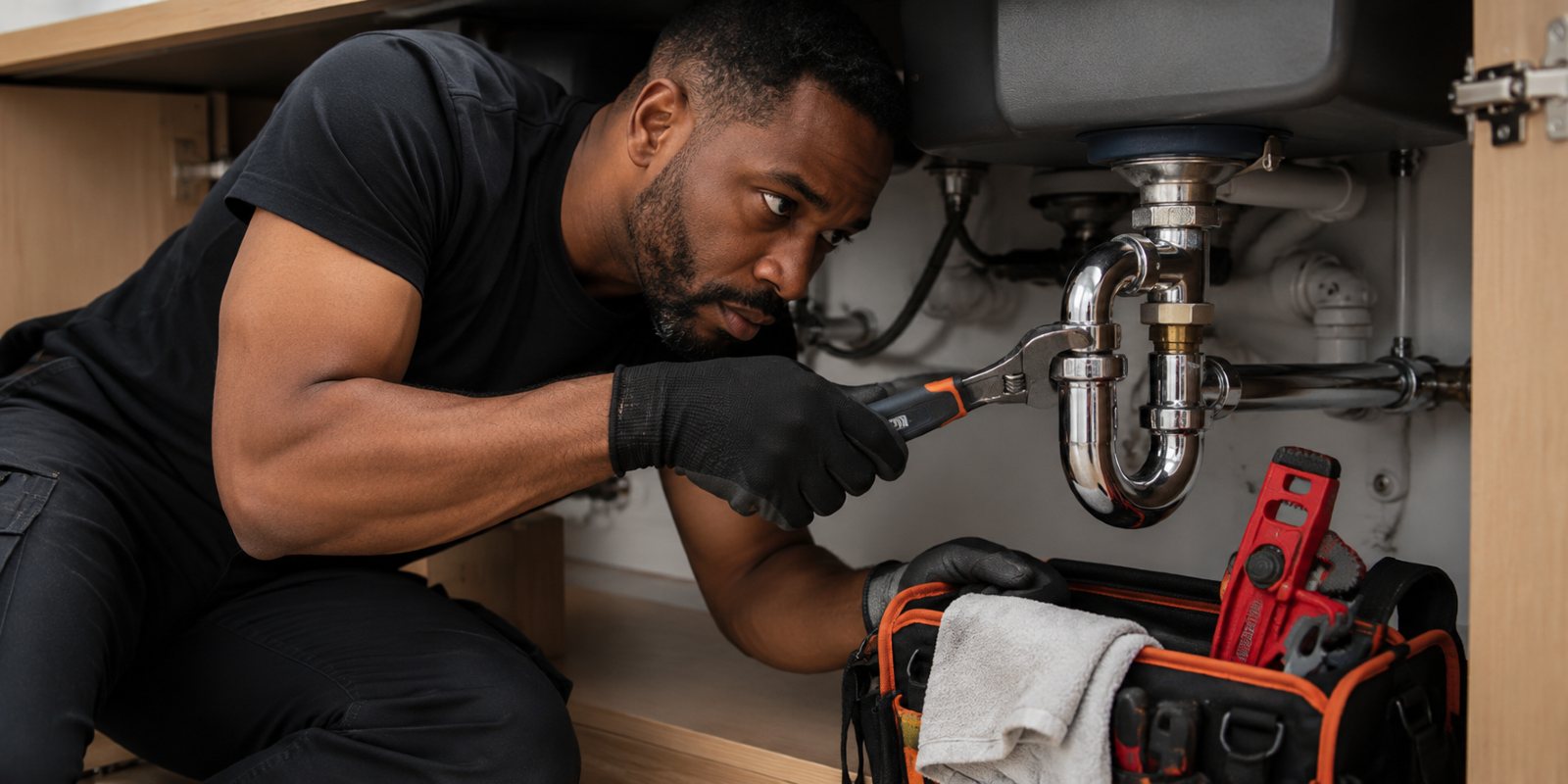
If you cannot locate or fix the source, call a plumber right away. To make sure you’re responding appropriately to the type of water in your home, check out our full guide to water categories and what each means for cleanup.

Step 4: Control Indoor Conditions (Avoid Opening Windows)
Moisture control is key to preventing mold growth.
It may seem natural to open windows and doors, but in humid climates like South Arkansas, this can make things worse. Humid air slows the drying process and increases the risk of mold.
Keep your home closed and set your thermostat between 70 and 72 degrees to help stabilize the environment.
To learn more about the potential health risks, read our guide on mold's hidden threat.

Step 5: Call a Water Restoration Company
The faster professionals step in, the more you can save.
Water damage does not wait for insurance approvals. Delays can lead to warped flooring, damaged drywall, and mold growth within 24 to 48 hours.
A professional restoration company can:
- Remove standing water
- Begin the drying process
- Prevent further structural damage
In many cases, waiting even a day can significantly increase repair costs. Time is critical when it comes to water damage. Acting immediately can prevent further destruction and reduce costs. Whenever you’re facing water damage, know that Restore-It is ready to help.

Step 6: Notify Your Insurance Provider
Start your claim early to avoid delays later.
Contact your insurance provider as soon as possible and report the damage. Make sure to get a claim number and understand what your policy covers.
Some policies have strict timelines, and delays in reporting could affect your claim. Understanding your coverage can save headaches and ensure your claim is processed smoothly. Read more about insurance claims in our article below.

Step 7: Share Contractor Info with Insurance
Clear communication helps avoid billing issues and delays.
Provide your insurance company with the contact information of the restoration company you are working with. This helps coordinate inspections, approvals, and payments more efficiently.
It also ensures everyone is aligned on the scope of work.
Step 8: Protect Your Valuables
Focus on what cannot be replaced.
Before the restoration team begins work, gather and move your most valuable items to a safe, dry area:
- Important documents
- Electronics
- Family heirlooms
- Photos and keepsakes
This not only protects your belongings but also allows technicians full access to begin the cleanup process quickly.
Before the restoration team arrives, it’s crucial to safeguard your irreplaceable items. Professionals can carefully pack and protect documents, electronics, and family keepsakes to ensure nothing is lost during the cleanup process.

What Happens If You Wait Too Long?
Delaying action can turn a small problem into a major restoration project.
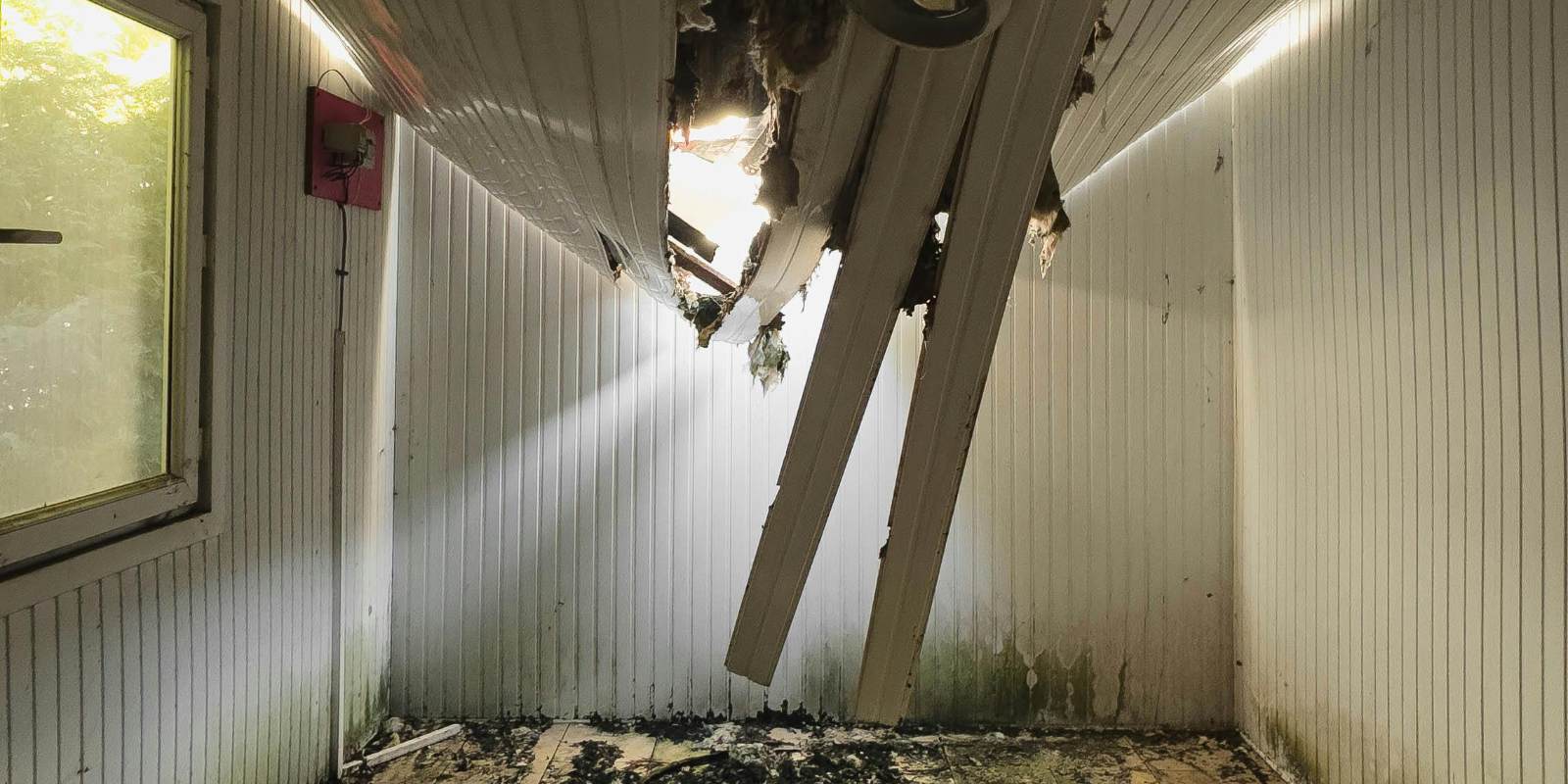
Within hours, water can seep into flooring and walls. Within a day, mold can begin to develop. Over time, structural damage can occur, leading to costly repairs.
Many homeowners are surprised by how quickly costs escalate when water damage is not addressed immediately.
Waiting too long doesn’t just worsen damage; it can also impact how much your insurance will cover. Learn why acting immediately can prevent your claim from being limited or even denied.

Understanding the Next Phase: Mitigation, Remediation, and Restoration
The cleanup process happens in three main stages.
- Mitigation: stopping the damage and removing water
- Remediation: cleaning, sanitizing, and removing damaged materials
- Restoration: repairing and rebuilding affected areas
When you know the difference between mitigation, remediation, and restoration, you’ll better understand what to expect and why each step matters for your home’s safety and recovery.
 What to Do Next If You Are Dealing With Water Damage
Dealing with water damage can feel overwhelming, especially when everything happens so quickly. From the initial shock to the fear of long-term damage, it is easy to feel unsure about what to do next.
Now you know the 8 critical steps to take to protect your home, stay safe, and limit the damage. Acting quickly and making the right decisions early can make a major difference in what can be saved and how much repairs will cost.
If you want to better understand what happens after these first steps, your next move is to learn more about how to choose the right company to help.

At Restore-It, we guide South Arkansas homeowners through every stage, from emergency response to full restoration. If you need immediate help, call us at 870-918-0041, and we will get a technician to you as quickly as possible.
Topics: